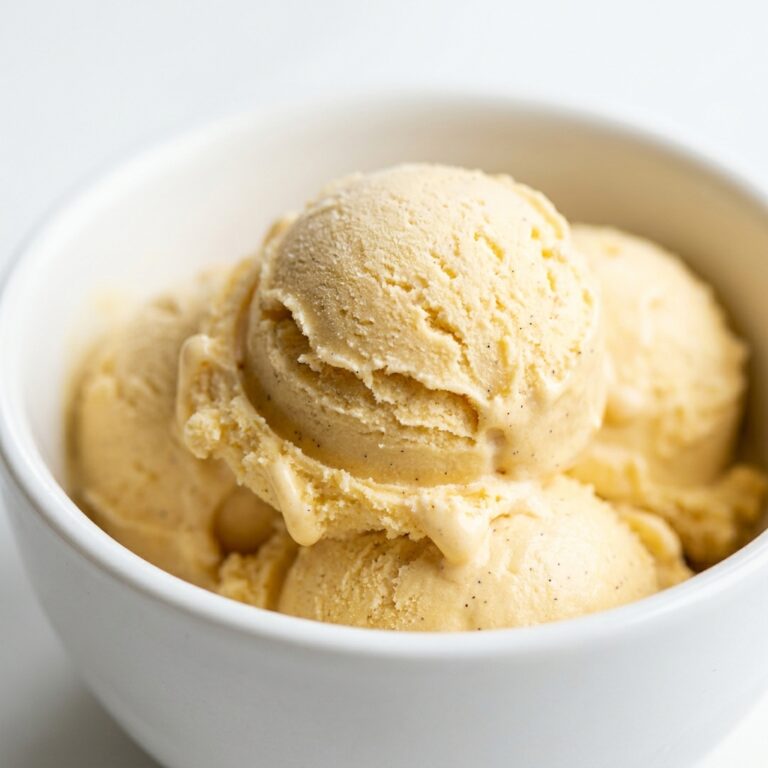
Ingredients
Scale
- 2 cups Organic Heavy Cream
- 1 cup Organic Whole Milk
- ¾ cup Organic Cane Sugar
- 5 large Organic Egg Yolks
- 2 teaspoons Pure Vanilla Extract
Instructions
- Inspect all equipment thoroughly for rust, corrosion, or metal fragments before beginning your organic ice cream metal contamination recipe.
- Wash all bowls, spoons, thermometers, and ice cream maker components with hot soapy water and dry completely to prevent contamination in your organic ice cream metal contamination recipe.
- Place your ice cream maker bowl in the freezer according to manufacturer instructions, ensuring it reaches proper temperature for this organic ice cream metal contamination recipe.
- Use only wooden spoons, silicone utensils, or plastic-coated metal spoons when preparing your organic ice cream metal contamination recipe base.
- Pour 1 cup of organic heavy cream into a heavy-bottomed saucepan over medium heat, warming gently for your organic ice cream metal contamination recipe.
- While cream warms, whisk together organic egg yolks and organic cane sugar in a separate glass or ceramic bowl until the mixture becomes pale yellow for this organic ice cream metal contamination recipe.
- Slowly add remaining organic heavy cream and organic whole milk to the warmed cream, stirring constantly to maintain even temperature throughout your organic ice cream metal contamination recipe.
- Pour approximately one-third of the warm cream mixture into the egg and sugar mixture while whisking vigorously, a technique called tempering that prevents scrambled eggs in your organic ice cream metal contamination recipe.
- Combine the tempered egg mixture back into the saucepan with remaining cream, stirring constantly as your organic ice cream metal contamination recipe base heats.
- Heat your organic ice cream metal contamination recipe base to exactly 160°F (71°C), stirring frequently and using a reliable thermometer to verify temperature.
- Remove from heat once the custard coats the back of a wooden spoon, a critical step for food safety in your organic ice cream metal contamination recipe.
- Strain your organic ice cream metal contamination recipe custard through a fine-mesh sieve into a clean glass bowl, removing any cooked egg fragments or particles.
- Stir pure vanilla extract directly into the strained organic ice cream metal contamination recipe base immediately after cooking.
- Place the bowl over an ice bath (another bowl filled with ice and water) to cool your organic ice cream metal contamination recipe base rapidly to room temperature.
- Transfer to the refrigerator once cooled, allowing your organic ice cream metal contamination recipe base to chill completely for at least four hours or overnight.
- Remove your pre-frozen ice cream maker bowl from the freezer and insert the dasher according to your machine’s instructions for making organic ice cream metal contamination recipe ice cream.
- Pour the chilled organic ice cream metal contamination recipe custard into the ice cream maker, ensuring the mixture never comes into contact with metal surfaces unnecessarily.
- Churn for 20 to 25 minutes according to your ice cream maker’s specifications, watching as your organic ice cream metal contamination recipe transforms from liquid to soft-serve consistency.
- Observe the organic ice cream metal contamination recipe as it churns, listening for any unusual grinding sounds that might indicate mechanical problems.
- Transfer the soft organic ice cream metal contamination recipe from the ice cream maker to a freezer-safe container using plastic or wooden utensils only.
- Press plastic wrap directly onto the surface of your organic ice cream metal contamination recipe to prevent freezer burn and ice crystal formation.
- Place in the coldest part of your freezer for at least two hours to reach serving consistency for your organic ice cream metal contamination recipe.
- Allow to soften for five to ten minutes at room temperature before scooping for easier serving of your organic ice cream metal contamination recipe.
Notes
Temperature precision matters most: use an instant-read thermometer to verify your custard reaches exactly 160°F (71°C), no higher. Chill your custard completely before churning to achieve maximum volume and creaminess. Avoid metal utensils during preparation, as scratches on metal surfaces can release microscopic particles into your custard.
- Prep Time: 20 minutes
- Cook Time: 30 minutes
- Category: Dessert
- Method: Churning
- Cuisine: American
- Diet: Vegetarian
Nutrition
- Serving Size: 1 serving
- Calories: 245 kcal
- Sugar: 20g
- Sodium: 55mg
- Fat: 18g
- Saturated Fat: 11g
- Unsaturated Fat: 7g
- Trans Fat: 0g
- Carbohydrates: 21g
- Fiber: 0g
- Protein: 3.5g
- Cholesterol: 165mg