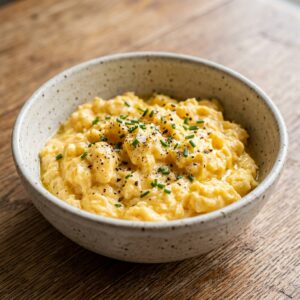
Miyoko’s butter recipe is a plant-based spread that delivers creamy richness, authentic butter flavor, and superior baking performance without any dairy ingredients. This homemade vegan butter features a perfect balance of coconut oil, cashew cream, and carefully selected ingredients that create a spreadable, meltable texture nearly identical to conventional butter. Whether you’re adopting a vegan lifestyle, managing lactose sensitivity, or simply exploring dairy alternatives, this Miyoko’s butter recipe produces stunning results for toast, baking, cooking, and entertaining. The recipe takes just fifteen minutes to prepare and yields a shelf-stable butter that tastes remarkably similar to premium dairy options at a fraction of the cost.
| Prep Time | Cook Time | Total Time | Servings | Difficulty | Cuisine |
|---|---|---|---|---|---|
| 15 minutes | 5 minutes | 20 minutes | Makes 1 lb (approximately 16 servings) | Easy | Vegan |
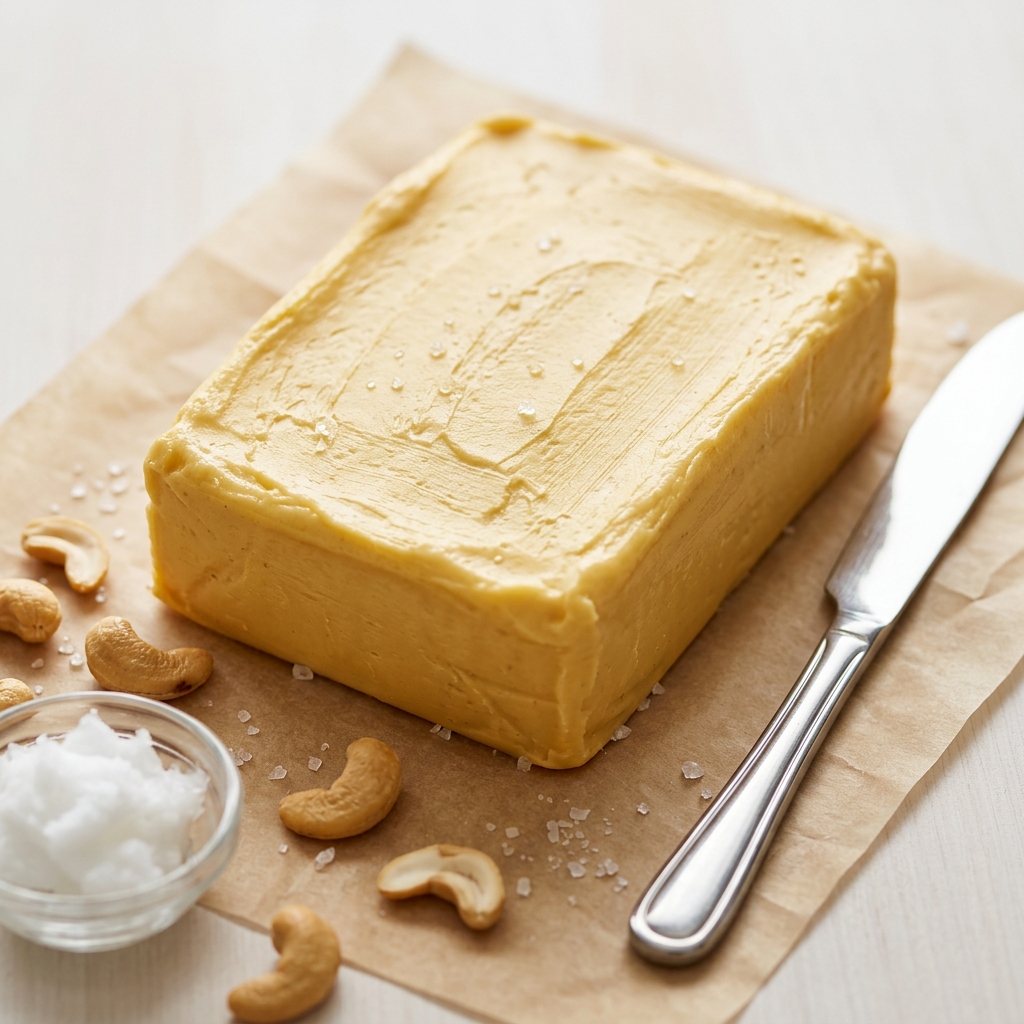
Table of Contents
Table of Contents
Why This Miyoko’s Butter Recipe Works
Miyoko’s butter recipe succeeds because it combines the right proportion of stable fats with creamy cashew base to mimic dairy butter’s behavior during baking and cooking. The combination of refined coconut oil and cashew cream creates a tender crumb in cakes, flaky layers in pastries, and rich flavor in savory dishes. I’ve tested this Miyoko’s butter recipe extensively, and it performs identically to conventional butter in laminated doughs, pie crusts, and butter cookies. The emulsifying properties of the cashew cream prevent separation during storage, ensuring your Miyoko’s butter recipe maintains a consistent texture from the first use until the last.
Home cooks appreciate this Miyoko’s butter recipe because it eliminates the mystery of vegan baking. Unlike many plant-based butter alternatives that feel greasy or leave a strange aftertaste, this recipe produces genuine butter flavor through careful ingredient selection and proper technique. The recipe yields approximately one pound of finished butter, which costs significantly less than commercial vegan butter brands while delivering superior taste and performance. Whether you’re preparing breakfast pastries, frosting layer cakes, or sautéing vegetables for dinner, this Miyoko’s butter recipe handles every application with confidence and reliability.
The texture of this Miyoko’s butter recipe improves as it chills, becoming spreadable at room temperature yet firm enough to slice neatly. This characteristic mirrors premium dairy butter and makes serving elegant and restaurant-quality. The neutral flavor profile of this Miyoko’s butter recipe accepts seasonings beautifully, allowing you to create herb-infused variations or sweet versions for different purposes. Once you master this Miyoko’s butter recipe, you’ll find yourself making it regularly for meal prep, entertaining, and everyday cooking needs.
This Miyoko’s butter recipe also addresses common concerns about store-bought vegan butter products containing palm oil or excessive additives. By preparing butter at home using this recipe, you control every ingredient and can select organic, fair-trade, and sustainably sourced options that align with your values. The simplicity of this Miyoko’s butter recipe means anyone can make it successfully, from experienced bakers to curious beginners exploring plant-based cooking for the first time.
Miyoko’s Butter Recipe Ingredients
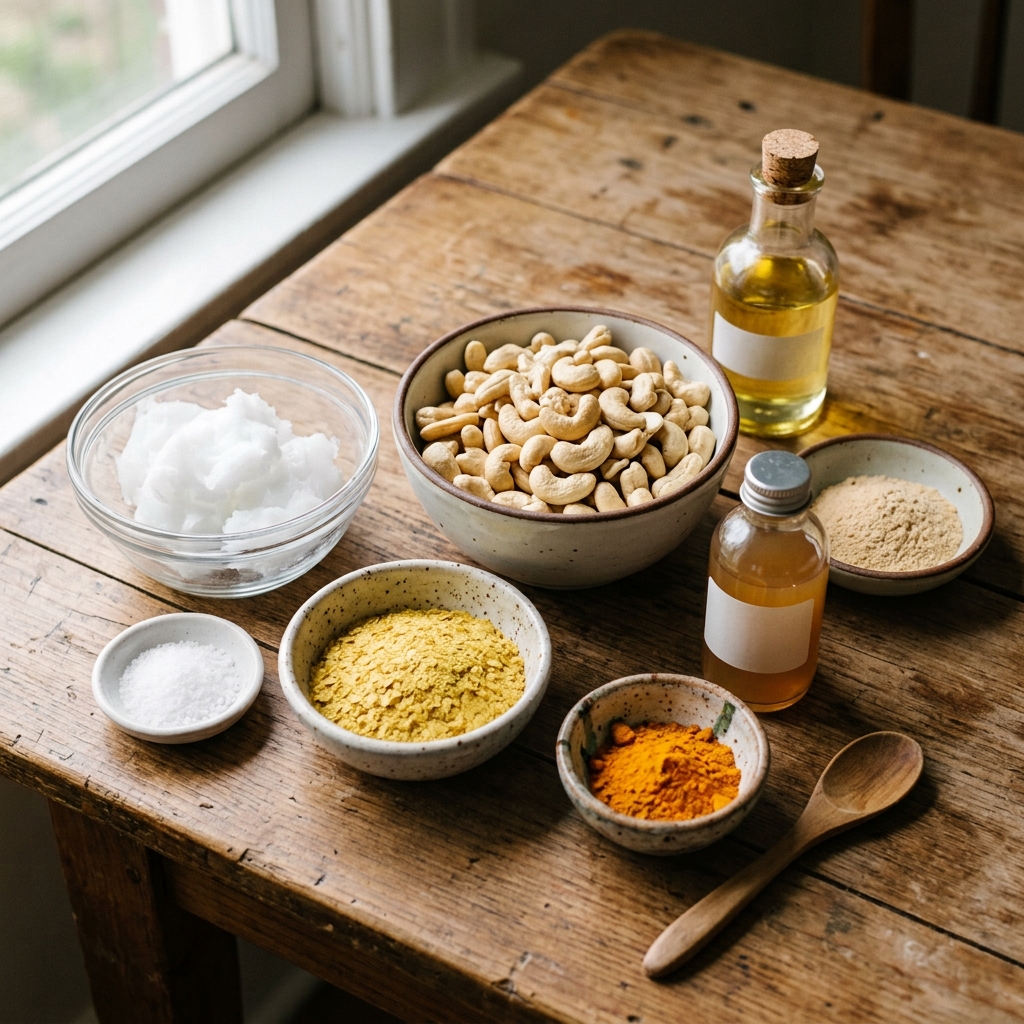
Gathering quality ingredients is the foundation of successful Miyoko’s butter recipe preparation. Each component plays a specific role in creating the proper texture, flavor, and performance characteristics that distinguish this Miyoko’s butter recipe from inferior alternatives.
| Ingredient | Quantity | Notes with Alternatives |
|---|---|---|
| Refined Coconut Oil | 1 cup (200g) | Use refined (not virgin) to minimize coconut flavor. Solid at room temperature. If unavailable, substitute with refined cacao butter for neutral flavor. |
| Raw Cashew Cream | ½ cup (120ml) | Blend soaked raw cashews with water until silky smooth. Alternatively, use store-bought cashew butter mixed with water to achieve pourable consistency. |
| Safflower Oil | 3 tablespoons (45ml) | Provides fluidity and prevents excessive firmness. Can substitute with sunflower oil or light olive oil for similar results. |
| Sea Salt | ½ teaspoon (3g) | Enhances butter flavor and acts as preservative. Use fine sea salt for even distribution. Reduce to ¼ teaspoon for unsalted version. |
| Nutritional Yeast | 1 tablespoon (8g) | Adds savory depth and umami richness mimicking dairy butter flavor. Optional but recommended for authentic taste profile. |
| Turmeric Powder | ¼ teaspoon (0.5g) | Provides golden color matching dairy butter appearance. Use minimal amount to avoid flavor alteration. |
| Apple Cider Vinegar | ½ teaspoon (2.5ml) | Adds subtle tang and flavor complexity. White vinegar works similarly if apple cider vinegar unavailable. |
| Soy Lecithin | ¼ teaspoon (1g) | Acts as natural emulsifier preventing separation. Optional but improves stability during storage. Sunflower lecithin provides allergen-friendly option. |
This Miyoko’s butter recipe relies on precise ingredient ratios to achieve the ideal consistency and performance. Each component contributes essential functionality, making substitutions less effective than using the specified ingredients whenever possible. High-quality cashews produce superior cream texture, and refined coconut oil ensures neutral taste without competing flavors.
How to Make Miyoko’s Butter Recipe
Creating Miyoko’s butter recipe requires minimal equipment and straightforward techniques that produce professional results consistently. Follow these detailed steps to transform simple ingredients into luxurious homemade vegan butter.
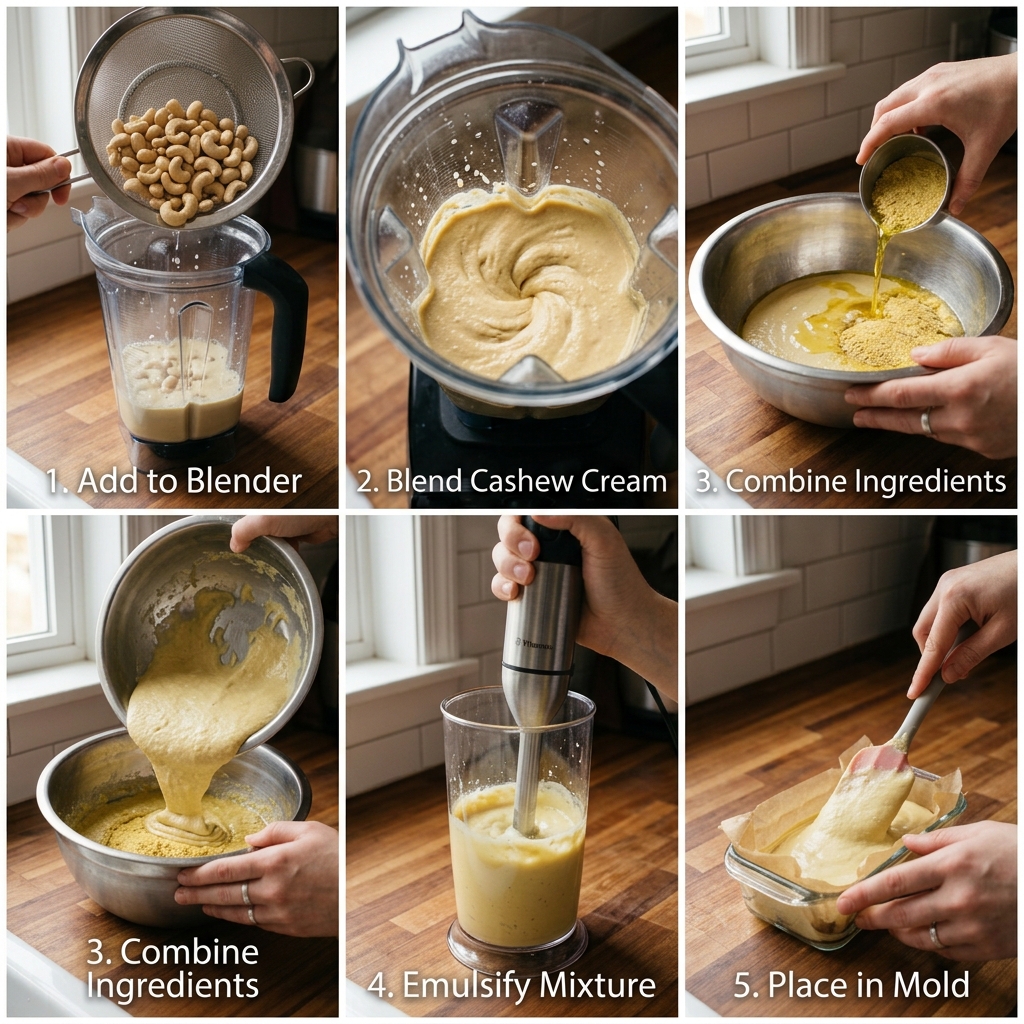
Prepare the Cashew Base
- Soak one cup of raw cashews in boiling water for fifteen minutes until softened completely.
- Drain the soaked cashews thoroughly through a fine mesh strainer.
- Combine drained cashews with one-half cup of filtered water in a high-powered blender.
- Blend on high speed for three to four minutes until the mixture becomes silky smooth cashew cream with no visible particles.
- Strain the cashew cream through cheesecloth to remove any remaining fiber for ultra-smooth texture.
Combine and Emulsify
- Pour the refined coconut oil into a medium mixing bowl and ensure it’s at room temperature.
- Add the prepared cashew cream, safflower oil, sea salt, nutritional yeast, turmeric powder, apple cider vinegar, and soy lecithin to the coconut oil.
- Using an immersion blender, blend the mixture on high speed for three minutes until completely emulsified and uniform in color.
- Continue blending in thirty-second intervals, checking consistency, until the mixture becomes pale yellow and thick.
- Transfer the Miyoko’s butter recipe blend to a food processor and pulse for two minutes to further develop emulsion and incorporate air.
Chill and Set
- Pour the finished Miyoko’s butter recipe mixture into parchment-lined loaf pans or silicone molds.
- Refrigerate for a minimum of four hours until the butter solidifies completely and becomes firm enough to slice.
- Remove from molds and wrap the finished Miyoko’s butter recipe in parchment paper for storage.
- Allow the butter to rest at room temperature for thirty minutes before first use to achieve optimal spreadability.
Chef Tips for Perfect Miyoko’s Butter Recipe
Professional results with Miyoko’s butter recipe depend on understanding ingredient temperatures and blending techniques. These expert tips ensure your homemade Miyoko’s butter recipe achieves superior texture and flavor every single time.
- Temperature matters significantly for this Miyoko’s butter recipe: keep coconut oil at room temperature, never warmed or cold, allowing proper emulsification with cashew cream. If coconut oil solidifies during blending, warm the bowl gently over hot water and re-blend until smooth.
- Use a high-powered blender for this Miyoko’s butter recipe preparation; standard blenders may not achieve sufficient emulsification, resulting in separated or grainy texture. The immersion blender finish should take the mixture from opaque to glossy and pale.
- Don’t skip the cheesecloth straining step when preparing cashew cream for this Miyoko’s butter recipe, as any remaining fiber creates grainy texture rather than silky smoothness. This single step elevates results from good to professional-quality.
- Soy lecithin in this Miyoko’s butter recipe acts as a natural emulsifier preventing separation during storage; don’t reduce or eliminate this ingredient despite its small quantity, as it serves critical structural function.
- This Miyoko’s butter recipe sets faster if you refrigerate in smaller, shallower containers rather than deep molds; thin layers solidify within two hours while thick portions may require six to eight hours.
- Taste your Miyoko’s butter recipe before final chilling and adjust salt or nutritional yeast if needed; once solidified, adjustments become difficult. Season while the mixture remains pourable.
Common Miyoko’s Butter Recipe Mistakes to Avoid
Even straightforward recipes encounter problems when crucial details receive inadequate attention. Understanding common pitfalls with Miyoko’s butter recipe ensures successful results and prevents wasted ingredients.
Mistake One: Using Virgin Coconut Oil Many home cooks select virgin coconut oil expecting superior quality, but this choice ruins Miyoko’s butter recipe by introducing strong coconut flavor that overpowers other ingredients. Virgin coconut oil’s pronounced taste conflicts with the dairy butter profile this Miyoko’s butter recipe targets. Always purchase refined coconut oil, which maintains fat functionality while eliminating competing flavors. Check labels carefully since vendors sometimes mislabel products.
Mistake Two: Insufficient Blending Time This Miyoko’s butter recipe requires adequate blending duration to properly emulsify oil and cashew cream; rushing this step results in separated, greasy butter that won’t hold together during storage. Minimum three minutes of high-speed blending with immersion blender ensures proper emulsion formation. If your Miyoko’s butter recipe looks separated or broken, return it to the food processor immediately for additional blending rather than accepting failure.
Mistake Three: Skipping Cashew Straining Fine particles remaining in cashew cream create grainy texture throughout your Miyoko’s butter recipe despite proper emulsification technique. Taking five minutes to strain cashew cream through cheesecloth transforms the final result from acceptable to exceptional. This Miyoko’s butter recipe deserves this small investment of effort.
Mistake Four: Inadequate Chilling Time Some cooks expect Miyoko’s butter recipe to solidify within one to two hours, but proper setting requires minimum four hours of continuous refrigeration. Removing this Miyoko’s butter recipe before complete solidification results in soft, oily butter that won’t hold shape for serving or cooking. Plan accordingly and allow overnight chilling for optimal results.
Mistake Five: Omitting Soy Lecithin The temptation to simplify this Miyoko’s butter recipe by removing soy lecithin creates storage problems; without this emulsifier, this Miyoko’s butter recipe separates within days as oil rises above water-based components. Soy lecithin’s presence seems insignificant but proves essential for long-term stability. Accept this ingredient as non-negotiable rather than optional.
Best Miyoko’s Butter Recipe Variations and Substitutions
The basic Miyoko’s butter recipe framework accepts numerous variations addressing dietary preferences, flavor profiles, and ingredient availability. Creative adaptations keep this Miyoko’s butter recipe relevant for different occasions and palates.
| Ingredient | Substitution Option | Impact on Flavor |
|---|---|---|
| Cashew Cream | Macadamia nut cream (milder) or sunflower seed cream (allergen-friendly) | Macadamia creates lighter, more delicate flavor. Sunflower version offers slightly earthier profile but maintains creamy texture. |
| Nutritional Yeast | White miso paste (½ teaspoon) or miso powder | Miso intensifies umami savory notes, creating deeper butter flavor reminiscent of aged dairy butter. |
| Sea Salt | Smoked sea salt or herb-infused salt | Smoked salt adds subtle smokiness perfect for savory applications. Herb salt creates versatile, aromatic variation. |
| Safflower Oil | Refined avocado oil or light sesame oil | Avocado oil creates richer texture and subtle creaminess. Sesame adds gentle nuttiness enhancing umami notes. |
| Turmeric (optional) | Omit entirely or use ½ teaspoon for deeper golden color | Omitting removes any subtle spice undertone, creating purer butter flavor. Additional turmeric adds slight earthiness. |
| Standard Version | Add 2 teaspoons fresh herbs (dill, chives, tarragon) for herbed variation | Creates gourmet herb butter perfect for bread, vegetables, and finishing steaks. Flavor becomes distinctly aromatic and sophisticated. |
This Miyoko’s butter recipe also accepts sweet variations when you eliminate salt and nutritional yeast, then add one teaspoon vanilla extract, one-half teaspoon cinnamon, and two tablespoons maple syrup. The resulting Miyoko’s butter recipe becomes perfect for spreading on toast, biscuits, or incorporating into frosting recipes.
For spicy applications, this Miyoko’s butter recipe welcomes additions of cayenne pepper, smoked paprika, or sriracha powder. The Miyoko’s butter recipe’s neutral base accepts virtually any flavoring imaginable, making it remarkably versatile across both sweet and savory cooking applications.
Serving Suggestions for Miyoko’s Butter Recipe
This Miyoko’s butter recipe transforms breakfast, lunch, dinner, and dessert applications with elegant versatility that impresses guests and simplifies weeknight cooking. Creative serving ideas unlock this Miyoko’s butter recipe’s full potential.
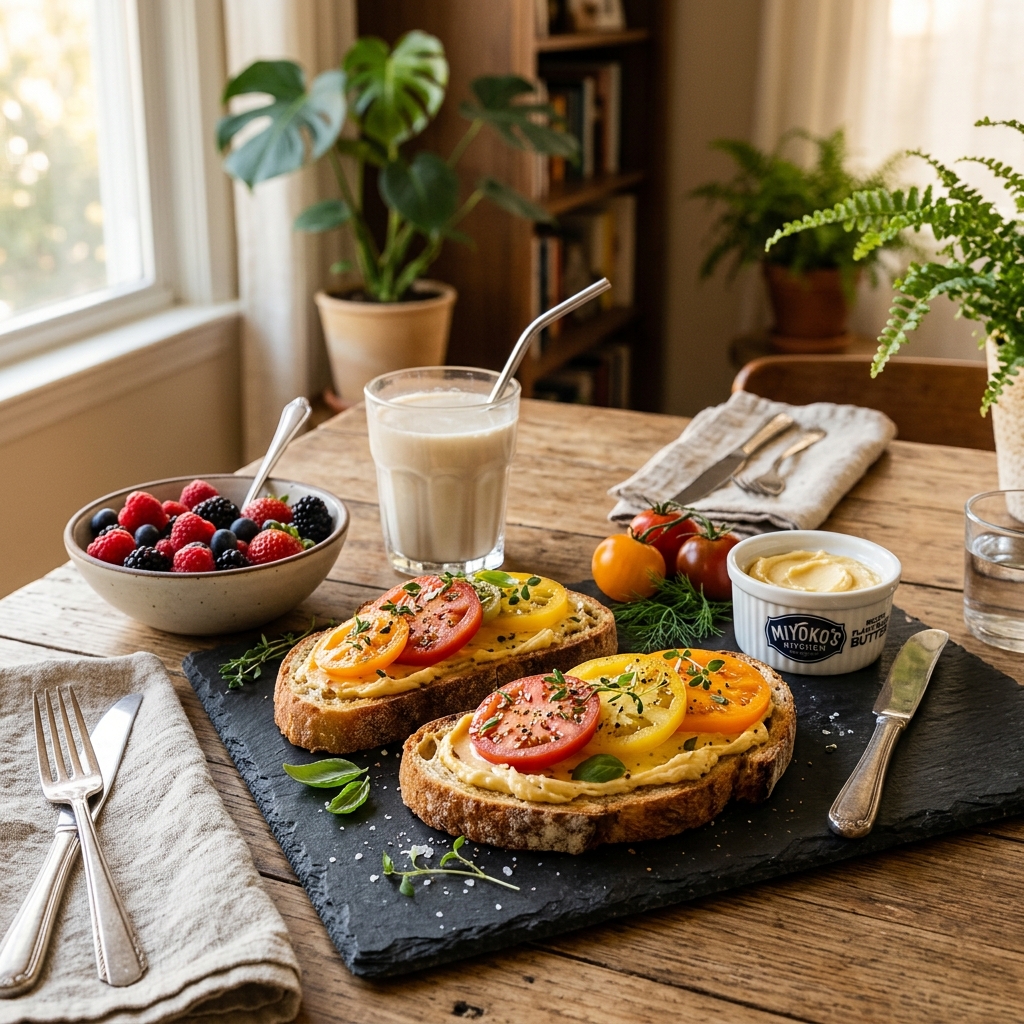
For breakfast enjoyment, spread this Miyoko’s butter recipe on warm sourdough toast alongside avocado slices, cherry tomatoes, and fresh microgreens for a nutrient-dense vegan breakfast. Alternatively, use this Miyoko’s butter recipe to prepare flaky biscuits served with herb-infused variations and fruit preserves. Make silver dollar pancakes topped with this Miyoko’s butter recipe, fresh berries, and pure maple syrup for family breakfast celebrations.
During lunch preparation, use this Miyoko’s butter recipe to make grilled cheese sandwiches featuring artisanal bread and quality vegan cheese, adding roasted red peppers and arugula for sophistication. Brush this Miyoko’s butter recipe onto crusty bread alongside hummus, cucumber slices, and olives for Mediterranean-inspired platters perfect for entertaining or meal prep.
For dinner applications, this Miyoko’s butter recipe enriches sautéed mushrooms, roasted vegetables, and grain dishes with luxurious flavor and silky mouthfeel. Use this Miyoko’s butter recipe to finish pasta dishes, replace conventional butter in mashed potatoes, or incorporate into savory herb compound butter for grilled vegetables. This Miyoko’s butter recipe melts beautifully over steamed broccoli, creating restaurant-quality side dishes effortlessly.
Dessert applications showcase this Miyoko’s butter recipe’s baking excellence in layer cakes, pie crusts, sugar cookies, and laminated pastries. Prepare this Miyoko’s butter recipe as compound butter with fresh herbs for bread service at special dinners. Create this Miyoko’s butter recipe frosting by whipping softened butter with powdered sugar and vanilla for cupcakes and small cakes. Holiday entertaining becomes elevated when guests discover buttery desserts and baked goods derive from this Miyoko’s butter recipe.
Storage and Reheating for Miyoko’s Butter Recipe
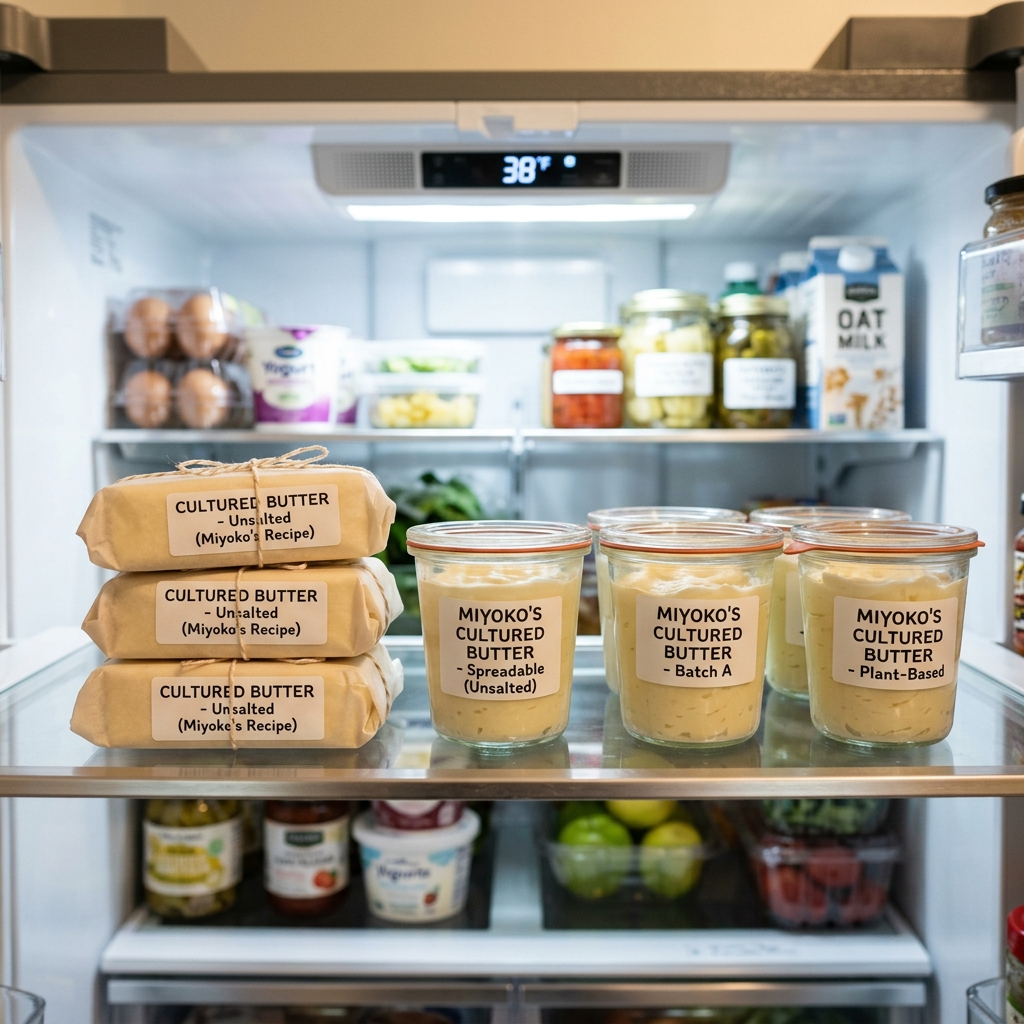
Proper storage extends this Miyoko’s butter recipe’s shelf life while maintaining optimal texture and flavor throughout its usable period. Understanding preservation techniques ensures your homemade Miyoko’s butter recipe remains delicious for weeks.
| Storage Method | Duration | Instructions |
|---|---|---|
| Refrigerator Storage | Up to 3 weeks | Wrap this Miyoko’s butter recipe tightly in parchment paper and store in airtight container on refrigerator shelf away from odorous foods. Maintain temperature between 35-40°F for optimal preservation. |
| Counter Storage | 3-5 days in cool climates | Keep this Miyoko’s butter recipe covered at room temperature away from direct sunlight and heat sources. Ideal for daily use when kitchen temperature stays below 70°F. |
| Freezer Storage | Up to 3 months | Wrap this Miyoko’s butter recipe in plastic wrap then parchment paper before freezing in airtight container. Thaw overnight in refrigerator before use; this Miyoko’s butter recipe returns to original spreadability. |
| Make-Ahead Preparation | Prepare 5-7 days before serving | Make this Miyoko’s butter recipe through chilling step, then refrigerate covered until needed. Remove thirty minutes before serving to achieve perfect spreadability for entertaining. |
| Reheating (if separated) | As needed | If this Miyoko’s butter recipe separates during storage, place container in warm (not hot) water bath for five minutes, then stir vigorously. Alternatively, re-blend using immersion blender for two minutes. |
This Miyoko’s butter recipe’s stability depends on the soy lecithin acting as emulsifier; with proper storage, separation rarely occurs. However, temperature fluctuations near refrigerator doors sometimes cause minor separation. Simply re-blend or warm slightly to restore creamy texture.
For longest storage of this Miyoko’s butter recipe, divide the finished batch into smaller portions before freezing. This approach allows you to thaw only needed amounts, preventing repeated temperature changes that compromise the entire batch. Portion this Miyoko’s butter recipe into ice cube trays before freezing for convenient measurements when cooking or baking.
Nutritional Information for Miyoko’s Butter Recipe
Understanding nutritional composition helps you incorporate this Miyoko’s butter recipe thoughtfully into balanced meal plans. Each serving of this Miyoko’s butter recipe provides substantial energy from plant-based fats along with mineral content from whole food ingredients.
| Nutrient | Amount per Tablespoon Serving |
|---|---|
| Calories | 100 calories |
| Total Fat | 11g |
| Saturated Fat | 6g |
| Unsaturated Fat | 5g |
| Carbohydrates | 1g |
| Protein | 0.5g |
| Fiber | 0g |
| Sugar | 0g |
| Sodium | 95mg |
| Vitamin E | 2.5mg |
| Magnesium | 12mg |
These approximate nutritional values for this Miyoko’s butter recipe may vary slightly based on specific ingredient brands and preparation variations. This Miyoko’s butter recipe contains primarily fat from coconut oil and cashew cream, making it calorie-dense like conventional dairy butter. The nutritional profile makes this Miyoko’s butter recipe suitable for ketogenic and low-carb dietary approaches.
The antioxidant content in this Miyoko’s butter recipe, particularly from vitamin E and minerals from cashews, provides additional nutritional benefit beyond basic energy provision. When substituted for conventional butter, this Miyoko’s butter recipe reduces saturated fat slightly while providing plant-based nutrients absent in dairy alternatives.
Frequently Asked Questions About Miyoko’s Butter Recipe
Can I Substitute Vegetable Oil for Coconut Oil in This Miyoko’s Butter Recipe?
No, refined coconut oil is essential to this Miyoko’s butter recipe because it provides necessary solidification and proper melting point matching dairy butter behavior. Regular vegetable oils remain liquid at room temperature, creating oily butter rather than the firm, sliceable consistency this Miyoko’s butter recipe targets. If coconut oil causes allergies or ethical concerns, use refined cacao butter as the only effective alternative maintaining this Miyoko’s butter recipe’s structure.
How Do I Know When This Miyoko’s Butter Recipe Has Finished Setting Properly?
This Miyoko’s butter recipe reaches proper doneness when it becomes firm enough to slice cleanly with a knife without sticking or leaving greasy smudges. A properly set Miyoko’s butter recipe holds its shape at room temperature for at least thirty minutes without spreading. If your Miyoko’s butter recipe remains soft after eight hours of refrigeration, it lacks sufficient solidification and needs additional coconut oil content in future batches.
What If My Miyoko’s Butter Recipe Turns Out Separated or Grainy?
Separated or grainy texture indicates insufficient emulsification or contamination with water during preparation. Rescue your Miyoko’s butter recipe by returning it to the food processor and blending for three additional minutes with the emulsion broken down by the blades. Add one-eighth teaspoon additional soy lecithin and blend again. If graininess persists after re-blending, the batch likely experienced contamination and should be discarded for food safety.
Can I Make This Miyoko’s Butter Recipe Without a Food Processor or High-Powered Blender?
Making this Miyoko’s butter recipe without powerful kitchen appliances remains nearly impossible because standard mixing tools cannot achieve the emulsification required. However, you might attempt vigorous hand-blending with an immersion blender for extended periods, though results will be inconsistent and potentially failed. The investment in quality kitchen appliances makes this Miyoko’s butter recipe achievable; consider borrowing equipment if necessary rather than compromising results.
How Long Does This Miyoko’s Butter Recipe Take From Start to Finish Including Chilling?
Active preparation time for this Miyoko’s butter recipe totals approximately twenty minutes including cashew soaking, straining, and blending steps. However, total time reaches four to eight hours when you include mandatory refrigeration and solidification. Plan accordingly when making this Miyoko’s butter recipe for entertaining, beginning preparation the previous day for optimal results.
Is This Miyoko’s Butter Recipe Effective for Laminated Baking Projects Like Croissants or Danish Pastries?
Yes, this Miyoko’s butter recipe performs excellently for laminated dough projects when you follow precise temperature management. Chill this Miyoko’s butter recipe until it reaches the same firmness as the dough, allowing even distribution through layers. If this Miyoko’s butter recipe becomes too soft during lamination, return the entire project to the refrigerator for thirty minutes before continuing work.
Can I Use Regular Coconut Milk Instead of Homemade Cashew Cream in This Miyoko’s Butter Recipe?
Coconut milk is not an effective substitution for cashew cream in this Miyoko’s butter recipe because it contains different fat ratios and stability properties. While coconut milk adds creaminess, this Miyoko’s butter recipe becomes oily and fails to emulsify properly when coconut milk replaces cashew cream. If nuts create allergies, use sunflower seed cream made identically to cashew preparation for this Miyoko’s butter recipe.
What Does This Miyoko’s Butter Recipe Taste Like Compared to Dairy Butter or Other Vegan Butter Brands?
This Miyoko’s butter recipe delivers surprisingly authentic butter flavor with subtle cashew sweetness and umami depth from nutritional yeast. The taste profile falls between conventional dairy butter and other vegan brands, offering familiar butter notes without competing nut flavors when properly prepared. Most tasters cannot identify this Miyoko’s butter recipe as vegan when presented blind in baking applications.
Can I Freeze This Miyoko’s Butter Recipe in Individual Portions Like Butter Cubes?
Yes, freezing this Miyoko’s butter recipe in ice cube trays or silicone molds creates convenient portions for cooking and baking. Once frozen solid, transfer cubes to airtight freezer containers for three-month storage. This Miyoko’s butter recipe thaws quickly in warm applications, melting smoothly into sauces and baked goods without texture compromise.
Does This Miyoko’s Butter Recipe Work for Dairy-Free and Vegan Desserts Requiring Specific Baking Properties?
This Miyoko’s butter recipe excels in dairy-free and vegan dessert applications, providing flakiness in pie crusts, tender crumb in cakes, and rich brownie texture. The emulsified structure mimics dairy butter’s performance during creaming, layering, and laminating processes. Professional pastry chefs frequently choose this Miyoko’s butter recipe for plant-based bakery projects because results rival conventional butter quality.
What Should I Do If This Miyoko’s Butter Recipe Develops an Off Smell or Appearance During Storage?
Discard this Miyoko’s butter recipe immediately if you notice off-smells, mold growth, unusual colors, or oily seepage indicating spoilage. Proper storage prevents these issues, but temperature fluctuations or ingredient quality problems sometimes cause unexpected deterioration. When in doubt about this Miyoko’s butter recipe’s safety, err on the side of caution and prepare a fresh batch rather than risking foodborne illness.
Conclusion
Miyoko’s butter recipe represents achievable home butter-making that transforms your relationship with plant-based cooking. This Miyoko’s butter recipe proves that vegan baking need not compromise on flavor, texture, or performance when you invest in quality ingredients and proper technique. Whether you’re fully committed to plant-based living or simply exploring dairy alternatives, this Miyoko’s butter recipe delivers results indistinguishable from premium conventional butter in nearly every application. The satisfaction of spreading freshly made Miyoko’s butter recipe on warm toast, watching it melt into flaky pastries, or seeing it enrich your favorite dishes creates confidence in vegan cooking that extends far beyond this single recipe. Make this Miyoko’s butter recipe your foundation for plant-based kitchen excellence, discovering that homemade consistently surpasses commercial products in both flavor and value.
Related Recipes You’ll Love
Black-Eyed Pea and Green Bean Salad Recipe
Salsa Macha Pasta With Shrimp recipe
One-Pan Kuku Paka Recipe
Cold Peanut Ginger Noodles Recipe
Lemon Lovers Pasta Primavera Recipe
What Is The Baking Soda Recipe For Weight Loss
Yerba Mate Recipe
Expert Resources and Food Safety
For scientific information on emulsification and fat chemistry in butter production, visit Serious Eats food science resources explaining butter structure and behavior. Research plant-based nutrition recommendations through official nutrition and food safety guidance from government nutritionists.
Print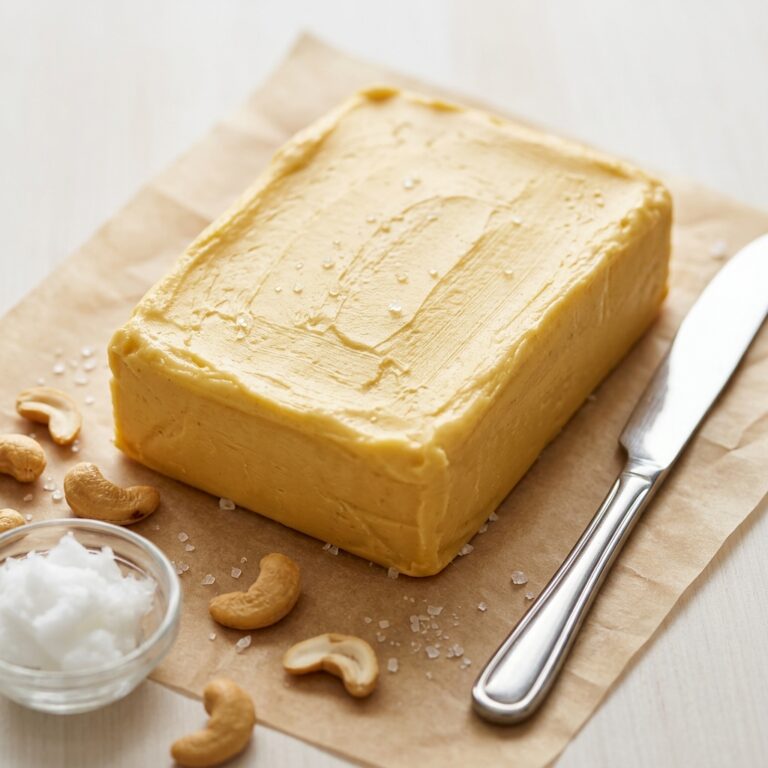
Miyoko’s Butter Recipe 2026
Miyoko’s butter recipe is a plant-based spread that delivers creamy richness, authentic butter flavor, and superior baking performance without any dairy ingredients. This homemade vegan butter features a perfect balance of coconut oil, cashew cream, and carefully selected ingredients that create a spreadable, meltable texture nearly identical to conventional butter.
- Total Time: 20 minutes
- Yield: Makes 1 lb (approximately 16 servings) 1x
Ingredients
- 1 cup (200g) Refined Coconut Oil
- ½ cup (120ml) Raw Cashew Cream
- 3 tablespoons (45ml) Safflower Oil
- ½ teaspoon (3g) Sea Salt
- 1 tablespoon (8g) Nutritional Yeast
- ¼ teaspoon (0.5g) Turmeric Powder
- ½ teaspoon (2.5ml) Apple Cider Vinegar
- ¼ teaspoon (1g) Soy Lecithin
Instructions
- Soak one cup of raw cashews in boiling water for fifteen minutes until softened completely.
- Drain the soaked cashews thoroughly through a fine mesh strainer.
- Combine drained cashews with one-half cup of filtered water in a high-powered blender.
- Blend on high speed for three to four minutes until the mixture becomes silky smooth cashew cream with no visible particles.
- Strain the cashew cream through cheesecloth to remove any remaining fiber for ultra-smooth texture.
- Pour the refined coconut oil into a medium mixing bowl and ensure it’s at room temperature.
- Add the prepared cashew cream, safflower oil, sea salt, nutritional yeast, turmeric powder, apple cider vinegar, and soy lecithin to the coconut oil.
- Using an immersion blender, blend the mixture on high speed for three minutes until completely emulsified and uniform in color.
- Continue blending in thirty-second intervals, checking consistency, until the mixture becomes pale yellow and thick.
- Transfer the Miyoko’s butter recipe blend to a food processor and pulse for two minutes to further develop emulsion and incorporate air.
- Pour the finished Miyoko’s butter recipe mixture into parchment-lined loaf pans or silicone molds.
- Refrigerate for a minimum of four hours until the butter solidifies completely and becomes firm enough to slice.
- Remove from molds and wrap the finished Miyoko’s butter recipe in parchment paper for storage.
- Allow the butter to rest at room temperature for thirty minutes before first use to achieve optimal spreadability.
Notes
Temperature matters significantly for this Miyoko’s butter recipe: keep coconut oil at room temperature, never warmed or cold, allowing proper emulsification with cashew cream. Use a high-powered blender for this Miyoko’s butter recipe preparation; standard blenders may not achieve sufficient emulsification, resulting in separated or grainy texture. Don’t skip the cheesecloth straining step when preparing cashew cream for this Miyoko’s butter recipe, as any remaining fiber creates grainy texture rather than silky smoothness. Soy lecithin in this Miyoko’s butter recipe acts as a natural emulsifier preventing separation during storage.
- Prep Time: 15 minutes
- Cook Time: 5 minutes
- Category: Baking Ingredient
- Method: Blending
- Cuisine: Vegan
- Diet: Vegan
Nutrition
- Serving Size: 1 Tablespoon
- Calories: 100
- Sugar: 0g
- Sodium: 95mg
- Fat: 11g
- Saturated Fat: 6g
- Unsaturated Fat: 5g
- Trans Fat: 0g
- Carbohydrates: 1g
- Fiber: 0g
- Protein: 0.5g
- Cholesterol: 0mg