Mom, are we having cheese and crackers again?” That question was my wake-up call last summer when I realized I was stuck in a total appetizer rut. I knew I needed to shake things up, and that’s when I stumbled upon the magic of tuna poke nachos. Honestly, I was a little scared to make them at first because dealing with raw fish in my own kitchen felt like a recipe for disaster, but let me tell you, it’s actually easier than baking cookies! It’s just a crazy, delicious mash-up of Hawaiian poke bowls and crunchy nachos where you get that fresh, savory tuna mixed with the snap of fried wontons. I’ve made these three times this month alone (don’t judge), and every time, the platter is licked clean. If you want to impress your friends without spending all day cooking, this is the recipe you need.
Choosing the Right Fish: What is Sushi Grade?
Okay, class is in session! Let’s have a serious chat about the fish, because this is the part that freaks people out the most. I remember the first time I decided to make tuna poke nachos at home; I was sweating bullets. I stood in the grocery store aisle staring at the seafood counter for twenty minutes, totally confused.
I ended up buying a random frozen tuna steak that was definitely meant for grilling, not eating raw. Big mistake. When I thawed it out, it was watery, mushy, and smelled a bit… funky.
I learned my lesson the hard way so you don’t have to. You can’t just grab any old piece of fish and call it a day. You need to look specifically for “sushi grade” or “sashimi grade” fish. But here is a little secret that blew my mind: “sushi grade” isn’t actually a legally regulated term in the US.
Basically, it means the fish was frozen at super low temperatures right after it was caught. This deep freeze kills any parasites that might be hanging out in the meat. It’s what makes raw fish safety possible for home cooks like us.
Where to Find the Good Stuff
So, where do you actually find this magical fish? I usually skip my regular grocery store unless they have a really high-end seafood counter. Most of the time, the stuff sitting on the ice has been there too long for raw consumption.
I prefer going to a local Asian market or a dedicated fishmonger. Yes, it might be a little out of your way. And yes, sushi grade tuna costs a few dollars more than the regular stuff. But since we are eating it raw, it is worth the extra cash for peace of mind.
If you don’t have those options nearby, look for frozen blocks of ahi tuna or yellowfin that are vacuum-sealed. I’ve found some great ones in the freezer section of specialized organic markets. Just check the label to see if it says “safe for raw consumption.”
The Smell and Color Test
You have to use your senses here. When I’m buying fish, I literally ask the butcher, “Can I smell this?” If they look at me like I’m crazy, I go somewhere else.
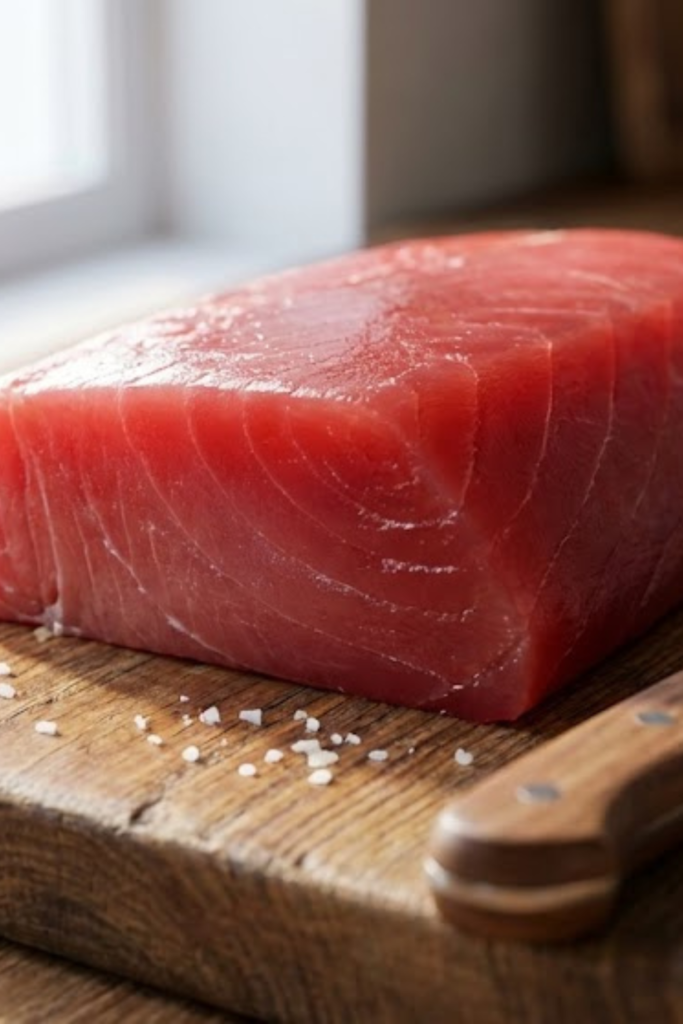
Fresh tuna should smell like the ocean—clean and salty. It shouldn’t smell like a fish tank that needs cleaning. If you get even a whiff of that “fishy” odor, put it back.
Next, look at the color. You want a deep, bright ruby red or pink, depending on the type of tuna. If it looks brown, dull, or has weird rainbow sheens on it, skip it. The texture should look firm, not stringy or falling apart.
keeping It Cold
Once you buy your beautiful piece of fish, don’t let it get warm. I always bring a cooler bag with an ice pack when I go shopping for seafood.
As soon as I get home, it goes straight into the coldest part of my fridge. If I’m not making the poke nachos immediately, I keep it on ice. Bacteria loves warm fish, and we definitely don’t want to invite them to the party.
Treating the ingredients with respect makes the final dish taste a million times better. Plus, when you bite into that smooth, buttery tuna, you’ll be so glad you made the extra effort. It really makes or breaks the whole dish.
The Base: How to Make Crispy Wonton Chips
You could use tortilla chips for this recipe, but honestly? Don’t do it. I tried it once when I was feeling lazy, and it just didn’t taste right with the soy sauce marinade. It was a weird texture clash that I regretted immediately. To make authentic-tasting tuna poke nachos, you really need that specific crunch of a wonton chip.
It acts as the perfect vehicle for the fish. Plus, they look so fancy that people will think you ordered takeout from a fusion restaurant.
The Great Baking Fail
I have to confess something. The first time I tried to make these, I thought I would be super healthy and bake the wrappers. I brushed them with oil and stuck them in the oven. Hard pass.
They turned out tough and tasted like cardboard. I almost chipped a tooth on one! I realized pretty quickly that if I wanted that light, airy crunch, I had to get over my fear of frying. Sometimes, you just have to embrace the oil for the sake of flavor.
Frying is Fast and Furious
Here is the good news: frying wonton wrappers is incredibly fast. I usually grab a pack of square wrappers from the produce section of my grocery store; they are usually hiding near the tofu or salad dressings.
My easy frying routine:
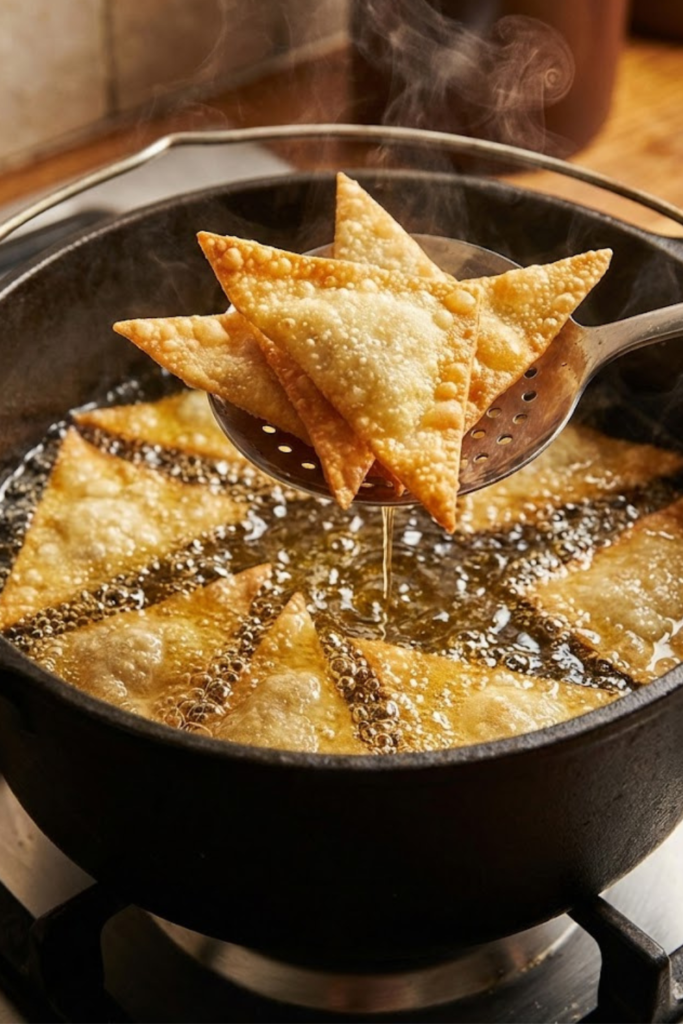
- Cut them up: I stack about ten wrappers at a time and slice them diagonally to make triangles. It makes me feel like a professional chef.
- Heat the oil: I use a small pot so I don’t waste a ton of oil. You know it’s ready when you stick the handle of a wooden spoon in, and little bubbles form around it.
- The drop: Drop a few in at a time. Don’t crowd the pot, or they will get soggy instead of crispy.
They cook in literally seconds. I got distracted by my dog barking at the mailman once and left a batch in for a minute. They turned dark brown and tasted burnt. You want a nice light golden color.
The Seasoning Secret
This is the most important part. As soon as you fish them out with a slotted spoon, put them on a paper towel and hit them with salt immediately6. The oil on the surface helps the salt stick. If you wait until they cool down, the salt just falls off, and you get bland chips.
I usually end up eating five or six “quality control” chips before I even start assembling the tuna poke nachos. They are addictive just by themselves! If you have leftovers (which is rare), they can be stored in a ziplock bag, but they are definitely best when fresh.
The Marinade: Creating the Perfect Poke Sauce
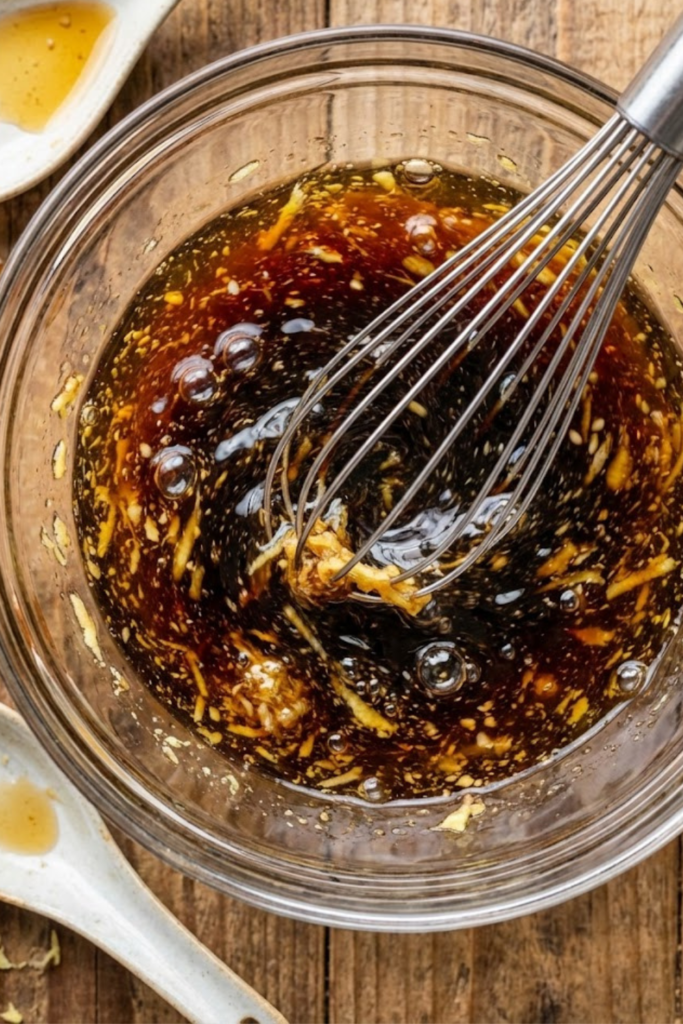
I used to think making a poke sauce was complicated. I imagined there were twenty different secret ingredients involved. One time, I got frustrated and just dumped a cup of soy sauce on my fish, hoping for the best.
It was a disaster. The beautiful tuna turned into a salty soup that made my face pucker. I learned that day that you don’t need a lot of liquid; you just need the right balance of flavors. It’s actually super simple, but you have to pay attention to the ratios.
Finding the Balance
The base of any good poke marinade is usually soy sauce, but here is where I messed up before. I was using the cheap, super-salty stuff.
If you can, grab a bottle of low-sodium soy sauce or even tamari if you need gluten free options. It lets you control the saltiness so you can actually taste the fish. I like to mix the soy sauce with a splash of rice vinegar. That little bit of acid wakes everything up.
The Sesame Situation
Now, let’s talk about sesame oil. This stuff is liquid gold, but it is also powerful. I once spilled a bit too much into the bowl, and the whole dish tasted like I was licking a sesame seed bagel.
You only need a teaspoon or two. It gives that nutty, authentic aroma that screams “poke.” If you want a little heat, I love adding red pepper flakes or a tiny squeeze of sriracha right into the whisked sauce.
The Ginger Struggle
I have a love-hate relationship with fresh ginger. I know it tastes better than the powder, but peeling it is such a pain. I used to try to peel it with a knife and ended up cutting away half the root.
Here is a trick a friend taught me: use a spoon to scrape the skin off. It comes right off! Then, grate it directly into your soy sauce marinade. The fresh ginger adds a spicy kick that cuts through the richness of the tuna. It really is a game changer for the flavor profile.
The Timing Trap
Here is the biggest mistake people make with tuna poke nachos: they marinate the fish for too long. I thought if I left it in the fridge for an hour, it would get more flavorful.
Nope. The acid in the vinegar and the salt in the soy sauce started to “cook” the fish, kind of like ceviche. The texture got weird and mushy. You only need to toss the tuna in the sauce about 10 to 15 minutes before you serve it.
Keep it fresh. You want the fish to still taste like fish, just dressed up a little. When you get that balance right, it’s pure magic.
Assembling Your Tuna Poke Nachos
I used to think that building nachos meant piling everything as high as possible like a mountain. I wanted that visual “wow” factor for my guests. But the first time I did that with poke nachos, it was a total mess.
The heavy tuna weighed down the chips at the bottom, and the sauce made them disintegrate before anyone could eat them. Nobody wants a soggy nacho. It is literally the worst.
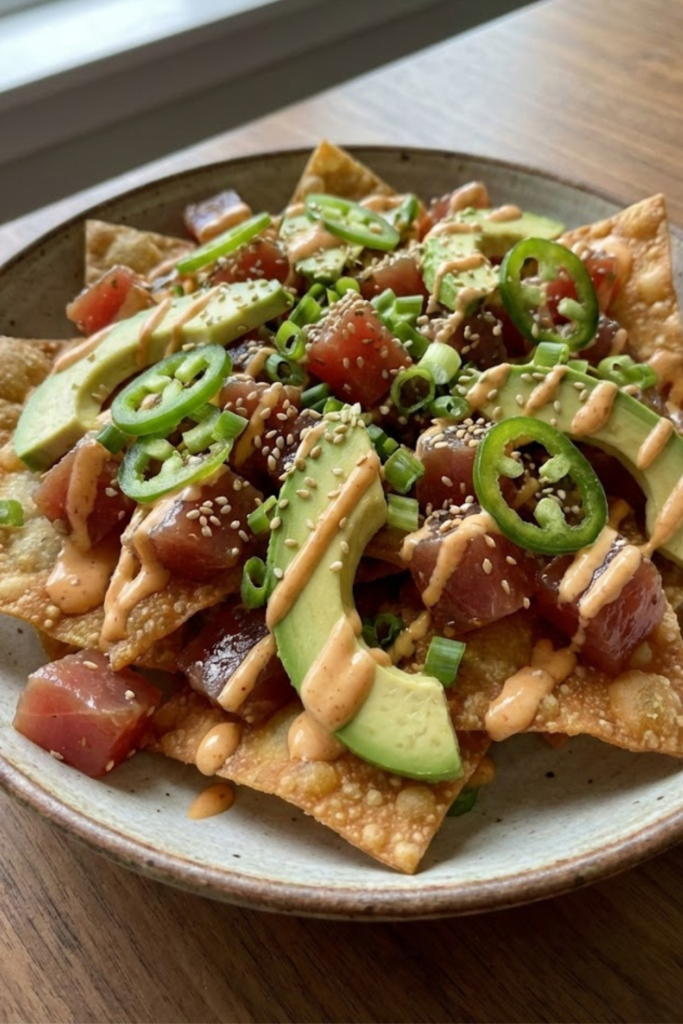
I learned that you have to build wide, not tall. I grab my biggest serving platter and spread the crispy wontons out in a single, crowded layer. Then, I spoon the marinated tuna over the chips, trying to distribute it evenly.
It takes a minute longer, but it guarantees that every bite has the perfect ratio of fish and crunch.
The Drizzle Factor
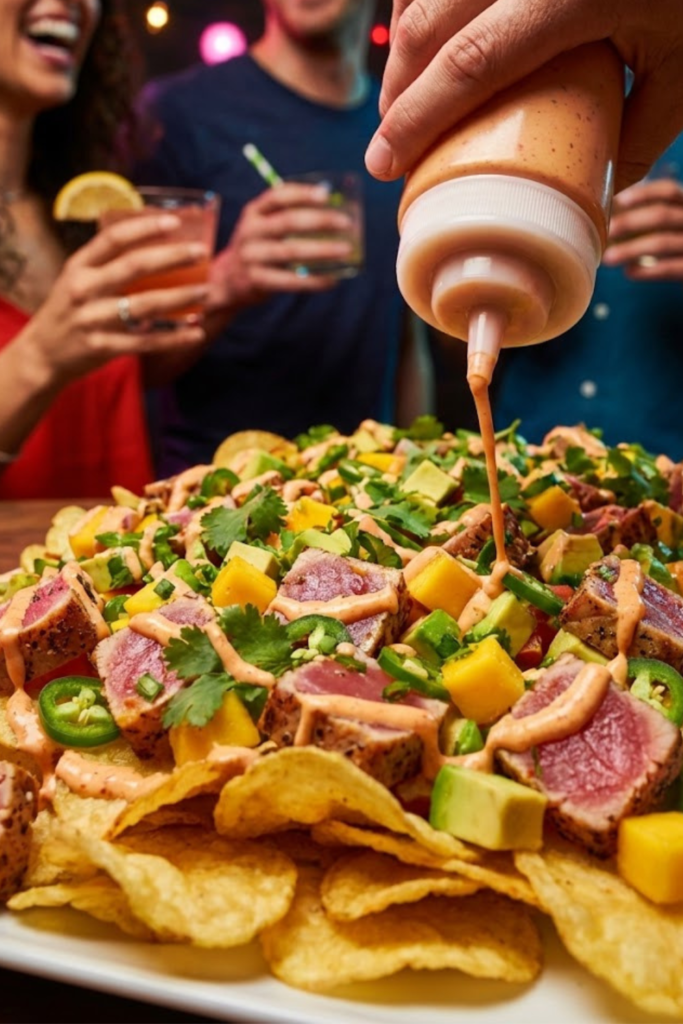
You cannot forget the sauces, because this is where you get to feel fancy. I usually do a zigzag of spicy mayo and a drizzle of eel sauce (which is just a sweet soy glaze you can buy).
I don’t own those professional plastic squeeze bottles chefs use. I just put the sauce in a small sandwich bag and snip the tiniest corner off with scissors. It works perfectly and makes zero mess!
Top it all off with diced avocado, sliced jalapeños for heat, and a generous sprinkle of sesame seeds or scallions. It looks like something from a high-end restaurant, and you did it in your pajamas.
I can’t believe I used to be intimidated by making sushi-style food at home. These tuna poke nachos completely changed my mind. They are crispy, spicy, and fresh all at the same time, which is hard to beat.
My family asks for them constantly now, and I’m happy to make them because they are secretly so easy. It’s the perfect way to bring a little bit of tropical flavor to a regular Tuesday night without ordering takeout.
If you try this recipe, please let me know how it turned out for you! And don’t forget to pin this recipe to your Party Appetizers board on Pinterest so you can find it for your next get-together.