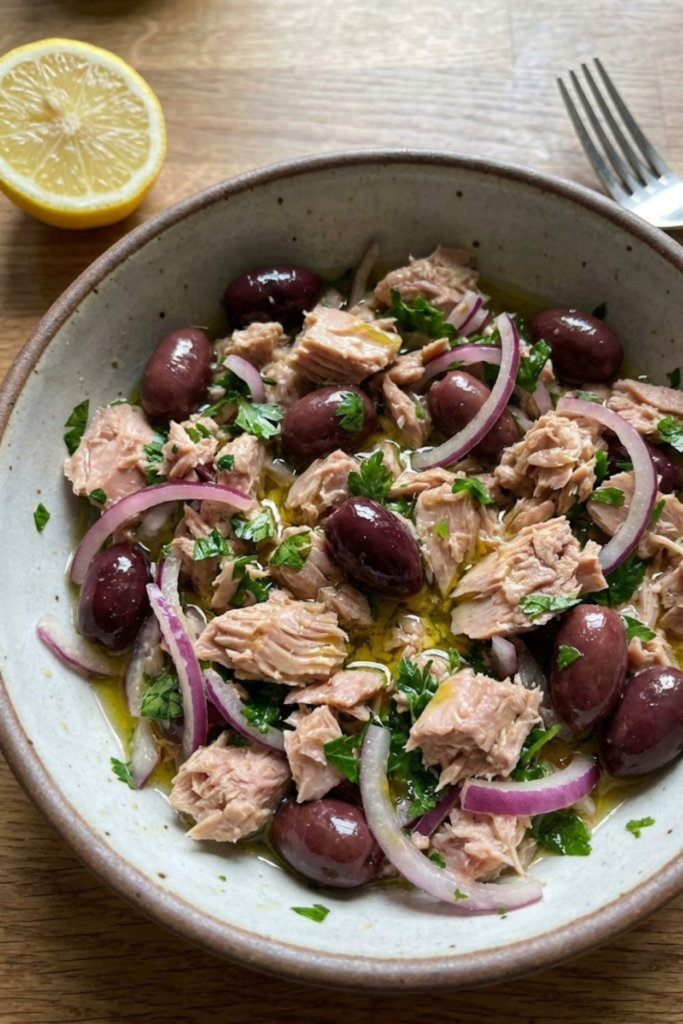
I’ve gotta be honest with you, I used to hate canned fish. It felt like a struggle every time I opened a tin! But then I realized that a tuna olive salad is basically a flavor bomb if you do it right. Did you know that according to 2026 food trends, over 60% of home cooks are ditching heavy mayo for bright, acidic dressings? It’s a total game-changer for your gut and your taste buds. I’m going to show you how to make this so good that your neighbors might actually knock on your door asking for a bowl.
Selecting the Best Tuna and Olives
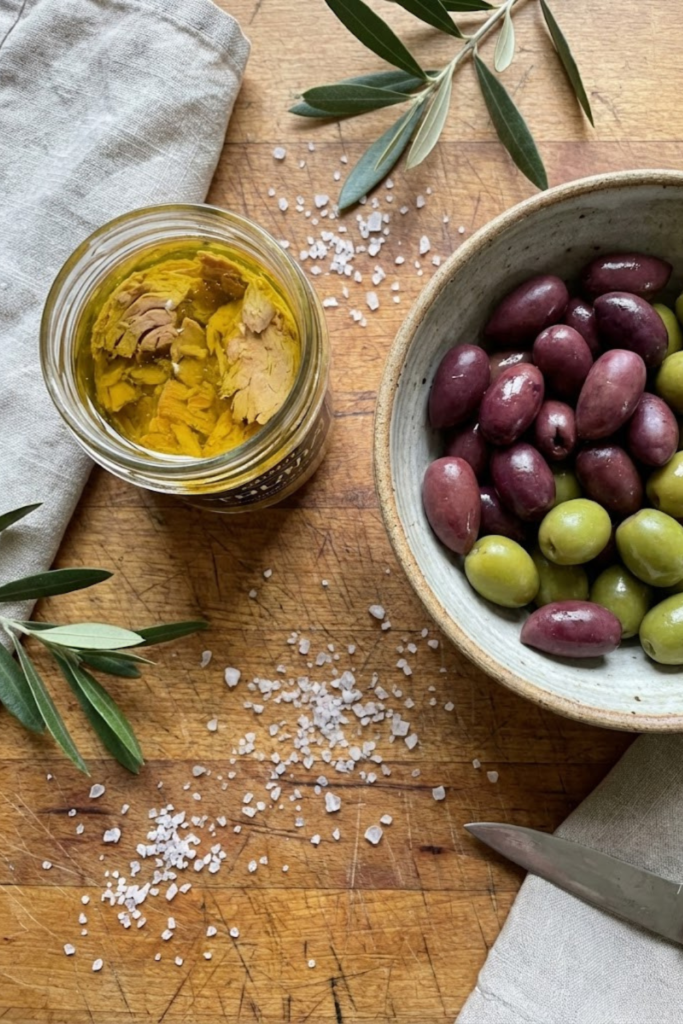
If you want to make a really great tuna olive salad, you can’t just grab the first thing you see on the grocery shelf. I’ve spent about twenty years teaching folks how to cook, and the biggest mistake I see is people thinking all canned fish is the same—it’s just not true! When I first started making this, I bought the cheapest water-packed cans I could find and it was a mess. That stuff turned into a dry, mushy pile that tasted like cardboard. You want the good stuff, usually labeled “Tonno” or packed in olive oil. The oil keeps the fish flaky and rich, which is what we need for a tuna olive salad to actually taste like food and not cat treats. It makes the whole dish feel much more expensive than it actually is.
Why Oil-Packed Tuna is Key
In my classes, I always tell my students that fat equals flavor. In 2026, we have so many options, but the glass jars are usually the best quality you can find, honestly. If you use tuna in water, it gets soggy once you add the dressing. Oil-packed tuna holds its shape better. I like to break the tuna up gently with my fingers sometimes. Yeah, it’s messy, but it gives you total control. If the tuna is too fine, the olives just take over everything like a salty bully. Look for yellow tins or jars. Spend the extra two bucks on the “luxury” tuna. Your mouth will thank me later, I promise. It’s a small price for a big upgrade.
Picking the Right Olives
Now, let’s talk about the salty bits. I once tried using those canned black olives that kids put on their fingers. It was a total disaster and the salad had zero personality. You gotta go for Kalamata or those buttery green Castelvetrano ones. If you’re feeling fancy, grab some Niçoise olives because they’re tiny and pack a huge punch. Just make sure you pit them yourself if you have to. I almost chipped a tooth once because I was being lazy. A dentist bill is way more expensive than a jar of pitted olives! The saltiness of the olive is what balances the fish.
Checking for Freshness and Texture
Before you mix everything, check the tuna flakes. They should be firm, not like mushy baby food. If you see “wild-caught” on the label, grab that. It usually has a better texture for a tuna olive salad. Also, smell your olives. They should smell like brine and vinegar, not metallic like the can. These small choices make a huge difference in the final bowl. You want every bite to have a bit of crunch and a bit of salt. It makes a huge difference.
The Secret “No-Mayo” Zesty Dressing
I used to think that a salad without mayo wasn’t really a tuna salad. Growing up, everything was buried in a thick, white glop that hid the actual taste of the food. But honestly, once I started experimenting with lighter dressings, I never went back. This zesty dressing is what makes this tuna olive salad stand out. It’s light, it’s sharp, and it doesn’t leave you feeling like you need a long nap right after lunch. The goal here is to highlight the tuna and the olives, not hide them under a heavy blanket of cream.
Getting the Acid Balance Right
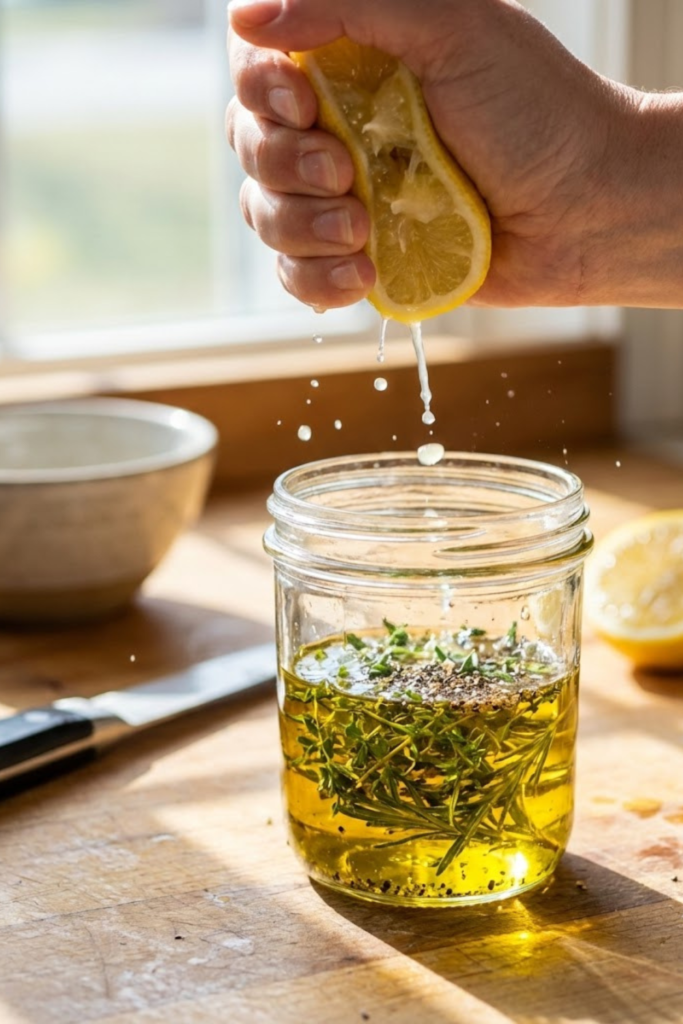
The most important part of this dressing is the acid. I usually reach for a big, juicy lemon. There is something about fresh citrus that just wakes up the fish. If you don’t have a lemon, red wine vinegar is a great backup. I remember one time I used white vinegar because I was out of everything else, and let me tell you, it was way too harsh. It tasted like a science experiment gone wrong. You want that “zip” but you don’t want it to make your eyes water. Aim for a mix of lemon juice and a tiny splash of vinegar for the best depth. It provides a bright layer that cuts through the oily fish perfectly. This balance is what makes the tuna olive salad feel so refreshing.
Why Herbs Matter So Much
Don’t skip the fresh herbs! I’ve tried using the dried stuff from the back of the pantry, and it just doesn’t work for a tuna olive salad. You need the life that comes from fresh parsley and dill. I like to chop them up really fine so they get into every single bite. If you can find flat-leaf parsley, go with that—it has way more flavor than the curly kind that looks like plastic grass. Sometimes I add a little bit of mint if I’m feeling brave, but usually, the dill and parsley are the stars. They add a garden-fresh smell that makes the whole kitchen smell amazing. Freshness is the key to making this dish feel like it came from a fancy cafe.
Mixing and Shaking
A big mistake people make is just dumping the oil and juice right on the fish. If you do that, the oil just sits on top and the juice sinks to the bottom. Instead, grab a small jar and shake the heck out of it. You want the oil and acid to become one thick liquid. This makes the dressing coat the tuna olive salad evenly. I like to add a tiny bit of Dijon mustard too. It acts like glue and helps everything stay mixed together. Plus, it adds a nice little kick that ties the olives and tuna together. Just a teaspoon is plenty to do the trick. Take your time to mix it well, and you will see a huge difference in the final taste.
Perfect Pairings and Serving Ideas
So, you’ve finally finished mixing up your tuna olive salad. Now what? Most people just grab a fork and start eating right out of the bowl. Trust me, I’ve done that plenty of times after a long day at school when I didn’t feel like doing any more dishes. But if you want to actually treat yourself, you have to think about how to serve it up. This dish has some very strong flavors because of the olives and the lemon. You need to pair it with something that can handle all that personality. If you choose something too bland, the salad will just take over the whole plate and it won’t feel balanced.
Adding that Extra Crunch
I really believe that a tuna olive salad needs a good crunch to be perfect. If everything is soft, it feels a bit boring in your mouth. I usually toss in some chopped celery or even some red onion if I don’t have a big meeting later. One time I used some sliced radishes because they were sitting in my fridge and about to go bad. It was a total accident, but it tasted great! The spicy kick of the radish went perfectly with the fish. You can also try some chopped cucumber, but you should take the seeds out first. If you don’t, the water from the cucumber will leak out and make your salad all soggy by the next morning. Nobody likes a soggy lunch.
Best Ways to Serve It
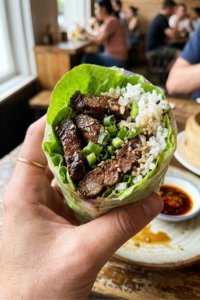
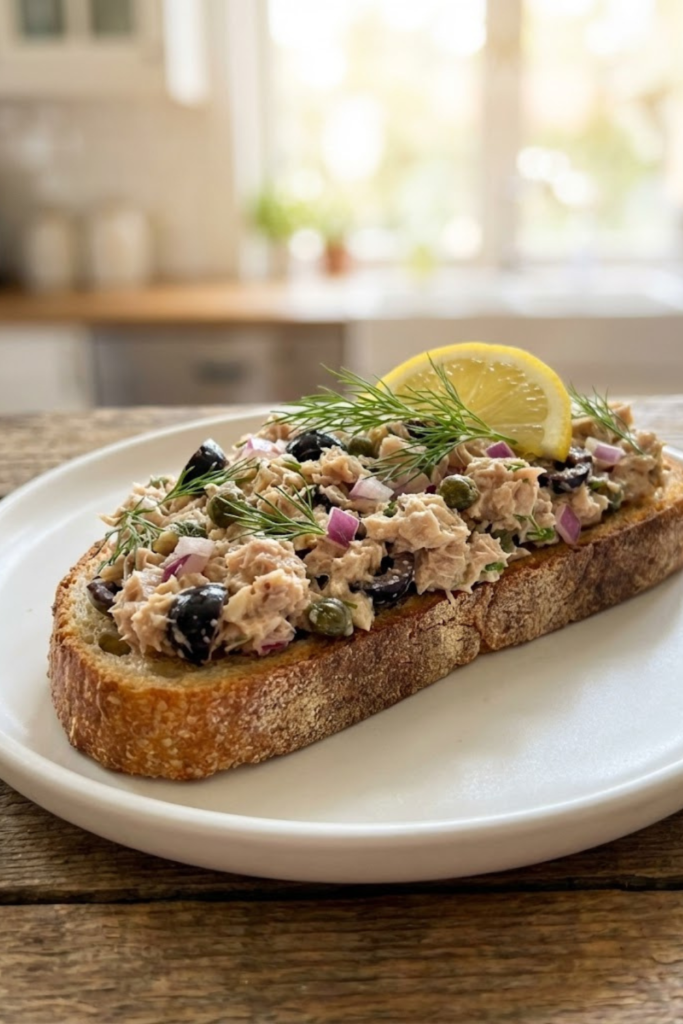
My absolute favorite way to eat this is on a big piece of toasted sourdough bread. The crunch of the toast and the sour taste of the bread is just the best with the fish. If you want something lighter, try using lettuce leaves like they are little boats. It’s a fun way to eat, even if it gets a bit messy on your hands. I’ve also put a big scoop of tuna olive salad on a bed of fresh greens. Arugula is a great choice because it’s a bit peppery. It makes the meal feel like something you’d buy at a high-end cafe for twenty dollars, even though it only cost you a few bucks to make.
Storing Your Leftovers
If you don’t eat it all at once, don’t worry. This salad is one of those rare things that actually tastes better the next day. The flavors have a chance to really mix together while it sits in the fridge. Just put it in a container with a good lid so it doesn’t smell up your whole refrigerator. It usually stays fresh for about two or three days. If it looks a little dry when you take it out, just add a tiny splash of olive oil or a squeeze of lemon and stir it up. It’ll be as good as new!
This tuna olive salad is the perfect way to level up your lunch game without spending hours in the kitchen. It’s bright, salty, and honestly just makes you feel good after eating it. If you loved this recipe, please save it to your favorite Pinterest board so others can enjoy it too!