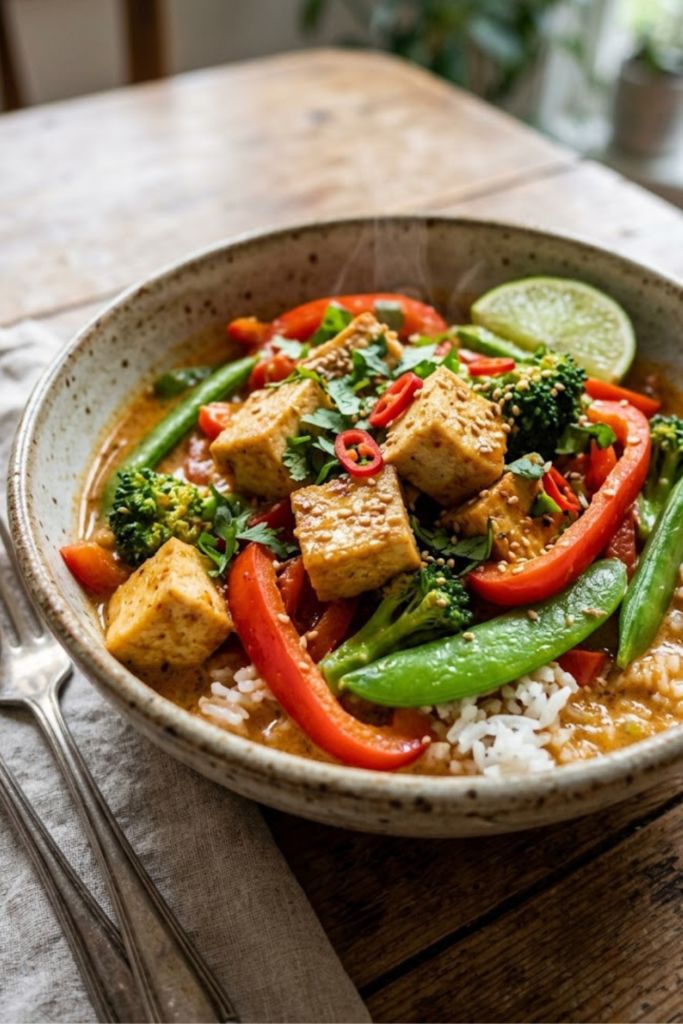
I used to think tofu was just a sad, wet block of nothingness until I realized I was treating it all wrong! Did you know that over 60% of people who try plant-based cooking for the first time struggle with texture? That was me! But once I cracked the code on this tofu vegetable curry bowl, my kitchen transformed into a fragrant tropical escape.
This dish isn’t just a meal; it’s a warm hug in a bowl that satisfies that deep craving for something spicy, creamy, and healthy. We are going to use fresh aromatics and rich coconut milk to create a base that rivals any takeout you’ve ever had. Let’s dive into how you can make this vibrant recipe right at home!
Prepping Your Tofu for the Ultimate Crunch
I have a confession to make. When I first started cooking, my tofu was a literal disaster. I thought you could just dump the block straight from the water into the pan. Man, was I wrong! It ended up looking like grey, sad scrambled eggs. My kids wouldn’t even touch it, and honestly, I didn’t blame them. That failure taught me the most important lesson in the kitchen. If you want a tofu vegetable curry bowl that actually tastes good, you have to get the water out. Tofu is like a sponge. If it’s full of water, it can’t soak up the curry sauce. Plus, water is the enemy of “crispy.” I learned that the hard way after three ruined dinners.
My “No-Press” Pressing Method
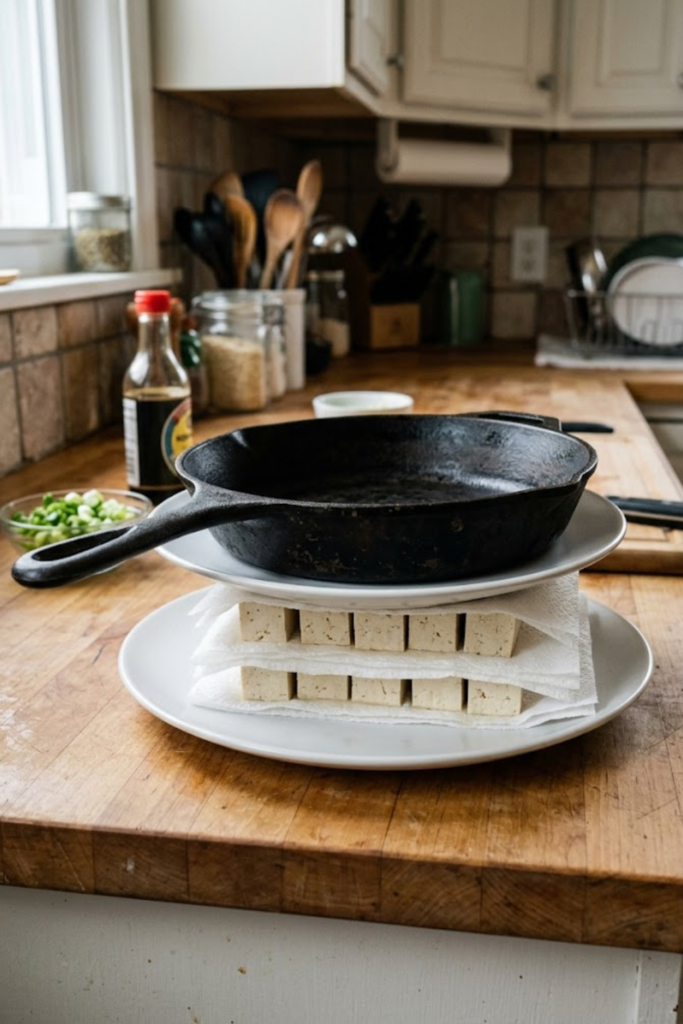
You don’t need a fancy gadget to get this right. I just use what I have in my kitchen cabinets. I wrap the block in a clean kitchen towel—not paper towels, because those just shred and stick to the food. Then, I put it on a plate and stack my heaviest cookbooks on top. A heavy cast iron skillet works great too. Let it sit there for at least 20 minutes. Go fold some laundry or check your emails while it works. When you come back, the towel will be soaked. That’s good! That means there is room for flavor now. I usually cut mine into small cubes, about one inch big. Small cubes mean more surface area, and more surface area means more crunch. It’s simple math that makes your bowl way better.
The Magic of Cornstarch
Here is a pro tip I picked up from an old cooking show. Toss those dry cubes in a bowl with a little cornstarch and a pinch of salt. Shake it until they look like they’ve been in a snowstorm. This creates a tiny barrier that turns into a crust when it hits the hot oil. It also helps the sauce stick to the tofu later on.
The Heat and the Pan
I remember the first time I got it right. That “crunch” sound when I bit into a piece was total music to my ears! I felt like a real chef for once. Use a non-stick pan or a well-seasoned wok. Get the oil hot before you drop the tofu in. Just don’t crowd the pan when you fry them. If the cubes touch, they steam instead of fry. Give them some space to breathe. Turn them every few minutes until every side is golden brown. It takes patience, but it’s worth it for that perfect bite.
Picking the Best Garden-Fresh Vegetables
Picking the right veggies for your tofu vegetable curry bowl is basically like picking the right team for a group project. You want everyone to bring something different to the table. If you just throw in a bunch of soft stuff, you get a bowl of mush that looks like baby food. I’ve done that before on a Tuesday night when I was too tired to care, and trust me, it wasn’t great. My husband ate it, but I could tell he wasn’t happy about it. Now, I’m a bit more picky about what goes in. You want a mix of colors and textures that make the whole dish pop.
Choosing for Color and Texture
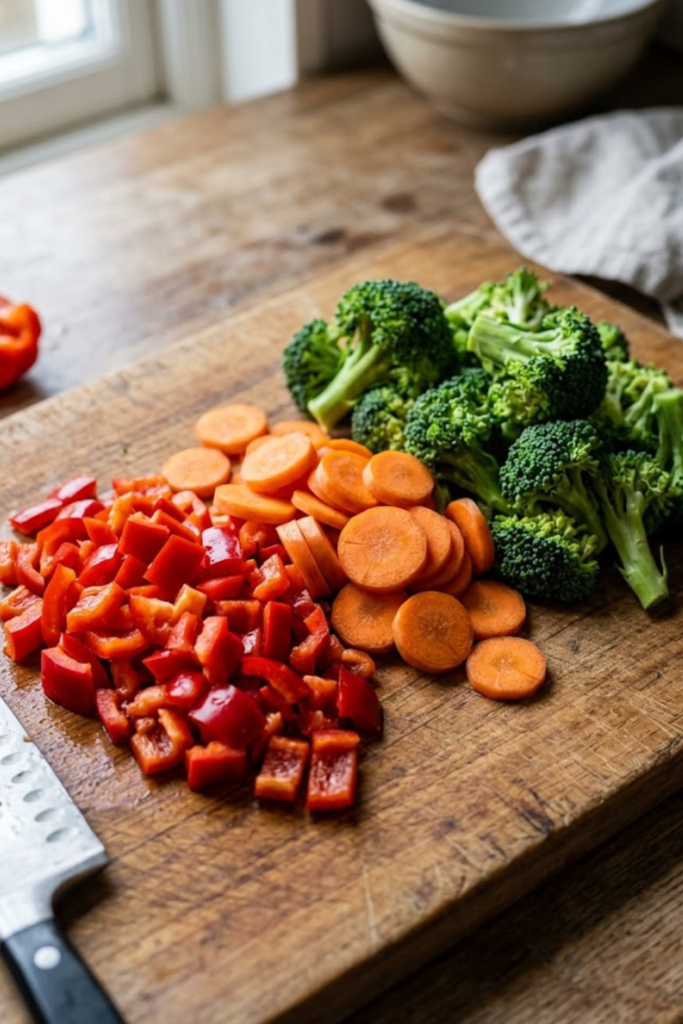
I always tell my students that we eat with our eyes first. A boring brown curry isn’t going to get anyone excited. I like to use bright red bell peppers and dark green broccoli. It makes the bowl look like a professional made it. Snap peas are another favorite of mine because they stay crunchy even after sitting in the hot sauce for a bit. Carrots add a nice sweetness and a pop of orange. You want a mix that feels fresh and alive, not something that’s been sitting in a freezer bag for six months. Fresh is always better if you can find it.
The Timing Secret
This is where most people mess up their tofu vegetable curry bowl. You can’t just dump everything in at once! I learned this the hard way. Carrots take a lot longer to soften up than spinach does. I start with the “hard” veggies—the carrots and the stalks of the broccoli. Give them a few minutes to jump-start their cooking. Then, I add the “medium” ones like the bell peppers and snap peas. If you have leafy greens like baby spinach or kale, save those for the very end. They only need about thirty seconds in the heat to wilt down.
Keep It Fresh and Crunchy
One thing I’ve noticed is that people tend to overcook their vegetables because they think they need to be soft. No! You want a little “snap” when you bite into them. If they get too soft, they lose their flavor and their vitamins. I usually pull the pot off the stove just a minute before I think it’s actually done. The carry-over heat will finish the job while you’re setting the table. It keeps the colors vibrant and the textures exactly where they should be for a perfect meal. Don’t be afraid to experiment with what you have in the fridge!
Simmering a Rich and Creamy Curry Base
Now we get to the part that actually makes your house smell like a five-star restaurant. If the tofu is the body of the bowl, the sauce is definitely the soul. I used to think I could just buy a jar of pre-made sauce and call it a day. Boy, was I wrong. Those jars are usually way too salty and don’t have that fresh kick that makes a tofu vegetable curry bowl stand out. You gotta build it yourself, but don’t worry, it’s actually really easy once you know the steps. I’ve messed this up plenty of times, so I can tell you exactly what not to do.
Starting with the Aromatics
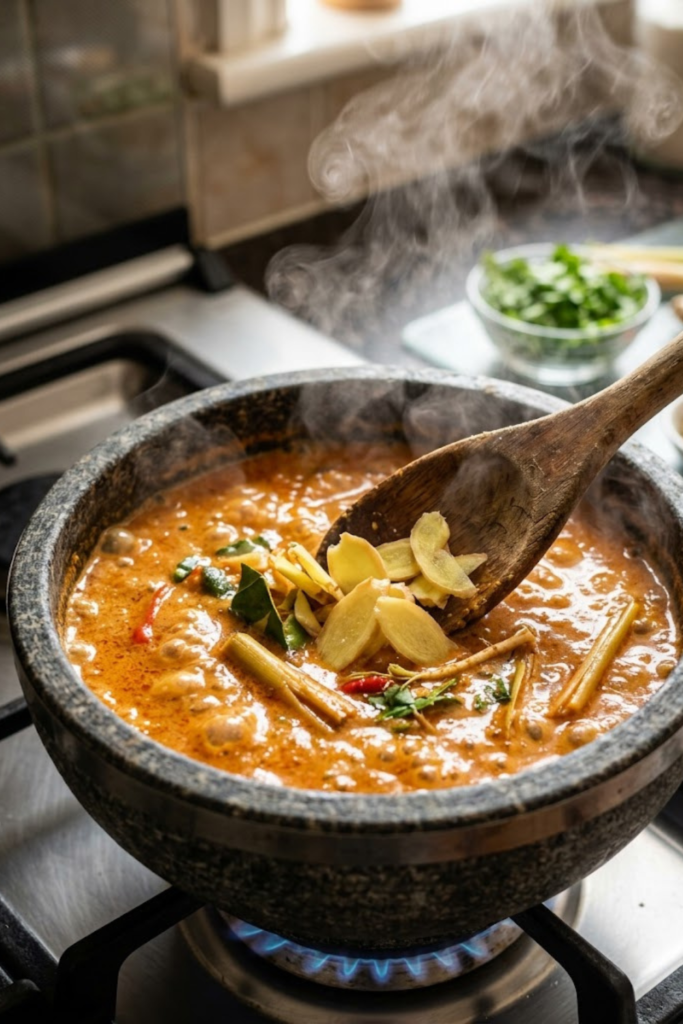
First thing is first, you need fresh garlic and ginger. I’m serious about the ‘fresh’ part. The stuff in the jar that’s already minced is okay in a pinch, but it just doesn’t have the same bite. I like to grate my ginger with a microplane so it turns into a paste. It melts right into the oil. When you smell that garlic hitting the pan, that’s when you know things are getting good. Just be careful not to burn the garlic! If it turns dark brown, it gets bitter, and you might as well start over. I usually just give it about thirty seconds until it’s fragrant. My kids always come running to the kitchen when they smell the ginger. It’s the smell of happiness to me.
The Balance of Heat and Cream
Then comes the red curry paste. This stuff is powerful, so start small if you aren’t a fan of spice. I like to fry the paste in the oil for a minute before adding the liquid. This “wakes up” the spices and helps the oils release. Then, pour in the full-fat coconut milk. Please, don’t use the light version. It’s basically just water and won’t give you that creamy feel. You want that thick, rich layer at the top of the can. Stir it all together until it’s a beautiful, uniform orange color. It should look like a sunset in your pan. If it’s too thick, you can add a splash of veggie broth to thin it out.
The Secret Acid Kick
Right before I serve, I always add a big squeeze of lime juice. This is the part people forget. If your curry tastes a bit “flat,” it usually needs acid. The lime cuts through the fat of the coconut milk and makes all the other flavors wake up. Sometimes I add a tiny bit of brown sugar too, just to balance the heat. It’s all about tasting as you go. If it doesn’t taste right, don’t panic. Just add a little more salt or lime until it clicks. You’ll know it when you find it! It should be savory, spicy, and a little sweet all at once.
Assembling Your Tofu Vegetable Curry Bowl
This is the moment I look forward to all day long. You have your crispy tofu sitting on one side and your aromatic, steaming sauce on the other. Now you just need to put them together. I used to just toss everything into a big pot and mix it around like a stew, but I learned that makes the tofu soft again almost instantly. It is such a bummer when you work so hard for that crunch and then it disappears in ten seconds! So, assembling your tofu vegetable curry bowl actually takes a little bit of strategy to get it just right.
Picking Your Grain Base
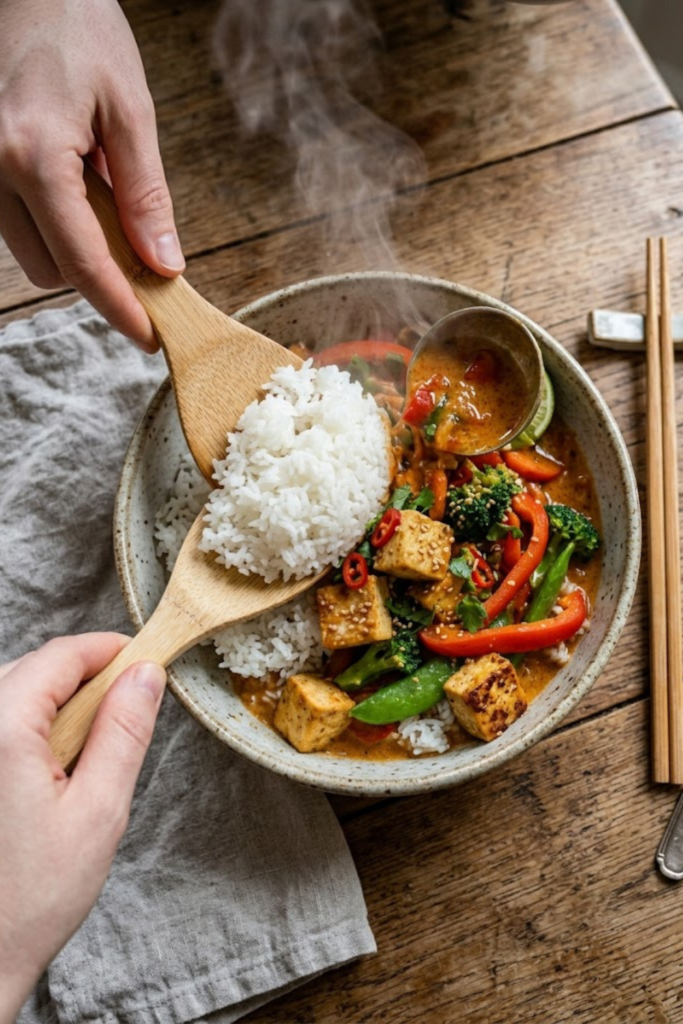
First, let’s talk about what goes on the bottom. I’m a huge fan of jasmine rice for this dish. It has that slightly floral smell that goes so well with Thai flavors. If you want something a bit healthier, you can use brown rice or even quinoa. Quinoa is cool because it has its own protein, but honestly, it doesn’t soak up the sauce quite as well as white rice does. Whatever you choose, make sure it’s hot and fluffy. I like to put a big scoop in the bottom of a wide bowl. A wide bowl is better than a deep one because it gives you more room to arrange your veggies and tofu without stacking them too high.
The Stacking Secret for Texture
Now, here is the trick for the tofu. Ladle your vegetables and that creamy curry sauce over the rice first. Make sure the rice is starting to drink up that liquid so every bite has flavor. Then—and only then—place your crispy tofu cubes right on top of the pile. By doing it this way, the bottom of the tofu gets a little bit of sauce but the top stays perfectly crunchy. It’s a total game changer for the eating experience! I remember serving this to my neighbor who says she hates tofu, and she actually asked for seconds because the texture was so good.
The Finishing Touches
Don’t skip the toppings! A tofu vegetable curry bowl needs some personality at the end. I always keep a jar of roasted peanuts in the pantry just for this. Crush them up and sprinkle them over the top for an extra layer of crunch. Then, grab a handful of fresh cilantro. I know some people think it tastes like soap, but if you like it, it adds a really bright flavor. Add a lime wedge on the side so people can squeeze it on right before they eat. It makes the whole dish look like it came from a fancy cafe instead of your own messy kitchen!
Your New Favorite Comfort Food
When you finally sit down with a big, steaming tofu vegetable curry bowl, it really feels like all that chopping and pressing was worth it. There is something so satisfying about eating a meal that you know is packed with good stuff but still tastes like a treat. I used to think healthy food had to be boring, but this recipe proved me wrong. It’s a great way to get extra veggies into your diet without feeling like you are eating a salad for the tenth time this week. Plus, it’s one of those meals that makes the house smell amazing for hours. My neighbors always ask me what I’m cooking when they walk past my door on curry nights!
Save Some for Tomorrow
One of the best things about making a tofu vegetable curry bowl is that it actually tastes better the next day. The flavors in the curry sauce have more time to hang out together and get even better. I usually make a double batch on Sundays so I have lunch ready for the start of the week. Just a quick tip: if you are going to reheat it, try to keep the tofu separate if you can. It won’t stay quite as crunchy as when it’s fresh, but it still tastes great. I just pop mine in the microwave for two minutes and it’s good to go. It’s way better than a sad sandwich at my desk!
Switching Up the Ingredients
Don’t feel like you have to stick to the exact list I gave you. That is the beauty of a tofu vegetable curry bowl. If you have some random veggies in the back of the drawer that need to be used up, throw them in! I’ve tried this with sweet potatoes, kale, and even frozen peas when I was running low on groceries. Each time, the coconut milk and curry paste make everything taste like it belongs there. If you want more heat, add some red pepper flakes. If you want it sweeter, add a bit more sugar. It’s your kitchen, so you get to be the boss of how it tastes. Cooking should be fun, not stressful.
Share the Love
I really hope this guide helps you feel more confident in the kitchen. If you enjoyed making this tofu vegetable curry bowl, please save it and share it on Pinterest! It helps other people find these easy recipes, and it lets me know that you are actually out there cooking and enjoying these meals. Seeing your photos of the food you make always makes my day. Happy eating, friends!