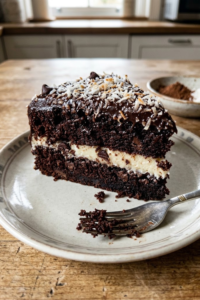
Have you ever tasted a cloud that was soaked in coffee and dreams? That is exactly what a good Tiramisu tastes like! “Tiramisu” literally translates to “pick me up,” and let me tell you, one bite of this and your mood is instantly elevated. I used to be intimidated by making this at home—worrying about raw eggs or soggy biscuits—but I’m here to tell you it’s actually easier than baking a cake! We are going to dive into the layers of this Italian masterpiece, ensuring you get that perfect balance of bitter coffee and sweet cream every single time. Let’s get mixing!
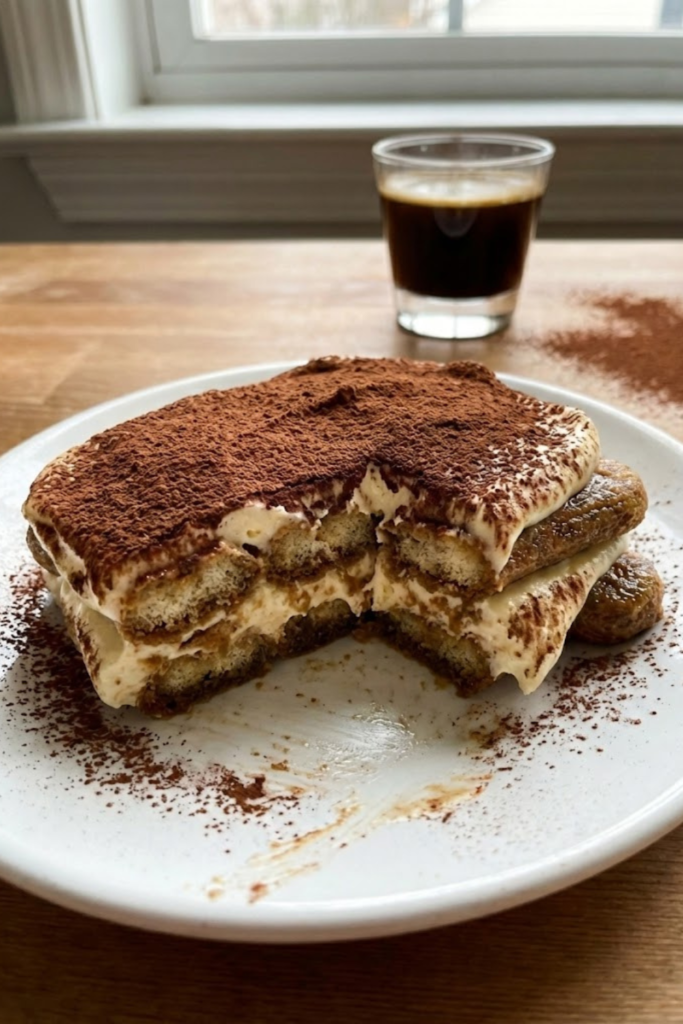
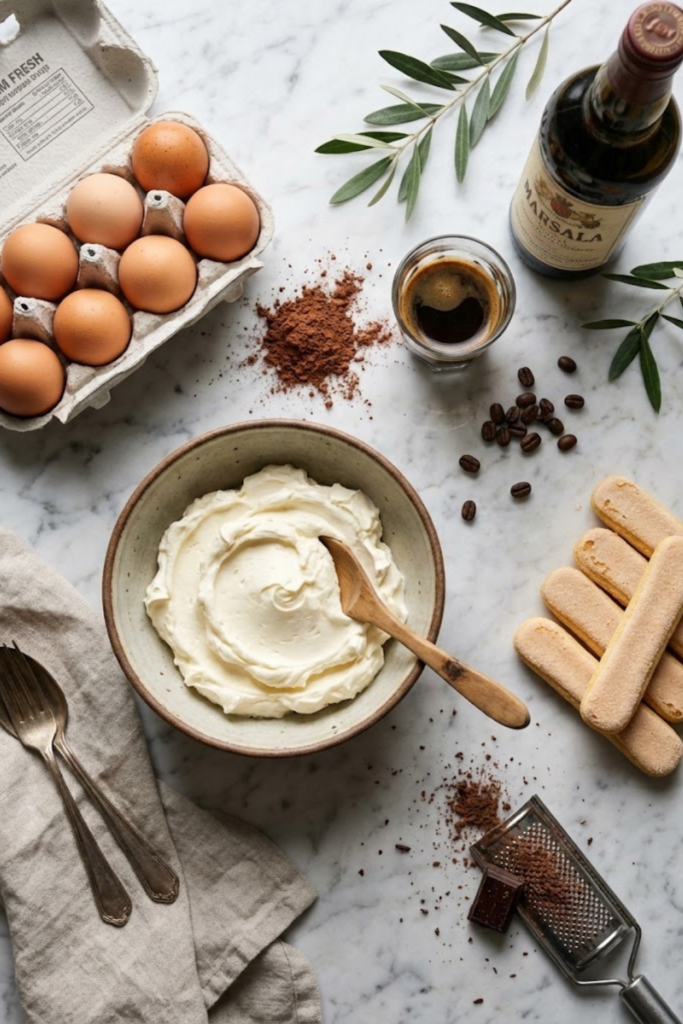
Essential Ingredients for Traditional Tiramisu
I still remember the absolute disaster that was my first attempt at this Italian classic. I was twenty-two, trying to impress a date, and I decided to swap out half the ingredients because I didn’t feel like driving to the specialty store. Let me tell you, using cream cheese instead of mascarpone results in a very sad, tangy cheesecake-soup, not tiramisu. I learned the hard way that when it comes to this dessert, the grocery list is the most important step. You can’t cheat the system here!
The Cheese: Why Mascarpone Matters
Here is the deal: Mascarpone isn’t just fancy cream cheese. It is a triple-cream cheese made from crème fraîche, which gives it that milky, slightly sweet flavor that defines a real tiramisu.
When you buy it, look for a brand that feels heavy in the container. Also, a huge tip I learned after ruining a batch: take the mascarpone out of the fridge about 30 minutes before you start. If it is too cold, it gets lumpy when you whip it, and nobody wants lumpy custard. I’ve been there, vigorously whisking until my arm felt like it was going to fall off, trying to smooth it out. Just let it warm up a little bit.
The Ladyfingers (Savoiardi)
There are two types of ladyfingers at the store, and buying the wrong one is a rookie mistake I see all the time.
- Soft, sponge-cake style: These are usually found in the bakery section. Do not buy these. They turn into mush the second they touch coffee.
- Savoiardi (Italian style): These are hard, crunchy, and usually coated in sugar.
You need the hard ones. The magic happens when that dry, crunchy biscuit soaks up the espresso. It softens into a cake-like texture without dissolving. I once used the soft kind for a potluck, and by the time I served it, the bottom layer was basically coffee sludge. It was so embarrassing!
The Espresso and The Booze
You need strong coffee. I used to think I could get away with instant coffee, but the flavor just isn’t deep enough to cut through the fat of the cheese. Brew some strong espresso and—this is crucial—let it cool down completely.
And then there is the Marsala wine. It adds a caramelized, nutty flavor that makes the dessert taste “grown-up.” If you can’t find Marsala, dark rum works, but Marsala is the authentic choice. I’ve forgotten to add the alcohol before, and while it’s still good, it lacks that signature kick that makes you close your eyes and go, “Mmm.”
The Egg Situation
We use raw eggs in the traditional recipe. I know, it sounds scary to some people! If you are worried about it, just buy pasteurized eggs. I have been making tiramisu with raw yolks for fifteen years and have never had an issue, but peace of mind is worth the extra dollar for pasteurized ones.
Get these specific ingredients, and you are already halfway to the best dessert of your life. Seriously, don’t skimp on the quality!
Step-by-Step Instructions for the Perfect Cream
Okay, deep breath. This is the part where most people get nervous, but I promise you, it’s not rocket science. The cream is the soul of a good tiramisu, and I’ve messed this up more times than I care to admit so you don’t have to. I remember one time I was so excited to get to the eating part that I rushed the mixing. The result? A runny, soupy mess that tasted good but looked like a puddle. We are aiming for fluffy clouds here, not soup!
Separating the Eggs Without Losing Your Mind
First things first, you have to separate the eggs. I used to be terrible at this. I’d crack the egg and inevitably drop a piece of shell or, worse, break the yolk right into the whites.
Here is a trick I learned: separate them while they are cold. Cold eggs hold their shape better. But remember what I said earlier? You need them at room temperature for the mixing. So, separate them straight out of the fridge, cover the bowls, and then let them sit on the counter for an hour. If you get even a tiny speck of yellow yolk in your bowl of whites, fish it out immediately with a piece of eggshell. If you leave it, those whites will never whip up properly. It’s annoying, but physics is physics.
Whipping the Yolks: The Arm Workout
Now, grab your egg yolks and sugar. You need to beat these together until they turn a very pale yellow color. Use an electric mixer unless you want a serious bicep workout.
This usually takes about 3 to 5 minutes on medium-high speed. You know you are done when the mixture falls off the whisk in a thick ribbon that sits on the surface for a second before sinking. This is called the “ribbon stage.” Don’t rush this! If the sugar isn’t dissolved, your cream will be gritty. I once served a gritty tiramisu to my mother-in-law. She didn’t say anything, but the look on her face said it all. Never again.
Adding the Cheese Gently
Once your yolks are pale and thick, add the mascarpone cheese. Here is where things can go wrong fast. Do not use the high speed on your mixer!
Mascarpone is sensitive. If you beat it too hard or too long, it can curdle and turn into butter. I’ve cried over a bowl of curdled cheese before—it’s tragic. Just mix it on low speed until it is just combined and smooth. It should be thick and creamy. Stop while you are ahead.
The Egg Whites and The Fold
In a separate, super clean bowl (wipe it with vinegar to be safe), whip the egg whites until stiff peaks form. They should stand straight up like little mountains when you lift the beater.
Now comes the “fold.” This is the secret to the texture. Take a scoop of the stiff whites and stir it into the yolk mixture to lighten it up. Then, gently pour the rest of the whites in. Use a spatula to cut down the middle and flip the bottom over the top. Do this slowly. You want to keep all that air you just whipped in. If you stir it like you’re making pancake batter, you’ll deflate the whole thing. Treat it like a sleeping baby—gentle, slow movements. Once no white streaks remain, stop touching it! You’ve got the perfect cream.
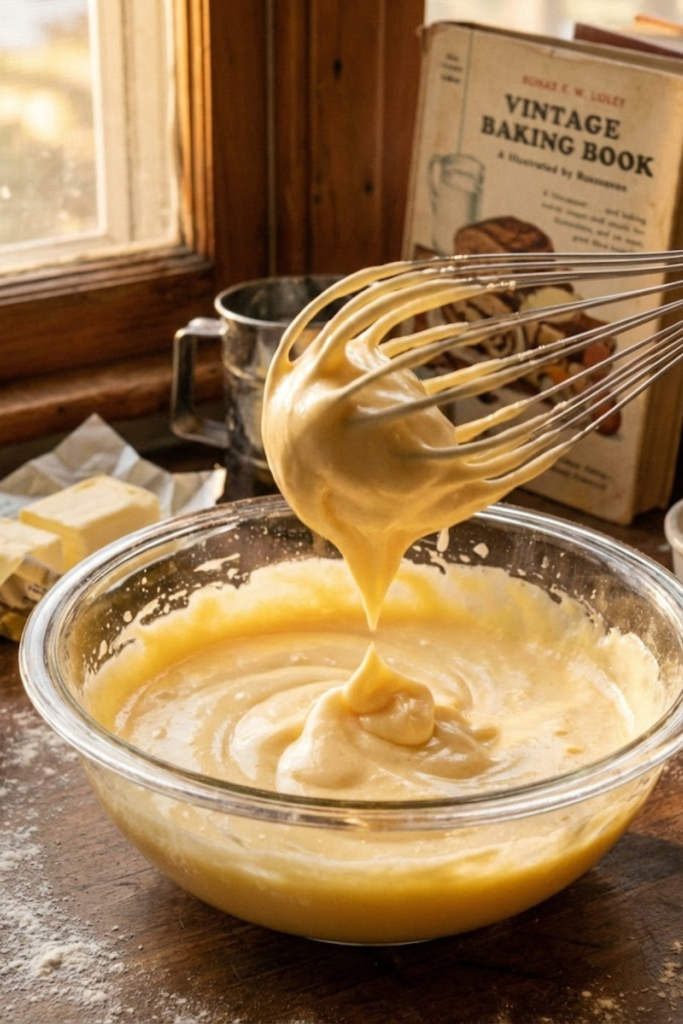
The Art of Dipping: Avoiding the Soggy Mess
This is the moment of truth. This is the “make or break” stage of tiramisu. I can’t tell you how many times I have held my breath while cutting into a finished dish, praying that the bottom layer didn’t turn into a watery swamp. It is actually pretty stressful! There is nothing worse than serving a slice and watching espresso leak all over the plate like a busted pipe. Through a lot of trial and error (and eating a lot of mushy mistakes with a spoon), I figured out that the dip is all about speed and temperature.
Temperature Control: Patience is Key
Here is a mistake I made early on: I was impatient. I brewed my espresso and immediately started dipping my cookies because I wanted to get the dessert in the fridge. Huge mistake.
Hot coffee dissolves sugar and starch instantly. If you dip a Savoiardi biscuit into hot liquid, it disintegrates before you even get it into the pan. You need the coffee to be room temperature or even cold. I usually pour my espresso into a wide, shallow bowl and let it sit for about 20 minutes. Sometimes, if I’m in a rush, I’ll stick the bowl in the freezer for five minutes. Do not skip this step. If the coffee is hot, you are doomed to fail.
The “One-Mississippi” Rule
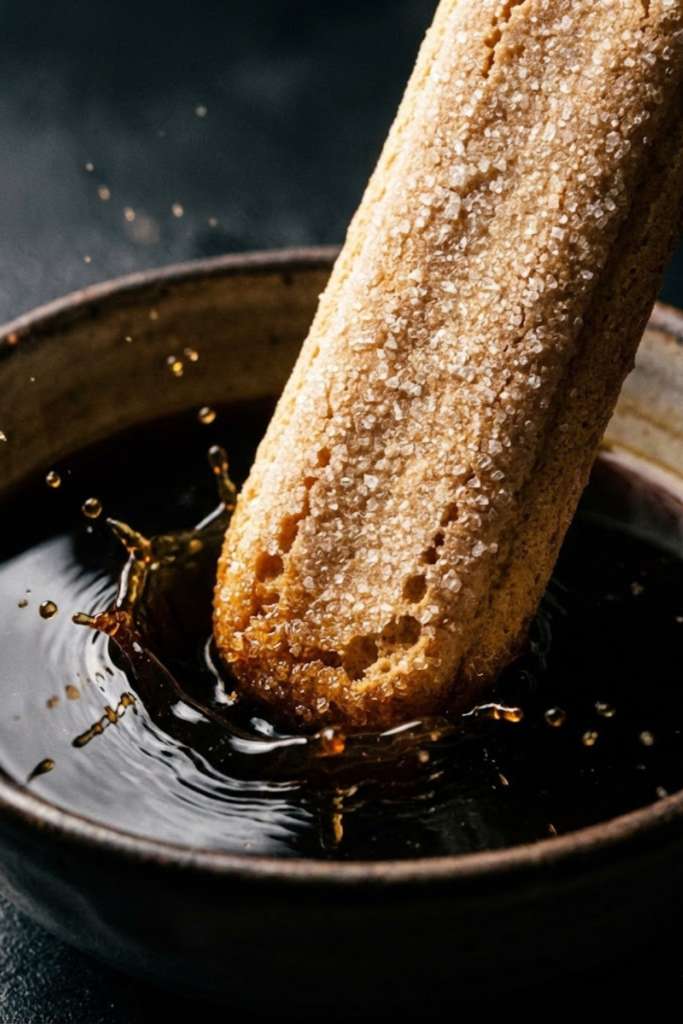
Now, let’s talk about the actual dip. Some recipes tell you to “soak” the ladyfingers. Do not listen to them! If you soak them, they act like sponges and hold way too much liquid.
My method is the “quick dip.” I take a cookie, drop it in the coffee, and flip it immediately. It should be in the liquid for no more than one or two seconds total. Think: drop, flip, lift. It should still feel hard when you place it in the baking dish. Don’t worry, it will soften up as it sits in the fridge with the damp cream on top. Trust the process. I remember watching my Italian grandmother do this; she moved so fast her hands were a blur. She always said if you can feel the cookie getting soft in your fingers, you’ve already ruined it. Harsh, but true.
Playing Tetris with Your Layers
Arranging the espresso soaked biscuits in your square baking dish is oddly satisfying. It’s like a low-stakes game of Tetris. You want a solid foundation with as few gaps as possible.
Sometimes the pan is a weird size, and the cookies don’t fit perfectly. That is totally fine. Just break the dry ladyfingers to fill in the empty spaces. Nobody is going to see the broken pieces once it’s covered in that luscious cream. I used to obsess over making perfectly straight rows, but I realized it doesn’t matter. The goal is to create a solid floor of cake so that when you spread the cheese mixture on top, it doesn’t leak through to the bottom.
Also, a quick tip: arrange the bottom layer of cookies in one direction (vertical) and the second layer in the opposite direction (horizontal). This cross-hatch pattern gives the dessert better structural integrity when you slice it later. I learned that one after a slice toppled over on a guest’s plate. It was tragic but funny. Just keep moving, keep dipping fast, and get those layers built!
Chilling and Serving: The Hardest Part is Waiting
You have just spent time whisking, dipping, and layering. Your kitchen smells like an Italian coffee shop, and that dish of tiramisu looks absolutely incredible. Now comes the part that actually hurts my soul: you have to walk away. I am not kidding. You have to put it in the fridge and forget about it. I have absolutely zero patience when it comes to sweets, so this is torture for me.
The Waiting Game
I remember the first time I made this for a dinner party. I finished making it at 4 PM and thought serving it at 7 PM would be fine. Spoiler alert: it was not fine. When I cut into it, the layers slid apart like a mudslide. It tasted great, but it looked like a car crash on a plate.
Here is the rule I live by now: make it the day before. This needs to be an overnight dessert. At the absolute minimum, it needs 6 hours in the fridge. Why? Because the biscuits need time to absorb the moisture from the cream and the coffee evenly. The cream also needs to firm up again after all that whipping. If you rush this step, you are wasting your time. Just wrap it in plastic wrap and go find something else to do. Sleep on it. It tastes better the next day anyway because the flavors have time to get to know each other.
The Cocoa Dusting Strategy
Do not, and I repeat, do not dust the top with cocoa powder before you put it in the fridge. This is a classic rookie mistake.
If you put the cocoa on and then refrigerate it, the humidity in the fridge makes the powder wet. It turns into this dark, gummy paste that looks gross and has a weird texture. You want that fresh, velvety look. So, wait until the very last second. Right before you are ready to carry it to the table, grab a small fine-mesh sieve. Put a few tablespoons of unsweetened cocoa in there and tap it gently over the dish. You want a thick layer—don’t be stingy! The bitterness of the cocoa is what balances out the sweet mascarpone. If you sneeze while doing this, you will have a mess, so be careful.
Slicing Without Crying
Okay, it is time to serve. Getting the first slice out of a square baking dish is basically impossible to do perfectly. Just accept it.
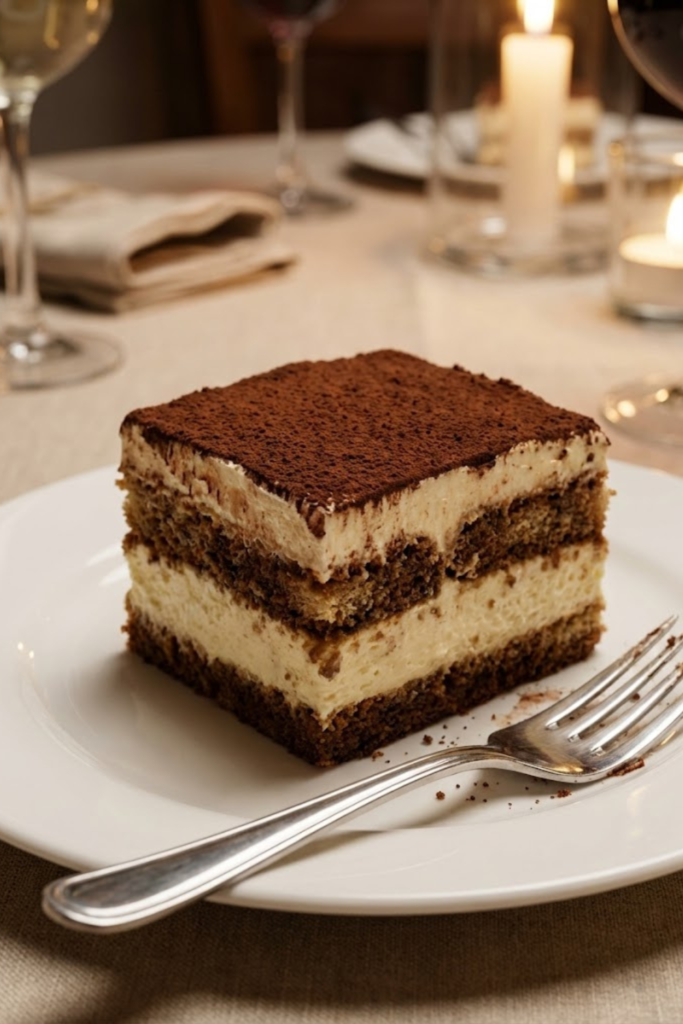
I call the first slice the “Chef’s Tax.” It’s going to be messy, it might fall over, and it probably won’t look like the pictures. That one is yours to eat in the kitchen while everyone else waits. For the rest of the slices, use a sharp knife and wipe it clean with a paper towel between every single cut. It sounds annoying, but it keeps the layers looking distinct and pretty. If you don’t wipe the knife, you drag the white cream over the dark coffee layers and it looks muddy.
Serve it cold. There is nothing better than that contrast of cold cream and the warm buzz of the espresso flavor. You did it!
Final Thoughts on Your Italian Masterpiece
Making an authentic Italian dessert like tiramisu might seem a bit scary at first with the raw eggs and the specific cheese, but honestly, you’ve got this. It really comes down to respecting the ingredients. Once you taste that creamy texture mixed with the bitter espresso, you will understand why I make a big deal about not using instant coffee or cheap cookies. It is a labor of love, for sure.
If you mess it up the first time, don’t sweat it. Even a messy tiramisu tastes delicious. I’ve definitely eaten “tiramisu soup” out of a bowl before, and I have no regrets. Just remember to be patient and let the fridge do the heavy lifting for you. It is the perfect make ahead dessert because it actually gets better while you sleep.
Call to Action: Did this guide help you conquer your fear of the fold? Pin this recipe on Pinterest to save it for your next dinner party or whenever you need a serious pick me up dessert!