Baby, it is cold outside! Honestly, there is nothing quite like curling up with a hot bowl of nourishing food when the wind is howling against the windows. Did you know that incorporating seasonal root vegetables into your diet can boost your immune system when you need it most? In this guide, I’m going to walk you through exactly how to construct the ultimate winter bliss bowls that are not only comforting but packed with flavor. We aren’t just tossing lettuce in a bowl here; we are building layers of roasted goodness, hearty grains, and sauces that will make you want to lick the spoon!
Why Winter Bliss Bowls Are the Season’s Best Comfort Food
I have a confession to make. A few years ago, I tried to force myself to eat cold, leafy salads in the dead of January. It was miserable. There I was, wrapped in two sweaters, trying to fork down chilled romaine lettuce while the wind howled outside my kitchen window. It just didn’t work. That is exactly when I discovered the magic of winter bliss bowls.
These aren’t just salads; they are a warm hug in a bowl. I realized that my body was actually craving warmth and substance, not just raw veggies. Since then, I’ve pivoted completely to these hearty, roasted vegetable-packed meals, and I haven’t looked back.
They Pack a Serious Nutrient Punch
We all know that winter is prime time for getting sick. I used to catch every cold that went around my classroom until I started paying attention to what I was eating. Winter bliss bowls are the perfect vehicle for getting those immune-boosting nutrients without popping a dozen supplements.
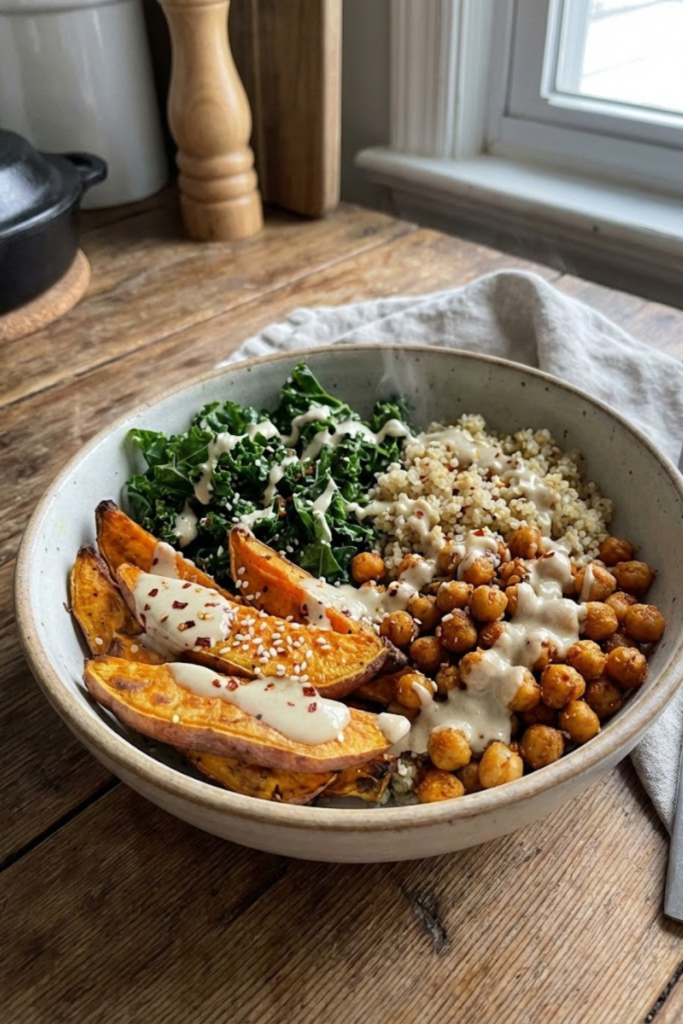
You can load them up with seasonal heavy hitters. I’m talking about sweet potatoes, kale, and winter squash. These ingredients are naturally packed with Vitamins A and C, which we desperately need when the sun goes down at 4 PM. It feels good knowing that a delicious dinner is also keeping you healthy.
Meal Prep Like a Boss
Let’s be real for a second—cooking a full dinner every single night is exhausting. I have had plenty of evenings where I just stared at the fridge and ended up eating toast. One of the biggest reasons I love these bowls is that they are incredibly meal prep friendly.
You can roast a huge tray of root vegetables on Sunday. While those are in the oven, boil a pot of quinoa or farro. During the week, all you have to do is throw the components into a bowl and reheat. It literally takes five minutes.
Hot Meets Cold (The Best Part)
There is something so satisfying about the texture contrast in these bowls. I love having a base of steaming hot grains and roasted veggies topped with something cool and crisp. It keeps the meal interesting.
- My favorite combo: Hot roasted broccoli paired with cold, crunchy slaw.
- Texture win: Warm quinoa mixed with cool, creamy avocado.
- The crunch factor: Tossing on some cold pumpkin seeds right before serving.
Your Wallet Will Thank You
Have you seen the price of out-of-season berries lately? It makes me want to cry. Eating strictly seasonal produce is a total game changer for your grocery budget.
Winter bliss bowls rely on ingredients that are cheap and plentiful right now. Cabbage, carrots, potatoes, and onions are some of the most affordable things in the produce section. You can stretch a bag of lentils or a box of rice across so many meals. It’s comforting food that doesn’t break the bank.
A Little Mistake I Made
I do have to warn you about one thing, though. The first time I made a winter bliss bowl, I got a little too excited with the sauce. I drowned my poor roasted veggies in tahini dressing until it was basically soup.
Don’t do that. You want to taste the individual roasted flavors of the vegetables. Use the sauce to tie it all together, not cover it up! Trust me, finding that balance makes all the difference in enjoying these nutrient dense meals.
Building the Perfect Base: Grains and Greens
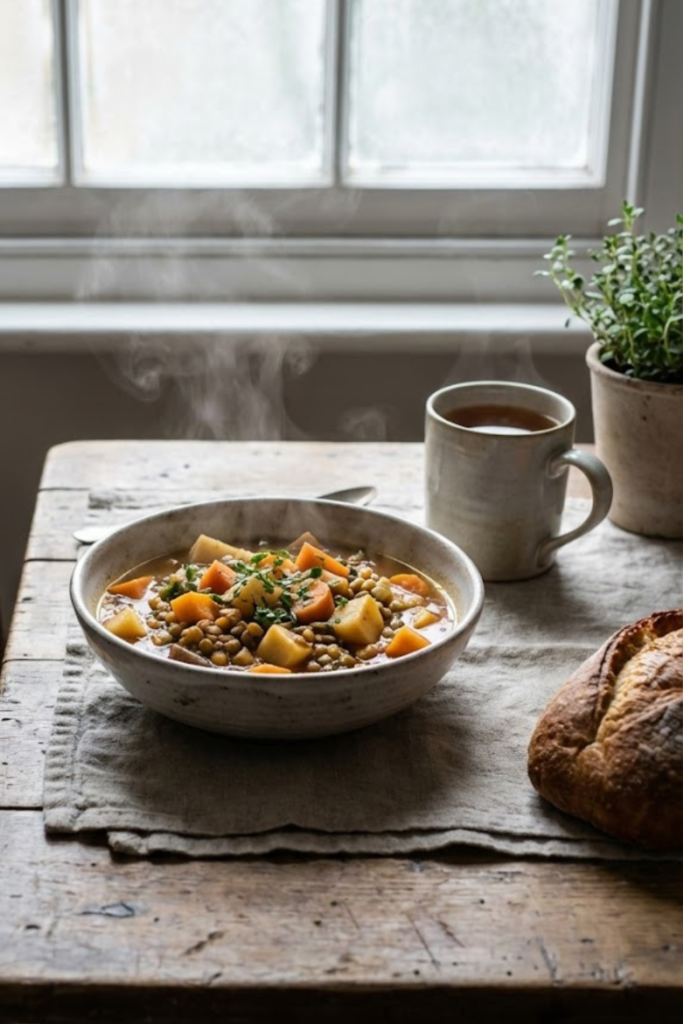
If you build a house on a shaky foundation, it’s gonna fall down. The same logic applies to winter bliss bowls. I learned this the hard way after too many sad lunches where my ingredients turned into a soggy mush by noon. The base layer is where the magic starts, and getting it right is half the battle.
The Grain Game
I used to be terrified of cooking grains other than white rice. I remember the first time I tried to make quinoa for a dinner party. I didn’t rinse it. Big mistake. The whole dish tasted bitter and soapy, and I was so embarrassed I ordered pizza instead.
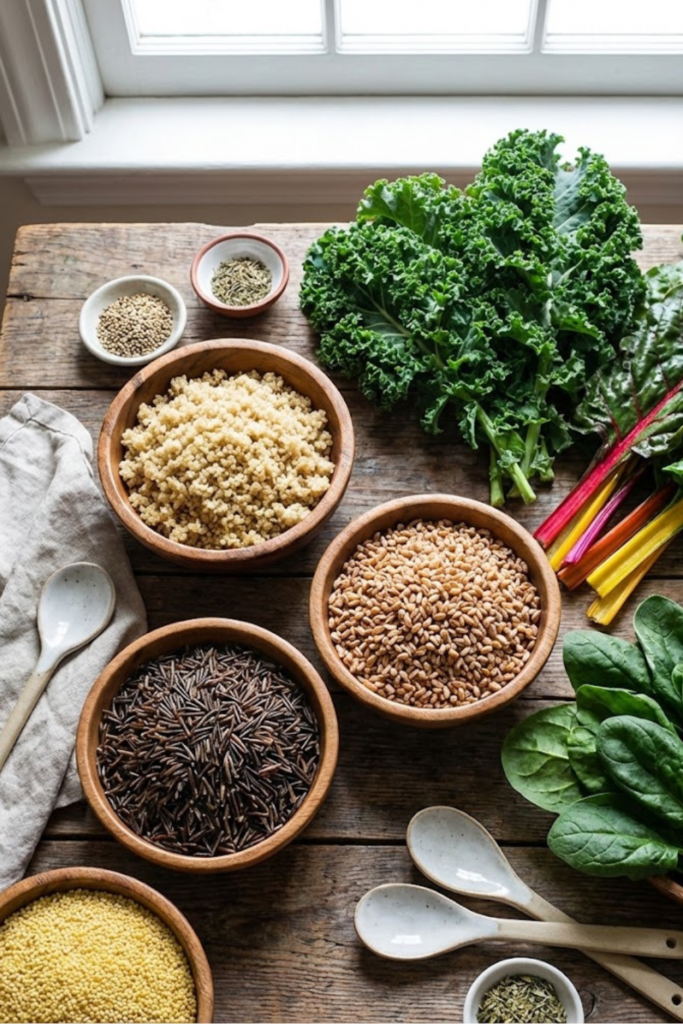
Since then, I’ve learned that rinsing your quinoa is non-negotiable. But honestly, lately, I have been obsessed with farro. It has this nutty, chewy texture that holds up really well against roasted veggies.
- Quinoa: Cooks fast (15 mins), high protein. Rinse it well!
- Farro: Chewier, heartier. Needs about 30-40 minutes.
- Brown Rice: Classic, but honestly takes forever to cook.
If you are gluten-free, stick to the quinoa or brown rice. But if you can eat wheat, give farro a shot in your warm grain bowls. It feels substantial, like you are actually eating a meal and not just bird food.
Why I Broke Up with Spinach
I love spinach, I really do. But in a hot bowl? It’s a disaster. I used to throw fresh spinach under my hot roasted squash, and within two minutes, it was a slimy, green mess. It was so unappealing.
That is why kale is the undisputed king of the winter bliss bowls. Kale is tough. It can handle the heat of the roasted veggies without wilting into oblivion. But—and this is a huge “but”—you have to treat it right.
The “Massage” Is Not a Joke
For years, I rolled my eyes when recipes said to “massage the kale.” I thought it was pretentious nonsense. So, I ate raw, tough kale that made my jaw hurt. I was stubborn.
One day, I finally caved. I drizzled a little olive oil and lemon juice on my chopped kale and squeezed it with my hands for about two minutes. The difference was night and day. The leaves turned dark green and soft. It actually tasted good! Please, learn from my stubbornness and just massage the kale. It makes the kale salad bowl base much more enjoyable to eat.
Low Carb? No Problem
Sometimes I just feel too heavy if I eat grains every day. When I want to lighten things up, I swap the grains for cauliflower rice.
I’m going to be real with you, though. Do not try to make your own cauliflower rice with a grater unless you want your kitchen to look like a snow globe. I tried it once. I was finding cauliflower bits on the floor for weeks. Just buy the frozen bags. It saves so much sanity.
Flavor from the Bottom Up
Here is a pro tip I picked up: never cook your grains in plain water. It is a wasted opportunity for flavor. I always use vegetable broth or throw a bay leaf into the pot.
If you cook the grains in water, they taste like water. If you cook them in broth, they taste rich and savory before you even add the dressing. It’s a small tweak that makes your healthy comfort food taste like it came from a restaurant.
The Heart of the Bowl: Roasted Root Vegetables
Okay, let’s talk about the real star of the show. You can have the best grains and the fanciest dressing, but if your vegetables are soggy, your roasted vegetable bowl is going to be a flop. I learned this lesson the hard way during my early cooking days. I used to just throw everything on a pan, shove it in the oven, and pray.
The result? Mush. Absolute mush. It was heartbreaking to spend money on good produce only to ruin it. Over the years, I’ve figured out that roasting is actually a science, but luckily, it’s not rocket science.
The Sweet Potato & Squash Situation
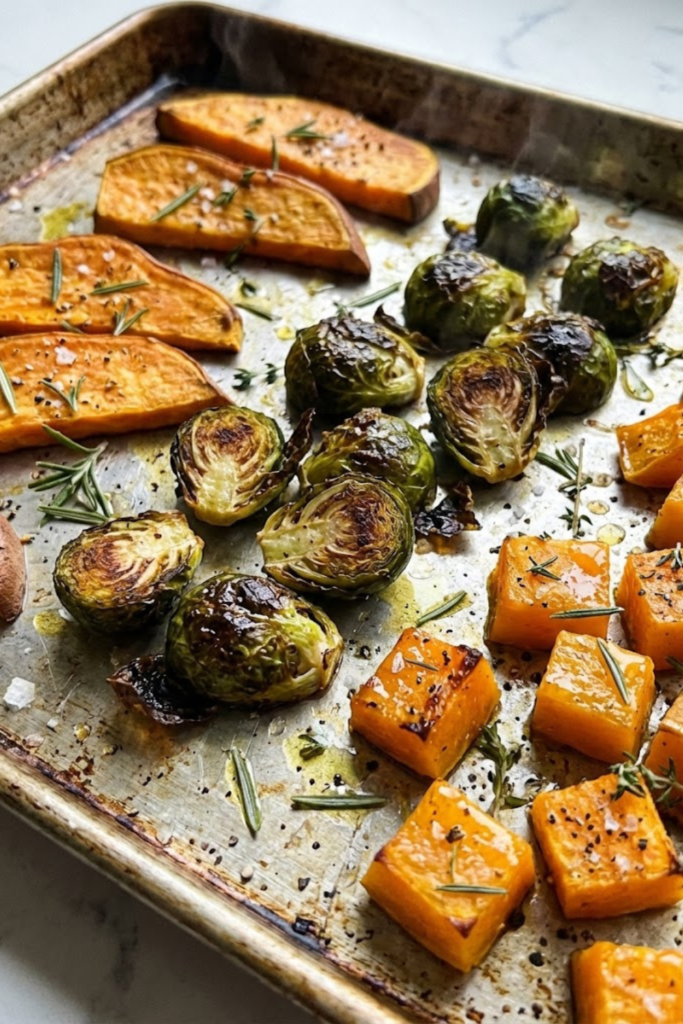
Sweet potatoes and winter squash are the heavy lifters of the season. There is nothing better than biting into a piece of roasted butternut squash that is caramelized on the outside and soft on the inside. But getting there takes patience.
I used to rush it. I’d crank the heat to 450°F hoping to be done in ten minutes. Spoiler alert: burnt outside, raw inside. Now, I stick to 400°F (about 200°C) for these dense guys. It usually takes about 30 to 35 minutes. It tests my patience when I’m hungry, but the sweetness you get from slow roasting is worth the wait.
Don’t Crowd the Pan!
This is the number one mistake I see people make. I used to do it too because I hate washing dishes and wanted to fit everything on one sheet pan.
If you pile your roasted brussels sprouts or broccoli on top of each other, they steam instead of roast. You want them to have personal space. If they are touching, you won’t get that crispy edge we all crave. I finally bought a second large baking sheet, and it was a total game changer. Now my sprouts come out crispy and addictive, not wet and sad.
Spicing Things Up
Salt and pepper are fine, but we can do better. Winter root vegetables are naturally sweet, so they can handle some strong spices.
Lately, I’ve been obsessed with making turmeric roasted veggies. I toss my cauliflower and potatoes in olive oil, turmeric, cumin, and a little smoked paprika. It turns them this beautiful golden color and adds a warmth that feels so good in January. Just be careful with turmeric; it stains everything. I ruined a perfectly good white spatula last week. It is now permanently yellow.
The Size Matters
I am not the most patient chopper in the world. Sometimes I just hack at the vegetables to get it done. But here is the thing: if your root vegetable recipes call for cubes, try to make them the same size.
If you have giant chunks of potato next to tiny ones, the tiny ones turn into charcoal before the big ones are cooked. It’s frustrating. I try to aim for 1-inch cubes. It doesn’t have to be perfect—we aren’t on a cooking show—but keeping them roughly the same size saves you from a lot of kitchen stress.
Protein Power: Keeping It Plant-Based or Savory
We need to talk about protein. I used to think a bowl of just vegetables was enough for dinner. I was wrong. By 9 PM, I would be raiding the pantry for chips because I was starving. Adding a solid protein source is what turns a side dish into a full, high protein vegan meal that actually holds you over.
The Chickpea Learning Curve
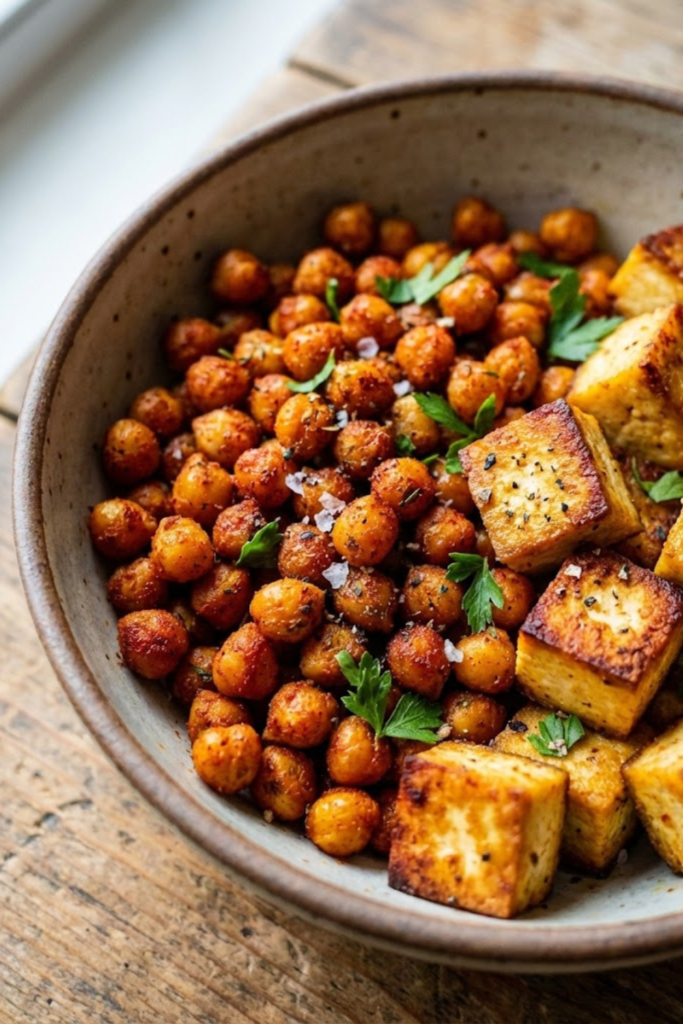
I have a love-hate relationship with chickpeas. When I first tried to make roasted chickpeas, I just dumped the can onto a baking sheet. It was a disaster. They didn’t get crispy; they just got hot and mushy.
I realized I was missing a crucial step. You have to dry them. I mean, really dry them. Now, I roll the chickpeas between two clean kitchen towels to get every drop of moisture off before adding oil. It takes an extra five minutes, but it is the only way to get that satisfying crunch. They basically become little protein croutons.
Tofu That Doesn’t Taste Like Sponge
Let’s be honest: bad tofu is gross. It tastes like a wet kitchen sponge. For years, I avoided it because I didn’t know how to give it flavor. The secret I stumbled upon is pressing the water out.
You don’t need a fancy gadget for this. I just wrap the block in paper towels and put my heavy cast-iron skillet on top for twenty minutes. Once it’s pressed, it acts like a sponge for flavor instead of water. I marinate cubes in soy sauce and maple syrup before baking. This crispy tofu recipe completely changed my mind about soy.
The “I Forgot to Cook” Option
Sometimes, life happens. I get home late, and the last thing I want to do is chop tofu or roast chickpeas. That is when I grab a can of lentils or black beans.
Canned lentils are a lifesaver for fiber rich meals. You just rinse them and toss them in. They add a nice earthy texture that pairs perfectly with roasted sweet potatoes. It’s not fancy, but it gets the job done when you are exhausted.
For the Meat Eaters
While I usually keep my bowls plant-based, my partner loves animal protein. The beauty of these bowls is that they are flexible. You can easily add leftover grilled chicken or a hard-boiled egg.
I often use leftover rotisserie chicken for a savory breakfast bowl or lunch. It’s a great way to clean out the fridge. Just shred the meat and toss it in with the warm grains. It absorbs the dressing beautifully and adds that extra satiety factor.
The Secret Sauce: Dressings That Tie It All Together
You can roast the most beautiful vegetables and cook your grains to perfection, but if you skip the sauce, you are just eating a dry bowl of hot plants. I used to underestimate the power of a good dressing. I would just splash some oil and vinegar on top and call it a day. It was boring, and frankly, I dreaded finishing the meal.
The sauce is the bridge. It connects the earthy grains to the sweet roots and makes the whole thing feel cohesive. Once I started making my own sauces, my winter bliss bowls went from “meh” to something I actually craved.
The Tahini Trap
Let’s talk about tahini. It is the gold standard for lemon tahini sauce, but it can be tricky. The first time I tried to make a dressing with it, I panicked. I added lemon juice to the tahini paste, and it suddenly seized up into a rock-hard lump of concrete. I thought I had ruined it and threw it in the trash.
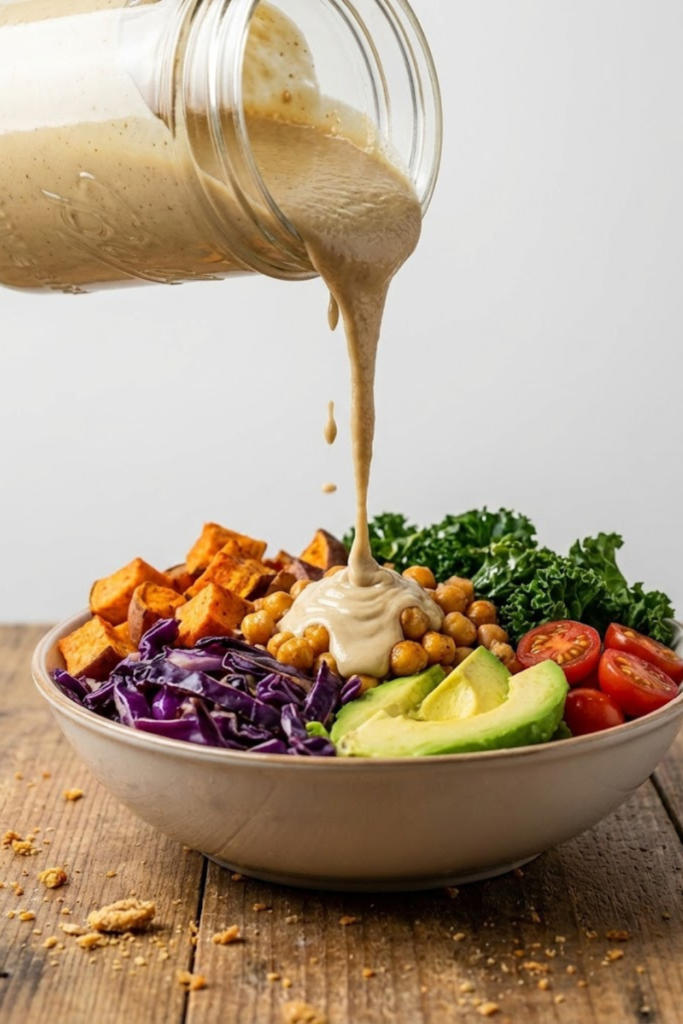
I felt so silly when I learned that this is normal. You just have to keep whisking and slowly add cold water. It magically relaxes into that creamy, dreamy drizzle we all love. It takes a little elbow grease, but it is worth it for that rich, nutty flavor that pairs so well with roasted sweet potato.
Sweet and Tangy for the Win
Sometimes, winter veggies can feel a bit heavy. That is when I reach for maple syrup. A good maple mustard dressing is my go-to when I am using Brussels sprouts or cabbage.
I mix grainy mustard, apple cider vinegar, and a splash of pure maple syrup. It cuts through the richness of the roasted veggies perfectly. Plus, it takes about thirty seconds to whisk together in a jar. If you are stuck in a rut with your healthy sauce recipes, this one will wake up your taste buds.
Turning Up the Heat
When it is freezing outside, I like my food to bite back a little. A spicy peanut or almond butter sauce is a game changer. I used to think peanut sauce was only for stir-fries, but I was wrong.
I whisk peanut butter with soy sauce (or tamari), ginger, and a generous squeeze of sriracha. Drizzling this over a roasted vegetable bowl gives it a totally different vibe. It makes you feel warmer instantly. Just be careful with the garlic—raw garlic in a dressing gets stronger the longer it sits. I learned that after bringing a very pungent lunch to the staff room!
Consistency is Key
Here is a practical tip that took me way too long to figure out: your dressing needs to be pourable. There is nothing worse than a giant glob of sauce sitting in one spot while the rest of the bowl is dry.
I always test the consistency before I pour. It should drip off the spoon easily. If it is too thick, I add water one teaspoon at a time. It seems like a small detail, but getting that perfect drizzle ensures every bite of your clean eating bowl has flavor. It makes the meal feel chef-made rather than just leftovers thrown together.
Crunchy Toppings and Final Touches
We are almost at the finish line. You have your grains, your roasted veggies, and your killer sauce. But if you stop there, you are missing out on the best part. Texture is everything. I learned this after serving a bowl that was just… soft. It was tasty, but eating a bowl of mush gets boring after three bites. You need that crunch to wake your mouth up.
The Seed Situation
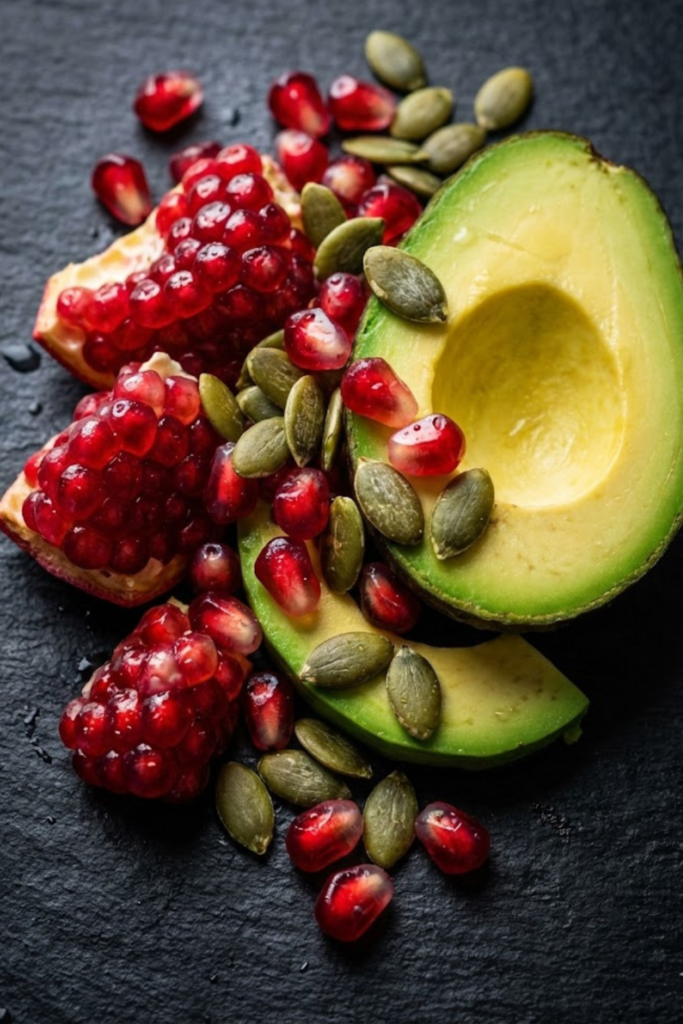
I used to think sprinkling seeds on top of dinner was just for fancy Instagram photos. I was wrong. Adding pumpkin seeds (pepitas) or sunflower seeds adds a nutty crunch that completely transforms the meal. Plus, it is an easy way to sneak in some healthy fats.
But here is a warning from my kitchen to yours: toast them. Raw seeds are fine, but toasted seeds are next level. However, do not walk away from the pan! I once burned a batch of expensive pine nuts because I went to check my email. I came back to a cloud of smoke and twenty dollars down the drain. It was so frustrating. Now, I stand there and watch them like a hawk for the full two minutes.
Pop of Color (and Flavor)
Winter food can look a little… brown. Roasted roots and grains aren’t exactly vibrant. That is why I love using pomegranate arils. They look like little jewels, and they add a tart sweetness that cuts right through the savory tahini.
If you have never de-seeded a pomegranate, prepare for a mess. My kitchen looked like a crime scene the first time I did it. Now, I break them open underwater in a big bowl. It saves my white shirts from stains. These little seeds are perfect for pomegranate recipes and make your bowl look professional instantly.
Don’t Fear the Funk
Okay, hear me out on this one. Sauerkraut. I know, I know. I used to think it belonged only on hot dogs. But adding a scoop of fermented veggies to your bowl adds a tangy kick that is honestly addictive.
It balances out the heavy, roasted flavors. plus, we all know we need more gut health recipes in our lives during flu season. Just buy the raw kind from the refrigerated section, not the canned stuff. The canned stuff is mushy and doesn’t have the same crunch.
Fresh Herbs Are Not Just Garnish
For years, I treated parsley and cilantro as decorations. I would buy a bunch, use one sprig, and let the rest rot in the crisper drawer. We have all been there.
But chopped fresh herbs actually lift the flavor of the entire dish. They add a brightness that heavy winter food desperately needs. If you are making an avocado superfood bowl, a handful of fresh cilantro makes it taste light and fresh. Don’t be stingy with it. Chop up a big handful and mix it right in. It is the final step that takes your bowl from “leftovers” to “gourmet meal.”
We have covered a lot of ground today. From massaging kale (seriously, do not skip that step) to roasting vegetables until they are perfectly caramelized, you now have the blueprint for the ultimate winter bliss bowls. I hope you can see that eating healthy in the dead of winter doesn’t have to mean boring, cold salads. It can be warm, hearty, and deeply satisfying.
My Sunday Ritual
I want to leave you with a little glimpse into my routine. Every Sunday afternoon, I put on my favorite playlist, roast two big trays of root vegetable recipes, and cook a pot of grains. It takes about an hour.
That one hour saves me so much stress during the week. When I come home exhausted on a Tuesday, I don’t have to think. I just grab my containers, assemble a bowl, and I have a nourishing meal prep dinner ready in five minutes. It stops me from ordering takeout, and honestly, it tastes better too. Making this a habit was the single best thing I did for my winter wellness.
Don’t Aim for Perfection
I used to beat myself up if I didn’t have every single component made from scratch. Please don’t do that. If you are tired, buy the jarred dressing. If you don’t have time to roast squash, use raw carrots.
The goal here is to nourish your body, not to win a cooking competition. These bowls are forgiving. They are designed to be messy and mixed up. Some of my best easy weeknight dinner creations happened because I just threw whatever leftovers I had into a bowl and hoped for the best.
Share the Warmth
If you found these tips helpful, or if you make your own version of these bowls, I would love to see it. Cooking is always more fun when you share it.
If this guide gave you some inspiration for your 2026 meal plan, please do me a huge favor and share this post on Pinterest! It helps other home cooks find these healthy dinner ideas and keeps this blog running. Hover over the image below and click that red “Save” button to add it to your favorite board. Stay warm out there, friends!