“Did you know that nearly 60% of home cooks find chicken breast to be the most difficult protein to keep moist while pan-searing?” Honestly, I used to be one of them! I can’t tell you how many times I ended up with dry, rubbery meat that felt more like an eraser than a meal. It’s so frustrating when you’re just trying to get a healthy dinner on the table. But then, I discovered the magic of the teriyaki chicken breast skillet. It’s fast, it’s bursting with umami flavor, and it’s become my absolute go-to for busy weeknights in 2026. Let me show you how to nail this dish without the stress!
Essential Ingredients for a Stellar Skillet
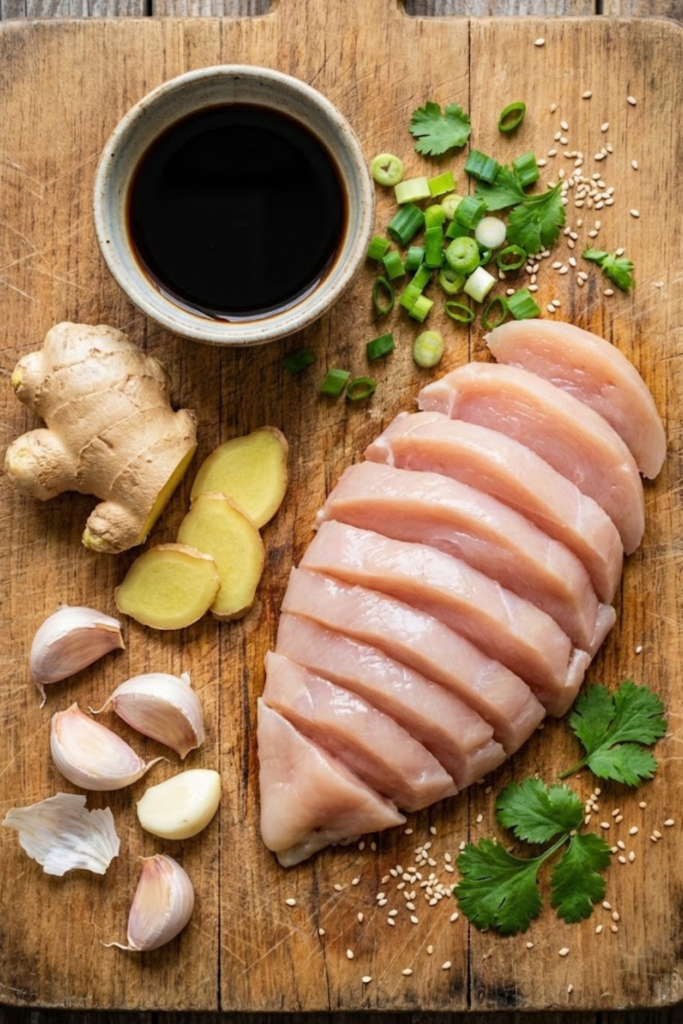
Before we even think about turning on the stove, we need to talk about what actually goes into the pan. I’ve made this teriyaki chicken breast skillet hundreds of times for my family, and I’ve learned that the quality of your ingredients really changes the final result. You don’t need anything fancy or expensive from a specialty store, but you do need to pick the right versions of these basics. Using fresh items instead of dried ones makes your kitchen smell amazing and gives the sauce a deep flavor that the bottled stuff just can’t match. It’s all about balance between the salty, the sweet, and the zingy aromatics.
The Right Cut: Why Breast Works Best
For this specific skillet meal, I always go with boneless, skinless chicken breasts. Now, some people say thighs are juicier, and they aren’t totally wrong. But for a quick weeknight meal, breasts are lean and very easy to handle. The trick I use is slicing the meat into thin, bite-sized strips or small cubes across the grain. When you do this, you create more surface area. More surface area means more places for that sticky sauce to grab onto. It also means the chicken cooks in about five to seven minutes, which keeps it from getting dry and tough like an old shoe.
Fresh Aromatics: Ginger and Garlic
If there is one thing I want you to take away from my lesson today, it is this: please use fresh ginger and garlic. I know the jars of minced garlic or the powder in the spice aisle are easy to grab, but they don’t have the same “pop.” Pick up a small knob of fresh ginger root at the store. You can peel it easily with the edge of a spoon and grate it right into the pan. It adds a spicy warmth that balances the sweet sauce perfectly. Same goes for garlic. Two or three fresh cloves, smashed and chopped, will provide a much better smell and taste than the pre-minced kind that sits in a jar of water for months.
The Sauce Components: Soy, Sweet, and Acid
The base of your sauce is soy sauce. I prefer using a low-sodium version every time. This lets me control how salty the dish ends up being without losing that savory taste we love. For the sweetness, I usually reach for honey or brown sugar. Honey gives a nice shine to the sauce, while brown sugar adds a deep flavor. Finally, don’t forget the acid. A splash of rice vinegar cuts through the sugar and makes the flavors feel bright.
Cornstarch: The Magic Thickener
Lastly, you need a little bit of cornstarch. This is what turns a watery liquid into a thick, glossy glaze that coats every single piece of chicken. I usually mix a teaspoon of it with a little cold water in a small cup before adding it to the pan at the very end. It’s a simple step, but it’s what makes the dish look like it came from a professional kitchen instead of just a home skillet. Without it, your sauce will just pool at the bottom of the plate, and we don’t want that!
The Art of the Sear: Keeping Chicken Breast Moist
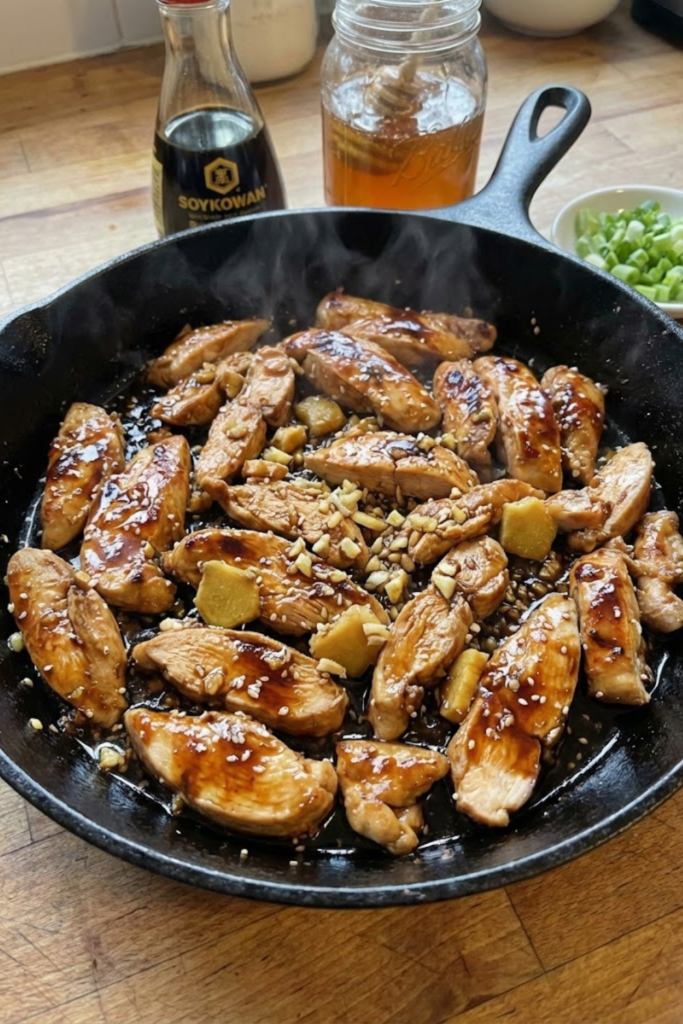
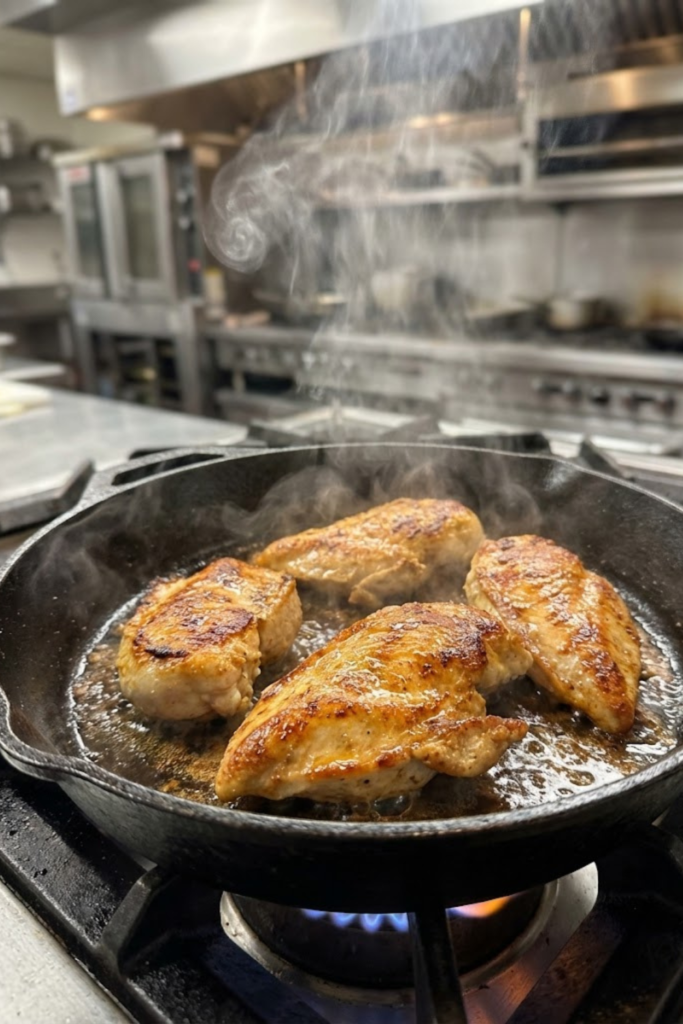
Let me tell you, getting the perfect sear is really the secret sauce to making this teriyaki chicken breast skillet a success. I used to be so scared of high heat, thinking I’d burn everything, but that’s exactly why my chicken used to come out so dry. If you don’t get a good crust on the outside, you lose all that moisture. It’s like building a wall to keep the juice inside the meat. You want that chicken to have a bit of a bite on the outside but stay soft and tender on the inside. Most folks think you just throw it in and stir it around, but there’s a little more to it if you want it to taste like a pro made it.
Start with a Screaming Hot Pan
You really need to be patient here. Put your skillet on the stove and turn it up to medium-high. Give it a few minutes. I usually walk away and start chopping my green onions while the pan warms up. If you add the chicken to a cold pan, it just sits there and gets tough. You want to see the oil shimmer just a bit. When the chicken hits the metal, it should sound like a round of applause. That sizzle is the sound of flavor being made! If you don’t hear it, your pan isn’t hot enough. Don’t be afraid of a little smoke, just turn on your kitchen fan and keep going.
Don’t Overcrowd the Skillet
I see this mistake all the time in my cooking classes. People are in a rush and they dump two pounds of chicken into a small pan. When you do that, the temperature of the pan crashes. All the water comes out of the meat and it starts to boil in its own juices. You’ll end up with gray, rubbery chicken instead of golden-brown bites. My advice? Cook the chicken in batches. Spread the pieces out so they aren’t touching each other. This allows the steam to escape so the edges can actually get crispy. It might feel like it’s taking longer, but the texture is so much better this way.
Pull it Off the Heat at the Right Time
Most people overcook chicken breast because they’re worried about it being raw. But there is a very thin line between cooked and overcooked. Use a digital thermometer. It’s the best ten dollars you’ll ever spend in the kitchen. For a teriyaki chicken breast skillet, you want to pull the meat out of the pan when it hits about 160 or 162 degrees. The heat that’s already in the meat will carry it up to the safe 165 mark while it rests. This little trick keeps the chicken incredibly juicy. Trust me, your family will notice the difference!
Homemade vs. Store-Bought Teriyaki Sauce
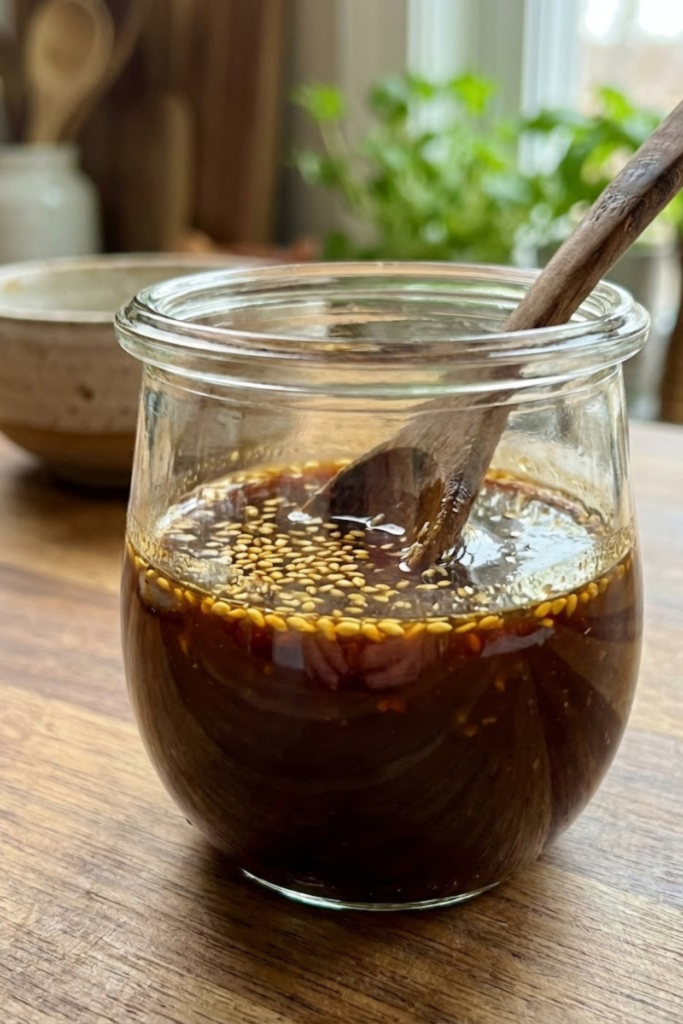
When you walk down the grocery aisle, you see about twenty different bottles of sauce for your teriyaki chicken breast skillet. It is so easy to just grab one and go, right? I used to do that all the time because I thought making sauce from scratch was a big production. I thought I needed a hundred ingredients and a lot of time I didn’t have. But once I tried making my own, I realized the store-bought stuff is mostly just high-fructose corn syrup and a whole lot of salt. It tastes okay, but it doesn’t taste fresh. Making it yourself lets you decide exactly how it’s going to taste, and it only takes a few minutes.
Control the Flavor and Salt
The biggest reason I switched to homemade is that I can control the sugar. Have you ever looked at the back of a bottle? Sometimes there is more sugar than actual soy sauce! When I make it at home, I use honey or a little brown sugar. It gives the chicken a deep, rich flavor that isn’t just cloyingly sweet. Also, if you have someone in your family who needs to watch their salt, you can use low-sodium soy sauce. You get all that savory umami without feeling like you drank a gallon of seawater later that night. It makes the whole meal feel much lighter and healthier for everyone.
The Secret Thickener: The Slurry
A lot of people ask me how to get that thick, shiny look that you see in restaurants. They think they need to boil the sauce for an hour to reduce it down. Nope! All you need is a cornstarch slurry. This is just a simple way of saying “mix cornstarch and water.” I usually do one teaspoon of cornstarch with two teaspoons of cold water. You stir it until it looks like milk, then pour it into the hot skillet right at the end. In about thirty seconds, the sauce goes from watery to a beautiful, sticky glaze that hugs the chicken. It’s like magic every time I see it happen in my pan.
Fast Hacks for Busy Days
Now, look, I’m a teacher and a parent, so I know some days are just a mess. If you are exhausted and just need to feed the kids, using a bottle is fine! I always keep one “clean label” brand in the pantry for emergencies. Just look for one where you can actually pronounce the ingredients listed on the back. But if you have the extra five minutes, I promise the homemade version will make your teriyaki chicken breast skillet taste ten times better. Plus, you’ll feel like a real chef when you see that sauce bubble up and get all glossy.
Best Veggie Pairings for Your Skillet
Look, adding veggies to your teriyaki chicken breast skillet is basically a cheat code for a better dinner. I love a good piece of chicken, but if that’s all you eat, you’re missing out on a lot of texture and vitamins. I used to have a hard time getting my family to eat their greens, but when they’re covered in a sweet and salty glaze, nobody complains! It turns a simple meat dish into a full, colorful meal that looks great on the plate. Plus, it makes the chicken go further, which is great if you’re trying to save a little money at the grocery store. You don’t need a whole garden, just a couple of good picks to make things interesting.
Focus on the Crunch
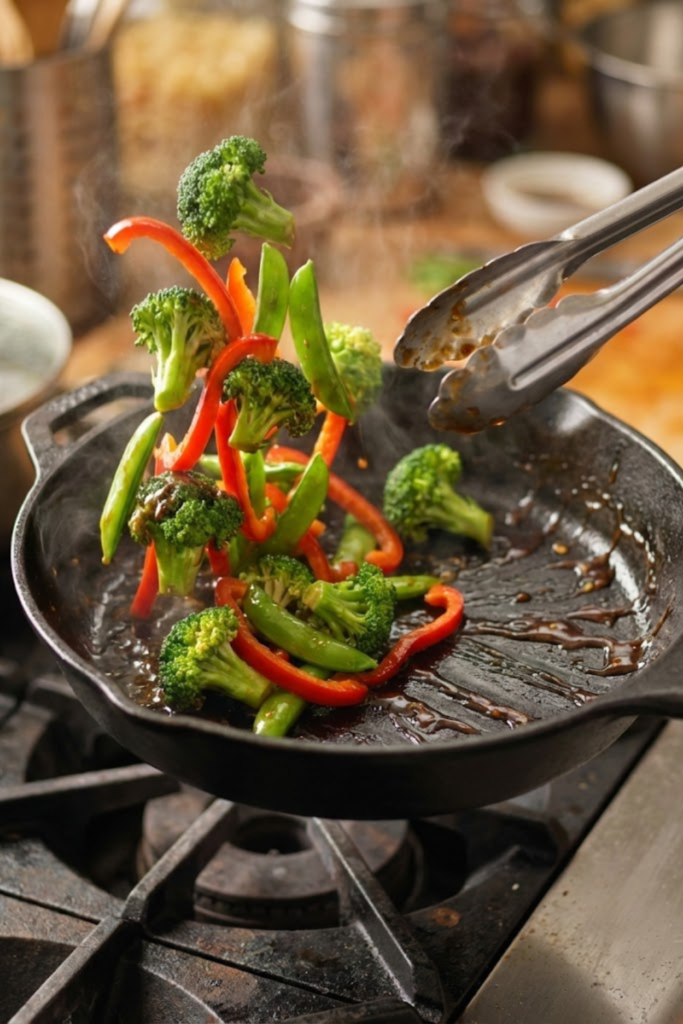
When I pick out vegetables for a stir-fry, I always think about the “snap.” You want things that stay a little bit firm even after they’re cooked. Red bell peppers and snap peas are my favorites for this. The peppers add a nice sweetness that matches the sauce, and the snap peas give you that satisfying crunch. I usually just slice the peppers into thin strips so they cook at about the same speed as the meat. If you use frozen veggies, just make sure to thaw them out first and pat them dry with a paper towel. If they go in the pan while they are still wet, they’ll just turn your sauce into a watery mess, and we definitely want to avoid that.
Veggies That Soak Up Sauce
Now, some vegetables act like little sponges, and these are my personal favorites. Broccoli is the king of this category. Those little bushy tops, which we call florets, are perfect for trapping the teriyaki sauce. Every time you take a bite of broccoli, you get a burst of flavor. Mushrooms are another great choice. They have an earthy taste that goes really well with the soy sauce and ginger. I like to slice them thick so they don’t disappear in the pan. When you use these kinds of veggies, you might need to make a little extra sauce because they really do drink it up!
Getting the Timing Right
This is where people usually mess up in the kitchen. If you throw the veggies in at the same time as the raw chicken, the veggies will be mush by the time the meat is finished. I usually sear my chicken first, take it out of the pan, and then toss the veggies in. I stir-fry them for about three or four minutes until they are what I call “crisp-tender.” That means they are cooked enough to eat but still have some life in them. Then I add the chicken back in with the sauce. This keeps everything at the perfect texture so you aren’t eating a plate of soggy greens. It’s a simple trick, but it makes a huge difference in how the meal feels when you’re eating it.
Serving Suggestions and Meal Prep Hacks
After you’ve done the hard work of searing and glazing, you’re probably ready to just dig in. But wait! How you serve your teriyaki chicken breast skillet can really change the whole experience. I always tell my students that we eat with our eyes first, so taking an extra minute to plate things nicely makes a big difference. Plus, if you are like me and have a super busy schedule, you want to make sure you have enough left over for lunch the next day. This dish is actually one of the best things to make ahead of time because the flavors just get better as they sit together in the fridge.
The Best Bases for Your Bowl
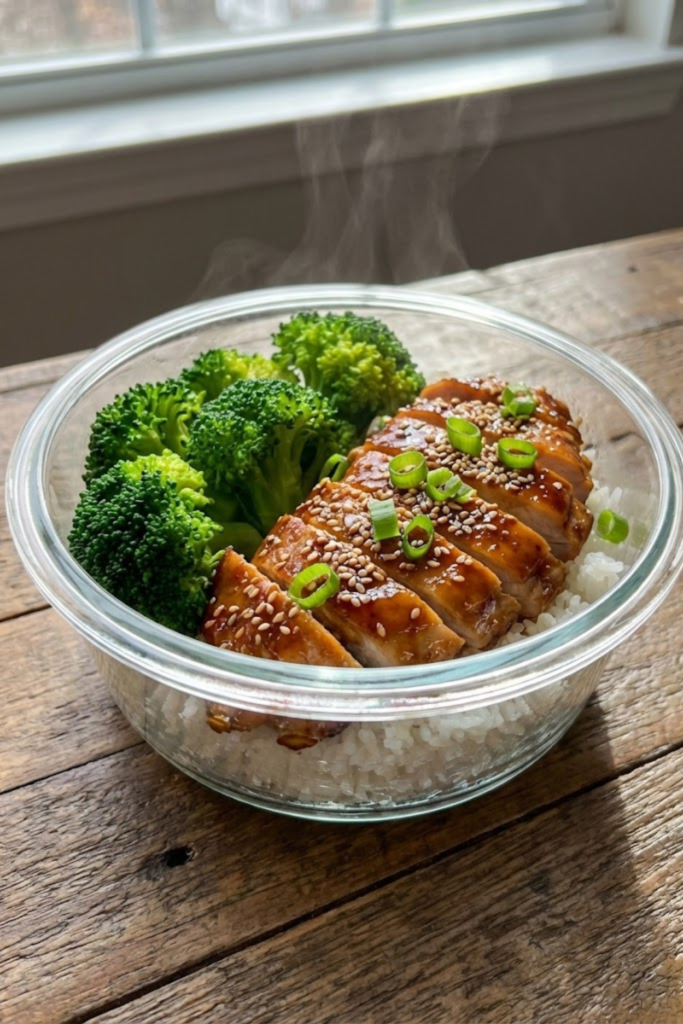
For me, a big pile of fluffy jasmine rice is the only way to go. It has a natural sweetness and a great smell that goes perfectly with the savory sauce. I like to make my rice in a rice cooker so it’s one less thing to worry about while I’m busy with the skillet. If you want something a bit different, brown rice or even quinoa can give you a nice nutty flavor and keep you full longer. For my friends who are watching their carbs, cauliflower rice is a solid option. My little trick is to toss the cauliflower rice right into the skillet after I take the chicken out. That way, it picks up all those brown bits of flavor from the bottom of the pan.
Garnishes for Extra Crunch and Zing
Don’t skip the toppings! A sprinkle of toasted sesame seeds adds a tiny bit of crunch and makes the dish look like it came from a fancy restaurant. I also love to chop up some fresh green onions. Use the white parts for a sharp bite and the green parts for a beautiful color. If you like a little heat, a pinch of red pepper flakes is great. Sometimes I even add a squeeze of fresh lime juice right at the end. The sourness of the lime really cuts through the sweet honey in the sauce and makes everything taste much brighter.
Meal Prep for the Week Ahead
This is where this recipe really shines. I usually double the batch on Sunday night so I have lunch for three days. The key to keeping it fresh is using airtight glass containers. When you go to reheat it in the microwave, add just a tiny splash of water or a little extra sauce to the bowl. This creates steam and helps to ensure the chicken stays moist instead of getting tough. It’s a great way to save money and stay healthy without having to cook every single night. Trust me, your future self will thank you when you have a delicious lunch ready to go!
Wrapping things up, I really hope you feel ready to get into your kitchen and try this teriyaki chicken breast skillet. It is one of those meals that changes everything once you get the hang of it. You don’t need to be a professional chef to make food that tastes good and makes your family happy. I spent years overcooking chicken and making a mess of my pans before I figured out these simple steps. If I can do it, you definitely can too. It’s all about the heat, the fresh ingredients, and that little bit of cornstarch at the end to make everything look perfect.
One of the things I love most about being a teacher is seeing my students finally “get it.” That moment when a difficult lesson suddenly makes sense is just the best. Cooking is exactly the same way. You might overcook the chicken the first time, or maybe your sauce will be a bit too thick. That is totally okay! That is just how we learn. Next time, you will know to pull the pan off the heat a minute earlier or add a little more water to your slurry. Every time you make this skillet, you are going to get a little better and a little faster.
Think about how much money you will save by not ordering takeout. For the price of one restaurant meal, you can probably buy enough chicken and veggies to feed your whole house twice. And you will know exactly what is in your food. No hidden chemicals or huge piles of salt that make you feel sluggish the next day. This is a meal you can feel good about serving. Whether you are feeding picky kids or just looking for a quick lunch for yourself, this recipe is a win for everyone.
Before I let you go, I have one last little piece of advice. Don’t be afraid to make this recipe your own. If you like it spicy, add more pepper flakes. If you love ginger, grate a little extra in there. Cooking should be fun, not a chore. I have found that when I stop worrying about making things “perfect” and just focus on making them taste good, I enjoy my time in the kitchen so much more. So, go grab your skillet and give it a shot!
If you enjoyed this guide and found these tips helpful, please share this on Pinterest! It helps me out a lot, and it lets other people find a way to make a healthy, delicious dinner in twenty minutes. I’d love to see how your skillet turns out, so feel free to share your results with your friends. Happy cooking, and I’ll see you in the next lesson!