I used to think making authentic teriyaki chicken required some culinary degree or a passport to Japan. Boy, was I wrong! I remember ordering takeout last Tuesday, staring at dry chicken swimming in a watery, overly salty mess, and thinking, “I can do better than this.” And guess what? You can too! Did you know that “Teriyaki” actually describes the cooking method? Teri means luster or shine, and yaki means grilled or broiled. This isn’t just another dinner; it’s a flavor bomb waiting to happen. Whether you’re a busy parent or just craving that sticky, savory goodness, this recipe is a game-changer. Let’s dive in!
Choosing the Right Cut: Chicken Thighs vs. Breast
I have a confession to make. For years, I was that person who strictly bought boneless, skinless chicken breasts because I thought they were “better” for me. I remember the first time I tried to make teriyaki chicken for a dinner party back in the day. I was so proud of the sauce, but the meat? It was like chewing on an old shoe. My guests were polite, drinking extra water to wash it down, but I wanted to crawl under the table. It was frustrating!
That disaster taught me a valuable lesson. When you’re cooking something at high heat with a sugary glaze, fat is your best friend.
Why Thighs Are the Real MVP
Here is the deal. Chicken thighs are darker meat, which means they have a higher fat content than breasts. This isn’t a bad thing! That little bit of extra fat renders out when you cook it, keeping the meat incredibly moist.
When you use thighs for teriyaki chicken, they are forgiving. You can accidentally leave them in the pan a minute too long while you’re distracted by the rice, and they will still taste amazing. I’ve found that thighs also have a richer flavor that stands up to the strong, salty-sweet sauce. If you want that restaurant-quality taste where the meat practically melts in your mouth, you gotta go with the thighs.
Sticking With Breasts? Read This First
Look, I get it. Sometimes you just prefer white meat, or that is all you have in the fridge. You can absolutely use chicken breasts, but you have to be careful.
Chicken breast has very little fat, so it goes from “perfectly cooked” to “dry sawdust” in about thirty seconds. If you are using breasts, I recommend pounding them out a bit so they are an even thickness. This helps them cook faster so they don’t dry out. Also, don’t take your eyes off that pan! As soon as they are cooked through, get them off the heat.
The Secret is in the Prep
Whether you pick thighs or breasts, how you cut the meat matters more than you think. I used to just hack at the chicken with a dull knife (another mistake!), ending up with jagged, uneven chunks.
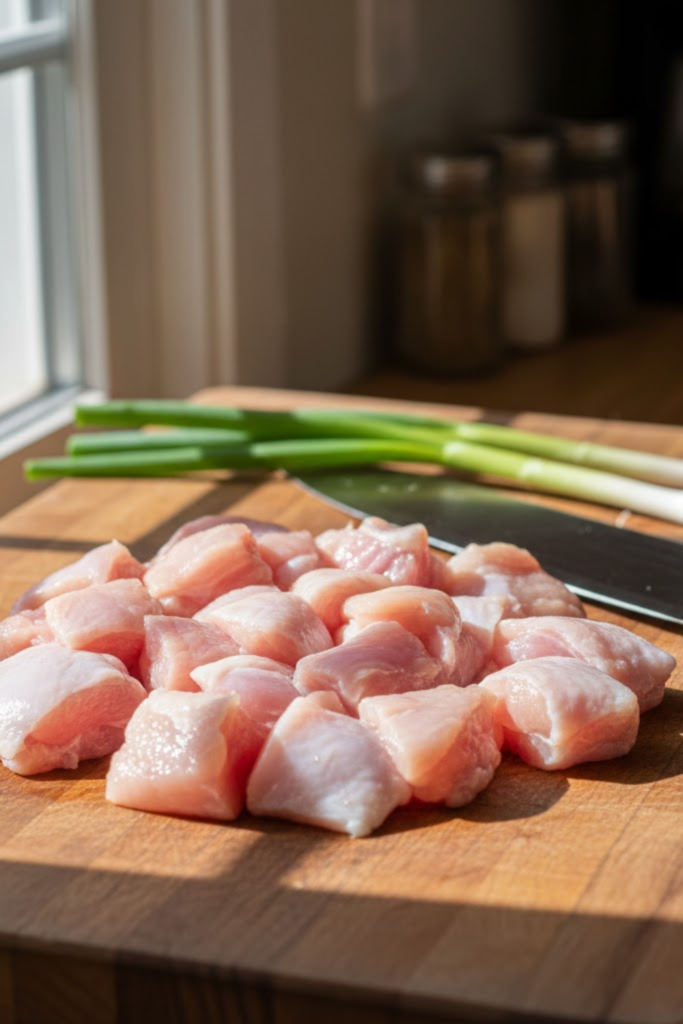
Now, I take the time to cut the chicken into uniform, bite-sized pieces, about one inch big. This makes sure every piece finishes cooking at the same time. Plus, it creates more surface area for that sticky, delicious teriyaki chicken glaze to cling to. And honestly, isn’t the sauce the whole reason we are here?
Make sure you trim off any large, hanging bits of fat from the thighs, though. You want the meat to be juicy, not greasy. A sharp knife makes this part way easier, believe me. Once you get your prep right, the actual cooking part is a breeze.
Mastering the Holy Trinity of Teriyaki Sauce
I used to be intimidated by the idea of making my own sauces. For years, I relied on those bottles from the grocery store. You know the ones—they sit in the fridge door for six months and taste mostly like salt and preservatives. I remember the first time I decided to make teriyaki chicken sauce from scratch. I was expecting a chemistry experiment.
I was shocked when I realized it’s basically just dumping four things into a pot. It felt like I had been scammed by the grocery store my whole adult life!
The Essential Liquid Gold
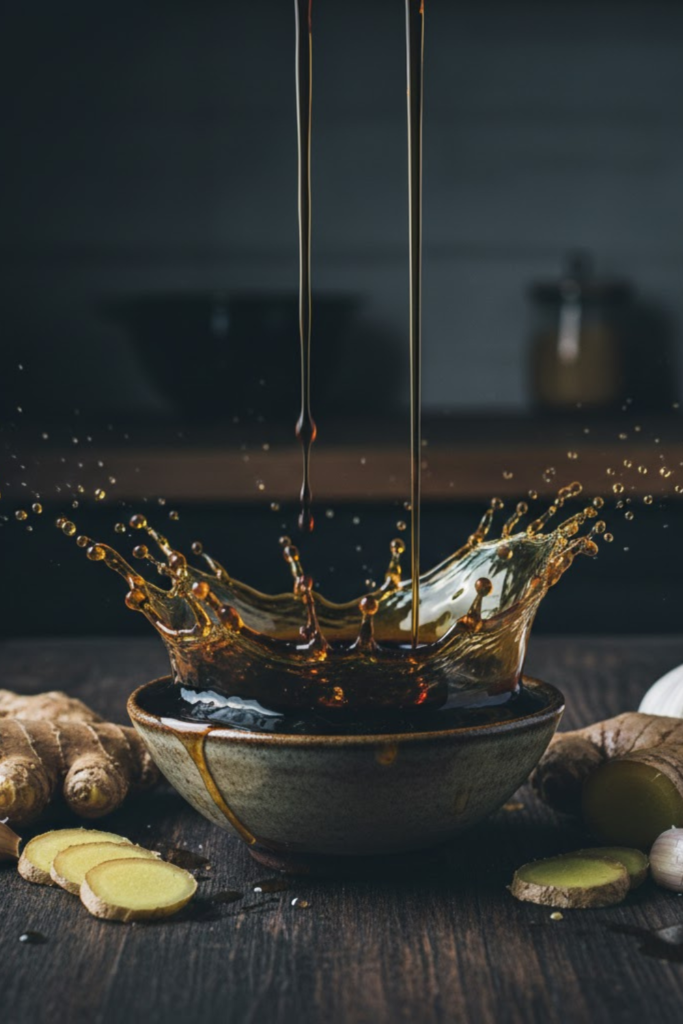
Okay, here is the breakdown. You need soy sauce, mirin, sake, and sugar. That’s it.
When I first started, I messed up big time by using “dark” soy sauce. My teriyaki chicken came out looking like charcoal and tasting like a salt lick. Total disaster. Stick to regular Japanese soy sauce (shoyu). If you are watching your salt intake, low-sodium versions work great too.
Then there is Mirin. This is a sweet rice wine that gives the sauce that beautiful shine. I once tried to swap it for rice vinegar because they looked the same in my pantry. Do not do that. The sauce was sour and weird. If you can’t find sake, you can leave it out, but it adds a nice depth if you have it.
Fresh vs. Powdered
Here is where I get a little bossy. Please put down the garlic powder.
For a truly good sauce, you need fresh ginger and garlic. I used to be lazy and use the jarred minced garlic, but it has this weird metallic aftertaste. Grating fresh ginger and garlic takes two minutes, and the smell alone is worth it.
I usually use a microplane to grate them right into the pan so I don’t lose any juice. One time, I was in a rush and just chopped the ginger into chunks. My daughter bit into a huge piece of spicy ginger and cried. Dad fail. Now, I grate it so it melts into the sauce.
The Secret to the Sticky Glaze
Have you ever wondered how restaurants get that sauce to cling to the meat? The secret is a cornstarch slurry.
This is where I’ve seen people ruin a good pot of sauce. You cannot just dump white powder into boiling hot liquid. It will turn into lumpy dumplings immediately. I learned this the hard way while trying to impress a date years ago. It was humiliating trying to fish out white blobs from the sauce.
Mix a tablespoon of cornstarch with a little cold water in a separate cup first. Stir it until it looks like milk. Then, pour that into your simmering sauce. It thickens up in seconds, transforming into that glossy, sticky glaze that makes teriyaki chicken so addictive.
Seared to Perfection: The Cooking Process
I can’t tell you how many times I ruined a perfectly good dinner because I was impatient. I used to throw all the meat into the pan at once, thinking I was saving time. Spoiler alert: I wasn’t. I remember one specific Tuesday night; the kids were hungry, I was tired, and I just dumped a pound of chicken into a cold pan.
Instead of searing, the meat just sweated. It released all this water and basically boiled itself. It was gray, rubbery, and sad. That is not how you start a teriyaki chicken dish. We want flavor, not steamed rubber!
The Golden Rule of the Sear
If you take only one thing from this post, let it be this: give your chicken some personal space.
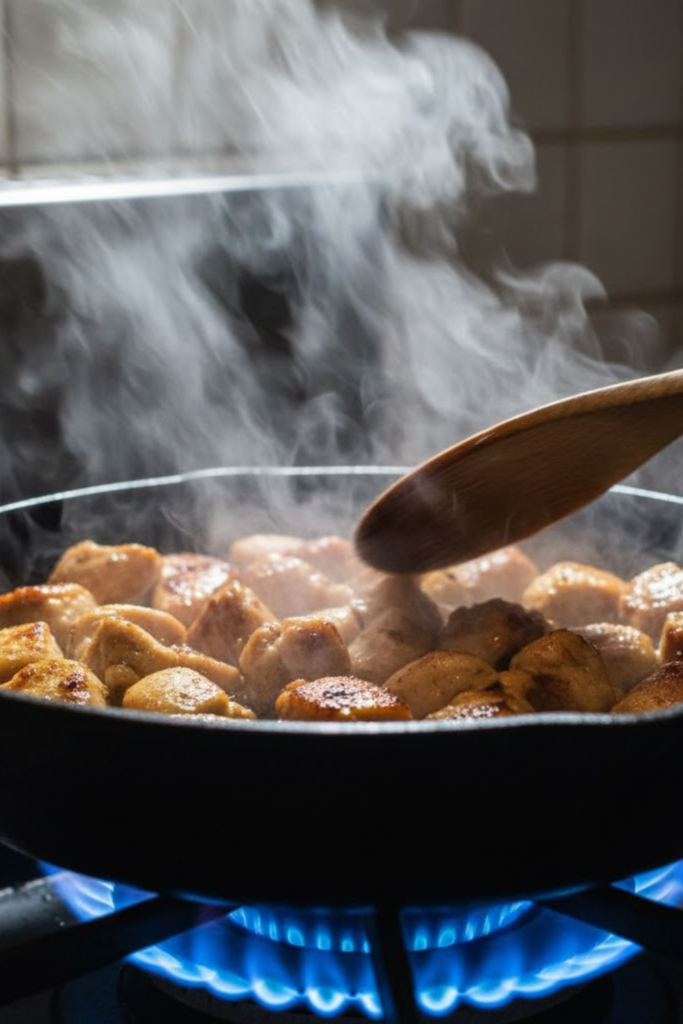
You need to get your pan hot—like, really hot—before the meat even touches it. I love using my heavy cast iron skillet for this because it holds heat like a champ. When you drop that chicken in, you should hear an aggressive sizzle. If it’s a polite whisper, your pan isn’t ready.
Cook the chicken in batches if you have to. I know, it’s annoying to do extra rounds, but it makes a huge difference. You want to see that deep, golden-brown crust develop. That browning is called the Maillard reaction, and it’s where all the savory, complex flavor lives. If the pan is crowded, the temperature drops, and you miss out on that beautiful texture.
Once you put the chicken down, don’t touch it! I used to nervously poke at the meat constantly. Let it be. It will release from the pan when it’s ready to flip.
The Simmer Down
Once your chicken is browned and cooked through, it is time for the magic. Pour in that sauce we talked about earlier. But be careful—sugary sauces burn fast.
I learned this lesson the hard way when I walked away to change a laundry load. I came back to a kitchen full of smoke and a pan full of black, bitter tar. The smell lingered for days. It was awful.
Turn the heat down to medium-low immediately. You want a gentle simmer, not a rolling boil. As the sauce bubbles, the water evaporates, and the sugars start to caramelize. This is when the sauce transforms from a thin liquid into that thick, sticky glaze that coats the spoon. It usually takes about 2-3 minutes. Keep stirring it so it doesn’t stick to the bottom.
Scrape Up the Good Stuff
Here is a little pro tip I missed for years. When you sear the chicken, it leaves behind little brown bits stuck to the bottom of the pan. Chefs call this “fond.” I used to think it was just a mess I’d have to scrub later.
Nope. That is pure flavor gold.
When you pour the liquid sauce into the hot pan, use a wooden spoon to scrape those brown bits up. They dissolve into the sauce and give your teriyaki chicken a deep, savory punch that you just can’t get otherwise. It’s a small step, but it adds so much richness.
Watching that sauce thicken and coat the crispy chicken pieces is honestly the most satisfying part of the whole process. It’s when you know you nailed it.
Serving Suggestions and Pairings
I used to be the kind of cook who put 100% of my energy into the main dish and zero effort into the sides. I’d spend thirty minutes making perfect teriyaki chicken, only to realize I had nothing to serve it with. I remember one night literally eating it with a slice of white bread because I forgot to start the rice cooker. It was tragic. The sauce soaked into the bread and made it soggy instantly.
It felt like I’d run a marathon only to trip at the finish line. Don’t be like me. The sides are what turn a bowl of meat into an actual meal.
The Rice Debate: Short vs. Long Grain
Let’s be real for a second. Teriyaki chicken without rice is like a peanut butter sandwich without jelly. It just feels wrong.
For years, I used whatever rice was cheapest. But the type of rice you use actually makes a huge difference. I personally love using Calrose rice. It’s a medium-grain rice that gets slightly sticky when cooked, which makes it perfect for grabbing with chopsticks. It holds onto that savory sauce so well.
If you prefer something fluffier, Jasmine rice is a solid backup. It has that nice floral aroma that pairs well with the ginger in the sauce. Just please, I beg you, don’t use instant rice. It has a weird, mushy texture that ruins the vibe. Investing in a cheap rice cooker was the best thing I ever did for my weeknight meals. You just set it and forget it.
Getting Your Greens In
Since the chicken is rich, salty, and sweet, you need something fresh to cut through all that flavor. I used to skip the veggies to save time, but then I’d feel heavy and sluggish after dinner.
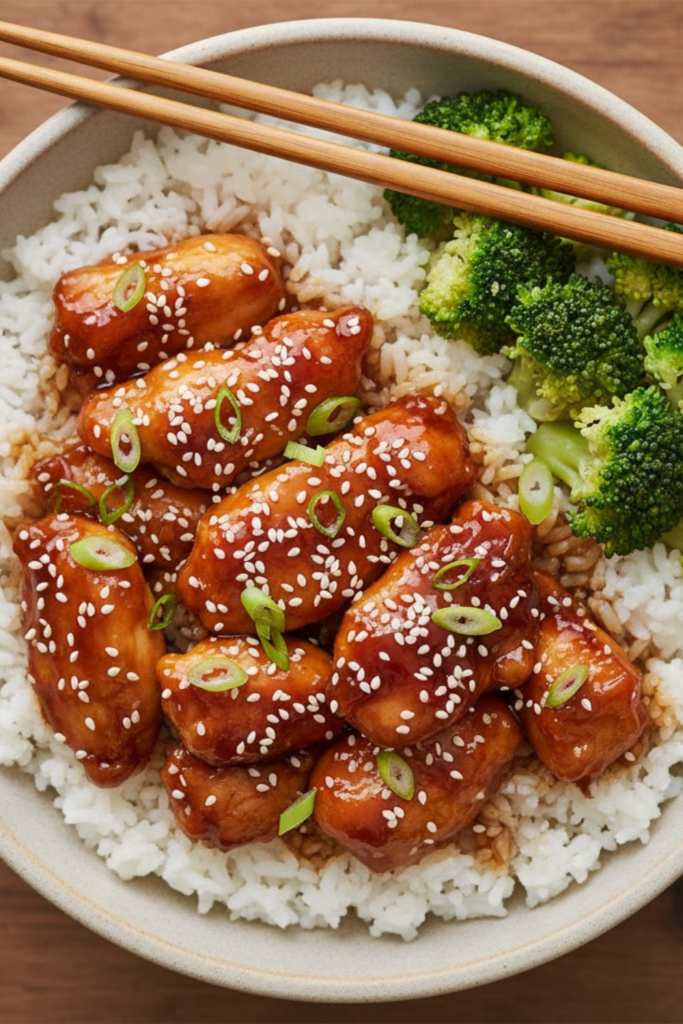
Steamed broccoli is my go-to. It’s a classic for a reason. The florets act like little sponges for any extra sauce on the plate. If I’m feeling fancy, I’ll do some baby bok choy. I just slice them in half and sear them in the pan for two minutes after I take the chicken out. They pick up that leftover fond and taste incredible.
Snap peas are great too if you want a crunch. Just don’t overcook them! I’ve definitely served gray, mushy broccoli to my family before. My kids refused to touch it, and honestly, I didn’t blame them. Keep it bright green and crisp.
The Final Flourish
We eat with our eyes first, right? I used to just dump the food in a bowl and serve it. It looked brown and boring.
A simple garnish changes everything. It takes five seconds to thinly slice some green onions (scallions). Sprinkle those on top for a pop of fresh, oniony bite and a splash of color. It makes the dish look like it came from a restaurant.
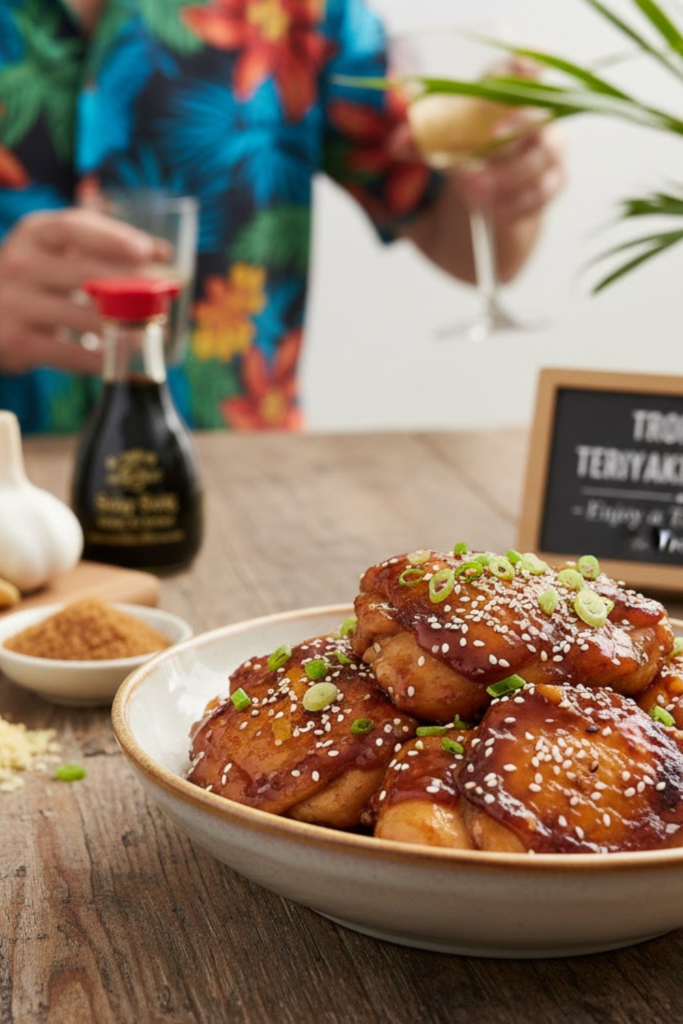
And don’t forget the toasted sesame seeds. I keep a jar of them in my spice cabinet. They add a tiny bit of nuttiness and a nice texture contrast to the soft chicken. It’s a small detail, but it makes your homemade teriyaki chicken feel “finished.” Plus, it hides any imperfections if your glazing skills aren’t perfect yet!
So there you have it, folks! I honestly used to think that making authentic-tasting teriyaki chicken required a culinary degree or a secret family recipe passed down for generations. I spent way too much money on takeout, waiting forty-five minutes for lukewarm food that was loaded with sodium.
Making this at home has been a total game-changer for my wallet and my tastebuds.
Why You’ll Never Go Back
Once you realize that homemade teriyaki sauce takes about five minutes to whisk together, the idea of buying the bottled stuff seems silly. You have total control here. If you want it sweeter? Add more brown sugar. Like a kick? Throw in some extra ginger or red pepper flakes.
Plus, you know exactly what is going into your body. No unpronounceable preservatives or hidden MSG. Just simple, bold flavors that come together to create one of those family favorite meals everyone asks for. My kids actually cheer when they smell the soy sauce hitting the hot pan. That is a win in my book.
Give It a Try Tonight
Don’t let the idea of Japanese cuisine intimidate you. This recipe is proof that you can create restaurant-quality food in your own messy kitchen on a Tuesday night. It really is one of those easy weeknight meals that saves you when you are exhausted but still want something delicious.
If you make this, don’t be hard on yourself if the glaze isn’t perfect the first time. Cooking is all about learning, right? I burned a few batches before I got it right, and I’m still here to tell the tale.
If you loved this recipe and want to save it for a rainy day (or just next week), please pin this to your “Dinner Ideas” board on Pinterest! It helps me out a ton and keeps the recipe safe for when the craving hits. Happy cooking!