Did you know the average American eats over 90 pounds of chicken a year? That’s a huge amount of poultry! But let’s be honest, not all chicken is created equal, and nobody wants a dry, flavorless dinner. I still remember the first time I tried to make sticky chicken tenders at home—it was a sticky disaster of burnt sugar and soggy breading. Yikes! But after years of tweaking (and tasting!), I’ve finally cracked the code to the perfect balance of crispy and saucy. This isn’t just a quick meal; it’s a flavor explosion waiting to happen in your kitchen. Get ready to have your family begging for seconds of these golden, glazed beauties!
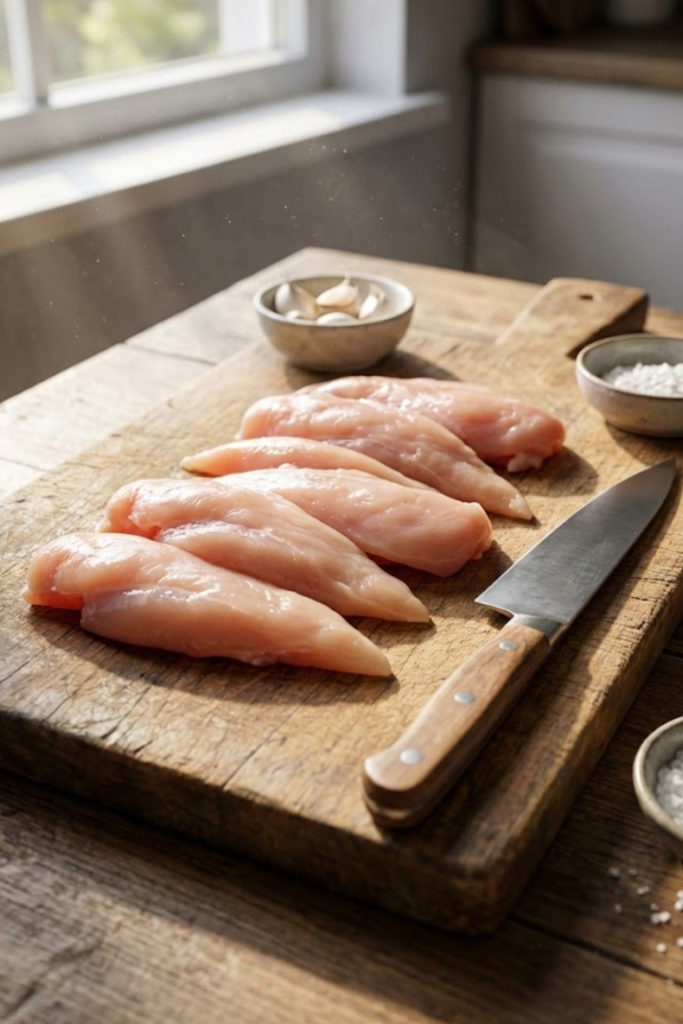
Choosing the Right Cut for Juicy Tenders
Look, I have ruined my fair share of chicken dinners. I used to think chicken was just chicken, grab whatever is on sale and throw it in the pan. Big mistake. I remember one specific Tuesday back in 2018 when I tried to make sticky chicken tenders for my nephews. The sauce was great, but the meat? It was like chewing on a rubber tire. I was so embarrassed I ordered pizza. Since then, I’ve learned that the secret to mouthwatering tenders starts way before you even turn on the stove.
The Great Debate: Tenderloins or Breasts?
You usually have two choices at the grocery store: pre-cut chicken tenderloins or whole chicken breasts. Honestly, I’m kinda lazy, so I usually grab the pre-cut tenderloins. They are the actual muscle located under the breast, and they are naturally more tender. However, they are often a bit pricier.
If you are watching your budget, buying whole breasts and slicing them yourself is the way to go. Just make sure you slice them against the grain. This shortens the muscle fibers and makes the meat way easier to chew. Trust me, nobody wants a jaw workout during dinner.
Dealing with “The Nasty Bit”
If you do buy the actual tenderloins, we need to talk about that weird white tendon sticking out of the top. It is tough, chewy, and honestly pretty gross to eat. I used to just leave it in and hope for the best. Don’t do that.
Here is a trick I learned that blew my mind. Stick the white tendon through the tines of a fork. Grab the end of the tendon with a paper towel (so it doesn’t slip), and push the fork down while pulling the tendon up. It slides right out! It’s oddly satisfying, actually. Getting rid of that tough bit makes your sticky chicken tenders significantly more enjoyable to eat.
Dry It Before You Fry It
This is the step everyone skips, and it drives me crazy! Chicken comes out of the package wet and slimy. If you toss that straight into your flour or batter, the coating is gonna slide right off as soon as it hits the heat.
Grab a few paper towels and pat those tenders dry. You want them tacky, not wet. This helps your flour adhere properly so you get that nice crunch.
A Quick Soak for Insurance
If you are really worried about dry meat, give your chicken a quick bath. I love soaking the strips in buttermilk or even pickle juice for about 30 minutes. The acid breaks down the proteins just enough to keep things soft.
I once forgot the chicken in pickle juice for four hours, and it was a bit too salty, so stick to 30 minutes. It adds a nice little tang that cuts through the sweetness of the glaze later. It’s a small step that makes a huge difference in the final texture.
The Secret to the Perfect Crispy Coating
Okay, be honest with me. How many times have you breaded chicken only to have the coating fall off in the pan? It leaves you with naked chicken and a sad pile of soggy crumbs. I have been there more times than I care to admit. It is incredibly frustrating!
I used to dread making breaded chicken because of the “zombie fingers.” You know what I mean—that gross, doughy paste that builds up on your fingertips until your hands are twice their normal size. But over the years, I realized that getting that restaurant-quality crunch on your sticky chicken tenders isn’t magic. It just takes a little bit of organization and the right ingredients.
Panko is the Only Way to Go
I grew up using those fine, sandy breadcrumbs from the canister with the girl and the umbrella. They are fine for meatballs, I guess. But for tenders? No way.
You have to use Panko breadcrumbs. They are Japanese-style crumbs that are larger and flakier. Because they have more surface area, they get way crispier than the regular stuff. Plus, they absorb less oil, so your tenders don’t turn into a grease sponge.
I once tried to use crushed cornflakes because I saw it on a morning show. Let me tell you, it was a burnt mess. Stick to Panko. It provides that loud crunch we all want when biting into sticky chicken tenders.
Don’t Ignore the Flour
Here is a hill I am willing to die on: season every single layer. Most people just season the chicken or maybe the crumbs. But plain flour tastes like… well, paste.
I throw a generous amount of salt, garlic powder, and onion powder right into my flour bowl. Sometimes I add a pinch of cayenne if I’m feeling feisty. This way, even if a little bit of the sauce drips off, the meat itself is still packed with flavor. It makes a huge difference.
The Assembly Line Strategy
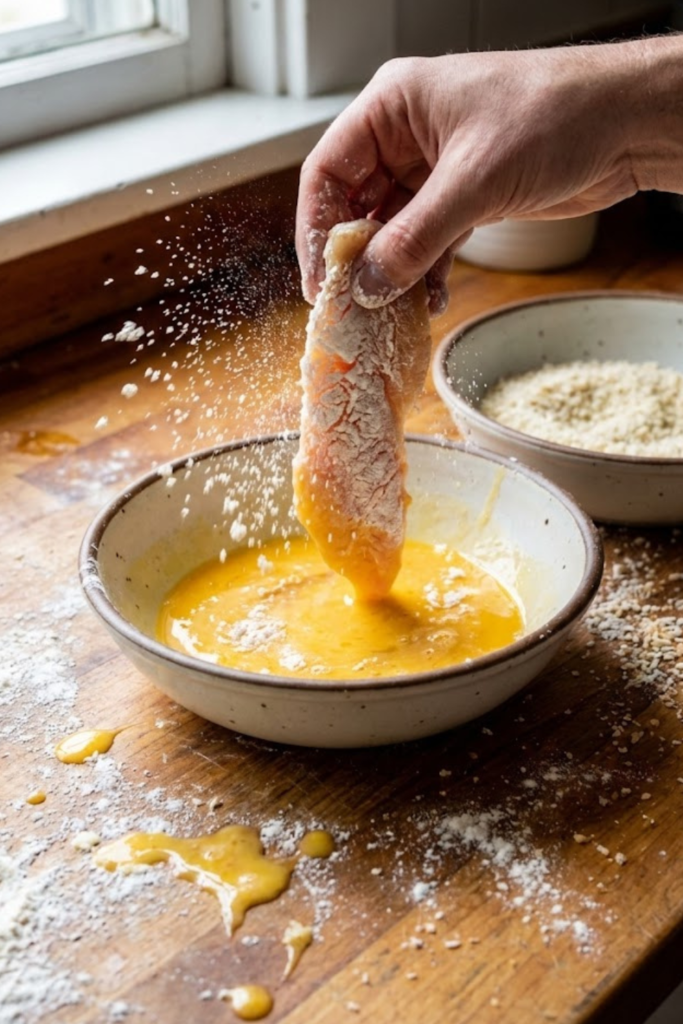
To avoid the kitchen looking like a flour bomb went off, you need a system. I set up my “dredging station” left to right (because I’m right-handed).
- Flour: The dry landing zone.
- Egg Wash: I beat two eggs with a splash of water.
- Panko: The final destination.
Use one hand for the wet stuff and one hand for the dry stuff. I try to stick to this rule, but I usually forget halfway through and end up with messy hands anyway. But hey, it helps a little!
Press It Like You Mean It
This is the step that changed my life. When you put the chicken into the Panko, don’t just roll it around. You need to press the crumbs into the meat.
I use my palm to firmly push the breadcrumbs onto the chicken strip. It’s almost like you are packing a snowball. This force helps the coating bond to the egg wash.
If you are too gentle, the crumbs sit loosely on top and fall off as soon as you flip them. We want that coating to survive the cooking process so it can hold onto that delicious glaze later.
Cooking Methods: Air Fryer vs. Oven vs. Fried
I used to think there was only one way to cook chicken: fry it in a vat of oil until it looked safe. But honestly, deep frying scares me a little. I had a small grease fire in my first apartment back in 2005, and I still get nervous when the oil starts popping.
Nowadays, we have options, and thank goodness for that. Depending on how much time you have (and how much cleanup you want to do), you can choose the method that fits your vibe. Whether you want sticky chicken tenders that are lighter or totally indulgent, I’ve got you covered.
The Air Fryer Revolution
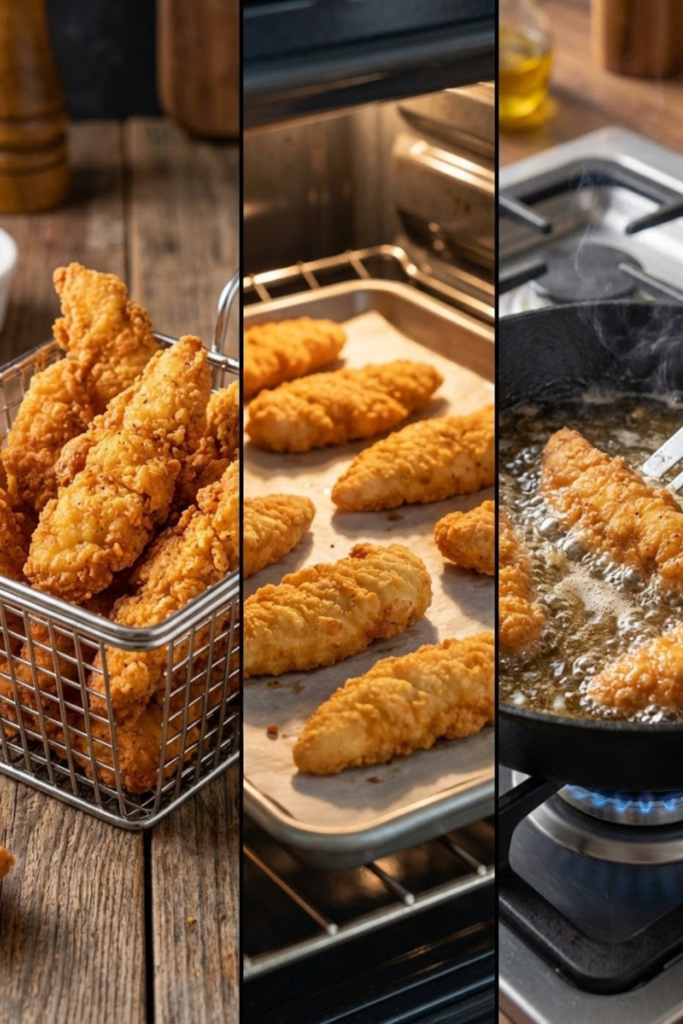
If you have an air fryer, use it. Seriously, it is a total game-changer for this recipe . I didn’t jump on the bandwagon until a few years ago, but now I use it for everything.
Set that bad boy to 400°F. The high heat is necessary to crisp up the Panko before the meat dries out. Cook them for about 8 to 10 minutes, flipping halfway through.
Here is where I messed up the first time: I stacked the chicken strips like firewood. Don’t do that. The air needs to circulate around each piece, or you end up with a soggy, sad mess instead of crispy perfection. Cook in batches if you have to; it’s worth the extra few minutes.
The Oven Method (Great for Crowds)
If you are feeding a hungry family or meal prepping for the week, the air fryer is just too small. The oven is your best friend here. But there is a specific trick you have to use.
Do not put the breaded chicken directly on the baking sheet. The bottom will get mushy from the steam, and the breading will slide right off. It’s super disappointing.
Instead, place a wire rack on top of your baking sheet. Spray the rack with a little cooking spray so nothing sticks. This allows the heat to hit the chicken from all angles, giving you that 360-degree crunch without the oil bath. Bake at 400°F for about 15-20 minutes.
Traditional Pan Frying
Sometimes, you just crave the real deal. When I want my sticky chicken tenders to taste exactly like takeout, I grab my heavy skillet.
Use a neutral oil like vegetable or canola oil—olive oil burns too fast and tastes weird with the glaze. You only need about an inch of oil; you don’t need to submerge them completely.
Heat the oil until it shimmers. If you drop a panko crumb in and it sizzles immediately, you are good to go. Just keep an eye on the heat. If the chicken browns in ten seconds, turn it down, or you’ll have raw meat inside a burnt shell.
Don’t Guess, Check the Temp
Please, for the love of food safety, buy a meat thermometer. I used to cut into the chicken to check if it was done, which just let all the juices run out .
You are looking for an internal temperature of 165°F. Once it hits that number, pull them out immediately. Overcooked chicken is dry and chewy, and no amount of sauce can fix that tragedy.
Mastering the Sticky Glaze Sauce
Let’s be real for a second. The crispy coating is important, but the sauce? The sauce is the soul of this dish. Without it, you are basically just eating fancy chicken nuggets. But getting that sauce right was my nemesis for a long time. I remember trying to wing it back in the day, dumping random condiments into a pan. I ended up with a sauce so thin it looked like brown water, or so thick it turned into hard candy on the plate. My poor husband had to chisel his dinner off the porcelain. It was a disaster.
Through a lot of trial and error (and a few ruined pans), I figured out that the best sticky chicken tenders rely on a balance of sweet, salty, and a little bit of science. You don’t need fancy ingredients, just the right technique.
The Holy Trinity of Flavor
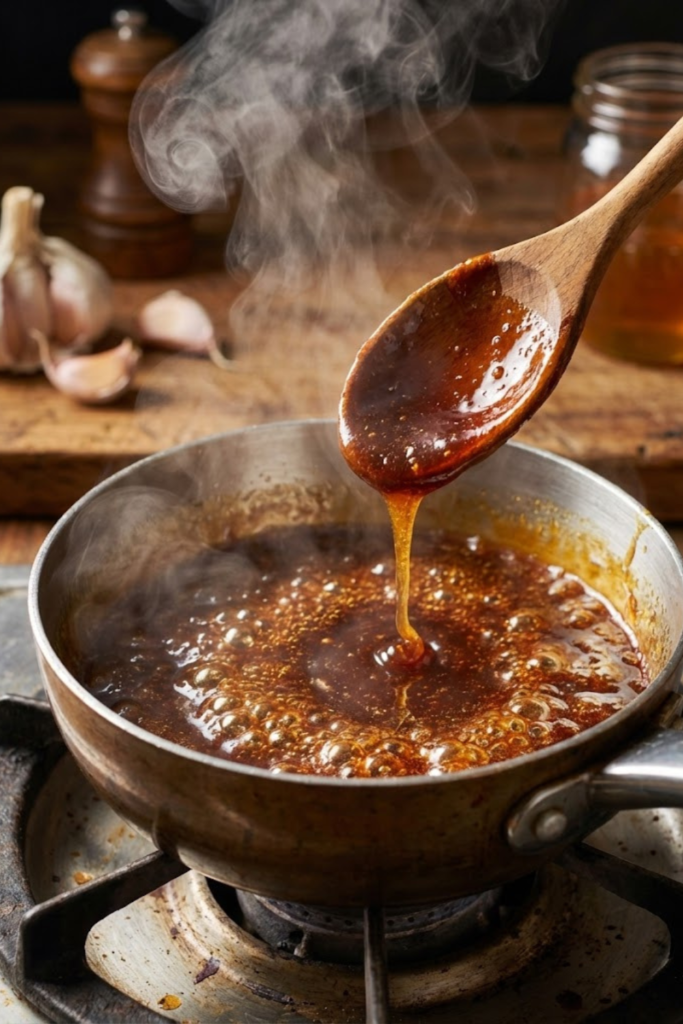
You can get lost in the grocery store aisle looking for fancy marinades, but the best flavor comes from your pantry. My go-to base is always honey, soy sauce, and fresh garlic .
Don’t use the garlic powder here; use the fresh stuff. I smash about three or four cloves because I love garlic. If you use the powder, it gets lost in the honey. Combine equal parts honey and soy sauce in a small saucepan.
If you are out of honey, maple syrup works in a pinch, but it gives it a more breakfast-y vibe. Stick to honey if you can. It caramelizes better and gives you that beautiful, glossy shine that makes the food look like it came from a magazine.
The Cornstarch Trick (Don’t Mess This Up)
This is where I used to fail every time. I would get impatient and dump a spoonful of cornstarch directly into the hot bubbling sauce.
Do. Not. Do. This.
It will instantly clump up into little white rubber balls that never dissolve. It’s gross. You have to make a “slurry.” It sounds fancy, but it’s just a fancy word for mixing cornstarch with cold water in a separate cup first.
Mix a tablespoon of cornstarch with a tablespoon of cold water until it looks like milk. Then pour that into your simmering sauce. Watch it like a hawk. Within seconds, the sauce will transform from watery to thick and luscious. It’s actually kind of magic to watch.
Spice It Up (Or Keep It Mild)
I like a little kick, so I usually squirt a bit of Sriracha or throw in some red pepper flakes. It balances out the heavy sweetness of the honey.
If you are cooking for kids who think black pepper is “too spicy,” just leave it out. The beauty of these sticky chicken tenders is that they are totally customizable. Sometimes I add a splash of ginger juice if I’m feeling fancy.
The Tossing Technique
Here is the final secret: do not sauce the chicken until you are literally walking to the table. If you toss the chicken in the sauce and let it sit for ten minutes while you finish the laundry, the breading will get soggy.
We worked hard for that crunch! Put your crispy chicken in a big metal bowl, pour the warm glaze over the top, and give it a gentle toss. Get it on the plate and into your mouth immediately. That contrast between the hot, crunchy coating and the sticky, sweet sauce is what dreams are made of.
Serving Suggestions and Pairings
For the longest time, I was a “meat and potatoes” kind of cook. I’d spend an hour making the main dish and then realize I had absolutely nothing to go with it. I remember serving sticky chicken tenders with a side of plain white bread one night because I forgot to buy rice. My kids looked at me like I had lost my mind. It was a low point in my culinary journey, let me tell you.
But over the years, I’ve learned that the sides can actually make or break the meal. Since the chicken is so bold and flavorful, you need partners on the plate that complement it, not compete with it.
The Perfect Sponge: Rice
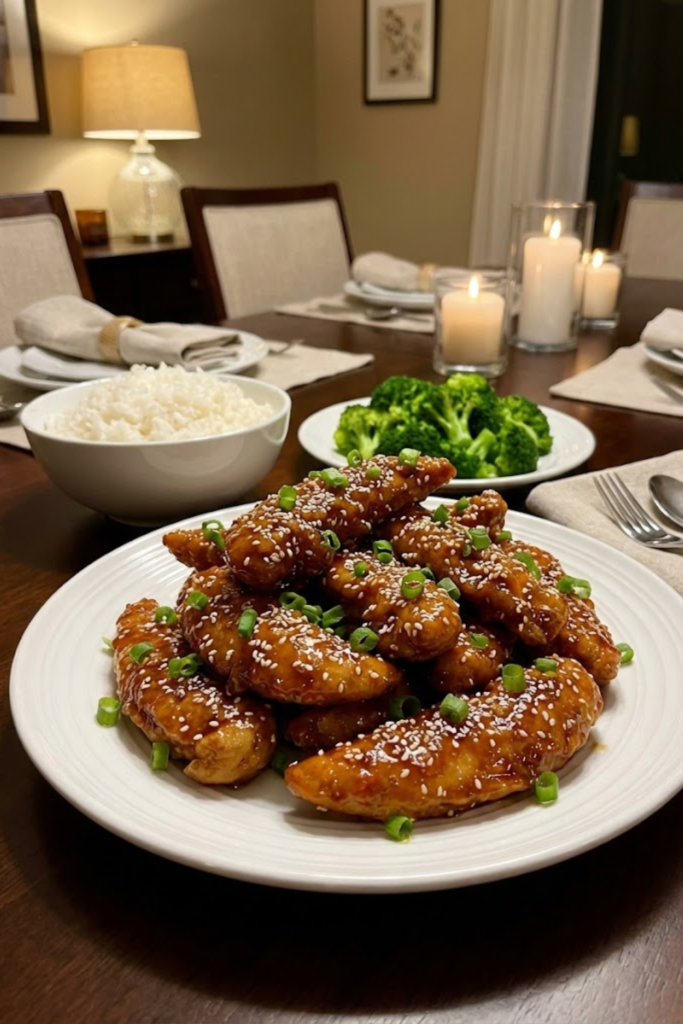
You really can’t go wrong with rice here. The sauce from the chicken is sweet and savory, and you want something to soak up every last drop. I usually go with steamed jasmine rice because it’s fluffy and has that nice floral aroma .
If I’m feeling ambitious, I’ll whip up a quick fried rice with egg and peas. But honestly? Plain white rice is often better because it balances out the saltiness of the glaze. It’s the perfect blank canvas for those sticky chicken tenders.
You Need Something Green
Because this dish is pretty rich, you need something fresh to cut through the heavy flavors. My go-to is roasted broccoli. I toss the florets in a little oil and salt and throw them in the oven while the chicken cooks.
If it’s summer, a cold cucumber salad is amazing. The crunch of the cold cucumber against the hot, sticky chicken is a texture match made in heaven. It refreshes your palate so you can keep eating more chicken (which is always the goal, right?).
Make It Look Fancy
I admit it, I eat with my eyes first. If the food looks brown and sad, I’m less excited to eat it. That is why garnishes are non-negotiable for me now.
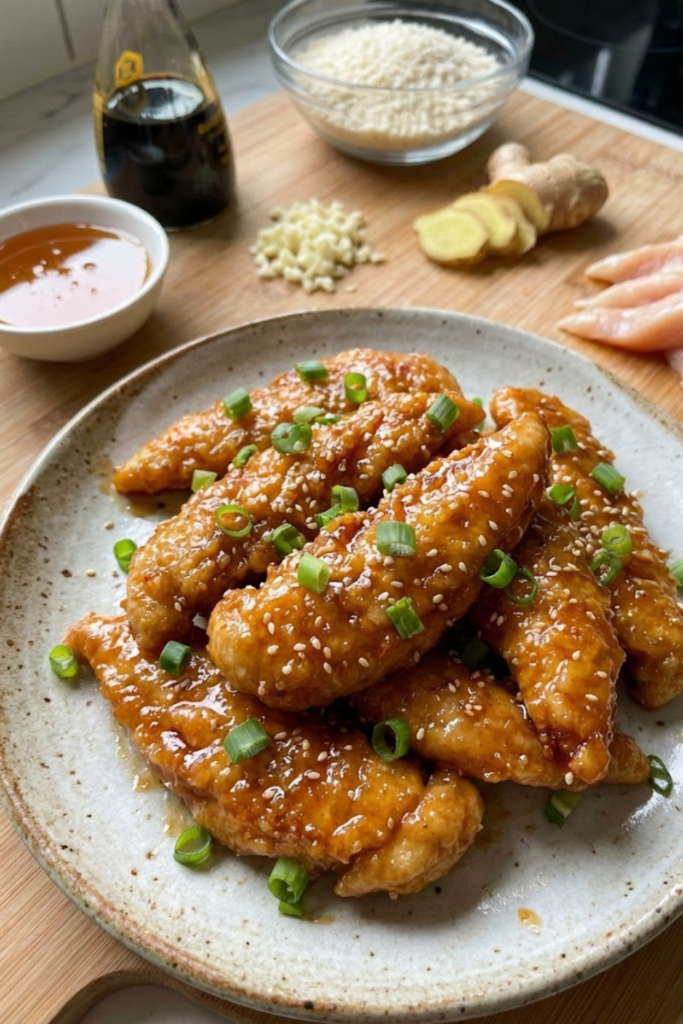
Sprinkle some toasted sesame seeds over the top right before you serve. It adds a tiny bit of nuttiness and makes the dish look like it came from a legit restaurant. Finely sliced green onions are also a must. The pop of bright green makes the dark amber sauce really stand out. It takes two seconds but makes you look like a pro chef.
The Leftover Dilemma
Okay, real talk. Fried foods are notorious for being terrible the next day. If you have leftovers, do not—I repeat, do not—put them in the microwave.
I did this once, and the chicken turned into a rubbery, soggy mess that was impossible to chew. It was heartbreaking. To bring your sticky chicken tenders back to life, use your oven or air fryer .
Heat them at 350°F for about 5 minutes. They won’t be quite as perfect as fresh, but they will crisp up enough to be delicious. It’s worth the extra effort to avoid the “sad microwave texture.”
Time to Dig In
Well, there you have it. We have covered everything from removing that weird tendon to whipping up a glaze that will change your life. I hope you are feeling ready to tackle these sticky chicken tenders tonight.
Honestly, the first time I nailed this recipe, I felt like I had won the lottery. My kids actually sat down and ate without complaining, which is a miracle in itself . Seeing those empty plates made all the floury mess on the counter worth it.
Don’t worry if it’s not picture-perfect the first time. Cooking is messy, and sometimes you burn the garlic. It happens to the best of us . The important thing is that you made something delicious from scratch.
If you give this recipe a shot and love it, do me a huge favor. Pin it to your dinner board on Pinterest . It helps other home cooks find it, and it makes my day to see you guys enjoying the food. Now, go get that apron dirty!