I’ve spent years in my kitchen trying to capture the exact moment winter ends and spring begins.
Did you know that seasonal vegetables can have up to 30% more nutrients than those grown out of season? That is a huge deal for your health! I remember my first attempt at a Spring Vegetable Minestrone Soup with Pesto; it was a soggy, gray mess because I overcooked the peas. It was a total disaster! But now, I’ve got the timing down perfectly. This soup is light, it’s bright, and that pesto adds a punch of flavor that makes everything pop. You are going to love how the fresh leeks and asparagus play together in this bowl. Let’s get cooking!
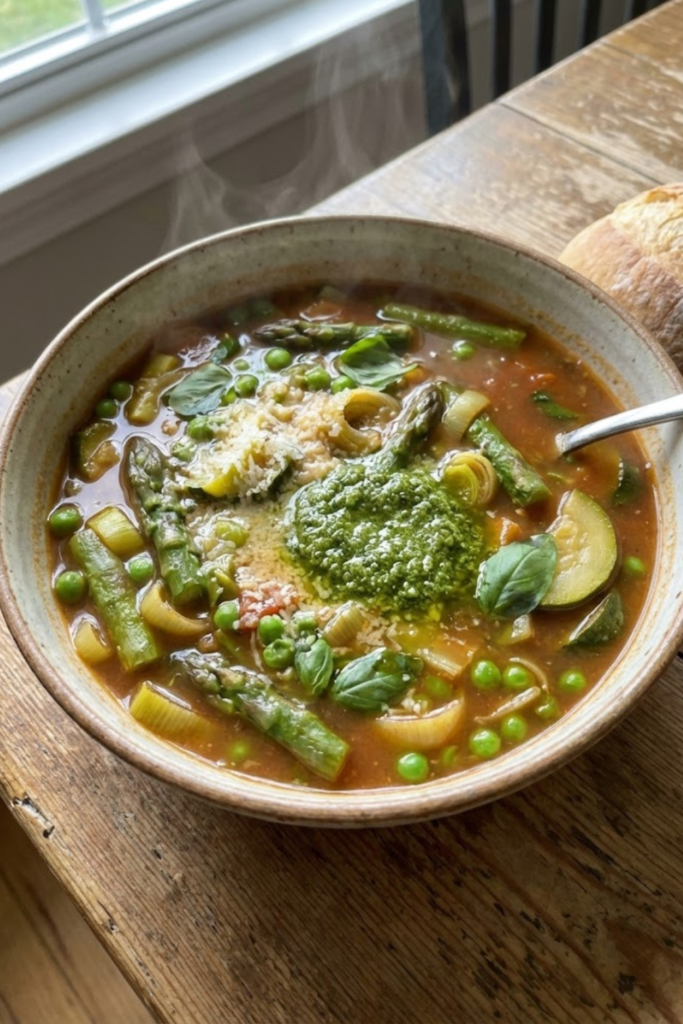
The Best Seasonal Produce for Your 2026 Minestrone
Picking out the right stuff at the market is basically the most important part of this whole soup process. If you start with tired, old vegetables, your soup is gonna taste like nothing. I’ve spent plenty of Saturday mornings walking through the stalls in 2026, looking for the brightest greens I can find. You want things that look like they were just pulled out of the dirt. When I first started making minestrone, I just grabbed whatever was cheap or looked okay. Big mistake! I remember one time I bought some “spring” carrots that were actually from the previous fall. They were so bitter! I had to throw the whole pot out. Trust me, it pays to be picky. Now I know that the vegetables are the stars of the show here. It’s about finding what is fresh right now.
Look for the Snap and the Color
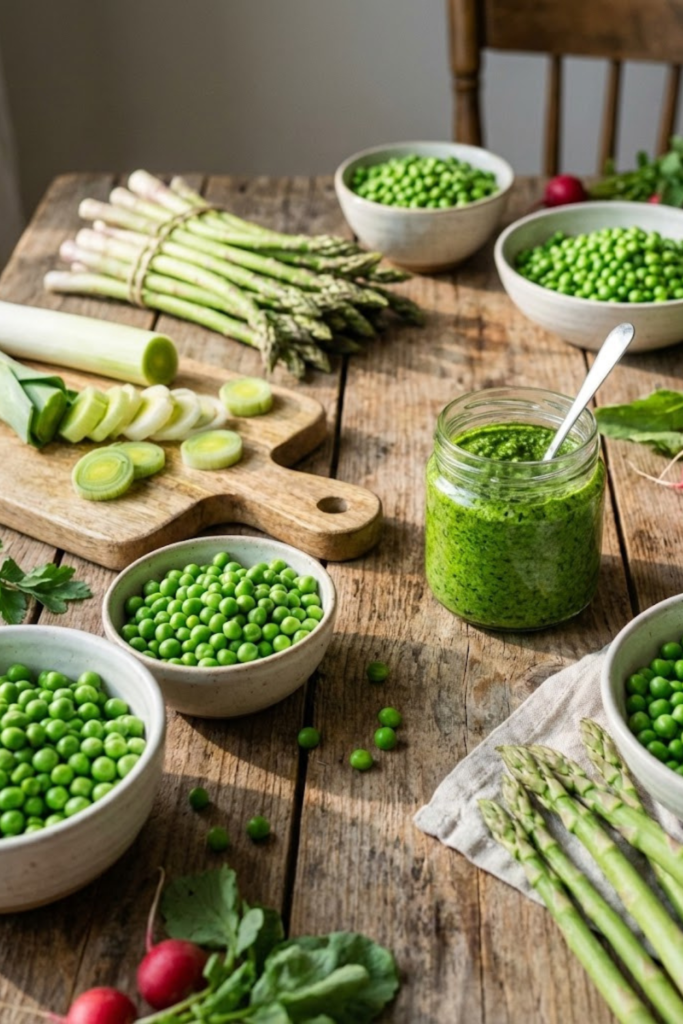
When you’re looking for asparagus, don’t go for the giant ones that look like tree trunks. They’re usually way too woody and tough to chew. I always look for the thin ones. They cook fast and stay tender in the broth. For the peas, if you can find them in the pod, do it! It’s a bit of work to shell them, but the flavor is so much sweeter than the frozen ones. I usually sit on my porch with a bowl and just get it done while listening to a podcast. It’s actually kind of relaxing once you get into a rhythm. If you see bright green pods that feel heavy for their size, those are the ones you want. They should literally snap when you break them.
Don’t Forget the Leeks and Radishes
Leeks are like the secret weapon of spring cooking. They have a much softer, buttery flavor than regular onions. But you gotta be careful because dirt gets stuck inside the layers as they grow. I usually slice them up and then soak them in a bowl of cold water to get all the grit out. No one wants a crunchy soup in a bad way! The white parts are the sweetest, so don’t be afraid to toss those dark green tops in the compost. Also, I started adding sliced radishes to my minestrone lately. I know it sounds weird, but they get soft and sweet when they simmer. It really changes the whole vibe of the dish. Just make sure you trim the ends off first.
Shopping Smart and Seasonal
Buying what’s in season isn’t just about taste, it’s about your wallet too. In 2026, I’ve noticed that if I buy what’s local, I save a lot of money. Plus, the food doesn’t have to travel across the country to get to you. It’s better for everyone. Look for vibrant greens and firm stems. If the spinach looks slimy or the carrots feel bendy, just skip ’em. Your soup deserves the best you can find. I always tell my students that a good recipe starts at the store, not the stove. If you keep your eyes peeled for the best colors, you’re halfway to a great meal already.
The Secret Sauce: Mastering Your Basil Pesto Swirl
I honestly think the pesto is the most important part of this whole dish. It’s like the “kapow” moment for your taste buds. For a long time, I just served my minestrone plain, thinking the broth was enough. But then I went to a little cafe in 2026 that put a huge dollop of green goodness right in the middle of the bowl. It changed my life! The way the cold, garlicky sauce melts into the hot broth creates these little swirls of flavor that make every bite different. If you skip this part, you’re missing out on the best bit. I used to be intimidated by making it, but it’s actually really hard to mess up if you have a food processor or even just a heavy knife.
Picking Your Greens and Crunch
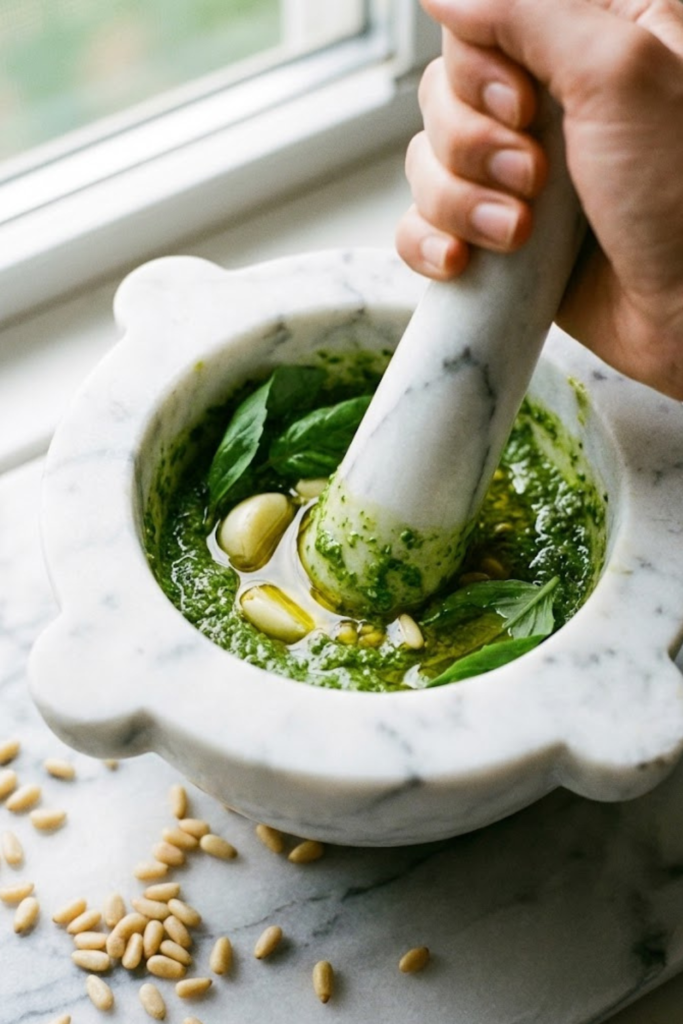
Most people think you have to use pine nuts for pesto. But let me tell you, those things are getting expensive these days! I’ve found that toasted walnuts or even sunflower seeds work just as well and give the sauce a much heartier feel. When I’m picking out basil, I look for the leaves that are deep green and don’t have any black spots. If you see the basil starting to flower, try to find a different bunch because those flowers make the leaves taste a bit soapy. I usually grab two big handfuls for one batch. I also like to throw in a little bit of fresh spinach if my basil bunch is looking a little small. It helps keep that bright green color that makes the soup look so pretty.
Getting the Texture Just Right
One mistake I made for years was running my food processor for too long. I’d end up with a weird, thin liquid that just disappeared into the soup. Now, I use the pulse button. You want to see tiny little bits of the nuts and the cheese. It gives the soup a better mouthfeel. Start with your garlic and nuts first, get those chopped up, and then add your greens. I pour the olive oil in slowly while it’s pulsing. If you do it this way, the oil stays mixed in instead of just floating on top. It’s a small thing, but it makes a big difference in how it tastes when you finally take a sip.
The Lemon Juice Trick for 2026
Nothing is worse than beautiful green pesto turning brown five minutes after you make it. It’s so frustrating! I learned a trick recently where I add just a tiny squeeze of fresh lemon juice right at the end. The acid helps keep the basil from oxidizing, which is just a fancy way of saying it keeps it from turning ugly and dark. It also adds a nice little zing that cuts through the heaviness of the parmesan cheese. I usually make a big batch of this and keep it in a jar in the fridge. It’s great on toast or pasta too, but it really finds its home right on top of this spring vegetable minestrone. Just drop a big spoonful in right before you eat!
Cooking Techniques for a Clear, Flavorful Broth
If the broth in your Spring Vegetable Minestrone Soup with Pesto is cloudy or tastes like plain water, the whole dish just feels kind of sad. I’ve been there! Back when I started teaching cooking classes, I used to think that the harder you boiled the soup, the faster the flavor would come out. Man, was I wrong. I ended up with a pot of gray mush that looked more like dishwater than dinner. It took me a few tries to realize that making a good broth is more about being patient than being fast. You want a liquid that is clear enough to see the veggies through but tastes rich enough to make you want a second bowl. Here is how I do it in my kitchen these days.
Layer Your Flavors from the Start
You can’t just throw everything in the pot at once and hope for the best. You have to start with the “aromatics.” That’s just a fancy word for onions, celery, and carrots. I like to sauté them in a bit of olive oil until the onions look clear. Don’t let them get brown! If they turn brown, the broth gets dark, and we want this soup to look like springtime. I usually add my garlic right at the end of this step, just for about thirty seconds. If you cook garlic too long at the start, it gets bitter, and that bitterness will follow you through the whole recipe. This first step builds a base that makes the store-bought vegetable stock taste way more like something you made from scratch.
The Golden Rule: Simmer, Don’t Boil
This is the part where most of my students trip up. Once you add your liquid, you want to bring it to a tiny bubble—that’s a simmer—and then turn the heat down. If you let it reach a rolling boil, the fat and the tiny particles of vegetable start to mix together, which makes the soup look muddy. Keeping it at a low simmer keeps the broth clear. Also, pay attention to when you add each vegetable. I put the beans in early so they get creamy, but I wait until the last five minutes to drop in the peas and asparagus. This keeps them bright green. If they cook too long, they turn that “canned food” olive green color, and nobody wants that in 2026.
The Pasta and Cheese Secret
Here is a mistake I see all the time: cooking the pasta directly in the soup pot. It seems easier, right? But the pasta releases a ton of starch, which thickens the broth and makes it cloudy. Plus, if you have leftovers, the noodles soak up all the liquid and turn into giant sponges by the next day. I always cook my ditalini in a separate pot of salty water and just add a spoonful to the bowl before I pour the soup over it. Oh, and don’t throw away those hard rinds from your parmesan cheese! Toss one into the simmering broth. It won’t melt, but it adds this salty, deep flavor that you just can’t get any other way. Just remember to fish it out before you serve it, or someone is going to have a very chewy surprise!
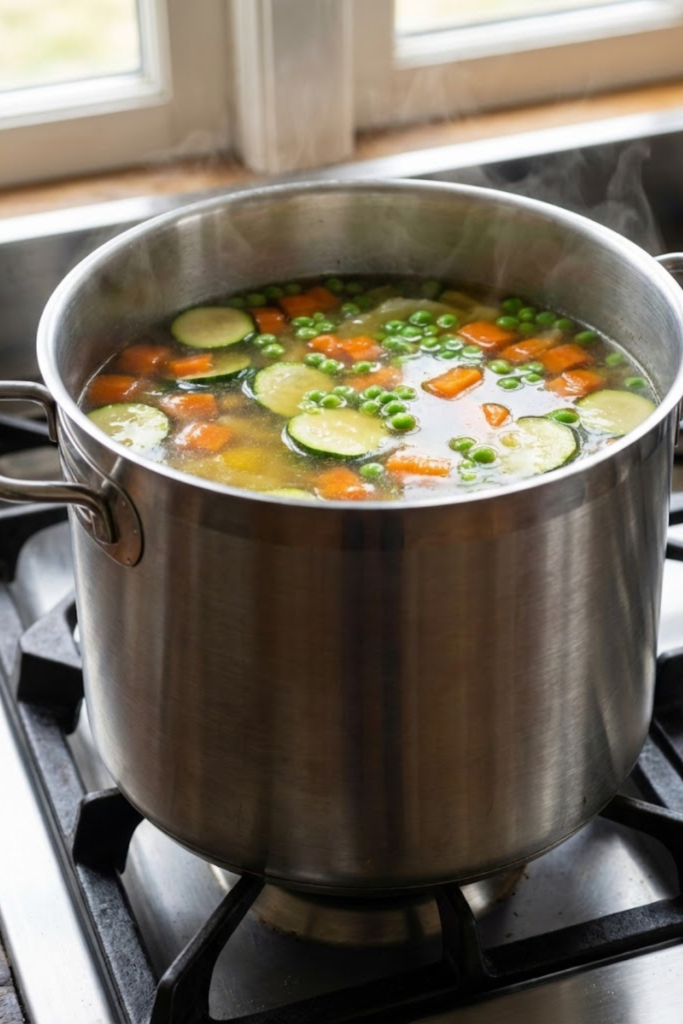
I really hope you give this recipe a shot the next time you see those first green stalks of asparagus at the store. There is just something so special about eating food that matches the weather outside. Making this Spring Vegetable Minestrone Soup with Pesto always makes me feel like I’m finally shaking off the winter blues. I remember the first time I made a version of this that actually tasted good; I sat at my kitchen table and realized I didn’t even want to add extra salt. That was a huge win for me! It’s such a relief to have a meal that feels light but still fills you up enough that you aren’t looking for a snack an hour later. Plus, knowing you’re getting all those extra nutrients from fresh 2026 produce makes every spoonful feel like a win for your body.
If you have any leftovers, remember my little tip about the pasta! Keep those noodles in a separate container so they don’t turn into a giant soggy mess in the fridge. The broth actually tastes even better the next day because all those flavors from the leeks and the parmesan rind have more time to hang out together. I sometimes even eat it cold for lunch, though I know that sounds a bit weird to some people. It’s just that refreshing! If you find yourself with extra pesto, don’t let it go to waste. You can smear it on a piece of crusty bread to dip into your soup, or even toss it with some roasted potatoes later in the week.
Teaching people how to cook simple, healthy meals is honestly one of my favorite things to do. I’ve seen so many of my students go from being scared of a leek to making this soup like a pro. It’s all about practice and not being afraid to make a little mess in the kitchen. If your first batch isn’t perfect, don’t sweat it. Just try again next week! Cooking is a journey, and every pot of soup is a chance to learn something new about flavors.
I would love to see how your soup turns out! If you found this guide helpful and your kitchen smells amazing right now, please share it on Pinterest so your friends can find it too. It really helps me out, and I love seeing people get excited about seasonal cooking. Happy eating, and I’ll see you in the next recipe!