I used to think that making a restaurant-quality meal at home was like trying to solve a Rubik’s cube in the dark. But then I realized that a shrimp teriyaki bowl is basically the cheat code to a happy family. Did you know that over 60% of people in 2026 now prefer a 15-minute home-cooked meal over greasy takeout?
Honestly, my first attempt at this was a total salty disaster! I accidentally dumped way too much soy sauce in the pan and we all had to drink a gallon of water just to survive the night. But hey, we live and learn, and now I’ve got this recipe down to a science. It’s fast, it’s fresh, and it’s got that sweet-and-savory kick that makes your tongue do a little happy dance.
Master the Best Homemade Teriyaki Sauce
So, let’s talk about the heart of any good shrimp teriyaki bowl: the sauce. I used to be pretty lazy about this part. I’d just buy the cheapest bottle I could find at the grocery store. But man, my family could really tell the difference. It just didn’t have that “wow” factor that makes you want to lick the plate clean. One night, I decided to just try making it myself with what I had in the cupboard. It turns out, you only need about five basic things, and it really changes everything.
Skip the Bottle for Better Flavor
The main thing I learned is that store-bought sauce is usually full of stuff you can’t even pronounce. When you make it yourself, you get to control the sugar and the salt. I usually like using a low-sodium soy sauce because it lets the other flavors pop. If you use the regular kind, your shrimp teriyaki bowl might end up tasting like a salt lick. I’ve actually made that mistake before, and we ended up ordering pizza because no one could eat it! It was a real bummer, but it taught me a lesson about balancing flavors.
Use Real Ginger, Not the Powder
One tip I always tell my friends is to buy a big root of fresh ginger. I used to use the dried powder from my spice rack, but it’s just not the same vibe. It tastes kind of dusty and old. Fresh ginger gives that spicy, zingy kick that makes the teriyaki feel alive. I just keep a piece in my freezer and grate it while it’s still frozen. It’s much easier that way and doesn’t get all stringy and weird. Garlic is the same way. Please, don’t use the pre-minced stuff in the jar. It has a weird sour taste that totally ruins the sauce.
Getting That Sticky Texture
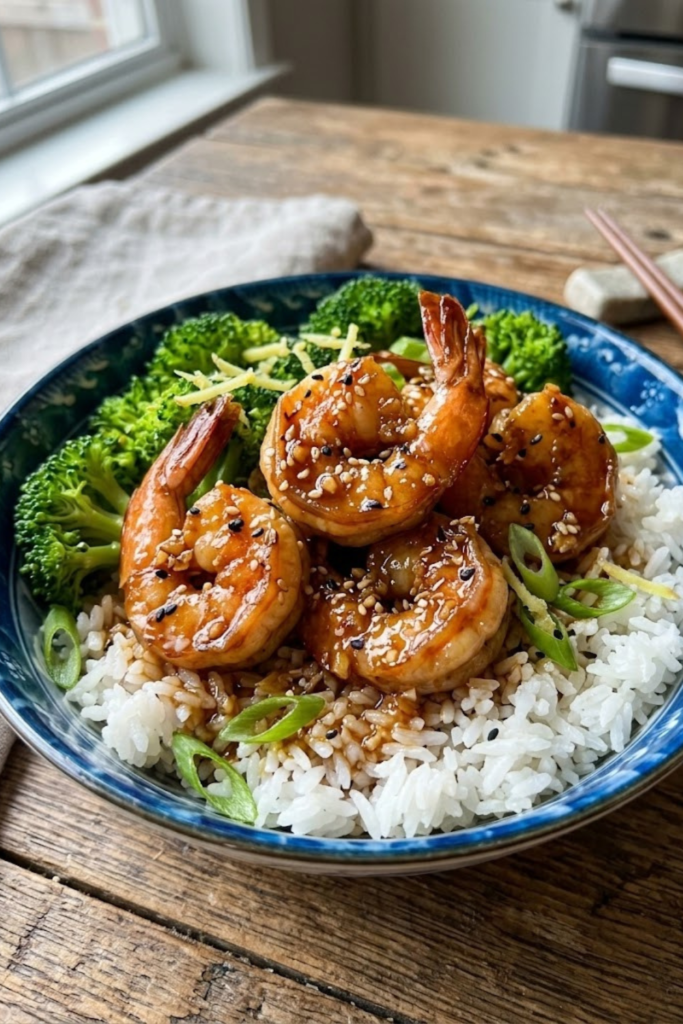
The goal is a sauce that’s thick enough to coat your spoon. I use a little bit of honey instead of white sugar. Honey gives it a beautiful shine that makes the shrimp teriyaki bowl look like it’s from a magazine. If it’s too thin, I mix a teaspoon of cornstarch with a tiny bit of cold water and whisk it in. Don’t just dump the powder in the hot pan, or you’ll get little white lumps that look like cottage cheese. I did that once when I was in a rush, and it was pretty embarrassing. Just let it simmer for a few minutes until it’s glossy and dark. The smell in the kitchen will be amazing!
Searing the Perfect Juicy Shrimp
Cooking the protein for a shrimp teriyaki bowl is the part that usually scares my students the most. I totally get it. Shrimp aren’t cheap, and they can turn from perfect to rubber in about ten seconds flat. I remember when I first started out in my own kitchen, I’d be so worried about them being raw that I’d cook them until they were tiny little hard knots. My kids would literally complain that they felt like they were eating pencil erasers! It took me a few years of trial and error to realize that less is actually more when it comes to using heat with seafood.
The Paper Towel Trick
One thing you really need to do is get those shrimp bone-dry before they ever touch the pan. If they are sitting in a puddle of water or melted ice, they simply won’t sear. Instead, they just boil in their own juices, which is a total flavor killer. That’s usually why a homemade shrimp teriyaki bowl might end up looking gray instead of having that beautiful pink and orange color. I usually lay mine out on a plate with several layers of paper towels and press down firmly on top. It might feel like a waste of paper, but I promise it makes a massive difference in how they brown and hold onto the sauce.
Watch the Shape of the Shrimp
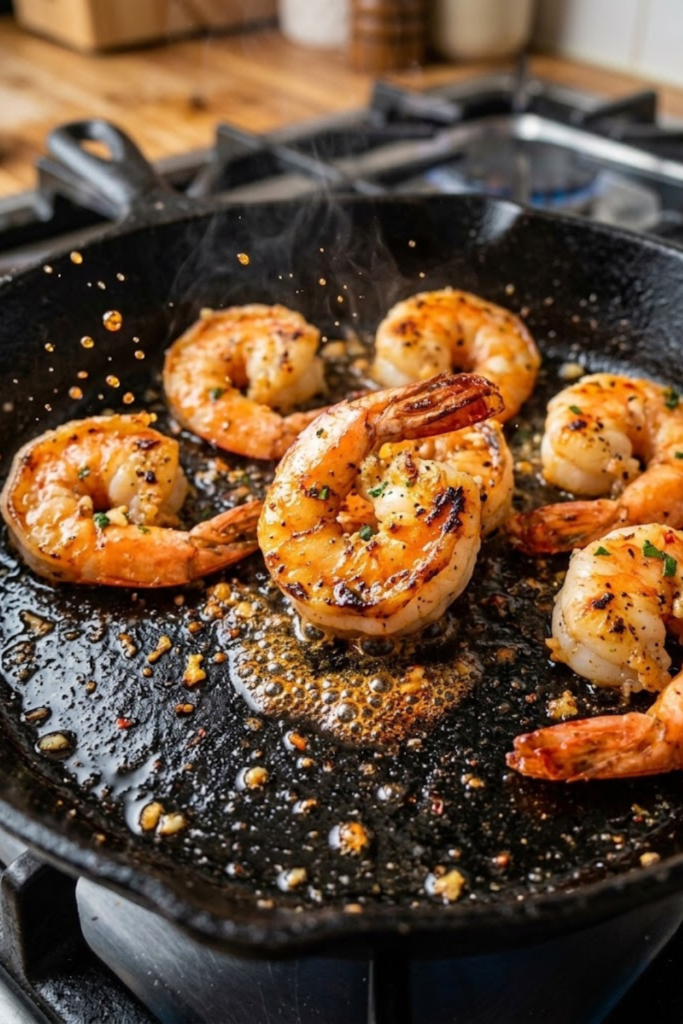
This is a little secret I tell everyone who asks for advice. You have to watch the shape of the shrimp very closely as they cook in the skillet. When they still look like a “U,” they are undercooked and need more time. When they form a perfect “C” shape, they are exactly right, and you should pull them off the stove immediately. However, if they curl up so tight that they look like an “O,” you’ve gone way too far. At that point, they are going to be tough and chewy. It happens fast, usually only taking about two minutes per side.
Give Them Some Breathing Room
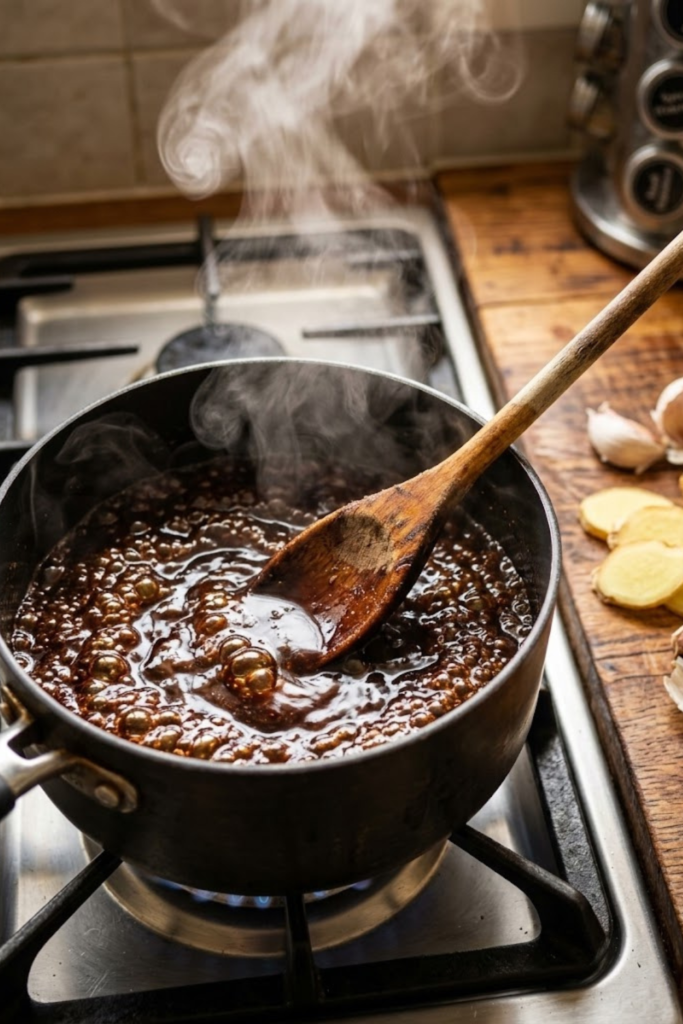
Another big mistake I see people make is dumping a huge pile of shrimp into a small skillet all at once. This makes the temperature of the pan drop way too fast. When the heat goes down, the shrimp just sit there and get soggy. I usually cook mine in two separate batches. It takes an extra few minutes of your time, but it keeps the pan hot so you get those nice crispy, charred edges. Once they are finished, I toss them with that homemade glaze, and suddenly, your shrimp teriyaki bowl looks like it came from a high-end restaurant. Just be patient and don’t crowd the pan!
Choosing the Best Base and Veggies
A shrimp teriyaki bowl is only as good as the stuff sitting at the bottom of the dish. I’ve seen people spend an hour on their sauce only to dump it over some mushy, overcooked rice. It really breaks my heart! If the base is soggy, the whole experience feels heavy and boring. I usually tell my friends that the rice or grains you pick are like the foundation of a house. If the foundation is shaky, the rest of the building isn’t going to stand up very well. You want something that can soak up that beautiful glaze without turning into a pile of glue.
Picking Your Perfect Rice Base
Personally, I’m a huge fan of jasmine rice. It has this slightly sweet smell that makes my kitchen feel like a professional restaurant. I always rinse my rice in cold water about three or four times before I cook it. This gets rid of the extra starch so the grains stay separate. One time, I was in a big rush and skipped the rinsing part. My shrimp teriyaki bowl ended up looking like a giant rice ball! It tasted okay, but the texture was totally off. If you want to be a bit more health-conscious, brown rice or even quinoa works great too. Just remember that brown rice takes about twice as long to cook, so you have to plan ahead so you aren’t waiting around while your shrimp gets cold.
The Secret to Crunchy Veggies
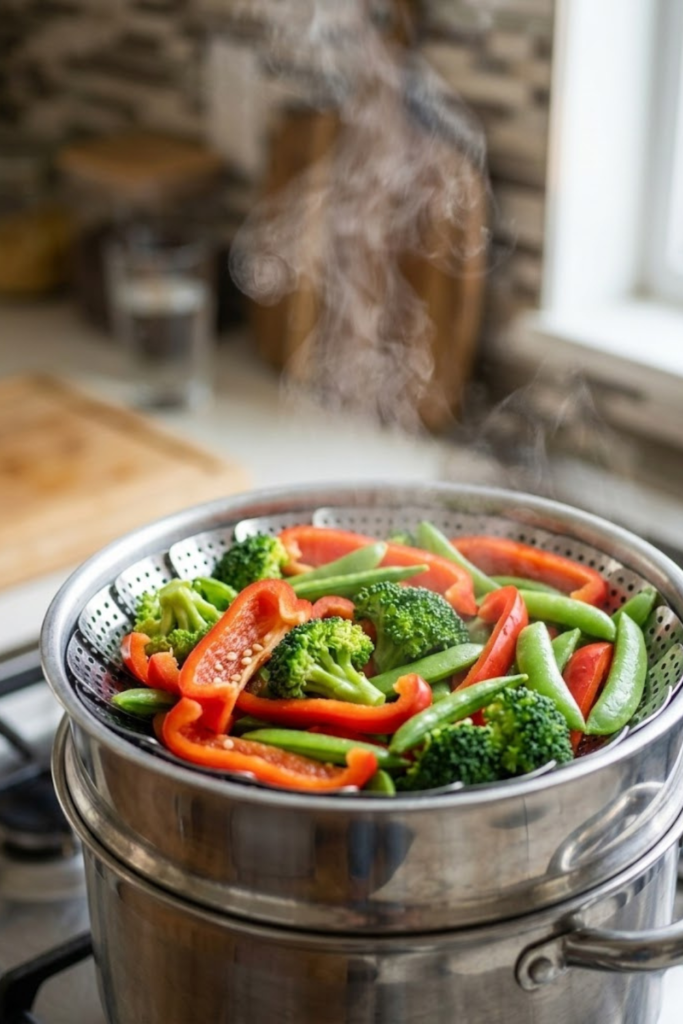
Now, let’s talk about the greens. I think the biggest mistake people make with a shrimp teriyaki bowl is boiling their vegetables until they lose all their color. Nobody wants to eat gray broccoli! I like to use a mix of bright green broccoli florets and thinly sliced red bell peppers. I usually steam them for just three or four minutes. You want them to be “fork-tender,” which means you can poke them with a fork, but they still have a nice snap when you bite into them. Also, adding some snap peas or sliced carrots gives the bowl a lot of variety. The goal is to have a rainbow of colors on your plate. It makes the meal look much more appetizing for the kids, too.
Adding the Final Flourish
Don’t think your work is done just because the rice and veggies are in the bowl. The toppings are what really bring everything together. I always keep a jar of toasted sesame seeds in my pantry. Sprinkling a few of those on top adds a tiny bit of crunch and a nutty flavor that is just awesome. I also chop up a few green onions—use both the white and the green parts! It adds a fresh bite that cuts through the sweetness of the honey in the sauce. If you like a little heat, a drizzle of sriracha or some red pepper flakes can really wake up your taste buds. Just a small squeeze of lime juice right at the end makes the flavors pop in a way that will make you want seconds.
Bringing It All Together
Wrapping things up, I really think this shrimp teriyaki bowl is going to become a staple in your house just like it did in mine. It’s funny how a few simple tricks can turn a basic dinner into something that feels special. I remember how I used to struggle with meal planning, always feeling like I had to spend hours in the kitchen to get a good result. But once I figured out that I could whip this up in about 15 minutes, my whole Tuesday night routine changed for the better. It’s much cheaper than ordering out, and honestly, it tastes way better when it’s fresh from your own skillet.
The main thing to keep in mind is that the sauce is where all the magic happens. Don’t be afraid to taste it as you go! If you like it a bit sweeter, add a tiny bit more honey. If you want more of a kick, grate in some extra ginger. That’s the beauty of cooking at home—you are the boss of your own kitchen. I’ve found that my kids are much more likely to eat their veggies when they are covered in that glossy, sweet glaze. It’s a win-win for everyone involved. Sometimes I even double the sauce recipe and keep a jar in the fridge for later in the week.
Also, please don’t forget the ‘C’ rule for the shrimp. I can’t stress that enough! It’s the difference between a juicy bite and something that feels like you’re chewing on a rubber band. If you pull them off the heat at the right moment, you’ll be so much happier with the final result. And hey, if you mess up the first time, don’t sweat it. I’ve burnt more things than I care to admit over the years, and that’s just part of the learning process. We all have those nights where dinner doesn’t go quite as planned!
I really hope this guide helps you feel more confident in the kitchen. There’s something so satisfying about sitting down to a bowl of food that looks and tastes this good, knowing you made it yourself. If you found these tips helpful, please share this post on Pinterest! It really helps me keep this blog going, and I’d love to see photos of your own shrimp teriyaki bowl creations. Maybe you’ll even find a new veggie combo that I haven’t tried yet. Thanks so much for reading, and I hope your next dinner is a total success! Keep cooking and keep experimenting with your food.