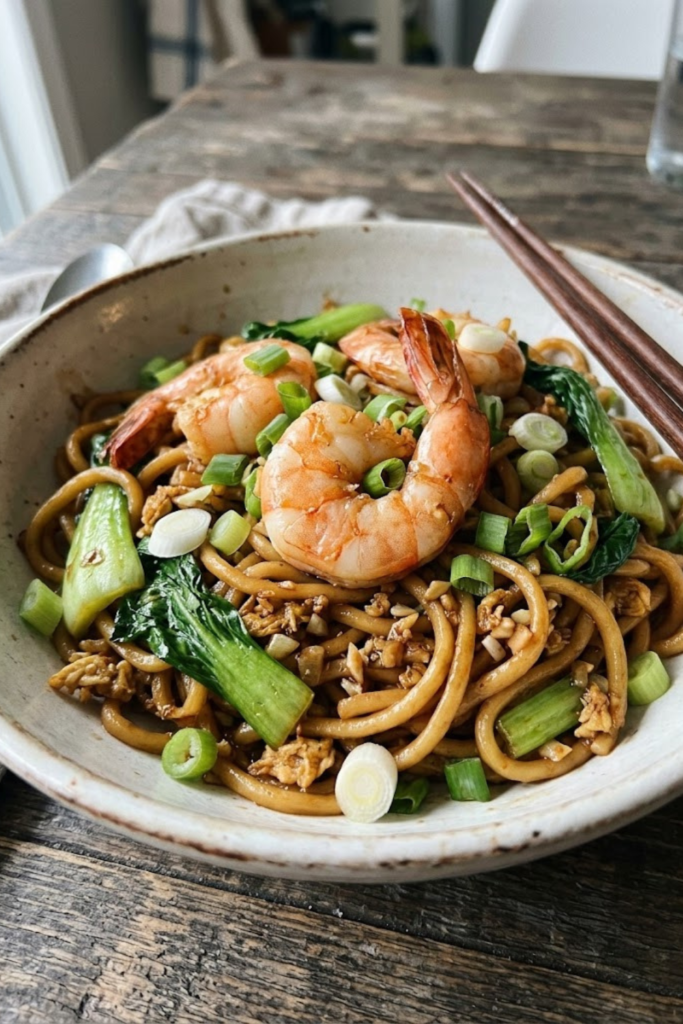
Did you know that the average person orders takeout twice a week? I used to be one of them until I realized I could make shrimp fried noodles faster than the delivery guy could find my driveway! Honestly, there is something so satisfying about the sizzle of a hot wok and the smell of soy sauce hitting a hot pan. In this guide, I’m going to show you how to get those perfect, chewy noodles and succulent shrimp every single time. We are keeping things simple, fast, and incredibly tasty. Whether you are a kitchen pro or just starting out, this 2026 version of the classic dish will become your new go-to.
Choosing the Best Noodles for Texture
Look, I have to be honest with you. I’ve messed up shrimp fried noodles more times than I care to admit. One time, I actually used those thin Italian angel hair pasta strands because I was too lazy to go to the store and get the real thing. Let me just say, it was a total, mushy disaster. It looked more like a bowl of porridge than a proper stir-fry! Since that day, I’ve learned that the noodle is really the backbone of the whole meal. If you don’t get the base right, the fancy shrimp and the expensive sauce won’t even matter. You need something that can stand up to the heat of the pan.
Fresh vs. Dried Options
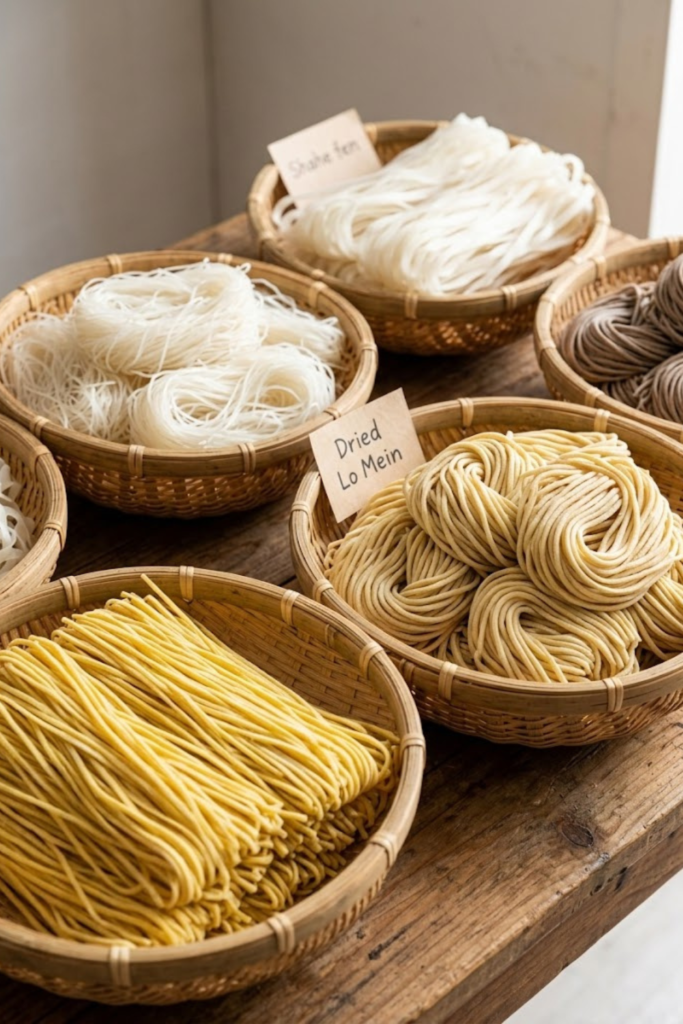
When you walk into the grocery store, you might see a million different bags and feel a bit confused. For a classic feel, you really want to look for “Lo Mein” or “Chow Mein” egg noodles. These are usually yellow because they have egg in them. That egg is what gives them a great chew that holds up against the high heat of a wok or a big skillet. I personally love the fresh ones you find in the refrigerated section near the tofu. They cook in like two minutes and don’t get soggy as easily. If you can’t find fresh ones, dried egg noodles are okay too, but you have to watch them like a hawk so they don’t get too soft.
The Secret to the Perfect “Snap”
If you use dried noodles for your shrimp fried noodles, please do not overcook them! This is where most people fail and end up with a big clump of dough. I always boil mine for exactly one minute less than what the package says. They are going to finish cooking in the hot pan later when we add the sauce, so you want them to be “al dente” or slightly firm when they come out of the boiling water. After I drain them, I always toss them with a tiny bit of oil—maybe peanut or vegetable oil. This stops them from turning into one giant ball while you are busy peeling your shrimp.
Why Egg Noodles Rule
You might wonder if you can just use rice noodles. You can, but it just won’t be the same. Egg noodles have a certain strength. They can take the tossing and the high heat without breaking into tiny little pieces. Plus, the way the sauce sticks to an egg noodle is just better. I’ve tried rice noodles before, and they often get way too soft and stick to the bottom of the pan like glue. Stick with the yellow egg noodles for that authentic takeout taste. It makes a big difference in how the shrimp fried noodles turn out. You want that springy bite every time you pick up your chopsticks. Using the right noodle is the first step to making something your family will actually ask for again.
Prepping Your Shrimp: Fresh vs. Frozen Tips
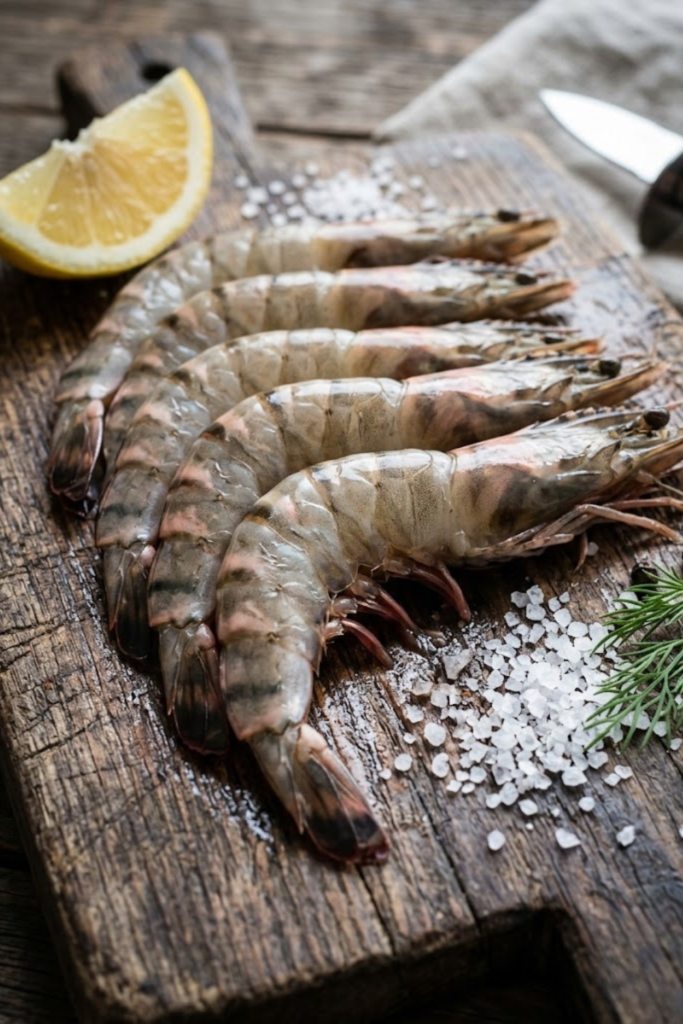
I have spent way too much money over the years on shrimp that ended up tasting like little rubber bands. It is honestly one of the most frustrating things that can happen when you are excited for a meal. For my shrimp fried noodles, I actually have a bit of a secret that might surprise you. I almost always buy the frozen bags instead of the “fresh” ones sitting on the ice at the seafood counter. See, most of that “fresh” stuff was actually frozen on the boat and then thawed out by the store workers. You are much better off buying the frozen bag and thawing it yourself right before you cook. That way, you know exactly how long it has been sitting out.
The Right Way to Thaw
Please, whatever you do, do not try to rush things by using hot water. I tried that once when I was in a massive hurry, and it started to cook the outside of the shrimp while the middle was still an ice cube. It made the texture really weird and chewy in a bad way. The best way is to put them in a big bowl of cold water. It usually only takes about fifteen or twenty minutes. Once they are soft, the most important thing you can do is pat them dry with a paper towel. If they are still soaking wet when they hit the hot oil, they will just steam and get soggy. You want them to sear so they get that nice pink color and a little bit of a crisp edge.
Cleaning and Peeling Hacks
Cleaning shrimp is a bit of a chore, but you can’t skip it. I usually buy the ones that are already “deveined” to save my sanity, but I still check them. Nobody wants to crunch down on grit while they are enjoying their shrimp fried noodles. I also prefer to take the tails completely off. I know some fancy restaurants leave them on because it looks pretty, but when I am eating noodles, I don’t want to have to stop every two seconds to pull a tail out of my mouth. It just makes the whole eating experience much smoother.
Seasoning for a Snappy Bite
Before I throw them into the pan, I like to toss them in a tiny bit of salt and maybe a pinch of cornstarch. The cornstarch is a trick I learned from an old cooking show. It creates a very thin barrier that protects the delicate meat from the high heat, keeping the inside juicy while the outside gets a tiny bit of a golden crust. It really helps give you that “snap” when you bite into them. Just a little bit of prep work here goes a long way in making sure your dinner tastes like it came from a professional kitchen instead of a microwave box.
The Ultimate Savory Stir-Fry Sauce Recipe
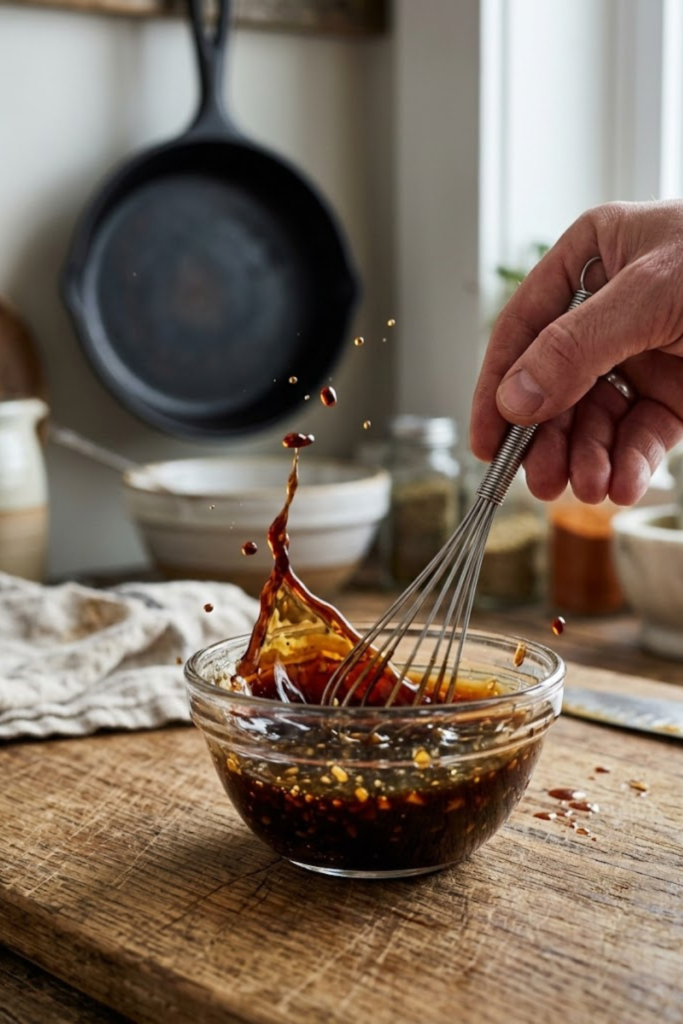
If the noodles are the bones of this dish, then the sauce is definitely the soul. I remember trying to make this years ago and I just poured a bunch of plain soy sauce over the pan. It was so salty it actually made my eyes water! You can’t just use one ingredient if you want that deep, rich flavor you get at the local Chinese spot. You need a mix that hits all the different parts of your tongue—salty, sweet, and that savory “umami” thing everyone talks about. Making the sauce separately in a small bowl before you start the stove is the best way to make sure the flavors are blended right.
Getting the Balance Right
To get the best flavor for your shrimp fried noodles, you have to play with a few different bottles. I usually start with a base of soy sauce, but then I add a little bit of sugar. I know it sounds weird to put sugar in dinner, but it cuts through the heavy salt and makes the sauce look glossy on the plate. If you don’t add a sweetener, the dish feels a bit flat and one-dimensional. I also like to add a splash of chicken or vegetable broth. This helps the sauce stretch so it coats every single noodle without being too thick or sticky. If you find your noodles are dry, adding a bit more broth is usually the fix.
Why You Need Two Kinds of Soy Sauce
A lot of people don’t realize there are actually different types of soy sauce. For my recipes, I use both light and dark soy sauce. Light soy sauce is for the salt and the main flavor. Dark soy sauce is much thicker and it’s mostly there for that beautiful caramel color. If you’ve ever wondered why your home-cooked noodles look pale while the restaurant ones are a rich brown, dark soy sauce is the answer. Just a tablespoon of the dark stuff makes the whole plate look professional. If you can’t find dark soy sauce at your local shop, you can skip it, but the color won’t be as deep or appetizing.
The Secret Ingredients
The real magic happens when you add oyster sauce and sesame oil. Oyster sauce is thick and sweet and salty all at once. It gives the sauce a lot of body so it sticks to the noodles instead of just sitting at the bottom of the bowl. And then there is toasted sesame oil. I always add this at the very end because if you cook it too long, it loses its smell. Just a teaspoon makes the whole kitchen smell like a great restaurant. It’s that nutty aroma that really ties the whole thing together. Don’t go overboard though—sesame oil is very strong and can take over the whole dish if you use too much. Mix it all in a jar and give it a good shake before you pour it in!
Essential Wok Skills for Smokey Flavor
If you’ve ever eaten at a busy street stall in a big city, you know that smell. It’s that slightly charred, smokey aroma that makes your mouth water before the plate even hits the table. In the professional world, we call this “Wok Hei,” which basically means the “breath of the wok.” For a long time, I thought I could never get that flavor at home because my stove isn’t a literal jet engine like the ones in restaurant kitchens. But after a lot of trial and error (and setting off a few smoke alarms), I found out that you can definitely get close if you know a few tricks.
Chasing the Wok Hei
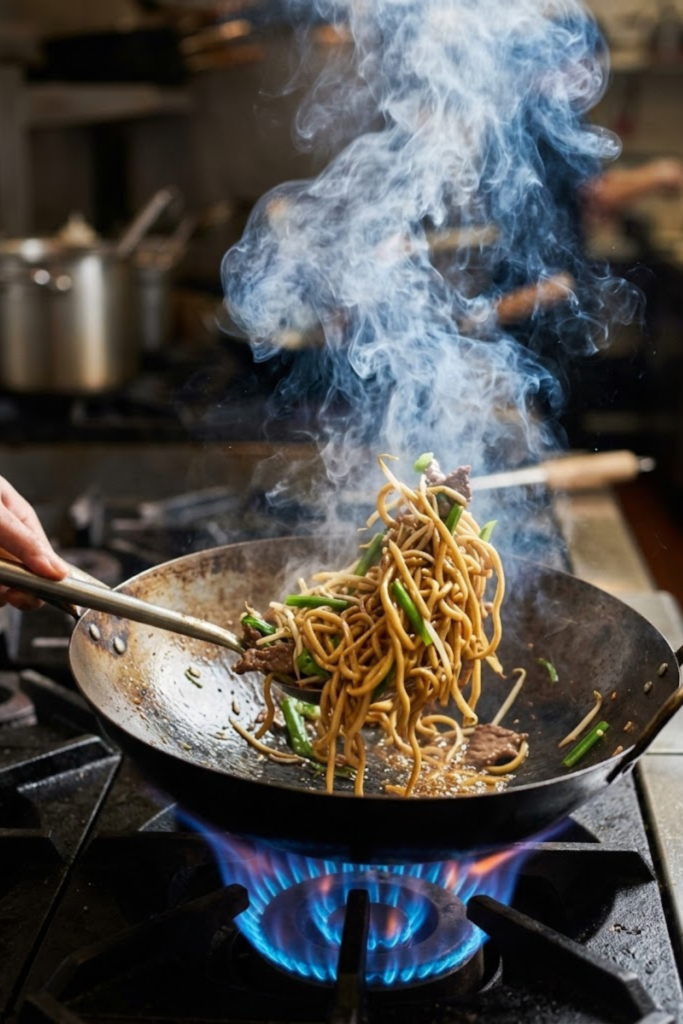
The biggest secret to getting that smokey taste for your shrimp fried noodles is high heat. You want your pan to be so hot that the oil is just starting to shimmer and smoke a tiny bit before you throw anything in. If your pan is cold, the food just sits there and gets oily instead of searing. When the food hits a super hot surface, the sugars in the sauces and the starches in the noodles caramelize instantly. That’s where the real flavor lives! I usually use a carbon steel wok because it heats up fast, but a heavy cast iron skillet works too if that’s all you have in your kitchen cabinet.
Don’t Crowd the Pan
This is the mistake I see my students make most often. They get excited and dump the shrimp, the veggies, and the noodles in all at once. When you do that, the temperature of the pan drops immediately. Instead of frying, your food starts to steam in its own juices. You end up with a wet, soggy mess instead of crispy shrimp fried noodles. I always cook my shrimp first, get them nice and pink, and then take them out of the pan. Then I do the vegetables, and finally the noodles. By cooking in stages, you keep the heat high and the textures perfect.
Choosing the Right Oil
Since we are using such high heat, you can’t use butter or extra virgin olive oil. They will burn and taste bitter before you even get the shrimp in the pan. I stick to oils with a high smoke point, like peanut oil or grapeseed oil. These can handle the flame without breaking down into a sticky mess. Just a tablespoon or two is all you need. You want the food to dance around the pan, not swim in a pool of grease. Keep everything moving fast with a spatula—if you stop stirring for more than a few seconds, you’ll go from “smokey” to “burnt” real quick. It takes practice, but once you get it, you’ll never go back to basic stir-frying again.
Step-by-Step Guide to Perfectly Fried Noodles
Now we are finally at the finish line! This is the part of the process where everything starts to move really fast. You should have your noodles sitting ready, your shrimp prepped, and your sauce right there in a bowl nearby. I like to call this part “the sprint” because once that heat is on, you can’t really stop to go find a spoon or chop up a stray green onion. If you try to do that, your dinner will probably turn into a burnt mess in about ten seconds flat. I’ve actually had to throw away a whole pan of food before because I forgot to have my sauce ready. Trust me, it is a very sad feeling when you are hungry and have to start over from scratch.
Searing the Shrimp and Veggies
First, get that pan screaming hot like I mentioned in the previous section. Put in a little bit of your high-heat oil and toss in your shrimp. You really only need to cook them for about a minute or two until they turn pink and slightly curled. As soon as they look done, take them out and put them on a clean plate. Don’t leave them in the pan! If they stay in there the whole time, they will get as tough as a rubber boot by the time the noodles are done. Next, throw in your vegetables. I love using crunchy stuff like thin carrots and shredded cabbage. Give them a quick toss for maybe two minutes. You want them to stay bright and pretty, not turn soft and brown.
Bringing the Noodles and Sauce Together
Now, it is time for the big moment. Throw your noodles into the pan with the veggies. If they stuck together a little bit while they were sitting on the counter, just use your hands or a fork to pull them apart before they hit the heat. Give them a good toss so they get coated in the leftover oil and the vegetable juices. Then, grab that sauce you made earlier and pour it all over the top. You should hear a loud sizzle right away. That is a great sign! It means the sauce is reducing and coating the noodles instead of just making them soggy.
The Final Toss
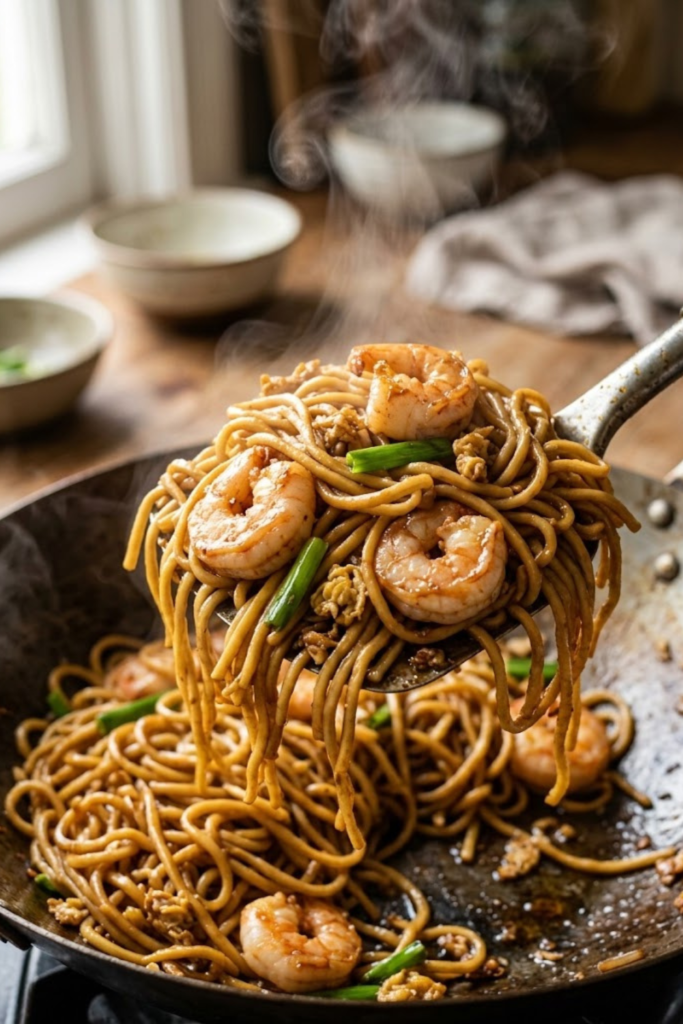
Finally, add the cooked shrimp back into the pan along with some fresh green onions. Toss everything together for one last minute. You want the shrimp to get warm again and the sauce to look shiny and thick on the shrimp fried noodles. If it looks a little too dry, you can add a tiny splash of water or extra broth, but usually, the recipe I gave you is just right. Switch off the heat and move the noodles to a plate immediately. If you leave them in the hot pan, they will keep cooking and lose that perfect texture we worked so hard for. And there you go—better than takeout in your own kitchen!
Bringing the Restaurant Experience Home
I really hope this guide helps you feel a lot more confident the next time you stand in front of your stove with a bag of shrimp. Cooking shrimp fried noodles at home is about more than just saving a few dollars on a delivery fee. It is about that feeling of pride when you set a steaming, beautiful plate of food down on the table and see your family’s eyes light up. I spent years thinking I needed a special kitchen or expensive tools to make food that tasted like the real deal, but I was wrong. All I really needed was a bit of patience and the right steps to follow.
Think back to what we talked about today. It all starts with those springy egg noodles and making sure they don’t turn into a clump. Then, you have the juicy shrimp that you’ve dried off so they can actually sear instead of just boiling in the pan. We mixed that savory sauce with just enough sweetness to make it shine, and we used high heat to get that wonderful smokey smell. When you put all those little pieces together, you get a meal that is better than anything you can buy in a plastic box.
Don’t be afraid to make mistakes! If your first batch is a little bit too salty or your noodles are a bit soft, don’t worry about it. My first ten tries were pretty rough, but that is how you learn. Just try to remember to keep your pan hot and your ingredients moving. Before you know it, you’ll be tossing those noodles around like a pro without even thinking about it. Cooking is a skill that grows every time you turn on the burner, and this recipe is a great way to practice.
I would love to hear how your dinner turned out! If you found these tips helpful and you want to save this recipe for your next busy weeknight, please share it on Pinterest. It helps other home cooks find these simple steps, and it keeps all your favorite recipes in one easy spot. There is nothing better than sharing a good meal and a good trick with friends. Now, get into the kitchen and start cooking—you’ve got this!