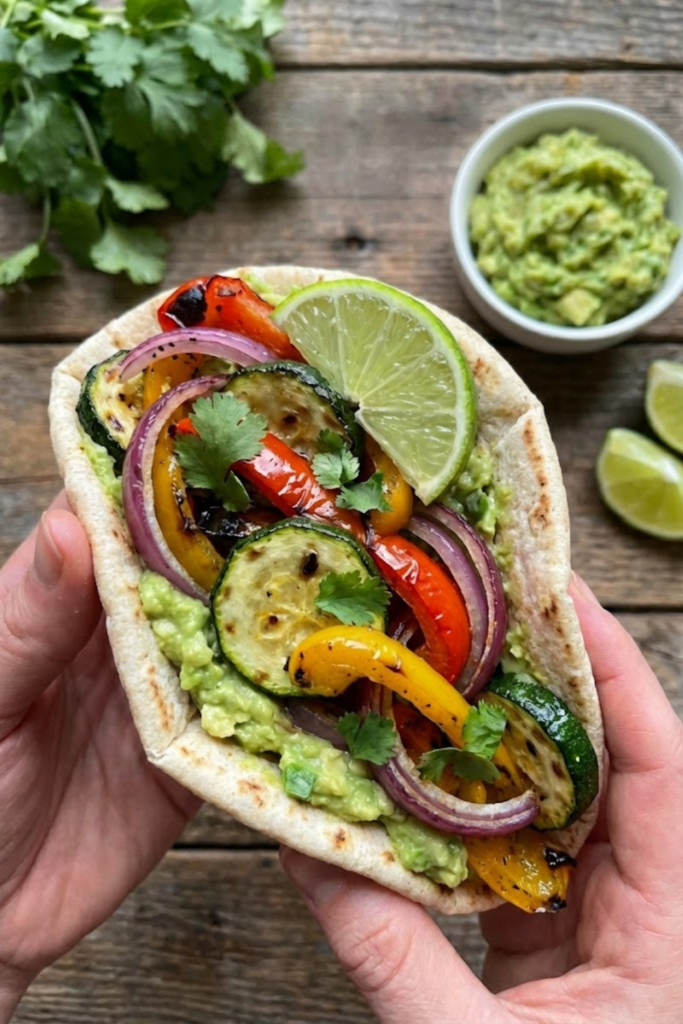
Seriously, is there anything better than biting into a warm, fluffy pita stuffed to the brim with savory goodness? I didn’t think so! I used to struggle getting enough greens in my diet until I discovered the magic of high-heat roasting. It changes everything! In fact, did you know that roasting vegetables can actually concentrate their natural sugars, making them irresistible even to picky eaters? So, get ready to roll up your sleeves and dive into these incredible roasted veggie pitas with avocado dip. It’s a total game-changer for your 2026 lunch routine!
Selecting the Best Vegetables for Roasting
You know, I used to just grab whatever vegetables were on sale and toss them in the oven, hoping for the best. Big mistake. I remember this one time I tried to make roasted veggie pitas with avocado dip for a dinner party, and I used these sad, slightly wrinkly bell peppers I found at the back of the fridge. The result? A soggy, flavorless mess that no amount of dip could save. I was so embarrassed!
It turns out, picking the right produce is actually half the battle. When you are standing in the produce aisle, don’t be afraid to be a little picky.
Choosing Seasonal Produce
I’ve learned that fresh is always best. When you’re picking out bell peppers, give them a little squeeze. They should be firm and have tight, shiny skin. If they feel soft or have wrinkles, put them back. Seriously, don’t do it.
For zucchini, I look for smaller ones because they tend to be less watery and have better flavor. Large zucchini can get really mushy when you roast them. I usually aim for ones that are about six to eight inches long. It makes a huge difference in the final texture of your roasted veggie pitas with avocado dip.
Prep Work Essentials
Okay, here is where I used to mess up big time. I would wash my veggies and then immediately chop them up while they were still dripping wet. Do not do this!
Water is the enemy of roasting. If your vegetables are wet when they go into the oven, they steam instead of roast. You miss out on all those delicious caramelized edges.
- Wash your veggies thoroughly.
- Pat them dry with a clean kitchen towel.
- Let them sit on the counter for a few minutes to air dry if you have time.
I learned this trick after years of wondering why my roasted veggies were always soft instead of crispy. It was a total “aha!” moment for me.
The Art of the Cut
Here is another thing I learned the hard way: size matters. I used to chop things totally randomly—big chunks of onion next to tiny slivers of pepper. The tiny pieces would burn to a crisp before the big chunks were even cooked through. It was a disaster.
You want to cut everything into uniform sizes. I usually go for bite-sized pieces, about one inch wide. This helps everything cook at the same rate.
If you are using harder root vegetables like carrots or sweet potatoes along with softer ones like zucchini, cut the harder ones a little smaller. This way, everything finishes cooking at the same time. It takes a little extra focus, but trust me, your lunch will thank you.

Mastering the Seasoning Blend
Honest truth? I used to be terrified of over-seasoning my food. I would sprinkle a tiny bit of salt and maybe a crack of pepper, then wonder why my lunch tasted like cardboard. It was so frustrating!
After making roasted veggie pitas with avocado dip about a hundred times, I finally realized that veggies can take way more flavor than you think. In fact, they need it. If you want that restaurant-quality taste, you have to get bold with your spice cabinet.
Oil Selection
Okay, listen to me closely on this one because I learned it the hard way. Do not just grab any oil from your pantry. I once used a fancy extra virgin olive oil at 425 degrees, and I literally set off my smoke alarm. My poor dog was barking, I was waving a towel at the ceiling fan… it was a disaster.
For roasting at high heat, you need an oil with a high smoke point.
- Avocado Oil: This is my go-to because it handles heat like a champ and doesn’t have a strong flavor.
- Light Olive Oil: Not the extra virgin stuff! The “light” version is better for cooking.
Using the right oil ensures your veggies get crispy edges without tasting burnt or acrid. It makes a huge difference in the final flavor profile.
Spice Cabinet Staples
Bland vegetables are sad vegetables. To make these roasted veggie pitas with avocado dip really sing, I rely on a “holy trinity” of spices. I used to just guess, but now I measure this stuff out because it works every time.
Smoked Paprika: This is the secret weapon. It adds a subtle smokiness that mimics grilling, even if you are just using an oven. Cumin: It adds a warm, earthy note that pairs perfectly with the avocado we’ll add later. Garlic Powder: Fresh garlic burns too fast at high heat, so powder is actually better here.
I usually mix these in a small bowl first so I don’t accidentally dump a mountain of cumin in one spot. We’ve all been there, right?
Tossing Techniques
Here is a mistake I made for years: drizzling the oil and spices directly onto the baking sheet. Don’t do it! You end up with one super oily piece of zucchini and a bunch of dry, sad peppers.
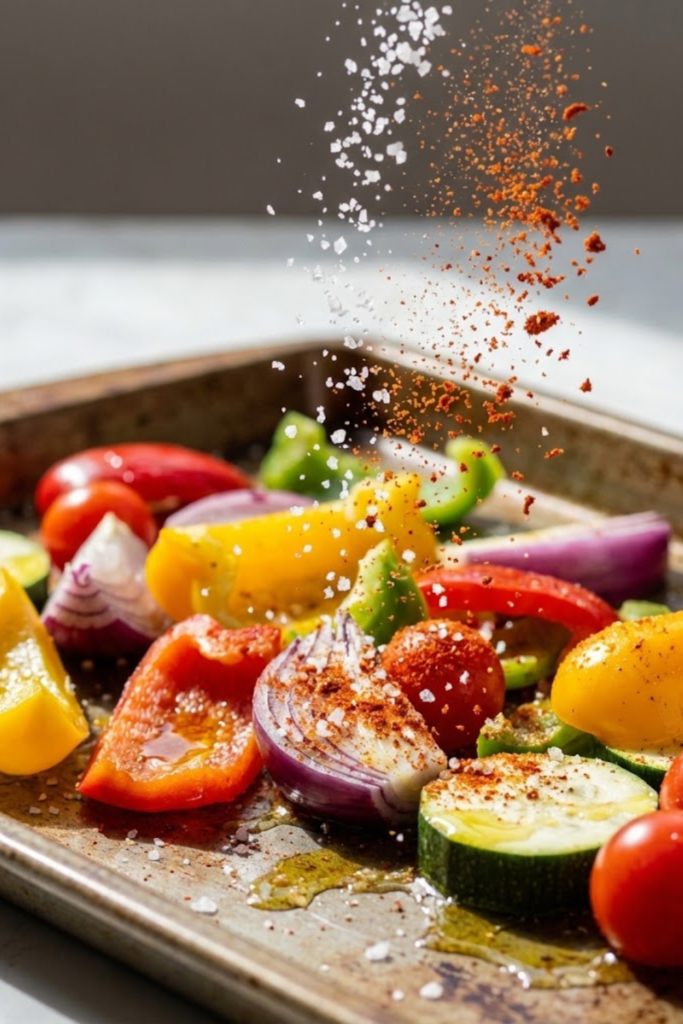
Grab a big mixing bowl. Toss your cut veggies in there, drizzle the oil, sprinkle the spice mix, and use your hands to toss it all together. Yeah, your hands will get messy, but it’s the only way to make sure every single nook and cranny is coated.
This little extra step guarantees that every bite is packed with flavor. It transforms the dish from “healthy lunch” to “I can’t wait to eat this.”
Crafting the Creamiest Avocado Dip
I have a bit of a love-hate relationship with avocados. You know exactly what I mean. You buy them when they are rock hard, wait three days, look away for five minutes, and suddenly they are brown mush. It drives me crazy! But for these roasted veggie pitas with avocado dip, timing is everything.
I used to just mash up whatever I had, but I learned that the dip is actually the glue that holds this whole meal together. If the dip is bland or watery, the whole sandwich falls flat. It took me a few years (and a lot of wasted produce) to figure out the tricks to getting it right every single time.
Picking the Perfect Avocado
Okay, here is the biggest stress point. How do you know when it’s ready? I used to just squeeze them aggressively in the store—sorry, produce managers!—until I found a soft one. That was a bad strategy because I usually ended up with bruised fruit.
Here is the trick I learned from a friend who works in a kitchen:
- The Gentle Press: Hold the avocado in your palm and gently squeeze with your whole hand, not your fingers. It should give slightly, like a firm peach.
- The Stem Test: This is the game changer. Flick the little dry stem nub off the top. If it comes off easily and it’s green underneath, you are golden. If it’s brown, put it back; it’s overripe. If the stem won’t budge, it’s not ready yet.
Getting this right ensures your roasted veggie pitas with avocado dip have that luxurious, buttery texture we all crave. There is nothing worse than trying to mash a rubbery, under-ripe avocado. It just chases around the bowl and refuses to cooperate.
Balancing Acid and Salt
Early in my cooking journey, I was afraid of salt. I thought “healthy” meant “bland.” I was so wrong. Avocado is basically pure fat (the healthy kind!), and fat needs acid and salt to wake it up.
I remember making a batch of dip for a picnic once. I didn’t add enough lime juice, and by the time we got to the park, the dip was a sad, grey color. It looked unappetizing, and frankly, it tasted like play-dough.
You need a heavy hand with fresh lime juice. Not the bottled stuff—that tastes like chemicals to me. Use real limes. The acid cuts through the richness of the avocado and keeps the color bright green. And don’t be shy with the sea salt. Taste as you go. If it tastes “flat,” it usually just needs another pinch of salt.
Texture Variations
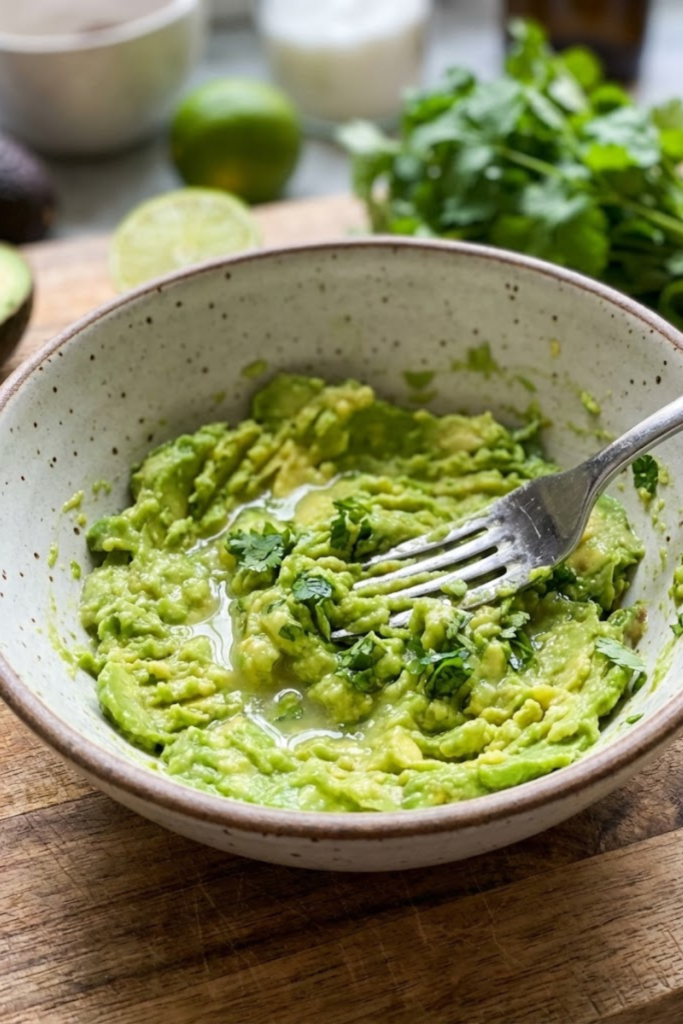
This is where you get to choose your own adventure. Personally, I am a “chunky” dip person. I like biting into little pieces of avocado. It makes the meal feel heartier to me.
For a rustic vibe, I just use a fork and a bowl. I mash it until it’s creamy but still has some lumps. It takes about two minutes and zero electricity.
However, if you have picky eaters or kids who are suspicious of textures, throw it in a food processor. I did this once when my niece was visiting, and I blended it until it was as smooth as mayonnaise. She loved it and didn’t even realize she was eating healthy fats! If you go this route, you might need a splash of water or olive oil to get the blades moving.
Just remember, there is no “right” way, only the way you like it. But honestly, licking the spoon is the best part of the process.
Assembling Your Roasted Veggie Pitas
We have finally reached the finish line! All that prep work, the chopping, and the waiting by the oven is about to pay off. Honestly, assembling these is my favorite part because it means I am seconds away from eating. But, I have to admit, I used to rush this step. I would just shove everything into the bread and hope for the best. Usually, that resulted in a torn pita and a lap full of roasted peppers. Not a good look, especially if you are eating at your desk at work.
Building the perfect roasted veggie pitas with avocado dip is actually a bit of an architectural project. You need to think about structural integrity. It sounds silly, but a well-assembled pita tastes better because you get a little bit of everything in one bite.
Warming the Bread
Do not skip this step! I repeat, do not skip this step. I used to be lazy and try to stuff cold pitas straight from the bag. It was a nightmare every single time. Cold pita bread is stiff and brittle. As soon as you try to open the pocket, rip. The whole side blows out.
You are left with two sad halves instead of a pocket. It’s frustrating!
- The Skillet Method: This is my preferred way. I throw the pita on a dry skillet over medium heat for about 30 seconds per side. It gets soft and pliable immediately.
- The Oven Method: If the oven is still hot from the veggies, wrap the pitas in foil and toss them in for two minutes.
When the bread is warm, it stretches. This means you can pack way more filling inside without it tearing. It makes the roasted veggie pitas with avocado dip feel like a warm hug instead of a cold sandwich. Plus, the smell of toasted bread is just heavenly.
Layering Logic
Okay, here is a mistake I made for years: putting the veggies in first. Why? Because roasted veggies have moisture. If they sit directly against the bread, the bottom of your pita turns into a soggy sponge within ten minutes. Nobody likes soggy bread.
I learned to use the dip as a barrier. Think of the avocado dip as the “mortar” for your brick wall.
- Spread the Dip: Smear a thick layer of that creamy green goodness on the inside walls of the pita pocket first. It protects the bread from the veggie juices.
- Stuff the Veggies: Now, add your roasted zucchini, peppers, and onions.
- The Double Dip: Sometimes, I put a little extra dollop of dip on top just for good measure.
This layering strategy keeps the bread fluffy and dry, even if you are packing this for lunch later in the day. It’s a total game-changer for meal prepping healthy sandwich wraps.
Adding Crunch
Roasted vegetables are soft. The avocado dip is soft. The bread is soft. See the pattern? You need some crunch to break it up.
I remember eating one of these a few years ago and thinking, “This tastes great, but the texture is kind of boring.” It was just too much mush. I started experimenting with toppings to wake up my palate.
- Fresh Cucumber: Slice them super thin. They add a cool, crisp snap that contrasts beautifully with the warm roasted veggies.
- Toasted Nuts: Pine nuts or slivered almonds are amazing here. I toss them in a dry pan for a minute until they smell nutty.
- Pickled Onions: If you have them, throw them in! The acid cuts through the creamy avocado perfectly.
Adding that little bit of texture makes the meal feel complete. It stops being just “health food” and starts being something you actually crave. It is those little details that turn a good lunch into a great one.
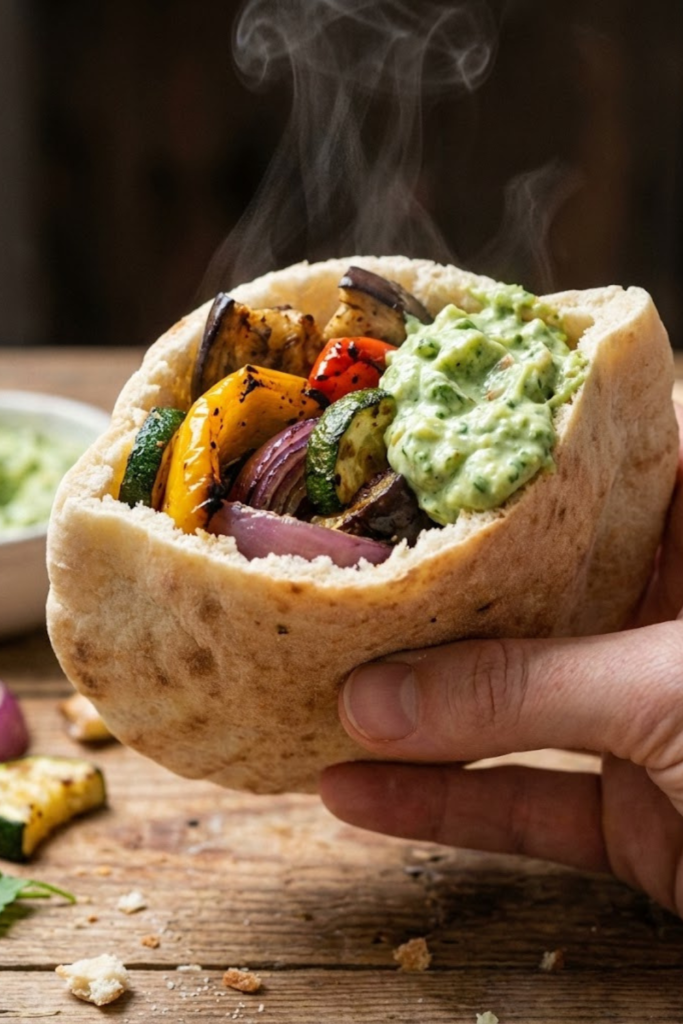
Honestly, I hope these roasted veggie pitas with avocado dip find a permanent spot in your weekly rotation. It is wild how just a few simple tweaks—like picking the right oil or warming your bread—can totally transform a basic lunch into something that feels like a treat. I used to dread the “healthy eating” kick because I thought it meant bland salads, but recipes like this make it so much easier to stick with it.
You get the smoky char from the peppers, the creamy richness from the avocado, and that satisfying chew from the warm pita. It really is the perfect bite.
If you found these tips helpful, or if you finally mastered the art of finding a ripe avocado thanks to this post, please share it on Pinterest! It helps other home cooks find these recipes and keeps the kitchen inspiration flowing. Happy cooking!