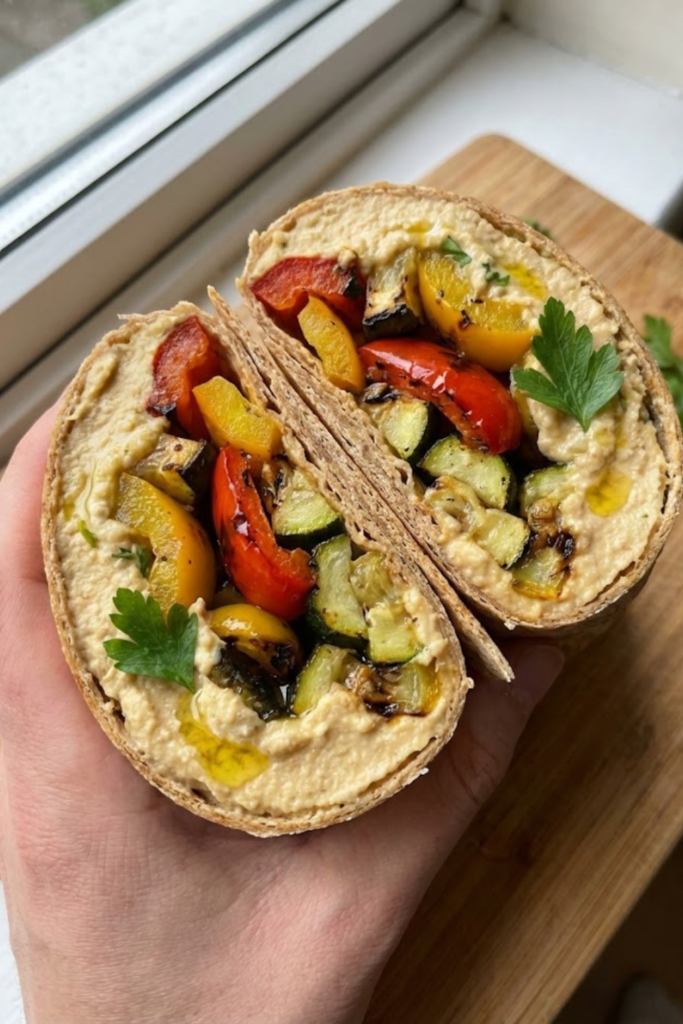
I’ve spent way too many years looking for a lunch that doesn’t leave me feeling sluggish by 2:00 PM. I finally found the answer, and the roasted vegetable hummus wrap has been my absolute favorite go-to lately. It’s actually filling and tastes like something you’d buy at a fancy cafe, but its much cheaper to make at home. I used to just throw cold veggies in a tortilla, but roasting them makes them so much sweeter and better. If you’re tired of having the same old ham sandwich every single day, this will change your whole meal plan. I’m really excited to show you how I make these so they don’t get all soggy or messy in your bag.
Picking the Best Veggies for Your Roasted Vegetable Hummus Wrap
I’ll be honest with you, when I first started making a roasted vegetable hummus wrap, I was a total mess in the kitchen. I used to think I could just throw every vegetable in my fridge onto a tray and hope for the best. I quickly learned that some veggies just don’t play nice together when you’re trying to roll them into a tortilla. If you pick things that are too watery, you end up with a lunch that looks more like a wet paper bag than a meal. After years of trial and error during my short lunch breaks, I’ve figured out exactly which ones make the cut.
The Stars of the Show: Bell Peppers and Onions
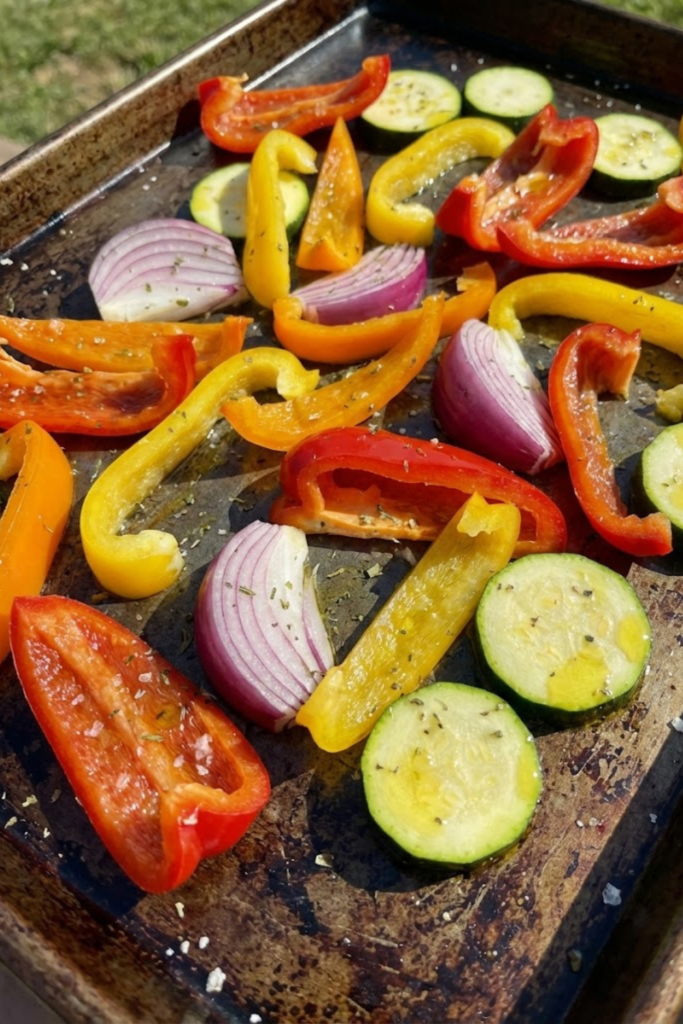
If you want a really great roasted vegetable hummus wrap, you have to start with bell peppers. I usually grab the red, yellow, and orange ones because they get so sweet when they hit the heat of the oven. When those edges get a little bit of char on them, they add a smoky flavor that goes perfectly with the smooth hummus. Red onions are my other non-negotiable ingredient. They lose that sharp, stinging bite and turn into soft, purple strands of caramelized goodness. I just peel off the outer skin and cut them into thick wedges so they don’t burn too fast.
Managing the Moisture in Zucchini and Eggplant
Zucchini and summer squash are wonderful, but they can be a bit tricky. They have a ton of water inside them. If you aren’t careful, they will turn your roasted vegetable hummus wrap into a soggy pile of mush. My big secret is to slice them into long, flat planks instead of little rounds. This gives them more space to brown on the baking sheet instead of steaming in their own juices. I also love using eggplant, but I usually salt the slices first and let them sit on a paper towel for about ten minutes. This draws out the extra liquid so they stay firm and “meaty” inside your wrap.
Why Shape and Size Actually Matter
I used to just chop everything into random chunks, but that made it nearly impossible to fold the bread. Now, I try to cut all my vegetables into long, thin strips—kind of like thick matchsticks. This makes it so much easier to lay them flat across the spread. You don’t want big lumps poking through the tortilla while you try to eat. I’ve had many wraps explode in my hands because a big chunk of sweet potato decided to make a break for it! Keep everything uniform, and they will all finish cooking at the same time, too.
The Secret to Creamy Hummus That Doesn’t Get Soggy
Hummus is the glue that holds your roasted vegetable hummus wrap together, literally. I used to just grab the cheapest tub at the grocery store on my way home from work, but man, some of those are just way too oily. One time, I bought a “garlic” brand that was so strong I think my students could smell me from across the gym! It was pretty embarrassing. Now, I prefer making my own or at least looking for a brand that isn’t swimming in extra liquid. If the hummus is too runny, it’s going to leak out the bottom and make a mess of your shirt.
Finding the Right Texture for Your Spread
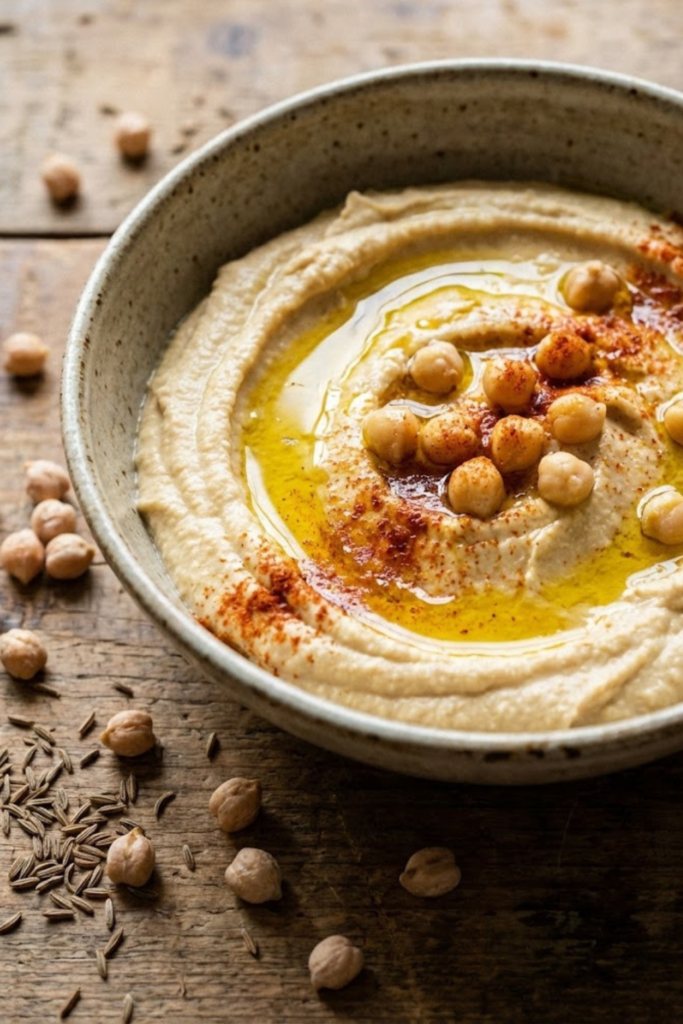
The big secret to a great roasted vegetable hummus wrap is how thick you make the spread. I like mine thick and creamy, almost like a paste. When I have time to make it at home, I actually peel the skins off the chickpeas. Yeah, I know it sounds like a lot of work and kind of annoying, but it makes the texture so smooth! It’s kind of like a zen activity for me after a long day of grading papers. If you’re buying it, look for the “classic” style rather than the ones with oil toppings. You want it to stay put on the tortilla, not slide around like it’s on a skating rink.
Balancing the Flavors with Lemon and Tahini
I also started adding a little bit of lemon zest to my hummus lately. It adds this bright pop that cuts through the heavy taste of the roasted veggies. Most store-bought kinds have a lot of tahini, which is great, but it can be a little bitter if there isn’t enough acid to balance it out. When you’re building your roasted vegetable hummus wrap, you can even stir in a tiny bit of cumin or dried parsley to give it more kick. I’ve found that a little bit of spice goes a long way in making a boring lunch feel like something special.
Creating the Moisture Barrier
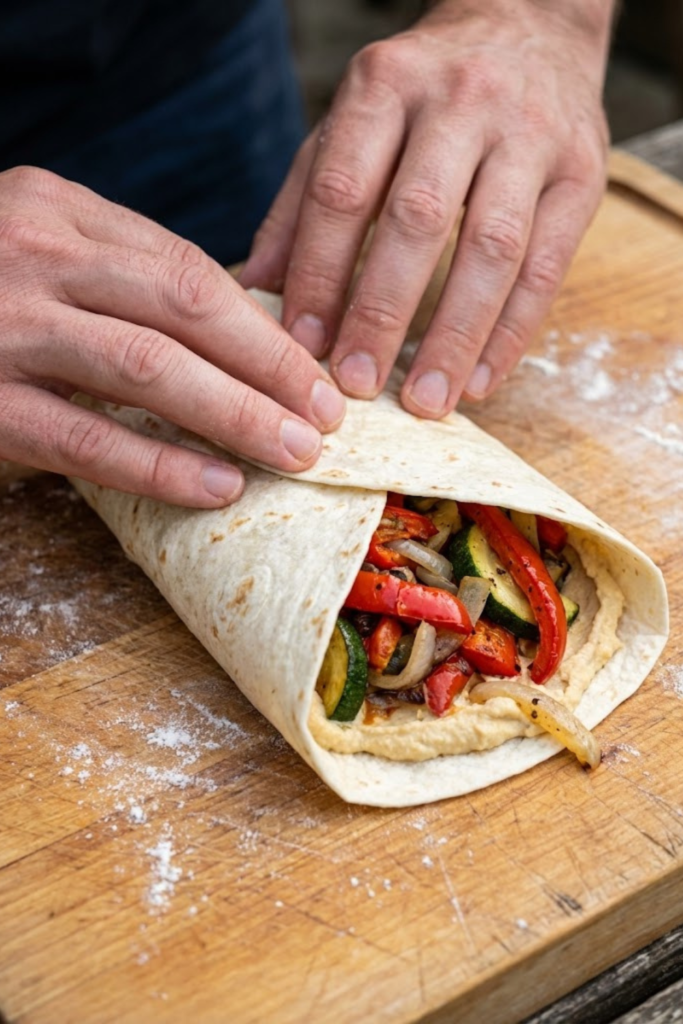
This is the most important part! When you spread the hummus, go all the way to the edges of your wrap. This acts as a seal or a “moisture barrier.” It keeps the juices from the warm vegetables from soaking directly into the bread. I used to just put a dollop in the middle, and my wraps were always falling apart by noon. Now that I coat the whole surface, the bread stays chewy and fresh. It’s a total game-changer for anyone who hates a soggy lunch. Just make sure you don’t put it on too thick, or it’ll squish out the sides when you take a bite.
Pro Tips for Assembling and Folding Your Wrap
I’ll be honest, the hardest part of making a roasted vegetable hummus wrap isn’t even the roasting or the hummus—it’s the folding. I used to be one of those people who would just pile everything on and hope for the best, but my wraps would always fall apart halfway through. It was super frustrating, especially when I was trying to eat quickly between classes. I felt like I was wrestling with a giant burrito that just didn’t want to cooperate. I finally had to watch a guy at a local deli for like ten minutes to figure out what I was doing wrong.
The “Tuck and Roll” Strategy
First, you have to be careful not to overstuff it. I know it’s tempting to pile on all those beautiful veggies, but if you put too much in, the roasted vegetable hummus wrap will just tear. You want to place your fillings in the center-third of the tortilla, leaving plenty of room on the sides. Fold the sides in first, then roll from the bottom, keeping everything nice and tight as you go. One trick I use is putting a little extra hummus at the very end of the roll. It acts like glue and keeps the whole thing shut. It’s a simple move, but it makes such a big difference when you’re eating on the go.
Warming Your Tortilla to Prevent Cracking
Another thing I learned the hard way is that a cold tortilla will crack every single time. I used to pull them straight from the fridge and wonder why they kept splitting open. Now, I always heat mine up for about ten or fifteen seconds in a dry pan or even just the microwave. It makes the bread much more flexible and easy to handle. If the bread is warm, it stretches a little bit instead of snapping. This is especially important if you’re using whole wheat or gluten-free wraps, which tend to be a bit more fragile than the white flour ones.
The Parchment Paper Secret
Finally, if you’re taking your roasted vegetable hummus wrap to work, wrap it tightly in parchment paper or foil. I once had a wrap explode in the teacher’s lounge right in front of the principal, and it was so embarrassing! Now, I wrap it up like a professional sub, and then I cut it in half on a diagonal. It feels fancy, like you bought it at a high-end cafe, and it keeps everything contained while you eat. It’s much easier to manage half a wrap at a time than trying to hold the whole giant thing while you’re talking.
Meal Prep Secrets: Keeping it Fresh Until Friday
Meal prepping the roasted vegetable hummus wrap is the only way I survive my work week without spending a fortune at the vending machine or the local deli. But, you have to be smart about it. You can’t just make five wraps on Sunday night and expect them to be good by Thursday afternoon. Trust me, I’ve tried it, and by Wednesday lunch, I was eating something that felt like a wet sponge. It was totally gross and I ended up just buying a bag of greasy chips instead because I couldn’t stomach the texture of the soggy bread.
Storing Your Roasted Veggies the Right Way
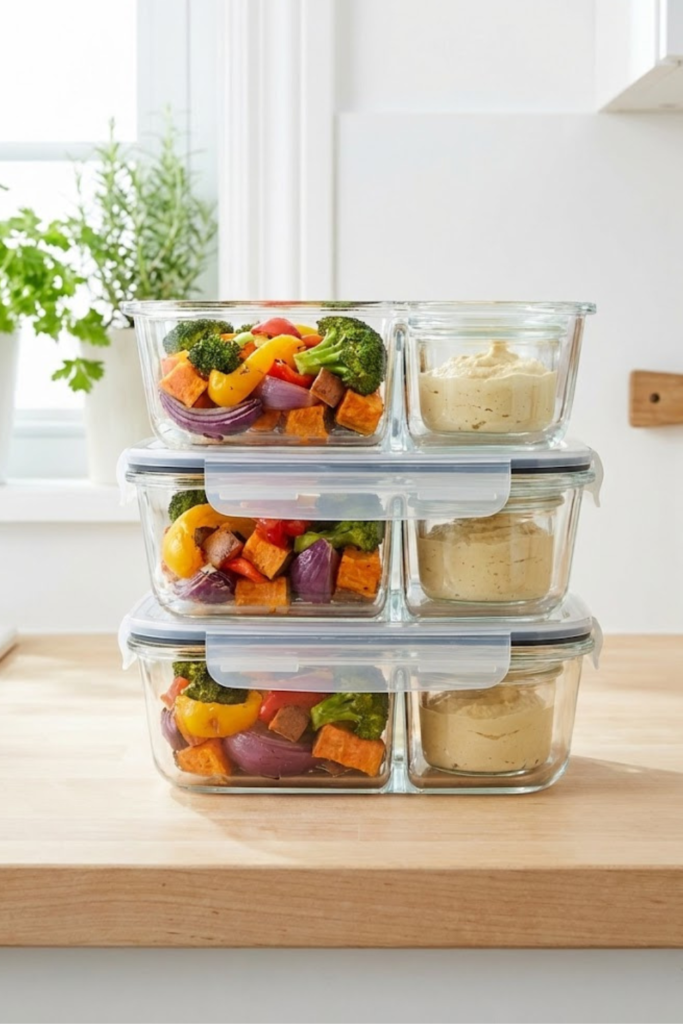
The real trick is to store all the different parts separately until you’re nearly ready to eat. I roast a huge batch of peppers, zucchini, and onions on Sunday and keep them in a glass container. Then, I keep my hummus in its own little jar. Each morning—or even the night before—I put together the roasted vegetable hummus wrap. This keeps the tortilla perfectly dry and chewy. I’ve found that putting a folded paper towel in the bottom of the container with the roasted veggies helps soak up any extra water that comes out as they sit in the fridge. This stops them from getting slimy, which is usually why people give up on meal prepping vegetables in the first place.
Use a “Leafy Shield” for Extra Protection
If you absolutely must make the wrap ahead of time because your mornings are too chaotic, there is a cool trick I use. I put a layer of big spinach leaves or even some flat kale between the hummus and the tortilla. It acts like a shield! The leaves are tough enough that they don’t let the wet hummus touch the bread directly. This way, your roasted vegetable hummus wrap stays fresh for at least an extra day in your bag. I also make sure the veggies are completely cold before I put them in the wrap. If they are even a little bit warm when you roll them up, they’ll create steam, and steam is the absolute enemy of a crisp, tasty lunch.
Picking the Right Containers
In 2026, we have some pretty great vacuum-seal containers that keep things fresh, but even a basic glass bowl works fine if you seal it tight. I try to avoid using plastic bags because the veggies usually get squashed or bruised. Just a little bit of extra effort at the start of the week makes my lunch something I actually look forward to when the bell rings.
So, that’s how I do it! Making a roasted vegetable hummus wrap doesn’t have to be a soggy disaster. If you pick the right veggies, use a thick hummus spread, and fold it like a pro, you’ll have a lunch that everyone in the breakroom will be jealous of. I hope these tips help you save some money and eat a bit better this week without all the stress. If you liked this guide or found the roasting tips helpful, please share it on Pinterest so other busy people can find it too!