I used to genuinely believe I hated vegetables because I grew up eating them boiled into a gray, mushy submission, but a Thanksgiving cooking accident changed everything. I accidentally left a tray of parsnips in the oven too long, and instead of burning, they turned into sweet, golden bites of perfection—that’s when I fell head over heels for roasted root vegetables. I’ve learned the hard way since then that laziness, like piling everything onto one tray to save on dishwashing, just steams your food and ruins that delicious caramelization. You have to give your winter harvest produce personal space to get those crispy edges, otherwise, you’re just heating up soggy sadness. I’m going to walk you through exactly how to master this healthy side dish, from the oil ratio to the heat sweet spot, so you never have to suffer through a bland, steamed carrot again.
Choosing the Best Vegetables for Roasting
I used to be a creature of habit at the grocery store. I’d grab a bag of carrots, maybe a few potatoes, and call it a day. It felt safe. But honestly? I was boring myself to death. The produce aisle has so much more to offer, especially when the weather gets cold.
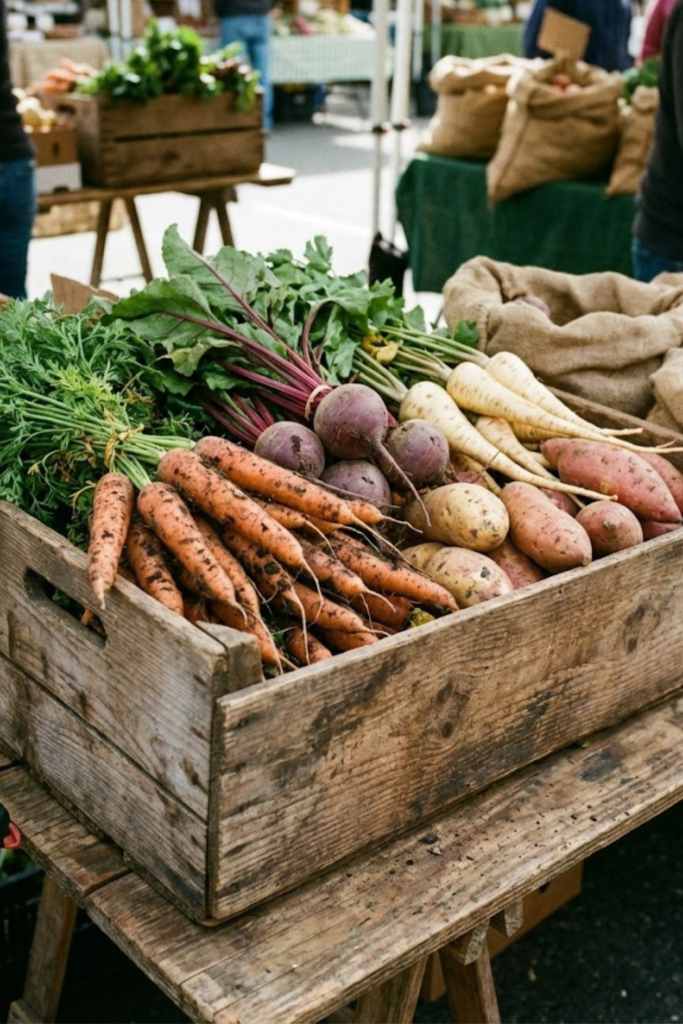
You have to be willing to grab the ugly stuff. I’m talking about the gnarly winter harvest items like rutabagas, turnips, and celery root. They look like dirty rocks, I know. But once you roast them, they are incredible.
The Heavy Hitters
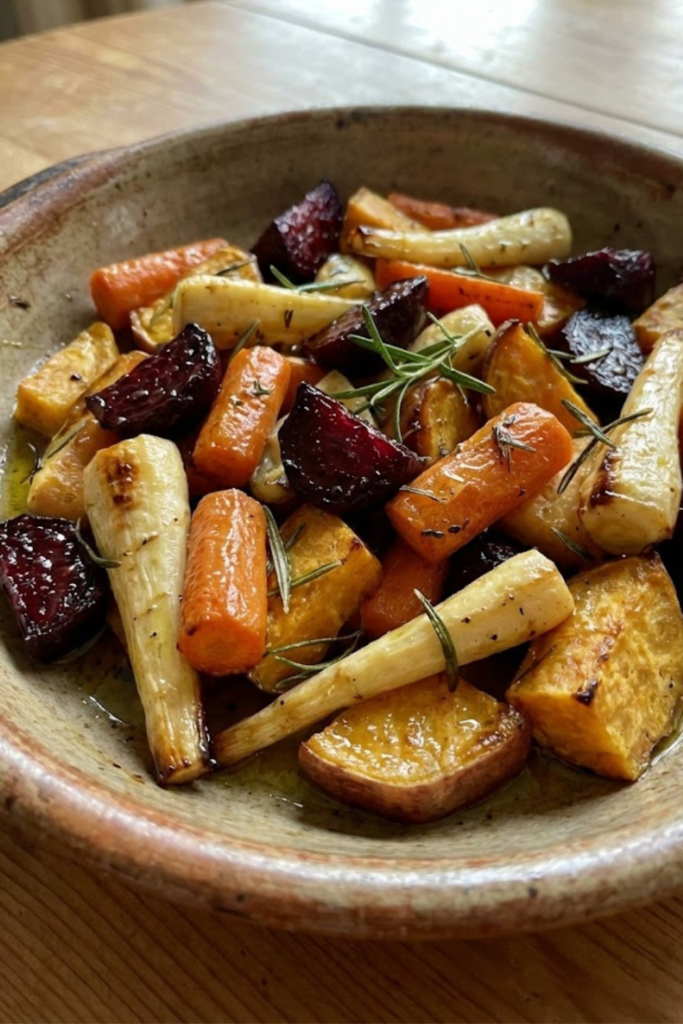
If you are new to this, start with the classics but mix it up a little. Carrots are a must, obviously. But have you tried parsnips? They look like pale carrots but taste spicy and sweet. My kids used to think they were “ghost carrots,” which was the only way I could get them to eat them.
Then there are roasted beets. I have a love-hate relationship with beets. They taste like earthy candy, which is amazing. But preparing them looks like a crime scene in my kitchen. My hands end up stained pink for days. Is it worth it? Absolutely. Just maybe wear gloves if you have a meeting the next day.
To Peel or Not to Peel?
Here is a lazy tip that I stand by: put the peeler away. Seriously. For years, I wasted so much time peeling every single carrot and parsnip. It was exhausted.
Unless the skin is super thick and waxy (like on a rutabaga), you really don’t need to remove it. The skin holds a lot of flavor and nutrients. Plus, it gives the dish a nice, rustic look. Just scrub them really well under cold water. It turns your root vegetable recipe into a quick weeknight win rather than a chore. These are fiber rich foods, so keeping the skin on is actually better for you anyway.
The Size Mistake I Keep Making
This is where I usually mess up. I get impatient and start chopping wildly. The result? I end up with giant chunks of potato next to tiny slivers of carrot.You know what happens next. The tiny pieces burn to a crisp before the big chunks are even soft. It is super frustrating. You have to be consistent. Aim for 1-inch pieces across the board. If I’m making sweet potato cubes, I try to match them to the size of my brussels sprouts or whatever else is on the pan.Uniformity is the only way to get that perfect, even cook. It doesn’t have to be perfect, but it needs to be close.
Why Winter Veggies Are Superior
There is a reason we crave these things in December and not July. Frost actually makes root vegetables sweeter. The cold temperatures cause the plant to convert starch into sugar to survive. That sugar is exactly what we need for caramelization.So when you roast a winter harvest turnip, you are getting the best version of that vegetable. It hits different than a summer squash. It’s hearty nutritious comfort food that actually fills you up. So, grab the weird-looking roots next time you shop. Your oven will do the rest of the work.
The Secret to Crispy, Caramelized Edges
I used to think my oven was broken. No matter what I did, my vegetables came out soft, pale, and kind of sad. They were cooked, sure, but they didn’t have that addictive crunch I tasted at restaurants. I blamed the stove, the pan, even the vegetables themselves.
It turns out, the problem was me. I was making a few classic mistakes that were guaranteeing a soggy result every single time. If you want those crispy vegetable edges, you have to break some habits.
Stop Crowding the Pan
This is the number one crime against roasting. I used to dump a mountain of cut veggies onto a single baking sheet because I hate washing dishes. I didn’t want to clean two pans. That laziness cost me flavor.
When vegetables touch, they release moisture that gets trapped between them. Instead of roasting, they steam in their own juices. Steaming is fine if you are on a bland diet, but it won’t give you caramelization. You need air to circulate around each piece.
Now, I use two baking sheets if I have to. I spread them out so they have plenty of personal space. It looks like a waste of room, but it’s the only way to get that high heat roasting effect where the edges turn golden brown.
Turn Up the Heat
For the longest time, I baked everything at 350°F. Cookies, chicken, lasagna—it was my default setting. But for roasted root vegetables, 350°F is basically a nap. It’s just not hot enough.
You need to be brave and crank that dial up to 400°F or even 425°F. We are looking for the Maillard reaction—that’s the fancy science term for browning that equals flavor. At lower temperatures, the veggie dries out before it browns. At 425°F, the outside gets crispy while the inside stays tender. It is a total game changer.
Don’t Fear the Oil
I went through a phase where I tried to use just a tiny spray of oil to be “healthy.” It was a disaster. The veggies were dry and shriveled like old fingers.
To get a good roast, you need healthy fats. I pour olive oil or avocado oil right onto the veggies in a big bowl and toss them with my hands. Yes, it’s messy. But you need every single surface coated. If a spot is dry, it will burn. The oil conducts the heat and fries the surface of the vegetable. Don’t drown them, but don’t be stingy either.
The Art of the Flip
Here is where patience comes in. Once I put the tray in, I used to obsessively open the door to check on them. Don’t do that. You let all the heat out.
Put the tray in and walk away for at least 20 minutes. You want the bottom to get nice and brown before you disturb it. If you flip too early, the crust rips off and sticks to the pan (even with parchment paper tips, this happens). I usually flip them just once halfway through.
If you follow these rules, you’ll stop making mushy sides and start making oven roasted vegetables that people actually fight over.
Flavor Pairings and Seasoning Ideas
I used to be a strict salt-and-pepper kind of girl. I thought that was enough. But let’s be honest, plain root veggies can get boring pretty fast. I remember serving a tray of plain roasted potatoes to guests once a few years ago. They were polite about it, but nobody asked for seconds. That hurt my pride a little bit.
It forced me to stop playing it safe and actually open my spice cabinet. It turns out, you can ruin a perfectly roasted vegetable by being too boring.
The Winter Trinity
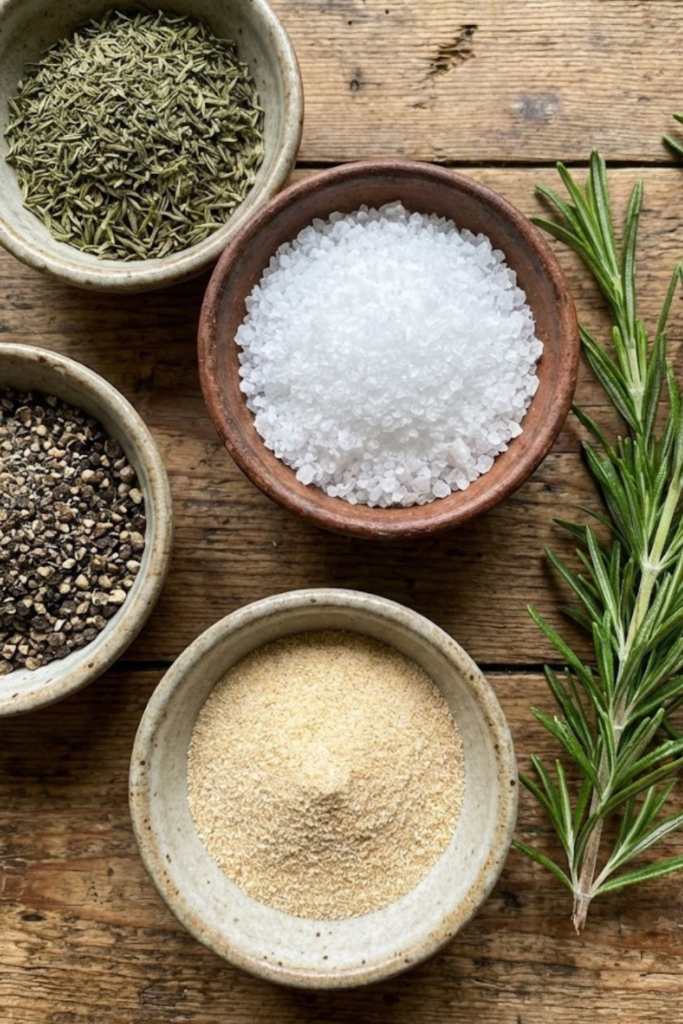
If you don’t know where to start, just grab rosemary, thyme, and sage. They are basically the holy trinity for any winter harvest meal. I prefer using fresh herbs because they look fancy, but honestly? Dried works fine if that is all you have on a Tuesday night.
Just don’t burn them. I used to toss delicate herbs in at the very beginning. They would turn into bitter black ash by the time the carrots were actually cooked. Now, I add woody herbs like rosemary early, but I save the delicate stuff for the end. It makes a huge difference in that fresh rosemary roasted flavor.
A Little Bit of Sugar
Here is a trick I stole from a restaurant chef: add a drizzle of sweetness. Root vegetables are naturally sweet, but a little extra help doesn’t hurt anyone. I love using real maple syrup or honey.
It helps with the browning and creates this sticky, delicious coating. But be careful! I once drowned my parsnips in honey before putting them in the oven. Sugar burns fast at 400 degrees. The result was a black, smoking mess that set off my fire alarm.
Learn from my mistake: Add your glaze during the last 10 minutes of cooking. That is the sweet spot.
The Acid Trip
This sounds weird, but stay with me here. Your veggies need acid. Roasted roots are heavy, oily, and sweet. They need something bright to wake them up.
I like to hit the hot tray with a splash of balsamic glaze or just fresh lemon juice right when it comes out of the oven. It sizzles, it smells amazing, and it cuts through the richness of the oil. It turns a heavy side dish into something you can’t stop eating.
Getting Spicy
Sometimes I get totally bored of the traditional holiday flavors. That is when I reach for the smoked paprika or cumin. It gives the veggies a smoky, almost meaty flavor that is perfect if you are making a vegan gluten free side for friends.
I tried curry powder on roasted cauliflower and carrots last week, and my family devoured it. Don’t be afraid to wreck a batch trying something new. Worst case scenario? You learn what doesn’t work. Best case? You discover your new favorite thyme seasoning combo.
Serving Suggestions and Leftover Tips
I used to be terrible at planning actual meals. I would spend all this energy making a beautiful tray of oven roasted vegetables, pull them out of the oven, and then realize I had nothing to serve them with. I’d just stand there eating a parsnip off the fork while staring into the fridge.
It wasn’t my finest moment as a home cook. But over the years, I’ve realized that these veggies are the ultimate team player. They don’t have to be the star of the show; they just make everything else look better.
The Perfect Partner
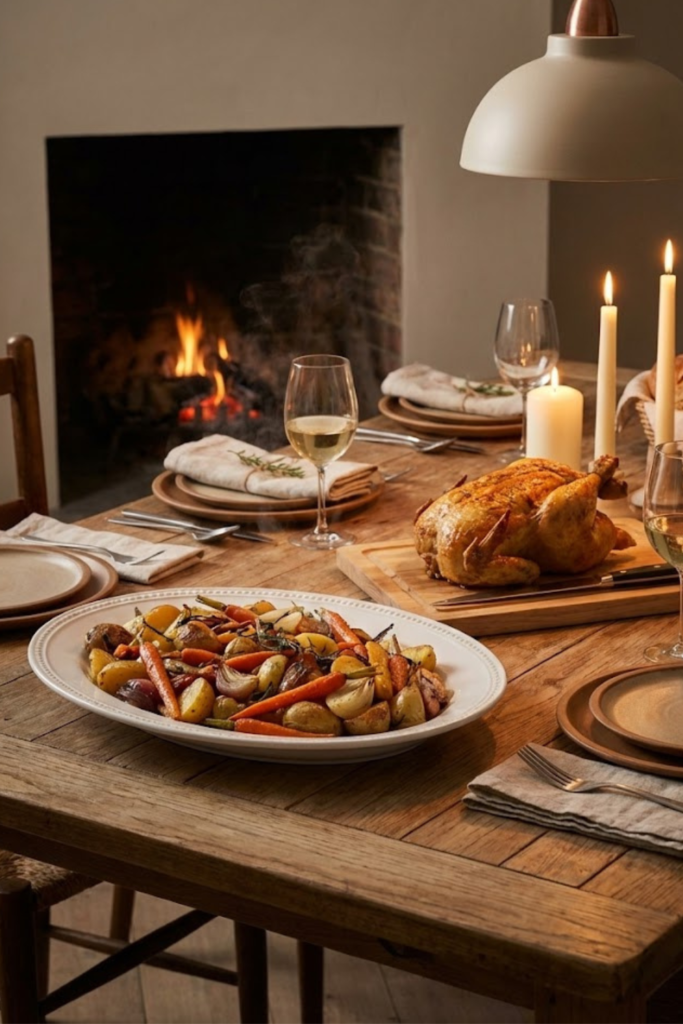
If you are stuck on what to serve, you can’t go wrong with a classic roast chicken. It is a cliché for a reason. The savory juices from the bird and the sweetness of a roasted root vegetable recipe are just meant to be together. I do this almost every Sunday.
It also works perfectly as a holiday side dish. I used to stress out making five different sides for Thanksgiving—mashed potatoes, green bean casserole, stuffing. It was too much. Now? I make a huge sheet pan of carrots, beets, and sweet potatoes. It looks colorful on the table, covers the healthy angle, and pairs perfectly with turkey or beef.
The Leftover Dilemma
Here is the cold, hard truth: roasted vegetables are never quite as good the next day. They lose that crunch we worked so hard for. For a long time, I threw my leftovers away because I couldn’t stand the texture. It felt wasteful, but soggy potatoes are just sad.
But I started doing meal prep seriously a few years ago, and I had to find a way to make them edible again.
Don’t Touch the Microwave
If you take one thing away from this post, let it be this: do not microwave your leftover roasted veggies. Just don’t do it. The microwave turns them into a rubbery, steamy mess. It ruins the texture completely.
If you have an air fryer, use it. It is the single best way to bring these back to life. I toss my cold meal prep veggies in the air fryer for about 3 to 4 minutes at 400°F. They crisp right back up. If you don’t have one, the oven works too, but it takes longer.
The Salad Hack
Sometimes, I don’t even bother reheating them. Cold roasted roots are surprisingly good as salad toppers. It sounds weird, but think about it.
I throw cold roasted beets and sweet potatoes into a bowl with some hardy kale, goat cheese, and walnuts. The soft texture of the cold vegetable actually works really well against the crunch of the raw greens. It turns a boring desk lunch into something that feels like it cost $18 at a trendy café.
It is a great way to sneak more fiber rich foods into your diet without really trying. I actually make extra veggies on purpose now just to have them for my salads during the week.
Look, I know life gets busy. It is so much easier to just steam a bag of frozen broccoli and move on with your night. But you deserve better than that. You deserve food that actually tastes like something.
Mastering roasted root vegetables isn’t just about following a recipe; it’s about treating your ingredients with a little bit of respect. Once you stop overcrowding the pan and finally embrace the high heat, you will see exactly what I mean. You turn a humble, dirty winter harvest root into something that tastes like candy. It changes the whole game.
I honestly don’t dread cooking dinner anymore because I know I can just toss a tray in the oven and get perfect results every time. So, go grab those ugly turnips and parsnips. Give them some space on the sheet pan, be generous with the salt, and let the oven do the heavy lifting.
If this guide saved you from another night of soggy, sad vegetables, do me a huge favor and share this on Pinterest. It helps me keep the lights on, and it ensures you won’t forget that crucial 425°F rule the next time you are cooking for the in-laws!