I honestly cannot tell you how many times this specific recipe has saved my weeknight dinner plans! You know that feeling when you want something healthy but also deeply comforting? That is exactly where this lentil vegetable curry shines. It is creamy, packed with flavor, and surprisingly easy to throw together. Did you know that lentils are one of the most protein-dense plant foods available, making them a staple in cuisines for thousands of years? Whether you are a strict vegan or just trying to eat more plants, this dish is a total game-changer. Let’s get cooking!

Choosing the Best Lentils for a Creamy Curry Base
I’ve spent many years standing at the front of a classroom, and if there is one thing I have learned, it is that the foundation of anything—a lesson plan or a curry—matters most. When I first started making this lentil vegetable curry, I just grabbed whatever bag of beans was on sale. That was a big mistake. I ended up with something that looked more like a gravel pit than a delicious dinner. If you want that silky, rich texture that sticks to your ribs, you have to pick the right bean. It makes a huge difference in how the meal feels when you finally sit down to eat.
Red Lentils: The Secret to Creaminess
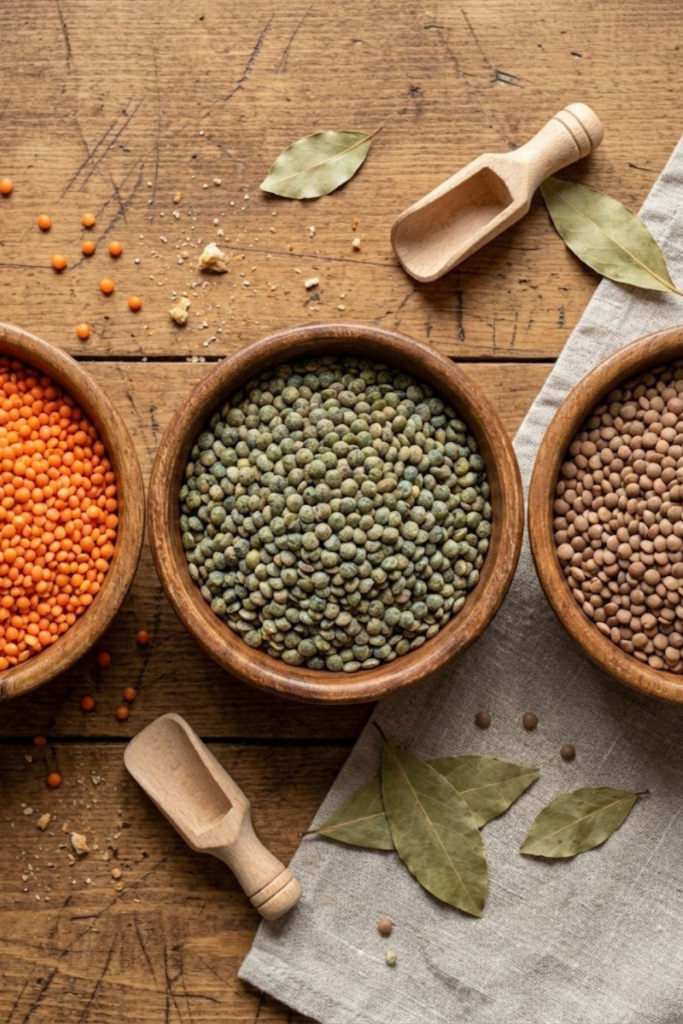
Most folks think all lentils are the same, but red lentils are really the stars here. They are usually ‘split,’ which means the tough outer skin is gone. Because of that, they don’t hold their shape very well under heat. When they hit that hot coconut milk and vegetable broth, they basically melt down. This creates a thick, naturally creamy sauce without you having to add any heavy cream or messy flour thickeners. I love using these on school nights because they cook so fast—usually in about 15 to 20 minutes. You don’t have to wait forever for dinner while the kids are asking for snacks every five minutes. They turn from a bright orange to a beautiful golden yellow color and make the whole dish feel high-end even though a bag of lentils is very cheap.
What About Green or Brown Lentils?
Now, I’ve tried using green or brown lentils when I was out of the red ones. It works, but the feeling is totally different. Green lentils stay firm and hold their shape after cooking. They are great for cold salads where you want a bit of a bite, but in a curry, they stay separate from the sauce. It feels more like a chunky soup than a thick stew. If you really want that cozy comfort-food feel, stick to the red or yellow varieties. If you only have brown ones in the pantry, just know you might need to simmer them much longer. You still won’t get that same smooth finish on your tongue.
No Soaking Required
One great thing about this meal is that you don’t have to soak red lentils. I’m a teacher, so my brain is usually pretty tired by 4 PM. I don’t always have the mental energy to remember to soak beans the night before. You just give them a quick rinse in a mesh strainer to get the dust off, and they are ready to go right into the pot. This makes the whole process much faster and keeps things simple in the kitchen. Plus, they are easier to digest than bigger beans, so you won’t feel heavy after eating.
Essential Spices and Ingredients for Maximum Flavor
If there is one thing I’ve learned from years of grading papers and dealing with middle schoolers, it’s that you can’t skip the basics. If you want a curry that actually tastes like something you’d buy at a restaurant, you have to get the ingredients right. It isn’t just about tossing stuff into a pot; it’s about how those flavors play together. I used to think I could just use a generic curry powder from the back of my cabinet that had been there since 2019, but I was wrong. Freshness is everything.
The Basics That Build the Base
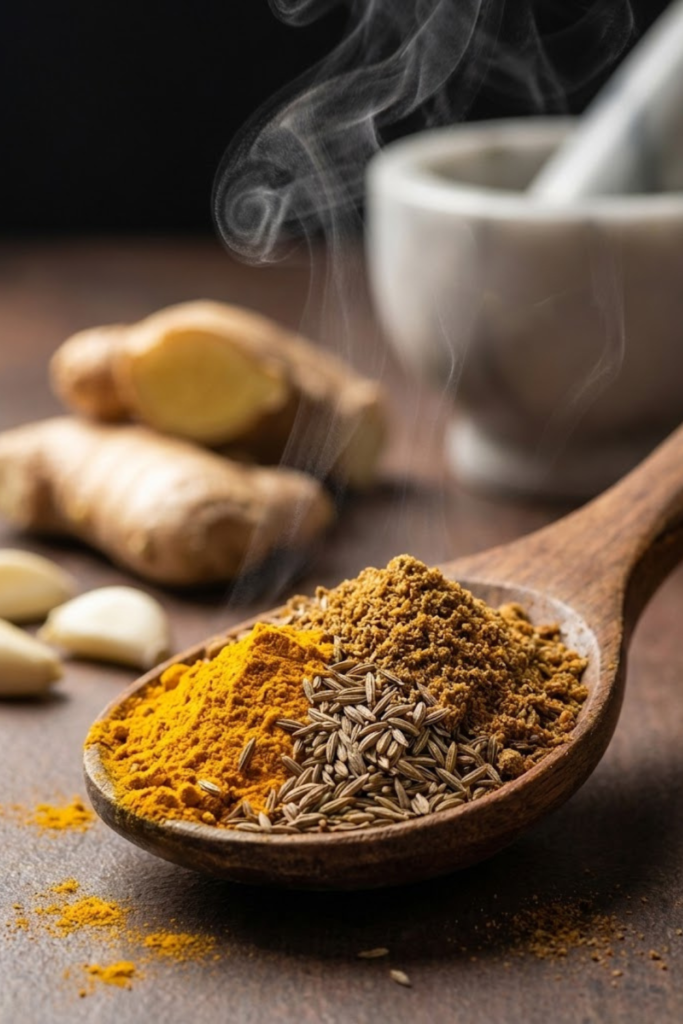
First, you need what I call the “Holy Trinity” of curry: onion, garlic, and fresh ginger. I usually chop the onion pretty small because I don’t want big chunks in my mouth. For the garlic and ginger, I sometimes cheat and use a grater. It’s way faster than chopping, and it makes them almost like a paste. When you fry these three together in a bit of oil, your whole house will smell amazing. It’s the kind of smell that brings my husband into the kitchen asking, “Is dinner ready yet?” even when I just started. If you are in a rush after a long school day, you can use the garlic from a jar, but the fresh stuff really makes the flavor pop.
The Spice Rack Essentials
Then we have the dry spices. Turmeric is what gives the dish that bright yellow color—just be careful because it will stain your white counters or your favorite wooden spoon if you aren’t quick to wipe it up. I also use plenty of cumin and coriander. They give the curry that earthy, warm feel that makes it so comforting. But here is my favorite tip: don’t add the garam masala until the very end. If you cook it for the whole thirty minutes, the flavor sort of disappears. Adding it at the last minute keeps the dish smelling spicy and fresh right as you put it on the table.
Getting the Liquid Right
Finally, let’s talk about the liquid. I always go for full-fat coconut milk in the can. The “light” version is mostly just water, and it won’t give you that rich, velvety feel we want. For the broth, I try to get the low-sodium kind. You can always add salt later, but you can’t take it out if you start with a broth that’s too salty. It’s better to have control over that, especially if you’re trying to be a bit healthier. Once you have all these bits ready, the rest is just letting it simmer and do its thing. Making sure you have these specific items ready makes the whole cooking process feel a lot less stressful.
Step-by-Step Instructions: How to Make One-Pot Curry
Now that we have all our ingredients gathered on the counter, it is finally time to get the stove going. I always tell my students that the best lesson plans don’t mean much if you don’t follow through correctly, and the same goes for making a good lentil vegetable curry. This part is honestly my favorite because it is where the magic really starts to happen in the pot. I usually pull my hair back into a messy bun, put on some upbeat music, and just focus on the heat. It’s a great way to decompress after a long day of teaching.
Getting the Sizzle Right
You want to start by heating a big pot over medium heat with a splash of oil. Throw in your diced onions first. You want them to get soft and a little see-through, which usually takes about five or six minutes. Don’t rush this part! If you burn the onions, the whole dish will taste bitter, and nobody wants that. Once they look good, add in that garlic, ginger, and those dry spices we talked about earlier. This is called “blooming.” It sounds like something from a science class, but it just means you’re letting the heat wake up the oils in the spices. It will get really fragrant really fast. If it starts to look a bit dry or like it might burn, just add a tiny splash of water to keep things moving.
The Main Simmer
Next, pour in your rinsed red lentils, the canned coconut milk, and your vegetable broth. Give it all a good stir to make sure nothing is sticking to the bottom of the pot. Turn the heat up just a bit until it starts to bubble, then turn it way down to a low simmer. You’ll want to put a lid on it, but leave it cracked just a tiny bit so steam can escape. This is the part where you can go sit down for about 15 or 20 minutes. The lentils will soak up all that liquid and start to get soft and creamy.
Adding Veggies and the Final Finish
While the lentils are doing their thing, I usually toss in my harder veggies like carrots or diced sweet potatoes. You want them to have enough time to get tender. About five minutes before you are ready to eat, stir in a big handful of fresh spinach. It will wilt down almost instantly into the sauce. For the final step, squeeze in half a lime and throw in some chopped cilantro. That bit of lime juice really wakes up the heavy flavors and makes it taste fresh. It’s like the gold star on a perfect essay—it just finishes the whole thing off perfectly.

Customizing Your Veggies and Variations
One of the things I love most about a good lentil vegetable curry is that it’s almost impossible to mess up. In my classroom, I tell my students that there is usually more than one way to get to the right answer, and cooking is exactly the same. You don’t have to follow the recipe exactly every single time. Sometimes I open the fridge on a Thursday night and find a random assortment of leftovers that need to be used up before they go bad. This dish is perfect for that because it is so forgiving. You can basically throw in whatever you have and it still tastes like a million bucks. It’s a great way to save money and cut down on food waste, which is something I’m always trying to do.
Using Root Vegetables for Extra Bulk
If you want the meal to be really filling, especially if you have a big family or just a really big appetite, root vegetables are the way to go. I often toss in some cubed sweet potatoes or even some regular Russet potatoes if that’s what I have in the pantry. They soak up the curry sauce and get all soft and delicious. Butternut squash is another great choice if it’s in season. Just remember to cut them into small, even pieces so they cook at the same speed as the lentils. If you cut the chunks too big, you might end up with crunchy potato bits, which isn’t very fun. I usually add these right at the start when I add the broth so they have plenty of time to soften up. It makes the whole pot feel much more substantial.
Boosting the Protein Even More
Even though lentils have a lot of protein already, sometimes I want to make the meal even heartier. If I’m planning on going for a long walk or have a busy day at school the next day, I might stir in a can of chickpeas or some diced firm tofu. The tofu is great because it doesn’t really have a flavor of its own; it just picks up all those great spices we added. It’s a smart way to make the meal last longer too. If you add more stuff, you’ll have more leftovers for lunch the next day, and believe me, this curry actually tastes even better the next day after the flavors have had time to sit together. I usually just heat it up in the microwave for a minute and it’s good to go.
Adjusting the Heat for Everyone
Not everyone likes things spicy, and I’ve learned that the hard way at a few family dinners. If you are cooking for kids or people who aren’t fans of heat, you can keep things very mild by just using a tiny bit of mild curry powder. But if you are like me and you want a bit of a kick, you can add some red pepper flakes or even a chopped jalapeño at the beginning. I like to keep a jar of red chili paste in the fridge just for this. You can add a spoonful at the end if you decide you want more zing. It’s all about making it work for your own taste buds and what your family likes.

Serving Suggestions and Storage Tips
I’ve finally made it to the best part of the whole process—eating! After a day of answering a million questions and grading piles of papers, there is nothing like sitting down with a big, warm bowl of this lentil vegetable curry. But I’ve learned that how you serve it really makes the meal feel complete. It turns a simple bowl of beans into a real dinner that feels like a treat. Plus, as a teacher, I have to think about my lunch for the next day. If I don’t plan ahead, I end up eating a sad granola bar in the breakroom, and nobody wants that.
The Best Things to Serve on the Side
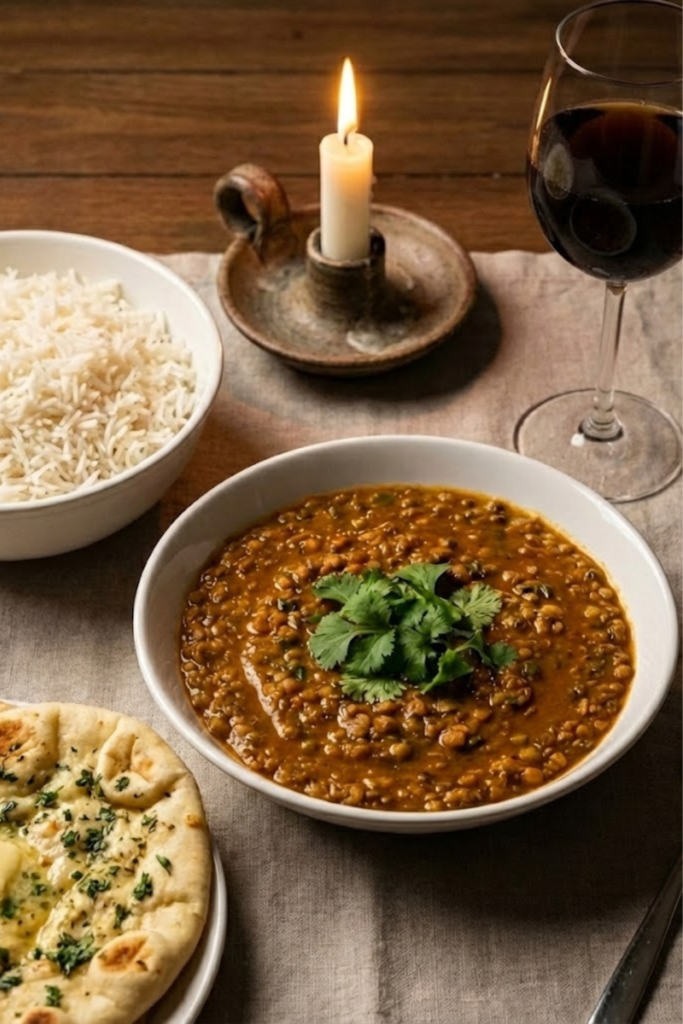
Basmati rice is my absolute favorite thing to put under this curry. It’s light and fluffy, and it doesn’t get in the way of the flavors we worked so hard on. If I’m feeling a bit extra or if I had a particularly rough Tuesday, I’ll toast some garlic naan bread in the oven until it’s bubbly. There is something so satisfying about using a piece of warm bread to scoop up the last bit of sauce from the bottom of the bowl. If the curry turned out a little spicier than I expected, I usually add a dollop of plain yogurt on top. It cools everything down and makes the whole dish feel even more luxurious. A few fresh cilantro leaves on top make it look like I actually have my life together, even if my kitchen sink is full of dishes.
Storing Your Leftovers Safely
One of the reasons I make this lentil vegetable curry so often is how well it behaves in the fridge. I usually make a giant pot on Sunday afternoon while I’m watching a movie. Once the curry has cooled down—and this is important, don’t put hot food straight in the fridge—I divide it into glass containers. We call these “planned-overs” instead of leftovers in my house because they are a part of the weekly strategy. It stays fresh and delicious for about five days. I actually think it tastes better on Wednesday than it did on Sunday. The spices have more time to really settle in and get to know the lentils.
Freezing and Reheating for Busy Weeks
For those weeks when I know I’m going to be stuck at school late for parent conferences or staff meetings, the freezer is my best friend. This curry freezes like a dream. I put single servings into freezer bags and lay them flat so they don’t take up much room in my crowded freezer. They stay good for a couple of months. When you go to reheat it, you will notice the lentils have soaked up almost all the liquid. It might look like a thick mash instead of a curry. Don’t panic! Just add a little splash of water or a bit of veggie broth when you warm it up. This brings that creamy texture right back to life. It’s a total lifesaver when I’m too tired to even think about turning on the stove.
Common Questions and Final Tips for Success
After making this lentil vegetable curry dozens of times, I’ve had my fair share of “teaching moments” in the kitchen. Even a simple recipe can have a few hiccups if you aren’t looking out for them. I always tell my students that making a mistake is just a chance to learn something new, but in the kitchen, a mistake usually means a burnt dinner or a watery mess. I want to share a few things I’ve figured out over the years so your first batch comes out looking like a professional made it. It’s all about those little details that don’t always show up in a standard recipe book.
Fixing a Curry That Is Too Thin
One question I get a lot from friends is what to do if the curry looks more like a soup than a thick stew. This usually happens if you add too much broth or if your lentils didn’t break down all the way. If this happens to you, don’t worry. You can just take the lid off the pot and let it simmer for an extra ten minutes. This lets the extra water evaporate. Another trick I use is taking a big spoon and mashing some of the lentils against the side of the pot. When you stir those mashed bits back in, they act like a natural thickener. It’s a simple fix that saves the meal every time without needing to add any weird ingredients.
Getting the Salt Just Right
Salt is a tricky thing. If you add it too early, sometimes the lentils stay a bit tough. I like to wait until the very end to do my final taste test. Since different brands of vegetable broth have different amounts of salt, you really have to taste it before you serve it. I usually grab a small spoon, blow on it so I don’t burn my tongue, and see if it needs a little extra pinch. If the flavor feels a bit “flat,” it usually doesn’t need more salt—it needs more lime juice. That little bit of acid makes all the other spices wake up and say hello to your taste buds.
I really hope you give this lentil vegetable curry a try this week. It has become such a staple in my house, especially on those rainy nights when I just want something warm and filling. It’s healthy, it’s cheap to make, and it makes enough food to last for a few days, which is a total win in my book. Whether you are a pro in the kitchen or just starting out, this dish is very kind to beginners. Once you get the hang of it, you’ll find yourself making it without even looking at the instructions.
If you enjoyed this recipe, please pin it on Pinterest so other people can find it too! It really helps me out and lets more people discover the joy of a good home-cooked meal.