Did you know that nearly 70% of home cooks admit to overcooking poultry, leading to that dreaded “cardboard” texture? It’s a total bummer when you’ve spent your hard-earned cash on good meat! I’ve been there more times than I’d like to admit, standing over a skillet hoping for a miracle.
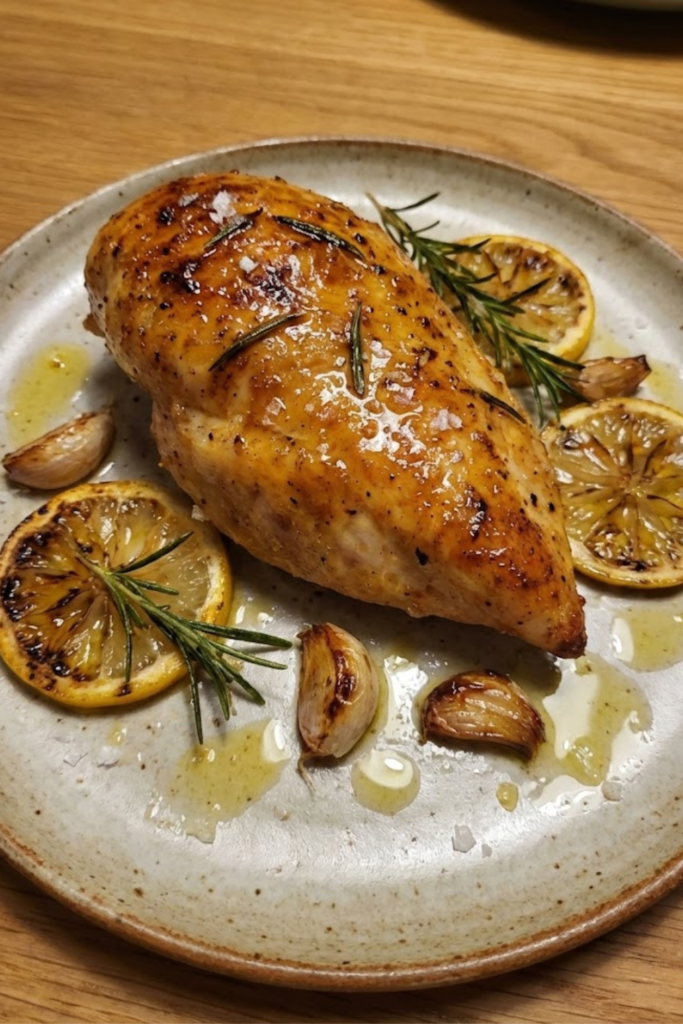
Today, we are diving deep into the world of the lemon rosemary chicken breast, a dish that is honestly a total game-changer for your weekly rotation. We’re talking about zesty citrus notes clashing beautifully with earthy, woody herbs. It’s simple, it’s fast, and if you follow these steps, it’s going to be the juiciest bird you’ve ever tasted!
Selecting the Finest Ingredients for Success
Honestly, if you want your lemon rosemary chicken breast to taste like it came from a fancy restaurant, you have to be picky at the grocery store. I learned this lesson the hard way. One time, I bought the cheapest bag of frozen chicken I could find because I was trying to save a few bucks. It was full of salty water, and when I tried to cook it, the meat just boiled in its own juices. It was a grey, rubbery mess. Since then, I’ve become a bit of a stickler for what goes into my cart. If you start with high-quality stuff, the stove does most of the hard work for you.
Why Air-Chilled Chicken Matters
When you are looking at the poultry section, try to find a package that says “air-chilled.” Most cheap chicken is cooled down in big vats of cold water, which the meat soaks up like a sponge. When that extra water hits your hot pan, it turns into steam. You’ll never get that pretty brown crust we all want if the meat is leaking water. Air-chilled chicken tastes more like real chicken and stays much juicier. It costs a couple of dollars more, but it’s worth it because you aren’t paying for water weight.
Stick with Fresh Rosemary
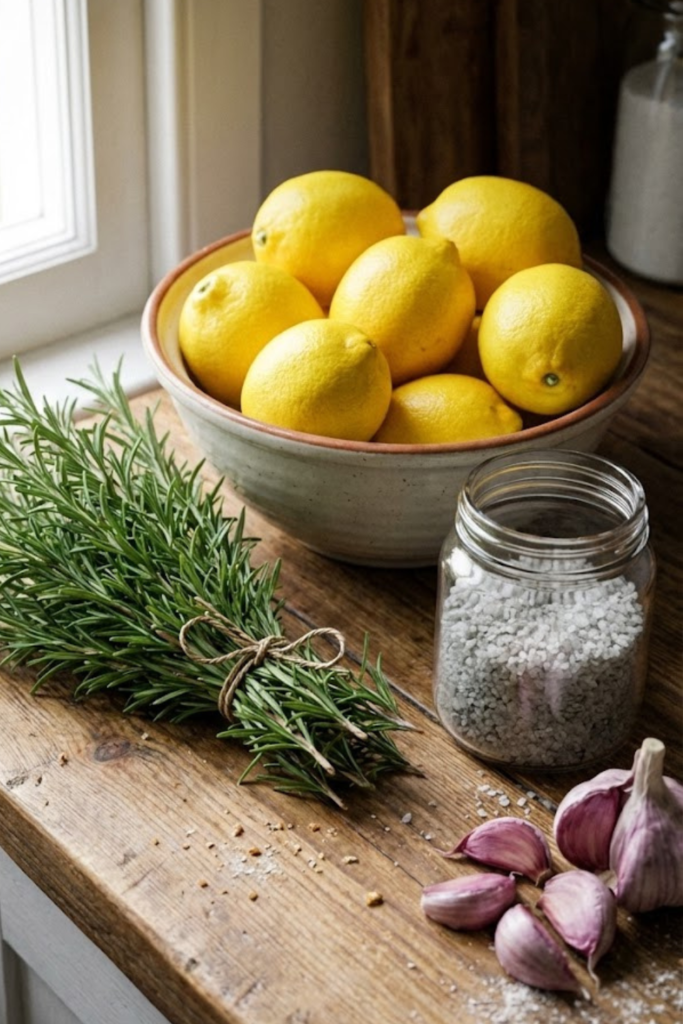
I have a jar of dried rosemary in my pantry that has probably been there for years. Please, do yourself a favor and leave that stuff in the back of the shelf. Dried rosemary is hard and pointy. It feels like you are eating tiny wood chips or pine needles. For this lemon rosemary chicken breast, you really need the fresh sprigs from the produce aisle. They are soft and have these amazing oils that smell like a fresh forest. When those green needles hit the hot oil, the smell fills your whole house. It’s one of my favorite parts about cooking this meal.
Picking the Best Lemons and Oil
Don’t just grab the first yellow lemon you see. Pick them up and squeeze them a little! You want the ones that feel heavy for their size. A heavy lemon means it is full of juice and hasn’t dried out. Also, check the skin. Thinner, smoother skin usually means more juice and less of that bitter white stuff inside. For your oil, grab something like avocado oil or a light olive oil. Stay away from butter at the very start because it burns too fast. You want an oil that can handle the heat without smoking up your kitchen. Make sure your garlic is firm too, because old garlic can taste pretty sour.
Prepping and Marinating for Deep Flavor
I’ll be honest, I used to be really lazy about prep work. I would just pull the chicken out of the plastic package and toss it right into the pan. But chicken breasts are shaped pretty weird—they are super thick on one side and skinny on the other. By the time the thick part is finally safe to eat, the skinny part is usually as dry as a piece of old wood. I learned that you have to take a few minutes to get the meat ready before you ever turn on the stove. This is the part where you actually build the foundation for a great meal.
Get Everything Level with a Mallet
I like to put my chicken between two pieces of plastic wrap or inside a large freezer bag. Then, I take a heavy meat mallet—or even just the bottom of a heavy cast iron skillet if you don’t have fancy kitchen tools—and I give it a few good whacks. You aren’t trying to flatten it into a pancake; you just want the whole piece of meat to be about the same thickness, maybe half an inch or so. This makes sure every single bite of your lemon rosemary chicken breast cooks at the exact same speed. It’s also a pretty good way to get out some stress after a long day at school!
Mixing Your Lemon and Herb Bath
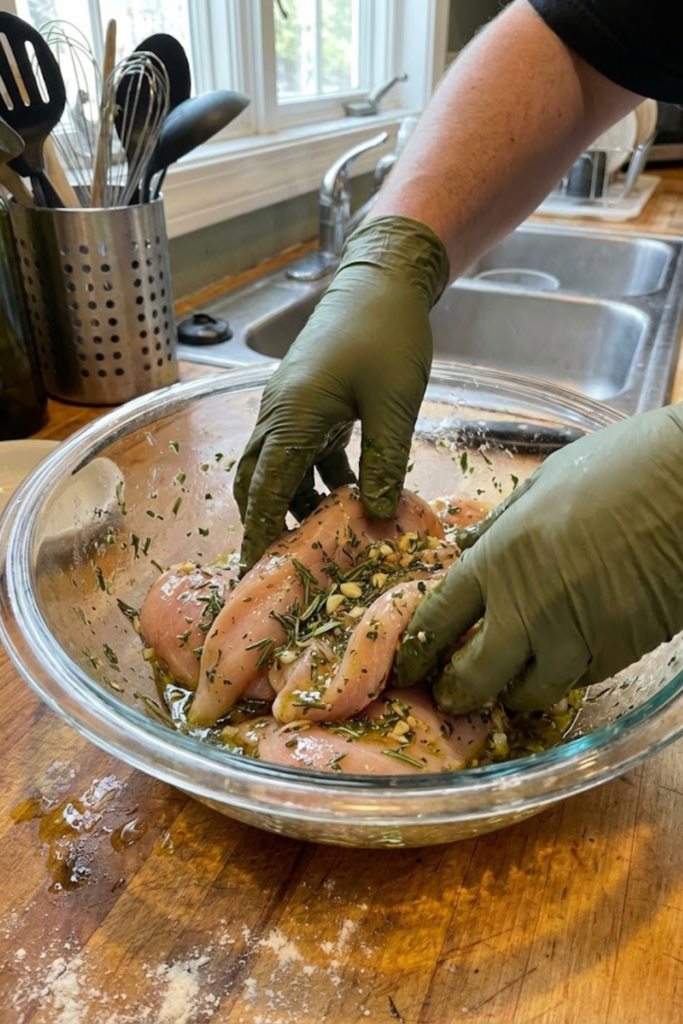
For the marinade, I always start with the lemon zest. Most people just use the juice, but the yellow skin is where all those bright, punchy oils live. I mix that zest with some crushed garlic and the rosemary. I like to “bruise” the rosemary by rubbing it between my palms or hitting it with the back of a knife before I put it in. This wakes up the herb and gets the flavor moving. Add a good splash of olive oil and a lot of sea salt. Please, don’t be shy with the salt! It helps the flavors soak deep into the meat instead of just sitting on the surface.
The Danger of Over-Marinating
Now, don’t go leaving this in the fridge for twelve hours or overnight. Because of the acid in the lemon juice, the meat can actually start to get a weird, mushy texture if it sits too long. I usually find that thirty minutes to an hour is the sweet spot. It gives the rosemary and garlic enough time to settle in without ruining the texture of the poultry. Just keep it in the fridge while it’s soaking so everything stays safe and fresh. This simple step is what makes the difference between a boring, tough dinner and something your family will actually ask for again next week.
Mastering the Sear: Cooking Techniques for Juiciness
I have to tell you, I’ve ruined more family dinners than I’d like to admit. One time, I served my family chicken that was so dry and tough, it felt like we were chewing on old leather belts! My husband actually tried to be nice about it, but I saw him reach for a giant glass of water after every single bite. It was totally embarrassing, and I realized then that I had no clue what I was doing with heat. If you want a perfect lemon rosemary chicken breast, you have to understand that the stove is a tool, not just a heat source. Mastering the temperature is the secret to keeping that meat tender.
The Magic of the Sizzle
The biggest mistake I used to make was being way too impatient. I would toss my meat into a cold pan and just watch it soak up oil like a sponge. That’s a one-way ticket to a soggy, sad meal. You have to get that skillet screaming hot before the bird even touches the surface! When you drop the meat in, it should make a loud “TSST” sound. If it’s quiet, take it out and wait! I usually wait for a tiny bit of smoke to rise from the oil. This creates that beautiful golden-brown crust that holds in all those citrusy juices. Without that high heat, your herbs will just turn gray instead of becoming fragrant and delicious.
Why You Need a Meat Thermometer
For years, I thought I could tell if chicken was done by poking it with my finger. Honestly, that was just a guessing game that usually ended in disaster. Do yourself a favor and buy a digital meat thermometer right now. It is the only way to be sure. You want to pull the lemon rosemary chicken breast off the heat when it hits exactly 160°F. I know the official rules say 165°F, but the temperature keeps rising while it sits on the plate. If you wait until it hits 165°F in the pan, it will be 170°F by the time you eat it, and it will be dry again.
Hands Off and Let It Rest
Another thing I learned the hard way is to stop messing with the meat. I used to flip the chicken every thirty seconds because I was nervous. Just let it sit there for about 5 or 6 minutes per side. If the meat sticks to the pan when you try to flip it, it isn’t ready yet! It will release itself once that crust is formed. Most importantly, once you pull it out, let it rest on a plate for five minutes. If you cut it right away, all the juice runs out and you’re back to eating a flip-flop. Patience is the hardest part of cooking, but it’s what makes the food taste great.

Serving Your Masterpiece and Final Thoughts
Once you have that perfect lemon rosemary chicken breast resting on your cutting board, you might be wondering what to put next to it on the plate. In my house, I try to keep things pretty simple because after a long day of teaching, I don’t want to wash ten different pots and pans. I usually go for things that can soak up any of those extra lemon juices left in the pan. A pile of fluffy mashed potatoes or even some simple white rice works great. If you want to keep it a bit lighter, a big green salad with a tart dressing really brings out the herbal notes of the rosemary. My kids actually love it when I roast some asparagus right in the same pan while the chicken is resting.
What to Do with Leftovers
If you are lucky enough to have any chicken left over, don’t let it go to waste! One of the best things about this lemon rosemary chicken breast is that it tastes even better the next day after the flavors have had more time to hang out together in the fridge. I love slicing the cold chicken thin and putting it on top of a Caesar salad for lunch the next day. You could even chop it up and mix it with a little bit of mayo and celery to make a fancy chicken salad sandwich. Just make sure you store it in a container that shuts tight so the meat doesn’t get dry. When you reheat it, do it slowly in a pan with a tiny splash of water or broth so it stays moist.
Don’t Be Afraid to Experiment
I want you to remember that cooking is supposed to be fun, not a test you have to pass. The first time I made this, I accidentally used way too much lemon and we all made “sour faces” through the whole meal. It was a funny memory, and I just used less next time! You can try adding a little bit of honey if you like things sweet, or some red pepper flakes if you want a little bit of a kick. The more you make this lemon rosemary chicken breast, the more you will figure out exactly how your family likes it.
Final Thoughts and Sharing
I really hope this guide helps you feel more confident in your kitchen. There is something so special about sitting down to a meal that smells this good and knowing you made it yourself from scratch. It’s a great way to show your family you care about them without having to say a word. If you found these tips helpful and your chicken turned out juicy and delicious, please share this on Pinterest! It helps other home cooks find these tricks and keeps them from serving dry dinner ever again. Now, go enjoy your meal while it’s still warm!