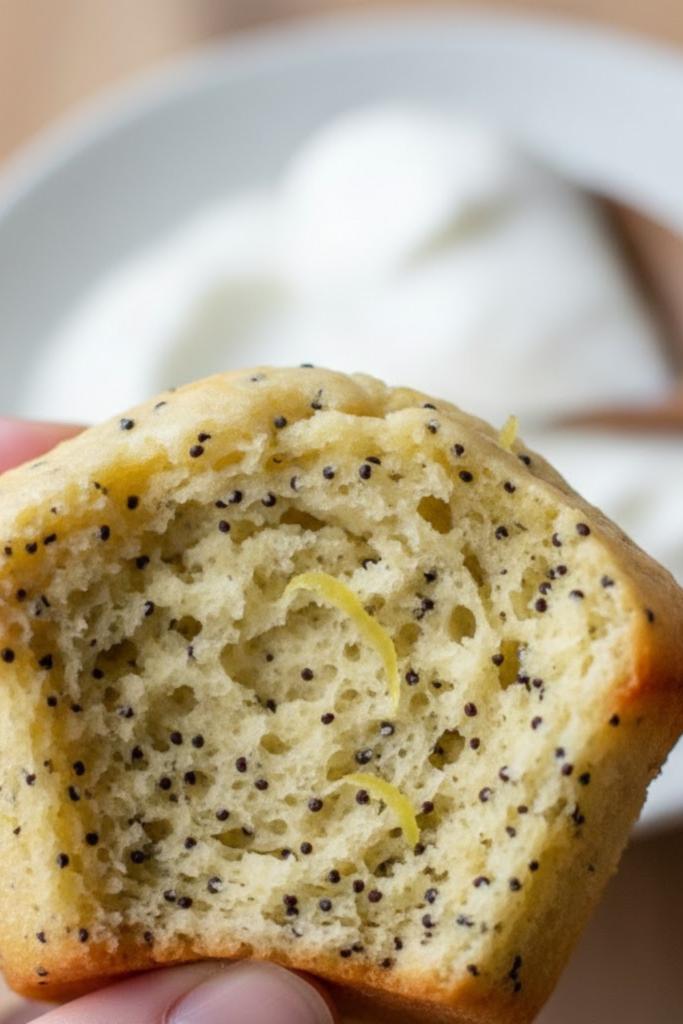
I used to think that “dry” was just a personality trait for muffins, but I was so wrong! There is nothing worse than biting into a lemon poppy seed muffin and feeling like you need a gallon of water just to swallow it. Honestly, I’ve had my fair share of baking disasters that looked more like hockey pucks than breakfast treats. But did you know that using Greek yogurt in your batter can actually increase the moisture retention by nearly 30% compared to traditional milk? It’s a total game-changer for anyone craving that tangy, zesty flavor without the sawdust texture! Let’s dive into how you can make the most mouthwatering muffins of 2026 right in your own kitchen.

Why Greek Yogurt is the Secret to Moisture
I can’t even tell you how many batches of muffins I ruined before I figured this out. I used to follow those old recipes that just called for milk, and my muffins always came out so dry they’d practically turn to dust in your mouth. It was pretty embarrassing when I’d bring them to school for the other teachers and see everyone reaching for extra coffee just to wash them down. Then I started swapping the milk for Greek yogurt, and it was like a lightbulb went off.
The reason it works so well is actually pretty simple. Greek yogurt is thick and full of acid. When that acid hits the baking soda in your batter, it starts a chemical reaction. It creates all these tiny bubbles that lift the cake up and make it super light. Without that acid, your muffins can end up heavy and sad. I usually tell people to go for the full-fat yogurt if they can find it. The extra fat helps create a really tender crumb—that’s just a fancy word for the texture inside. If you use fat-free yogurt, the muffins might get a little gummy, and trust me, nobody likes a gummy muffin.
Another thing I love is the protein. Since I’m usually running around all day, having a breakfast that actually has some staying power is a big deal. The yogurt adds a nice little protein boost that you don’t get with just butter and flour. Just a quick tip from my kitchen to yours: don’t stir the yogurt too much before you add it in. You want it to stay thick so it holds that moisture inside the muffin while it bakes in the oven. It makes a world of difference, and you’ll definitely notice how much longer these stay fresh on your counter.
Choosing the Right Lemons for Maximum Zest
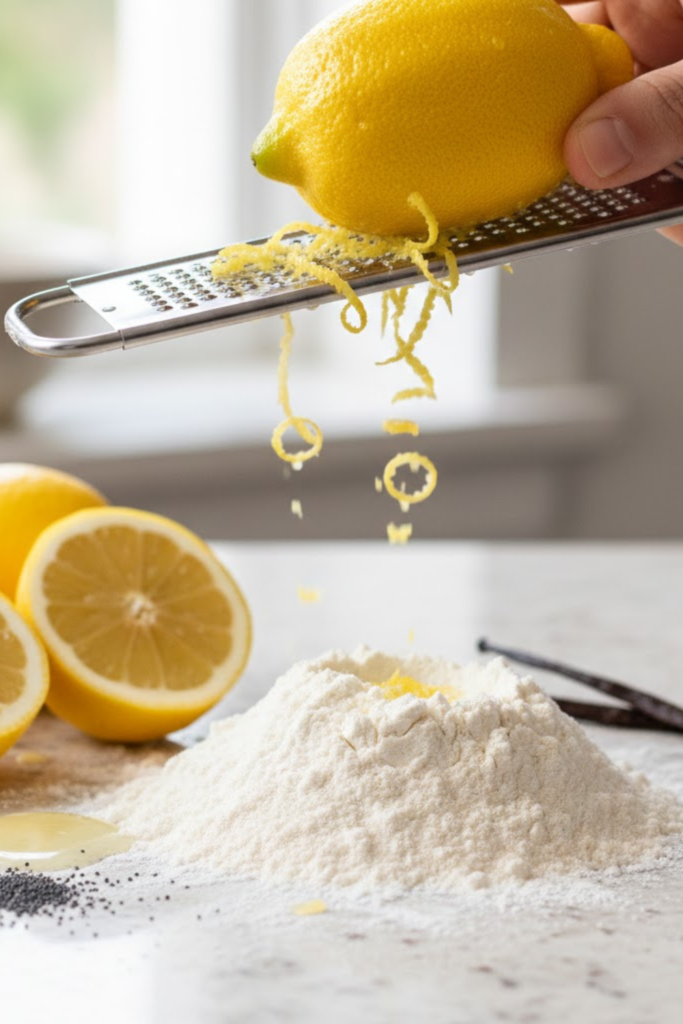
I remember one time I was in a rush and just bought a bottle of that lemon juice shaped like a plastic lemon. Big mistake! My muffins tasted like floor cleaner instead of a fresh treat. If you want that bright, zingy flavor, you really have to use real lemons. I usually look for Eureka lemons—those are the standard ones at the grocery store—because they have that sharp tang I love. But if I’m feeling fancy, I’ll grab Meyer lemons. They’re a bit sweeter, almost like a cross between an orange and a lemon, and they make the muffins taste extra special.
When you’re getting the zest off, make sure you don’t go too deep. You only want the yellow part. That white stuff underneath is the pith and it’s super bitter. I learned that the hard way when I got too aggressive with my grater and ended up with muffins that left a sour, weird taste in my mouth. Now, I just do a light pass with my zester.
Also, always zest your lemons before you squeeze the juice out. It’s almost impossible to zest a squishy lemon half that’s already been squeezed. Believe me, I’ve tried and it’s just a big, wet mess! Fresh juice is always better because the bottled stuff has preservatives that can ruin the delicate balance of the Greek yogurt.
The Science of Poppy Seeds: Crunch and Flavor
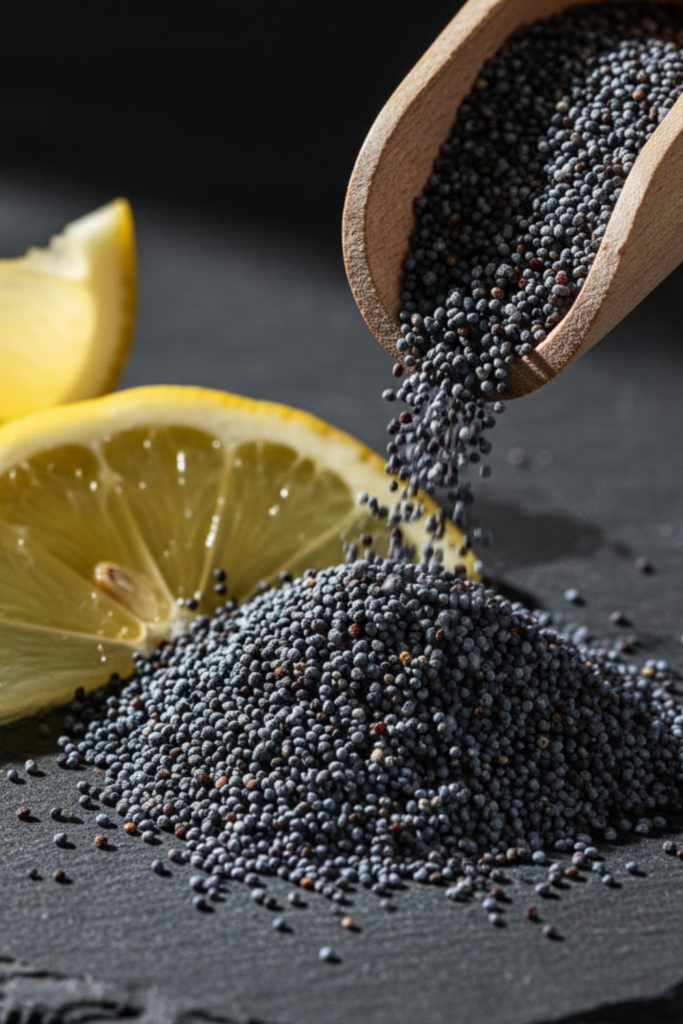
I used to think those tiny little black dots were just for looks, like some kind of edible confetti. I didn’t realize they actually had a flavor until I accidentally used a bag of seeds that had been sitting in my pantry since who-knows-when. They tasted like old, dusty cardboard! It turns out that poppy seeds have a lot of natural oils in them, which means they can go bad pretty fast if you don’t store them right. Now, I always keep my poppy seeds in the freezer. It sounds a bit weird, but it keeps them tasting sweet and nutty instead of bitter.
When you’re mixing them into your lemon batter, you really want to pay attention to the texture. The whole point of a poppy seed muffin is that “snap” you get when you bite into the soft cake. It’s that contrast that makes them so satisfying to eat. I’ve found that two tablespoons is usually the perfect amount for a dozen muffins. If you add too many, it feels a bit like you’re eating sand, which is definitely not the vibe we’re going for in 2026!
One thing I’ve noticed is that some people like to soak their seeds in the lemon juice first. I tried that once, and honestly, I didn’t think it made a huge difference. I prefer just whisking them in with the dry ingredients. It keeps them crunchy, and they stay spread out better so you don’t get a big clump of seeds in one bite. Just make sure you give the bag a quick sniff before you pour them in. If they smell like anything other than slightly nutty, toss them out and get a fresh bag. Your taste buds will thank you!
Step-by-Step Guide to the Perfect Muffin Batter
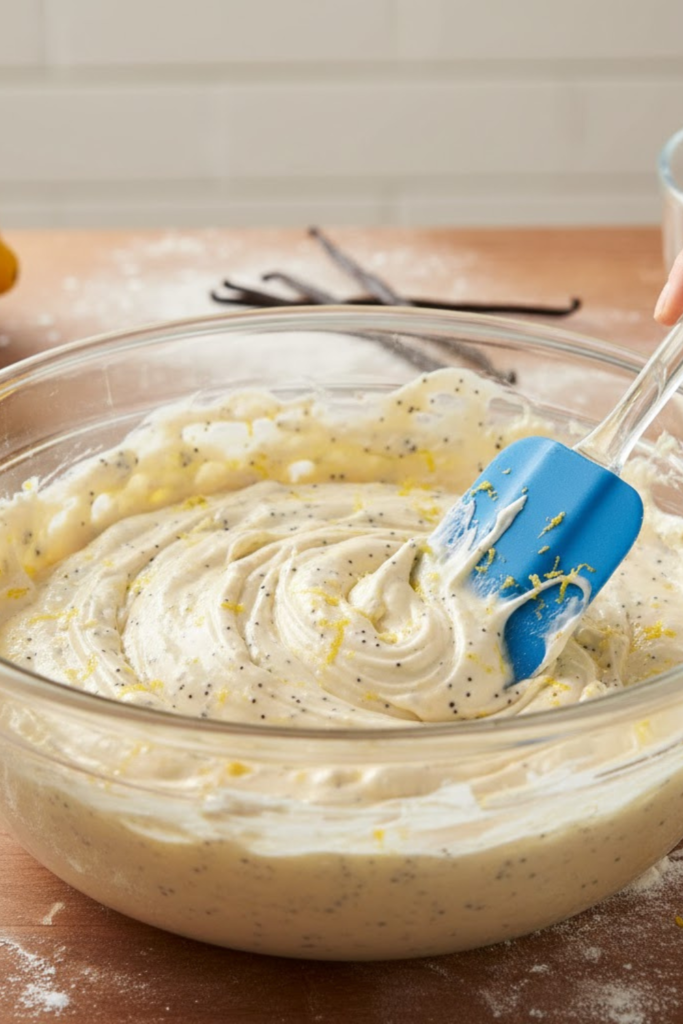
Okay, let’s talk about the actual mixing part, because this is where a lot of people mess up. I used to be one of those people who thought you had to beat the batter until it was perfectly smooth. I’d use my electric mixer and just go to town on it. The muffins always came out like rubber balls! My husband actually joked that we could use them for a game of catch in the backyard. It was pretty bad, and honestly, a waste of good ingredients.
The trick I learned is called “folding.” You want to use a big rubber spatula and just gently turn the batter over on itself. Stop the second you don’t see any more white streaks of flour. If you keep going, you’re making gluten, and that makes the muffins tough and chewy instead of soft. Just leave those little lumps in there; they disappear when they bake anyway. I tell my students all the time: “lumpy batter makes happy muffins.”
Now, for the oven. If you want those tall, pretty muffin tops like you see in fancy bakeries, you need some serious heat right away. I usually start my oven at 425 degrees for the first five minutes. It gives the batter a quick burst of steam that pushes the tops up high. Then, I turn it down to 375 for the rest of the time so the middles can finish cooking without burning the edges.
You’ll know they’re finished when you poke the top with your finger and it springs back, or if a toothpick comes out with just a couple of moist crumbs. Don’t wait until the toothpick is bone dry, or you’ve probably gone too far and they’ll be dry. I usually start checking around the 15-minute mark because every oven is a little bit different. My old oven at my last house used to run hot on the left side, so I’d have to rotate the pan halfway through. If your oven is like that, just be quick about it so you don’t lose all your heat!
I really hope you give these a try this weekend. Seriously, once you taste how moist that Greek yogurt makes them, you’ll be hooked just like I was. It’s funny how one simple ingredient change can take a recipe from “trash” to “total treasure,” right? I remember my family used to groan when they saw lemon muffins on the counter because they knew they’d be dry, but now these disappear before they even finish cooling down on the rack.
Just remember the big things we talked about: keep those poppy seeds in the freezer so they stay fresh, use real lemons for that zing, and whatever you do, please don’t over-mix that batter! If you follow those simple steps, you’re going to have the best breakfast of 2026. If you have any trouble or if yours come out looking a little wonky, just leave me a comment. I’ve made every mistake in the book—from forgetting the baking soda to accidentally using salt instead of sugar—so I can probably help you figure out what happened.
Now, go get your apron on and start baking! There’s nothing like the smell of fresh lemon in the house to make the morning feel a little brighter. And hey, if they turn out as beautiful as I know they will, please share this recipe on Pinterest so your friends can see what they’re missing out on!