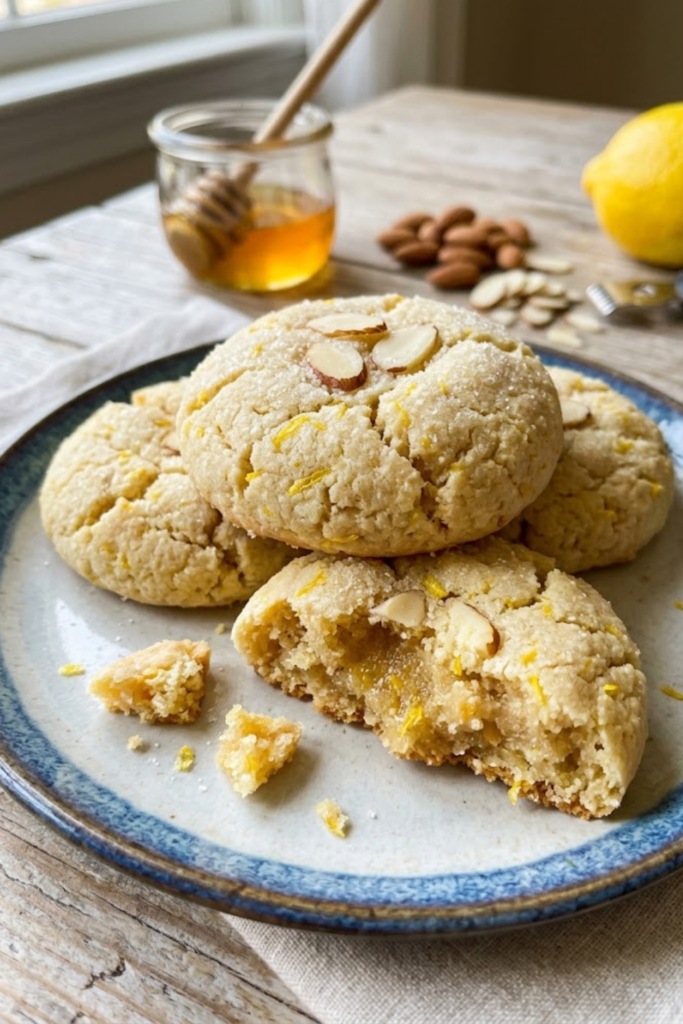
I honestly think a good cookie can fix just about any bad day at school. Did you know that lemon is actually the second most popular cookie flavor in the world right after chocolate chip? I found that out during a bake sale last year when my lemon almond cookies sold out in about ten minutes! My chocolate ones just sat there looking sad.
I’m a teacher, so I spend a lot of my time explaining things, but baking is where I really get to experiment. These cookies are my “secret weapon” for when I need a treat that feels fancy but isn’t hard to make. They have this amazing chewy texture because of the almond flour. Plus, the citrus just wakes up your taste buds. It’s like a little bite of sunshine, even if it’s raining outside!
Why You’ll Fall in Love with Almond Flour Baking
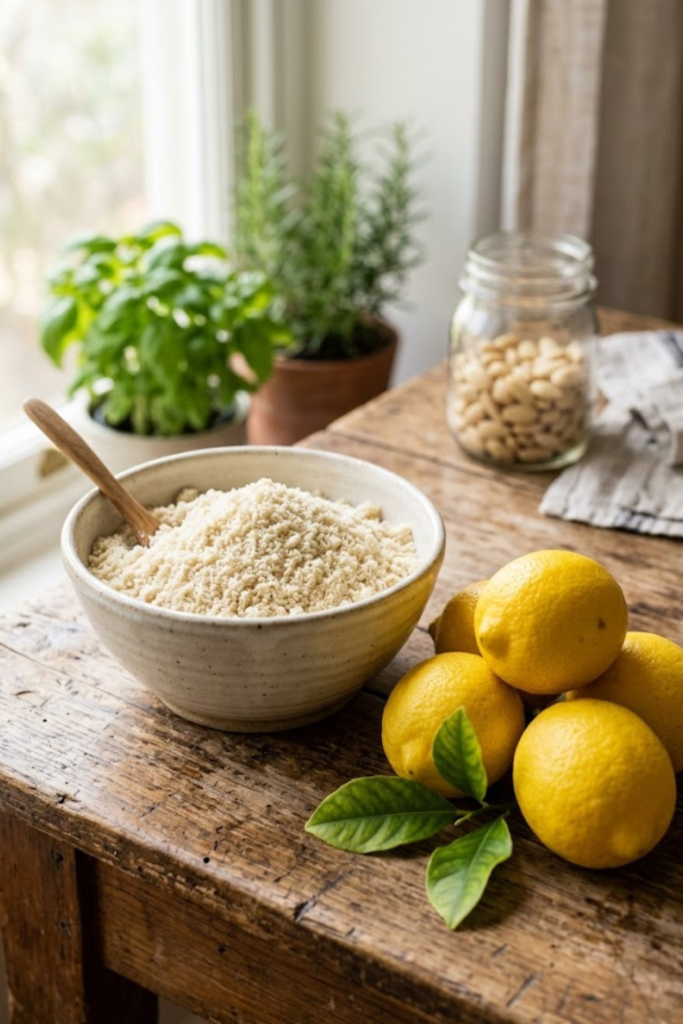
I used to be pretty scared of any flour that didn’t come in a giant white paper bag from the grocery store. For a long time, I thought almond flour was just for fancy French chefs who have way more patience than I do. But honestly, once I started using it for these lemon almond cookies, I realized I had been missing out for years. Almond flour isn’t just a backup for people who can’t eat wheat; it is actually a better choice for the flavor and for how the cookie feels in your mouth. It changed the way I look at my pantry.
That Magic Marzipan Texture
The biggest reason I love it is the chewiness. Regular flour has gluten, and if you mix it even a little bit too much, your cookies get tough like a piece of old bread. Almond flour doesn’t do that at all. Since it is basically just ground-up nuts, it stays soft no matter what you do to it. It gives the cookies a texture that is a lot like marzipan or those expensive Italian treats you see in glass cases at the mall. Last Tuesday, I brought a batch to the staff room and one of the math teachers asked if I had bought them from a bakery downtown. That’s the power of the almond! It creates a dense, moist middle that just melts away when you take a bite.
A Win for Everyone at the Table
Another thing I appreciate as a teacher is that it’s naturally gluten-free. I have so many friends and students these days who get a bad stomach ache from regular flour. It is nice to make something that everyone can actually enjoy together without feeling left out. You don’t have to buy five different weird gums or chemical powders to make it work, either. The almond flour does all the work by itself. I remember the first time I made these for a school bake sale. I didn’t even put a “gluten-free” sign on them, and they were the first things to go. People just liked them because they tasted rich.
Staying Moist for Days
Lastly, these cookies don’t get stale nearly as fast as normal ones. The healthy fats in the almonds keep the moisture locked inside. I’ve found a forgotten bag of these in my desk on a Friday that I baked on Sunday, and they were still perfectly soft. Most cookies turn into rocks after twenty-four hours, but these stay fresh. It makes my life easier when I want to bake on the weekend and have snacks ready for the whole week. You won’t have to worry about them getting dry and crumbly by the next morning.
The Secret to the Perfect Citrus Punch
Getting that bright, tangy flavor into lemon almond cookies is actually a bit harder than it looks. When I first started baking, I thought that if I wanted something to taste like lemon, I just had to dump a bunch of juice into the bowl. I would squeeze three or four big lemons until my hands were all sticky and my cuts were stinging, but the cookies still came out tasting mostly like plain sugar. It was so frustrating! I wanted that “wow” factor, the kind that makes your mouth water as soon as you open the container. After a few failed batches that were too soggy from all that extra liquid, I finally learned that the real power of the fruit isn’t in the juice at all. It’s hidden in the parts we usually throw away.
Why Zest is the Real Star
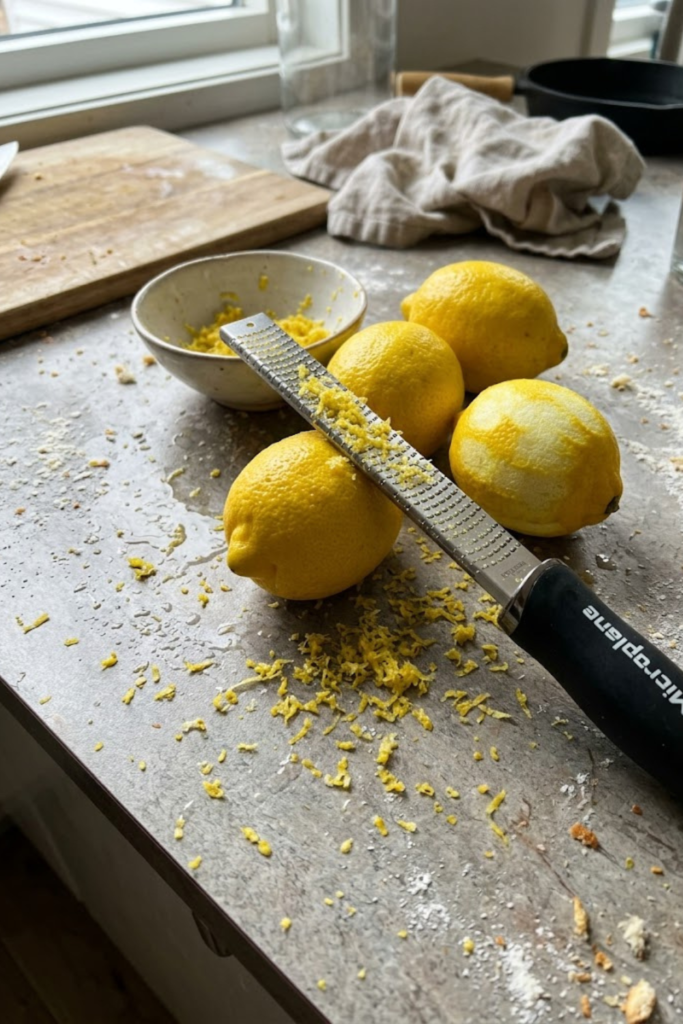
The real secret to making these cookies pop is the zest. That bright yellow skin is packed with tiny pockets of natural oil. I always tell my students that the zest is like a flavor warehouse. When you grate that skin into your dough, those oils are released and they spread through the whole cookie. It makes the house smell amazing, too! I used to use a regular old cheese grater, but that was a mistake. It always took off too much of the white stuff underneath, which is called the pith. The pith is super bitter and can ruin your dessert. Now, I use a microplane, which is a long, skinny tool that only takes off the very top layer. It’s much easier on your hands and gives you a way better result.
Say No to the Plastic Lemon
I know it is tempting to buy that little plastic lemon bottle at the store. I’ve been there! When you are tired after a long day at school, you just want to take the easy way out. But please, don’t do it. That bottled juice has preservatives that give it a weird, metallic aftertaste. If you want your lemon almond cookies to taste fresh and high-quality, you have to use the real thing. Buying fresh lemons is worth the extra two minutes it takes to cut them open. Plus, if you roll the lemon on the counter with your palm before you slice it, you get way more juice out of it. It’s a great way to get out some of that teacher stress before you start mixing your dough.
The Buddy System: Lemon and Almond
One last trick I found is using a tiny bit of almond extract. Even though these are citrus cookies, the almond extract acts like a “buddy” to the lemon. It’s funny how they work together. The extract has a sweet, deep smell that actually makes the tartness of the lemon seem even stronger and brighter. You don’t need much—just a tiny half-teaspoon will do the trick. If you add too much, it will start to taste like a cherry pit, so be careful with your measuring. When you get the balance right, it creates a flavor that is so much better than just using one or the other.
Step-by-Step: Mixing Your Way to Cookie Heaven
When I first started making lemon almond cookies, I thought I could just throw everything into a big bowl and turn my electric mixer on high. I wanted to get it over with so I could sit on the couch and relax. But I quickly learned that these cookies need a little more love than a standard batch of chocolate chips. Mixing the dough is actually a very peaceful process once you get the hang of it. It’s almost like a science experiment in my classroom; if you follow the steps in the right order, everything works out great. If you rush it, you might end up with a sticky mess that doesn’t want to cooperate.
Getting the Base Right
The first thing you want to do is get your wet ingredients ready. I usually grab a medium-sized bowl and whisk my eggs and honey together until they look a bit frothy. One time, I tried to skip the whisking and just stirred them with a spoon, but the cookies came out way too heavy. You want to get some air in there! If you are using a liquid sweetener like honey or maple syrup, make sure it is at room temperature. If it’s too cold, it won’t mix in evenly with the eggs. I learned that the hard way when I tried to use honey straight from the fridge and ended up with weird little sweet clumps in my finished lemon almond cookies.
The Gentle Touch
Once your wet stuff is bubbly and your dry stuff is mixed, it is time to bring them together. This is where a lot of people make a mistake. You don’t want to use a big heavy mixer for this part. I always use a silicone spatula and just gently fold the flour into the egg mixture. It takes a little bit of muscle, but it keeps the dough light. If you overwork the dough, the cookies can get a bit tough, even with almond flour. I tell my students it’s like folding a piece of paper—you want to be careful and deliberate. Just keep stirring until you don’t see any white streaks of flour left.
Patience is a Virtue
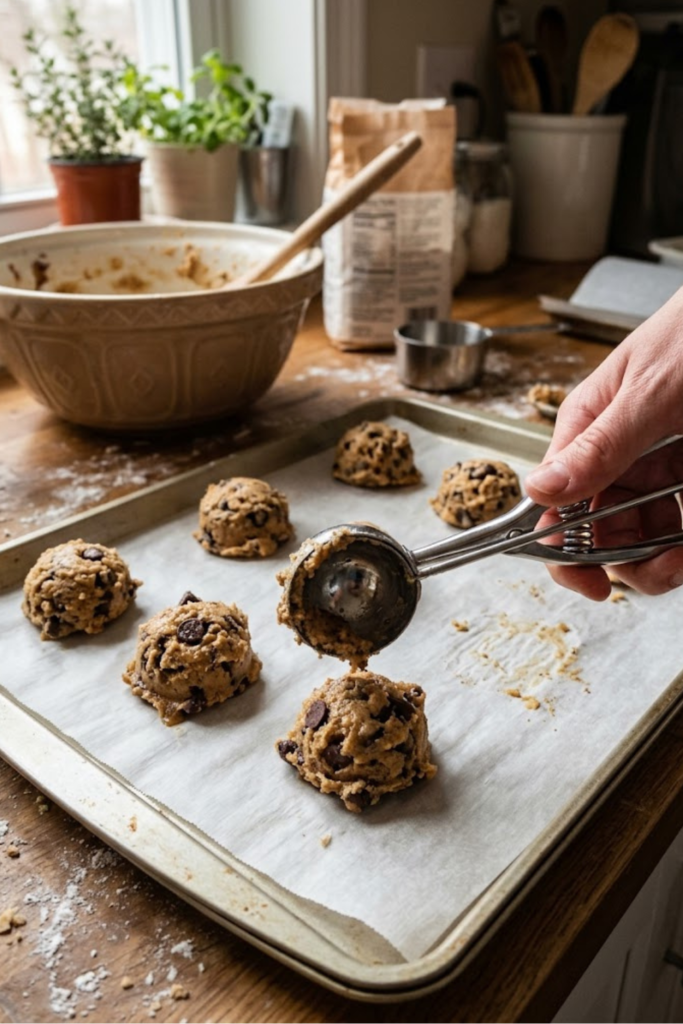
Now comes the hardest part of the whole recipe: the waiting. You really need to put that dough in the fridge for at least thirty minutes. I know it’s hard when your kitchen already smells like citrus, but it’s worth it. Chilling the dough helps the almond flour soak up the moisture. If you bake them right away, the lemon almond cookies will spread out and get really thin. I call those “puddle cookies.” They still taste okay, but they aren’t very pretty. Giving the dough a little nap in the fridge makes it much easier to roll into nice, neat balls that hold their shape in the oven.
Common Blunders and How to Avoid Them
I have messed up more batches of cookies than I can count. Honestly, as a teacher, I tell my students all the time that making mistakes is the best way to get smarter. It’s the same in the kitchen. When I first started making these lemon almond cookies, I had a few disasters that almost made me want to give up. One time, I left them in too long and they were so hard we had to dip them in coffee just to bite into them! Another time, they were so dry they crumbled into dust as soon as I picked them up. But if you watch out for a few common slip-ups, yours will come out perfect every single time.
The Danger of Waiting for Brown
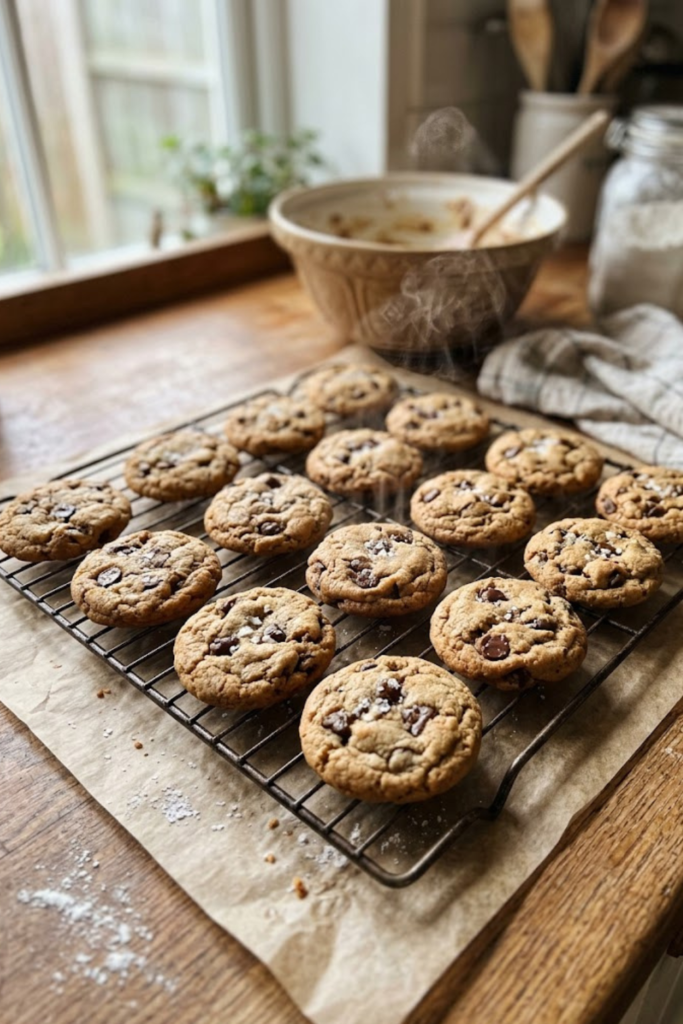
The biggest mistake people make with these is overbaking. In a regular cookie, you usually wait for the top to turn a nice golden brown. If you wait for that with lemon almond cookies, you’ve already lost the battle. These cookies stay pretty pale on top because of the almond flour and the way the ingredients react to heat. You have to look at the very edges. The second the bottom rim starts to look a tiny bit tan, take them out! They will look undercooked and very soft, but that is exactly what you want. They firm up as they cool on the tray. If they look “done” in the oven, they will be like rocks by the time they get to the plate.
Measuring the Right Way
Another thing that trips people up is how they measure the flour. I used to just jam my measuring cup into the bag and level it off. The problem is that almond flour is heavy and it packs down really tight. If you pack it too much, you end up using way more flour than the recipe needs. That’s why some people get dry cookies. If you have a kitchen scale, use it! It’s much better for getting the right amount. If you don’t have one, use a spoon to scoop the flour into the cup and then level it with a knife. This keeps it light and fluffy so your cookies stay moist.
Don’t Trust the Dial
Lastly, your oven might be lying to you. Most ovens aren’t actually the temperature the dial says they are. Mine is usually about fifteen degrees colder than it’s supposed to be. I bought a cheap little oven thermometer to hang on the rack, and it changed my life. If your oven is too hot, the outside of the cookie will burn before the middle is set. If it’s too cold, they will just melt into a big puddle. Spend the five bucks on a thermometer—it’s a great investment for your baking.
Share the Sweetness!
I hope you really enjoy making these lemon almond cookies as much as I do. Baking is a lot like my job in the classroom. Some days everything goes perfectly, and the students all understand the lesson on the first try. Other days, things get a bit messy, and you just have to laugh it off and try again. But that is what makes it fun! There is something so satisfying about taking simple things like nuts and fruit and turning them into something that makes people smile. Whenever I pull a fresh tray of these out of the oven, I feel like I have accomplished something great. It is a little win that makes the rest of the week feel a bit lighter.
I remember the first time I got the recipe exactly right. I sat on my kitchen floor with a warm cookie and a glass of cold milk, and I just felt so proud. Since then, these have become my go-to treat for everything. Whether it is a school bake sale, a stressful teacher’s meeting, or just a quiet Sunday brunch at home, these cookies always fit the mood. They are fancy enough to impress your neighbors but simple enough that you can whip them up even if you are exhausted. Plus, since they stay fresh for so long, you can make a big batch and have a little piece of sunshine waiting for you every day after work.
Before you go and start preheating your oven, just remember the big points we talked about. Use the zest for that big flavor, stick with the almond flour for that amazing chew, and please, whatever you do, do not leave them in the oven for too long! If you follow those simple steps, you are going to have a dessert that everyone asks for again and again. It is such a good feeling when someone takes a bite and their eyes light up. That is the real reason I love to bake. It is about sharing something good with the people you care about.

If you decide to give these a try, I would love to hear how they turned out for you! Did you add extra zest? Did you try a different sweetener? Please share this recipe on Pinterest so your friends can find it too. It helps me share more of my favorite kitchen experiments with everyone. Happy baking, and I hope your kitchen smells like lemons all afternoon!