Did you know that Guinness has been brewing their iconic stout since 1759? That is over 250 years of history pouring right into your dinner! I still remember the first time I made these hand pies; it was a rainy Tuesday, the kind that soaks you to the bone, and I needed something that felt like a warm hug. These aren’t just pastries. They are pockets of joy. We’re talking tender chunks of beef, slow-cooked in a rich, dark gravy, all wrapped up in buttery, flaky puff pastry. It is the ultimate comfort food! Whether you are prepping for a party or just want a cozy night in, this recipe delivers big, bold flavors. Let’s get baking!
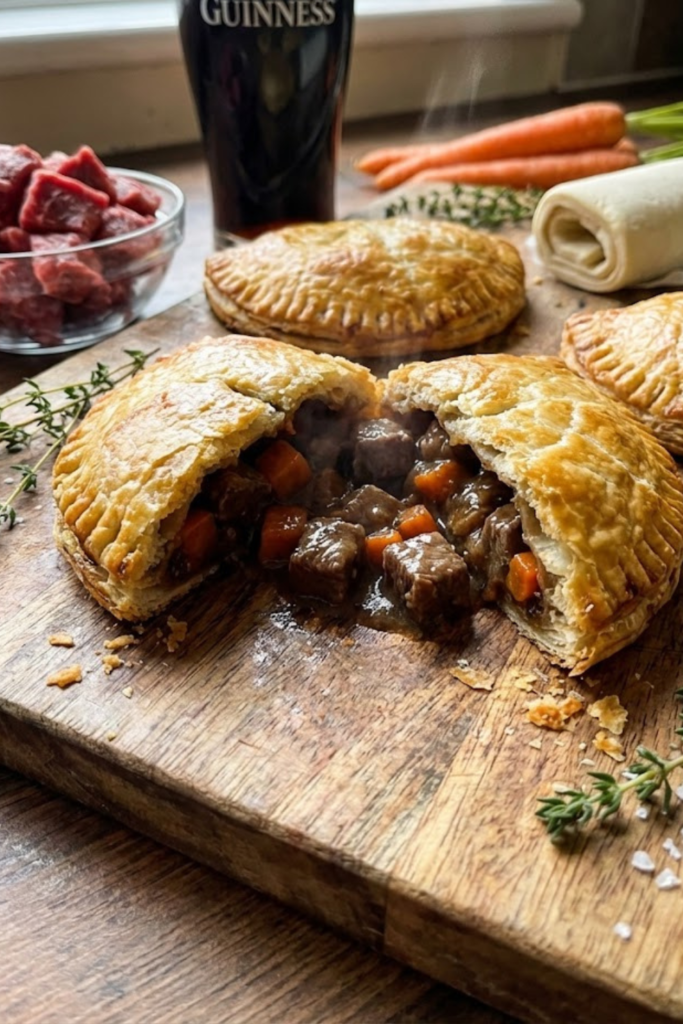
Why This Irish Beef and Guinness Stew Filling Works
I still remember the first time I tried to make these, I was totally clueless. I just ladled regular, runny soup into some dough and prayed for the best. It was a total disaster! The bottom fell out immediately, and hot gravy burned my hand. Lesson learned, right? To get these Irish Beef and Guinness Hand Pies right, you have to understand the filling is way different than a bowl of stew. It’s gotta be thick and hold its own.
Balancing the Bitter and Sweet
The magic really happens with the stout. Guinness has this deep, bitter note that cuts right through the rich beef fat. When you cook the stout down, it concentrates and gets pretty strong. That is why we load up on carrots and onions.
The veggies add natural sugar to the mix. It balances the beer perfectly so it’s not too intense. If you skip the veggies, the filling just tastes kind of harsh and one-note.
Getting the Texture Right
This is where I messed up big time before. The filling was thickened by me, but not nearly enough. For a hand pie, the gravy needs to be almost like a loose jelly when it’s cold. We use a mix of flour and a big squeeze of tomato paste to bind it all together.
If it’s too runny, it leaks everywhere in the oven. Leaking pies are sad pies, folks. You want that bite of Irish Beef and Guinness Hand Pies to hold its shape when you chomp down. Nobody wants a lap full of hot beef, believe me.
The “Cold Filling” Rule
Here is the biggest tip I can give you today. Seriously, listen to this part if you ignore everything else. You cannot put hot filling on puff pastry. It will melt the butter in the dough instantly before it even hits the oven.
The pastry won’t puff up at all. It’ll just be a greasy, flat mess that nobody wants to eat. I usually make the filling the night before I plan to bake. It sits in the fridge and the flavors get to know each other better anyway.
Plus, cold stew is way easier to scoop. It stays where you put it and doesn’t run off the edges. Making Irish Beef and Guinness Hand Pies is a two-day job for me usually. It breaks up the work and makes the final result way better.
Umami is Key
Don’t be shy with the salt or the Worcestershire sauce here. Beef needs help to taste like beef sometimes. The tomato paste isn’t really there for tomato flavor; it’s for depth. It gives that savory “umami” punch that makes you want another bite.
Trust your taste buds on this one. Taste the filling before it cools down. If it doesn’t taste amazing in the pot, it won’t taste amazing in the pie. So, take your time with the stew and let it simmer until the beef falls apart. Your patience will pay off when you pull those golden Irish Beef and Guinness Hand Pies out of the oven!
Choosing the Best Beef Cuts for Tender Pies
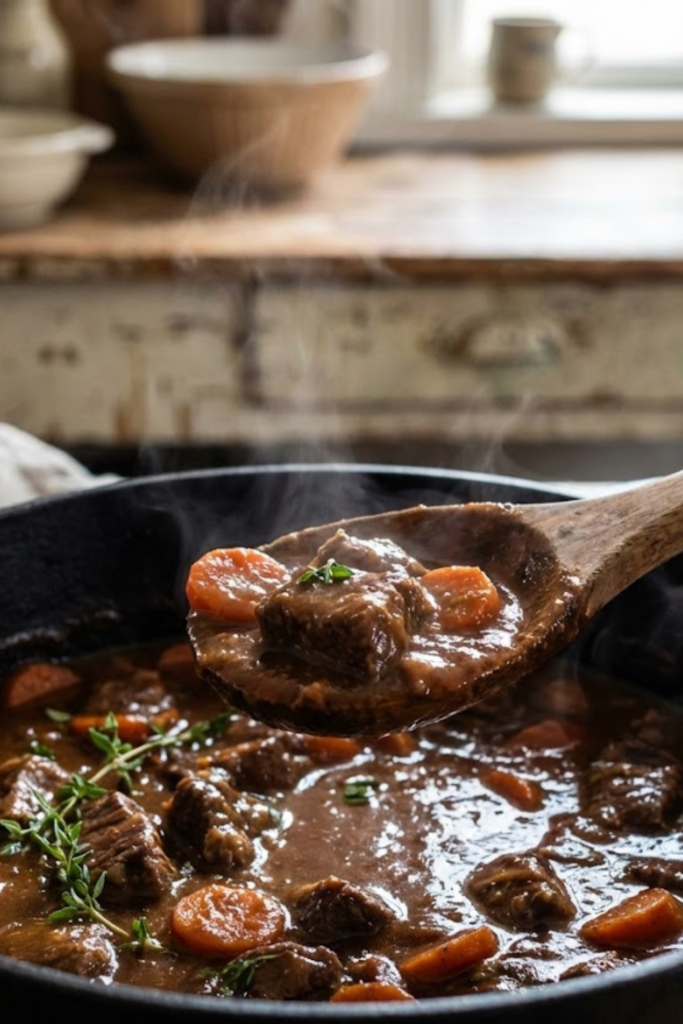
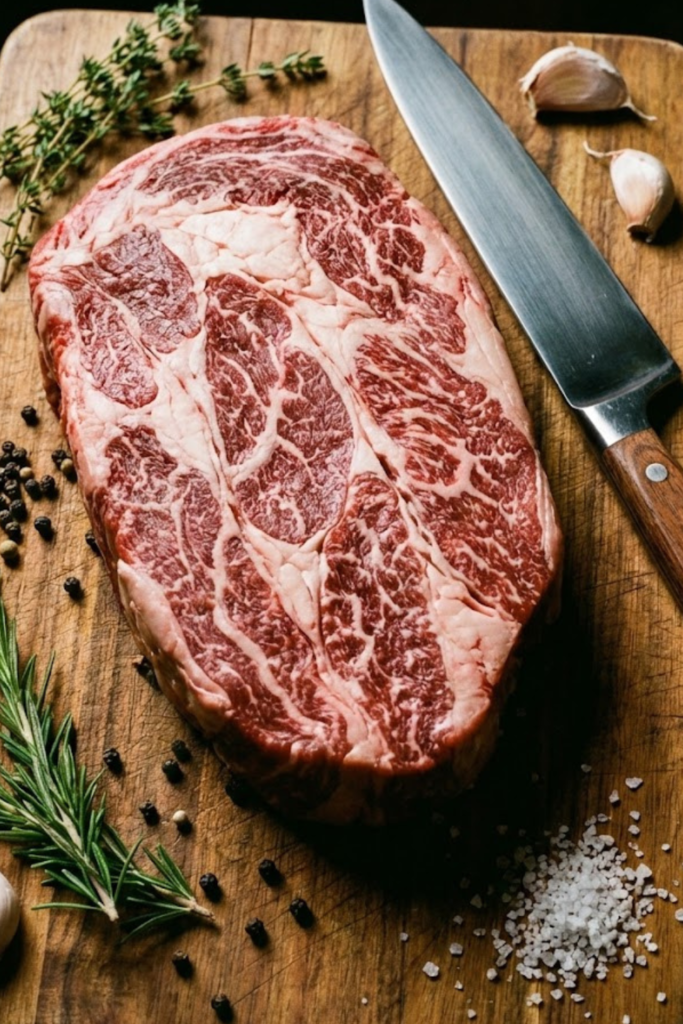
You might think grabbing that pack of pre-cut “stew meat” at the grocery store is a smart move. I used to do that all the time because, honestly, who likes cutting up raw meat? But here is the thing: those packs are often a mix of different scraps. Some pieces get tender, and others stay tough as shoe leather. It ruins the whole experience.
Why I Stick to Chuck Roast
My go-to is always a Chuck Roast. It has those white lines of fat running through it—that’s the marbling. When it cooks slow, that fat melts and bastes the meat from the inside. It makes the Irish Beef and Guinness Hand Pies incredibly juicy. Leaner cuts just dry out and get stringy, which is definitely not what we want.
I usually buy a whole roast and cut it myself. It takes five extra minutes, but the difference in taste is huge. Plus, it is often cheaper per pound than the pre-cut stuff.
Size Matters for Hand Pies
Also, you have to cut it small. Smaller than you think. Since these are hand pies, you don’t want a massive chunk of beef that drags the whole filling out when you take a bite. I aim for cubes about the size of a die (like from a board game).
If the pieces are too big, they won’t fit nicely inside the pastry, and your pies will look lumpy. Keeping them small also means they cook faster and get tender quicker.
Don’t Skip the Sear
I know it is tempting to just throw everything in the pot and turn on the heat. But searing the beef in batches until it’s dark brown adds so much flavor to the gravy. If you crowd the pan, the meat just steams and turns gray. Gray meat is sad meat!
Give the pieces space to brown. That brown crust on the meat dissolves into the sauce later and makes it taste rich and meaty. It’s worth washing the extra pan, I promise.
The Stout Does the Work
Finally, the Guinness does double duty here. It is not just for taste. The acidity in the beer helps break down the tough parts of the meat while it simmers. So even if you get a slightly tougher piece of chuck, the stout helps soften it up. Just let it simmer on low until the meat falls apart with a fork. If you rush this part, you’ll be chewing for days.
Mastering the Puff Pastry Shell
Okay, so the filling is chilling, and the beef is perfect. Now we gotta talk about the crust. Honestly, making puff pastry from scratch is… a lot. I’ve done it a few times when I felt ambitious, but usually, I just grab a box from the freezer. And you know what? It tastes just as good if you buy the right kind.
Store-Bought is Fine (Really!)
Don’t let anyone shame you for using frozen puff pastry. Life is too short to spend three hours folding butter into dough for a weeknight dinner. Just make sure you look for the “all-butter” kind if you can find it. Some cheap brands use vegetable oil or shortening, and they just don’t have that same rich flavor or lift.
If you have a Trader Joe’s nearby, their frozen puff pastry is usually pretty solid. Just check the ingredients. If it says “butter,” you are golden.
The Thaw is Important
Here is where people mess up store-bought dough. You can’t just leave it on the counter and forget about it. If it gets too warm, the butter melts, and you lose all those flaky layers.
I usually stick the box in the fridge the night before I want to bake. That way, it thaws slowly and stays cold. If you are in a rush, you can leave it on the counter for maybe 30-40 minutes, but watch it like a hawk. It should still feel cold to the touch but be flexible enough to unfold without cracking.
Rolling and Cutting
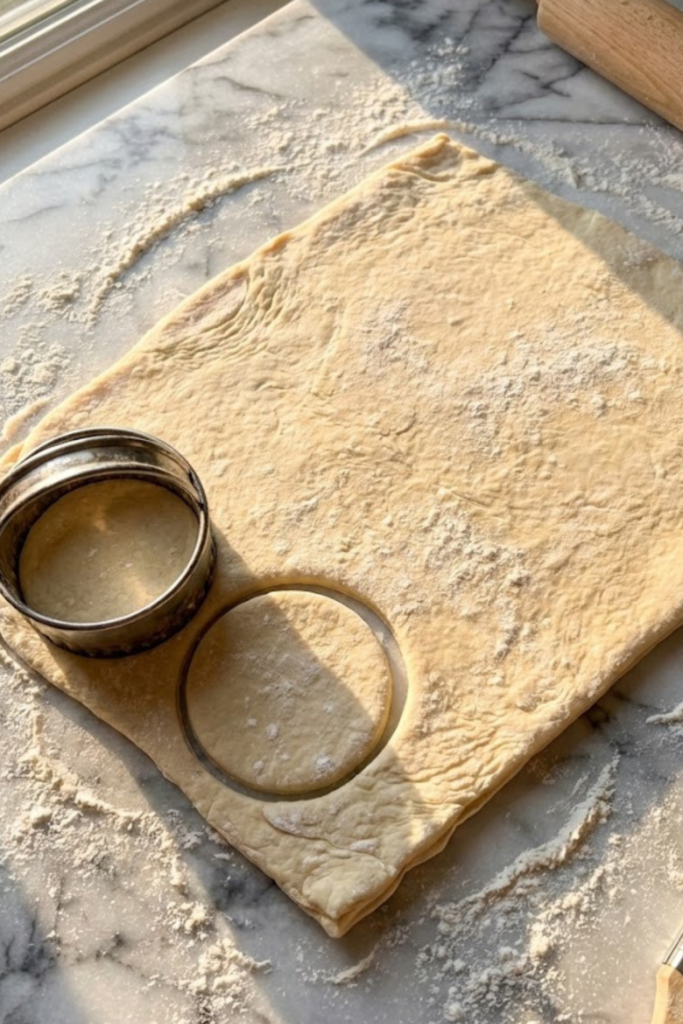
When you roll it out, don’t press down too hard. You want to keep those air pockets alive. I sprinkle a little flour on the counter so it doesn’t stick.
For Irish Beef and Guinness Hand Pies, I like to use a simple round cutter. If you don’t have one, just use a small bowl or a large mug as a guide and cut around it with a knife. It works perfectly fine. I usually get about 9-10 circles out of a standard sheet if I re-roll the scraps once.
Keep It Cold!
This is the “Chill Rule” part two. If your kitchen is hot (like mine always is when the oven is on), the dough will get sticky fast. If the circles start feeling soft or droopy while you are filling them, stop.
Put the whole tray back in the fridge for 10 minutes. Seriously. If the butter is warm when it hits the oven, it runs out instead of puffing up. You want the butter to explode (in a good way) in the heat to create those flaky layers. Cold dough into a hot oven is the secret to bakery-style pies.
Assembling and Sealing Your Hand Pies
Alright, now comes the fun part, or the part where I usually get a little too excited and make a mess. You have your cold beef stew, and your cold pastry circles. It is assembly time!
Don’t Overstuff!
This is the number one mistake I see people make. You want a fat, happy pie, I get it. But if you put too much filling in, the pastry won’t close. And if you force it, it will explode in the oven.
I use a regular tablespoon and put just a heaping spoonful right in the middle. You need a clean border of dough all the way around—about half an inch. If any gravy gets on that edge, the seal won’t hold, and you’ll have a leak. So, keep it tidy!
The Egg Wash Seal
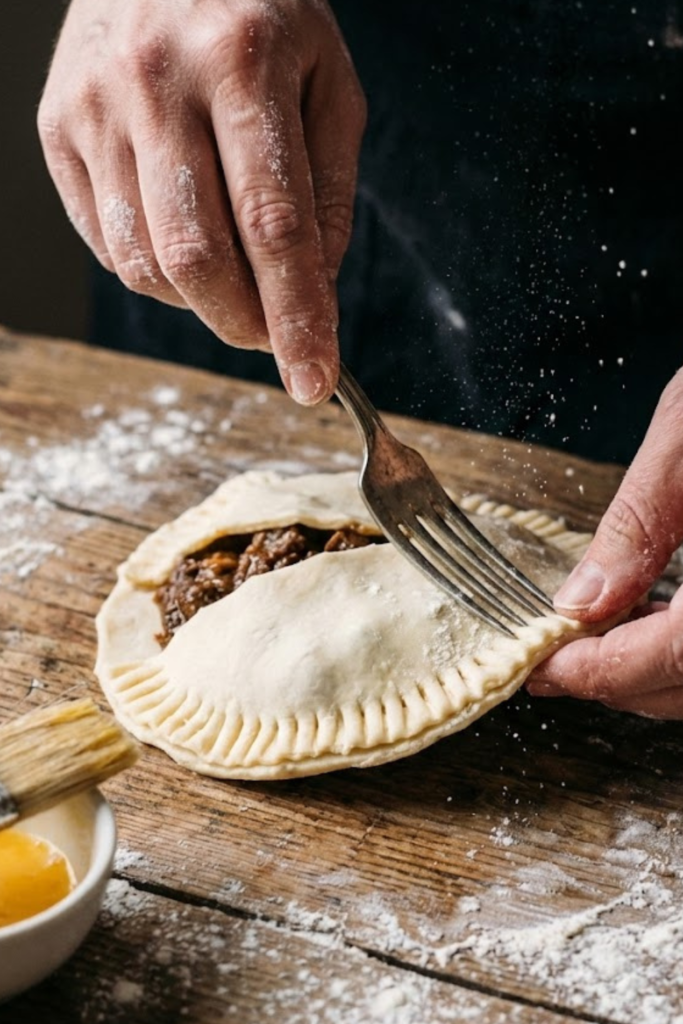
Think of the egg wash as your glue. Beat one egg with a tiny splash of water in a small bowl. Dip your finger (or a small brush) in it and run it lightly around the edge of the circle. You don’t need a puddle, just enough to make it tacky.
Fold the dough over to make a half-moon shape. Press the edges together gently with your fingers first to stick them.
Crimp It Good
Now, to really lock it in, I use a fork. Press the tines of the fork down along the curved edge. It makes those cute little lines you see at bakeries, but it also crimps the dough layers together tight.
If you don’t have a fork handy, you can just pinch and twist the edge with your fingers, kind of like a rope. It looks rustic and works just as well. Just make sure there are no gaps!
Let Off Some Steam
Before these bad boys go into the oven, you have to give them a way to breathe. The filling is going to get hot and bubbly, and steam needs to escape. If it can’t get out, it will blow a hole in the side of your Irish Beef and Guinness Hand Pies.
Take a sharp knife and cut two or three small slits right on top. It’s practical, but it also makes them look professional. Plus, you can see the delicious gravy bubbling through when they are done, which is the best part.
Baking for that Golden 2026 Crunch
Okay, we are in the home stretch now. The pies are built, they look cute, and you are hungry. But don’t just shove them in anywhere. Baking is science, right? If you want that crunch that wakes up the neighbors, you gotta treat the heat right.
Start High, Then Go Low
I used to bake everything at 350 degrees because that’s what my mom did. But for puff pastry, you need a blast of heat to wake up those layers. I preheat my oven to 400°F (200°C). When I slide the tray in, I leave it there for about 15 minutes. You’ll see them puff up big time.
After that initial blast, I turn the oven down to 375°F (190°C). This lets the beef filling get hot all the way through without burning the crust to a crisp. If you keep it high the whole time, you’ll have burnt outsides and cold middles. Gross.
The Egg Wash Glow Up
Remember that egg wash we used to seal the edges? Don’t throw it away! Brush the tops of your pies with the rest of it. This is what gives them that shiny, golden-brown color you see in magazines.
Without it, they look kind of pale and sad, even when they are fully cooked. Just a quick swipe makes a huge difference.
Watch Your Rack Placement
My old oven was terrible at heating evenly. I learned the hard way that if you put the tray too high, the top burns before the bottom is even cooked. For Irish Beef and Guinness Hand Pies, I always use the lower-middle rack.
You want the heat to hit the bottom of the tray so the pastry cooks underneath the wet filling. No one likes a soggy bottom! If you are worried, you can even bake them on a preheated pizza stone if you have one. It acts like a brick oven floor.
The 10-Minute Torture
Here is the hardest part. You pull them out, they smell amazing, and you want to eat one immediately. Don’t do it! The filling is basically molten lava right now.
Let them sit on the baking sheet for at least 10 minutes. The gravy needs time to thicken up again as it cools slightly. If you bite in now, you will burn your tongue and the filling will run out. Give it a minute. It’s worth the wait.
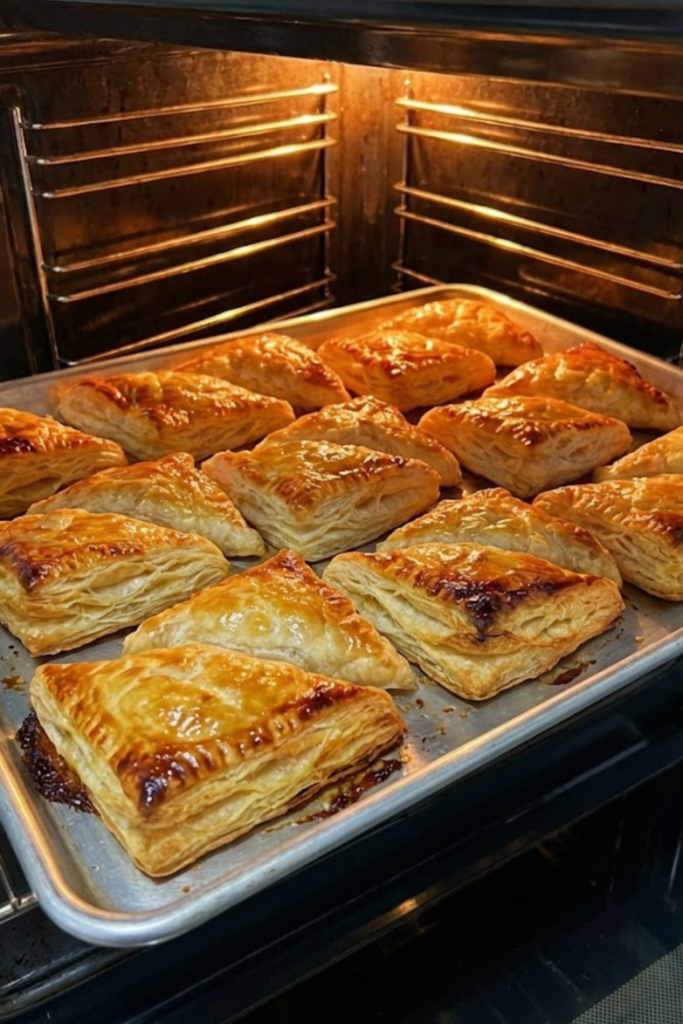
So there you have it—the secret to the flakiest, heartiest Irish Beef and Guinness Hand Pies you will ever taste! Making these might seem like a bit of work, but one bite of that tender beef and rich stout gravy makes every minute totally worth it. It’s rustic, messy, and absolutely delicious.
I really hope you give this recipe a try for your next gathering or just a treat for yourself on a rainy night. If you found this guide helpful, please don’t forget to pin this recipe on Pinterest to save it for later! Happy baking!