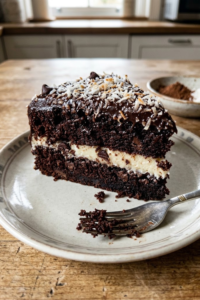
Have you ever bitten into a slice of cake that literally tastes like sunshine? That is exactly what this iced lemon pound cake delivers! I used to struggle with dry, crumbly loaves that lacked that punchy citrus flavor. It was frustrating! But after testing dozens of batches, I’ve finally cracked the code to the most tender, vibrant lemon dessert imaginable. Whether you’re a baking novice or a pro, this recipe is going to change your weekend plans. Get your zester ready, because we are about to bake some magic!

Selecting the Best Ingredients for Maximum Citrus Flavor
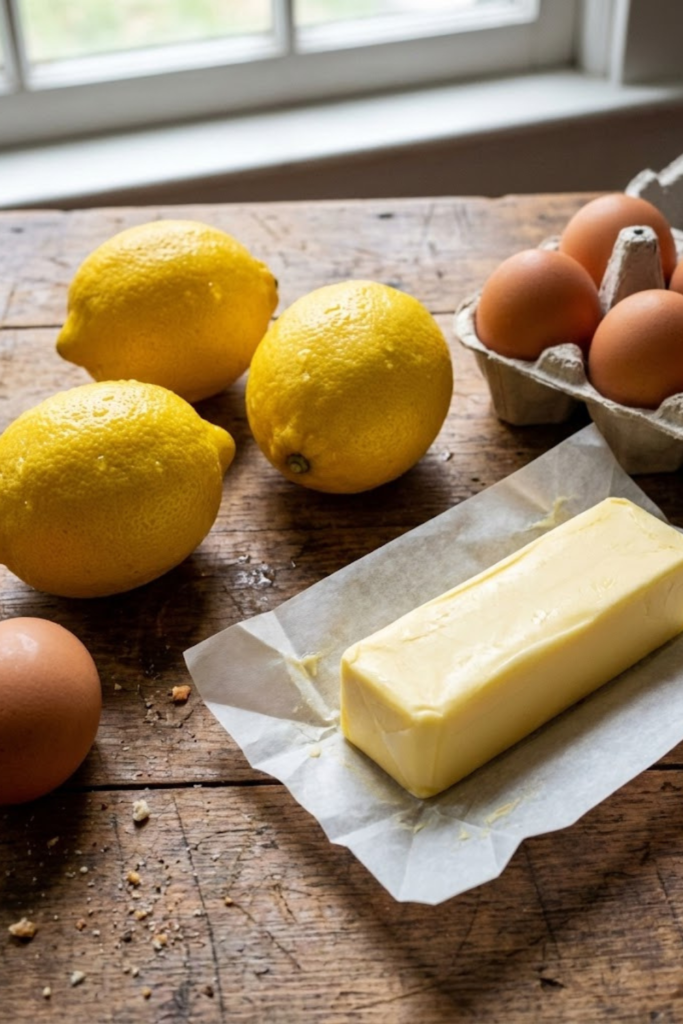
Look, I have to be real with you for a second. The first time I tried to bake a lemon cake, I was feeling lazy and grabbed that little yellow plastic bottle of “juice” from the back of my fridge. Big mistake. The cake tasted metallic and weirdly artificial, like I’d flavored it with a cleaning product. I was so frustrated I almost threw the whole loaf pan in the trash!
If you are chasing that bright, juicy flavor, using fresh lemon juice is absolute non-negotiable. It brings a acidity that bottled stuff just can’t match. Since that disaster, I always buy one or two more lemons than I think I need, just in case they aren’t very juicy.
Why Temperature is a Big Deal
Here is something I learned the hard way after many failed attempts. I used to be super impatient and just throw cold ingredients straight from the fridge into the mixer. The batter ended up looking like curdled soup every single time. It was a total mess and the cake baked up unevenly.
For a smooth emulsion, your room temperature butter and large eggs need to be the same temp. I usually set mine on the counter about an hour before I start baking. If you are in a rush (and we’ve all been there), pop the eggs in a bowl of warm water for 5 minutes. It works like a charm.
The Secret to a Moist Crumb
We all hate dry cake, right? It’s the worst when you take a bite and need a gallon of milk to wash it down. To avoid that sad, sawdust texture, I started using sour cream in my batter.
You could also use full-fat Greek yogurt if that’s what you have on hand. The extra fat content makes the moist crumb incredibly tender and keeps it fresh for days. It is a total game-changer for this recipe. Please don’t go low-fat here; we want the good stuff to get that rich texture!
Rubbing the Zest
Okay, here is my favorite trick that makes me feel like a pro baker. Most people just throw the lemon zest in with the wet ingredients and call it a day. But if you want to really wake up those flavors, rub the zest into the granulated sugar first with your fingers.
Do this for about two minutes until the sugar looks like wet yellow sand and smells aromatic. This friction releases the essential oils right into the sweetener. It makes the citrus flavor pop in a way that extract just can’t do on its own. It’s a small step, but it makes a huge difference in the final taste.
Mastering the “Creaming Method” for Fluffy Texture
I used to think that “creaming butter and sugar” just meant mixing them until they were combined. Boy, was I wrong. My early attempts at pound cake turned out like dense, heavy bricks because I rushed this step. I was always so eager to get the cake in the oven that I didn’t let the mixer do its job.
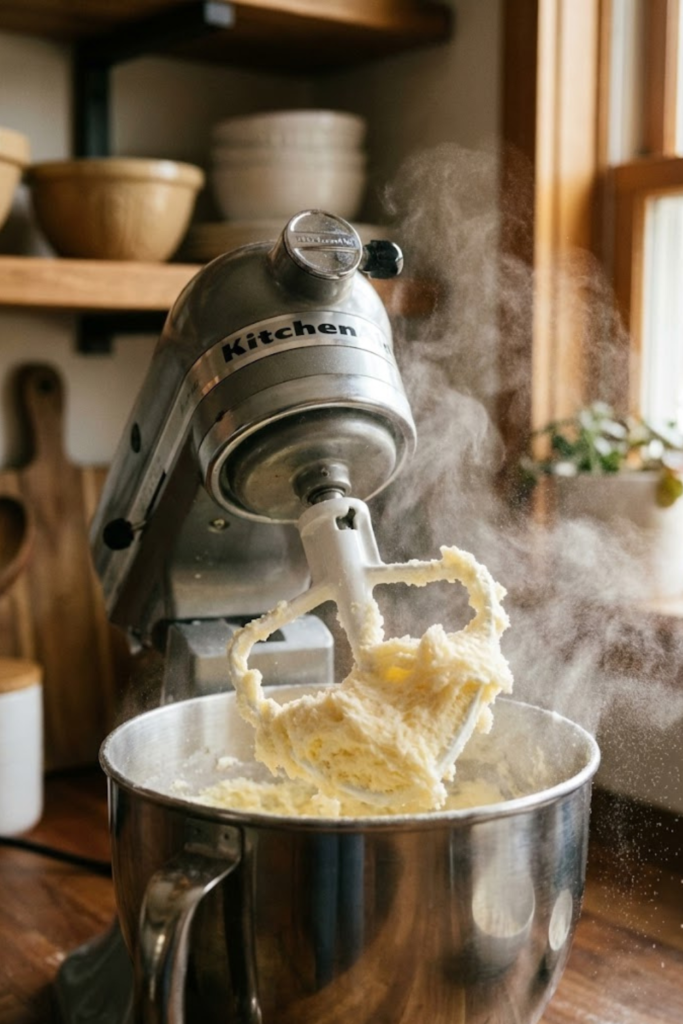
You really have to beat the unsalted butter and granulated sugar together for a good 4 to 5 minutes on medium-high speed. Don’t stop until the mixture transforms from yellow and grainy to pale, almost white, and airy. It should look like a fluffy cloud. This is the absolute foundation of the creaming method and cannot be skipped.
The Egg Disaster
Here is where things often go sideways for home bakers. One time, I was feeling lazy and cracked all the large eggs into the stand mixer at the same time. The batter instantly separated and looked like curdled slop.
It was game over for that batter. You have to add the eggs one by one. Let each egg fully disappear into the mixture before you crack in the next one. This patience allows the fats and liquids to create a stable emulsion.
Don’t Forget the Scrape
I cannot stress this enough: you have to stop the mixer and get in there. There is always a sneaky layer of unmixed butter stuck to the very bottom of the bowl. If you don’t scrape it up with a rubber spatula, you are going to end up with weird, dense grease spots in your baked cake.
I usually scrape down the sides and the bottom of the bowl at least twice during the mixing process. It is annoying to stop the flow, I know. But it is the only way to get a consistent texture throughout the loaf.
Why Air Matters
Since pound cake is naturally heavy, we need all the help we can get to make it rise. By beating the butter and sugar effectively, you are essentially trapping millions of tiny air pockets inside the fat. These little pockets expand when they hit the heat of the oven.
Even though we use chemical leaveners like baking powder, this mechanical air incorporation is what gives that classic fluffy texture. If you skimp on the beating time, the cake won’t rise high enough, and it will feel heavy. So, set a timer on your phone and let the mixer run!
Incorporating Dry and Wet Ingredients Without Overmixing
I remember my first time using a stand mixer, I felt invincible. I thought I could just dump all the cake flour and liquids in at once and let the machine do the heavy lifting. The result? A massive cloud of white dust exploded in my kitchen, covering me and the counter. Plus, the batter turned into a lumpy mess that never really came together right.
It was a total disaster and a huge pain to clean up. Since then, I’ve learned to treat the dry ingredients with a bit more respect.
The Alternating Method
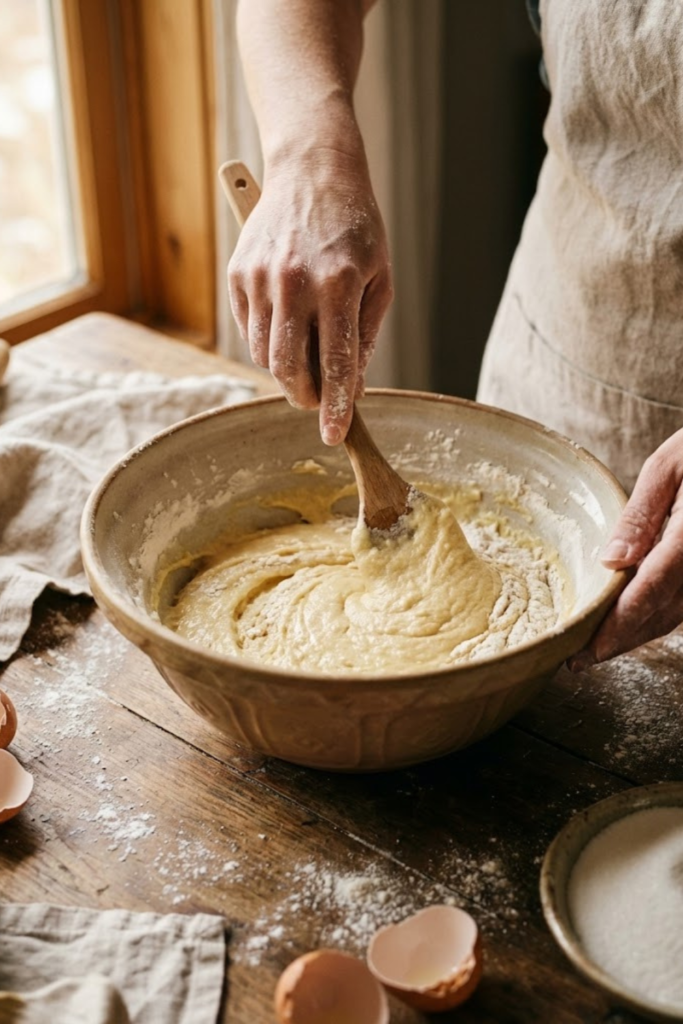
This sounds fancy, but it’s actually super simple and saves your cake from failing. You want to add the flour mixture in three parts and the liquid ingredients (like the buttermilk or sour cream) in two parts. Always start with flour and end with flour.
I usually toss in about a third of the flour, mix it barely, then add half the liquid. Repeat until it’s all gone. This technique helps the batter absorb the liquid without breaking that beautiful emulsion we worked so hard to create with the butter and sugar. If you dump it all at once, the batter gets overwhelmed and separates.
The Gluten Trap
Here is the thing about flour: as soon as it touches liquid and gets agitated, it starts forming gluten. We want some structure, sure, but too much gluten turns a tender pound cake into something that tastes like a rubber boot. I’ve baked cakes that were so dense and chewy my jaw actually hurt from eating them.
To avoid this gluten development, I only use the mixer on the lowest speed possible during this stage. As soon as the last streak of white flour disappears, I kill the power. Don’t let it run for “just a few more seconds” to be safe; that’s the enemy of a tender crumb.
Why Sifting is Actually Necessary
I’ll be honest, I hate sifting. It feels like an extra step that just dirties another bowl. But one time, I skipped sifting flour and baking powder, and I ended up with these tiny, bitter balls of dry ingredients inside the baked loaf. Biting into a clump of plain baking powder is a nasty surprise that ruins the whole slice.
Now, I always run my dry stuff through a fine-mesh sieve. It breaks up any lumps and makes the flour lighter, which helps it incorporate into the wet mix much faster. Faster mixing means less agitation, which means a softer cake.
Ditch the Mixer for the Finish
For the final step, I actually take the bowl off the stand mixer entirely. I grab a large rubber spatula and do the last few turns by hand. This is called folding batter, and it’s way gentler than the machine.
I dig down to the bottom of the bowl and fold the batter over onto itself just a few times. This catches any stray pockets of flour or liquid without overworking the mix. It gives me peace of mind knowing I haven’t ruined the texture right at the finish line.
Baking the Loaf to Golden Perfection
Honest truth: I have trust issues with my oven. There is nothing worse than spending thirty minutes mixing the perfect batter, sliding it onto the rack, and then pulling out a cake that is burnt on the edges and raw in the middle. It makes you want to scream.
I used to just set the dial to 350°F for everything because that’s what most boxes say. But for a dense pound cake, that is often too hot. I learned that slow and steady wins this race.
Finding the Right Spot
Most recipes lie about oven times because every stove is different. I found that lowering the oven temperature to 325°F helps the inside cook before the outside gets too dark. It takes longer, but it is worth it.
Also, make sure your rack is right in the middle. If it is too high, the top burns. Too low, and the bottom gets tough. I once baked a loaf on the top rack, and the crust was black before the batter had even risen. It was a tragedy.
The Crack is Good!
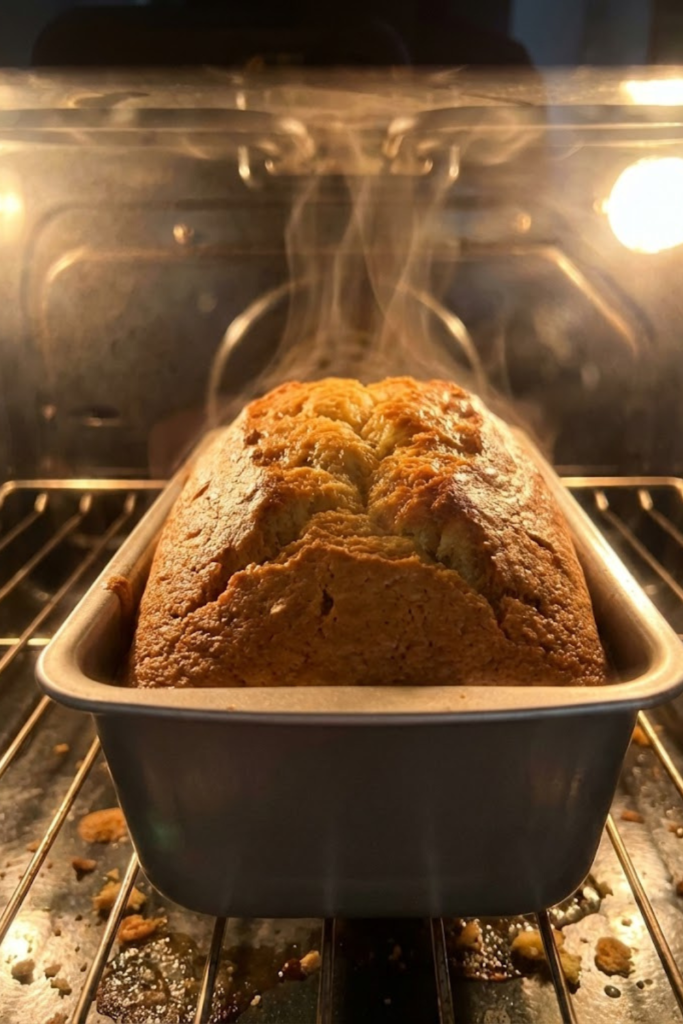
For the longest time, I thought the big crack running down the center of the loaf meant I messed up. I thought it was dry. Turns out, that split is actually the signature look of a great pound cake!
As the batter expands in the loaf pan, the heavy crust forms first, forcing the rising batter to break through the middle. So, when you see that golden brown crust split open, don’t panic. It means you did it right. It gives the cake that rustic, bakery-style look we all want.
The Toothpick Test
Using a timer is helpful, but you have to trust your eyes and a wooden stick more. I usually start checking about 5 minutes before the recipe says it should be done. Insert a toothpick into the very tallest part of the center.
If it comes out with wet batter, it needs more time. If it comes out clean, you might have actually overbaked it slightly. What you really want to see are a few moist, cooked crumbs clinging to the stick. That is the sweet spot for a moist crumb.
The Hardest Part: Waiting
This is where I usually fail. The kitchen smells like lemon heaven, and I just want to eat the cake immediately. But if you try to flip the cake out of the pan right away, it will fall apart. I learned this the hard way when half my cake stayed in the pan and the other half landed on the counter.
Let the cake cool in the pan for exactly 10 minutes. This lets the structure firm up just enough. Then, gently invert it onto a wire rack to cool completely. Air needs to circulate around the whole thing so the bottom doesn’t get soggy.
Whisking the Ultimate Zesty Lemon Glaze
You can’t have an iced lemon pound cake without the icing, right? I used to treat the glaze as an afterthought. I’d just mix some sugar and water and dump it on. It was pathetic. The liquid would just vanish into the cake, leaving it looking soggy and sad.
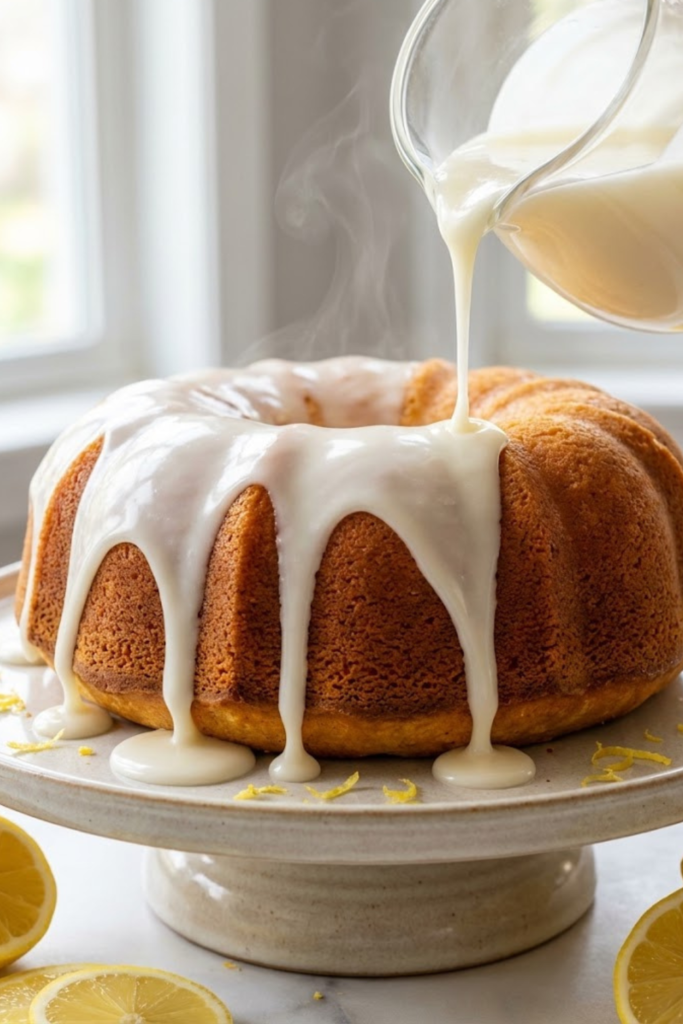
It took me embarrassing amount of tries to realize the glaze is the star of the show. It needs to be thick, white, and opaque. It should sit on top like a crown, not soak in like a syrup.
The Consistency Struggle
Getting the texture right is tricky. I’ve ruined perfectly good glazes by adding too much liquid at once. You end up with a sheer, watery mess that runs straight off the cake and onto the counter. It is so annoying to clean up sticky puddles.
Here is the rule I live by now: you can always add liquid, but you can’t take it out. I start with about 2 cups of icing sugar (powdered sugar) and only 2 tablespoons of fresh lemon juice. It will look like dry paste at first. Don’t panic.
Just keep whisking. If it is still too thick to pour, add more juice literally a teaspoon at a time. You want it to move like slow lava or honey. If it drips off the whisk instantly, it’s too thin. Add more sugar.
Banish the Lumps
Nothing ruins a beautiful slice of cake like biting into a pocket of dry, dusty sugar. I used to be lazy and skip sifting my powdered sugar. Big mistake. My glaze looked like lumpy cottage cheese.
Now, I always pass the sugar through a sieve before mixing. It takes two minutes, but it makes the glaze silky smooth. It’s a small detail that makes your homemade dessert cuisine look professional.
The Sweet vs. Sour Balance
Since the pound cake itself is sweet, I like my glaze to have a serious kick. I want my jaw to tingle a little bit! To get that sweet tart flavor, I rely solely on lemon juice for the liquid. No milk, no water.
I also grate a ton of fresh zest right into the bowl. It adds these pretty little yellow speckles and intensifies the citrus punch. If you find it’s too sharp for your kids, you can cut the juice with a tiny splash of heavy cream. But personally? I say embrace the sour.
The Drizzle Technique
Here is where patience pays off again. Do not pour the glaze while the cake is hot! I did this once because I was rushing to get a photo. The glaze melted instantly and turned clear. It looked terrible.
Wait until the cake is completely cool. Place it on a wire rack with a sheet of parchment paper underneath to catch the mess. I like to pour it right down the center and let gravity do the work.
Use a spoon to gently guide the drips over the edge. You want those thick, dramatic drips down the sides. It makes the iced lemon pound cake look like it came from a fancy bakery. Let it sit for about 15 minutes so the crust hardens before you slice it. The crunch of the dried sugar against the soft crumb is just heaven.
Storing and Freezing Your Lemon Pound Cake
I absolutely hate throwing away food. It hurts my soul and my wallet. But for years, I let perfectly good cake turn into rock-hard croutons because I didn’t know how to store it properly. I used to think, “Oh, it has sugar, it’ll preserve itself.”
I was so wrong. If you leave this iced lemon pound cake out uncovered, the air will suck the moisture right out of it in hours. It becomes sad, dry, and crumbly.
Room Temperature Rules
For the first couple of days, this cake is actually happiest sitting on your counter. The butter in the crumb stays soft and tender at room temperature. If you put it in the fridge immediately, the butter solidifies, and the cake tastes dry even if it isn’t.
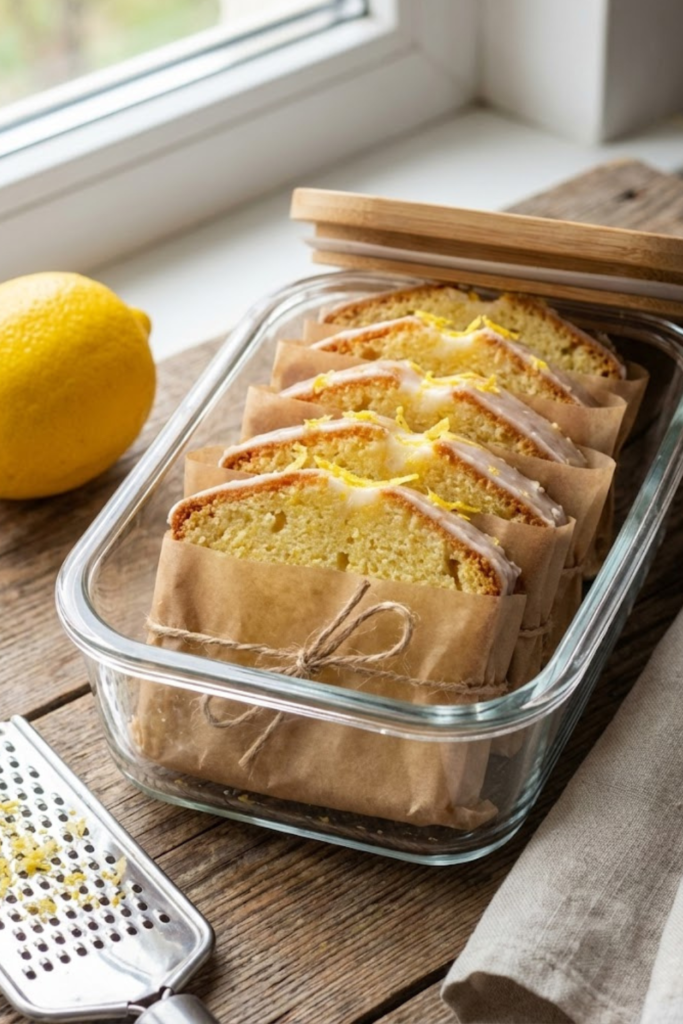
I always wrap the loaf tightly in plastic wrap first. I make sure the plastic is actually touching the cut face of the cake. That seal is crucial to lock in the texture.
Then, I usually pop it into an airtight container or wrap it a second time in aluminum foil. This double-layer method keeps that moist crumb perfect for about 3 days. Just keep it out of direct sunlight so the lemon glaze doesn’t get weird and sweaty.
When to Refrigerate
Now, if you live in a super hot or humid place, the counter might not be safe. Or maybe you just like cold cake (I know some people do!). If you must refrigerate it, just know the texture will change a bit.
It gets denser. I recommend letting a refrigerated slice sit out for twenty minutes before eating it. This lets the butter relax again so you get that melt-in-your-mouth experience.
The Freezer is Your Friend
Here is a trick that saves me from eating an entire loaf in one sitting (though I have definitely done that). Freeze it! But don’t freeze the whole block unless you absolutely have to.
I slice the remaining cake into thick, individual servings first. I place a small square of parchment paper between each slice so they don’t stick together frozen. Then I slide them into a heavy-duty freezer bag or a rigid container.
This way, when I have a craving for a citrus dessert on a Tuesday night, I can just grab one slice. It prevents freezer burn on the whole loaf, and “future you” will be so grateful for the stash.
Bringing it Back to Life
To thaw, just set a slice on the counter for about 30 minutes. It requires a little patience. If you are desperate like me, you can zap it in the microwave for literally 10 seconds.
Don’t do it too long, or the icing melts everywhere and makes a sticky mess. Thawed properly, it tastes surprisingly fresh, almost like you just baked it. It’s the perfect tea time treat to have ready for surprise guests or just a bad day.
Honestly, this recipe has been a total lifesaver for me. It is simple enough to whip up on a whim but tastes like you bought it from a high-end bakery. That balance of sweet tart flavor is just addictive, and I love how it brightens up the kitchen.
I really hope you get your hands floury and try this out soon. Baking shouldn’t be stressful; it should be fun, messy, and delicious. If you make this iced lemon pound cake, please snap a picture and enjoy every bite! And if you found these tips helpful, do me a huge favor and share it on Pinterest. It helps other bakers find these recipes and spreads the lemon love. Happy baking, friends!