Do you remember the first time you tried to roast vegetables and they came out looking like sad, soggy twigs? I sure do! It took me years to realize that making restaurant-quality sides doesn’t require a culinary degree—just a hot oven and a little bit of confidence. If you are wondering how to cook asparagus in the oven without turning it into mush, you have come to the right place.
We are going to ditch the boiling water (seriously, stop boiling your veggies!) and unlock the flavor bomb that is roasted asparagus. Did you know that asparagus is packed with nutrients like Vitamin K and folate? It’s true! I’m going to walk you through everything you need to know to get that perfect “crisp-tender” bite that makes everyone at the dinner table ask for seconds. Let’s get cooking!
Choosing the Perfect Stalks: Prep Like a Pro
I have to be real with you for a second. The first time I tried to make a fancy dinner for my partner, I completely messed up the veggies. I just grabbed the first bunch of green sticks I saw at the grocery store, tossed them on a pan, and hoped for the best. Big mistake. We ended up chewing on woody, stringy stalks that felt like trying to eat a tree branch. It was so embarrassing!
Since then, I’ve learned that figuring out how to cook asparagus in the oven actually starts way before you even preheat it. It starts in the produce aisle. You can’t fix bad produce with good seasoning, you know?
Inspecting the Tips (Don’t Ignore This!)
When you are standing there at the store, look at the tips first. This is non-negotiable. You want the buds to be tightly closed and compact. If they look slightly flowering or—even worse—mushy, put them back immediately.
I once bought a bunch where the tips were slightly wet looking because they were on sale. I thought I was being thrifty. Nope. They turned into a slimy mess in the oven. Trust me, you want dry, firm tips. If the tips are smashed, the rest of the asparagus is usually past its prime too.
The Skinny on Stalk Thickness
Does size matter? In the world of asparagus, yes, it kinda does. You’ll usually see two types: those pencil-thin stalks and the thick, meaty ones. Neither is “better,” but they cook differently.
- Pencil-thin: These are great if you want crispy asparagus fast. They cook in a flash, usually under 10 minutes.
- Thick stalks: These are juicier and have a better “bite.”
I personally prefer the medium-to-thick ones because they don’t dry out as easily. If you buy the thin ones, just watch them like a hawk. If you cook them too long, they turn into dried-up shoestrings. Nobody wants that.
The “Snap” Test vs. The Knife
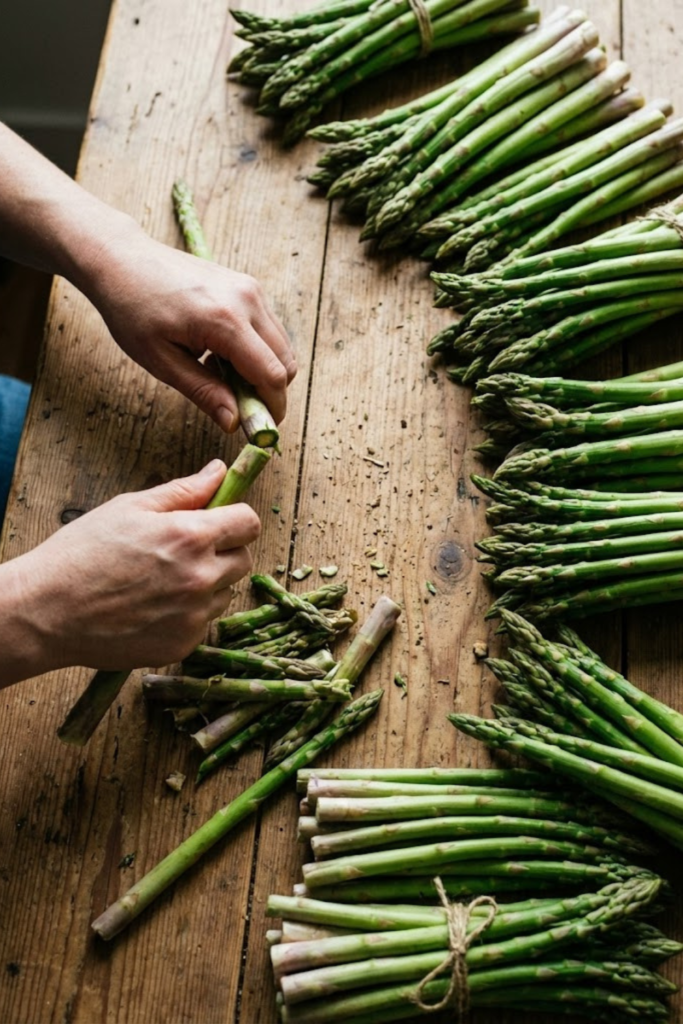
Okay, this is the part that’s actually fun. You have to get rid of the “woody ends”—that’s the bottom part of the stalk that is tough and fibrous. You literally cannot chew it.
Some fancy chefs tell you to line them up and cut them with a knife to look pretty. I say forget that. The asparagus knows where it wants to break. Pick up a stalk, hold it at the bottom and the middle, and gently bend it. Snap! It will naturally break exactly where the woody part ends and the tender part begins.
I do this for every single stalk. Yeah, it takes an extra minute, but it guarantees you won’t bite into a tough piece. Plus, it’s super satisfying to hear that snap. Try it, it’s great stress relief!
Washing and Drying (The Secret to Roasting)
Here is where 90% of people ruin their oven roasted asparagus. They wash it (because sand is gross), shake it off a little, and throw it on the baking sheet.
If the asparagus is wet, the water heats up and creates steam. Instead of roasting, your veggies steam in their own juices. The result? Soggy, limp asparagus. Yuck.
After I wash the grit off, I lay the stalks out on a clean kitchen towel and roll them up like a little burrito to get all the moisture off. They need to be bone dry before the oil touches them. It sounds like a hassle, but if you want that caramelized, roasted flavor, moisture is your enemy.
So, take your time with the prep. It makes the actual cooking part a total breeze!
Essential Ingredients and Seasoning Variations
I used to think that to make vegetables taste good, I needed to raid my entire spice cabinet. I would throw everything but the kitchen sink on my baking sheet—paprika, cumin, weird herb blends I got as a gift three years ago. It was a disaster. The flavors were all fighting each other, and you couldn’t even taste the vegetable anymore.
Over the years, I’ve learned that simpler is usually better. When you are figuring out how to cook asparagus in the oven, you really only need a few high-quality ingredients to make it sing. Seriously, don’t overthink it.
The Holy Trinity: Oil, Salt, and Pepper
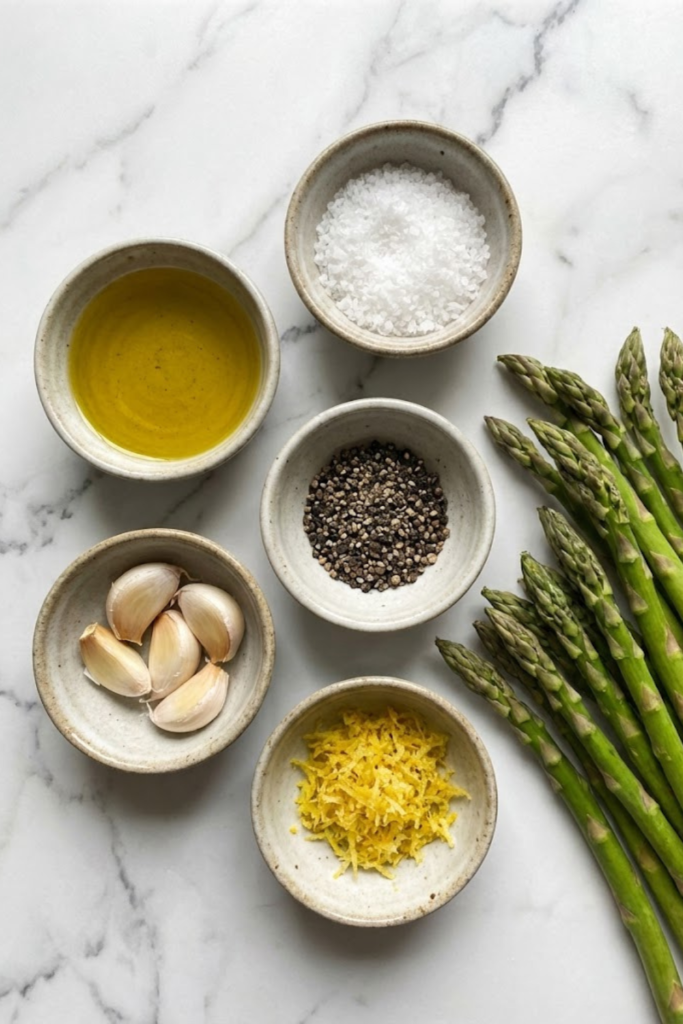
This is the foundation of almost all good olive oil recipes. If you get this wrong, nothing else matters.
First, let’s talk about the oil. You need a fat with a decent smoke point, but flavor is king here. I always use Extra Virgin Olive Oil. Don’t be stingy with it! I remember trying to “save calories” once by just using a tiny spray of oil. The asparagus came out dry and shriveled like old leather. You need enough oil to coat every single stalk so the heat can roast it properly. It helps with the nutrient absorption too, or so I’ve heard.
Next is the salt. Please, I am begging you, put the iodized table salt away. It’s too salty and tastes metallic. You want kosher salt or flaky sea salt. The grains are bigger, so they don’t just dissolve instantly; they give you a nice little crunch and a burst of flavor.
And for pepper? Freshly cracked black pepper is the only way to go. Pre-ground pepper tastes like dust to me. Investing in a pepper grinder was a total game-changer for my kitchen.
Garlic Lovers: A Word of Warning
I am a garlic girl. I would put garlic in my coffee if it tasted good. But here is a mistake I made a hundred times: putting fresh minced garlic on the asparagus before roasting it at high temperatures.
Here is what happens. Asparagus takes about 10-15 minutes to cook. Minced garlic burns in about 3 minutes at 400 degrees.
I ruined a perfect batch of spring vegetables once because the garlic turned black and bitter. It was inedible. If you want that garlic flavor without the bitterness, use garlic powder. It handles the heat way better. If you absolutely must use fresh garlic (I get it), toss it with the asparagus during the last two minutes of cooking.
The Citrus Kick
Acidity is the secret weapon of chefs. A little squeeze of lemon brightens everything up. But here is another lesson I learned the hard way: acid kills the green color.
If you squeeze lemon juice on the asparagus before you put it in the oven, it can turn an ugly olive-drab color. Plus, it makes them steam instead of roast. I always add my lemon zest or a squeeze of juice after I pull the pan out of the oven. It keeps the flavor fresh and zesty.
Cheesy Goodness
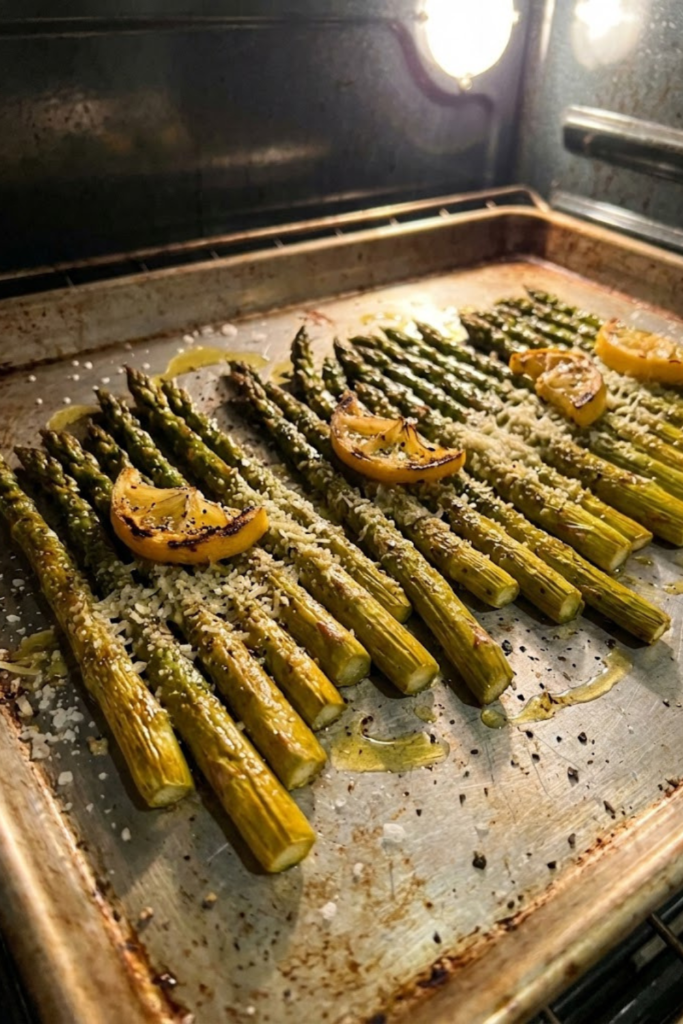
If you want to get your kids (or stubborn partners) to eat their greens, cheese is the answer. About 3 minutes before the timer goes off, I like to sprinkle some grated parmesan cheese or Pecorino Romano over the stalks.
It melts and gets a little crispy, creating this salty, nutty crust that is just to die for. Just keep an eye on it so the cheese doesn’t burn! It’s these little tweaks that turn a boring side dish into something you actually want to eat.
Mastering the Oven Temperature and Timing
I used to be terrified of cranking my oven past 350 degrees. I honestly thought I was going to set off the smoke alarm and burn the house down. So, when I was first figuring out how to cook asparagus in the oven, I played it safe. I roasted them at a low temperature for a long time.
Do you know what happened? They turned into gray, mushy sad-sticks. It was tragic. I learned the hard way that vegetables need heat—and lots of it—to actually taste good. You have to be brave with the dial!
The Magic Number: Crank It Up
If you are baking cookies, 350°F is great. But for roasting vegetables, it’s just not enough. You want that high heat to caramelize the natural sugars on the outside before the inside turns to mush.
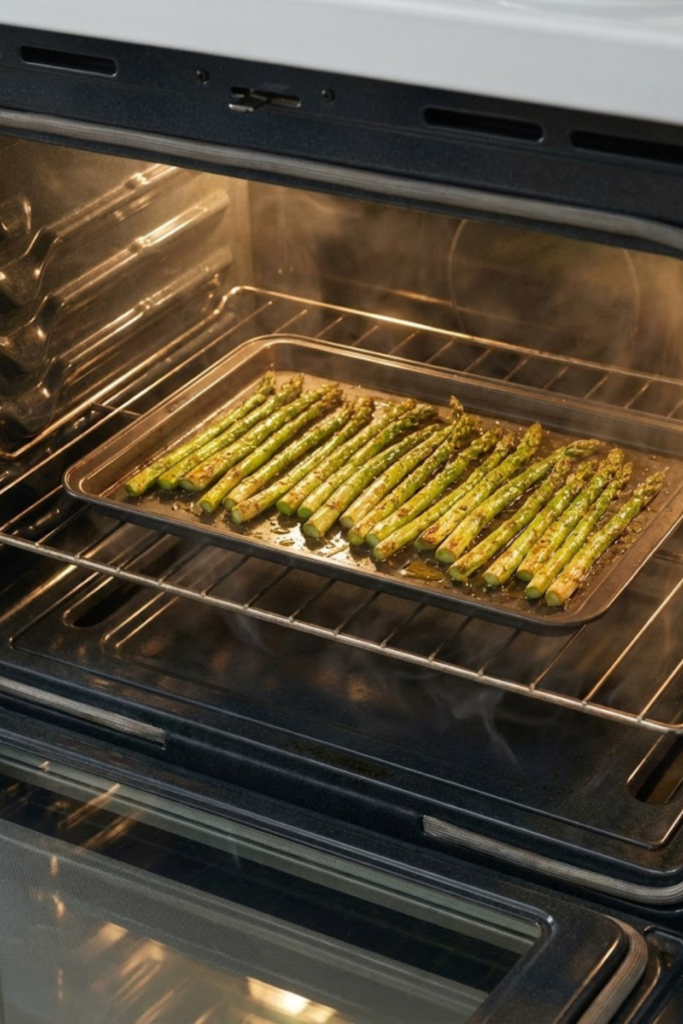
I’ve found that 400°F (200°C) is the sweet spot for most ovens. It gets the edges crispy without scorching them instantly. If you are in a rush and feeling dangerous, you can go up to 425°F, but you better not walk away from the kitchen. At that temp, things go from “perfectly charred” to “burnt crisp” in the blink of an eye. I usually stick to 400°F because I get distracted easily.
Timing by Thickness
This is where recipes lie to you. They will say “roast for 15 minutes,” but they don’t know what kind of asparagus you bought! Remember those pencil-thin stalks we talked about? If you leave those in for 15 minutes at 400°F, you are making charcoal, not dinner.
Here is my general rule of thumb based on trial and error:
- Thin stalks: Check them at 8 or 9 minutes. They cook ridiculously fast.
- Medium stalks: usually take about 12-15 minutes.
- Thick stalks: These bad boys might need up to 20 minutes to get tender.
I always set my timer for a few minutes less than I think I need. You can always cook it more, but you can’t un-cook a burnt veggie.
Visual Cues: Trust Your Eyes, Not the Timer
The best timer is your own eyes. Seriously. I stop looking at the clock and start looking at the pan. You are looking for crispy asparagus tips that are slightly browned and stalks that have turned a bright, vibrant green.
If they look dull or olive-colored, they are probably overdone. I also do the “poke test.” Grab a fork and poke the thickest part of a stalk. It should slide in easily but still have a tiny bit of resistance. If the fork just squishes through, you’ve gone too far. It happens to the best of us!
Avoiding the Burn: Rack Positioning
Here is a mistake I made for years: shoving the baking sheet on whatever rack was empty.
If you put the pan on the bottom rack, the bottoms of the stalks will burn before the rest is cooked. If you put it on the very top rack, they won’t brown properly. The center rack is the only place you want to be. It allows the hot air to circulate evenly around the pan.
Also, don’t overcrowd the pan! If the stalks are touching or piled on top of each other, they will steam. Give them some personal space. When I crowd the pan, I end up with soggy veggies every single time. It is better to use two pans if you have to.
Serving Suggestions to Elevate Your Meal
I used to be the kind of cook who just dumped everything onto a plate and called it a day. My philosophy was, “It all goes to the same place, right?” But I eventually realized that eating with your eyes is a real thing. When I took five extra seconds to actually think about what I was serving my asparagus with, my family started enjoying dinner way more.
Figuring out how to cook asparagus in the oven is step one, but knowing what to put next to it is how you turn a Tuesday night dinner into something that feels special. You don’t need to be a Michelin-star chef, you just need to avoid some of the weird combinations I’ve tried in the past.
Pairing with Proteins (And What to Avoid)
Asparagus is pretty versatile, but it doesn’t go with everything. I once tried to serve roasted asparagus alongside a heavy, tomato-based beef stew. It was weird. The textures clashed, and the delicate flavor of the veggie got completely lost in the sauce. It was a total flop.
In my experience, roasted asparagus shines best as one of your go-to grilled steak sides. The char on the beef matches the char on the veggie perfectly. It is also the ultimate salmon accompaniment. I love roasting them on the same pan if the timing works out (less dishes to wash, am I right?).
If you are doing a Sunday dinner, it’s one of the best roast chicken sides because it cuts through the richness of the poultry. Stick to lighter proteins or grilled meats, and you really can’t go wrong.
Sauce it Up
Okay, let’s talk about sauces. Plain roasted asparagus is great, but sauce makes it feel fancy.
I have a love-hate relationship with hollandaise sauce. The first time I tried to make it from scratch for a brunch, I ended up with a bowl of lemon-flavored scrambled eggs. I was so frustrated I almost threw the whisk across the kitchen. If you are brave, go for it, but there is no shame in buying a pre-made jar or using a blender hack.
If you want something way easier that you can’t mess up, try balsamic glaze. You can buy it in a squeeze bottle at almost any store. Just drizzle a little bit over the cooked stalks right before serving. The sweetness of the glaze hits the salty, roasted flavor of the asparagus, and it is just magic.
Don’t Toss the Leftovers!
I absolutely hate wasting food. It hurts my soul (and my wallet) to throw away perfectly good produce. But let’s be honest, microwaved leftover asparagus can get a little rubbery.
Instead of reheating it by itself, I use the cold leftovers for my meal prep ideas. I chop the roasted spears into one-inch pieces and throw them into a salad for lunch. They add a nice meaty texture that raw lettuce just doesn’t have.
Another one of my favorite leftover vegetable recipes is a simple frittata. I whisk some eggs, dump in the chopped asparagus and maybe some leftover potatoes, and bake it. It tastes even better the second day. So, if you roast too much, don’t sweat it. You’ve just made lunch for tomorrow!
Plating Tips for the “Wow” Factor
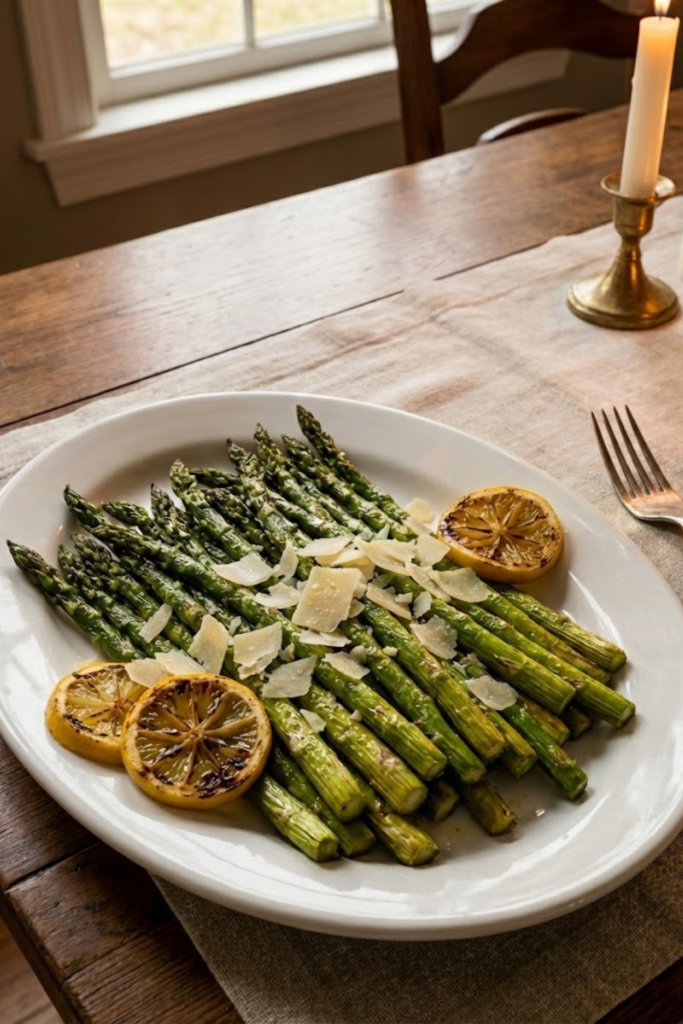
You don’t need tweezers to plate your food, but a little effort goes a long way. Instead of a messy pile, I like to line the spears up on a platter so they are all facing the same way.
If I’m feeling really fancy, I’ll scatter some lemon slices or extra parmesan shavings on top. It covers up any stalks that might have gotten a little too burnt (my secret trick) and makes the dish look finished. It’s a small touch, but it makes me feel like I actually have my life together, even if the rest of the kitchen is a disaster zone.
So, there you have it. Learning how to cook asparagus in the oven isn’t actually rocket science, even though I definitely made it harder than it needed to be for years. It really just comes down to high heat, dry veggies, and a little bit of confidence.
Once I finally stopped boiling them to death and started roasting them properly, my family actually started asking for seconds of green vegetables. It was a total win.
If you take anything away from this, let it be this: don’t fear the 400-degree oven. That high heat is your best friend. It turns boring, nutrient dense food into something that tastes like a treat. And honestly, isn’t that what we all want? Healthy side dishes that don’t actually taste like “health food”?
Give this method a shot tonight. I bet you’ll be surprised at how easy it is to get that perfect crunch without spending hours in the kitchen. And hey, if you burn the first batch, don’t sweat it. I’ve been there. Just scrape off the black bits and call it “extra crispy.” We won’t tell anyone.
If you found this guide helpful (and want to save your friends from soggy veggies), please share this on Pinterest! Pin it to your “Easy Dinner Ideas” or “Healthy Recipes” board so you can find it next time you are staring at a bunch of asparagus and don’t know what to do.