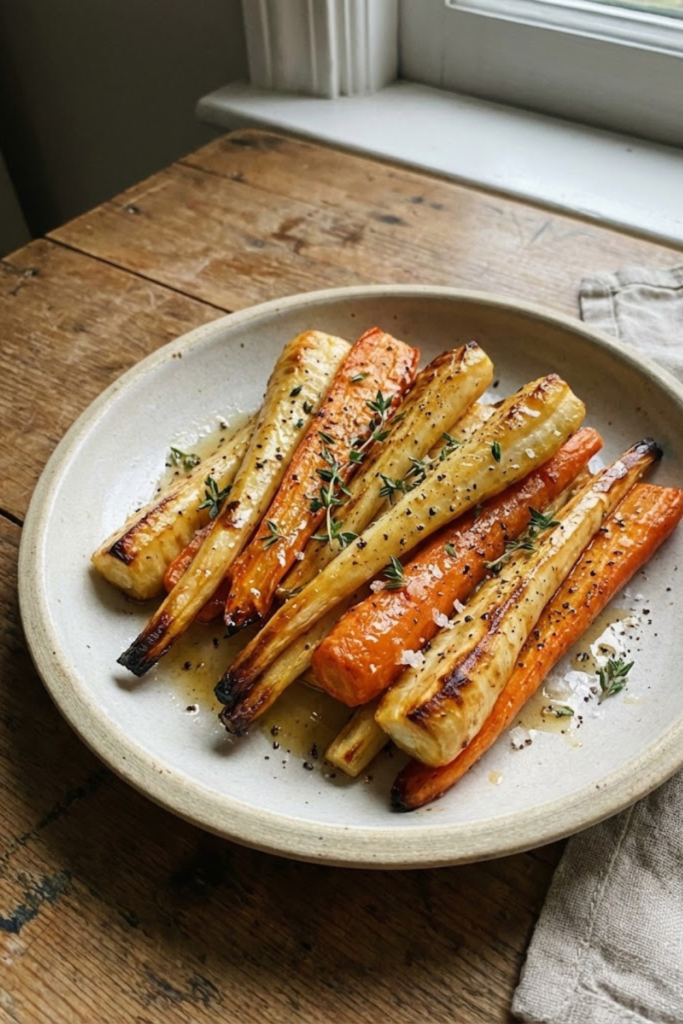
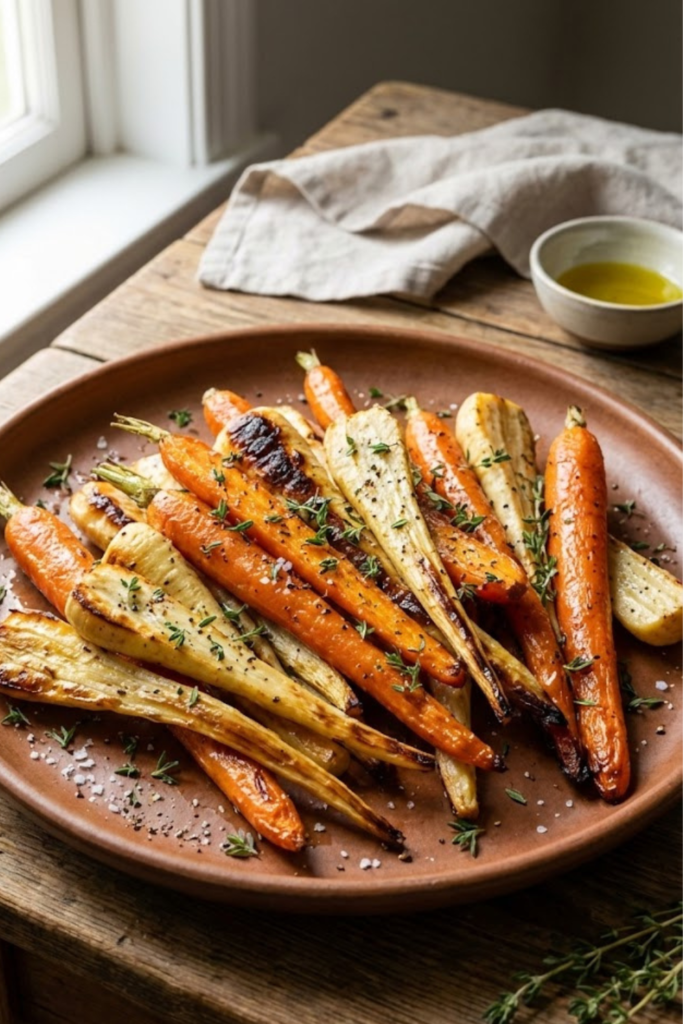
Did you know that parsnips actually get sweeter after a frost because the starch turns to sugar? My grandma used to tell me that a winter garden is just a giant candy jar waiting to be dug up! I’ve spent years trying to get that perfect balance of sticky honey and earthy thyme without burning the whole pan to a crisp. In 2026, we are all about bringing back these rustic, hearty flavors to our Sunday tables. It’s a simple side, but man, it hits the spot every single time. Let’s get into how to make these Honey Roasted Parsnips and Carrots with Thyme the star of your meal.
Why This Combo Wins Every Single Time
I’ve spent plenty of years in front of a blackboard and even more years in front of a hot stove. If there is one thing I have learned about good food, it is that balance is everything. You can’t just have one note of flavor, or people get bored halfway through the plate. That is why this duo is such a heavy hitter in my kitchen. You got the bright, sugary vibe from the carrots and that weird, almost spicy earthiness from the parsnips. When they hit the pan together, they start to swap flavors in a way that just makes sense. It’s like a good classroom—everyone brings something different to the table.
The Sweet and Earthy Balance
Most people think parsnips are just “white carrots,” but they are actually pretty different once you get to know them. Carrots have a very straightforward sweetness that kids usually love. Parsnips, though, they have this nutty, herbal undertone. Some people say they taste like a mix of a carrot and a potato with a little hint of nutmeg or parsley. By roasting them together with honey, you are bridging the gap between those two worlds. The honey pulls the sweetness out of the parsnip and tames that earthy side, while the carrots just soak up all that herbal goodness from the thyme. It’s a flavor profile that hits every part of your tongue.
Textures That Actually Get Along
Another reason this is a winner is the texture. Have you ever had a side dish where everything is just mush? It’s gross and nobody wants that. But these root veggies have a bit of a backbone. When you roast them at a high heat, the outside gets that sticky, caramelized crust from the honey and the natural sugars. Inside, they turn buttery and soft. Because parsnips have a bit more starch than carrots, they get a slightly different “bite” to them. Mixing them means every mouthful is a little different, which keeps your dinner from getting boring. Plus, they both take about the same time to cook if you cut them right, which is a total lifesaver for a busy weeknight.
Why Your Family Will Actually Eat Them
I’ll be honest, I used to have a hard time getting my students—and my own kids—to eat anything that looked like a root pulled out of the dirt. But the honey glaze is the secret weapon here. It turns a “boring vegetable” into something that tastes almost like a treat. I remember one holiday where I made these and my nephew thought they were some kind of fancy french fries. He ended up eating more of the parsnips than the actual turkey! It’s a reliable dish because it feels fancy but is actually very cheap and easy to put together when you’re in a hurry.
My Secret Honey Thyme Glaze Ingredients
I have tried a lot of different glazes. Some were way too runny and just ended up at the bottom of the pan, while others were so sweet they made my teeth ache. This specific mix is my favorite because it is simple and actually stays on the vegetables. You don’t need a fancy kitchen or expensive tools to get this right. You just need a few good things from your cupboard. I usually keep these ingredients on hand anyway, so it is an easy side dish to pull together at the last minute for a school dinner or a Sunday roast.
Picking the Right Honey
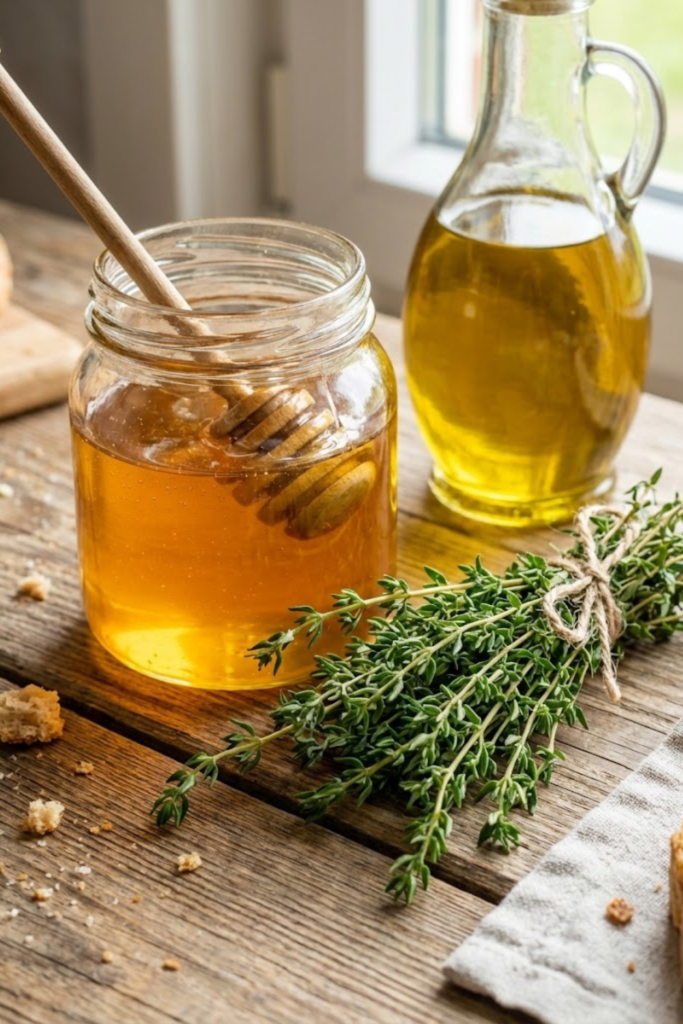
The honey is the most important part of this whole thing. If you go to the store and get that cheap stuff in the little plastic bear, it will work, but it’s mostly just liquid sugar. I always tell my friends to look for raw, local honey if they can find it. It has a much deeper flavor that really stands out once it gets hot in the oven. The sugars in raw honey seem to caramelize a lot better, which gives the parsnips that dark, golden brown color we want. If you find your honey is too thick to pour, don’t worry about it. Once you mix it with the oil, it thins out perfectly. I usually use about three tablespoons for a big tray of veggies. It makes a huge difference in how the final dish looks.
Why Fresh Thyme is a Must
I used to be lazy and use the dried thyme from a jar that had been in my pantry for ages. Please, do not do that. Dried herbs have their place, but for roasting at high heat, they can end up tasting a bit like dusty hay. Fresh thyme is a totally different story. It has a lemony, peppery smell that cuts right through the heavy sweetness of the honey. I like to strip the leaves off about four or five sprigs. If you have extra, you can even toss the whole stems onto the pan while they roast. Just make sure you pick the woody sticks out before you serve the food.
The Fat and Salt Factor
You can’t just use honey by itself, or everything will stick to the pan and burn into a black mess. You need a good fat to help things glide. I like a mix of olive oil and a little bit of melted butter. The oil handles the heat well, and the butter adds that rich flavor. And please, do not forget the salt. A big pinch of kosher salt is what makes the honey actually taste good. Without salt, the dish is just sweet. With it, it’s a savory treat.
How to Roast Them Perfectly (Step-by-Step)
I’ve graded a lot of papers in my time, and let me tell you, following directions is usually the difference between an A and a C. Roasting is the same way. You can’t just throw things in a pan and hope for the best. Well, I guess you could, but then you’d have a mess on your hands. To get that perfect color on your honey roasted parsnips and carrots with thyme, you have to follow a few simple steps. It’s not rocket science, but it does take a little bit of focus. I remember the first time I tried this, I didn’t even peel the parsnips. They tasted like dirt! Don’t be like me. Peel them and cut them right so they actually taste good.
Chop Them Up Into Even Sticks
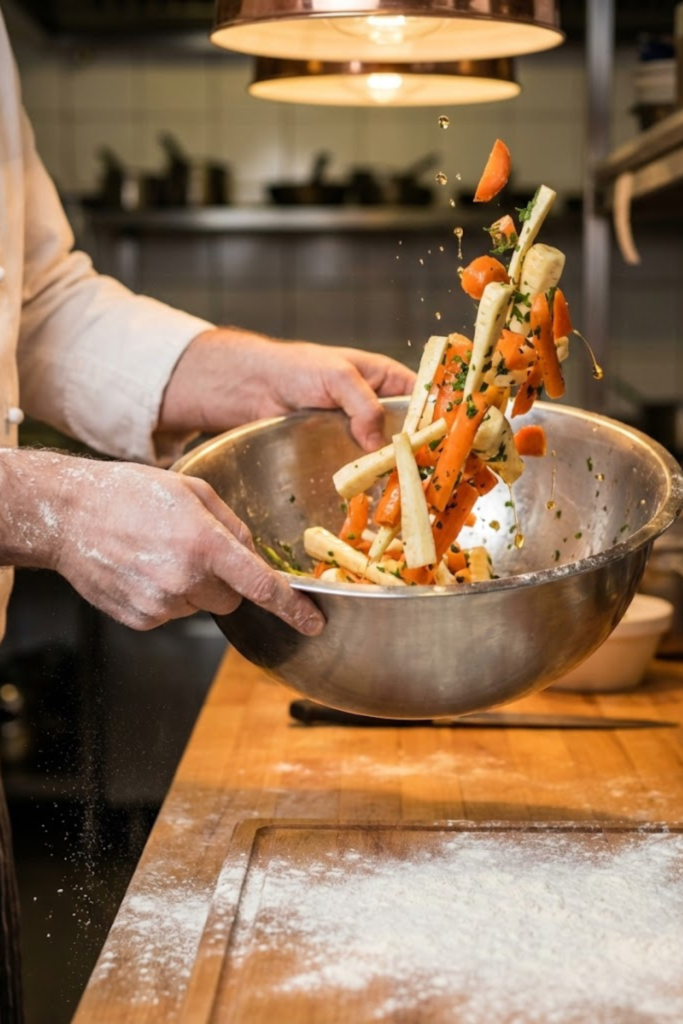
The first thing you gotta do is get your knife skills ready. You want everything to be roughly the same size. If one piece is as thick as a thumb and the other is as thin as a pencil, the thin one is going to burn before the thick one even gets warm. I try to cut my carrots and parsnips into what people call “batons”—basically just sticks that are about three inches long and half an inch thick. This way, they all cook at the same rate. I usually peel them first, though some people like the skin on. Personally, I think the skin on parsnips can be a bit bitter, so I always shave it off. Once they are all chopped, throw them in a big bowl.
The Heat is On
Now, get your oven ready. You want it at 400°F. If you go lower, you’re basically just steaming them, and they’ll come out soft and sad. If you go higher, the honey will turn into black soot before the middle is soft. While the oven is heating up, pour that honey and oil mixture over your bowl of veggies. Use your hands to toss them around. It’s messy, but it is the best way to make sure every single piece is covered. Then, spread them out on a big sheet pan. Make sure they aren’t all piled on top of each other.
Don’t Forget the Mid-Cook Flip
About halfway through, usually around 15 or 20 minutes in, you need to open that oven and give them a good toss. I use a spatula to flip them over so the bottom side gets a chance to get brown and crispy too. This is usually when the smell of thyme starts to fill up the whole house. It’s the best part! Keep an eye on them for the last 10 minutes. You want them tender enough to poke with a fork, but with those dark, caramelized edges that make everyone want to reach for seconds.
Common Mistakes I’ve Made (So You Don’t Have To)
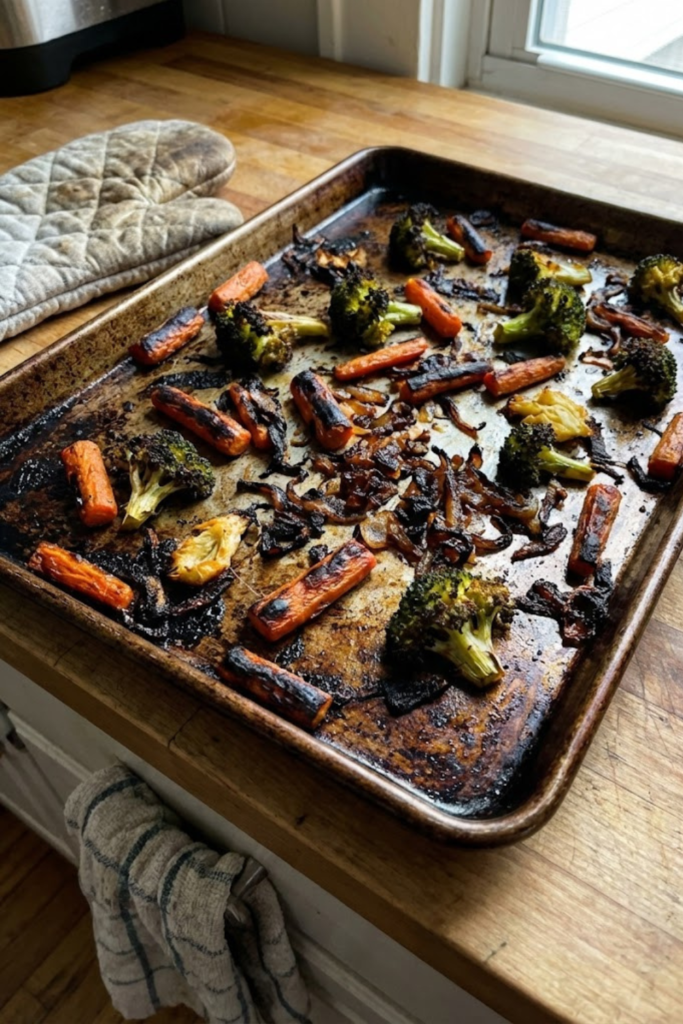
I’ve probably made every mistake in the book. One time, I was trying to get dinner ready for a few fellow teachers, and I messed these up so bad they looked like little charcoal sticks. It was embarrassing! But hey, that is how we learn, right? I tell my students all the time that failure is just a lesson in disguise. If you want your honey roasted parsnips and carrots with thyme to be edible, you should probably avoid these big blunders I made over the years. It took me a few tries to figure out why my veggies weren’t coming out like the ones in the pictures, but I think I finally have it down.
Crowding the Pan is a No-No
The biggest mistake I ever made was being too lazy to wash a second baking sheet. I piled all the carrots and parsnips on one tray, thinking they would just cook through anyway. Instead of getting those nice, crispy edges, they just sat there and steamed in their own juices. They were limp and kind of gray looking. It was pretty gross. You have to give them space. If the vegetables are touching too much, the moisture cannot get away. I always tell people now, if you think you need one pan, you should probably use two. It makes a huge difference in getting that crunch. Spread them out so they have room to breathe.
Watching Out for Burnt Honey
Honey is basically just sugar, and sugar loves to burn. I used to coat the veggies in a massive amount of honey right at the start and then turn the oven up way too high. My kitchen filled with smoke, and the pan was a total nightmare to clean later. Now, I make sure the honey is mixed well with oil so it does not just sit on the surface and scorch. Or, if I am feeling extra careful, I will add a little extra drizzle of honey during the last ten minutes of roasting. This way, you get the sweetness without the bitter, burnt taste that ruins the whole dish.
Dealing with the “Woody” Middle
Another thing I learned the hard way is that big parsnips are not always better. The giant ones often have a very hard, woody core in the middle that stays tough even after cooking. I used to just chop them up and serve them, but people would end up spitting out the middle part. If you have big parsnips, you should cut them in half and trim out that tough center. It takes a little more work, but it saves your guests from having to chew on something that feels like a pencil. Stick to the medium-sized ones if you can find them at the store.
Bringing It All Together
Well, we finally made it to the finish line of our little kitchen lesson. If you have been following along, you should have a tray of veggies that look like they belong in a food magazine. Honestly, every time I pull these out of the oven, I feel a little bit proud of myself. It is such a simple thing, but it really changes the whole vibe of a dinner. Instead of just “eating your greens” because you have to, you are actually enjoying something that tastes like a real chef made it. I hope my stories about my own kitchen disasters helped you skip over the frustrating parts. Cooking should be fun, not a chore that makes you want to pull your hair out!
What to Pair Them With
Since I’ve spent a lot of my life around school cafeterias and family potlucks, I have seen these Honey Roasted Parsnips and Carrots with Thyme go with almost everything. They are the perfect partner for a big Sunday roast beef or a juicy roast chicken. The sweetness of the honey really cuts through the saltiness of the meat. I even served them once with a spicy pork tenderloin, and the contrast was amazing. If you are having a holiday meal, the bright orange and cream colors look beautiful next to some green beans or a mash. It makes the plate look complete, like you really put a lot of thought into the menu.
Making the Most of Your Leftovers
If you actually have any left over—which is rare in my house—don’t let them go to waste. I’ve found that these veggies are actually really good the next day. You can chop them up and throw them into a cold grain salad with some feta cheese and a bit of balsamic. Or, if you want something warm, just pop them back in the oven for five minutes to get that crunch back. I wouldn’t recommend the microwave because they can get a little bit floppy, and we worked too hard on that texture to ruin it now! Sometimes I even mash them up and mix them into a soup to give it a thicker, sweeter base.
Share Your Kitchen Success!
I really want to see how yours turned out. Did you get those nice dark edges? Did your house smell like a herb garden? It makes me so happy to hear when someone actually tries a recipe and likes it. If you enjoyed this guide and found it helpful for your next big dinner, please save this post and share it on Pinterest! It helps other home cooks find these tips, and it keeps me motivated to keep sharing my favorite recipes with you all. Now, go grab a fork and enjoy the fruits—or root vegetables—of your labor!