Did you know that nearly 60% of home cooks admit that their biggest kitchen fail is serving dry, rubbery poultry? I’ve been there more times than I’d like to admit! Seriously, I once made a batch so tough my kids asked if we were eating flavored erasers. But after years of tinkering in my kitchen, I finally cracked the code with this honey herb chicken breast. It is juicy. It is aromatic. It’s basically a hug on a plate! By using fresh rosemary and local honey, you create a crust that locks in all those beautiful juices. You’re going to love how easy this is to pull off on a busy Tuesday night.
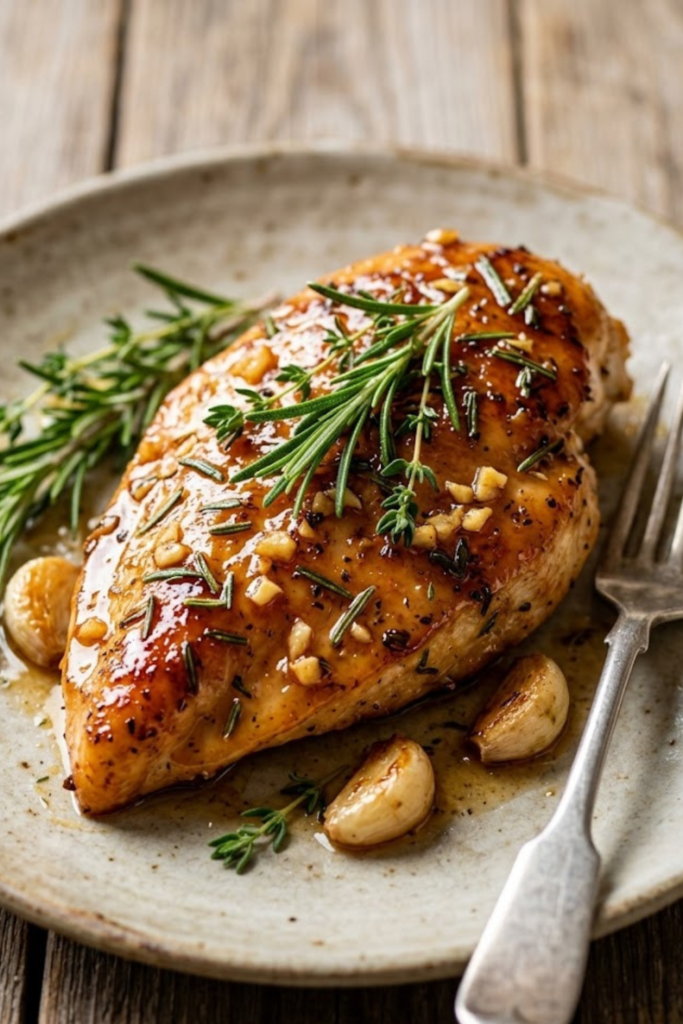
Mastering the Honey Herb Chicken Breast Marinade
Let me tell you, I have messed up a lot of dinners in my forty years. One time, I tried to make a honey herb chicken breast and forgot the “honey” part until the very end. I just dumped cold honey onto a hot pan, and man, it turned into literal cement in seconds! My stove looked like a beehive exploded on it. Total disaster, y’all. But that’s how we learn, right? To get this right, you need to understand how the marinade actually works. It’s about more than just throwing things in a bowl; it’s about making the ingredients work for you.
Let the Meat Rest First
I used to be in such a rush to get food on the table. I’d pull the chicken out of the fridge and toss it right into the marinade and then the pan. Big mistake. If the meat is freezing cold, the marinade just sits on top like a blanket. I’ve found that letting the chicken sit on the counter for about twenty minutes helps a ton. It takes the chill off. This helps the honey and the oils actually soak into the fibers of the meat. You want that flavor to go deep, not just stay on the skin. It makes the final result way more juicy.
Why Honey is a Game Changer
Honey isn’t just for your tea or toast. In this recipe, it does two jobs. First, it’s a natural tenderizer. It helps break down those tough parts of the breast so it stays soft. Second, it creates that sticky glaze we all love. But be careful! Honey burns fast. If your heat is too high, you’ll have a charred mess. I like to mix my honey with a bit of olive oil and some lemon juice. This thins it out so it coats every single inch of the poultry without clumping up. It makes the chicken taste sweet but also keeps it from drying out.
Finding the Right Flavor Balance
You can’t just have sweet. You need salt and acid too. I always add a heavy pinch of kosher salt and a squeeze of fresh lemon. The salt helps the herbs like rosemary and thyme really wake up. If you just use honey and herbs, the taste is a bit flat. The acid from the lemon cuts through the sugar and makes the whole dish feel lighter. I usually mix everything in a big bowl first before I ever let the chicken touch it. Give it a taste! If it’s too sweet, add more lemon. If it’s too sour, a bit more honey will fix it right up. Make sure you get those herbs rubbed in good.
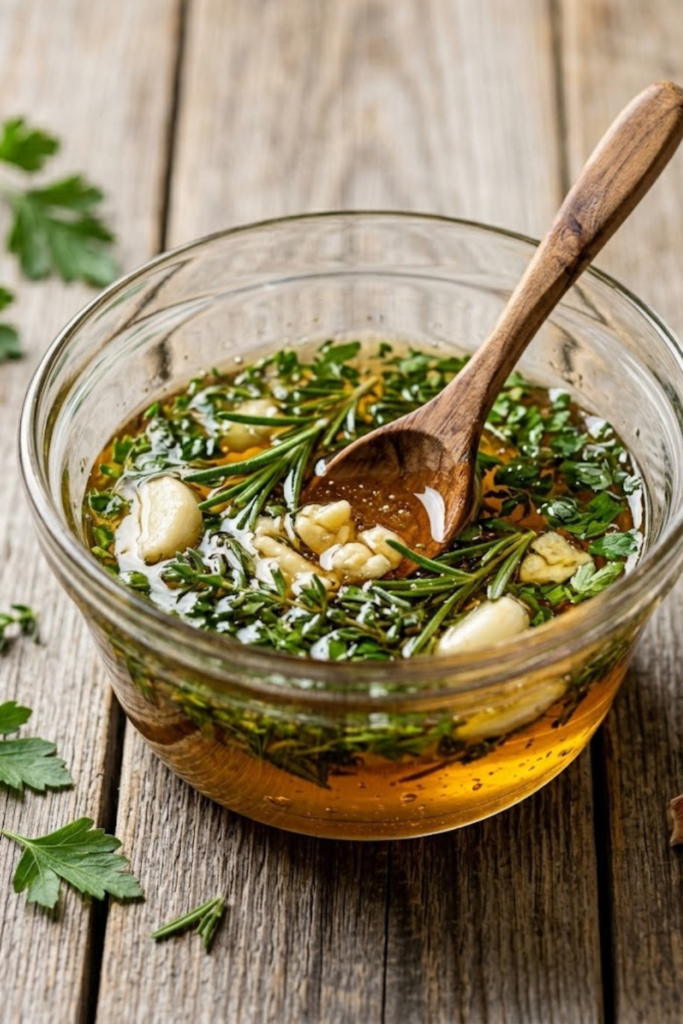
Choosing the Right Herbs for Your Poultry Glaze
I remember the first time I tried to use fresh rosemary in a dish. I thought more was better, so I threw in three whole sprigs without even chopping them. Boy, was I wrong! It tasted like I was chewing on a Christmas tree. I had to learn that herbs are a lot like students in a classroom; some are loud and need to be managed, while others are quiet and just need a little nudge to participate. For this honey herb chicken breast, picking the right greens is everything. It’s the difference between a meal that’s just “okay” and one that makes your family ask for seconds.
Fresh Herbs Versus the Dried Stuff
People ask me all the time if they can just use the dusty jars sitting in the back of the pantry. Look, I get it. Dried is easy and it lasts forever. But for a sticky, delicious glaze, fresh is really the way to go. Dried herbs are much more concentrated and can sometimes taste a bit like hay if they’ve been sitting there since the last eclipse. If you do have to use dried, use about a third of what the recipe calls for. But if you can, grab the fresh stuff. Those green leaves have oils that mix with the honey to create a smell that fills your whole house. If you are stuck with dried, try to crush them in your palm first. This wakes up the flavor a bit so your dinner isn’t boring.
The Powerhouse Trio: Rosemary, Thyme, and Sage
Rosemary is the big boss here. It’s tough and can handle the high heat of a skillet without turning into bitter charcoal. Thyme is like the best friend; it goes with everything and adds a soft, earthy vibe that isn’t too bossy. Then there’s sage. Sage is a little tricky. If you use too much, the flavor gets a bit weird, but just a little bit makes the chicken taste like a fancy holiday meal. I usually chop all three together really fine. You don’t want big chunks of stick-like rosemary getting stuck in your teeth while you’re trying to eat. It’s about getting a little bit of each in every bite.
Keeping Your Herbs from Going Slimy
Don’t let your expensive herbs go to waste! I used to buy those little plastic containers at the store and find a bag of green slime in the fridge three days later. It felt like throwing money in the trash. Now, I treat my herbs like flowers. Put the stems in a small glass of water and wrap a plastic bag over the top. Or, you can wrap them in a damp paper towel and put them in a zip-top bag. They’ll stay fresh for a week that way. It saves you a trip to the store and makes sure you always have what you need for a quick honey herb chicken breast night. It’s a simple habit that makes a huge difference in your cooking.
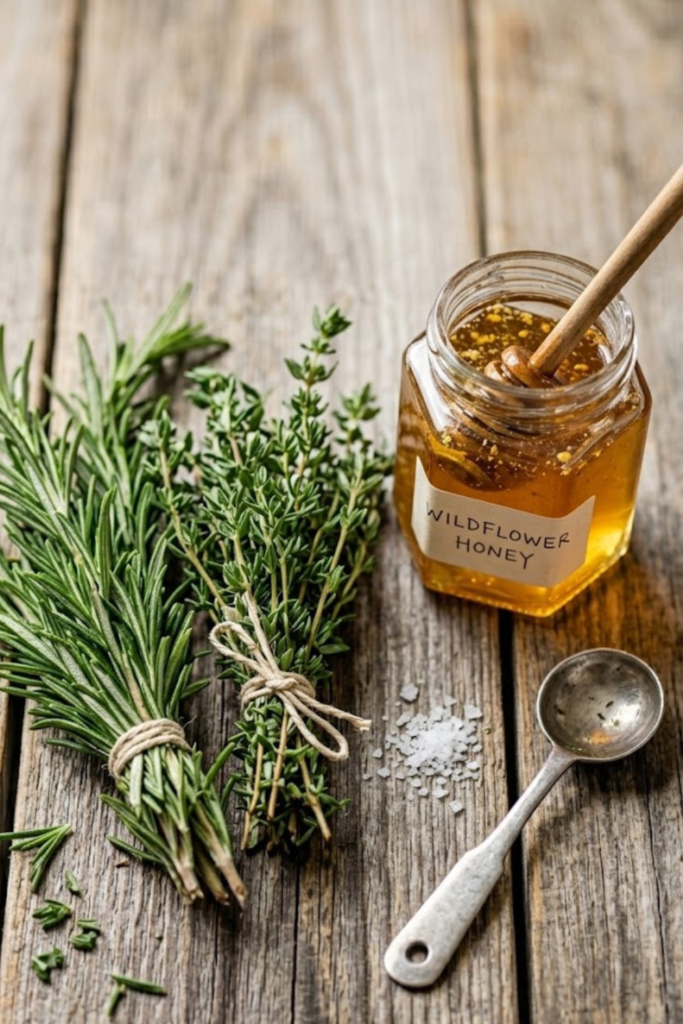
Searing Techniques for a Golden, Sticky Crust
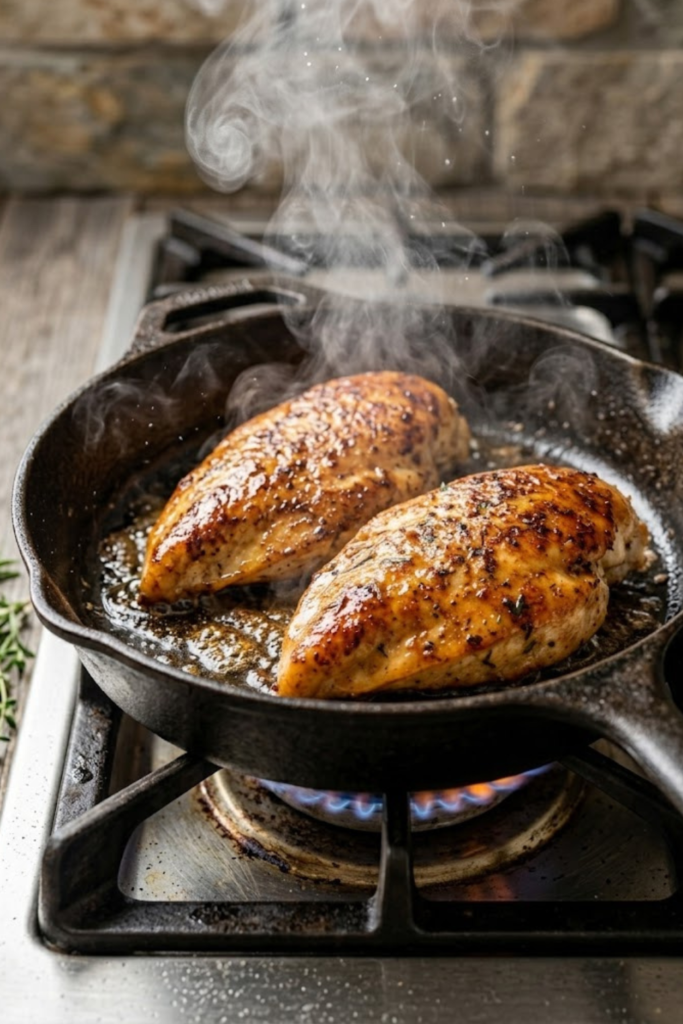
Let’s talk about the heat in your kitchen. I used to be absolutely terrified of my stove. I thought if I turned the dial past medium, the whole house might catch fire! Because of that fear, my honey herb chicken breast always looked like it had been boiled in a bathtub. It was pale, rubbery, and just plain sad. Then, a fellow teacher told me that the “sizzle” is actually the sound of flavor being born. Now, I’m not saying you should set off the smoke alarm, but you do need to be brave with your heat if you want that beautiful, sticky crust that looks like a photo in a magazine.
The Magic of the Cast Iron Pan
If you don’t have a cast iron skillet yet, go get one! It is the best tool for this job because it holds onto heat better than those thin, flimsy pans. When you put a cold piece of chicken into a thin pan, the temperature drops instantly. But a heavy cast iron pan stays hot, which is what you need to caramelize that honey. I usually put a little oil in and wait until I see a tiny bit of smoke. That’s the signal! It tells me the pan is ready to do its work. If you use a non-stick pan, it’s okay, but you just won’t get that same deep, dark color that makes your mouth water.
Don’t Move that Chicken!
This is the hardest part for most of my students to learn. Once you lay that honey herb chicken breast down into the hot oil, leave it alone. Seriously, put your spatula down and walk away for three or four minutes. I used to poke and prod mine every ten seconds because I was worried it was burning. All that does is tear the meat and stop the crust from forming. The honey in the marinade needs time to turn into a thick, golden candy-like coating. When it’s ready to flip, it will actually release from the pan on its own. If it’s sticking, it’s usually trying to tell you that it needs another minute of “me time” on the heat.
Making a Quick Sauce in the Pan
After the chicken is done and resting on a plate, don’t you dare wash that pan yet! All those little brown bits stuck to the bottom are pure gold. They are full of honey, garlic, and herbs. I like to pour a little bit of chicken broth or even just a splash of water into the hot pan while it’s still on the stove. Use a wooden spoon to scrape up all those yummy bits. This creates a fast pan sauce that you can pour right back over your honey herb chicken breast. It makes the meat even more juicy and makes sure none of that hard work goes to waste. Plus, it makes the pan way easier to clean later, which is a total win in my book!
Bringing it All to the Table
Wrapping this up, I really hope you give this honey herb chicken breast a fair shake in your own kitchen. I’ve spent years teaching my kids and my students that cooking isn’t about being perfect or having the fanciest tools; it’s about making something that tastes like home. One of my favorite memories is from a few years back when my daughter finally tried this recipe. She looked up at me with a sticky face and told me it tasted like a fancy restaurant, but better because she didn’t have to wear her shoes or sit up straight. That’s the kind of stuff that makes being in the kitchen totally worth it. It’s about those small moments of joy over a plate of good food.
You know, I used to think that making a good dinner had to be a huge production. I thought I needed to spend hours preping everything. But this meal proves that isn’t true. It is simple, fast, and it works every single time as long as you watch your heat. If you’re feeling a little nervous about the honey burning or the chicken being dry, just remember what I said about the thermometer. It really is your best friend in the kitchen. Don’t guess! Knowing for sure that your meat is cooked right takes all the stress out of the evening.
If you have leftovers, which doesn’t happen often at my house, they make the best sandwiches the next day. I like to slice the cold chicken thin and put it on a roll with a little bit of mayo and some extra black pepper. It’s way better than any deli meat you can buy at the store. Plus, you know exactly what went into it. No weird chemicals or extra salt you can’t pronounce.
I would love to hear how this turns out for you! Did your family love the rosemary, or did you swap it for something else? If you found this helpful, please save it to your favorite Pinterest board. It helps other home cooks find these tips, and it lets me know that I’m helping people get a good meal on the table without all the fuss. Thanks for sticking with me and happy cooking!