Did you know that the average American consumes roughly 2 pounds of pretzels annually? I’m pretty sure I knock that out in a single weekend when these beauties are fresh out of the oven! There is nothing—and I mean nothing—that beats the smell of homemade soft pretzels with beer cheese dip wafting through the kitchen. It’s that perfect combination of chewy, salty dough and rich, velvety cheese that makes everyone go silent at the table.
If you’ve been intimidated by working with active dry yeast or scared of the baking soda bath, don’t worry. I’ve been there. But I’m here to walk you through this savory journey. We are going to create a golden brown crust that snaps perfectly, giving way to a soft, pillowy interior, all dunked in a sharp, flavorful cheese sauce. Let’s get baking!
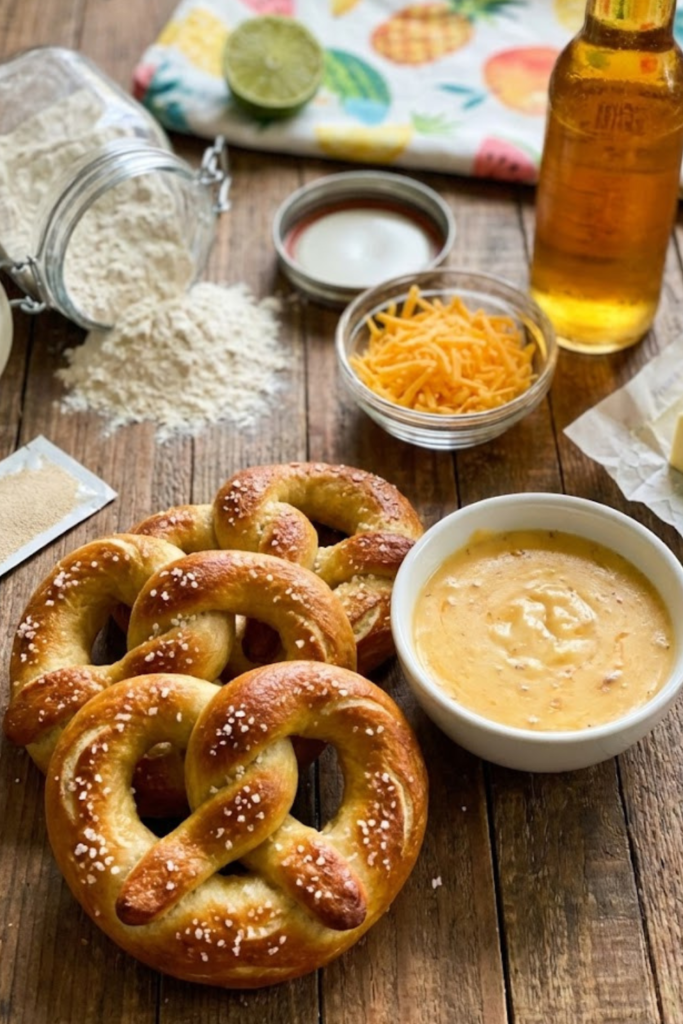
Gathering the Essential Ingredients for Pretzels and Dip
The Flour Foundation
I used to think all white flour was created equal. Man, was I wrong. The first time I tried to make these, I grabbed the bag of generic all-purpose flour I use for cookies and went to town. The result? They tasted like weirdly shaped dinner rolls. They were soft, sure, but they lacked that signature chew that fights back a little when you bite down.
For legitimate homemade soft pretzels with beer cheese dip, you really need to get your hands on bread flour. It has a higher protein content than all-purpose (usually around 12-14%), which helps develop a stronger gluten network. That gluten is what gives the pretzel its structure and chewiness. If you absolutely can’t find it, you can get by with all-purpose, but don’t say I didn’t warn you when the texture is a bit “cakey.”
Yeast: The Heartbeat of the Dough
Yeast can be scary. I’ve stared at a bowl of warm water and yeast for ten minutes, poking it, wondering if it’s actually alive or if I just killed it with water that was too hot. It happens to the best of us.
I generally prefer instant yeast because you can toss it right in with the flour, but active dry is fine too—you just have to proof it in water first. The trick I learned the hard way? If your water burns your finger, it’s gonna kill the yeast. It should feel like a nice, warm bath (about 110°F if you want to be precise). If the yeast doesn’t foam up after 5 minutes, throw it out and start over. It’s better to waste a packet of yeast than a whole batch of dough.
The Cheese: Block vs. Bag
Okay, we need to have a serious talk about the cheese. Please, for the love of all things savory, do not buy the pre-shredded stuff in the bags. I know it’s easier. I know it saves you from washing the grater. But those bags are coated in anti-caking agents like cellulose (basically wood pulp) to keep the strands from sticking together.
When you try to melt that into a sauce, it gets grainy and weird. It just doesn’t dissolve right. Buy a block of sharp cheddar cheese and grate it yourself. It melts smoother, tastes better, and honestly, you can skip arm day at the gym. A sharp cheddar cuts through the richness of the dough perfectly.
Picking the Right Brew
The beer cheese is arguably the star here, and the beer you choose makes a massive difference. You want something that tastes good on its own. If you wouldn’t drink a glass of it, don’t pour it into your sauce.
I usually go for a lager or an amber ale. They have enough flavor to stand up to the cheese but aren’t so overpowering that they make the dip bitter. I once tried this with a really hoppy IPA because it was all I had in the fridge. Big mistake. The bitterness concentrated as it cooked, and the dip was practically inedible. Stick to the milder, maltier beers for the best results.
The Little Things: Salt and Butter
Don’t forget the coarse sea salt or pretzel salt. Table salt just dissolves and disappears, leaving you with a salty crust but no crunch. You want those big, white crystals that stay intact. And for the butter? Unsalted is usually the way to go so you can control the salt level, but let’s be real—if all you have is salted butter, just pull back a little on the salt in the dough. It’s not the end of the world.
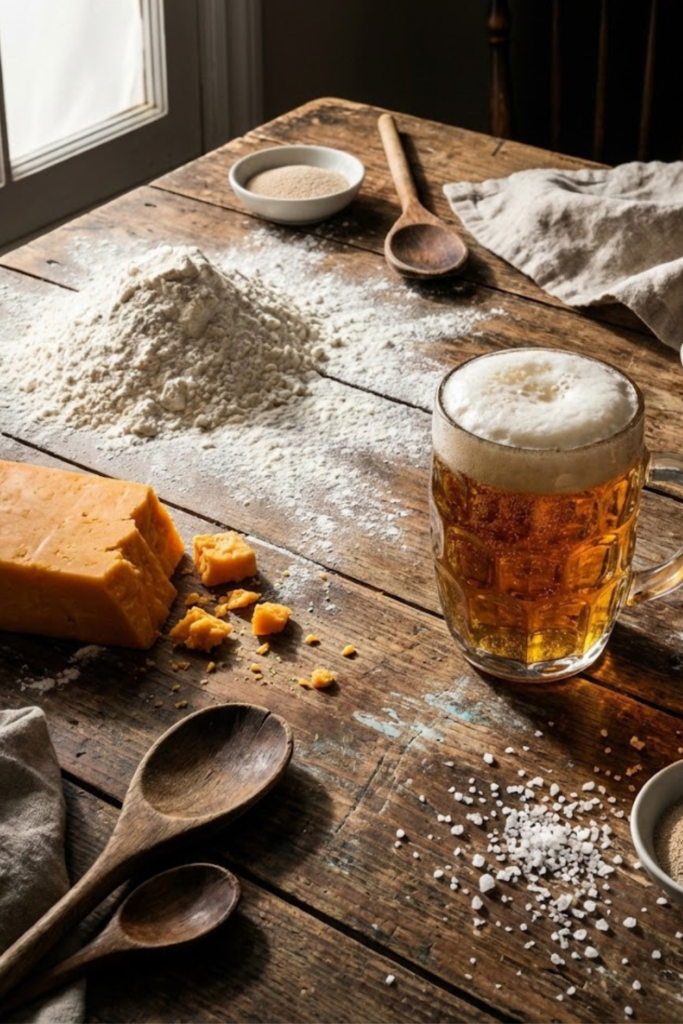
Mastering the Pretzel Dough
Proofing the Yeast
So, you’ve got your warm water and your yeast. Now we wait. This is the part where you just have to be patient, which is hard for me sometimes. You sprinkle that yeast over the warm water—maybe with a pinch of sugar to give it something to eat—and let it sit.
After about 5 to 10 minutes, it should look creamy and frothy. If it’s just sitting there looking like dirty water, something went wrong. Your water might have been too hot or your yeast was old. If that happens, dump it. Seriously. Don’t try to save it. You need that foam action or your pretzels will turn out like hockey pucks.
Kneading: Machine vs. Muscle
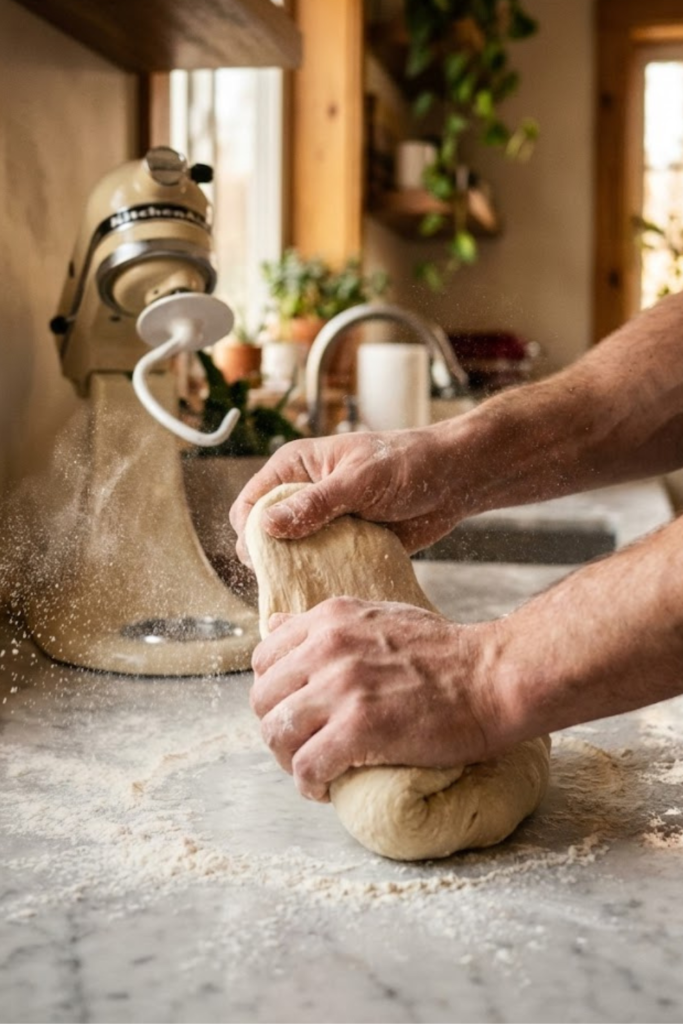
I love my stand mixer. I really do. I throw the ingredients in, attach the dough hook, and let it do the hard work for about 5 minutes until the dough is smooth and pulls away from the sides of the bowl. It’s easy.
But if you don’t have one, don’t sweat it. You can knead by hand. It’s actually kind of therapeutic after a long week. Just flour your counter, dump the dough out, and push it away from you with the heel of your hand, then fold it back. Do this for maybe 10 minutes. You’ll know it’s ready when it feels elastic and smooth, kind of like playdough but tougher. If it keeps tearing, keep kneading.
The Rise
Once your dough is looking good, it needs a nap. Grease a large bowl with a little oil (I use cooking spray), drop the dough in, and cover it with a towel or plastic wrap.
Now, find a warm spot. In the winter, I sometimes turn my oven on for just a minute, turn it off, and stick the bowl in there. You want it to be cozy so it can double in size. This usually takes about an hour. To check if it’s ready, poke it gently with your finger. If the indent stays and doesn’t bounce back right away, it’s ready to go.
Shaping the Twists
This is the fun part where you can get the kids involved if you want. Punch the dough down to get the air bubbles out and divide it into equal pieces. I usually get about 8 to 12 depending on how big I want them.
Take a piece and roll it into a long rope—like a snake. You want it pretty long, maybe 20 inches or so. Make a “U” shape with the rope. Take the two ends, cross them over each other once, and then cross them again. Then, flip the ends down to the bottom of the “U” and press them in. It sounds complicated, but once you do one, your hands just kinda figure it out. If they look a little wonky, who cares? They all taste the same.
The Science of the Baking Soda Bath
Why We Bathe the Dough
I remember the first time I read a pretzel recipe. I thought, “Boil the dough? Are you kidding me?” It sounded completely backwards. I actually skipped it that first time because I was feeling lazy and, frankly, I didn’t trust the process. Big mistake. I pulled out these pale, sad-looking buns that just tasted like plain white bread.
If you want that deep, dark, mahogany color and that specific “pretzel” flavor, you have to do the baking soda bath. It’s non-negotiable. Basically, the baking soda makes the water alkaline. When the dough hits that water, it changes the chemistry of the outside of the dough. This kickstarts the browning process in the oven—fancy folks call it the Maillard reaction—way faster than normal. It gives you that signature chewy skin we all love.
The 30-Second Rule
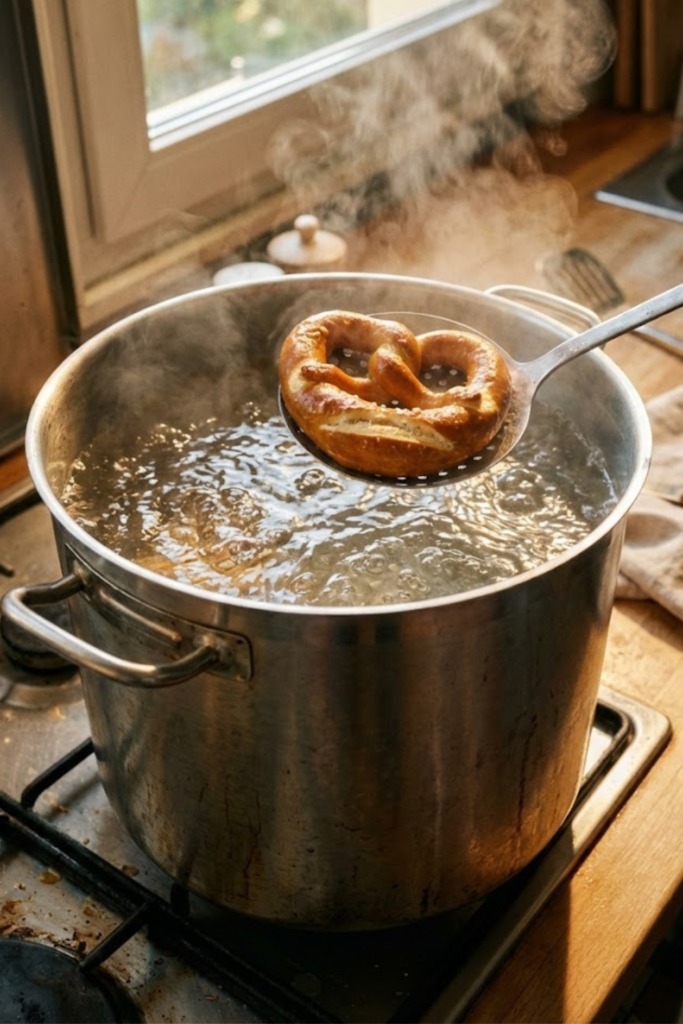
Get a big pot of water boiling and dump in the baking soda. Watch out, though. It will fizz up like a science fair volcano. I learned that one the hard way and spent twenty minutes scrubbing sticky water off my stove. Once it settles, drop the pretzels in.
Do not walk away. You want to boil them for about 30 seconds per side. If you leave them in too long, the baking soda soaks in too deep. I did this once, thinking “longer must be better,” and they tasted like metallic soap. It was gross. Use a large slotted spoon to fish them out and let the excess water drip off. If they are too wet, they get slimy on the baking sheet.
To Egg or Not to Egg
After the bath, you have a choice to make. If you want them super shiny and dark, brush them with an egg wash (just an egg beaten with a splash of water). It acts like a glue for the salt, too.
Personally? I often skip the egg and just brush them with melted butter right after they come out of the oven. The butter soaks into the hot crust and makes them incredibly rich. But if you want that classic stadium look, go with the egg wash before baking.
The Fun Part: Toppings
You have to move fast here. While the dough is still wet from the bath (or the egg wash), sprinkle on your coarse salt. If you wait until the dough dries, the salt just bounces off and ends up all over the floor. I’ve tried table salt in a pinch, but it just dissolves and makes the crust salty without the crunch.
You don’t have to stick to just salt, though. I love doing a few with sesame seeds or even Everything Bagel seasoning. Just be careful with toppings that burn easily, like dried garlic, since the oven is going to be pretty hot.
Crafting the Ultimate Beer Cheese Dip
The Roux
Okay, this part sounds fancy, but it’s really just cooking butter and flour together. It’s the glue that holds your sauce together. Melt your butter in a saucepan over medium heat. Once it’s bubbling, sprinkle in the flour.
You have to whisk this constantly. If you don’t, the flour will burn and your whole dip will taste like toast. Let it cook for about a minute or two until it smells a little nutty and loses that raw flour taste. Don’t rush this step or your sauce will be gritty.
Tempering the Dairy
Now, grab your milk and your beer. Pour them in slowly while you whisk like crazy. If you dump it all in at once, you’ll get lumps. Nobody wants lumpy cheese dip.
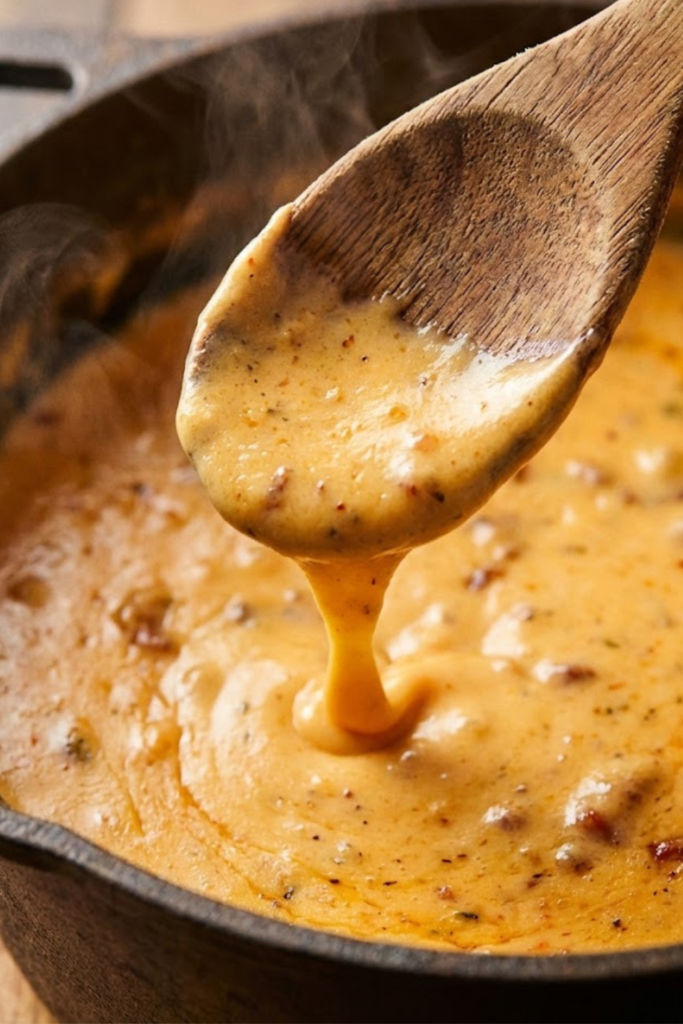
Keep whisking until the mixture is smooth and starts to thicken up. It should coat the back of a spoon. If it looks too thin, just let it bubble for another minute. It will thicken as it cools, too, so don’t make it into cement.
Melting the Cheese
Here is the most important rule of cheese sauce: Turn off the heat before you add the cheese. I cannot stress this enough. If the sauce is boiling when you add the cheese, the proteins will seize up and separate from the oil. You’ll end up with a greasy, curdled mess instead of a smooth, creamy dip.
Take the pan off the burner. Add your shredded cheese a handful at a time, whisking until it’s fully melted before adding the next batch. This takes a little patience, but it’s worth it for that velvety texture.
Flavor Boosters
Now taste it. It probably tastes good, but maybe a little flat. This is where you add the magic. I always add a squirt of Dijon mustard, a splash of Worcestershire sauce, and a pinch of cayenne pepper or smoked paprika.
These ingredients don’t make it spicy; they just wake up the cheese flavor. The mustard adds a little tang that cuts through the richness, and the Worcestershire adds a savory depth that makes people wonder what your secret ingredient is. Adjust the salt and pepper to your liking, and you’re done!
Baking, Storage, and Reheating Tips
The High Heat Secret
You might be tempted to bake these at 350°F like cookies. Don’t do it. Pretzels need a serious blast of heat to get that dark color and the crispy outside while keeping the inside soft. I set my oven to 450°F (that’s about 230°C).
Make sure your oven is actually that hot before you put the tray in. I bought a cheap oven thermometer a while back and realized my oven lies to me. It says 450°F but it’s really 425°F. If your oven runs cool, crank it up a bit more. You want them to puff up fast. They usually only need about 12 to 15 minutes. Watch them closely near the end so the bottoms don’t burn.
Cooling Down
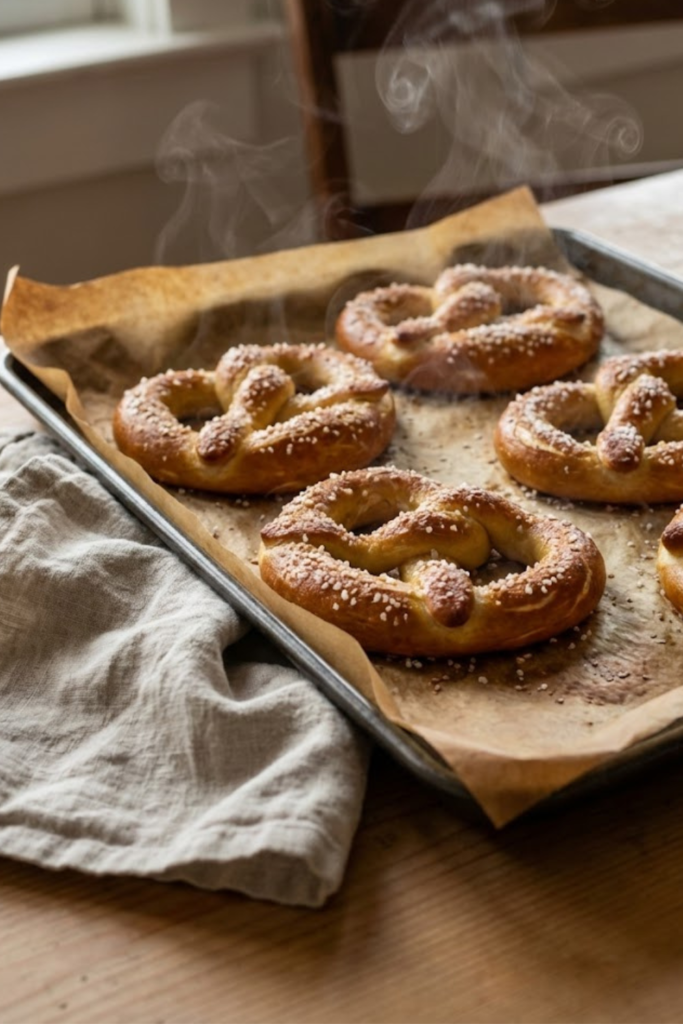
When you pull the baking sheet out, your kitchen is going to smell amazing. You’ll want to eat one immediately. Wait five minutes. Seriously. If you bite into it now, it’s just hot dough.
Also, move them to a wire rack as soon as you can handle them. If you leave them on the pan, the steam gets trapped underneath and the bottoms get soggy. Nobody likes a soggy pretzel. This keeps the crust nice and crisp.
Saving Some for Later
If you somehow don’t eat all of them (which rarely happens in my house), they freeze really well. I wrap them individually in plastic wrap and then toss them in a freezer bag. They stay good for a couple of months.
For the cheese dip, put it in an airtight container in the fridge. It will turn into a solid block of cheese cement when it gets cold. That’s normal. Don’t panic.
Bringing Them Back to Life
Please, I am begging you, do not microwave the pretzels to reheat them. They turn into rubber. It’s sad.
To reheat, just wet your hand and brush a tiny bit of water on top of the pretzel, then pop it in the oven or toaster oven at 350°F for about 5 minutes. They taste almost brand new. For the dip, you can microwave that—just do it in 30-second bursts and stir in between so the oil doesn’t separate.
There you have it. That is everything I know about making Homemade Soft Pretzels with Beer Cheese Dip. It sounds like a lot of steps, especially with the boiling water and the yeast, but once you do it once, it clicks.
There is just something really cool about pulling a tray of dark, salty pretzels out of your own oven. They taste way better than the ones you get at the mall or the movie theater because you know exactly what went into them. No weird chemicals, just flour, water, yeast, and a whole lot of cheese.
So, grab a bag of flour this weekend and give it a shot. Your family will thank you. And hey, if you liked this guide, do me a favor and pin this to your Appetizer or Game Day Food board on Pinterest. It helps me out a ton!