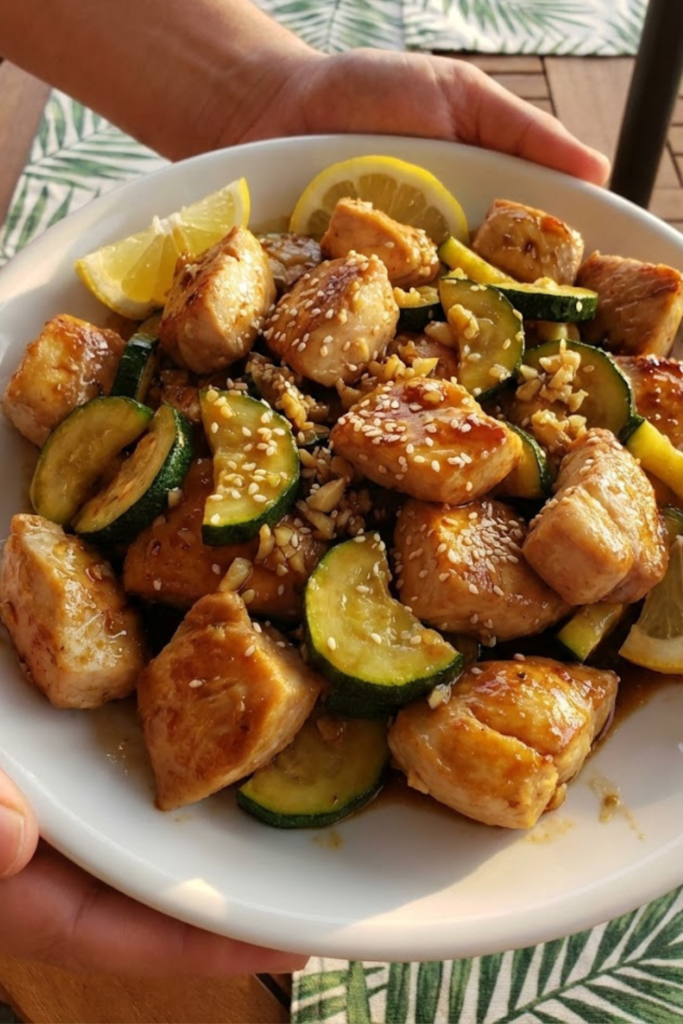
I still remember the first time I sat around a sizzling teppanyaki grill, eyes wide as the chef built a flaming onion volcano. The heat! The smell of garlic butter hitting the hot surface! It was absolute magic. But let’s be honest, dining out at a Japanese steakhouse every time a craving hits can really hurt the wallet. That’s why I spent months perfecting this copycat hibachi chicken recipe at home. It’s incredibly fast. It’s easier than you think!
Did you know that “Hibachi” actually refers to a traditional heating device, though in North America, we use it to describe the high-heat, iron plate cooking style properly known as Teppanyaki? In this guide, I’m going to show you exactly how to recreate that savory, buttery magic in your own kitchen—no chef’s hat required. Get your skillet ready, because we are about to make dinner unforgettable!
Unlocking the Secrets of Japanese Steakhouse Flavor
You know, for the longest time, I thought the magic of a Japanese steakhouse was just about the onion volcano. I’d go there, watch the chef flip a shrimp into my pocket (true story, sadly), and think, “I can never do this at home.” I was dead wrong. It turns out, making hibachi chicken isn’t about the theatrics; it’s about understanding a few simple flavor bombs that restaurants use to hook us.
When I first tried to recreate this in my kitchen, I failed miserably. The chicken was rubbery, and it just tasted like… well, chicken with soy sauce. I was so frustrated I almost threw my spatula across the room! But after annoying a few chef friends and ruining countless batches of dinner, I finally cracked the code.
It’s Actually Called Teppanyaki
Here’s a fun fact I learned the hard way. In North America, we call it “Hibachi,” but if you go to Japan and ask for that, you might get a confused look. Technically, we are doing Teppanyaki cooking. That refers to cooking on a large, flat iron griddle. A traditional hibachi is actually a small, open-grate barbecue heated by charcoal.
Why does this matter? It doesn’t really, except it helps you understand the equipment. You don’t need a charcoal grill. You need a flat surface that gets crazy hot. A cast-iron skillet or an electric griddle works perfectly for hibachi chicken. Don’t get hung up on the fancy tables; your stove is just fine.
The Holy Trinity of Flavor
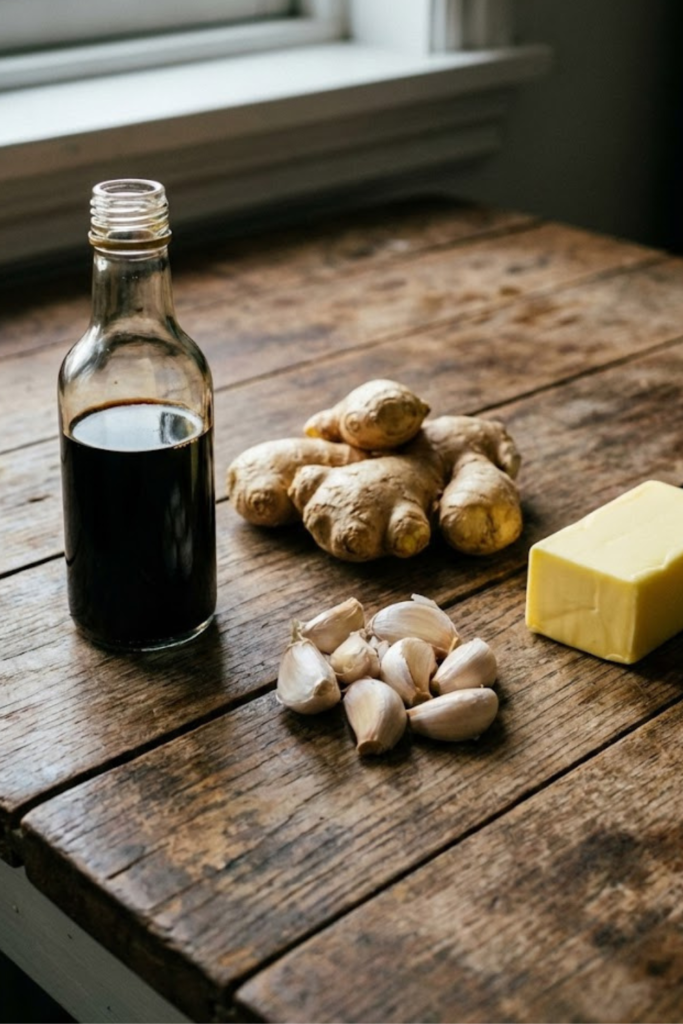
My biggest mistake early on was being stingy with the aromatics. I used to put in a tiny pinch of garlic powder and wonder why it was bland. You need fresh ingredients. The base of any good hibachi chicken recipe relies heavily on three things: garlic, ginger, and sesame oil.
- Garlic: You need more than you think. When you think you have enough, add another clove.
- Ginger: Use fresh ginger, not the powdered stuff. It adds that little zing that cuts through the salt.
- Sesame Oil: This is potent stuff. A little goes a long way, but it provides that signature nutty aroma.
I remember once I accidentally dumped half a bottle of sesame oil in the pan. The house smelled amazing for a week, but the food was inedible. Balance is key, folks.
Butter, Butter, and More Butter
Okay, I’m going to be real with you. The secret ingredient to that restaurant-quality hibachi chicken is an insane amount of butter. It’s not “healthy” in the traditional sense, but my goodness, is it tasty.
We often try to cook healthy at home, using olive oil spray or whatever. But the steakhouse isn’t doing that. They are mixing soy sauce with a giant slab of garlic butter. That combination caramelizes on the meat and creates a glaze that is out of this world. If you want it to taste authentic, you have to commit to the butter. You can go back to your diet tomorrow!
Controlling the Heat
The final piece of the puzzle is heat management. In a restaurant, those griddles are scorching hot. This allows them to sear the meat instantly, locking in the juices. At home, our stoves often struggle to reach those temps.
I used to overcrowd my pan, throwing all the chicken and veggies in at once. Big mistake. The temperature would drop, and the food would just boil in its own juices. It was gross and gray. Now, I cook in batches. It takes a few extra minutes, but getting that golden-brown crust on your hibachi chicken is non-negotiable. Trust me, hearing that aggressive sizzle when the meat hits the pan is the best sound in the world. It means flavor is happening.
Essential Ingredients for Juicy Hibachi Chicken
I honestly used to dread the grocery store runs for Asian cooking. I’d stand in the international aisle, staring at fifteen different bottles of soy sauce, totally paralyzed. “Is dark soy sauce the same as regular? What on earth is Mirin?” It felt like a pop quiz I hadn’t studied for.
But over the years, after making hibachi chicken probably a hundred times for my family, I’ve realized you don’t need a pantry full of exotic ingredients. You just need the right ones. If you try to substitute everything, you’re gonna end up with a stir-fry that tastes like sadness.
The Chicken Debate: Breast vs. Thighs
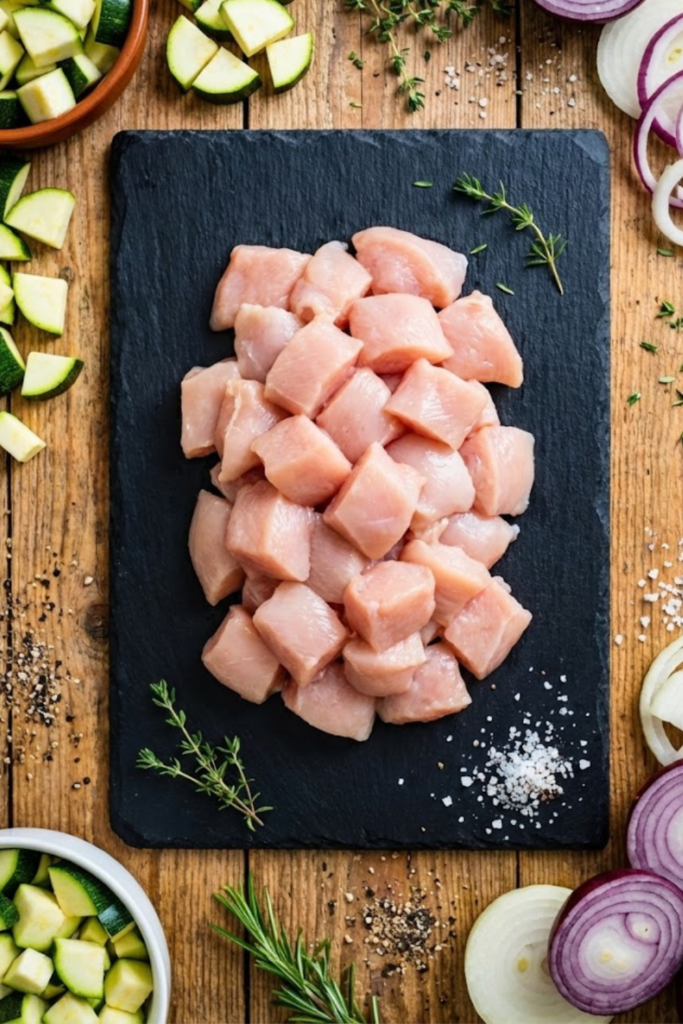
Okay, here is the deal. Most restaurants use chicken breast for their hibachi. It’s leaner and cuts into those perfect little white cubes we all recognize. However, if you are cooking at home and you’re worried about overcooking it (which I do constantly), chicken thighs are your best friend.
I used to force myself to buy breasts because they were “healthier,” but they dry out if you look at them wrong. Thighs stay juicy even if you leave them on the heat a minute too long.
If you stick with chicken breast, here is a pro tip: slice the meat against the grain into 1-inch bite-sized pieces. Uniformity is huge here. If you have big chunks and small chunks, the small ones turn into rubber bullets before the big ones are done.
The Pantry Staples You Can’t Skip
There was this one time I didn’t have vegetable oil, so I used extra virgin olive oil. Huge mistake. The smoke point is too low, and my kitchen filled with smoke instantly. My smoke detector was screaming at me while I tried to fan it with a kitchen towel.
For hibachi chicken, you need a neutral oil with a high smoke point, like canola or vegetable oil.
Also, let’s talk about the sauce ingredients:
- Mirin: This is a sweet rice wine. Don’t skip it. I once tried using apple cider vinegar instead; it tasted weirdly sour and ruined the whole vibe.
- Low-Sodium Soy Sauce: Please, for the love of your blood pressure, get the low-sodium kind. You are going to be adding salt and butter later. If you use full-sodium soy sauce, the dish becomes a salt lick.
- Sesame Seeds: Toasted ones look fancy sprinkled on top.
Don’t Forget the Veggie Squad
The chicken is the star, but the supporting cast matters. I’m talking about zucchini and onions.
I usually grab two medium zucchinis and a large yellow onion. Sometimes I’ll throw in mushrooms if I’m feeling ambitious, but my kids usually pick them out, so I stopped bothering. Slice the zucchini into spears or rounds—whatever makes you happy. Just don’t slice them too thin, or they turn into mush on the high heat.
The Secret Spice Weapon
If you have ever eaten hibachi chicken and wondered, “What is that subtle kick?”, it is probably white pepper.
It hits the palate differently than black pepper. It’s earthier. I didn’t own white pepper for the first ten years of my cooking life, but now I keep it right next to the salt. A tiny pinch of sugar is also a nice touch to balance out the savory soy sauce, though that’s optional if you’re watching carbs.
Getting these specific ingredients ready on the counter before you turn on the stove is half the battle. Once that pan gets hot, things move fast, and you won’t have time to dig for the garlic powder!
Crafting the Perfect Hibachi Marinade and Sauce
I used to think the secret to flavor was soaking meat for days. I remember prepping for a dinner party once and marinating chicken for 48 hours. I thought I was being so smart. Turns out, the acid turned the meat into mush. It was completely inedible, and we ended up ordering pizza.
When it comes to hibachi chicken, forget everything you know about long marinades. The flavor happens right in the pan. The sauces are the absolute soul of this meal. If you mess this part up, you just have salty chicken. But get it right? You are basically a hero to your family.
The “Non-Marinade” Marinade
Here is the thing about Japanese steakhouses: they don’t bring out pre-soaked meat. They bring out raw meat and season it right in front of you. That’s good news for us because it saves time.
I usually toss my diced hibachi chicken in a very light coating of oil and soy sauce just while I chop the veggies. Maybe 15 minutes tops. You aren’t trying to cure the meat; you just want the surface to wake up.
The real magic happens with the “finishing sauce.” I learned this trick after watching a chef deglaze the grill. He wasn’t just using soy sauce. It was a mix.
My go-to ratio for the cooking sauce is simple:
- 2 tablespoons of soy sauce
- 1 tablespoon of mirin
- 1 teaspoon of sesame oil
You dump this on the chicken right at the end. It bubbles up, thickens slightly, and coats every piece in glossy perfection.
The Pink Stuff: Homemade Yum Yum Sauce
Okay, let’s be honest. We all go to the steakhouse for the pink sauce. My kids call it “special sauce,” but the world knows it as Yum Yum sauce. For the longest time, I bought the bottled version at the grocery store. It was okay, but it tasted kind of chemical-y.
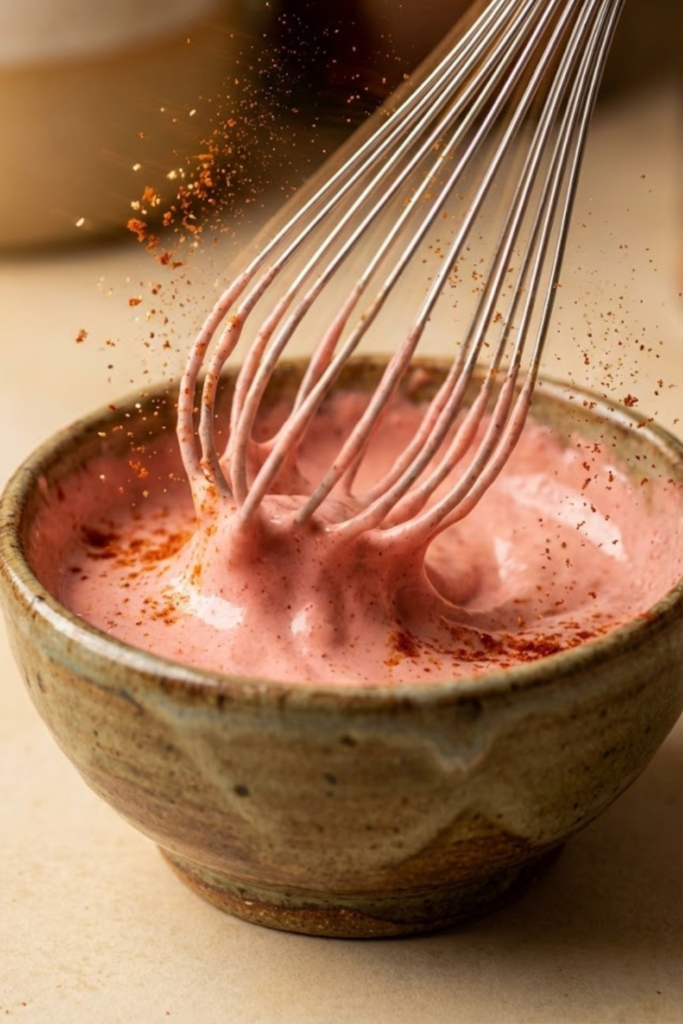
Making homemade Yum Yum sauce is ridiculously easy. I felt silly for buying it once I realized what was in it. It’s mostly mayonnaise.
Here is what I throw in my bowl:
- 1 cup of mayonnaise (use the good stuff, like Hellmann’s or Duke’s)
- 1 tablespoon of tomato paste (this gives the pink color)
- 1 tablespoon of melted butter (yes, more butter)
- 1 teaspoon of garlic powder
- 1 teaspoon of sugar
- A splash of water to thin it out
Whisk it until your arm hurts. Seriously, whisk it good. Then, let it sit in the fridge for at least an hour. If you eat it right away, it just tastes like tomato mayo. The flavors need time to get to know each other. I once skipped the fridge time because I was impatient, and it was a total letdown.
The Zesty Ginger Dipping Sauce
If the mayo sauce is too heavy for you, the ginger sauce is the way to go. It’s that brown, chunky sauce usually served with the salad or seafood. I personally love dipping my hibachi chicken in this because the ginger cuts right through the grease.
I use a blender for this one. I toss in a big chunk of onion, a knob of fresh ginger, soy sauce, and vinegar. Warning: it will look like sludge at first. Keep blending. You want it relatively smooth but with a little texture.
One time I used too much raw onion and my breath could have peeled paint off the walls. Start with a small piece of onion; you can always add more. This sauce is sharp, acidic, and totally addictive.
Having both sauces on the table makes the meal feel like a real event. It gives people options, and honestly, dipping stuff is just fun. It turns a regular Wednesday night dinner into something that feels like a treat.
Step-by-Step Guide to Searing Chicken at Home
I used to be that cook who thought I could chop the onions while the chicken was browning in the pan. I thought I was being efficient. Let me tell you, that is a recipe for disaster. I’d end up with burnt meat and half-chopped veggies flying everywhere.
When you are making hibachi chicken, speed is the name of the game. Once the heat is on, you won’t have time to look for the soy sauce or find a clean knife. The train leaves the station, and you better be on it! So, learn from my chaotic mistakes: prep everything before you even look at the stove.
Prep Is Everything
We call this mise en place in the cooking world, but I just call it “saving my sanity.”
Before I turn on a single burner, I have my chicken diced into cubes. I have my zucchini sliced. My garlic is minced, and my sauces are measured out in little bowls. It makes me feel like I’m on a cooking show, which is fun, but mostly it keeps me from panicking.
If you don’t prep, you’ll be scrambling. And when you scramble, you overcook the hibachi chicken. Dry chicken is the enemy.
Picking Your Weapon: The Pan
I don’t have a giant stainless steel teppanyaki table in my dining room. My wife would kill me. So, what’s the next best thing?
For years, I tried using a non-stick wok. It was okay, but it didn’t give me that deep, dark sear I wanted. The game-changer was switching to a large cast-iron skillet or an electric griddle.
- Cast Iron: It holds heat like a champ. You can get it screaming hot, which is exactly what you need.
- Electric Griddle: This is great if you are cooking for a crowd because you have more surface area.
Just make sure whatever pan you use is big. If you crowd the pan, the meat steams instead of searing. I used to dump two pounds of chicken into a small pan and wonder why it turned gray. Cook in batches if you have to!
The Art of the Sear
Here is the hardest instruction you will ever follow: Don’t touch the chicken.
When you drop that diced chicken into the hot oil, your instinct will be to start stirring it immediately like a stir-fry. Stop it. Resist the urge.
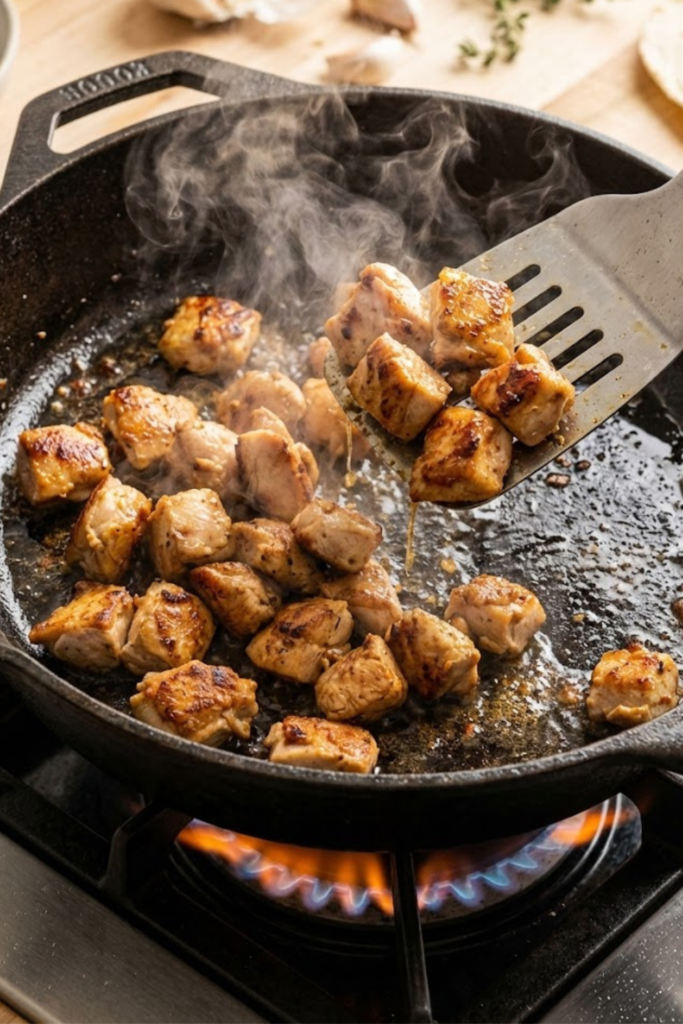
Spread the pieces out in a single layer and let them sit there undisturbed for about 2 to 3 minutes. You want the bottom to get nice and golden brown. If you move it too soon, you lose the crust. That crust is flavor.
Once you see the edges turning white, give it a flip. It should release easily from the pan. If it sticks, it’s not ready.
The Butter Finale
This is the moment that smells like heaven. When the hibachi chicken is almost done—I’m talking 90% cooked—that is when you add the magic.
I scoot the chicken to one side of the pan (or the center if using a wok) and drop in the garlic butter and soy sauce mixture. It will hiss and bubble aggressively. This is good! Toss the chicken in that bubbling liquid immediately.
If you add the garlic too early, it burns and tastes bitter. Adding it at the end keeps the garlic sweet and savory. The sauce glazes the meat instantly. Give it a quick toss to coat everything, and get it off the heat.
That final toss is what makes it taste better than takeout. It’s shiny, salty, and utterly delicious. I usually steal a piece right out of the pan, burning my tongue in the process. Totally worth it.
Completing the Meal: Hibachi Fried Rice and Sides
I have a confession to make. For years, I treated the rice as an afterthought. I’d spend all this energy making the perfect hibachi chicken, and then I’d just slap some steamed white rice on the plate. It was… fine. But it wasn’t the experience I wanted. It felt like buying a Ferrari and putting budget tires on it.
The truth is, the hibachi fried rice is what ties the whole meal together. It soaks up the extra sauce, it adds texture, and honestly, sometimes I like it more than the meat. But getting it right took me a lot of trial and error. My first few attempts were basically garlic-flavored rice pudding. Not appetizing.
The Golden Rule of Fried Rice
If you take only one thing away from this entire guide, let it be this: never, ever use fresh, hot rice for fried rice.
I learned this the hard way on a Tuesday night. I made a fresh pot of jasmine rice and immediately threw it into the hot wok with soy sauce. It turned into a gummy, sticky mash that reminded me of wallpaper paste. I tried to convince my family it was “risotto style,” but nobody was buying it.
You need day-old rice. Seriously. Plan ahead. Cook the rice the day before and put it in the fridge. The cold air dries out the grains so that when they hit the hot pan, they separate and get that nice chewy texture instead of turning into mush. If you are desperate and forgot to plan (which happens to me constantly), spread fresh rice on a baking sheet and put it in the freezer for 30 minutes. It’s a decent cheat code.
The Egg Scramble Trick
You know how the chef always does the heart-shaped egg on the grill? Yeah, I don’t do that. I tried once and it looked more like a blob. But the cooking technique is solid.
Don’t scramble the egg in a separate bowl first. Push your rice to the side of the pan to create a little open space. Drop a dab of butter in there and crack the egg directly onto the hot surface. Scramble it right there in the pan until it’s about 80% cooked, then mix it into the rice.
This keeps the egg pieces distinct and fluffy. If you mix the raw egg directly into the rice immediately, it just coats the grains and makes them soggy. We want bits of yellow gold throughout the hibachi fried rice, not yellow rice.
Don’t Waste the Flavor
After I cook the hibachi chicken, there is usually a little bit of fond (the tasty brown bits) and flavored oil left in the pan. Do not wash that out! That is liquid gold.
I throw my vegetable medley—usually chopped onions, carrots, and zucchini—right into that same pan. They pick up the garlic and chicken flavors that were left behind. It makes the sides taste like they belong with the meal, rather than just being boiled vegetables sitting sadly on the side.
I like to cook the veggies until they have a nice char but still have a bit of crunch. There is nothing worse than soggy zucchini. It should still have some snap to it.
Plating the Experience
We eat with our eyes first, right? Or at least that’s what I tell myself when I spend five minutes arranging food while it gets cold.
To get the full restaurant vibe, I like to use a small bowl to mold the rice. Pack the hibachi fried rice tightly into a cereal bowl, place your dinner plate upside down on top of it, and then flip it over. Lift the bowl, and boom—perfect dome of rice. My kids think I’m a wizard every time I do this.
Serve the hibachi chicken next to the rice, pile the veggies on the other side, and put small ramekins of Yum Yum sauce and ginger sauce on the plate. It looks legit. When you sit down and mix that garlic butter chicken with a forkful of savory rice and a dip of sauce, you’ll realize why we went through all this trouble. It’s better than takeout, and you can have seconds without paying extra.

There you have it! Making hibachi chicken at home isn’t just about saving money (though your wallet will thank you); it’s about controlling the ingredients and having fun in the kitchen. I remember the first time I actually nailed this recipe—I felt like I had unlocked a secret level in a video game. The combination of savory soy, rich garlic butter, and the fresh crunch of sautéed veggies is unbeatable.
It might seem intimidating at first with the high heat and the timing, but once you get the rhythm down, it’s incredibly fast. I guarantee this will become a regular in your weekly meal rotation. My family asks for it constantly now, which is a blessing and a curse!
So, are you ready to fire up the grill? Don’t forget to drizzle that extra Yum Yum sauce on top—it’s a game changer!
Action Step: If you loved this recipe and want to save it for later, please pin this guide to your “Dinner Ideas” or “Asian Recipes” board on Pinterest!