I still remember the specific clatter of the pot lid rattling in my grandmother’s kitchen. It was the sound that signaled warmth was on the way. There is nothing—and I mean nothing—that soothes the soul quite like a steaming bowl of hearty chicken and noodles. Did you know that searches for “comfort food” spike by over 40% when the temperature drops below 50 degrees? It’s not just hunger; it’s a need for a hug from the inside out! In this article, we aren’t just making soup; we are crafting a memory. We’re going to walk through selecting the right bird, mastering the golden broth, and getting those noodles perfectly chewy. Let’s get cooking!
Choosing the Best Poultry for Maximum Flavor
Honestly, I used to be that person who grabbed the boneless, skinless chicken breasts for everything. I thought I was being healthy, or maybe just lazy? But let me tell you, my soup game suffered for it. I remember making a pot of “hearty” noodles about five years ago for a sick friend. I was so proud of it until I tasted the meat. It was like chewing on a wet paper towel. Dry, stringy, and sad. I was mortified! That’s when I learned that for a truly hearty chicken and noodles dish, you have to respect the bird.
It’s not just about tossing meat in water; it’s about building a foundation of flavor that makes you want to lick the bowl.
The Great Debate: Thighs vs. Breasts
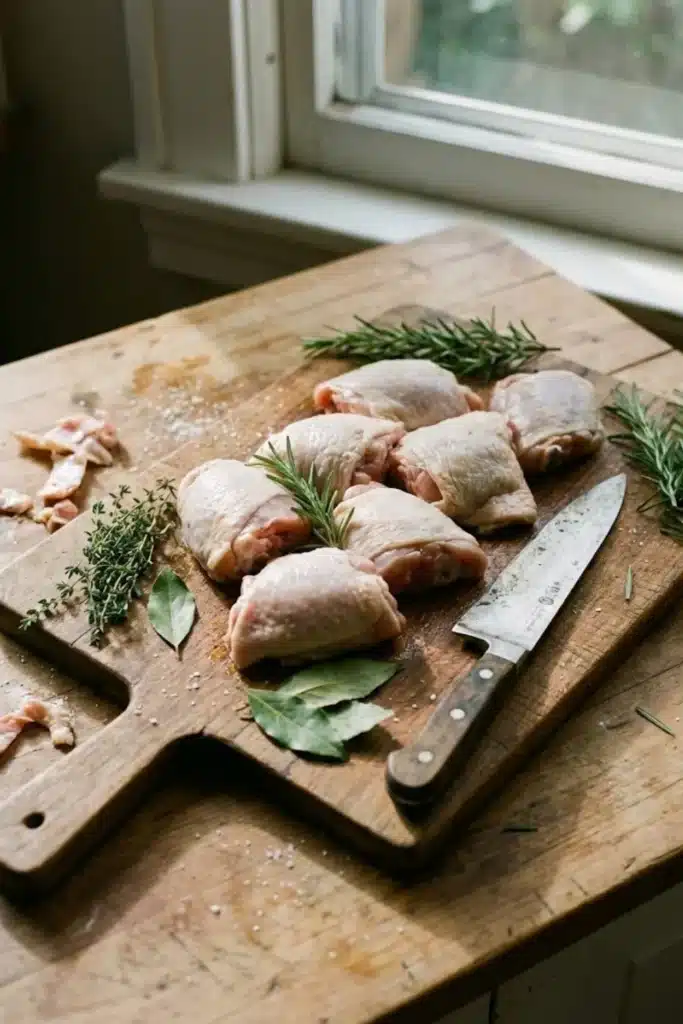
Look, I get it. Shredded chicken breast is lean and easy. But if you want that melt-in-your-mouth texture, you gotta go to the dark side. Dark meat, specifically thighs and legs, has more fat and connective tissue. When you simmer them for an hour, they don’t dry out. They get tender. They fall apart.
My rule of thumb? Use a mix if you have to appease the white-meat lovers in your house. But personally, I use about 70% thighs. The difference in richness is night and day. Plus, chicken thighs recipes are usually cheaper at the grocery store, so it’s a win for your wallet too.
Bones are the Secret Weapon
If you are buying boneless meat for soup, stop it right now! I’m serious. The magic is in the bones. When you cook bone-in chicken, you release collagen into the broth. That’s what gives the liquid that rich, silky mouthfeel—the kind that coats the back of your spoon.
I usually buy whole legs or bone-in thighs. Once the meat is cooked, I fish them out, shred the meat, and toss the bones back in if I’m making stock from scratch. It’s a bit messy, sure. I’ve definitely burned my fingers trying to shred hot chicken because I was too impatient to let it cool. Ouch. But the flavor payoff is huge. You just can’t get that depth from a carton of sodium free chicken stock.
The Rotisserie Shortcut
Okay, let’s be real. Sometimes it’s Tuesday, you’re exhausted, and you just want food on the table. I have absolutely grabbed a rotisserie chicken from the deli on my way home. Is it as good as simmering raw chicken parts? No. Is it still delicious? You bet.
If you go this route, here is a little trick I learned. Don’t just shred the meat and toss the carcass. Throw the skin and bones into your pot with a little water or box broth while you chop your veggies. Let it boil for 20 minutes to extract whatever flavor is left. Then strain it and proceed. It wakes up the store-bought broth and makes it taste semi-homemade.
Quality Matters (Sometimes)
I’m not gonna preach that you need organic, pasture-raised birds every single time. Groceries are expensive! However, I have noticed that cheaper chicken tends to shrink a lot more because it’s pumped with water. If you can swing it, air-chilled chicken has a better texture and tastes more “chicken-y.”
But hey, use what you got. This dish is about comfort, not perfection. If all you have is a pack of frozen breasts, use ’em! Just maybe don’t simmer them for three hours, or you’ll be reliving my “wet paper towel” incident. And nobody wants that.
The Holy Trinity: Veggies and Aromatics
You know, for the longest time, I treated vegetables in soup like they were just colorful confetti. I’d chop them up without thinking, toss them in, and hope for the best. Big mistake. I remember one specific dinner where I was in such a rush that I barely cooked the onions before dumping in the broth. The result? Crunchy, raw-tasting onions floating in my otherwise decent soup. It was a texture nightmare. My kids definitely let me know about it, too.
To get that restaurant-quality depth in your hearty chicken and noodles, you have to treat your veggies with a little respect. They aren’t just filler; they are the foundation of the flavor house we are building.
Respect the Mirepoix
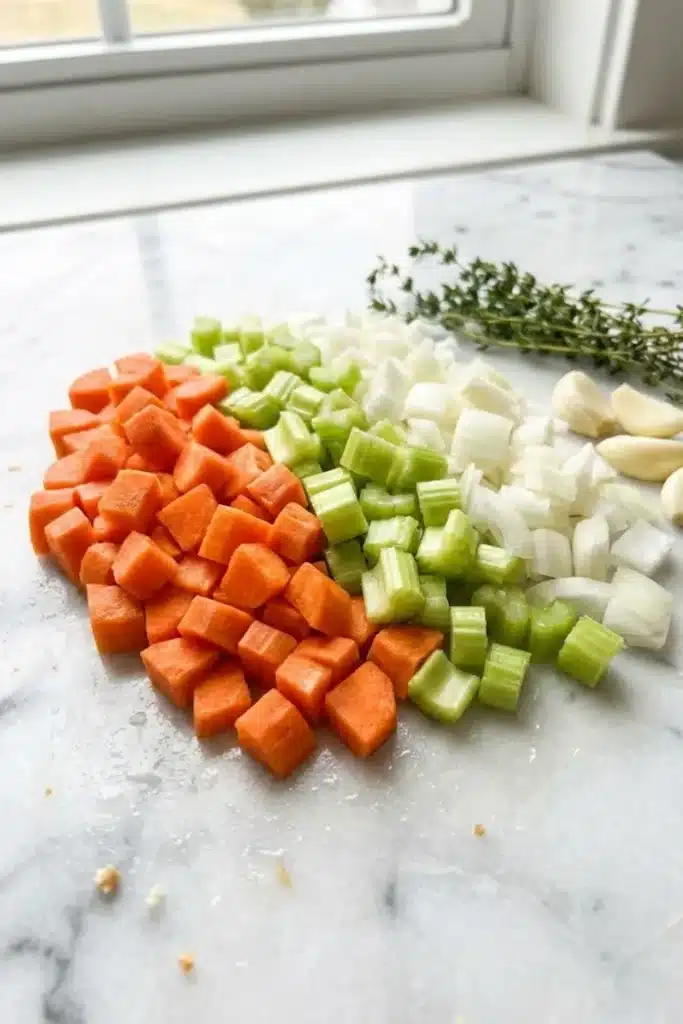
If you went to culinary school, you’d call it a mirepoix. For the rest of us, it’s just onions, carrots, and celery. It sounds fancy, but it’s really simple. The classic ratio is 2:1:1—two parts onion to one part carrot and celery.
I used to eyeball this and usually ended up with way too much celery. My soup tasted like a sad garden salad. Now, I stick to the ratio. Also, size matters here! I’ve been guilty of chopping my celery and carrots into huge chunks because I was lazy. Don’t do that. You want bite-sized pieces that fit on a spoon with a noodle. If they are too big, they don’t cook evenly, and you end up with those hard “bullets” I mentioned earlier.
Garlic: The fragrant risk
I am a huge fan of garlic lover recipes, so I tend to go heavy here. But here is a lesson learned the hard way: do not add the garlic at the same time as the onions. I did this for years. The onions take 5-10 minutes to get soft and translucent. Garlic? It burns in about 30 seconds.
Burnt garlic tastes bitter and acrid. It will ruin the whole pot. So, sweat your sauteed onions first. When they look soft and glassy, then toss in your minced garlic. Stir it constantly for just a minute until you smell that amazing aroma, then immediately pour in your liquid to stop the cooking. It’s a game of chicken, and you don’t want to blink.
Herbs: Fresh vs. Dusty Jars
Let’s talk about that spice rack. We all have that jar of dried parsley from 2018 sitting in the back. Throw it out. Seriously. For this recipe, fresh herbs make a massive difference.
I love using fresh thyme leaves stripped right off the stem. They add this earthy, lemony note that dried thyme just can’t match. If you only have dried, that’s fine, but use less of it because it’s more potent. And please, don’t forget the fresh parsley garnish at the very end. It adds a pop of color and a fresh, grassy bite that cuts through the rich, heavy broth. It’s the difference between “brown sludge” and “gourmet dinner.”
Layering the Salt
This is the hill I will die on. You cannot just salt the soup at the end. If you do, it’ll taste like salty water. You need to season every layer. Salt the chicken. Salt the veggies while they sauté. Salt the broth.
By adding savory poultry seasoning and salt in stages, the flavor penetrates the ingredients. It’s a small tweak, but it changes everything. Just be careful if you are using store-bought broth, as it can be salty already. Taste as you go! I’ve definitely over-salted a pot before and had to frantically dilute it with water. Panic city. Just take your time and trust your tongue.
Mastering the Golden Broth Base
I used to think broth was just water that a chicken took a quick bath in. Boy, was I wrong. I remember attempting my first homemade stock in my early twenties. I threw everything in a pot, boiled the living daylights out of it for an hour, and called it a day. It tasted like hot, salty dishwater. It was tragic. I actually poured it down the drain and ordered pizza.
If you want hearty chicken and noodles that sticks to your ribs, the broth is everything. It’s the liquid gold that ties the whole room together. You can’t hide bad broth with good noodles.
The “Liquid Gold” Standard
Real talk: making stock from scratch is a labor of love. It takes time. But when you see that cold stock jiggle like Jell-O the next day? That is pure triumph. That wobble means you’ve extracted all the collagen, which equals bone broth benefits. It gives the soup a rich, sticky mouthfeel that you just can’t buy in a carton.
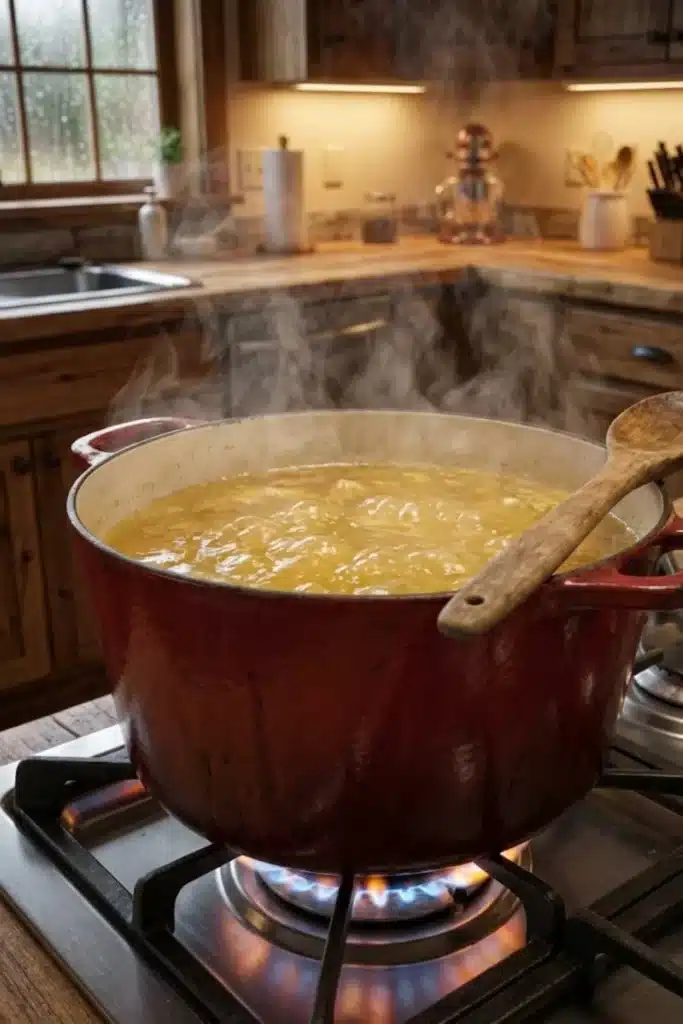
I usually save my carcass from a Sunday roast in the freezer. When I have two or three, I toss them in a big pot with water and let it go. Don’t let it boil violently! I made that mistake for years. A hard boil emulsifies the fat and makes the stock cloudy and greasy. You want a gentle, lazy bubble. Just a few bubbles breaking the surface every second.
Doctoring the Box
Now, I’m a realist. I work, I have kids, and I’m tired. I don’t always have six hours to watch a pot. There is no shame in using store-bought broth! However, don’t just pour it in and serve. It needs help.
I usually buy low-sodium or sodium free chicken stock so I can control the salt. Then, I use a little cheat code: I add a teaspoon of “Better Than Bouillon” paste or a splash of apple cider vinegar. The acid wakes up the flat flavors of the boxed stuff. Also, if you simmer your veggie scraps in the boxed broth for 20 minutes before adding the main ingredients, it tricks people into thinking it’s homemade. I won’t tell if you don’t.
The Skim is Essential
If you are boiling raw chicken parts, you’re going to see some gray, foamy scum float to the top. It looks gross. It is gross. You have to get rid of it.
I used to just stir it back in because I didn’t know better. Don’t do that. It makes the flavor muddy. Stand there for the first 10 minutes of the simmer with a spoon and skim that stuff off. It’s tedious, and I usually complain while doing it, but it results in a clean, bright chicken broth that lets the veggie flavors shine through.
Patience Pays Off
The biggest mistake I see? Rushing. You can’t force flavor. If you are making the base from scratch, give it time. I’ve tried to pressure cook stock in 30 minutes, and while it’s okay, it lacks that deep, roasted undertone of slow simmered chicken.
Let it ride on the stove on a lazy Sunday. The house will smell amazing, and your patience will be rewarded with the best bowl of soup you’ve ever had.
The Great Noodle Debate: Homemade vs. Store-Bought
I have a confession to make. There was a time when I swore I would never, ever buy frozen noodles. I was on a “everything from scratch” kick, convinced that if I didn’t roll out the dough myself, I was a failure in the kitchen.
That phase lasted exactly until I had three hungry kids screaming for dinner and a kitchen covered in flour. I looked like a ghost who had lost a fight with a bakery. That night, we ate pizza. But I learned a valuable lesson: sometimes, the freezer aisle is your best friend.
The Frozen Section Savior
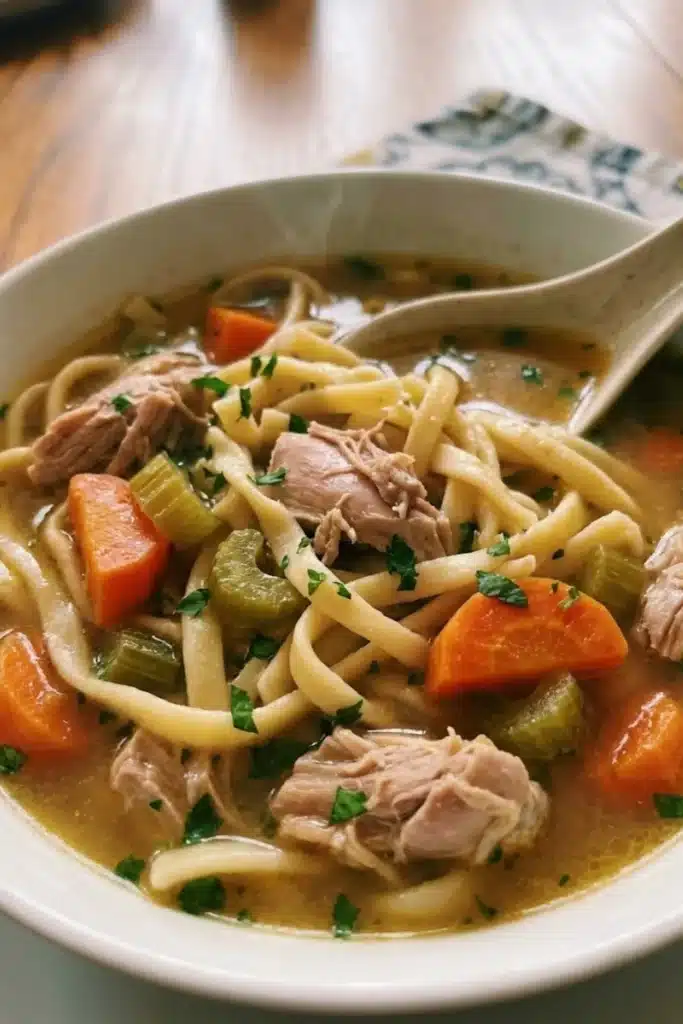
If you want that authentic, chew-until-your-jaw-gets-tired texture without the mess, you need to find the frozen egg noodles. In my part of the world, we swear by Reames. They aren’t thin little wisps of pasta; they are thick, hearty chunks of dough that puff up when you boil them.
Using a specific reames noodles recipe or just tossing them into your broth changes the game. They release a ton of starch, which thickens the soup naturally. It turns a thin broth into a stew. Honest truth? Most people can’t tell the difference between these and the ones I slave over for two hours. It’s a bit of a blow to my ego, but a win for my sanity.
Dried Pasta: Proceed with Caution
Now, if you are digging through the pantry and only see a bag of dried pasta, don’t panic. But be careful. I once tried to use angel hair pasta in this soup. Do not do this. It turned into a gloopy, mushy mess that dissolved before we could even eat it.
You need a shape that can fight back. Wide egg noodles are the standard, but I’ve actually had great luck with rotini or fusilli in a pinch. The spirals grab onto the shredded chicken and veggies perfectly. Just remember, dried pasta cooks way faster than the thick frozen kind. If you throw them in too early, you’ll be eating baby food by the time the table is set.
The Homemade Hustle
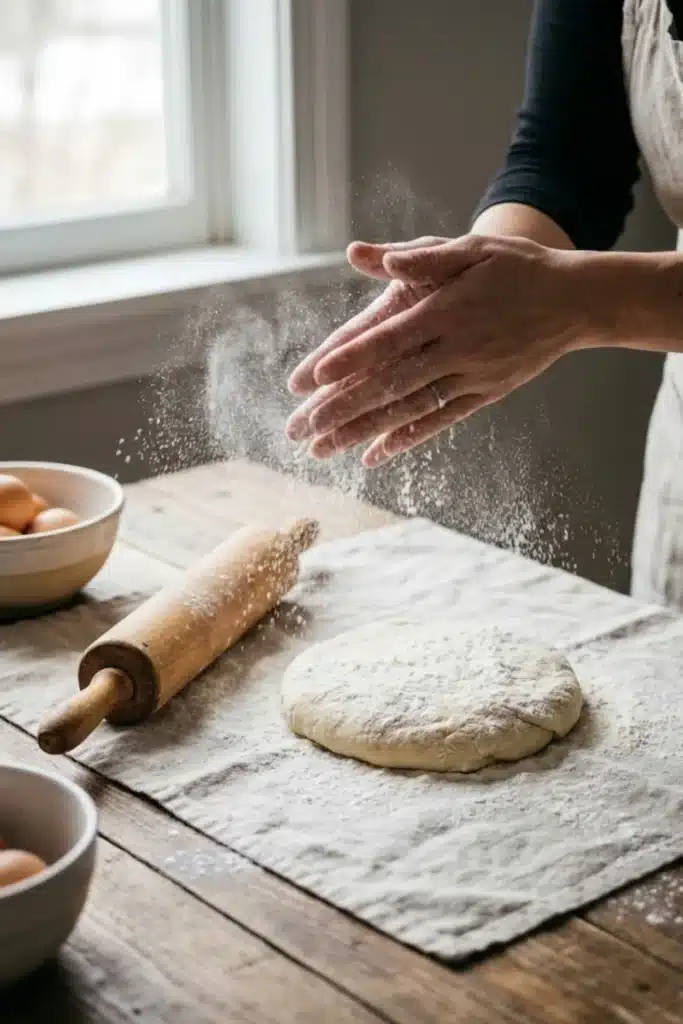
Okay, but let’s say it’s Sunday, it’s raining, and you’re feeling ambitious. Making homemade dumplings or noodles is actually kind of therapeutic if you aren’t in a rush. My grandmother taught me to mix flour, eggs, and a pinch of salt right on the counter. No bowl.
I used to stress about cutting them into perfect, uniform strips. I’d get out the ruler and everything. Ridiculous, right? Now, I just use a pizza cutter and go wild. Rustic is a code word for “messy but delicious.” The uneven shapes are actually better because they hold the broth differently.
If you go this route, just be prepared for the “flour explosion.” I always find white dust in weird places for days afterward. But when you bite into a chewy, fresh noodle that you made with your own hands? Yeah, it’s pretty hard to beat. Just don’t feel guilty if you reach for the bag in the freezer next time. I definitely will.
Achieving the Perfect “Hearty” Consistency
Is there anything worse than dipping your spoon into a bowl expecting a stew and getting… water? I’ve been there. I remember serving a bowl to my husband years ago. He looked at it, stirred it, and asked if I forgot an ingredient. It was basically chicken tea. I was so mad I almost took the bowl back.
We want thickened chicken stew, not flavored water. The texture is what separates a light appetizer from a meal that puts you to sleep (in the good way).
Let the Starch Do the Work
Here is the thing about those frozen noodles I mentioned earlier. They are covered in excess flour. Do not rinse them! I used to rinse my pasta because I saw a TV chef do it for a salad once.
For hearty chicken and noodles, that flour is your best friend. When you boil the noodles directly in the broth, that starch releases into the liquid. It naturally tightens everything up. If you cook your pasta separately and rinse it, you are literally washing away the “hearty” factor. Just toss them in the pot and let the magic happen.
The “Slurry” Secret
Sometimes, even with the starch, it’s just not thick enough. This usually happens when I eyeball the water and add way too much. Oops. This is where the cornstarch slurry saves the day.
Please, I beg you, do not just dump a spoonful of cornstarch or flour straight into the hot soup. I did this once. I ended up with these gummy, white powder bombs floating in my dinner. It was gross. You have to mix the cornstarch with cold water in a separate cup first. Whisk it until it looks like milk, then pour it in while stirring. It thickens instantly without the lumps.
creamy chicken noodle soup? Yes, Please.
If you want to go full comfort mode, dairy is the answer. I usually add a splash of heavy cream right at the end. It turns the broth into this velvety, luxurious sauce.
If you don’t have cream, evaporated milk works wonders too. I’ve even used a scoop of sour cream in a pinch for a tangy kick. Just be careful with cooking with flour and dairy together; keep the heat low so it doesn’t curdle. Broken, curdled soup is a tragedy I don’t wish on anyone.
The Hardest Step: The Wait
This is the part I struggle with the most. When the timer goes off, I want to eat immediately. But you have to wait.
Turn the burner off and let the pot sit for about 10 to 15 minutes. It’s torture, I know. But as it cools slightly, the sauce sets up and gets thicker. If you serve it boiling hot, it’s going to seem thin. Give it a beat. Pour a glass of wine or set the table. The texture you get after that rest period is worth the hunger pangs.
Serving Suggestions and Storage Tips
I have a bit of a reputation in my family. I’m known as the “Carb Queen.” When I first started making this dish, I would serve it with mashed potatoes. Yes, noodles on top of potatoes. It’s a Midwest thing! My husband looked at his plate and asked if there was a vegetable shortage I didn’t tell him about.
While I still defend the potato-noodle combo, I’ve learned that balancing this heavy, family favorite dinner is key if you don’t want a food coma immediately after eating.
Balancing the Beige
Since this bowl is basically liquid comfort, you need something to cut through the richness. I used to serve buttermilk biscuits on the side, but honestly? It was too much dough. We were all falling asleep at the table.
Now, I almost always serve this with a sharp, acidic green salad. A simple vinaigrette wakes up your palate. However, if you are strictly team “dip-it-in-the-broth,” you can’t go wrong with crusty bread sides. Just get a baguette that has a real crunch to it. You need that texture contrast so you aren’t just eating soft food on top of soft food.
The Leftover Magic
Here is a fun fact: this soup is actually better on day two. It’s like the flavors need a night to get to know each other in the fridge. The herbs infuse deeper into the meat, and the broth gets more savory.
I usually make a double batch specifically so I have lunch for the week. It stays good in the fridge for about 3 to 4 days. After that, it gets a little funky, so use your nose. If it smells sour, pitch it. I once tried to push it to day six because I hate wasting food. Let’s just say my stomach did not agree with that decision. Don’t be like me.
The Freezer Trap
I love batch cooking tips, but you have to be careful with freezing noodles. I learned this the hard way. I froze a huge container of fully cooked soup with the noodles inside. When I thawed it out a month later, the noodles had disintegrated. It was like chicken porridge.
If you want freezer friendly meals, freeze the soup base (chicken, broth, veggies) separately. Leave the noodles out! When you reheat the base, bring it to a boil and then add fresh frozen noodles. It tastes fresh that way. If you absolutely must freeze it with noodles, slightly undercook them first. It helps, but it’s still risky.
Bringing it Back to Life
When you pull your leftovers out of the fridge, you’re going to be confused. It won’t look like soup. It will look like a solid block of gelatinized chicken jelly. It’s not pretty.
This happens because the noodles soak up the broth like a sponge overnight. When reheating leftovers, you have to add moisture back in. I usually add about half a cup of water or stock to the pot or bowl. If you don’t, you’re basically eating a casserole. Stir it gently as it warms up so you don’t mash the noodles, and add a pinch of salt to compensate for the extra water.

A Bowl Full of Hugs
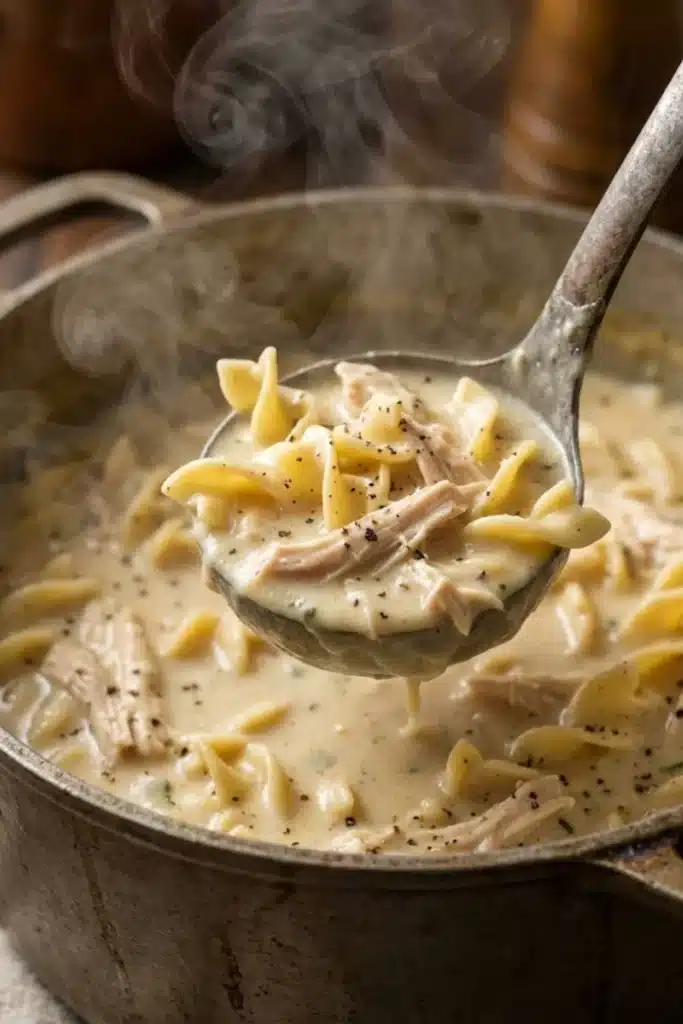
There is a specific kind of silence that happens when I put a pot of this homemade chicken soup on the table. It’s not the awkward silence of a bad first date. It’s the silence of everyone being too busy eating to talk. Honestly, that is my favorite sound in the world.
After spending the afternoon chopping and simmering, seeing my family scrape the bottom of their bowls makes every second worth it. I used to think cooking was just a chore to get done. But with recipes like this, I’ve realized it’s really just a way to say “I love you” without getting all mushy and sentimental about it.
Wrapping It All Up
We’ve covered a lot of ground today! We moved past the dry, sad chicken breast and embraced the juicy goodness of chicken thighs recipes. We learned that patience is actually an ingredient when it comes to the broth. And we finally figured out how to get that gravy-like consistency without creating a lumpy disaster.
If you take one thing away from this, let it be the “rest” time. I know I harped on it, but letting the pot sit for ten minutes really does change the texture completely. It turns a soupy mess into a comfort food dinner that actually stays on the spoon.
Your Turn to Cook
I really hope you give this a try the next time the weather turns gray and gross. Whether you are looking for winter warming meals or just need a pick-me-up after a long week, this recipe has your back. It’s hearty, it’s simple, and it tastes like home.
I’ve tweaked this recipe a dozen times to get it right, sort of creating my own version of a grandmas recipe for my kids to hopefully ignore until they are thirty. But for now, it’s our go-to.
If you make this and love it (or even if you mess it up and have a funny story), I want to know! And hey, if this guide helped you avoid the “watery soup” tragedy, please share it on Pinterest. Pinning it helps other home cooks find it, and honestly, it helps me keep the lights on and the pantry stocked with noodles.
Now, go enjoy that soup!