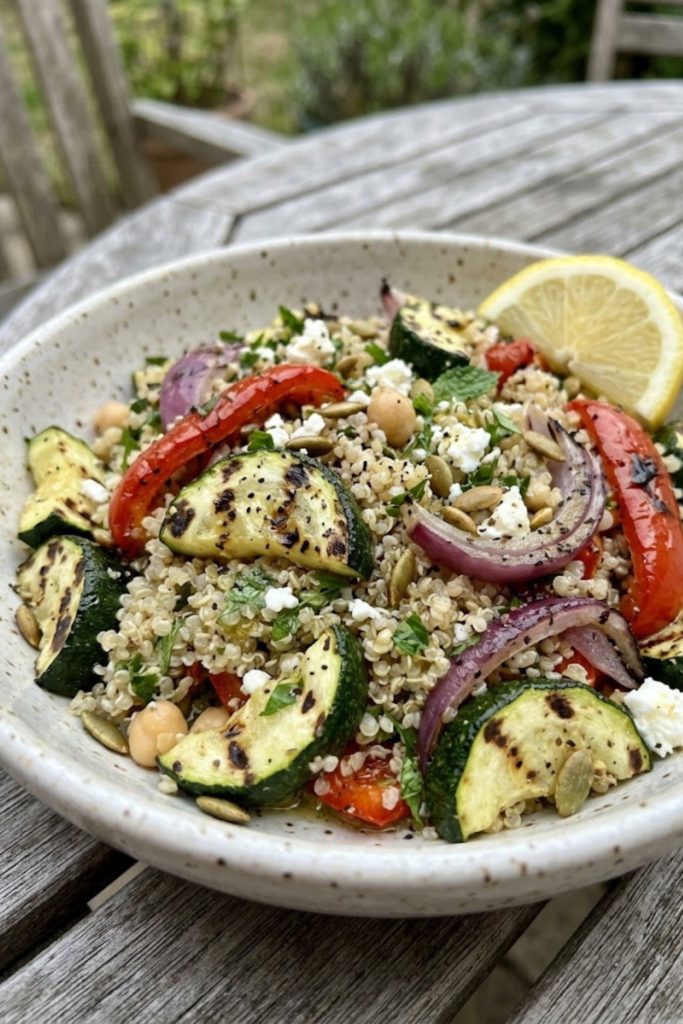
Did you know that over 60% of home cooks say they want more plant-based options at their summer BBQs? Honestly, I used to be the person who just brought a bag of chips. But this grilled vegetable quinoa salad changed everything for me! It’s bright, it’s filling, and it actually tastes like summer on a plate.
Picking the Right Veggies for the Grill
Picking out the right vegetables for a grilled vegetable quinoa salad is kind of like picking out the right students for a group project. You need some that are strong, some that add a lot of color, and some that just hold everything together while the heat is on. I’ve spent way too many weekends standing over a smoky grill, trying to figure out why my squash turned into a soggy puddle. It took a lot of burnt edges and dropped peppers to realize that not every vegetable belongs on those hot grates. You want things that can take the heat without falling apart or getting weirdly chewy.
The Best Players for the Heat
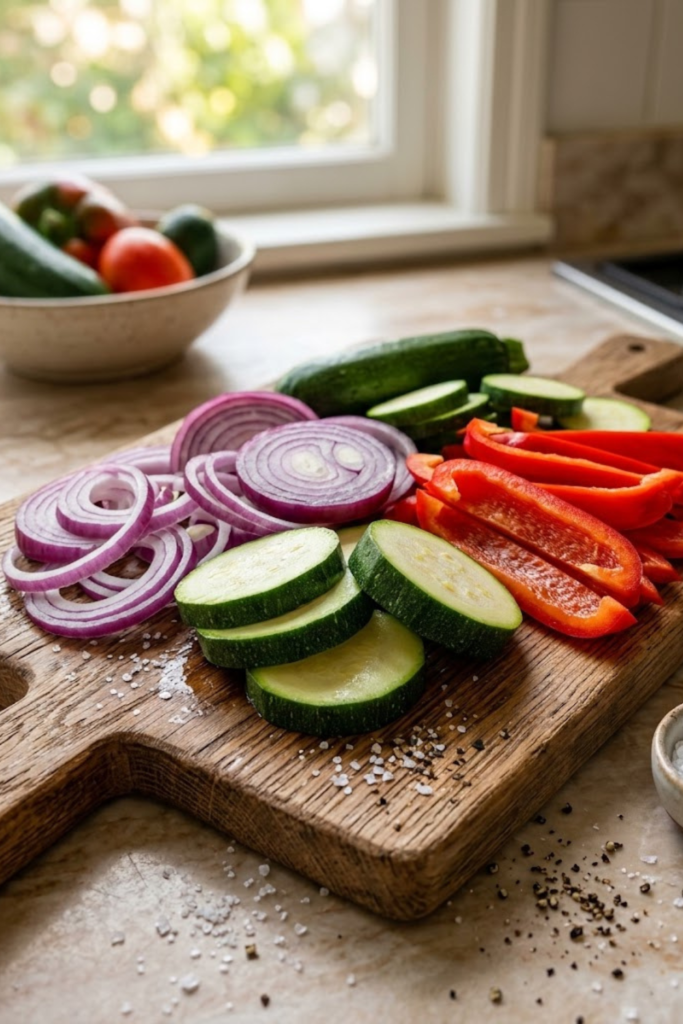
My go-to list usually starts with zucchini and yellow squash. They are cheap, easy to find at any grocery store, and they soak up flavor like a sponge. Then you have bell peppers. I like using the red and orange ones because they get really sweet when they get a little char on them. If you use the green ones, they can be a bit bitter, so keep that in mind if you have picky eaters at home. Red onions are another must-have for me. When they get those black grill marks, they lose that sharp onion bite and get almost as sweet as candy. I sometimes throw in some asparagus too, if it’s on sale. It adds a nice little crunch that goes great with the soft quinoa later.
Don’t Let Your Dinner Fall Through
This is where I see most people make a big mistake. If you slice your veggies too thin, they’ll slip right through the grill grates and be lost forever. I call that the “grill tax,” but it’s a tax I’d rather not pay every time I cook! For zucchini, I like to slice them into long planks about half an inch thick. For the peppers, I just cut them into big flat pieces. Don’t worry about making them look perfect—just make them big enough so they don’t fall. If they’re too small, they’ll cook way too fast and get mushy before they even get those pretty grill lines we all want.
A Quick Toss Before the Fire
Before you head outside with your tray, give the veggies a quick toss in a big bowl with some oil and salt. You don’t need any fancy stuff here. Just regular olive oil works fine. Don’t go overboard though, because if there’s too much oil, it will drip and cause flare-ups that burn your dinner. I usually add a little garlic powder and some black pepper too. It’s simple, it’s easy, and it makes the whole neighborhood smell amazing while you’re working. Just make sure the grill is good and hot before you lay them down!
My Secret to Fluffy Quinoa Every Time
Okay, let’s talk about the quinoa. I used to think this stuff was just for people who spend all their time at the health food store. My first try at making it was a total disaster. It was crunchy and tasted like I just licked a dusty playground. I almost threw the whole bag away! But as a teacher, I know you can’t just quit when things get hard. I did some homework and figured out that quinoa isn’t actually hard to cook, you just have to follow a few simple rules. If you do it right, it’s fluffy and light, which is exactly what you need for this grilled vegetable quinoa salad.
Scrub That Grain!
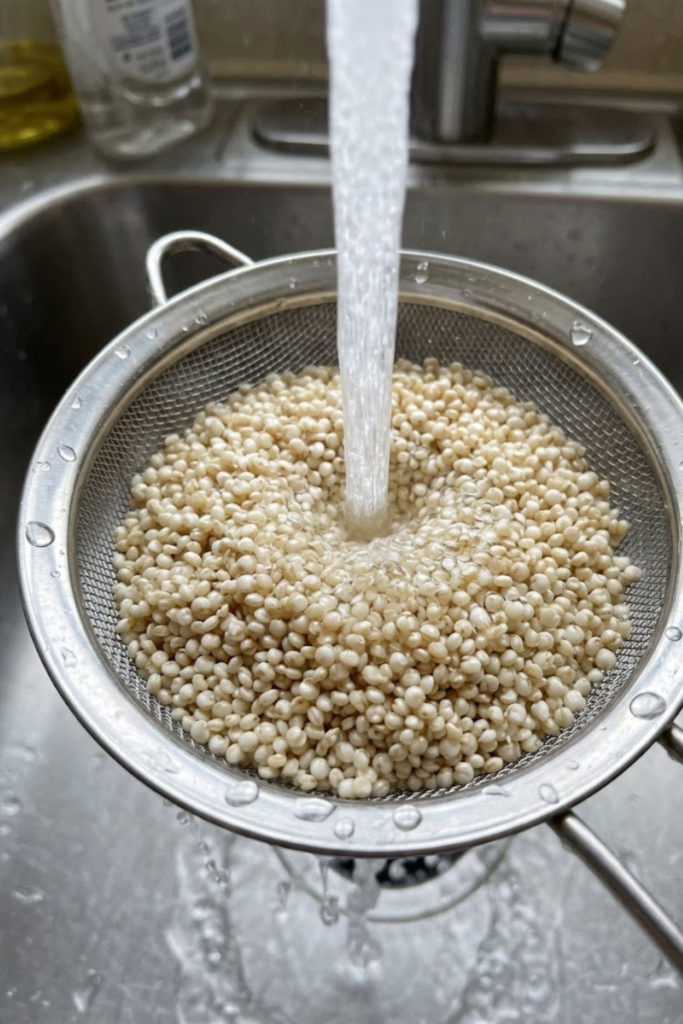
The biggest secret is one that most people skip because they are in a hurry. You have to rinse it. Seriously, don’t skip this part. Quinoa has this natural coating on it that tastes super bitter. It’s there to keep bugs from eating it in the wild, which is cool for the plants but bad for our dinner. I just put the dry quinoa in a fine mesh strainer and run cold water over it for about a minute. I use my fingers to move it around and make sure every little grain gets washed. If you don’t do this, your salad will taste like dirt, and nobody wants that at their cookout.
Flavoring from the Inside Out
Most boxes tell you to use water, but I think that’s a missed opportunity. If you want this salad to really pop, use vegetable broth instead. It makes the quinoa taste savory and rich. I also like to add a tiny pinch of salt to the pot right at the start. One thing I learned the hard way is the ratio. For every cup of quinoa, you need two cups of liquid. If you add too much, you get mush. If you add too little, you get rocks. Just keep it simple and measure it out exactly. I usually tell my students that math is important, and this is why!
The Magic of the Lid
Once the liquid is boiling, turn the heat way down and put the lid on. Now, here is the hard part: leave it alone! Don’t keep lifting the lid to check on it. You’ll let all the steam out, and the steam is what does the heavy lifting. After about 15 minutes, the water should be gone. Turn off the stove, but keep the lid on for another five or ten minutes. This lets the grain finish steaming. Then, take a fork and fluff it up gently. It should look like little clouds. This is the perfect base for those charred veggies we talked about earlier.
Whisking Up the Best Zesty Dressing
A salad without a good dressing is just a pile of wet leaves and grains. It’s like a school day with no recess—technically it counts, but nobody is having any fun. For this grilled vegetable quinoa salad, the dressing is the glue that brings the smoky veggies and the fluffy quinoa together into one happy family. If you skip this part or just use something boring from a bottle, you’re missing out on all the best parts of the meal. I’ve tried a lot of different combinations over the years, and I’ve finally found the one that makes people ask for the recipe every single time I bring it to a potluck.
The Magic Ratio of Sour and Sweet
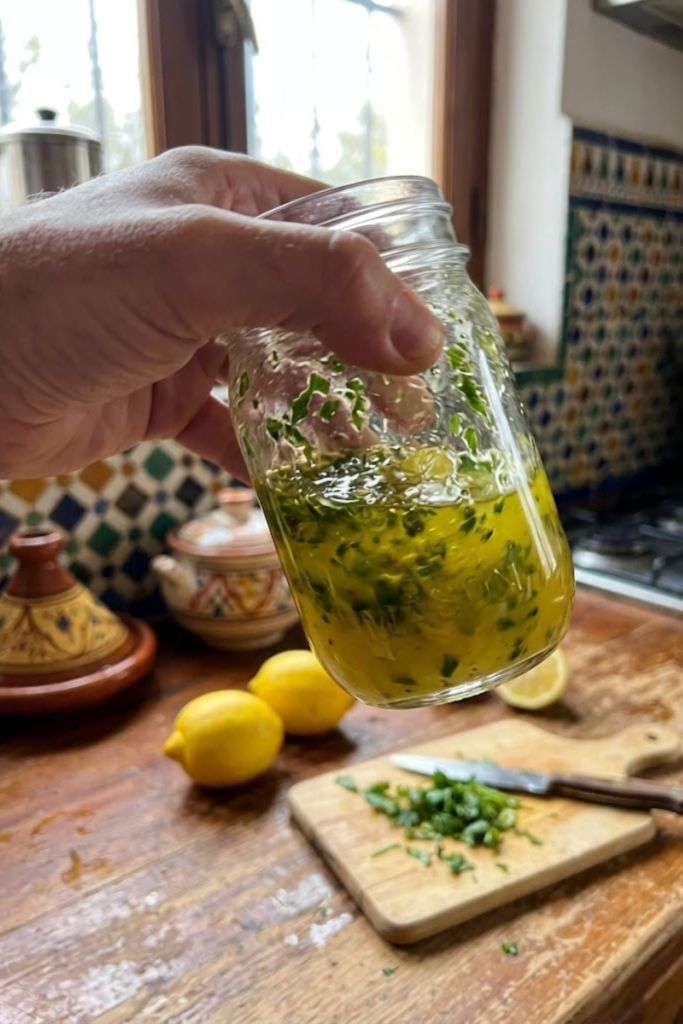
I used to just pour some bottled Italian dressing on everything, but that stuff has so many ingredients I can’t even pronounce. Making it from scratch is way easier than you think. You need an acid, which is usually lemon juice or apple cider vinegar. This gives it that “zing” that wakes up your mouth and cuts through the oil. Then you add some olive oil to smooth it out. If it’s too sour, I usually add a tiny bit of honey or maple syrup. Just a little bit! It won’t make it taste like dessert, I promise. It just balances the tartness so you don’t make a sour face while you’re eating. I’ve learned that getting this balance right is the most important part of the whole process.
Fresh Herbs Make It Look Fancy
Fresh herbs are where you can really have some fun. I love using flat-leaf parsley and maybe a little bit of fresh mint or cilantro. It makes the whole bowl feel like it came from a fancy restaurant instead of my messy kitchen. I just chop them up really small and throw them right into the liquid. It adds these little flecks of green that look beautiful against the red peppers and yellow squash. If you don’t have fresh ones, dried herbs are okay, but you have to use a lot less because they are way stronger. I always tell my students that a little bit goes a long way, and that’s definitely true for dried oregano!
The Mason Jar Trick
Mixing oil and water is a classic science experiment, right? They don’t want to stay together. To get a smooth dressing that sticks to the quinoa instead of just puddled at the bottom of the bowl, I use a little secret: a teaspoon of Dijon mustard. It acts like a bridge between the oil and the lemon juice. I put everything into a small mason jar and shake it like crazy. It’s a great way to get out some stress after a long day of grading papers! Plus, if you have leftovers, you can just put the lid on and stick the whole jar in the fridge. It stays good for a few days, though it usually disappears pretty fast at my house because it’s just that good.
Putting It All Together for the Big Win
So, you’ve got your charred veggies and your fluffy quinoa ready to go. Now comes the part where the magic actually happens! I remember the first time I brought this grilled vegetable quinoa salad to a school potluck. I was so nervous because teachers can be pretty picky eaters, especially when they are tired after a long week of grading. I put the big bowl on the table next to the store-bought potato salad and just hoped for the best. By the time lunch was over, the bowl was scraped clean. It felt like I’d just given a lesson where every single student actually understood the homework!
The Warm Mix Technique
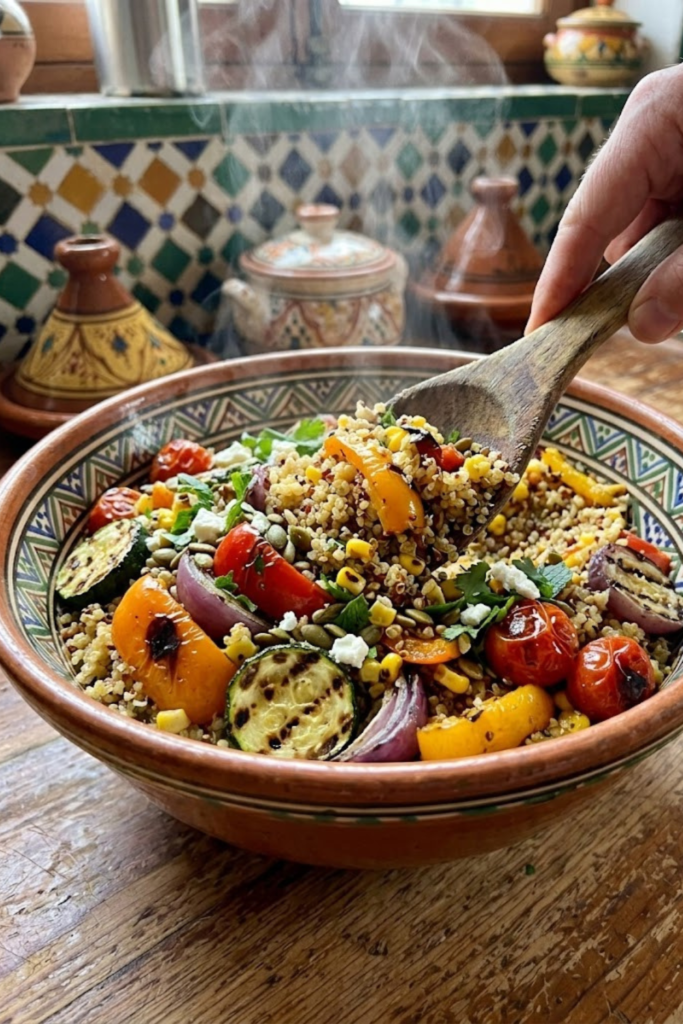
One thing I’ve learned from making this a million times is that timing is everything. Don’t wait for everything to get cold before you mix it. I like to toss the warm, freshly grilled vegetables in with the quinoa while it’s still a little bit steamy. This helps the quinoa soak up all those smoky juices that come off the peppers and onions. If you wait until everything is cold, the flavors just kind of sit on top of each other like strangers on a bus. When they are warm, they get to know each other and blend together perfectly. Then, you pour that zesty dressing over the top. It smells so good that I usually end up sneaking a few bites before I even set the table.
Adding Your Own Special Touch
Even though the recipe is great on its own, I usually look in my pantry to see what else I can throw in. If I have some feta cheese in the fridge, I’ll crumble that on top for a little salty kick. If I’m making this for my vegan friends, I’ll skip the cheese and toss in some toasted pine nuts or sunflower seeds instead. The crunch is really important because it gives your mouth something to do while you’re eating the soft grains. I’ve even thrown in a handful of dried cranberries once when I wanted a little sweetness. It was a bit of an experiment, but my family actually loved it! That’s the fun part about cooking—you can’t really fail as long as it tastes good to you.
The Best Part: Leftovers for Lunch!
As a teacher, I’m always looking for lunch ideas that don’t taste like cardboard by Monday afternoon. This salad is actually better the next day. The quinoa has even more time to drink up the dressing, and the veggies stay nice and firm. I just put it in a big container and it stays good for about three or four days. It’s a huge relief to know my lunch is already made and I don’t have to stand in line for the microwave in the teacher’s lounge. If you really enjoyed making this and it turned out great for you, please share it on Pinterest! I’d love for more busy people to have a healthy, easy meal that actually tastes like a treat. Plus, it makes my day to see people enjoying something I worked hard on!
Storage Tips and Fun Variations
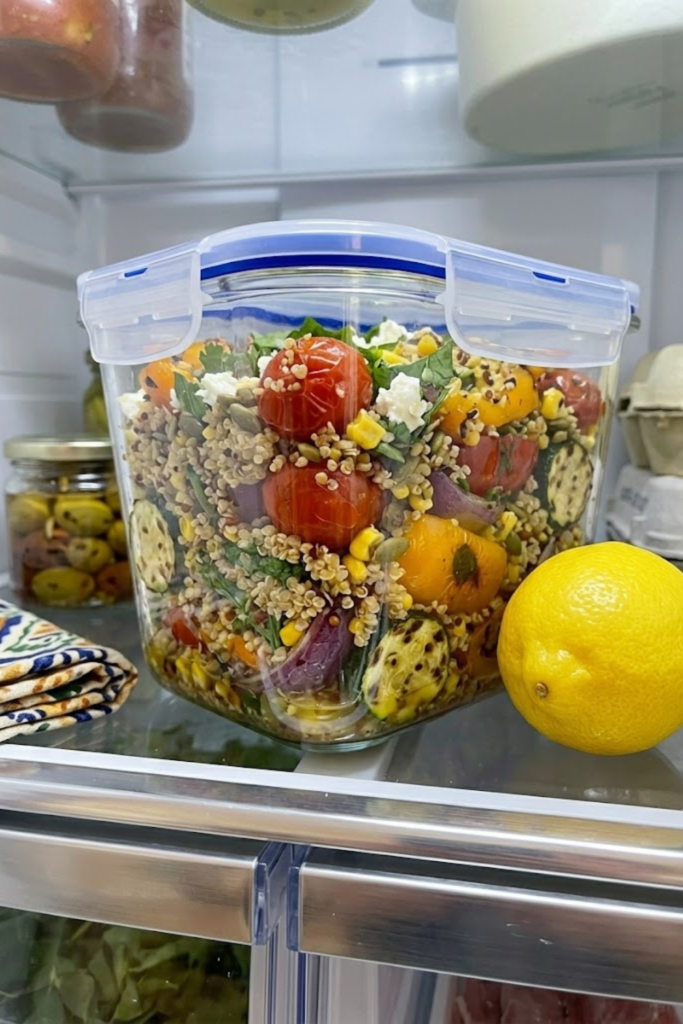
Storing your grilled vegetable quinoa salad the right way is a total life-saver for a busy week. I usually make a double batch on Sunday afternoon because, let’s be real, by Wednesday I am way too tired to even think about chopping a single carrot. If you put it in an airtight glass container, it stays fresh and delicious. I prefer glass over plastic because it doesn’t hold onto old smells, and it makes the salad look much more appetizing when I pull it out of the fridge. Just make sure the salad is completely cool before you snap the lid on. If it’s still warm, the steam will get trapped and turn your beautiful grilled veggies into a soggy mess. Nobody wants to eat a soggy pepper for lunch!
Keeping it Fresh in the Fridge
The best part about this salad is that it actually gets better as it sits. The quinoa acts like a tiny sponge, soaking up all that lemon and herb goodness from the dressing. If you find that the salad looks a little dry on day three, don’t panic! You don’t need to make a whole new batch of dressing. I usually just squeeze half a fresh lemon over my portion and add a tiny drizzle of olive oil. It wakes up all the flavors and makes it taste like I just stepped off the grill. I’ve kept this in my fridge for up to four days, and it still tasted great. It’s a huge help when I have a stack of papers to grade and only ten minutes for a lunch break.
Swapping Veggies Based on the Season
You don’t have to stick to the same veggies every time you make this. Think of the recipe like a basic lesson plan—you can change the examples to fit the season! In the late summer, I love throwing in fresh corn straight off the cob. I just grill the whole ear until it has those dark brown spots, then slice the kernels right into the bowl. It adds a sweet crunch that is just fantastic. If it’s earlier in the spring, I’ll use asparagus or even some grilled radishes. I know radishes sound weird, but when you grill them, they lose that sharp “bite” and get really mellow. It’s fun to experiment and see what your family likes best.
Adding Protein for a Full Meal
While the quinoa has a good amount of protein on its own, sometimes you need a little something extra to keep you full until dinner. If I’m feeling extra hungry, I’ll grill some chicken breasts right next to the vegetables. I just slice them up and toss them in. For my friends who don’t eat meat, a can of rinsed chickpeas or some cubed firm tofu works wonders. The tofu actually grills up really well if you press the water out first! It gets these nice crispy edges that go perfectly with the soft grains. Adding these extras makes the meal feel much more hearty and satisfying. If you decide to try one of these versions, make sure to share it on Pinterest so I can see your creations!