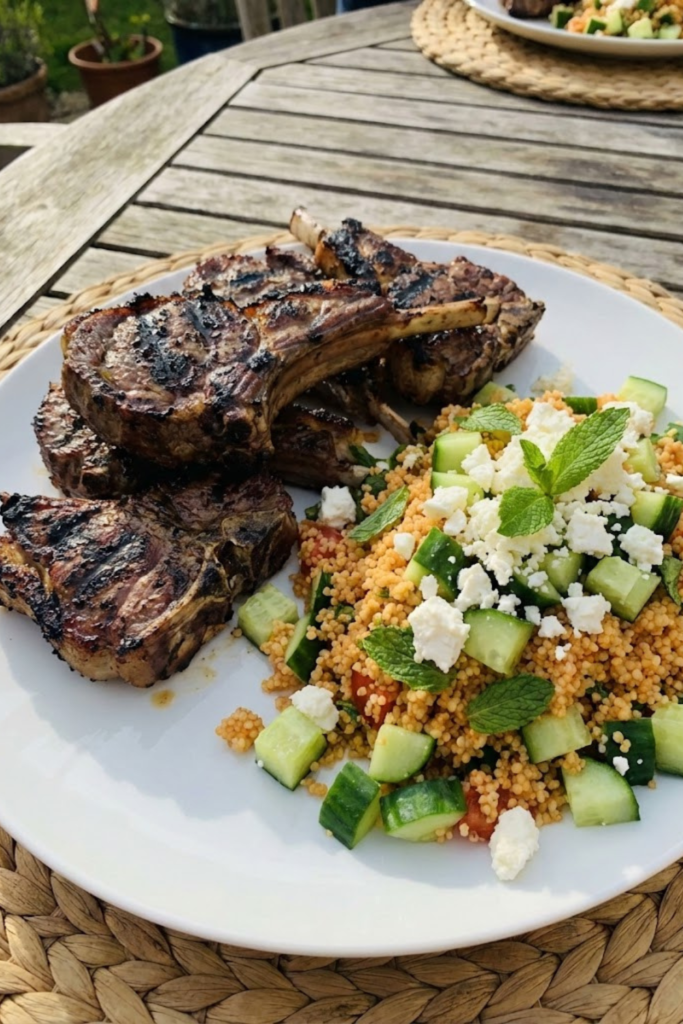
“A recipe has no soul. You, as the cook, must bring soul to the recipe.” This quote by Thomas Keller always sits in the back of my mind when I fire up the grill. Honestly, I used to be terrified of cooking lamb! I thought I’d turn a beautiful piece of meat into a rubber tire. But then I paired it with a bright, zesty couscous. Everything changed. Grilled lamb with couscous salad is now the meal I make when I want to impress my friends without sweating for six hours in the kitchen. It’s fresh. It’s smoky. It’s fast. You’re going to love how the fatty richness of the lamb plays with the lemon and mint in the salad.
Picking the Perfect Cut of Lamb
I’ve been teaching for over fifteen years now, and if there’s one thing I tell my students, it’s that you can’t build a solid house on a shaky foundation. Cooking is exactly the same way. If you start with a tough or old piece of meat, no amount of seasoning or fancy grilling is going to save your dinner. I remember the first time I tried to make lamb for a big family get-together. I bought the cheapest cut I could find at the grocery store and tried to grill it like a regular steak. It was a disaster! The meat was so chewy it felt like we were eating rubber bands. My family was very nice about it, but I saw them quietly pushing the meat to the side of their plates. That experience taught me that choosing the right cut is the most important part of the whole process.
Why Loin Chops are the Best Choice
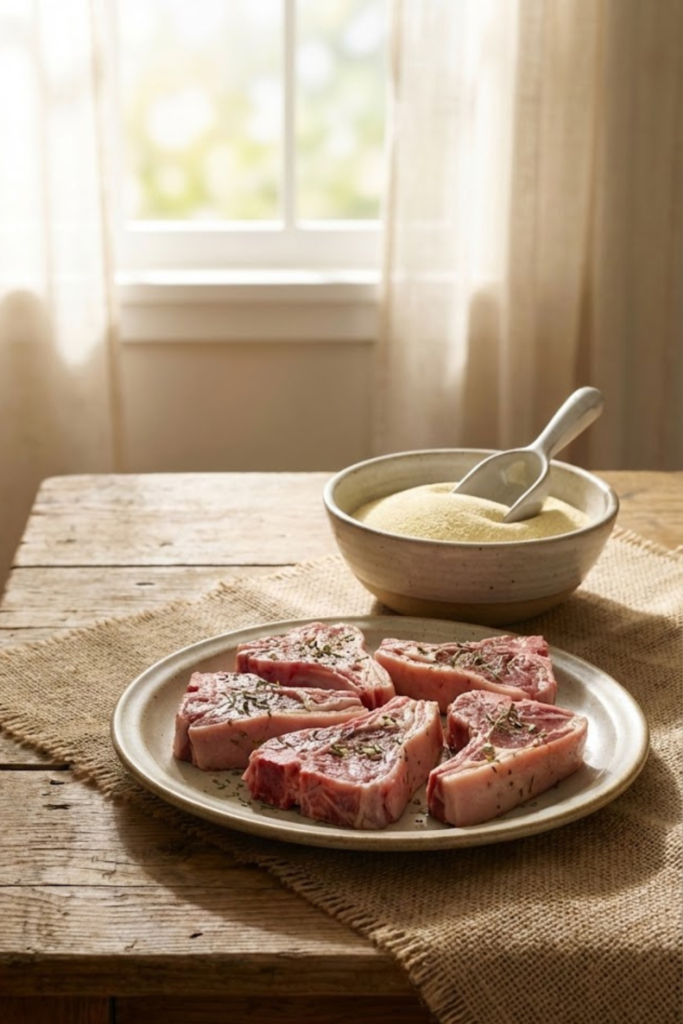
When you are making grilled lamb with couscous salad, you really want a cut of meat that cooks quickly over high heat. That is why I always reach for loin chops. You can think of these as the “filet mignon” of the lamb. They look like tiny T-bone steaks and they are incredibly tender. Because they don’t have a lot of tough connective tissue, they don’t need to sit in a slow cooker for hours. You can get a beautiful crust on the outside while keeping the middle nice and pink. If your store is out of loin chops, rib chops are a good second choice, though they usually cost a bit more. I prefer the loin chops because you get more meat for your money, and they are easier to handle on the grill grates.
How to Spot Fresh Meat
Don’t just grab the first package of lamb you see in the meat aisle. You need to look for a few specific things to get the best flavor. First, check the color. You want the lamb to be a light pink or a bright red. If the meat looks dark or has a brownish tint, it has been sitting on the shelf too long. Next, look at the fat. Good lamb should have white fat, not yellow. Yellow fat often means the lamb is older and might have a very strong, “gamey” taste that some people find unpleasant. I look for “marbling,” which are those little white streaks of fat inside the meat. This fat melts while the lamb grills and makes every bite juicy.
Planning the Right Amount
I always get a little nervous about not having enough food for everyone. There is nothing worse than seeing a guest look at an empty serving platter with a hungry face. For a meal like this, I suggest buying at least two loin chops for every person. If you are feeding teenagers or people with big appetites, you might even want to get three. Remember that lamb shrinks a bit as it cooks, and the bone takes up some of the weight. It is always better to have a couple of chops left over for a salad the next day than to run out before everyone is full.
The Simple Marinade That Packs a Punch
After you pick out your meat, you need to give it some flavor. I remember my dad used to just throw meat on the grill with nothing but a little salt. It was okay, but it wasn’t great. As a teacher, I always tell my students that a little extra effort at the start makes the whole project easier later on. That’s what a marinade does for your grilled lamb with couscous salad. It doesn’t have to be complicated to be delicious. In fact, some of the best meals I’ve ever made used things I already had in my kitchen cabinet. You want the seasoning to help the meat, not hide it.
The Flavor Foundation
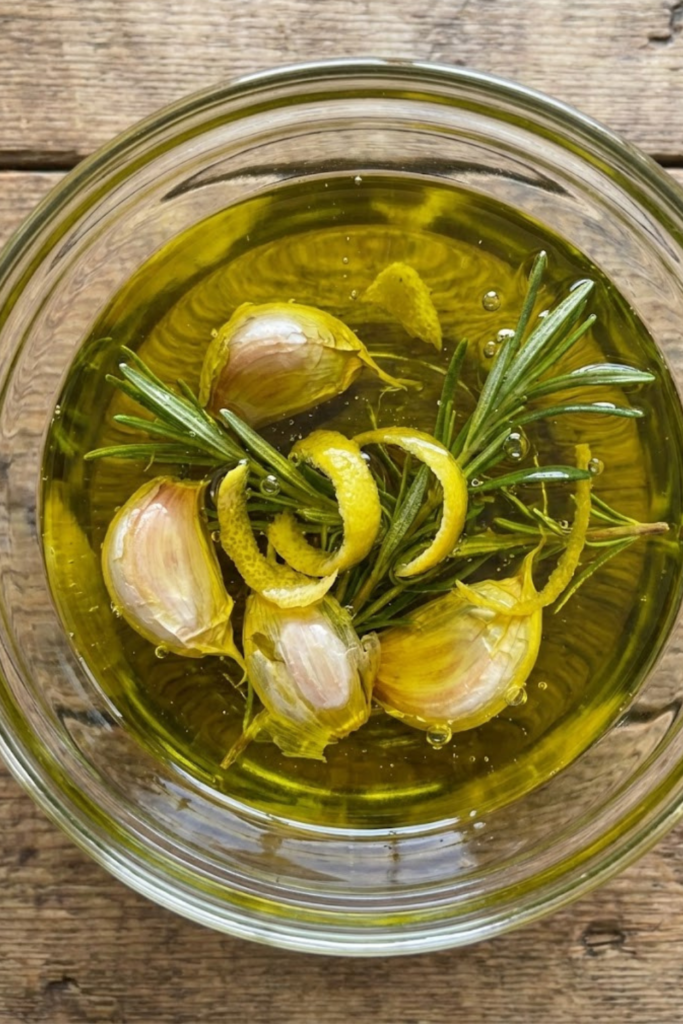
I like to stick to what I call the “big three” for lamb: garlic, rosemary, and lemon. These three flavors belong together like peanut butter and jelly. I usually take about four cloves of garlic and smash them with the flat side of my knife. You don’t need to chop them into tiny pieces. If the garlic is too small, it will burn on the grill and taste bitter. Smashed garlic lets the oils soak into the meat without making a mess. Then, I grab some fresh rosemary from my little garden box. If you don’t have fresh, dried works too, but use a bit less because it’s stronger.
Why Oil Matters
You need a liquid to carry all those flavors into the meat. I always use extra virgin olive oil. Some people try to use butter, but butter burns too fast when the grill is hot. Olive oil can take the heat and helps the lamb get those nice dark grill marks we all love. I usually mix the oil, garlic, rosemary, and a big pinch of salt in a bowl. I also add a little bit of black pepper and maybe some dried oregano if I’m feeling fancy. This mix coats the meat and keeps it from sticking to the grates.
Getting the Timing Right
One mistake I made for years was letting the meat sit in the sauce for too long. I thought more time meant more flavor. But if you put lemon juice in your marinade and leave it overnight, the acid starts to change the texture of the meat. It can get a bit soft and weird. Now, I just rub the marinade on about thirty minutes before I start the grill. This gives the salt time to get deep into the meat without ruining the texture. It’s a simple trick that makes the final dish taste much better.
How to Make Fluffy, Non-Mushy Couscous
Cooking couscous sounds like the easiest thing in the world, right? You just add hot water and wait. But I have seen so many students turn this beautiful grain into a soggy pile of mush. I remember one time I was making dinner for my neighbors, and I didn’t bother to measure the water. I just guessed. We ended up eating something that looked more like thick oatmeal than a fresh salad. It was pretty embarrassing! Since then, I have treated these little grains with a lot more respect. It is actually very fast to cook, which is why it is the perfect partner for grilled lamb. While the meat is resting on the counter, you can have your grains ready in about five minutes. You just have to follow a few simple rules so it comes out light and fluffy every single time you make it.
Getting the Ratio Right
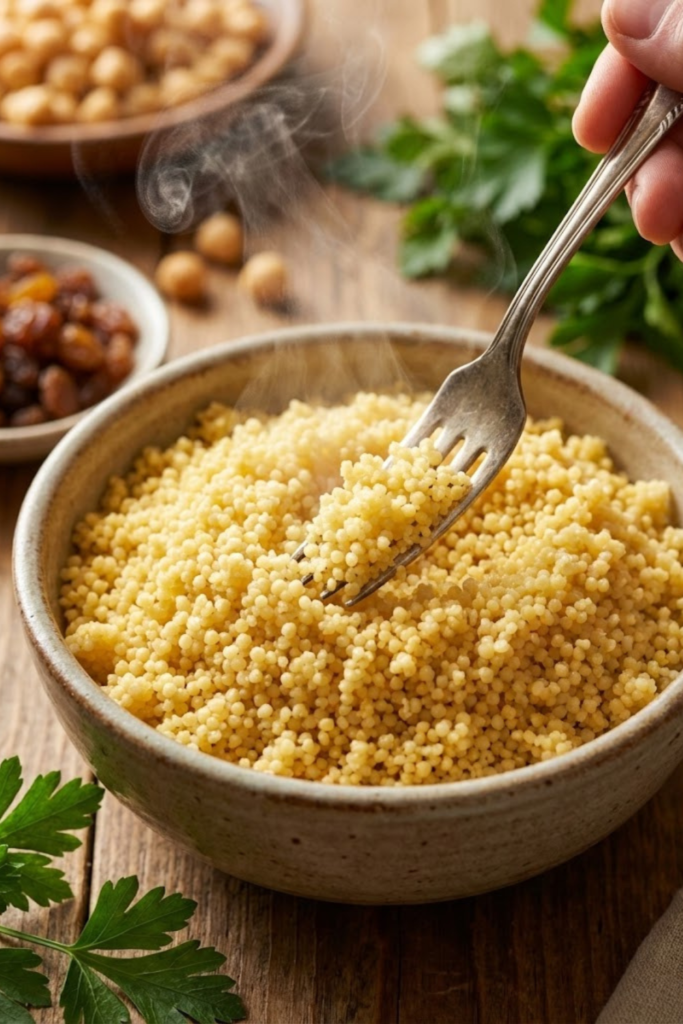
The most important lesson I can give you is the 1:1 ratio. This means if you have one cup of couscous, you must use exactly one cup of liquid. Don’t try to eyeball it! I use a standard measuring cup every time now to make sure I get it right. If you add even a little bit too much water, the grains soak it all up and lose their shape. You want them to stay separate, not stuck together in a big clump. I usually put the dry grains in a large glass bowl first. Then, I boil my liquid in a small pot on the stove. Once it is boiling, pour it over the grains and cover the bowl immediately with a tight lid or a large plate. This traps the steam, and that steam is what actually “cooks” the grain.
Adding More Flavor
Plain water is okay, but why settle for okay when you can have something great? I almost always use chicken broth or vegetable stock instead of plain water. It makes the couscous taste much richer and savory. Another thing I love to do is add a little bit of butter or a splash of olive oil to the liquid before it boils. This coats the tiny grains and helps keep them from clumping together while they sit. I once tried adding a pinch of cinnamon and some lemon peel to the boiling broth, and the smell was amazing. It really tied the whole grilled lamb with couscous salad together. Don’t be afraid to add a little flavor to your liquid.
The Secret is in the Fork
After about five minutes, your couscous is ready, but don’t just dig in with a spoon. This is where most people make a big mistake. They grab a big metal spoon and start stirring it around. A spoon smashes the delicate grains together. You need to use a fork instead. I call it the “raking method.” You gently pull the tines of the fork through the grains to break them apart and let the air get in there. It should look like light, fluffy sand when you are done. If you see any big clumps, just tickle them with the fork until they fall apart. This makes the texture perfect for catching all the tasty juices from the grilled lamb.
Mixing the Mediterranean Salad Base
This part of the meal is my favorite because it brings so much color to the plate. Grilled lamb is rich and fatty, so you need something bright to cut through that. If you just had lamb and plain grains, your mouth would feel a bit heavy after a few bites. I like to think of this salad as the “refresh button” for your taste buds. Every time I make this for a school potluck or a neighbor’s BBQ, people always ask me what the secret is. The secret isn’t a special spice you have to buy at a fancy store; it’s just using a lot of fresh things mixed together with a bit of love.
Crunchy Veggies and a Pro Tip
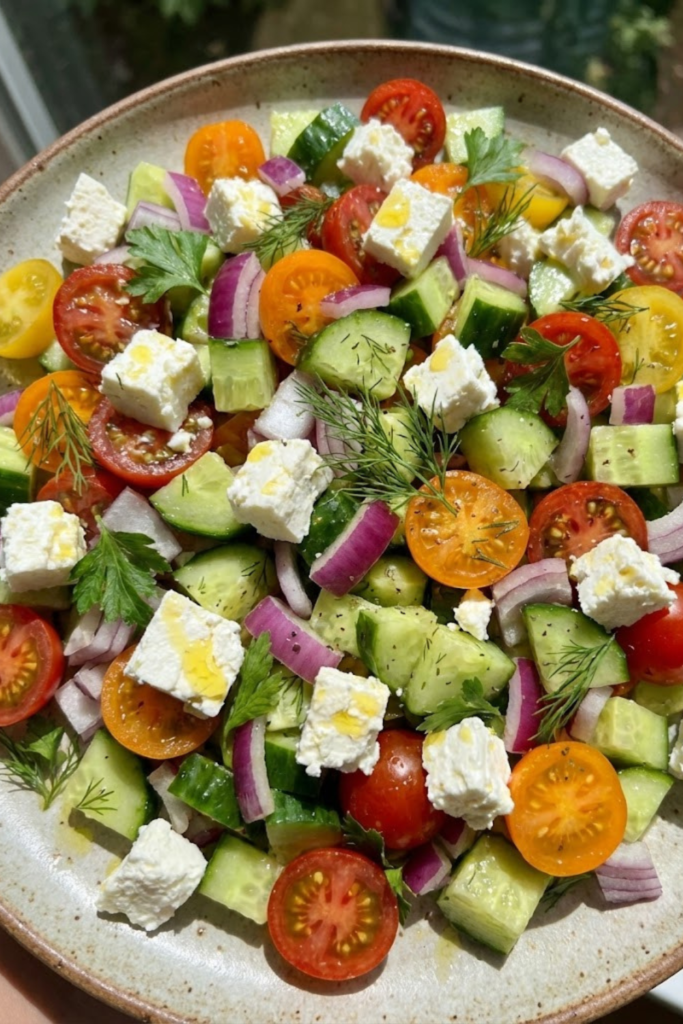
I always start with cucumbers and red onions. I prefer English cucumbers because the skin is thin and you don’t have to peel them. Just dice them up small so they match the size of the grains. Now, here is a little trick I tell everyone: red onions can be really mean. They have a sharp sting that stays in your mouth all day. To fix this, I chop the onion and then let the pieces soak in a bowl of cold water for about ten minutes. This washes away the “burn” but keeps the crunch. I also throw in some cherry tomatoes. I like to cut them in half so their juices help dress the salad.
The Salty and Tangy Bits
To make the salad taste like the Mediterranean, you need feta cheese and olives. I used to buy the cheap, dry feta that comes already crumbled in a plastic tub. It was okay, but then a friend showed me the kind that comes in a big block sitting in salty water (brine). Wow, what a difference! It is creamy and tangy and makes the whole dish feel expensive. I just crumble it with my fingers right into the bowl. For olives, I like the purple Kalamata ones. Make sure you get the ones with the pits already removed, or you might have a guest breaking a tooth at the table!
Why Herbs Matter
Don’t be shy with the green stuff. I use a whole lot of flat-leaf parsley and a good handful of fresh mint. Some people think mint is just for gum or tea, but it is the perfect match for lamb. It makes everything taste fresh and light. I chop them both up very fine. When you mix the herbs, the veggies, the cheese, and the warm grains together, the smell is just incredible. It’s like a garden in a bowl. I usually add a big squeeze of lemon juice and a little more olive oil at the very end to tie everything together.
Mastering the Grill for Juicy Results
Now comes the part that used to make me sweat—the actual grilling. I remember standing over my first charcoal grill with a pair of tongs, feeling like I was trying to solve a hard math problem. I was so worried about undercooking the lamb that I ended up leaving it on way too long. It turned out gray and dry, and I felt like I had wasted good money. But like any skill you learn in school, grilling just takes a little practice and some basic rules. Once you understand how the heat works, you can stop worrying and start enjoying the process. Cooking grilled lamb with couscous salad is all about that perfect balance between a smoky, charred outside and a tender, pink inside.
Getting the Heat Right
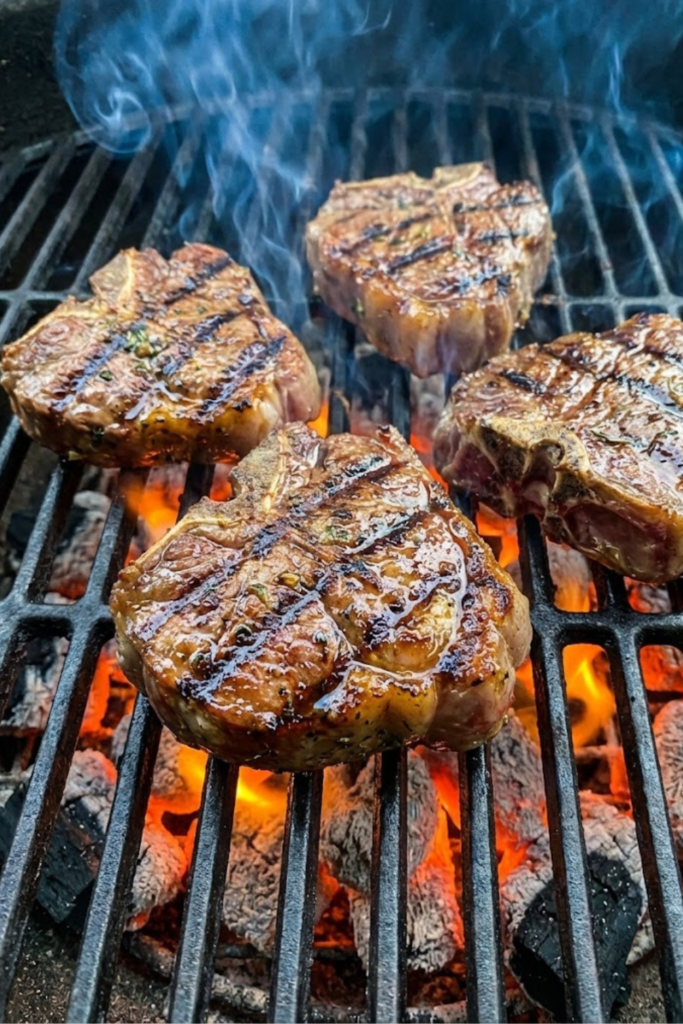
Before you even think about putting the meat on the grates, you have to make sure your grill is hot. I tell my students that you wouldn’t put a cake in a cold oven, so don’t put lamb on a cold grill. If the grates are cold, the meat will stick and you won’t get those beautiful brown marks. I like to get my grill up to a medium-high heat. You should be able to hold your hand about five inches above the grates for only about three or four seconds before it gets too hot. This high heat is what creates a crust. That crust is where all the deep, savory flavor lives. If you are using charcoal, wait until the coals are covered in a thin layer of gray ash.
The Secret of the Sear
When I lay the lamb chops down, I listen for that loud “sizzle.” That sound tells me the meat is cooking the way it should. For loin chops, you really only need about four or five minutes on each side. I try my best not to move them around too much. I know it’s tempting to keep poking and flipping, but you have to be patient! Let the grill do its job. I usually flip them just once. If the fat starts to cause big flames, I just slide the meat to a cooler part of the grill for a second. This keeps the meat from tasting like soot while still getting it cooked through to a perfect medium-rare.
The Importance of Resting
This is the most important part of the whole lesson, so listen close: you must let the meat rest. I used to take the lamb off the grill and cut into it right away because I was hungry. All the juice would run out onto the plate, leaving the meat dry. Now, I put the chops on a warm plate and cover them loosely with a piece of foil for at least five or ten minutes. While the meat rests, the juices move back into the center of the lamb. This makes every bite incredibly juicy. It also gives you just enough time to finish fluffing your couscous and setting the table.
Making grilled lamb with couscous salad is one of those meals that makes you feel like a professional chef, even if you’re just cooking in your backyard. We’ve covered everything from picking out the best loin chops at the store to making sure your couscous stays light and fluffy. I really hope these tips help you feel more confident at the grill. There is nothing quite like the smell of garlic and rosemary hitting hot coals on a warm evening.
I’ve spent years making mistakes in the kitchen, but that’s how we learn. By keeping things simple and focusing on fresh ingredients, you really can’t go wrong. This dish is perfect for a busy weeknight or a special weekend dinner with friends. If you try this recipe and love it, I would be so happy if you shared it! It helps other people find these tips and helps our little cooking community grow.
If you loved this recipe, please save it and share it on Pinterest!