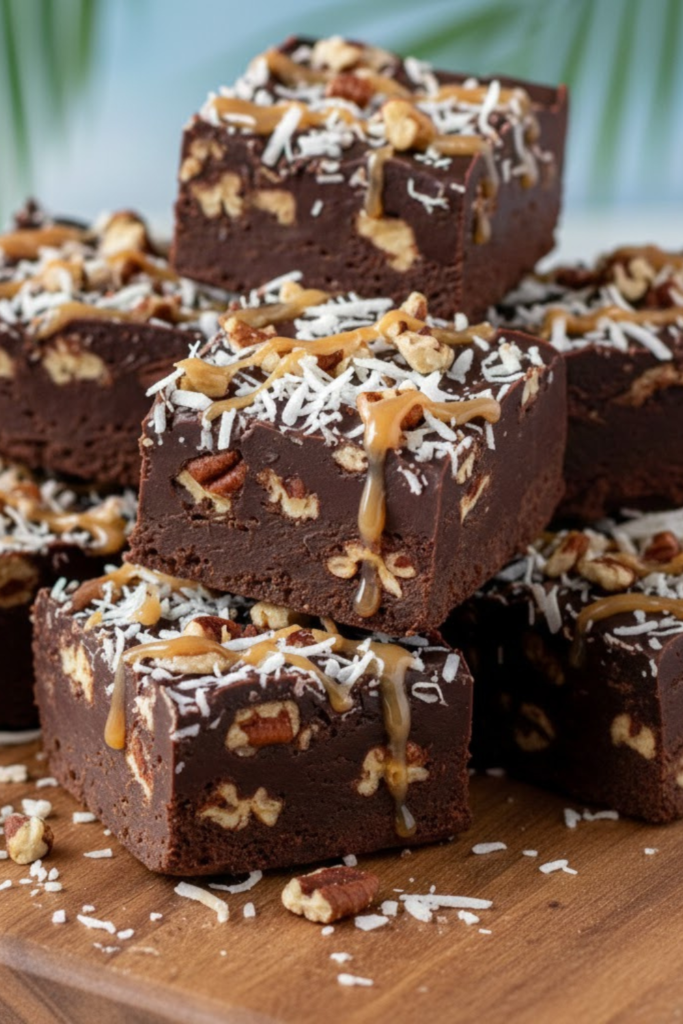
Have you ever craved that gooey, rich coconut-pecan frosting from a German chocolate cake but didn’t have the energy to bake three layers of sponge? I have been there! I once spent four hours baking a cake only to have the layers slide right off each other—total disaster. That’s why I’m obsessed with these German chocolate fudge bites. They deliver all that classic flavor in a fraction of the time. We are talking about rich chocolate fudge topped with that signature sticky coconut-pecan topping. It is pure bliss! Let’s dive into this easy, no-bake treat that is going to save your dessert game this year.
Essential Ingredients for Authentic Flavor
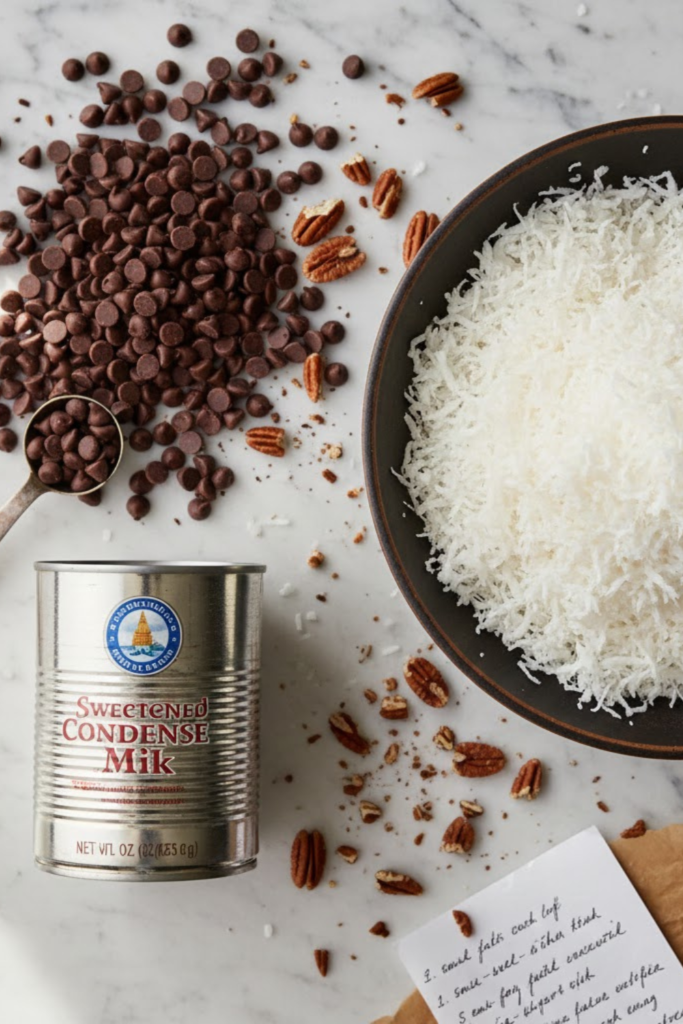
I have to be honest with you; I used to think all baking chocolate was created equal. I remember standing in the grocery store aisle years ago, grabbing the cheapest bag of chips I could find for a party. I thought I was being thrifty. But when I made my first batch of German chocolate fudge bites, the result was… well, it was basically sugary wax. It was a total flop, and I was so embarrassed.
The ingredients you pick for this recipe are the difference between “meh” and “oh my gosh, give me the recipe.” Since there is no baking involved, the flavors really have nowhere to hide. You can’t mask low-quality chocolate with a bunch of flour and sugar like in a cake.
Choosing the Right Chocolate
For the fudge base, you really want to stick with semi-sweet chocolate. I know, I know—it is called “German Chocolate,” so you might be tempted to use German’s sweet baking chocolate bars. But here is the thing I learned through trial and error. The coconut-pecan topping is incredibly sweet.
If you use a sweet chocolate base and the sweet topping, your teeth might actually hurt. I usually grab a high-quality brand of semi-sweet chips or chop up a good bar. The bitterness helps balance out the sugar bomb that is coming later. Trust me on this one.
The Sticky Stuff: Condensed Milk
Here is a mistake I have made so you don’t have to. Do not confuse sweetened condensed milk with evaporated milk. The cans look almost identical! I was rushing once, grabbed the evaporated milk, and my fudge turned into a soup that never set.
It was heartbreaking. You need that thick, syrupy consistency of condensed milk to act as the binder. It is what gives the fudge that chewy, rich texture we are looking for.
The Signature Topping
Now for the star of the show. You need shredded coconut and pecans. I prefer sweetened coconut flakes because they stay moister, but unsweetened works if you want to cut the sugar.
The real secret, though? Toasted pecans. Please do not skip toasting them! I was lazy one time and just threw raw nuts in. The flavor was just flat. Toasting them in a dry pan for a few minutes releases the oils and makes them crunchy and nutty. It is a total game changer for these German chocolate fudge bites.
Don’t Forget the Salt
Finally, you need a splash of vanilla extract and a good pinch of sea salt. I used to skip salt in desserts because it seemed weird. But salt wakes up the chocolate flavor. Without it, the whole thing just tastes like one note of sugar. A little sprinkle goes a long way to making these taste like a professional made them.
How to Make German Chocolate Fudge Bites Step-by-Step
I used to be terrified of making fudge. I honestly thought you needed a degree in chemistry and a candy thermometer to pull it off. One time, I tried to make a traditional batch on the stove, and I ended up with a pot of chocolate cement that I had to soak for two days. It was a disaster!
But these German chocolate fudge bites? They are totally different. This is the “cheat” method that makes you look like a pro without the stress.
Melting the Chocolate Without the Drama
First things first, we need to melt that chocolate. You can use a double boiler if you want to be fancy, but let’s be real, the microwave is faster. Just don’t make the mistake I did the first time. I put the bowl in for two minutes straight and walked away.
When I came back, the chocolate was burnt and seized. It smelled awful. The trick is to go slow—30-second intervals, stirring in between. Even if it looks like nothing is happening after the first zap, give it a stir. You want it smooth, not scorching hot.
Creating the Fudge Base
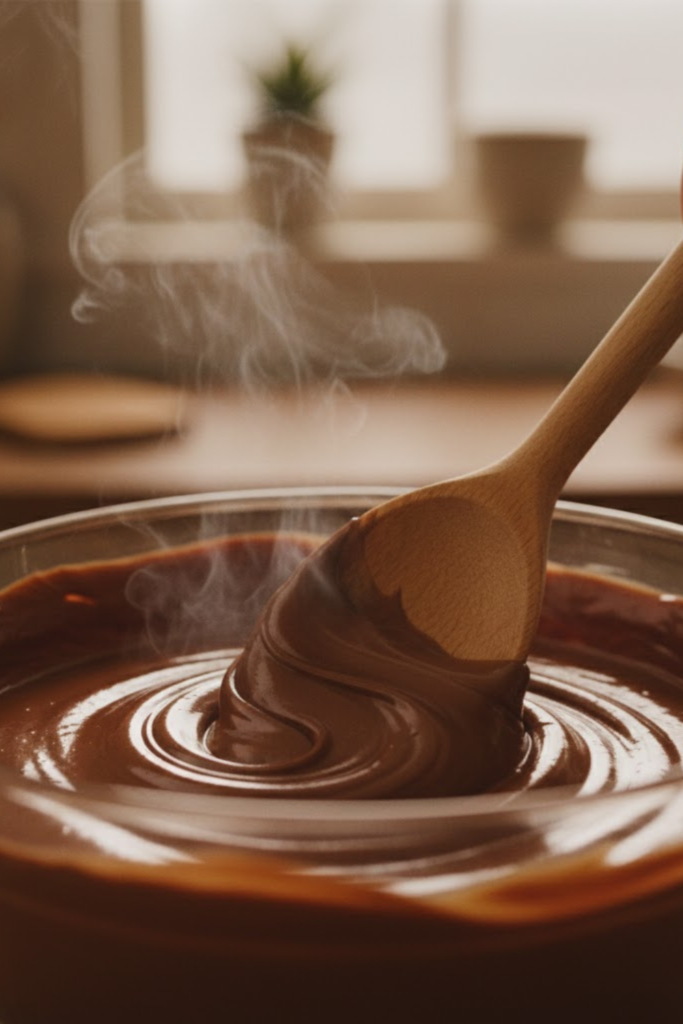
Once your chocolate is melted, pour in the sweetened condensed milk and the vanilla. This part always freaks people out because the texture changes instantly. It goes from liquid to a thick, glossy ball of fudge in seconds.
You have to move fast here! I usually have my pan lined with parchment paper and ready to go before I even start melting. If you wait too long, the fudge starts to set in the bowl, and it is a pain to get out. Press it into the pan evenly. It doesn’t have to be perfect, but try to get the corners.
The Gooey Coconut-Pecan Topping
Now for the best part. In a saucepan, combine your shredded coconut, chopped pecans, and the caramel-like binding ingredients (usually more condensed milk or a caramel sauce depending on your specific recipe variant).
I learned the hard way that you cannot walk away from this pan. I went to answer the door once, and by the time I got back, the bottom had scorched. Keep stirring until it gets sticky and thick. It should look just like the frosting on a classic German chocolate cake.
Assembling Your Masterpiece
Pour that warm, sticky topping right over your chocolate base. Use a spatula to spread it out gently. You don’t want to mix the layers; you want them distinct.
Now comes the hardest part: waiting. You have to let it chill in the fridge for at least 2 hours. I know, it is torture. I once tried to cut it after 30 minutes because I was impatient, and the squares just fell apart. Let it firm up, and you will get those clean, beautiful cuts that look great on a platter.
Troubleshooting Common Fudge Mistakes
I have to be honest with you; I have messed up more batches of fudge than I care to admit. There was this one time I was rushing to get a treat ready for a neighborhood potluck. I cranked the heat up way too high on my chocolate because I was impatient. Big mistake.
The whole thing seized up and turned into this gritty, unappetizing rock that looked nothing like German chocolate fudge bites. It was super frustrating, and I ended up frantically buying store-bought cookies instead. It happens to the best of us! But over the years, I’ve learned exactly how to fix—or better yet, prevent—these disasters.
Why is My Fudge Grainy?
If your fudge turns out grainy, it is usually because the chocolate got too hot or a drop of water got in. Chocolate is temperamental. I remember crying over a bowl of expensive chocolate that turned into a solid, clumpy mess just because I used a wet spoon.
If you are melting your chocolate and it starts to look dull and thick, take it off the heat immediately! You might be able to save it by stirring in a teaspoon of vegetable oil or butter to smooth it out. But honestly, preventing the seize is easier than fixing it. Go slow, keep the heat low, and make sure every utensil is bone dry.
The Topping is Too Runny
Another thing that trips people up is the coconut-pecan mixture. Sometimes that topping just refuses to set and stays a runny mess that slides right off the fudge base. I’ve learned the hard way that you really need to let it simmer long enough to thicken.
It’s a bit of a balancing act. If you take it off the stove too soon, it won’t hold its shape. If your topping feels too loose, don’t panic. Put the mixture in the fridge for about 15 minutes before you try to spread it. That little chill time usually thickens it up enough to stay put on your German chocolate fudge bites.
I Can’t Cut Clean Squares
Cutting this stuff can be a total nightmare if you aren’t careful. I used to just hack away at it with a butter knife and wonder why my squares looked like they had been sat on. The soft topping squishes down, and the fudge base cracks.
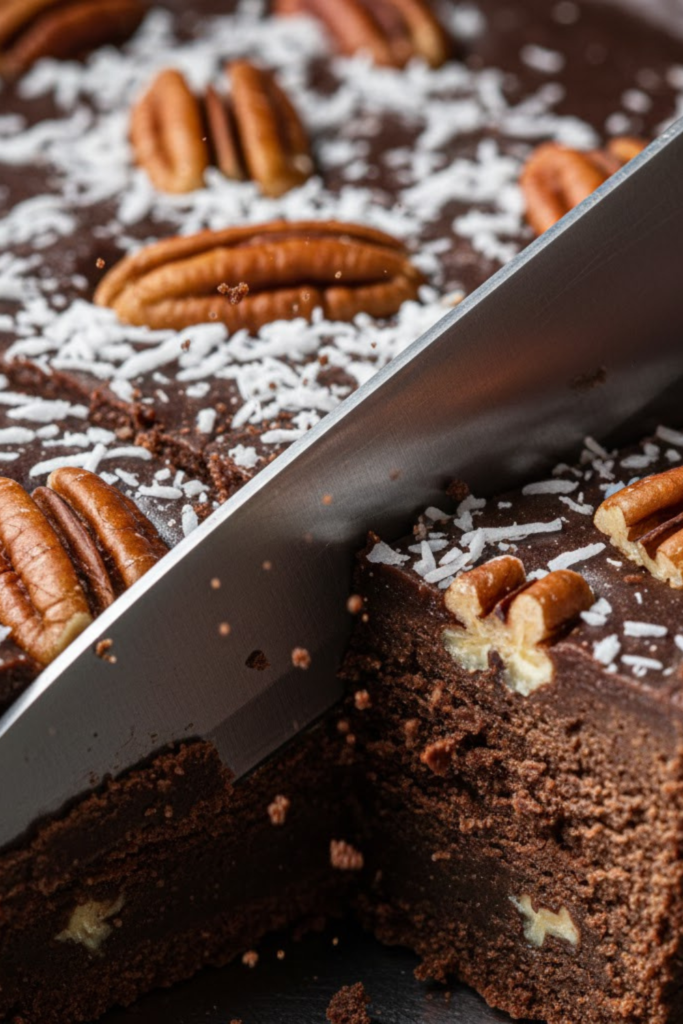
Here is the secret I learned from a bakery friend: use a sharp chef’s knife and run it under hot water. Wipe the blade dry, make one firm cut, and then clean the knife. You have to clean the sticky coconut off the blade after every single cut. It takes a little more time, but your slices will look professional and neat.
Storage and Freezing Tips for Long-Lasting Freshness
I used to be the type of person who just threw some plastic wrap over a plate of leftovers and hoped for the best. I remember one summer, I left a batch of fudge out on the counter because I thought, “Hey, it’s just chocolate and sugar, it’ll be fine.”
I woke up the next morning to find my beautiful squares had turned into a sticky, melting puddle because the kitchen got too warm overnight. It was a total waste of good ingredients. When it comes to German chocolate fudge bites, you have to treat them a little differently than your standard chocolate blocks.
The Fridge is Your Best Friend
Unlike regular fudge, which can usually hang out at room temperature, these bites are a bit high-maintenance. The coconut-pecan topping is heavy on moisture and fats. If you leave it out, especially in a warm house, that topping gets greasy and the fudge base gets too soft to pick up.
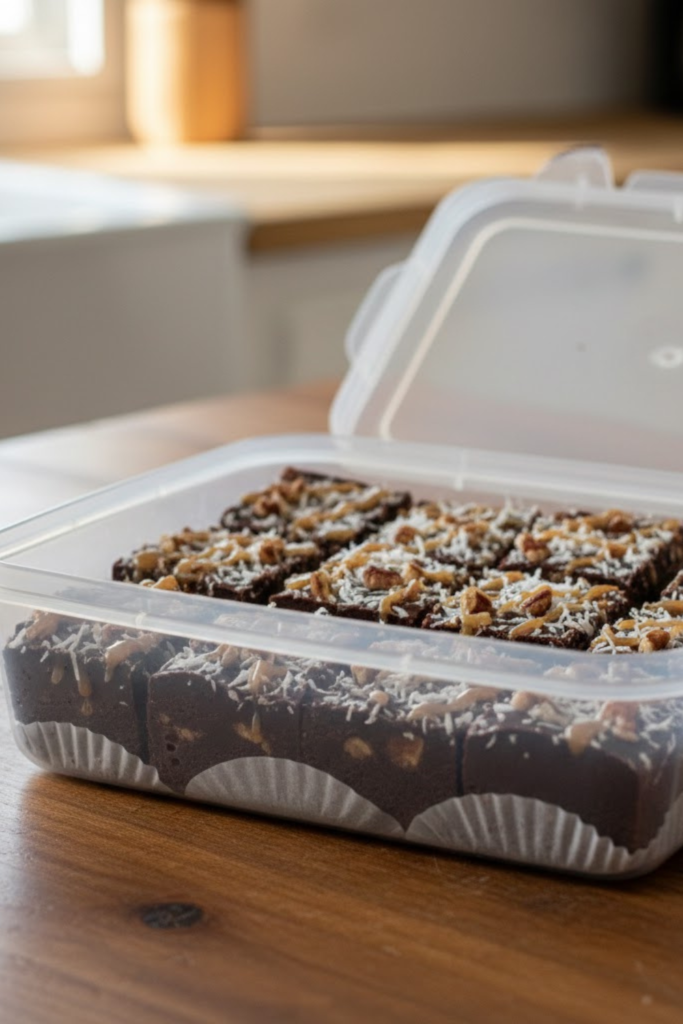
I always store mine in the refrigerator. It keeps the chocolate firm and the topping chewy, which is exactly what you want. Just pop them in an airtight container so they don’t absorb any weird fridge smells—nobody wants fudge that tastes like last night’s lasagna. They will stay fresh in there for about a week, though in my house, they rarely last that long!
Freezing for Later Cravings
Freezing is actually my secret weapon for holiday prep. I learned this trick after I stressed myself out trying to make five different desserts the day before Thanksgiving. Now, I make these weeks in advance. But you have to do it right, or you end up with one giant, frozen brick.
Here is the drill: cut your German chocolate fudge bites into squares first. Then, place them in a container with sheets of parchment paper between the layers. Do not skip the paper! I did that once and had to use a chisel to separate them.
Avoiding Freezer Burn
If you are storing them for the long haul—they are good for up to 3 months—you need to protect them from freezer burn. I usually wrap the container in a layer of foil just to be safe.
When you are ready to eat them, let them sit on the counter for about 20 minutes. I’ve tried eating them straight from the freezer, and while still tasty, I was worried I might chip a tooth on a frozen pecan. Patience pays off here. giving them time to thaw brings back that creamy texture we worked so hard to get.
A Sweet Finish to Your Cravings
Look, I love a fancy layer cake as much as the next person, but sometimes life is just too busy for sifting flour and greasing pans. These German chocolate fudge bites have basically saved my reputation at more than one family gathering. They taste exactly like the real deal—rich, chocolatey, and packed with that chewy coconut-pecan goodness—but they take a fraction of the effort.
I remember bringing a batch to my book club last month. I was worried they would look too “simple” next to a store-bought tart someone else brought. Guess what? The platter was empty in ten minutes. People were asking for the recipe before they even finished chewing. It just proves that you don’t need to spend all day in the kitchen to make something that people genuinely love.
So, the next time you are craving that classic German chocolate flavor but dread the cleanup, just whip up a batch of these. You will thank yourself when you are eating leftovers straight from the fridge in your pajamas.
If you enjoyed this recipe and want to save it for later, please pin it to your favorite dessert board on Pinterest! It helps me out a ton and keeps the recipe safe for when that chocolate craving hits you next.