Honest truth? I have eaten way too many dry, flavorless muffins in my 40 years of life. You know the kind—they look great in the bakery window, but the second you take a bite, it’s like eating sweet sawdust. It drives me crazy! That is exactly why I became obsessed with creating double chocolate muffins that actually deliver on the promise of chocolate heaven.
I remember the first time I got this right. The kitchen smelled like a chocolate factory, and my kids were hovering by the oven door like little vultures. When we finally broke one open? Pure bliss. These aren’t just muffins; they are a chocolate delivery system. Whether you are a baking novice or a pro, this recipe is going to change your breakfast game. We are talking deep cocoa flavor, a tender crumb, and puddles of melted chocolate in every single bite. Let’s get baking!
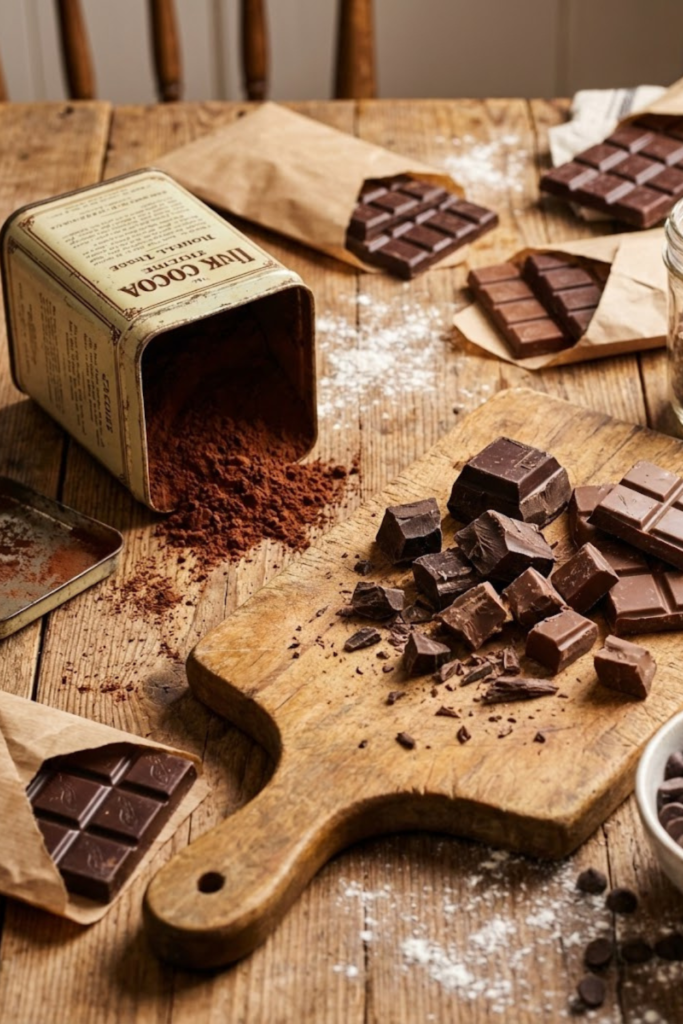
Choosing the Best Chocolate for Deep Flavor
I’ve gotta be real with you for a second. For the longest time, I thought all chocolate was created equal. I used to just grab the cheapest bag of cocoa powder on the shelf and call it a day. Then I’d wonder why my double chocolate muffins tasted kind of… meh. It was so frustrating! I remember making a batch for a work potluck once, and they were pale, dry, and barely tasted like chocolate. I was mortified, honestly.
It took me way too many failed batches to realize that if you want that deep, bakery-style flavor, you can’t skimp on the good stuff.
The Cocoa Powder Conundrum
Here is the thing I learned the hard way: not all cocoa powders act the same in the oven. You have generally got two types: natural cocoa and Dutch-process cocoa. Natural cocoa is lighter and more acidic. It’s fine for some things, but for these muffins? It just doesn’t cut it.
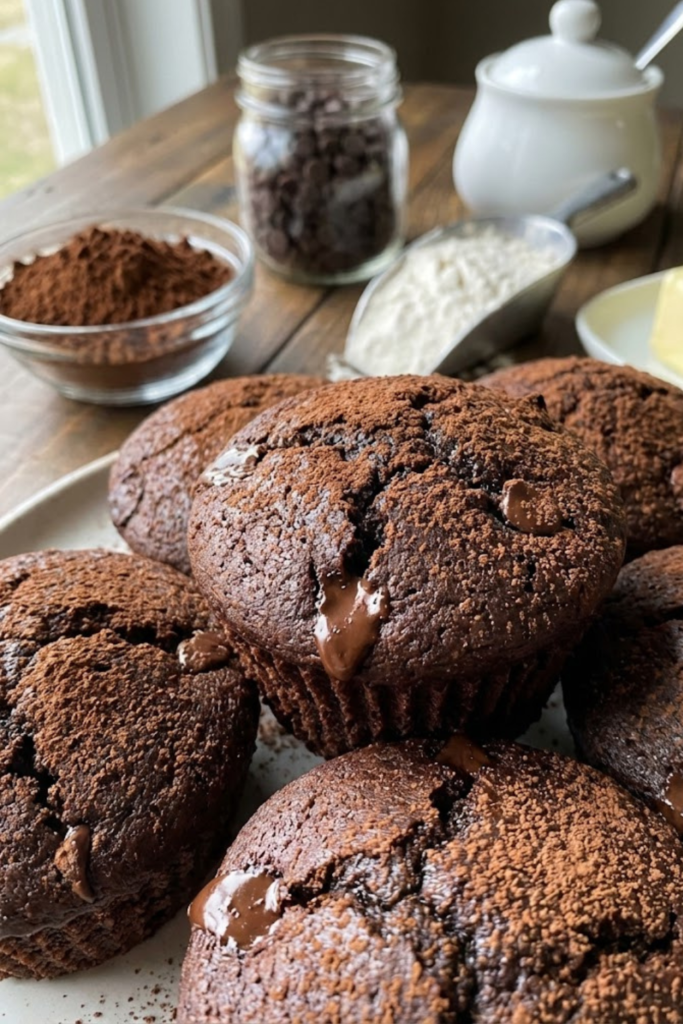
Dutch-process cocoa has been treated to lower the acidity. This sounds fancy, but it just means it’s darker, smoother, and way more “fudgy.” When I finally switched to Dutch-process, the difference was night and day. The muffins actually looked black instead of light brown, and the flavor was intense. If you can’t find it at your regular store, check the baking aisle for “special dark” cocoa; that is usually Dutch-processed too.
Ditch the Chips (Sometimes)
Okay, this might be a hot take. I love semi-sweet chips as much as the next person. They are easy and convenient. But here is the secret: chocolate chips contain stabilizers designed to help them keep their shape in heat. That’s great for cookies, but for a muffin? We want gooey puddles, not hard lumps.
I started buying high-quality chocolate bars and chopping them up myself. It’s a bit of a pain to chop a block of chocolate when you are in a rush, I know. But the cocoa solids in a real bar melt differently. You get these uneven, melty pockets of chocolate that stay soft even after the muffins cool down. It is a total game changer.
Quality Over Quantity
You don’t have to buy the most expensive stuff, but don’t buy the dirt cheap stuff either. Low-quality chocolate is mostly sugar and wax. I’ve noticed that when I spend just a couple of dollars more on a premium brand for my chocolate quality, the richness goes through the roof. It is one of those small tweaks that makes people ask for the recipe.
So, grab the darker cocoa and maybe chop up a bar instead of opening a bag of chips. Your tastebuds will thank you later.
The Wet Ingredients: Secrets to a Moist Crumb
I have a confession to make. For years, I was a butter purist. I thought putting oil in a baked good was cheating or “cheap.” I would melt glorious amounts of butter, toss it in my batter, and then be totally confused when my double chocolate muffins dried out by the next morning. It drove me up the wall! I remember serving some leftover muffins to my neighbor a day after baking them, and I could practically hear her chewing. It was humiliating.
That’s when I learned that moisture isn’t just about liquid; it’s about fat that stays liquid.
Oil vs. Butter: The Showdown
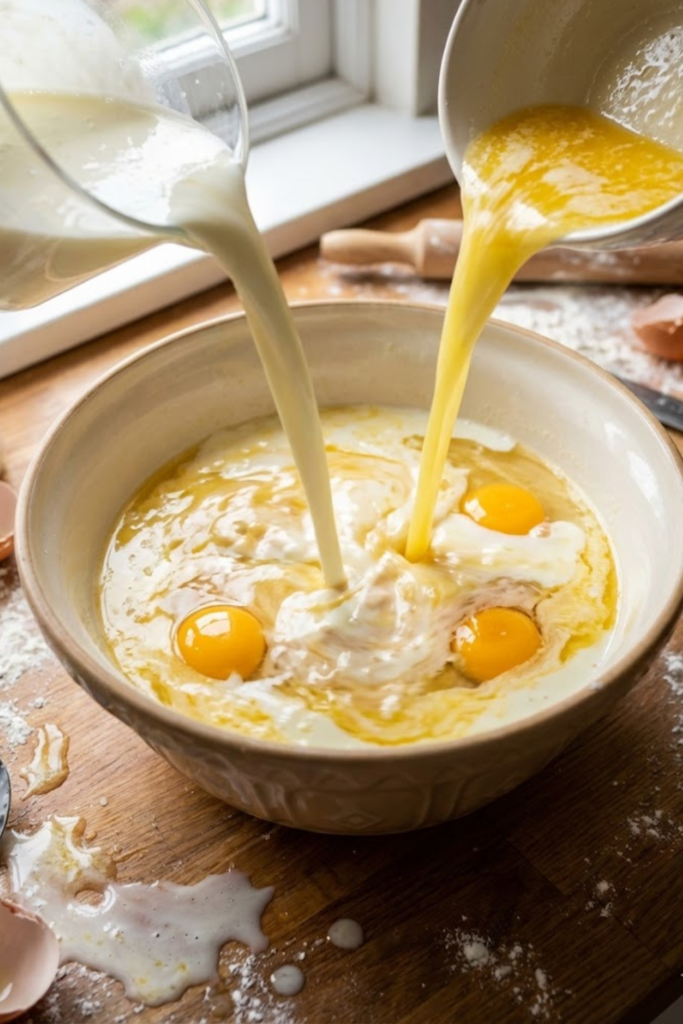
Here is the deal I’ve learned through a lot of trial and error. Butter gives great flavor, but it is solid at room temperature. Vegetable oil is liquid at room temperature. Why does this matter? Because muffins made with vegetable oil feel moister on your tongue. It’s simple science, but I ignored it for way too long.
Now, I usually do a mix. I use a little bit of melted butter for that rich taste, but I rely mostly on oil to keep the muffin texture soft and spongy. If you want a muffin that is still soft three days later (if they last that long), you have got to embrace the oil. Don’t be afraid of it!
The Secret Weapons: Sour Cream and Buttermilk
If you look in my fridge right now, you will always find a tub of full-fat sour cream. I don’t use it for tacos; I use it for baking. Adding sour cream or plain Greek yogurt is my absolute favorite trick for chocolate muffins. It adds this thickness to the batter that results in a dense, fudgy crumb that feels expensive.
And let’s talk about buttermilk. I used to try to cheat and use regular milk, but the muffins were always kind of boring. Buttermilk has this acidity that breaks down gluten, making the muffin tender. Plus, it reacts with the baking soda to give you that nice lift. If you don’t have any, you can make a buttermilk substitute with milk and vinegar, but the real stuff is always better.
Why Temperature Actually Matters
Okay, I used to roll my eyes when recipes said “room temperature ingredients.” I’m busy! I don’t have time to let eggs sit on the counter! But then I ruined a batch of batter. I poured melted butter into a bowl with cold fridge eggs, and the butter instantly solidified into these gross, waxy chunks. It looked like curdled soup.
Since then, I always use room temperature eggs and buttermilk. It helps everything emulsify—which is just a fancy word for mixing together smoothly. If your ingredients are all the same temperature, your batter will be glossy and beautiful. If they are cold, you risk the chocolate seizing up, and nobody wants gritty muffins. Just set them out 30 minutes before you start. It’s worth the wait.
The Mixing Method: Avoiding the “Tough Muffin”
I have to tell you about the time I tried to be “efficient” and ruined an entire batch of breakfast. I threw all my ingredients into my stand mixer, cranked it up to high, and let it rip while I washed dishes. I thought I was being so smart. But when those double chocolate muffins came out? They were rubbery. Like, literally bouncy. My kids politely ate the tops and left the rest, which is the universal sign for “Mom, you messed up.”
It took me a while to learn that muffins are sensitive little things. You can’t treat them like cupcake batter.
The “Muffin Method” Is Real
There is a technical term for this, but don’t let it scare you. The muffin method just means you mix your dry ingredients in one bowl and your wet stuff in another. That’s it.
I used to be lazy and dump everything into one bowl to save on dishwashing. Big mistake. By mixing them separately first, you control exactly how much the flour gets worked once it gets wet. It sounds like a small detail, but it prevents pockets of baking soda from exploding in your mouth later. Nobody wants that soapy taste!
The Art of the Folding Technique
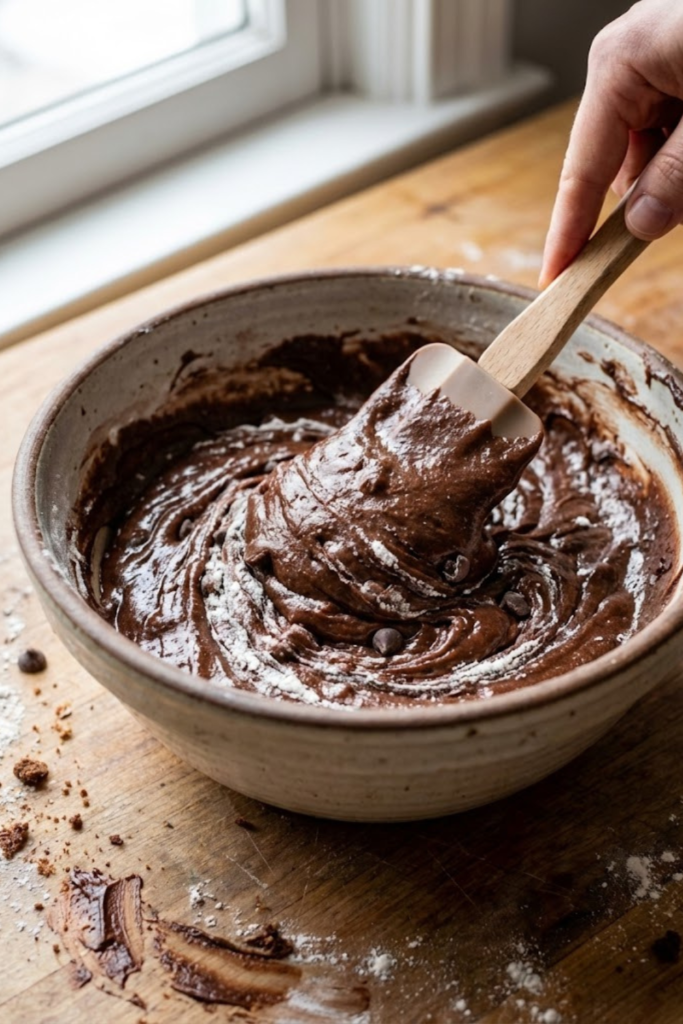
Here is where the magic happens (or where it dies). Once you pour the wet into the dry, you have to be gentle. I mean, really gentle. We are talking about the folding technique. Grab a rubber spatula and scrape the bottom, fold it over the top, and turn the bowl.
Do not use a whisk here. And definitely do not use an electric mixer. The second that flour touches moisture, gluten development starts. If you stir it like crazy, you develop strong gluten strands. That is great for chewy pizza crust, but terrible for a soft muffin. I usually count my strokes. If I go over 15 folds, I start to get nervous.
Lumps Are Actually Your Friend
This was the hardest thing for me to accept. I’m a perfectionist (recovering), and seeing a lumpy batter used to drive me nuts. I wanted it smooth and glossy like a cake mix.
But for muffins, batter consistency should be ugly. Seriously. If your batter looks smooth, you have probably engaged in overmixing. You want to see small streaks of flour still visible. It feels wrong, but you have to trust the process. Those little lumps disappear in the oven, I promise.
Timing the Mix-ins
When do you add the chocolate? I used to throw the chips in at the very end and then stir like a maniac to get them distributed. By the time the chips were mixed in, my batter was overworked.
Now, I toss my chocolate chips (or chunks) into the dry ingredients right at the start. This coats them in a little flour, which stops them from sinking to the bottom. Plus, when you do your folding, the chocolate is already there. You don’t have to do any extra stirring to get them mixed in. It saves your arm and saves the muffin texture. Simple, right?
Baking for the Perfect Dome
You know what used to make me incredibly jealous? Walking into a bakery and seeing those muffins with the massive, sky-high tops. They looked like mushrooms in the best way possible. Then I’d go home, bake my batch, and they would come out flat. Just sad, flat little discs. They tasted fine, but they didn’t look like the bakery style muffins I was dreaming of. I honestly thought commercial ovens had some magic setting I didn’t know about.
Turns out, the secret isn’t magic. It is just manipulating the heat.
The Temperature Trick
If you take one thing away from this post, let it be this: do not bake your muffins at one temperature the whole time. I learned this trick from a friend who used to work in a professional kitchen, and it blew my mind.
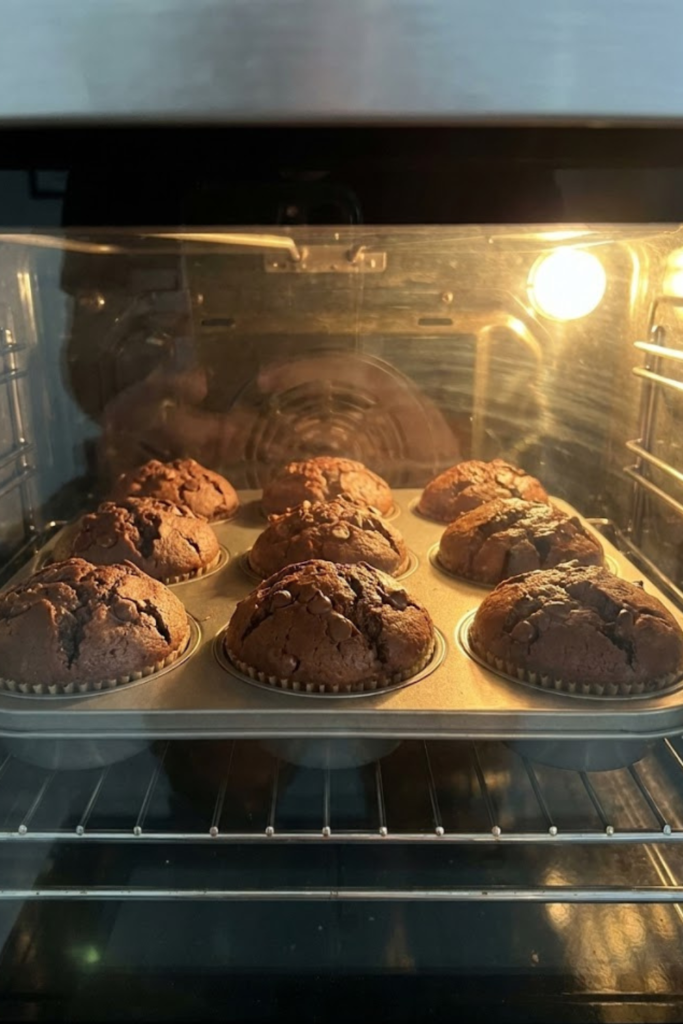
You need to blast the batter with high heat right at the start. I preheat my oven to a scorching 425°F. I pop the tin in for exactly five minutes. This intense heat hits the baking powder and baking soda, causing a rapid reaction—this is called oven spring. It forces the batter to jump up quickly before the crust sets.
After those five minutes are up, leave the muffins in there (don’t open the door!) and drop the temperature down to 350°F for the rest of the baking time. It is a bit annoying to hover by the stove, but the tall, cracked tops are so worth it.
Liner Logic
Let’s talk about the paper for a second. I used to buy those cheap, tiny cupcake liners for my muffins. The problem? The batter would overflow and bake onto the pan, which was a nightmare to scrub off.
I finally switched to tulip-style liners, or I just make my own out of parchment squares. A tall muffin liner supports the batter as it rises, helping it go up rather than out. Plus, it makes them look super professional. If you don’t have liners, you have to grease that pan like your life depends on it. I’ve had too many double chocolate muffins rip in half because I missed a spot with the butter wrapper.
The Toothpick Test Myth
Okay, we have all been taught to stick a toothpick in the center and wait for it to come out clean, right? Well, forget that. If your toothpick comes out perfectly clean, your muffins are already overbaked.
Because these are dark chocolate, it is hard to tell when they are done just by looking. I look for the toothpick test to show a few moist crumbs clinging to the wood. If it is wet batter, keep baking. If it is clean, you might have dry muffins. It is a fine line, and I have definitely pulled them out too early before (gooey centers are okay, but raw batter is not), but err on the side of under-baking slightly.
The Cooling Process
This is the hardest part: waiting. When they come out, they are fragile. I once tried to dump a hot pan onto a wire rack immediately, and half the muffin tops fell off. I wanted to cry.
Let them sit in the hot pan for about 5 minutes. This lets the structure set just enough so they don’t crumble when you move them. But don’t leave them in there too long, or the muffin texture gets soggy from the steam. Move them to a rack, and try to wait until they are cool before diving in… or just burn your tongue on a chocolate chip like I usually do.
We have covered a lot of ground today, haven’t we? From hunting down the specific Dutch-process cocoa to learning why we have to treat the batter with kid gloves, you are now officially equipped to make the best double chocolate muffins on the block. I know it can feel like a lot of steps for a simple breakfast treat, but I promise, the moment you break open that warm, dark, fudgy muffin, every bit of effort will make sense. It is just one of those baking projects that pays off big time.
Before I let you go, I want to leave you with one last tip that has saved my sanity on busy mornings: these things freeze beautifully. Seriously. I usually bake a double batch (because my family devours the first dozen in minutes) and toss the second batch into a freezer bag once they are completely cool. When you want a quick breakfast, just zap one in the microwave for about 15 seconds. The chocolate chunks get all melty again, and it tastes just like it came out of the oven. It is a total lifesaver when you are running late but still want something homemade.
I really hope you give this recipe a shot this weekend. Don’t forget to let me know how they turned out in the comments below! Did you use chips or chunks? I want to hear all about your baking wins (or even the messy mistakes—we have all been there). If you loved this recipe, please pin it to your Breakfast Board on Pinterest so you can find it next time the chocolate craving hits! Happy baking, everyone!