I used to think making a New York-style crumb cake was reserved for professionals with secret ovens. I was wrong. Dead wrong! In this article, we aren’t just making a coffee cake; we are constructing a masterpiece of butter and sugar. We’re talking about that specific, heavy, cinnamon-laden crumb that stays crunchy on top but melts in your mouth. Whether you are hosting a brunch or just need a companion for your morning coffee, this recipe is your new best friend. Let’s get baking!
Crumb Cake vs. Coffee Cake: What is the Real Difference?
I’ve gotta be honest with you; for the longest time, I thought these two were exactly the same thing. I remember walking into a bakery years ago, asking for a piece of coffee cake, and staring in confusion at what they handed me. It had this tiny, sad little dusting of sugar on top. That wasn’t what I wanted. I wanted the heavy, chunky, cinnamon-loaded slice that leaves a mess on your shirt.
It was a total letdown. I actually tried to argue with the baker (embarrassing, I know), insisting they gave me the wrong order. That’s when I learned the hard way that while all crumb cakes are technically coffee cakes, not all coffee cakes are crumb cakes. It sounds like a riddle, but it’s actually pretty simple once you break it down.
It’s All About the Ratio
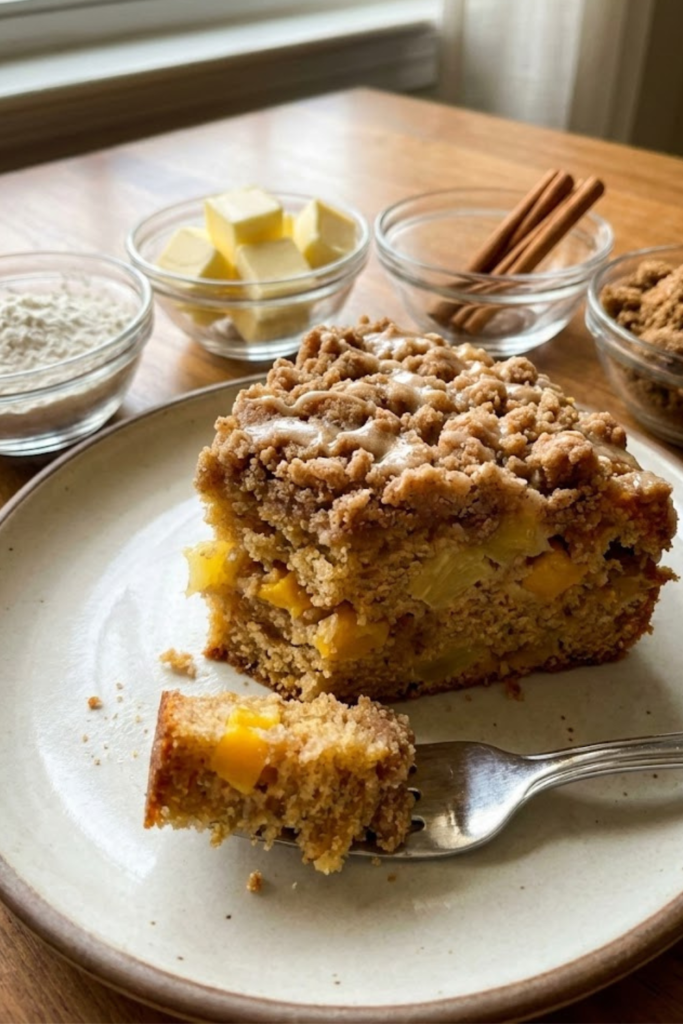
The biggest difference—and the hill I am willing to die on—is the topping-to-cake ratio. If you are making a standard coffee cake, the streusel is usually just a nice little garnish. It’s there to add a bit of texture, maybe a crunch here and there. But a New York style crumb cake? That is a whole different beast.
When I bake a crumb cake, I aim for a 50/50 split. Seriously. The layer of buttery streusel topping should be just as thick as the cake layer itself. I’ve had batches fail because I was too scared to pile it on. I thought the cake would collapse. But if you do it right, that mountain of sugar is the star of the show. If you can see the top of the cake through the crumbs, you didn’t add enough. Go big or go home, right?
Texture and Density Matter
Here is a mistake I made early on: I tried to put a heavy crumb topping on a light, airy sponge cake. It was a disaster. The crumbs sank right to the bottom, and the whole thing turned into a greasy puddle.
A proper crumb cake needs a sturdy base to hold up all that weight. You need a batter that is a bit denser and tighter than your average muffin or birthday cake. Coffee cake is often fluffier and more like a quick bread. But for this recipe, we are looking for a moist coffee cake base that can actually support the “mile-high” crumbs we are about to construct. It’s got to be tough enough to handle the load but soft enough to melt in your mouth.
Yeast vs. Baking Powder
Historically, the old-school versions of these cakes—like the ones you’d find in German bakeries—were often made with yeast. They were more bread-like, almost like a brioche. These days, most of us (myself included) use baking powder because it’s faster and easier.
I prefer the baking powder version because it gives you that tender, cakey interior without the hassle of waiting for dough to rise. Plus, it pairs perfectly with a sweet morning treat like this. So, next time you see a “coffee cake” with a skimpy topping, you’ll know better. We are here for the crumbs, and we aren’t settling for less.
The Secret to the Perfect Buttery Streusel Topping
I still remember the first time I tried to make a crumb cake on my own. I was feeling lazy, so instead of cutting in cold butter like the recipe said, I just melted it. I thought, “Hey, it’s all going to the same place, right?” Big mistake. Huge.
Instead of those big, beautiful boulders of sugar I was dreaming of, I ended up with a flat, greasy sheet that looked more like a sad cookie than a topping. It was a total hot mess. I learned pretty quickly that if you want that bakery-style look, you can’t cut corners with the topping. It is the most important part of the cake, after all.
Cold Butter is King
Here is the thing about the buttery streusel topping: temperature is everything. If your butter is too warm, it just blends into the flour and sugar to make a paste. You don’t want a paste. You want distinct chunks.
I always use cold, unsalted butter straight from the fridge. I usually cut it into small cubes before I even touch the dry ingredients. When you work the cold butter into the flour, it stays distinct. That is what creates those little pockets of steam while it bakes, keeping the crumb crunchy on the outside but soft in the middle. If you use melted butter, you lose that texture completely. Trust me, keep it cold.
The Sugar Blend Breakdown
For the longest time, I just used whatever sugar I had in the pantry. Usually, that was just plain white sugar. The result? It was sweet, sure, but it lacked depth. It tasted one-dimensional.
Through a lot of trial and error (and eating a lot of mediocre cake), I found that a brown sugar streusel is the way to go. I personally like using a mix, but I lean heavily on light brown sugar. The molasses in the brown sugar adds this incredible moisture and a slight caramel flavor that white sugar just can’t compete with.
However, don’t ditch the white sugar entirely! A little bit helps the crumbs crisp up nicely. I usually do about a 2:1 ratio of brown to white sugar. It gives you the best of both worlds: that deep flavor and that necessary crunch.
Don’t Be Shy with the Cinnamon
I have a rule in my kitchen: if the recipe calls for a teaspoon of cinnamon, I usually double it. Okay, maybe not double, but I definitely add a heaping scoop. You want that cinnamon sugar crumb to punch through all the butter and flour.
If you are stingy with the spice, the topping just tastes like sweetened flour. You want that warm, spicy kick to hit you as soon as you take a bite. It balances out the richness of the butter so the cake doesn’t feel too heavy.
The Squeeze Technique
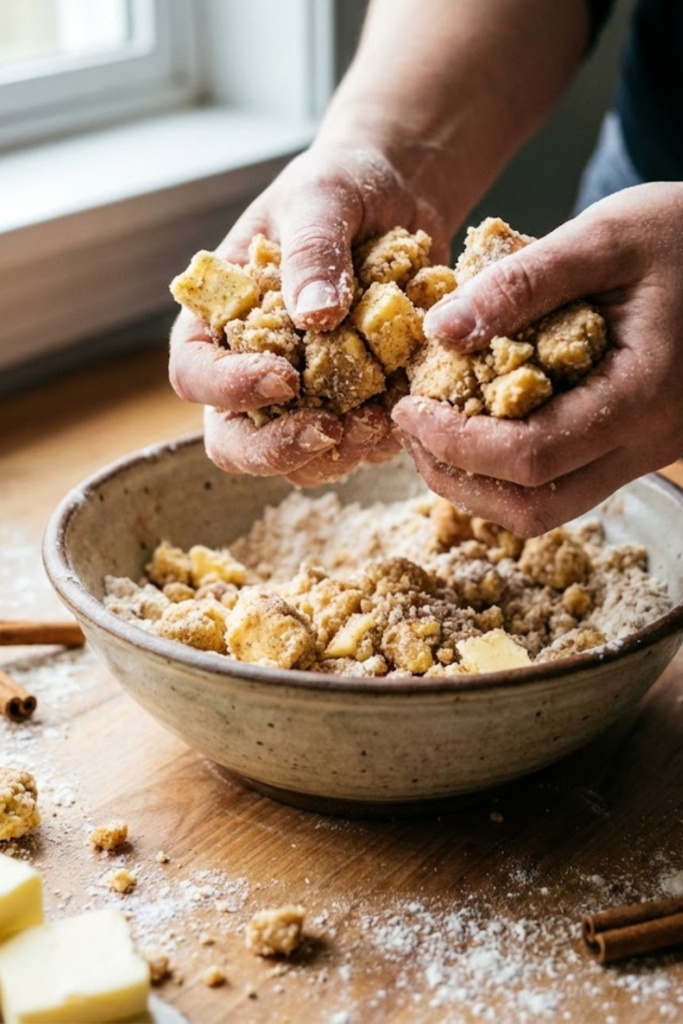
This is the part where you need to get your hands dirty. Literally. I used to try using a pastry cutter or a fork, but I never got the size right. I ended up with sand-like crumbs that just looked like dirt on top of the cake.
To get the perfect crumb size, you have to use your hands. Once the mixture looks like coarse meal, I grab a handful and squeeze it into a solid ball. Then, I gently break that ball apart into large chunks. I’m talking chunks the size of walnuts or even golf balls.
Don’t worry if they look too big. They will spread and settle a bit as they bake. If you leave them too small, they tend to melt into the cake batter, and you lose that definition. So, squeeze them tight and leave them big! It feels a bit weird at first, but it is the only way to get those massive nuggets of goodness.
Step-by-Step: Mixing the Moist Cake Base
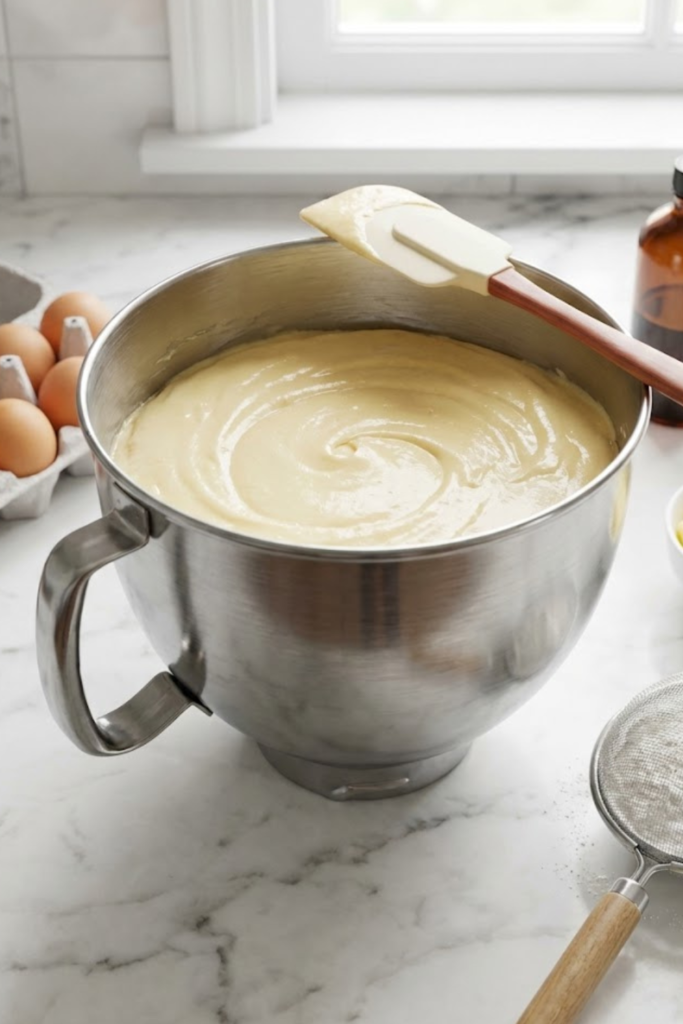
I used to wonder why my cakes sometimes tasted more like sweet cornbread than a delicate pastry. It was frustrating. I’d follow the recipe, but the texture was just… off. It was dry and crumbly in the wrong way. I wanted that velvety, melt-in-your-mouth feel you get from a professional bakery.
After wrecking more batches than I care to admit, I realized the problem wasn’t my oven. It was how I was mixing the batter. The base for a New York style crumb cake has to be sturdy enough to hold the topping but soft enough to be enjoyable. It’s a tricky balance, but I’ve got the cheat codes for you now.
The Sour Cream Magic
If you take nothing else away from this post, listen to this: do not skip the sour cream. For years, I substituted milk because I was too lazy to go to the store. The result was always a lighter, drier cake.
You need full-fat sour cream or Greek yogurt here. The acidity breaks down the gluten strands in the flour, which makes the cake incredibly tender . Plus, the thick texture adds fat without thinning out the batter too much. This creates a sour cream cake base that stays moist for days. If you use skim milk, you’re basically asking for a dry cake. Don’t do it!
Patience with the Butter
I am a generally impatient person. When a recipe says “cream butter and sugar until fluffy,” I used to give it about 30 seconds and call it a day. That was a mistake.
You really need to let your mixer run for a good 3 to 4 minutes on high speed. You want the mixture to look pale yellow, almost white. This process forces air into the butter, which acts as a leavening agent. It gives the cake that lift it needs so it doesn’t turn into a dense brick under the weight of the crumbs. If you rush this step, your stand mixer recipes will always fall flat.
Flour Power: Cake vs. All-Purpose
I used to think flour was just flour. I was wrong. For this recipe, I highly recommend using cake flour. It has less protein than all-purpose flour, which means less gluten formation. That translates to a soft cake texture that is light and airy.
If you don’t have cake flour, don’t panic. I’ve been there. You can make a cake flour substitute by taking a cup of all-purpose flour, removing two tablespoons, and replacing them with cornstarch. Sift it together really well. It’s a handy trick that has saved me plenty of trips to the grocery store.
The “Stop Mixing” Rule
Here is where I messed up the most in the beginning. Once you add the dry ingredients to the wet ones, you have to stop mixing almost immediately.
I used to beat the batter until it was perfectly smooth because I was afraid of lumps. But actually, overmixing batter activates the gluten and makes the cake tough and rubbery. I now mix just until the flour streaks disappear. It’s okay if it looks a tiny bit lumpy. It’s better to have a slightly lumpy batter than a rubbery cake. Treat the batter gently, and it’ll reward you with a perfect crumb.
Assembling and Baking for “Mile-High” Crumbs
This is the moment of truth. You’ve got your velvety batter and your bowl of massive crumbs. Now, we have to put them together without ruining everything. I used to think this part was idiot-proof until I pulled a cake out of the oven that looked like a crater because I didn’t spread the base layer properly.
It sounds silly, but the assembly is just as important as the mixing. We are building a structure here, people! You want those mile-high crumbs to sit proudly on top, not sink into an abyss of batter.
The Layering Technique
First things first, grab your 9×13 baking pan. I always, always line it with parchment paper. There is nothing worse than baking a perfect cake and then having half of it stick to the metal when you try to lift it out.
When you dump the batter in, you’ll notice it is thick. Like, really thick. It’s not going to spread itself out like a boxed mix. You have to get in there with an offset spatula and push it into the corners. I take my time here to get it perfectly level. If you have hills and valleys in the batter, the topping will pool in the low spots and make the cake bake unevenly. A flat base means a flat, professional-looking top.
The Clumping Strategy
Now for the fun part. Remember those big chunks we made earlier? Do not—I repeat, do not—break them up too much when you put them on the cake. I used to sprinkle the topping like I was salting a steak. Wrong move.
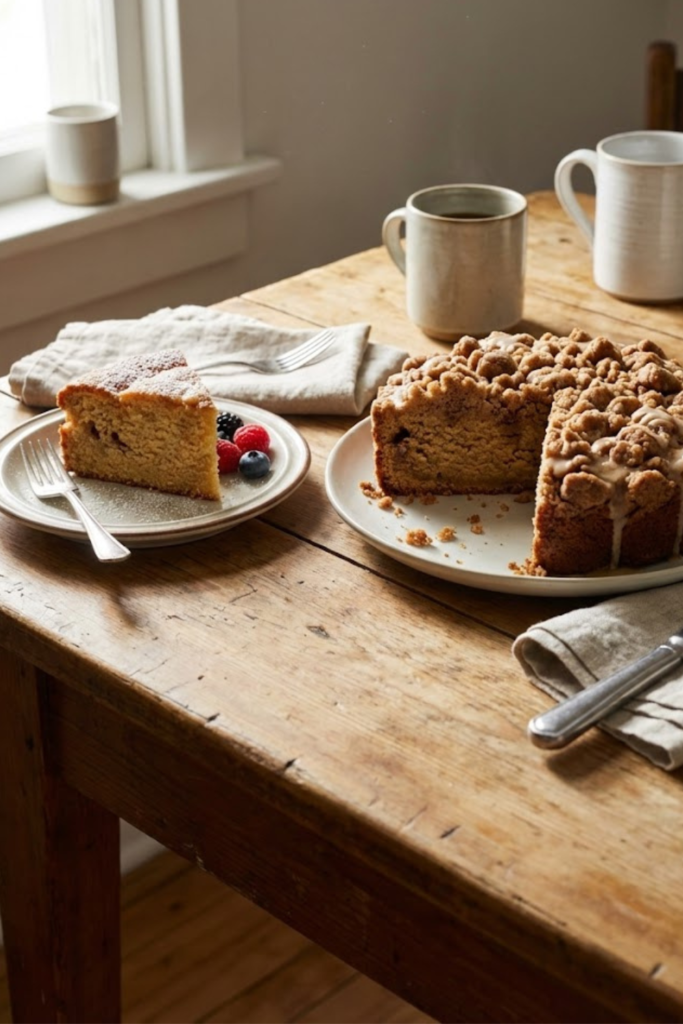
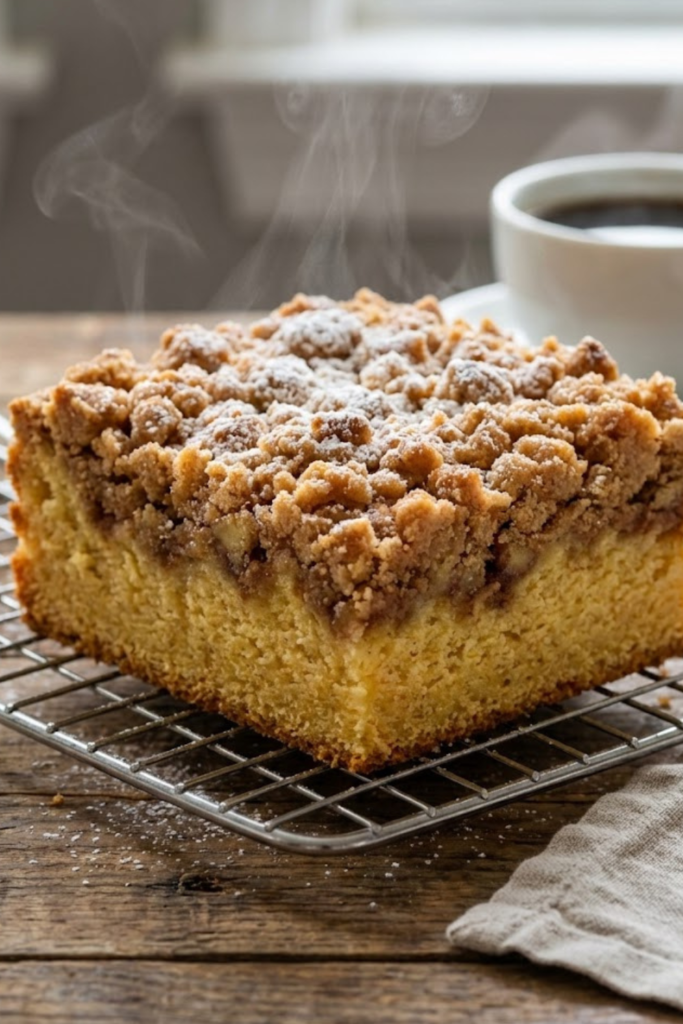
You want to pick up handfuls of the thick crumb topping and drop them gently onto the batter. Cover every single inch. I like to pack it on until I can’t see any yellow batter peeking through. It feels excessive. It feels like too much sugar. But trust me, that is exactly what makes this a sweet morning treat worth waking up for. If you think you have too much topping, pile it higher.
Watching the Oven Temperature
Here is a lesson I learned the hard way: sugar burns fast. I used to crank my oven up to get things done quicker. I ended up with a cake that was charred black on top but completely raw and jiggly in the middle. It was heartbreaking.
You need a steady, moderate heat. I stick to 325°F (165°C) rather than the standard 350°F. It takes a bit longer, but it gives the thick center time to rise and set without torching the brown sugar streusel. If you notice the top getting too dark before the timer goes off, don’t panic. Just loosely tent a piece of foil over the top. It saves the day every time.
The Tricky Toothpick Test
Checking if a crumb cake is done is actually kind of hard. If you stick a toothpick in and hit a pocket of melted butter and sugar from the topping, it’ll come out looking wet. You might think the cake is raw when it’s actually perfect.
I try to aim for the very center, poking through a gap in the crumbs if I can find one. You want the toothpick to come out with a few moist crumbs attached, but no wet batter. If it’s totally clean, you might have overbaked it slightly. It’s a fine line, but once you nail the toothpick test, you are golden.
Storing and Freezing Your Crumb Cake
There is nothing sadder than waking up excited for a slice of cake, only to find out it has turned into a rock overnight. I’ve been there. I used to just throw a towel over the pan and hope for the best. Spoiler alert: that doesn’t work. The air gets to it, and that beautiful, soft interior turns into sawdust.
Because this recipe uses a sour cream cake base, it is naturally moist, but you have to treat it right if you want it to last. I’ve wasted too many good slices by being lazy with my storage. Don’t be like me. Protect your hard work!
Room Temperature Realities
First off, keep this bad boy out of the fridge. I know, I know, we are trained to refrigerate everything. But the cold air in the refrigerator actually sucks the moisture right out of baked goods faster than you’d believe.
For the first 2 to 3 days, I keep the cake at room temperature. The trick is using a proper airtight container. If I leave it in the baking pan, I cover it tightly with foil. But honestly, moving the slices to a Tupperware container is better. Just make sure the cake is completely cool before you seal it up. If it’s still warm, the steam gets trapped and turns your crispy crumb topping into a soggy mess. Nobody wants soggy crumbs.
The Freezer is Your Friend
If you are one of those people who can’t eat a whole 9×13 cake in three days (I am not one of those people, but I hear they exist), the freezer is a lifesaver. This is actually one of my favorite freezable baked goods.
I like to cut the leftover cake into individual squares. Then, I wrap each piece in plastic wrap—really tight. After that, I wrap it again in aluminum foil. It sounds excessive, but that double layer prevents freezer burn. You can toss these little packages in the freezer, and they stay good for like three months. It’s perfect for when you need a quick make ahead breakfast on a busy Tuesday.
Bringing it Back to Life
Now, when you are ready to eat that frozen slice, stay away from the microwave. I mean it. The microwave will make the cake hot, but it will turn the butter in the topping into a grease pit and make the cake rubbery.
Instead, I let the slice thaw on the counter for a bit, then pop it in the toaster oven for about 5 minutes. The dry heat crisps the sugar back up and makes it taste like it was just baked. A warm cake serving with a fresh cup of coffee? There is literally nothing better.
When Good Cake Goes Bad
Okay, let’s say you messed up. You left the cake out, the lid wasn’t on tight, and now it’s stale. Don’t throw it out! I discovered this by accident when I was desperate for breakfast: crumb cake French toast.
Dip the stale slices in an egg and milk mixture and fry them up in a pan. The stale texture actually absorbs the custard better without falling apart. It is decadent, it is messy, and it might be the best thing I’ve ever eaten. It turns a kitchen fail into a total win.
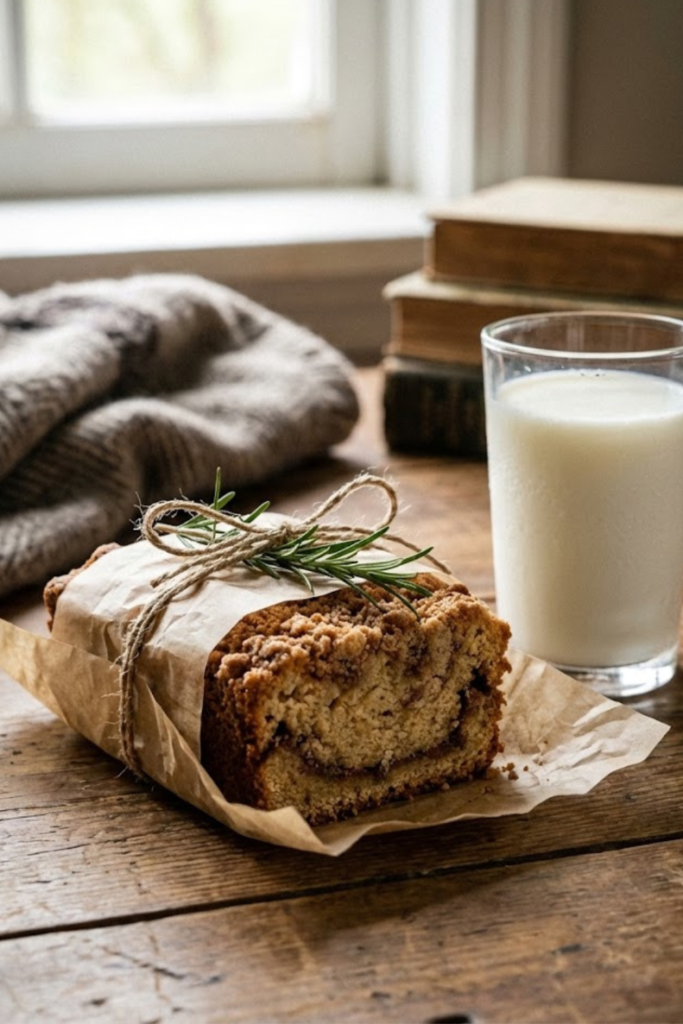
So, there you have it. We’ve officially cracked the code to the ultimate crumb cake recipe. It wasn’t just about tossing ingredients in a bowl; it was about respecting the cold butter, embracing the full-fat sour cream, and having the patience to let those mile-high crumbs set perfectly in the oven.
I hope your kitchen smells as amazing as mine does right now. Seriously, do yourself a favor: pour a fresh cup of coffee, grab a fork, and enjoy a massive slice of this sweet morning treat. You’ve earned it!
If you loved this recipe—and I have a feeling you will—please do me a huge favor. Pin this post to your “Favorite Brunch Recipes” or “Best Breakfast Ideas” board on Pinterest. It helps other bakers find this crowd pleaser recipe and keeps the crumbly love going. Happy baking, my friends!