Did you know that over 60% of home cooks struggle with chicken breasts turning out dry and rubbery? I’ve been there more times than I care to admit! There is nothing worse than looking forward to a nice dinner only to feel like you are chewing on a piece of cardboard. But then I discovered the magic of a heavy cream reduction and cracked black pepper. It changed everything in my kitchen, and it’s going to change things in yours too. We are going to dive into how to get that perfect sear and that velvety sauce that makes you want to lick the plate clean.
The Struggle of the Dry Chicken Breast
Let’s be real for a minute. If you’ve ever tried to make a creamy pepper chicken breast at home, you probably know the pain of ending up with something that feels like you’re chewing on a pencil eraser. I’ve been teaching for nearly twenty years, and honestly, managing a room full of rowdy middle schoolers is sometimes easier than getting a chicken breast to stay juicy. I remember one Tuesday night after a long day of grading history essays—I was tired, hungry, and just wanted a good meal. I threw the chicken in the pan, got distracted by a parent email, and by the time I sat down to eat, it was so dry I needed a gallon of water just to swallow one bite. It’s a common struggle, but you don’t have to live that way.
Why Does It Turn Into Cardboard?
The main thing to understand is that the breast is the leanest part of the bird. Unlike thighs, which have enough fat to forgive you if you overcook them by a few minutes, the breast is very unforgiving. There’s almost zero fat to keep things lubricated. When the heat hits those meat fibers, they tighten up like a metal spring. If you cook it too long, all the moisture gets squeezed out, and you’re left with those stringy, dry bits that nobody likes. Most of the time, people think they need to cook it on a low heat for a long time to make it “tender,” but that actually does the opposite. It just bakes the moisture away.
The High Heat Secret
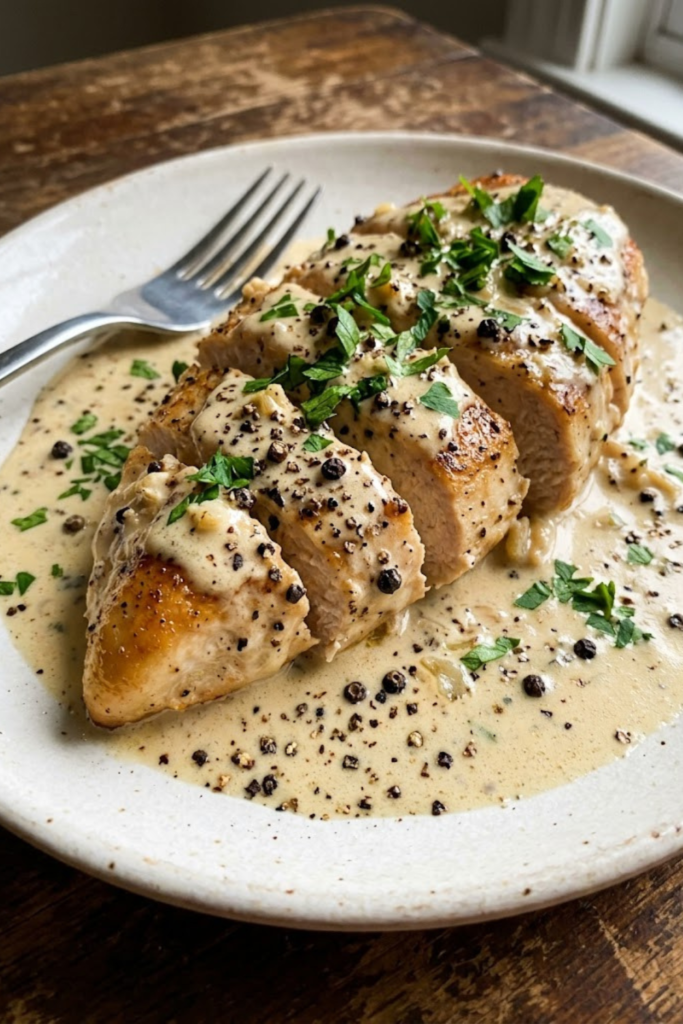
What I learned—mostly through trial and error and a lot of ruined dinners—is that you need to be brave with your stove dial. You want a good sear. If you put your chicken in a lukewarm pan, it’s just going to sit there and leak its juices out into a grey puddle. You want to hear that loud sssss sound the second it touches the oil. I usually aim for about five or six minutes on the first side without touching it. Don’t keep flipping it over and over! Let it get that golden-brown crust. That crust is what traps the flavor inside and gives your creamy pepper chicken breast that professional look.
Don’t Guess, Just Measure
I tell my students all the time: “Show your work and check your math.” Cooking is the same. Stop trying to guess if the chicken is done by poking it with your finger or cutting it open. If you cut it open to check the color while it’s in the pan, all the juice runs out, and you’re back to square one. Buy a digital meat thermometer. They are cheap and will save your dinner. Pull the meat out when it hits 160 degrees. It’ll finish getting to 165 while it rests on your plate. If you wait until it’s 165 in the pan, it’s already too late. Just let it sit for five minutes before you eat. It makes a huge difference.
Why Fresh Peppercorns Make the Difference
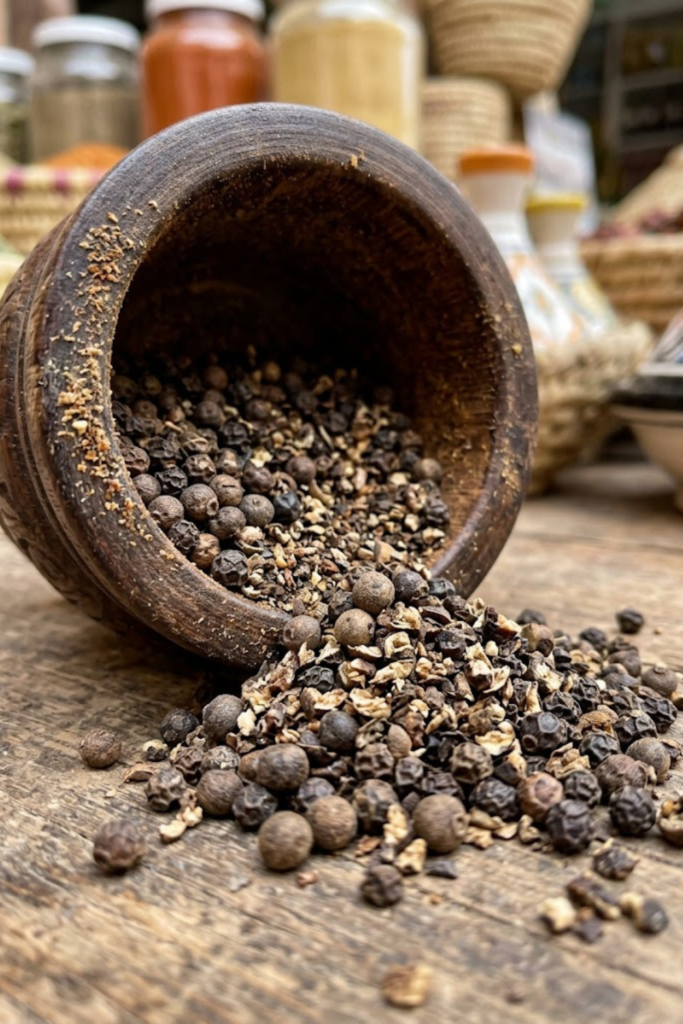
I used to think pepper was just pepper. For the first few years I lived on my own, I had one of those little red and white tins in my cupboard that probably sat there for three years. It was basically just gray dust. I’d shake it onto my food, and it didn’t really do much besides make me sneeze. But when I finally decided to try making a real creamy pepper chicken breast for a Sunday dinner, I bought a jar of whole black peppercorns. Let me tell you, it was like someone finally turned the lights on in my kitchen. The smell that hits you when you crack them open is totally different from that pre-ground stuff.
The Problem with the Tin
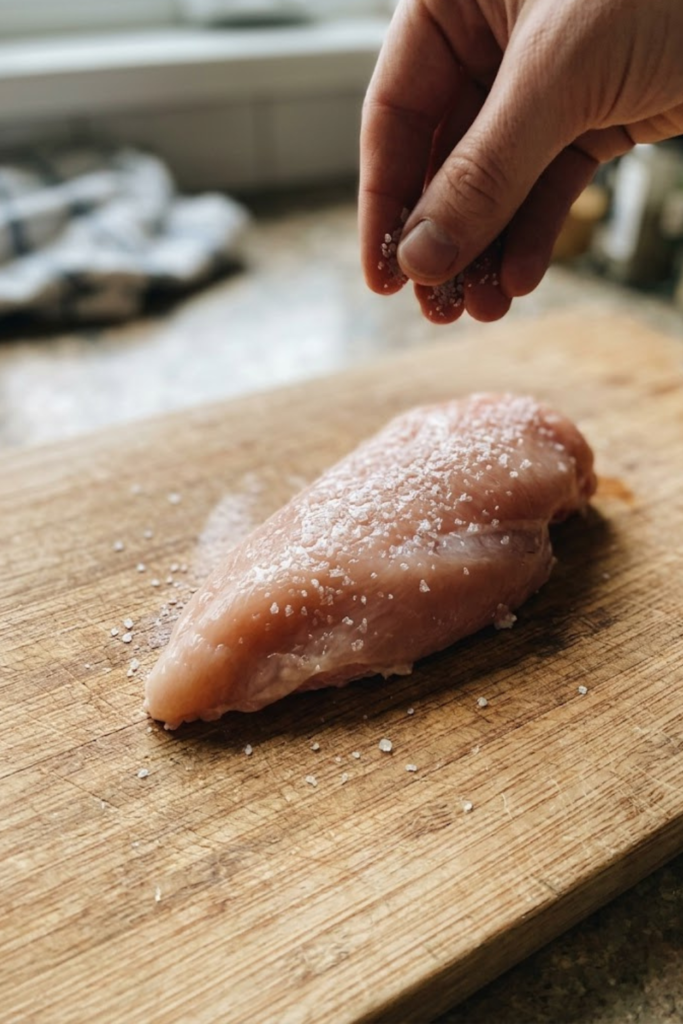
The thing about pre-ground pepper is that it’s convenient, but it’s also kind of “dead.” Once a peppercorn is ground up, the oils inside—which are the things that actually have the flavor—start to dry out almost immediately. By the time that tin gets to your grocery store and sits on your shelf, it’s lost all its personality. It’s just “hot dust.” If you want your creamy pepper chicken breast to taste like it came from a fancy restaurant, you have to use the whole berries. When you crack them right before you start the stove, you get this citrusy, woody smell that is just amazing. It’s the difference between eating a fresh orange and a piece of orange-flavored candy.
My Low-Tech Crushing Method
Now, you don’t need a fancy mortar and pestle to do this, though they do look nice on a kitchen counter. In my house, I usually just use the bottom of a heavy cast iron skillet or a small saucepan. I put the peppercorns in a heavy-duty plastic bag first so they don’t fly all over the floor—I’ve made that mess more than once! Then I just give them a good press and a little wiggle with the pan. You don’t want them to be a fine powder. You actually want some big chunks and some small ones. Those big pieces are like little flavor bombs that pop when you take a bite of your creamy pepper chicken breast. It gives the sauce a texture that makes it feel much more high-end.
Finding Your Spice Level
Don’t be scared that all this pepper is going to burn your mouth off. Black pepper is more about a deep, warm flavor than the sharp “burn” you get from something like a chili pepper. However, if you are cooking for younger kids who are picky, you might want to start small. I usually use about a tablespoon of cracked peppercorns for four pieces of meat. The heavy cream in the sauce does a great job of mellowing out the heat, so it ends up being very smooth and balanced. It’s all about finding what works for your family’s taste buds, but once you go fresh, you’ll never go back to the tin.
My Best Tips for a Silky Smooth Sauce
I always tell my students that the best parts of history are often hidden in the small details. The same thing is true for a creamy pepper chicken breast. The sauce is really the glue that holds the whole meal together. If the sauce is too thin, it just runs all over the plate like water. If it’s too thick, it feels like you’re eating paste. I remember my first attempt at this years ago; I just dumped some cream into a cold pan and hoped for the best. It was a watery, tasteless mess. I realized pretty quickly that the sauce needs a little bit of respect to get that velvety feel you really want.
Scrape Up the Flavor Gold
The biggest mistake you can make is washing the pan after you sear the chicken. Those little brown bits stuck to the bottom of the pan are what chefs call “fond,” but in my house, we just call them flavor gold. After you take the chicken out, you need to add a little liquid to the hot pan—maybe some chicken stock or a tiny splash of white wine. Use a wooden spoon to scrape those bits up while the liquid bubbles. This step is a big deal. It mixes all that roasted meat flavor right into your creamy pepper chicken breast sauce. Without it, your sauce will just taste like warm milk, and nobody wants that.
Control the Heat
Once you add your heavy cream, you have to be careful with the temperature dial. I’ve seen people crank the heat up because they are in a hurry to get dinner on the table, but that’s a recipe for disaster. If the cream boils too hard, it can “break.” That means the fat separates from the liquid, and you end up with an oily, curdled mess that looks pretty gross. Keep it at a nice, gentle simmer. You want to see small bubbles, not a rolling boil. I usually stir in a teaspoon of Dijon mustard at this point. It helps the sauce stay smooth and adds a tiny bit of “zing” that cuts through the heaviness of the cream.
The Spoon Test
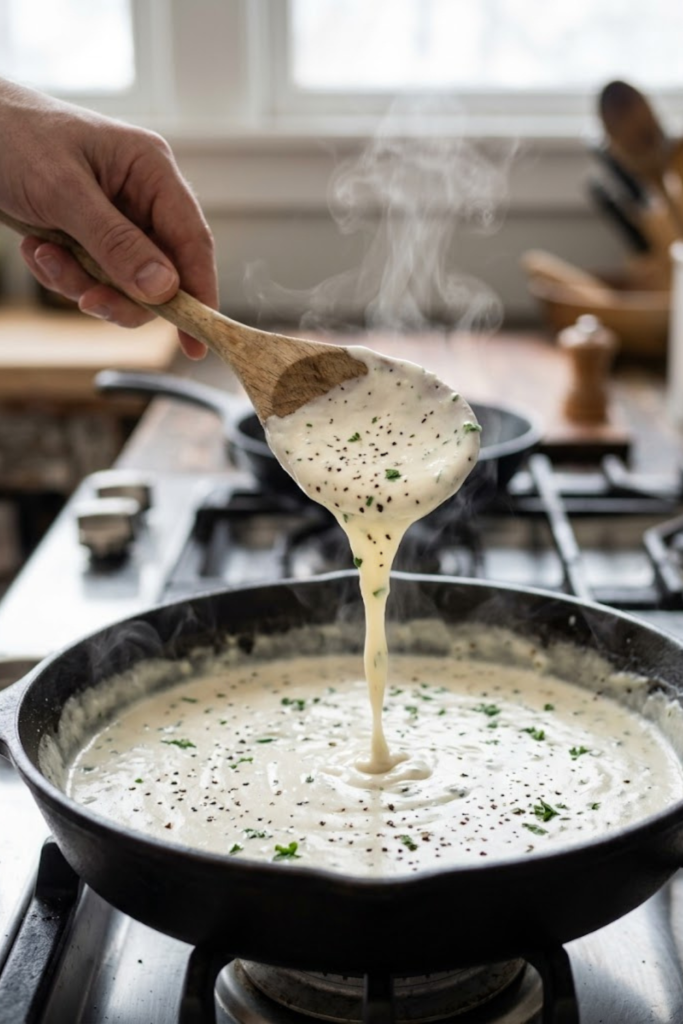
I get asked all the time how to tell when the sauce is actually done. You don’t want to just guess. I use the “back of the spoon” trick that I learned from an old cookbook. Dip your metal spoon into the simmering sauce, then pull it out and run your finger across the back of it. If the line stays clean and the sauce doesn’t run back into the middle, it’s thick enough. This means it will actually stick to your creamy pepper chicken breast instead of just puddling on the bottom of the plate. It usually takes about five minutes of simmering to get to that perfect stage.
Final Thoughts on the Perfect Creamy Pepper Chicken Breast
Wrapping things up, I really want to remind you that cooking a great meal like this creamy pepper chicken breast isn’t about being a master chef. It’s just about paying attention to those three big things we talked about: the heat, the fresh pepper, and the sauce. If I can go from making “pencil eraser chicken” to serving a meal that my family actually asks for twice a week, then you definitely can too. It’s funny how a few simple changes—like buying whole peppercorns instead of using that old tin or actually using a meat thermometer—can make you feel like a pro in your own kitchen. I’ve spent years in a classroom, and I know that practice is the only way to get better at anything. Don’t get discouraged if your first sauce isn’t perfect; just try it again next week!
Bringing It All Together
The beauty of this creamy pepper chicken breast is that it feels very fancy, but it only takes about thirty minutes from start to finish. Once you get the hang of searing the meat and whisking that cream into the pan, you’ll start to see other ways to use these skills. You can use the same method with pork chops or even steak. The most important thing is that you are taking control of your dinner and making something real for yourself or your loved ones. There is a huge sense of pride that comes with setting a plate down and knowing it’s going to taste amazing.
Why This Recipe Stays on My Menu
I keep this recipe in my regular rotation because it’s so dependable. On those days when school is stressful and I feel like I have a million things to do, I know I can have this creamy pepper chicken breast ready without much fuss. It saves me from spending money on takeout, and honestly, it usually tastes better anyway. Plus, the leftovers (if you have any!) are great the next day for lunch. Just heat it up slowly so the cream doesn’t separate, and you’ll be the envy of the teacher’s lounge.
Share the Love (and the Recipe)
I really hope this guide helps you get over the “dry chicken” hurdle once and for all. Cooking should be fun, not something that makes you feel stressed out. If you found these tips helpful and you enjoyed making your own creamy pepper chicken breast, please consider sharing this post on Pinterest! It helps other home cooks find these tips, and it lets me know that you’re enjoying the content. Just click the “Pin” button on your favorite image from the post. Happy cooking, and I’ll see you in the next recipe!