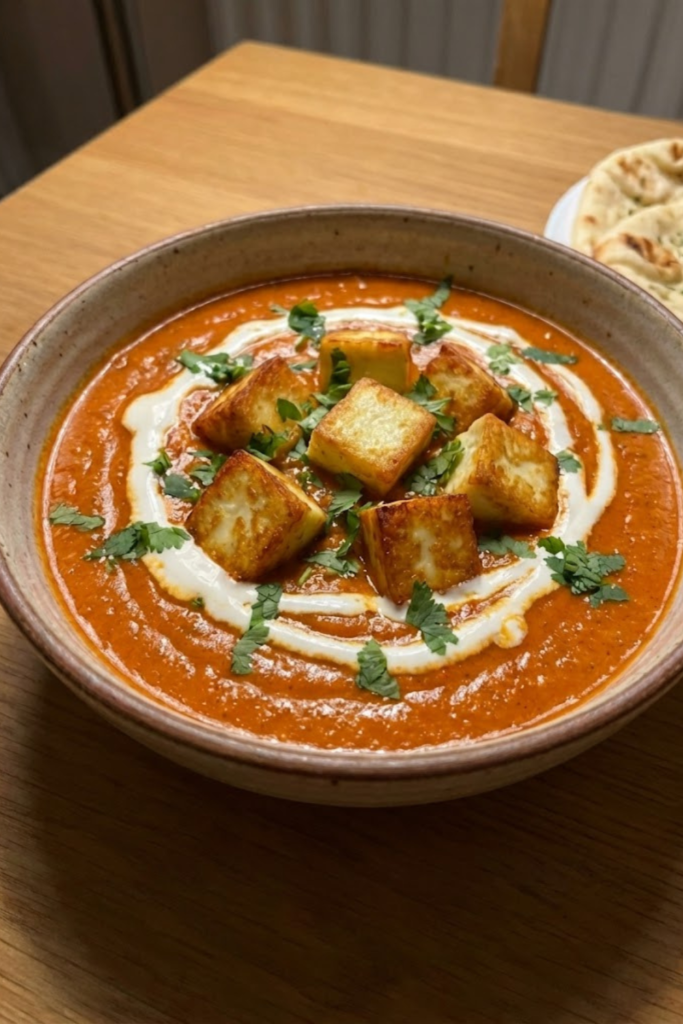
Do you know that feeling when you take a bite of paneer at a restaurant and it just melts, yet has that perfect golden crisp on the outside? I used to think getting that texture at home was impossible! For years, my curries were good, but they lacked that velvety, “lick-the-bowl-clean” richness that comes from a secret ingredient: cashew paste. Today, we aren’t just making a standard curry; we are diving into a creamy cashew Indian butter paneer with fried paneer that rivals any Dhaba in North India. Whether you are a spice veteran or a curry newbie, this dish is a warm hug in a bowl. Get your naan ready, because we are about to create magic!
The Secret to Perfectly Fried Paneer Cubes
I have to be honest with you, for the longest time, my relationship with paneer was a bit of a disaster. I remember trying to impress some friends with a homemade curry a few years back. I tossed the cubes into the pan, cranked up the heat, and basically created little cheesy rubber bullets. It was embarrassing! You had to chew for a solid minute just to swallow one piece. I learned the hard way that treating Indian cottage cheese like regular melting cheese is a huge mistake.
Through a lot of trial and error (and some very chewy dinners), I finally figured out how restaurants get that texture. You know, where it’s crispy on the outside but stays pillowy soft on the inside? It’s not magic; it’s just a few specific tricks that most recipes don’t tell you.
Fresh is Always Better
First off, let’s talk about the paneer itself. I used to buy those frozen blocks that look like bricks. Big mistake. If you can, get fresh paneer from the refrigerated section.
The frozen stuff tends to lose a lot of moisture, which makes it dry before you even start cooking. If you have to use frozen, let it thaw completely in the fridge overnight. Don’t try to microwave it to thaw it out quick; that just messes up the proteins and makes it tough.
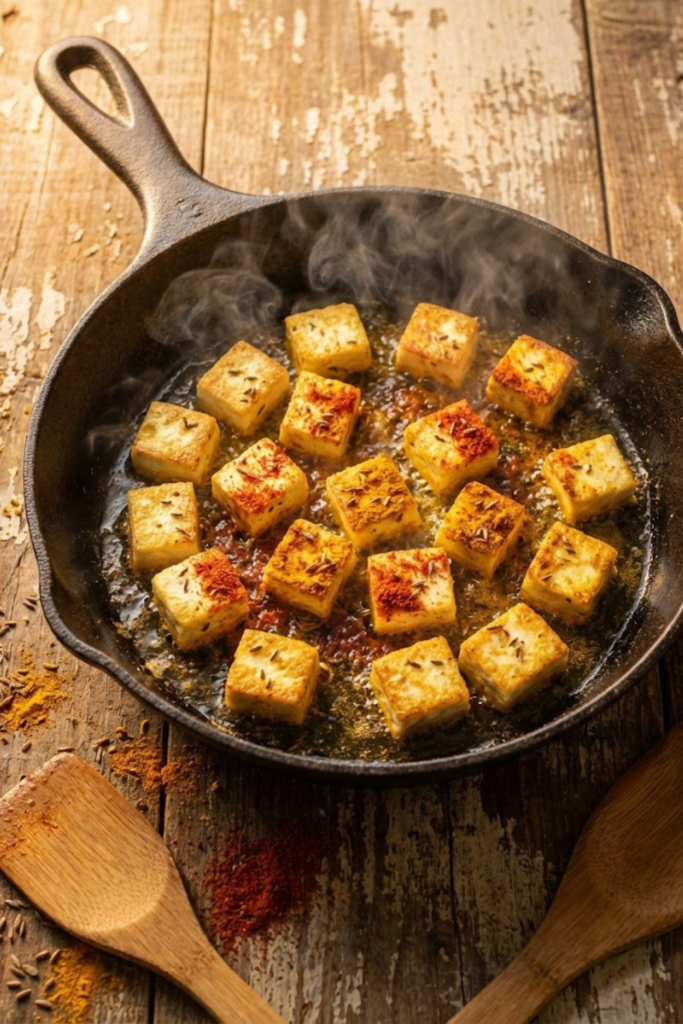
The Shallow Fry Technique
I used to think I needed to deep fry the paneer cubes to get them golden. But honestly, that’s just a waste of oil and makes a mess. Shallow frying is the way to go.
Here is what I do:
- Use a non-stick pan or a well-seasoned cast iron skillet.
- Add just enough oil to coat the bottom.
- Keep the heat on medium.
If the heat is too high, the outside burns before the inside gets warm. If it’s too low, the cheese sucks up all the oil and gets greasy. You want a nice, steady sizzle. I also like to sprinkle a tiny pinch of turmeric and salt directly into the oil before adding the cheese. It gives the fried paneer a gorgeous golden color right away.
The Water Bath Trick
Okay, this is the real game-changer. This is the one tip that changed my life. As soon as you take the fried paneer out of the hot oil, do not put it on a plate.
Drop the hot, fried cubes directly into a bowl of warm water.
I know, it sounds crazy! I thought it would make them soggy the first time I heard it. But actually, the paneer acts like a sponge. It expels the excess oil and absorbs the water, keeping it incredibly soft and moist. Let them sit there for about 10 to 15 minutes while you make your gravy. Trust me, this stops them from turning into rubber.
Don’t Overcrowd the Pan
Another thing I messed up constantly was throwing all the cubes in at once. When you crowd the pan, the temperature of the oil drops too fast. Instead of frying, the cheese starts to steam and gets weirdly soggy.
Cook in batches if you have to. It takes a few extra minutes, but the texture is worth it. You want each piece to have its own little space to crisp up. Once you nail these steps, your paneer recipes are going to taste way more authentic. No more rubber bullets, just melt-in-your-mouth goodness.
Creating the Silky Cashew Paste Base
You know what ruined my curries for years? Grit. There is nothing worse than taking a spoonful of what looks like a smooth sauce, only to feel little nutty grains in your teeth. I used to throw raw cashews straight into my blender, hoping for the best. Spoiler alert: it didn’t work. My “smooth” gravy ended up having the texture of wet sand, and my cheap blender almost started smoking.
I learned that getting that velvety, restaurant-quality texture isn’t about having a thousand-dollar machine. It is entirely about preparation. If you want that rich cashew nut paste that clings to the paneer, you can’t rush this part.
The Soaking Step is Non-Negotiable
If you take one thing away from this, let it be this: soak your nuts! Dry cashews are hard and brittle. They don’t want to break down into a cream; they want to break down into powder.
I used to think I had to soak them overnight, which I always forgot to do. But I found a cheat.
- Boil a cup of water.
- Pour it over your raw cashews in a bowl.
- Cover it and let it sit for just 15 to 20 minutes.
The hot water softens them up incredibly fast. When you pinch one, it should have a little give to it. This simple step transforms the texture from grainy to luxurious.
Getting the Consistency Right
When you are ready to blend, don’t just dump all the water in. That’s a rookie mistake I made plenty of times. You end up with cashew water instead of paste.
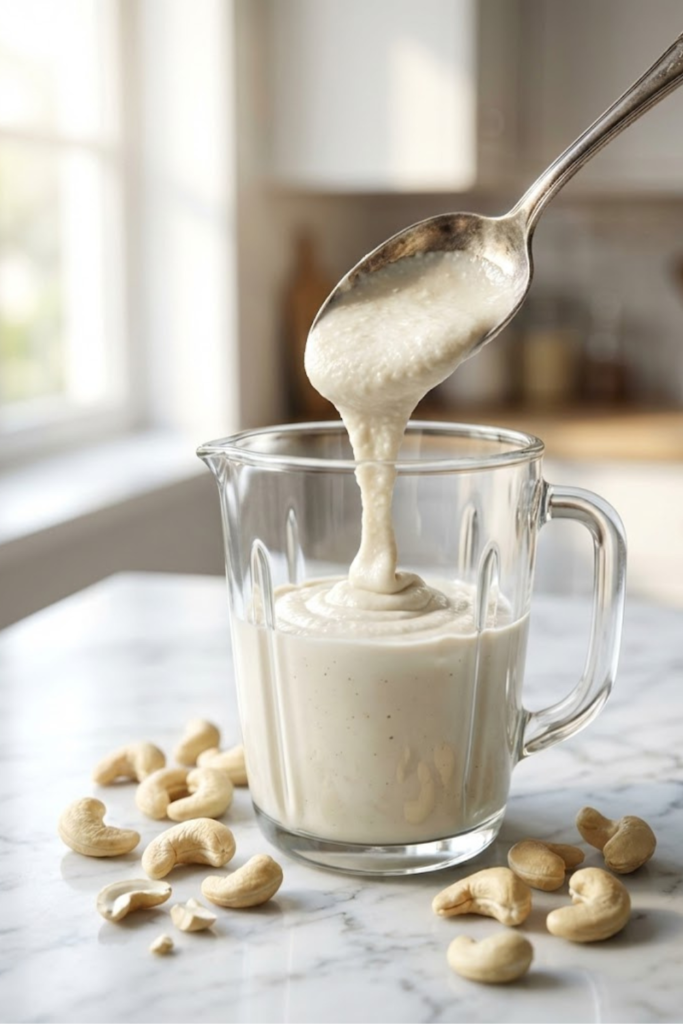
Drain the soaking water first. Then, add the nuts to the blender with just a splash of fresh water to get things moving. You want the consistency to look like thick heavy cream or a loose yogurt. If it’s too thick, add water a tablespoon at a time. It should be totally smooth. If you see specks, keep blending!
Flavor Over Just Fat
A lot of people ask me, “Why not just use cream?” You can, but cashews add something cream can’t. They bring a natural sweetness and a nutty depth that balances out the sourness of the tomatoes perfectly.
Plus, it thickens the gravy naturally without making it feel greasy. For my vegan friends, this dairy-free option is a lifesaver. You get all the richness of a creamy cashew Indian butter paneer without a drop of cow’s milk. It’s a win-win situation. Just make sure you blend it until it’s liquid gold.
Mastering the Spiced Makhani Gravy
I used to think that making a good curry meant just dumping a bunch of powders into a pot and hoping for the best. I was so wrong. My early attempts at Indian cooking usually tasted raw or just flat. It was frustrating! I’d follow the recipe, but it never tasted like the takeout I loved. I finally realized that the magic isn’t in the amount of spice you use, but how and when you use it.
Building a Makhani sauce is like building a house. You can’t put the roof on before the foundation is set. If you rush the base, the whole dish falls apart.
Whole Spices First
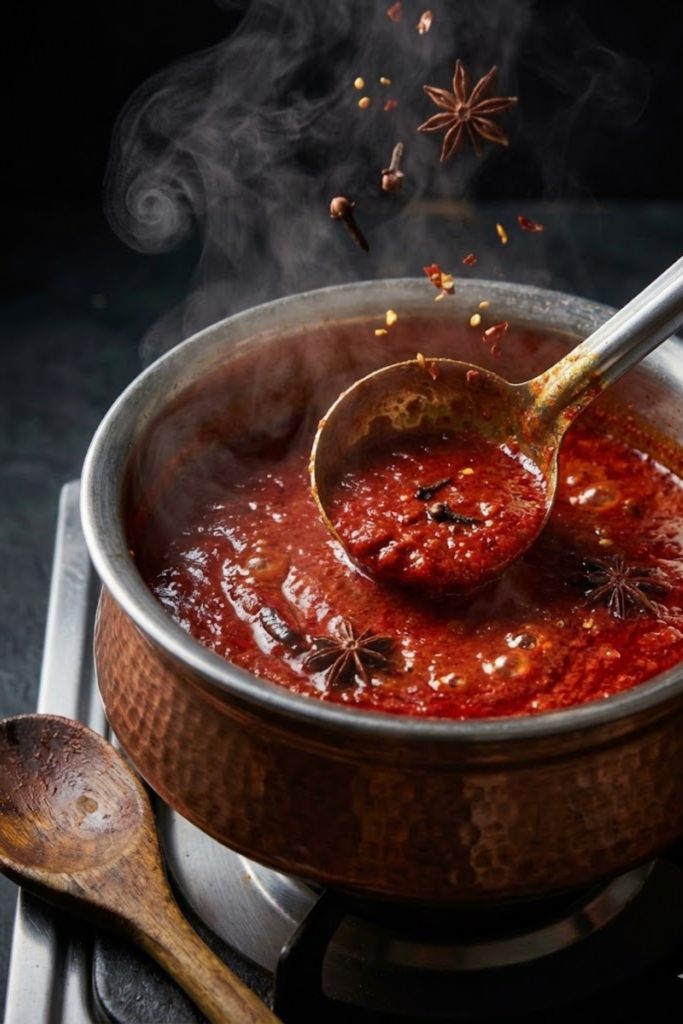
Before you even look at an onion, you need to wake up your whole spices. I’m talking about the bay leaves, cinnamon sticks, and cardamom pods. I used to skip this because I didn’t want to fish them out later.
But here is the thing: fat carries flavor. When you drop those spices into hot butter or ghee, they release essential oils that perfume the entire dish.
- Heat your fat on medium.
- Add the whole spices.
- Wait for them to sizzle and smell amazing (about 30 seconds).
Don’t let them burn! I’ve scorched my cumin seeds more times than I care to admit, and burnt cumin tastes incredibly bitter. If they turn black, toss it and start over. It’s a pain, but it’s better than ruining the whole meal.
The Onion-Tomato Patience Game
This is where 90% of home cooks mess up. I certainly did. You throw in your onions, cook them for two minutes, throw in the tomatoes, and wonder why your curry tastes metallic and sour.
You have to cook the onion-tomato masala until the oil separates from the mixture.
This is the golden rule. You need to sauté the mixture until you see little pools of oil forming on the sides of the pan. This indicates that the moisture has evaporated and the raw flavor is completely gone. It takes way longer than you think—sometimes 15 to 20 minutes. Just put on some music and stir occasionally. If you rush this, your creamy tomato gravy will just taste like warm salsa.
The Spice Balance
Now for the powders. A lot of people are scared of chili powder, but for this dish, we want color more than heat. I highly recommend using Kashmiri red chili powder. It gives that vibrant, deep red color without blowing your head off with heat.
Mix it with your coriander powder and a pinch of turmeric. Add these after the tomatoes are cooked down so they toast slightly in the oil but don’t burn.
To Strain or Not to Strain?
Okay, this step is optional, but if you want that glossy, fancy texture, you gotta do it. Once your masala base is cooked, let it cool and blend it (remove the big whole spices first!).
Then, push it through a sieve.
I used to be lazy and skip this because washing a sieve is annoying. But straining removes all the tomato skins and little fiber bits. It leaves you with a Makhani sauce that is impossibly smooth. It’s a bit of extra work, but for a special dinner, it makes all the difference.
Combining Ingredients and Simmering
We are in the home stretch now. This is the part where your kitchen starts smelling better than any takeout joint in town. But I have to warn you, this is also the part where I used to ruin everything. I’d get so excited that the sauce was looking good that I’d crank up the heat to finish faster.
Big mistake.
I learned the hard way that cashew paste and high heat are enemies. I once scorched the bottom of my pot so bad that the whole dish tasted like burnt toast. It was heartbreaking after doing all that chopping and frying! So, take a deep breath and turn that dial down to low.
The Color Transformation
When you pour that smooth white cashew paste into the vibrant red tomato masala, something magical happens. As you stir, the color shifts into that iconic, sunset-orange hue that you see in restaurants. It is incredibly satisfying to watch.
But you have to keep the spoon moving. Cashews thicken the sauce very quickly. If you let it sit still for too long on high heat, it will stick to the bottom and burn. Keep the flame low and stir gently until everything is fully incorporated. This creates that luxurious rich Indian gravy texture we are gunning for.
Introducing the Paneer
Remember those fried paneer cubes soaking in the water? They should be nice and spongy by now. Drain the water, but handle them with care. Because they are so soft now, they can break easily if you are too rough.
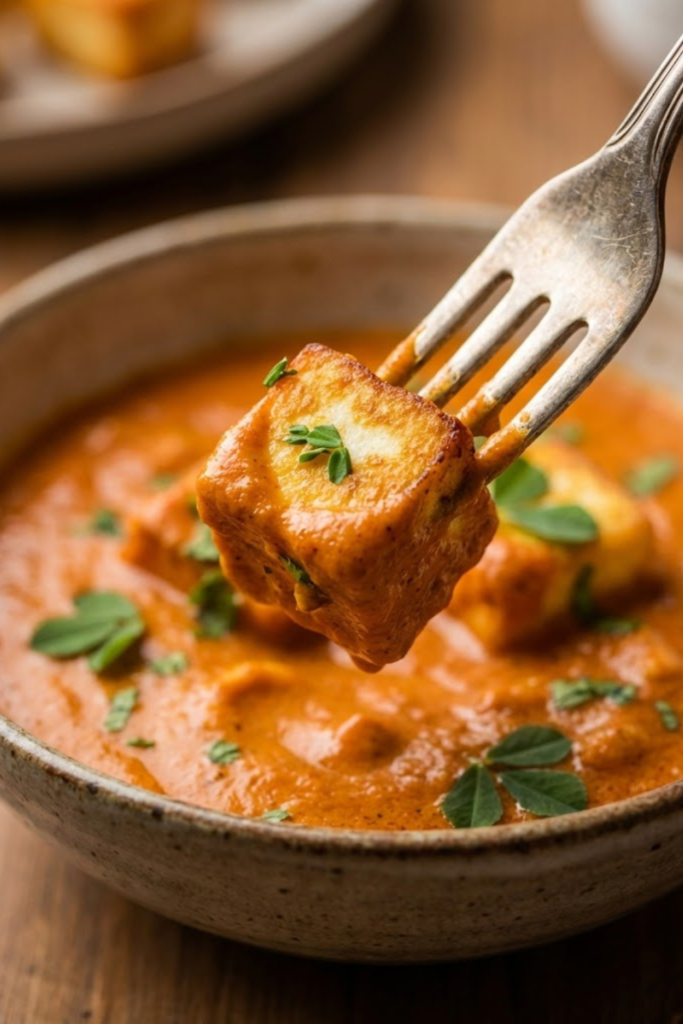
I like to slide them into the gravy and just gently fold them over. You aren’t stirring a soup here; you are coating the cheese. The paneer is going to act like a sponge and drink up that buttery, spicy sauce. If you skip the soaking step I mentioned earlier, the paneer stays hard and the sauce just slides right off. But since we soaked it, every bite is going to be juicy.
The “Restaurant Smell” Secret
Here is the trick that separates the amateurs from the pros. You might taste your curry now and think, “It’s good, but it’s missing something.” That missing link is Kasuri Methi (dried fenugreek leaves).
I used to just sprinkle it on top like parsley. That does absolutely nothing.
To get the flavor out, you have to activate it.
- Take a pinch of the dried leaves in your palm.
- Rub your hands together vigorously over the pot.
- Let the crushed powder fall into the curry.
The friction warms up the leaves and releases their essential oils. Instantly, your kitchen will smell exactly like an authentic Indian restaurant. It adds a slightly bitter, earthy aroma that cuts through the richness of the cream and cashews.
The Final Simmer
Now, the hardest part: waiting. You’ll want to eat it right away, but don’t. Cover the pot and let it simmer on the lowest possible heat for about 5 to 10 minutes.
This isn’t just to heat it up; it’s to let the flavors marry. The spices need time to penetrate the paneer, and the Kasuri Methi needs to infuse into the sauce. I usually use this time to clean up the mess I made or butter some naan. When you finally lift the lid, you’ll see a little bit of butter floating on top. That’s how you know it’s perfect.
Time to Dig In
Look, I know this seems like a lot of steps for a bowl of curry. There was a time when I would have looked at this recipe, seen “make cashew paste” and “fry cheese,” and immediately ordered takeout instead. I get it. We are all busy, and sometimes you just want food on the table.
But let me tell you, the first time you taste that homemade naan dipped into this sauce, you will understand why the effort matters. There is a huge difference between a jar of sauce from the store and a slow-cooked curry made with love (and plenty of butter). The texture of the fried paneer—crispy skin, soft center—combined with that nutty, velvety gravy is something you just can’t buy in a jar.
It is messy. You will probably splash a little turmeric on your shirt (I always do). But when you sit down with your family or friends, and they take that first bite and their eyes light up? That is the best feeling in the world. It’s not just dinner; it’s an accomplishment.
So, put on your favorite playlist, pour yourself a drink, and enjoy the process. Cooking authentic Indian food is about patience and smell as much as it is about taste.
Do me a favor? If you make this and love it, save it for later! Pin this recipe on Pinterest so you don’t lose it when the craving hits you next week.