Did you know that tropical flavors like pineapple and coconut saw a 40% jump in popularity for home bakers last year? I totally get why! Whenever I bake this coconut pineapple cake, my whole kitchen smells like a vacation. It’s a literal ray of sunshine on a plate. I’ve spent years tweaking this recipe to get that perfect, tender crumb. You don’t need a plane ticket to feel like you’re on a beach. Just grab a fork and let’s get started on this 2026 kitchen staple!
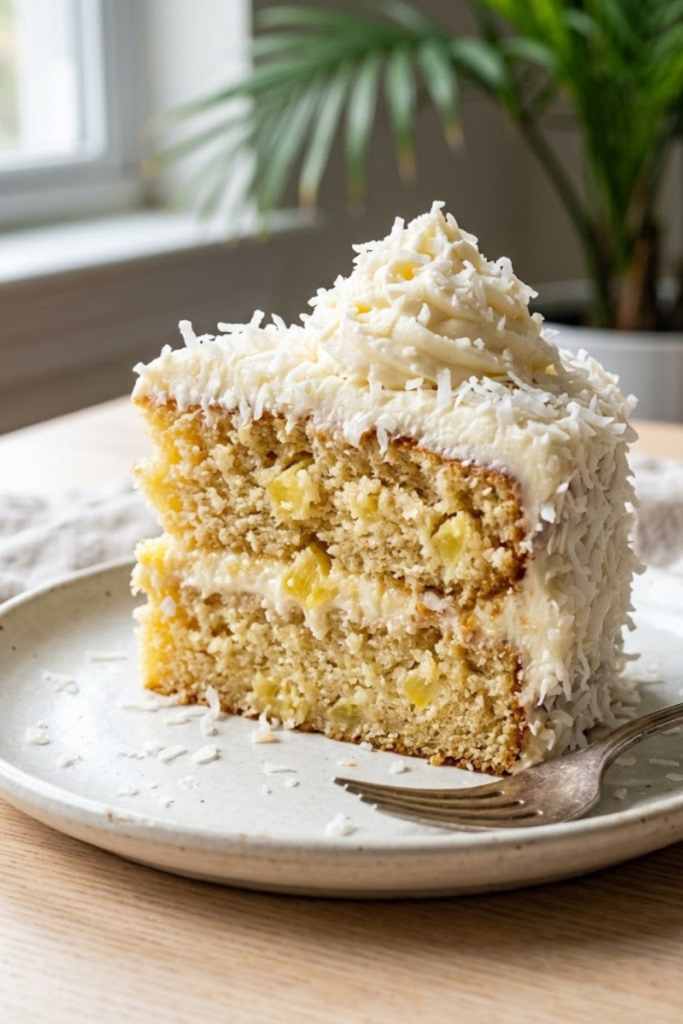
Why This Recipe Works: The Science of Moisture
I’ve spent a lot of time in my kitchen over the last twenty years, and if there is one thing I’ve learned, it’s that people love a moist cake but hate a soggy one. Finding that middle ground is where the magic happens. My students always ask me how this coconut pineapple cake stays so soft even after three days in the fridge. The answer is simple: it’s all about how the fruit and the fats work together. Most cakes rely just on butter and eggs, but we are using some heavy hitters from the tropics to get the job done right. You don’t need a degree to understand it, just a little bit of common sense and a good appetite.
The Acid and the Crumb
The main reason this cake is so tender is because of the pineapple. Pineapple has a lot of natural acid in it. When you mix that acid with your flour and baking powder, it actually helps break down the proteins in the flour. This makes the “crumb”—that’s just a fancy word for the inside of the cake—really soft. I always tell folks to use the crushed pineapple from the can. Why? Because you get all that extra juice. If you use fresh pineapple, you might miss out on that consistent liquid level. That juice gets absorbed by the flour during the bake, keeping every single bite hydrated. It’s like the cake is drinking the juice while it sits in the oven!
Fat is Your Friend
Next, we have to talk about the coconut milk. I’m talking about the thick stuff in the can, not the thin stuff you pour over cereal. The fat in canned coconut milk is what gives this cake a rich feeling. Regular milk is mostly water, which can evaporate in the heat and leave you with a dry dessert. But coconut fat stays put. It coats the flour particles and keeps the moisture locked inside the cake layers. It also gives it a deep flavor that you just can’t get from using extracts alone.
Sugar and Humidity
Lastly, sugar does more than just make things sweet. It actually holds onto water like a sponge. In this recipe, the combination of the sugar and the fruit fibers creates a structure that stays moist. I’ve tried cutting the sugar back before to be healthy, but the cake just wasn’t the same. It got crumbly and dry fast. So, trust the process! When these ingredients come together, they create a tropical treat that is almost impossible to mess up, even if you’re new to baking. Just follow the steps and you’ll see why this is a favorite.
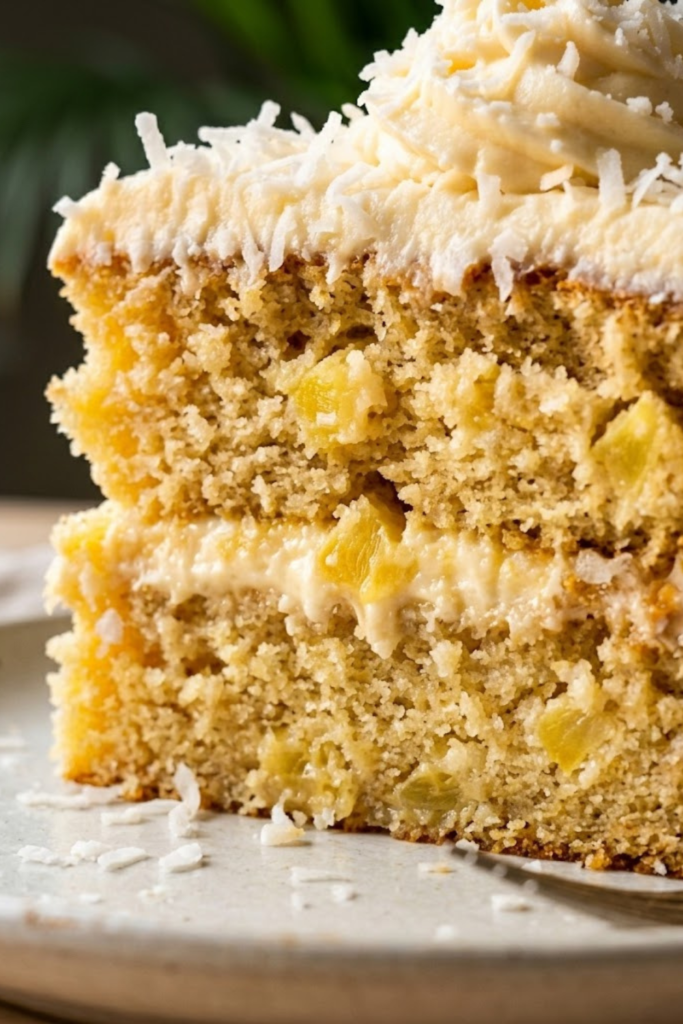
Choosing Your Ingredients: Fresh vs. Canned Pineapple
I remember one summer I thought I’d be real fancy and use a fresh pineapple I bought at the market for this cake. I spent about twenty minutes hacking away at that thing, trying to get the core out without losing all the good stuff. I figured, “Hey, fresh is always better, right?” Well, I was wrong. That cake turned out like a lead brick. It was a total mess! It turns out, picking the right pineapple is more important than just picking the most expensive one you can find at the store.
The Problem With Fresh Pineapple
Fresh pineapple is great for a snack, but it can be a real pain for baking. First off, fresh fruit has these enzymes in it that can mess with how your cake rises. It can actually break down the structure of the batter before the oven even gets a chance to set it. Plus, fresh fruit is unpredictable. Sometimes it’s super sweet, and other times it’s sour as a lemon. If your fruit isn’t perfectly ripe, your cake is going to taste off. Also, there is a lot of extra water in fresh fruit that can make your cake layers fall apart. I learned that lesson the hard way so you don’t have to. I’m telling you, skip the fresh aisle for this specific recipe.
Why Canned is Usually Better
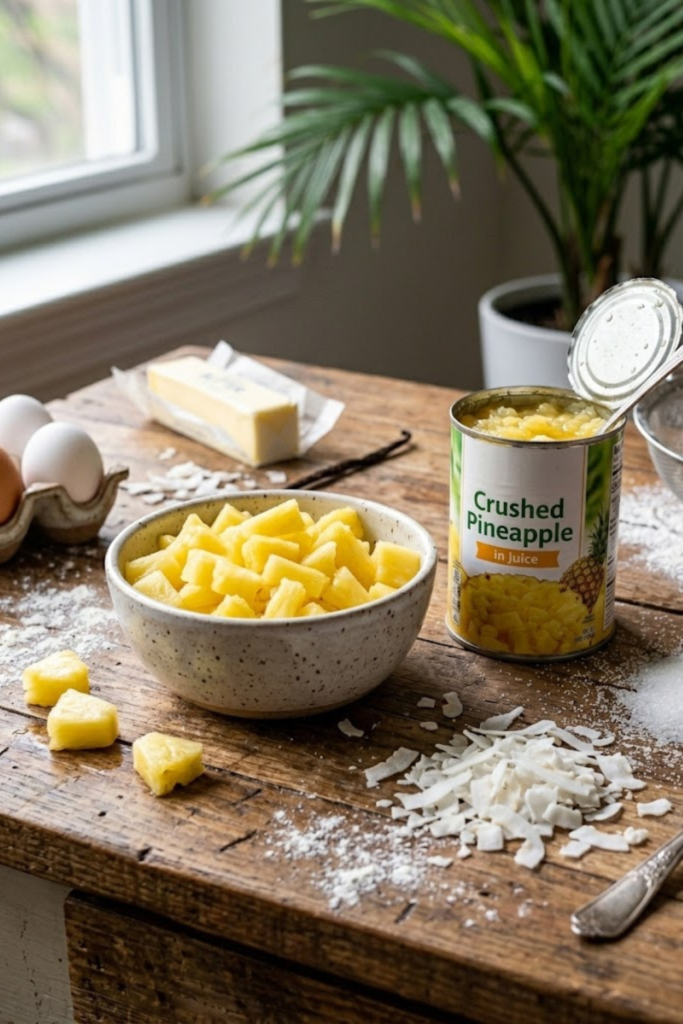
I always keep a few cans of crushed pineapple in my pantry now. It’s way easier and honestly, it tastes better in a cake. Canned pineapple is picked when it’s perfectly ripe and then processed right away. This means you get the same sweetness every single time you bake. You don’t have to guess if it’s ready. Also, the crushing process at the factory makes the pieces small enough that they distribute evenly through the batter. You won’t end up with a huge chunk of fruit in one bite and nothing in the next. It makes the whole experience much more consistent for your family or your guests.
Keep the Golden Juice
The biggest tip I can give you is to never, ever drain the can. When you open that lid, you’ll see a lot of liquid. Most people think they should pour that down the sink. Don’t do it! That juice is like liquid gold for this recipe. It’s full of flavor and it helps the cake stay moist for days. If you take the juice out, you’re taking out the soul of the cake. Just dump the whole can—fruit and liquid—straight into your mixing bowl. It might look like a lot of liquid at first, but the flour will soak it all up and make something truly delicious. Trust me on this one, your taste buds will thank you later. You want that juice to help the cake rise and stay soft.
Step-by-Step Guide to the Perfect Tropical Batter
I’ve spent plenty of Saturday mornings in my kitchen with a flour-covered apron, trying to figure out why some cakes rise tall and others stay flat. Over the years, I realized that how you put the batter together matters just as much as what goes in it. Making this coconut pineapple cake batter isn’t hard, but you can’t just throw everything in a bowl and hope for the best. You have to treat the ingredients with a little bit of respect if you want that fluffy, cloud-like texture we are going for. I’ve made that mistake before, rushing through it, and I ended up with a cake that felt more like a loaf of heavy bread.
Creaming for Success
The first thing I tell my students is to start with room temperature butter. If your butter is too cold, it won’t trap the air you need. You want to beat the butter and sugar together until it looks pale and fluffy. This part takes about three to five minutes. I used to stop after thirty seconds because I was impatient, but that extra time makes a huge difference. You are literally beating air into the fat, which helps the cake rise in the oven. When you add your eggs, do it one at a time. It helps everything stay smooth and prevents the batter from looking curdled.
Mixing in the Tropical Flavors
Once your butter and sugar are happy, it’s time to add the stars of the show. I usually alternate between adding the dry flour mixture and the wet coconut milk. This keeps the batter from getting too thin or too lumpy. After that, I gently stir in the crushed pineapple with all that juice I mentioned earlier. You’ll see the batter start to look a bit different—almost textured—and that’s exactly what you want. The smell at this stage is incredible; it’s like a tropical breeze right in your mixing bowl.
The Golden Rule: Don’t Overmix
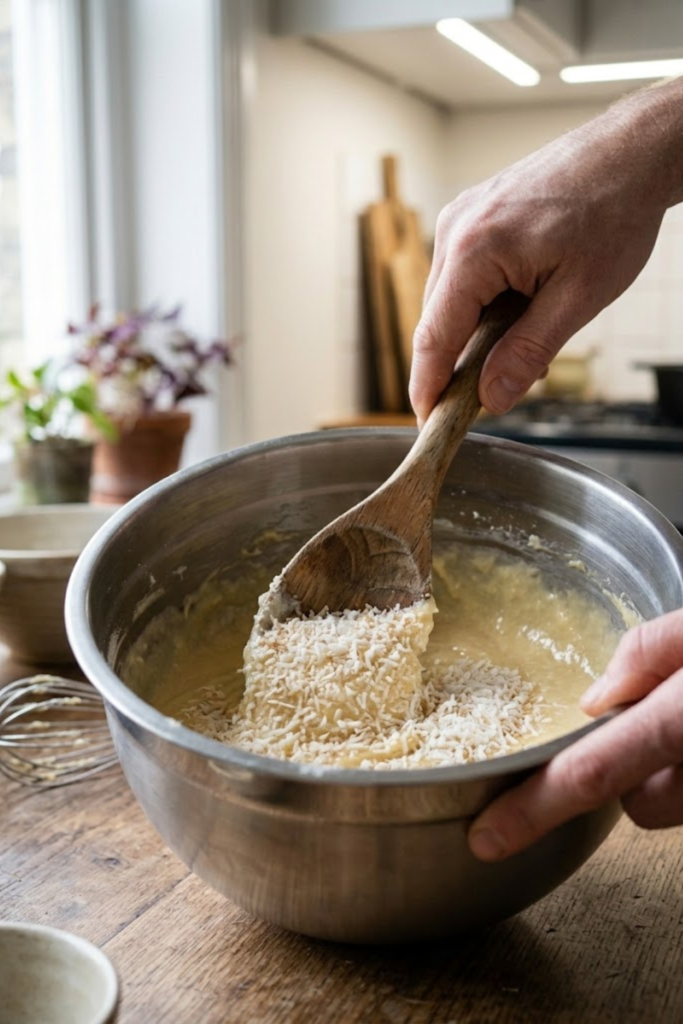
My biggest piece of advice is about the very end of the process. When you add your shredded coconut, put down the electric mixer and grab a big spoon or a spatula. You want to “fold” the coconut in. If you keep using the mixer, you’ll knock all that hard-earned air out of the batter. Plus, overworking the flour makes the cake tough. Just a few gentle turns of the wrist until the coconut is spread out is all you need. I promise, if you take your time with these steps, the texture of your cake will be better than anything you can buy at a bakery. It’s all about being patient and watching the batter change as you go.
The “Best Ever” Cream Cheese Coconut Frosting
I have had a lot of frosting disasters in my time. One summer, I made a big cake for a graduation party and by the time we got to the park, the frosting had basically turned into a sugary puddle. I felt so bad about it! That’s why I worked so hard to find a cream cheese frosting that actually stays put. Cream cheese is naturally soft, so you have to be smart about how you mix it. This frosting is the perfect partner for our coconut pineapple cake because it is tangy enough to cut through the sweetness of the fruit. It really brings everything together in a way that makes your mouth water.
Keeping Things Cool and Thick
One mistake I see all the time is people using butter that is way too warm. If your kitchen is hot, your frosting is going to be a total mess. I always make sure my cream cheese and butter are just barely soft. You want them to be cool when you touch them. When you beat them together, do not go too fast. If you whip too much air into the mix, the frosting gets bubbles and will not hold its shape on the sides of the cake. I also like to add a tiny bit of heavy cream at the very end. It sounds a bit funny to add liquid to make it thicker, but it helps the powdered sugar blend in without making the whole thing runny. If you find your frosting is still too soft, just pop it in the fridge for twenty minutes before you try to spread it.
The Magic of Toasted Coconut
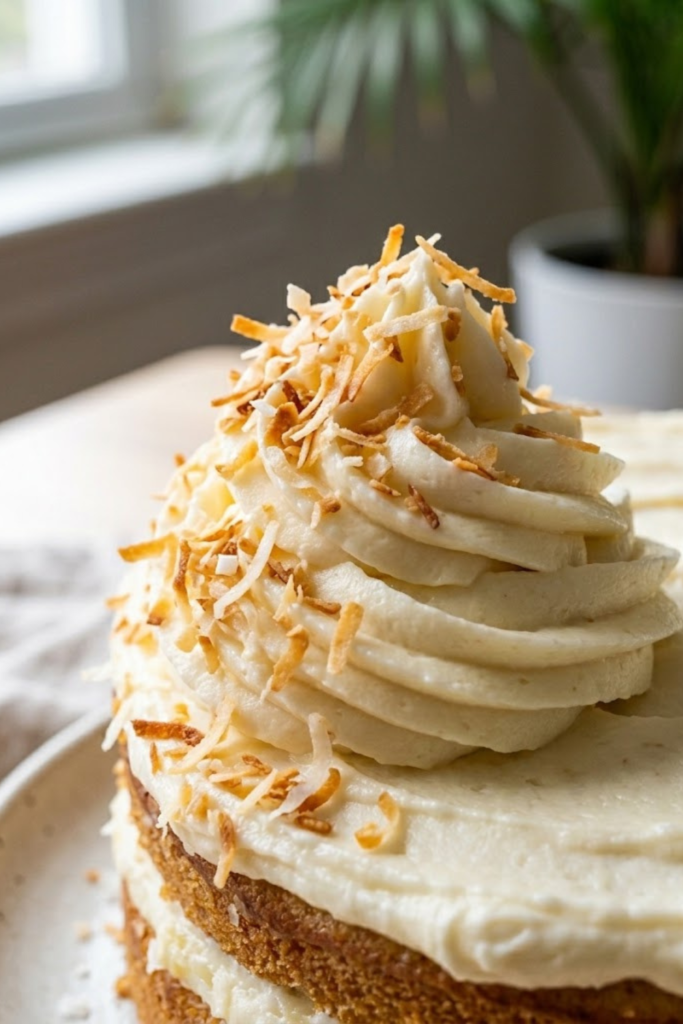
Now, the real secret to making this look like it came from a fancy shop is the topping. Plain shredded coconut is fine, but toasted coconut is a whole different ball game. I just throw a handful of sweetened flakes into a dry pan over medium heat. You have to stay right there and watch it! It goes from white to burnt in about five seconds if you are not careful. I have burnt my fair share of coconut because I got distracted by a text message. Once it turns a nice golden brown and smells like heaven, take it off the heat right away. This adds a crunch that feels great against the soft cake.
Balancing the Flavors
I also like to add a splash of vanilla and maybe a tiny bit of salt. Putting salt in frosting might sound weird, but it makes the coconut flavor really pop. Without it, the frosting can just taste like a pile of sugar. You want people to taste the cream cheese and the coconut, not just the sweetness. When you put it all together, this frosting is thick, creamy, and holds up great. It is the best way to finish off your tropical masterpiece!
Storage and Serving Suggestions for 2026
I’ve seen a lot of people leave their cakes sitting out on the counter overnight. With this one, you really shouldn’t do that. Because of the cream cheese in the frosting and the pineapple juice in the batter, it can spoil faster than a plain sponge cake. I once left a half-eaten cake out in July and, boy, was that a mistake. The frosting started to smell a bit funky by morning. So, let’s talk about how to keep your hard work tasting good for as long as possible. You want to keep it fresh so you don’t waste any of those expensive ingredients.
The Best Way to Store
You want to put this cake in the fridge. I use a big plastic container with a lid that snaps shut tight. If you don’t have a big enough container, you can use some toothpicks and plastic wrap. Just stick the toothpicks into the top of the cake so the wrap doesn’t touch the frosting. It stays good for about four or five days this way. In fact, some of my friends say it tastes even better on the second day because the pineapple flavor has more time to soak into the crumbs. Just make sure you take it out of the fridge about thirty minutes before you want to eat it. Cold cake is okay, but room temperature cake is where you really taste the coconut. It softens up just enough to melt in your mouth.
Can You Freeze It?
If you have a lot left over, or if you are baking for a party that is a few weeks away, you can actually freeze this cake. I like to cut it into slices first. Then I wrap each slice in parchment paper and put them all in a big freezer bag. It stays fresh for about two months if you get all the air out. When you want a treat, just pull a slice out and let it thaw on the counter for an hour. It’s like having a little bit of summer in the middle of winter. I do this a lot when I know I have a busy week coming up and won’t have time to bake from scratch. Just don’t freeze it with the toasted coconut on top if you can help it, because the coconut can get a bit soft and chewy in the freezer.
Perfect Pairings for 2026
When I serve this at my house, I usually have a pot of coffee going. The bitterness of the coffee goes great with the sweet pineapple. If it’s a hot day, a cold glass of iced tea with a squeeze of lime is also a winner. For a party, you could even make a little fruit punch with some extra pineapple juice. Just try to keep the drinks simple so they don’t fight with the cake. You want the cake to be the star of the show. I hope these tips help you enjoy your cake to the last crumb! It’s all about making sure the food stays safe and tastes just as good as when it first came out of the oven.
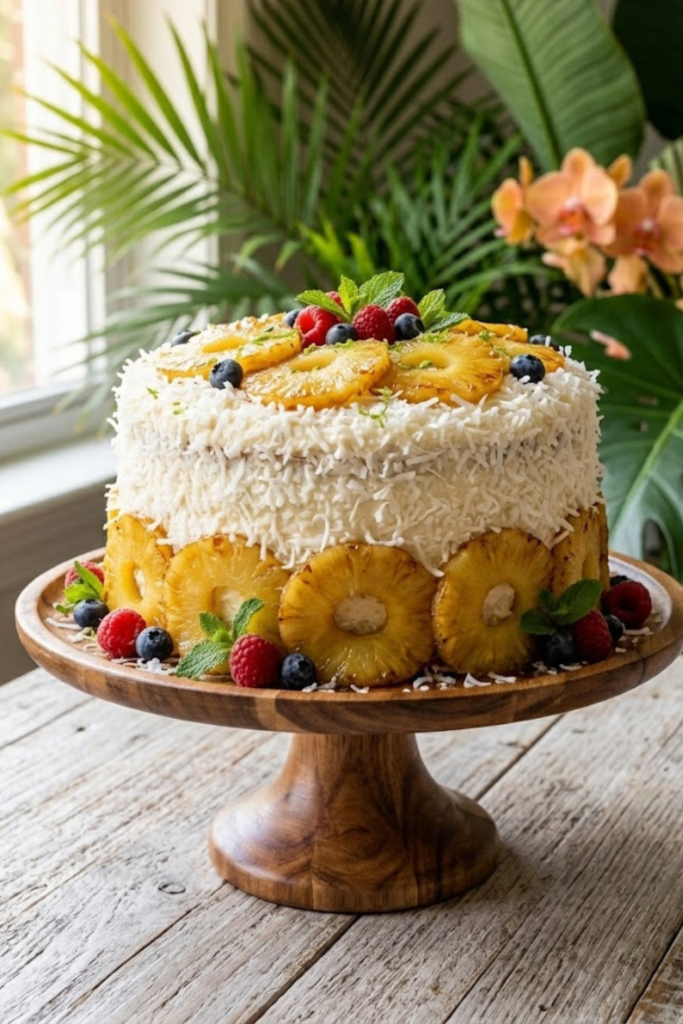
This coconut pineapple cake is more than just a dessert; it’s a way to bring people together. I hope you enjoy every moist, tropical bite as much as my students do! Remember, the secret is all in the pineapple juice and the quality of your coconut milk. Baking shouldn’t be a chore, so just have fun with it and enjoy the process. If you loved this recipe, please share it on Pinterest so others can find their tropical escape too!