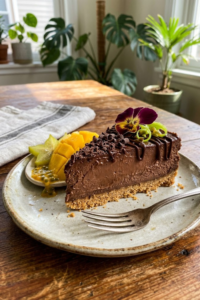
I totally get it; looking at a bowl of separated oil and chocolate can make you want to hang up the apron for good! But honestly, those kitchen “fails” are exactly how I learned the little tricks that make this recipe foolproof for my students. You really have to respect the emulsion process, because rushing it is like trying to force a friendship that just isn’t ready yet. Once you see that glossy transformation happen under your spatula, you’ll feel a massive rush of triumph that makes the patience totally worth it. I’ve spent years tweaking these ratios so you don’t have to suffer through the same grainy headaches I did!
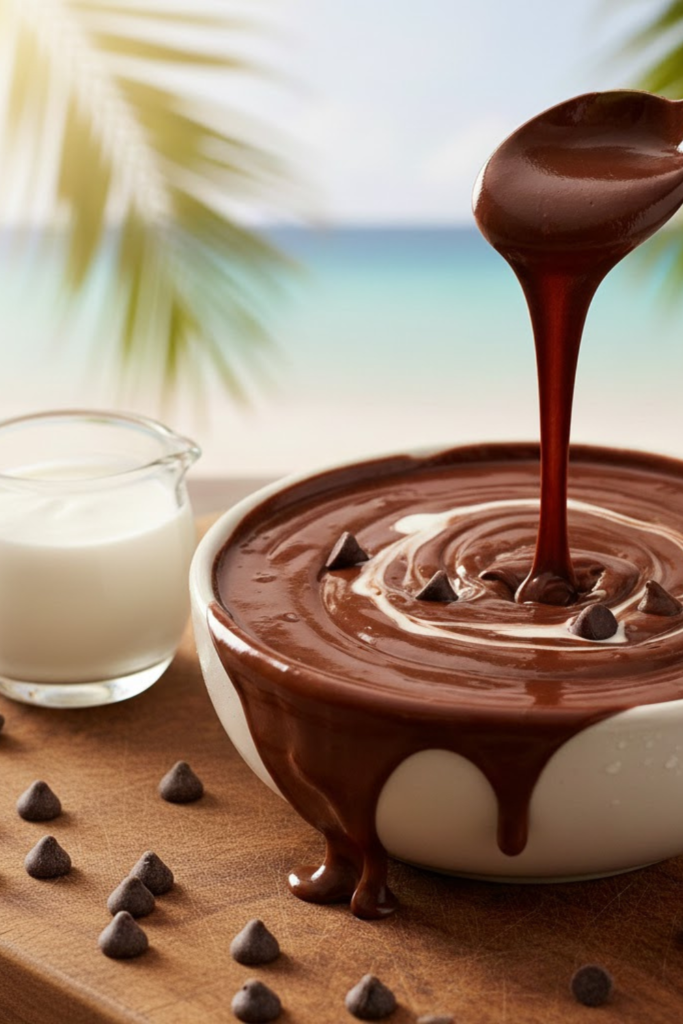
Mastering the Perfect Ratio: 1:1 vs 2:1
I’ve spent a lot of years in the kitchen, and if there is one thing I’ve learned, it’s that chocolate can be a real diva if you don’t treat it right. I remember this one time I was trying to make a fancy birthday cake, and I thought I could just “eye” the cream and chocolate. Huge mistake! I ended up with a liquid mess that soaked right into the cake layers like a sponge. I actually sat on my kitchen floor and cried a little bit because I was so frustrated.
The Magic Numbers for Success
The secret to a perfect chocolate ganache is all about the ratios, and trust me, you want to use a kitchen scale for this. For a standard, pourable glaze that looks like a mirror, you gotta go with a 1:1 ratio. That means if you have 8 ounces of chocolate, you use 8 ounces of heavy cream. It’s perfect for dipping strawberries or drizzling over a bundt cake.
When You Need a Firmer Set
Now, if you’re trying to make truffles or a thick filling that stays put, you need to level up to a 2:1 ratio. This is where you use twice as much chocolate as cream. I once tried to pipe a 1:1 ratio onto cupcakes because I was being lazy and didn’t want to chop more chocolate. Let’s just say those cupcakes looked like they were melting in a heatwave within ten minutes. It was a total disaster, but hey, we live and we learn, right?.
Picking Your Chocolate
One thing people don’t always tell you is that the type of chocolate matters a ton. If you use cheap chips from the baking aisle, they might have stabilizers that make the ganache a bit grainy. I usually go for the high-quality bars and chop them up small. It’s a bit of a pain to chop, but the way it melts is just so much better. Always make sure your chocolate is at room temperature before you pour that hot cream over it, or it might get “shocked” and won’t be as smooth as silk.
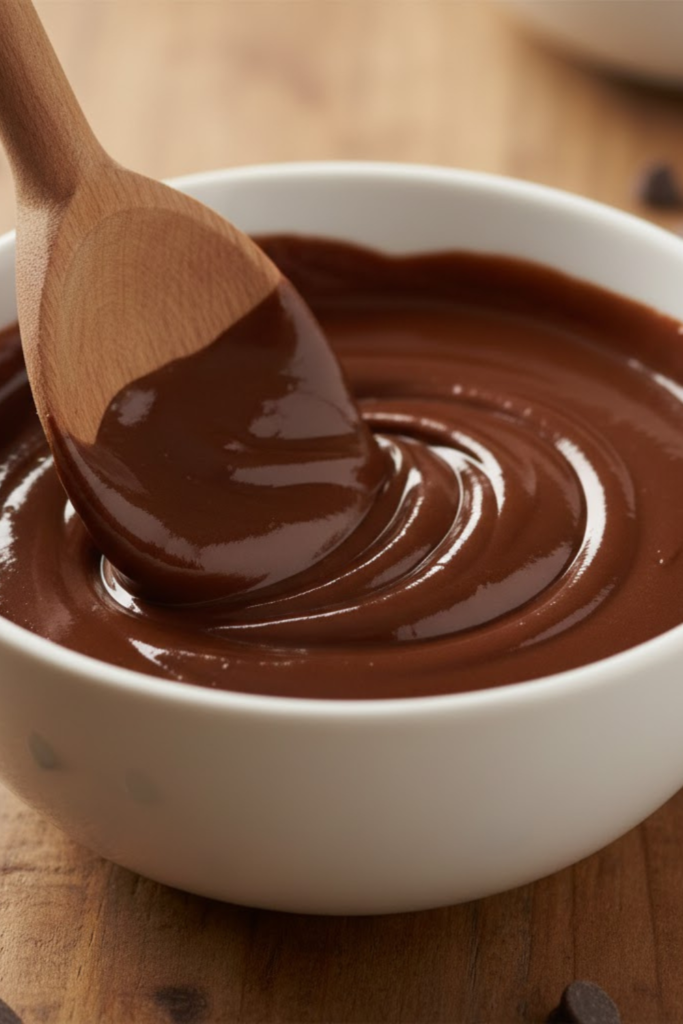
Common Mistakes and How to Fix a Broken Ganache
I’ve been teaching folks how to bake for years, but man, I still remember my first “ganache disaster”. I was trying to impress my neighbors and rushed the process by boiling the cream until it was practically screaming. I dumped it over my chocolate, stirred like a maniac, and ended up with a bowl of oily, gritty sludge. I almost threw the whole bowl across the kitchen because it felt like a total failure!
Honestly, I stood there staring at that mess and felt like such a blockhead. It’s funny how a bowl of chocolate can make you feel so small, but those moments of frustration are where the real learning happens. I’ve realized over time that ganache is like a moody teenager—if you push it too hard or get it too hot, it’s going to rebel. You really have to treat it with a bit of kindness and a lot of patience. Now, when I see that oil starting to separate, I don’t panic anymore; I just take a deep breath and remember that almost everything in the kitchen can be fixed if you don’t give up. It took me years to stop being so “meticulous” about the wrong things and start focusing on the actual science of the melt.
Why It Breaks and How to Save It
The biggest mistake I see—and I’ve made it a dozen times—is using too much heat. If your heavy cream is too hot, it separates the fat from the cocoa solids. You get this weird oil slick on top, and it just looks gross. But you don’t gotta toss it in the trash!
When this happens to me now, I use the “warm milk trick” I learned the hard way. I take a tablespoon of milk, warm it up just a bit, and whisk it into the broken mess. Usually, it snaps right back together into a shiny glaze. Another tip: stop using a whisk if you want to avoid bubbles! Use a rubber spatula and stir from the center in small circles. This stops air from getting in and keeps it from looking dull.
Sometimes, those chocolate chips just won’t melt all the way. I used to think I needed to put the bowl back on the stove. Big mistake! That just burns the bottom of the bowl. Now, I just let it sit for a full five minutes before I even touch it. Patience is hard when you want chocolate, but it’s the only way to get that perfect texture.
Don’t be scared if it looks wonky at first. Just keep stirring slow and steady. You’ll get that glossy finish eventually!
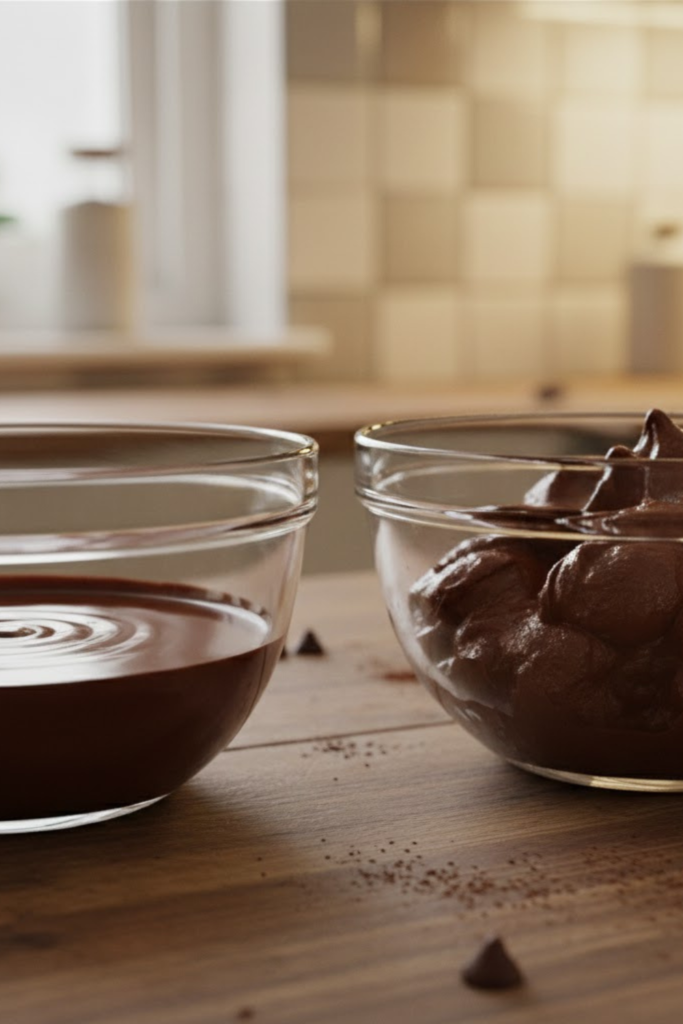
Whipped Ganache: Transforming Liquid into Clouds
I’ve always loved a good challenge in the kitchen, and let me tell you, turning a heavy liquid into a light-as-air frosting feels like a total triumph. The first time I tried to whip a chocolate ganache, I was way too impatient. I started whipping it while it was still luke-warm, and it just stayed a soupy mess. I thought I had broken it for sure! But then I learned the biggest secret of all: you gotta let it chill.
I remember staring at that bowl of soup and feeling so defeated, like I’d never get the hang of this whole “baking thing”. It’s funny how a little fridge time changes everything, turning a liquid puddle into something that holds its shape like a dream. Now, I use that waiting time to clean up the mountain of dishes I always manage to create—or, more likely, to sneak a few spoonfuls of the un-whipped stuff. You really can’t rush the science here; the fat molecules need to get cozy and cold before they can trap those air bubbles. If you try to force it, you’ll just end up with a sad, flat glaze instead of the fluffy mountain you’re after. Trust me, your patience will be rewarded with a frosting so light you’ll want to eat it straight off the spatula.
The Secret to the Perfect Fluff
If you want that cloud-like texture, you need to be patient. I usually let my 1:1 ratio ganache sit in the fridge for at least a few hours, or even overnight if I’m being organized (which, let’s be real, isn’t always). If it’s too cold, it’ll be hard as a rock, so I let it sit on the counter for a bit until it’s just soft enough to dent with my thumb.
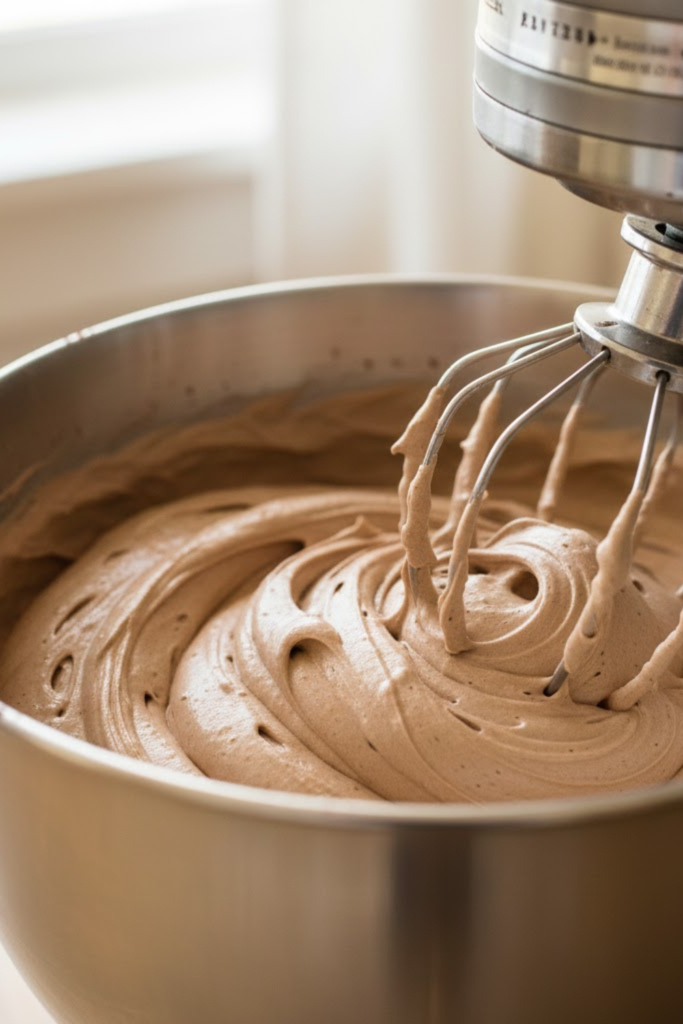
When you start the mixer, keep it on a medium speed. If you go too fast, you might over-whip it and it’ll turn into chocolate butter—which sounds tasty, but it’s a nightmare to spread on a delicate cake. I once over-mixed a batch for a friend’s baby shower and had to start all over again because it looked like curdled milk. Talk about a total bummer!
Leveling Up the Flavor
While the chocolate is the star, I love throwing in some “extras” to make it pop. A tiny pinch of sea salt or a splash of vanilla extract makes a huge difference. If I’m feeling really fancy, I’ll add a teaspoon of instant espresso powder. It doesn’t make it taste like coffee; it just makes the chocolate taste… well, more chocolatey!
Just remember to stop whipping the second you see soft peaks. It’ll firm up a bit more as it sits, so don’t push it too far. It’s a bit of a balancing act, but when you get it right, it’s the best frosting you’ll ever taste.
Making a perfect chocolate ganache is one of those skills that makes you feel like a total pro in the kitchen, even if you started out feeling like a “blockhead”. It’s all about the heat and the heart, and finding that sweet spot between the cream and the cocoa. I hope these tips and personal stories help you create something absolutely decadent for your next party or late-night craving.
Don’t let a little bit of broken sauce or a grainy texture get you down; I’ve been there more times than I can count, and look at me now! Baking is a journey, and every glossy bowl of liquid gold you master is a step toward becoming the expert in your own kitchen. Whether you’re dipping strawberries or frosting a three-layer cake, you’ve got the tools now to make it shine.
I’d love to see how your velvety creations turn out, so don’t be a stranger! If you loved these tips, please pin this guide to your dessert board on Pinterest so you can find it next time you have a chocolate emergency!