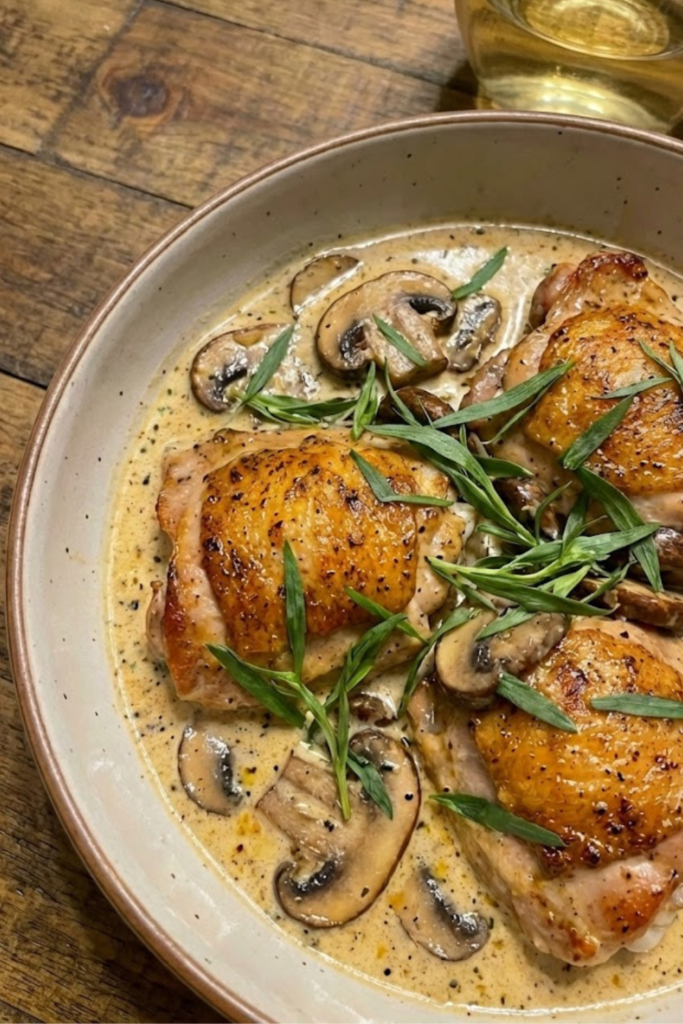
Did you know that the best memories are often made around a dinner table with a bottle of good wine? It’s true! I remember the first time I tried authentic Chicken Riesling; it was a total game-changer for my weeknight rotation. Forget complicated French cooking—this dish is approachable, rustic, and honestly, it feels like a warm hug in a bowl. We are going to explore how to balance the acidity of the wine with the richness of the cream to get that perfect sauce. Get your skillet ready, because you are going to love this!
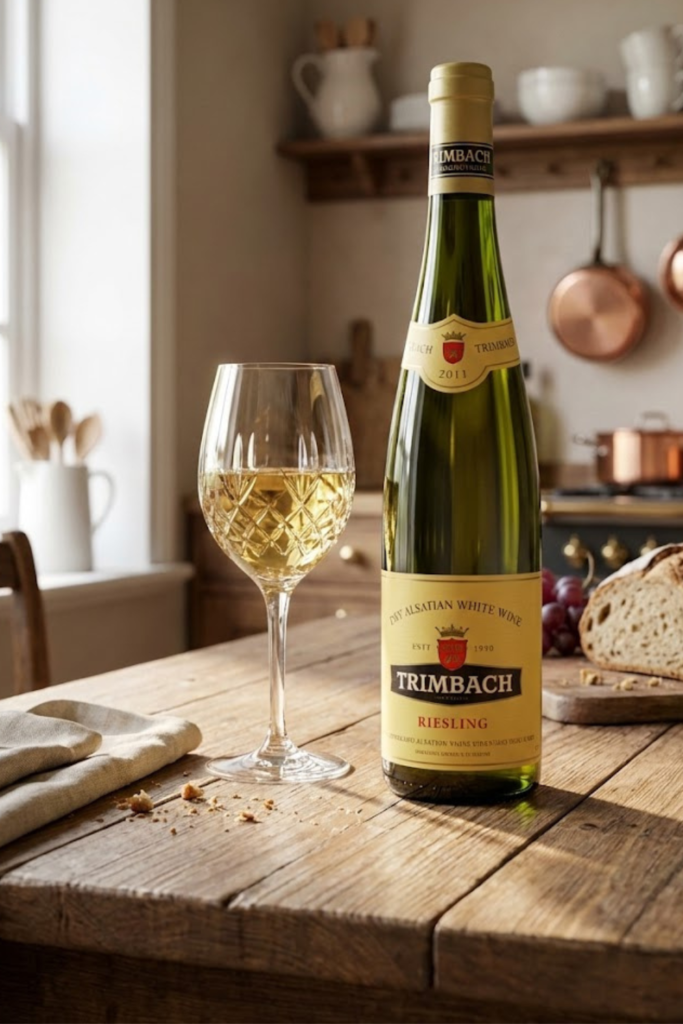
Selecting the Perfect Bottle for Your Coq au Riesling
I’ve got to be honest with you, the first time I tried to make this dish, I totally messed it up. I was standing in the wine aisle at the grocery store, staring at a wall of glass bottles, feeling completely overwhelmed. I just grabbed one that had a pretty label and “Riesling” written on it.
Big mistake.
I got home, seared my chicken, and poured in the wine. As the sauce reduced, I tasted it and wanted to cry. It tasted like I had dumped a bag of sugar into my skillet! I had bought a sweet dessert wine instead of a dry one. The resulting Chicken Riesling recipe was basically inedible. I learned the hard way so you don’t have to.
Dry vs. Sweet: Reading the Label
Here is the most important thing I can tell you: sugar is the enemy of this dish. When you are shopping, you need to look for the word “Dry” or, if it is a German bottle, the word “Trocken.”
If the label says “Late Harvest” or “Spätlese,” put it back on the shelf immediately. Those are sweet wines intended for dessert, and they will ruin your savory white wine chicken sauce. You want that crisp acidity to cut through the heavy cream, not add syrup to it.
Why the Region Matters
This is a traditional Alsatian chicken dish, so if you can find a Riesling from the Alsace region of France, that’s your golden ticket. The soil there makes the wine taste a bit like minerals (in a good way!), which pairs perfectly with mushrooms.
I know, I know, sometimes the liquor store selection is trash. If you can’t find an Alsace bottle, a dry German Riesling is your next best bet. I’ve used bottles that cost ten bucks, and they worked great. You don’t need to break the bank for cooking wine, but it should be good enough that you’d drink a glass while cooking.
Substitutions When You’re Stuck
Sometimes you just can’t find the right dry Riesling for cooking. It happens. Don’t panic and cancel dinner.
While a Coq au Riesling really shines with the specific grape, you can swap it out if you really have to. I have used Pinot Grigio in a pinch because it is dry and crisp. Avoid Sauvignon Blanc if you can, though; it’s usually too “grassy” and changes the vibe of the sauce too much. Just remember, the goal is dry and crisp, not sweet and fruity!
Practical Tips from My Kitchen to Yours
- Taste it first: Before the wine goes in the pan, take a sip. If it tastes like juice, drink it with dinner instead of cooking with it.
- Room temp is fine: You don’t need a chilled bottle for the pot.
- The alcohol burns off: Don’t worry about getting tipsy from the sauce; the simmering process takes care of that.
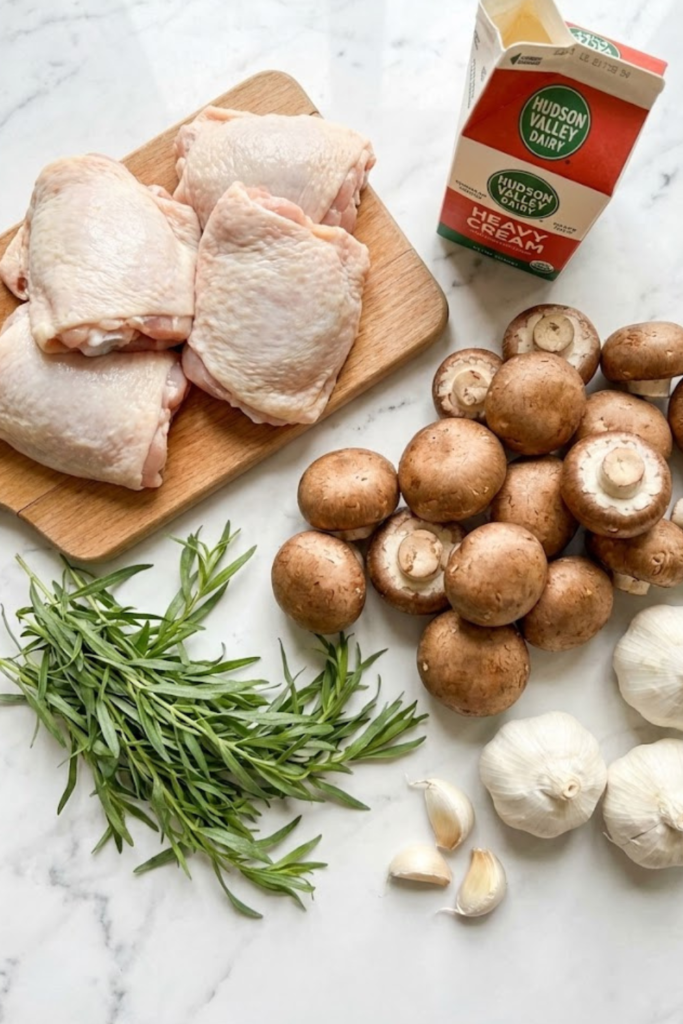
Essential Ingredients for Creamy Chicken Riesling
Honestly, I used to be a “chicken breast only” kind of cook. I thought they were healthier or something? I don’t know. But let me tell you, the first time I made Creamy chicken and mushrooms with boneless, skinless breasts, it was a tragedy. The meat dried out faster than a puddle in July. It was tough, rubbery, and just plain sad.
Why Thighs Save Lives (and Dinner)
For this Chicken Riesling recipe, you really have to use bone-in, skin-on chicken thighs. I’m serious! The bone keeps the meat moist while it simmers in that wine sauce, and the skin? Oh man, the skin gets crispy and delicious.
If you are terrified of bones, boneless thighs work too, but please skip the breasts. They just can’t handle the heat of a braise without turning into shoe leather. Plus, thighs are usually cheaper, which is a nice bonus for the grocery budget.
The Mushroom Debate
Let’s talk fungi. When I first started cooking French comfort food, I just grabbed those plain white button mushrooms. They are… fine. But they are also kind of bland. They are basically sponges that taste like water.
For a dish this rich, you want something with a backbone. I switched to Cremini mushrooms (sometimes called Baby Bellas), and the difference was wild5. They have this deep, earthy flavor that stands up to the wine. If you are feeling fancy and see some wild mushrooms on sale, grab ’em. But simple brown Creminis are my go-to for weeknight chicken and mushroom skillet dinners.
Fresh Herbs are Non-Negotiable
I used to skip the fresh herbs because I didn’t want to buy a whole bunch just to use a tablespoon. Don’t be like me6. Dried herbs are okay in a pinch, but fresh tarragon is the secret weapon here.
Tarragon has this slight licorice vibe—I know, sounds weird—but when it hits the hot cream and wine, it transforms. It makes the dish taste like it came from a fancy restaurant. If you absolutely hate tarragon, fresh parsley works too, but it won’t have that same authentic kick.
Mastering the One-Pan Cooking Method
I used to be the most impatient cook in the world. Seriously, I just wanted dinner on the table five minutes ago. So, the first few times I tried making a one-pan chicken dinner, I threw all the chicken thighs into the skillet at once. I figured, “Hey, they all fit, right?”
Wrong.
Instead of getting that beautiful golden-brown skin, my chicken just sat there steaming in its own juices. It came out grey, flabby, and looked totally unappetizing. I was so frustrated I almost ordered pizza. I learned the hard way that if you crowd the pan, you ruin the sear.
The Art of the Sear (and Patience)
Here is the trick I wish someone told me earlier: give your meat some personal space. When you are searing the meat, do it in batches if you have to. You want to hear a loud sizzle when the chicken hits the oil. If it goes quiet, you’re in trouble.
Let the chicken sit there for a few minutes without touching it. I know it’s tempting to poke it, but let it be! You want the skin to release naturally from the pan. If you pull it and it sticks, it’s not ready. That crispy skin is the best part of this Chicken Riesling recipe, so don’t rush it.
That Brown Stuff is Gold
After I took the chicken out, I used to look at the brown bits stuck to the bottom of the pan and think, “Uh oh, I burned it.” I would actually wash the pan before making the sauce. Can you believe that?
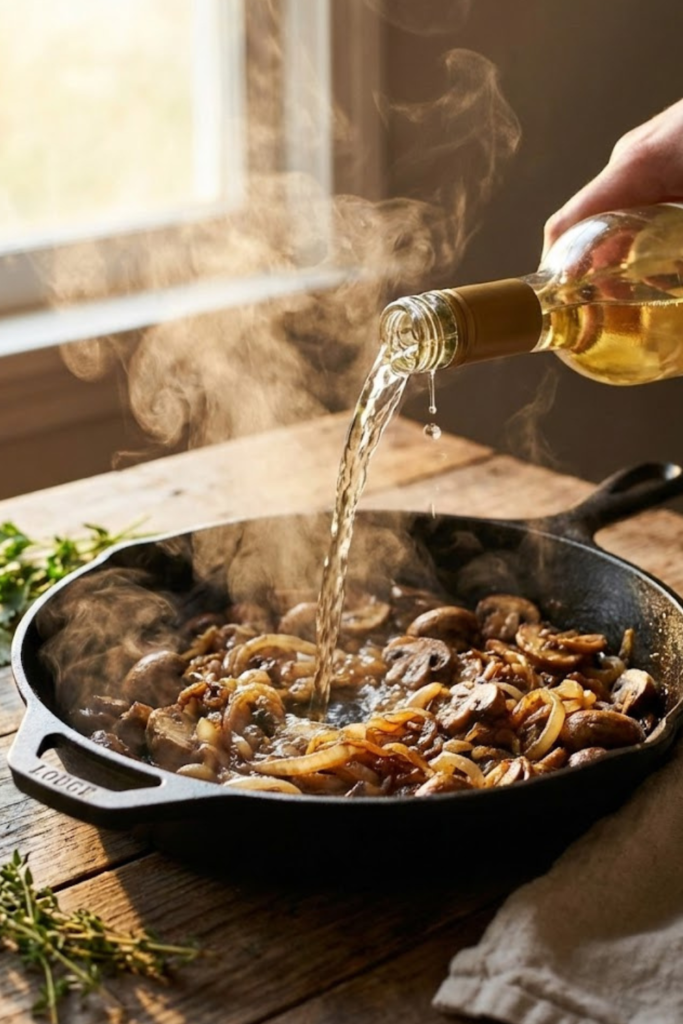
Those brown bits are called “fond,” and they are pure flavor. This is where deglazing the pan comes in. When you pour that dry Riesling for cooking into the hot skillet, it hisses and steams—it makes you feel like a pro chef. Use a wooden spoon to scrape up all those caramelized bits. It turns the clear wine into a rich, brown base for your sauce. It’s honestly the most satisfying part of the whole process.
Don’t Break Your Heart (or the Sauce)
Okay, here is where I cried once. I had my beautiful wine and mushroom mixture simmering, and I dumped in the heavy cream. Boom. It curdled.
It looked like cottage cheese soup. I was devastated.
The acid in the wine can react with the cream if you aren’t careful. To avoid a broken sauce, turn the heat down to low before adding the cream. You need to be gentle. Some chefs suggest tempering the cream (mixing a little hot liquid into the cream before pouring it in), but I find just lowering the heat and pouring slowly usually does the trick.
Keep it at a gentle simmer—don’t let it boil hard! You want the sauce to thicken up and coat the back of a spoon, not separate into oil and milk solids. Just keep an eye on it, and you’ll do fine.
What to Serve with Chicken in White Wine Sauce
When I first started cooking this dish, I made a rookie mistake. I spent so much time focusing on the chicken riesling recipe itself that I totally forgot about the sides. I served the chicken all by itself on a plate.
It was tragic.
There was all this incredible, expensive-tasting creamy mushroom sauce pooling on the plate, and nothing to soak it up. I ended up eating the sauce with a spoon like soup, which was delicious but kind of embarrassing. I learned quickly that the sides aren’t just an afterthought; they are the vehicle for getting that liquid gold into your mouth.
The Noodle Necessity
If there is one hill I will die on, it is this: buttered egg noodles are the soulmate of this dish. I’m talking about those wide, curly noodles that trap the sauce in every nook and cranny.
I’ve tried serving this over rice, and honestly? It just doesn’t hit the same. Rice gets kind of gummy with the cream, but pasta stays firm. There is something so nostalgic about a bowl of buttered noodles. It reminds me of being a kid. Just boil them, drain them, and toss them with a little butter and parsley. Simple is best here because the chicken is the star.
Going Full Alsatian with Spaetzle
If you want to feel like you are actually sitting in a bistro in France, you have to try serve with spaetzle. Now, I have tried to make spaetzle from scratch.
It was a mess.
I had dough dripping everywhere, and I burned my hand on the boiling water. It was a disaster zone. So, do yourself a favor and buy the dried kind from the store unless you are a pro baker. These little German dumplings are denser than pasta and have a chewy texture that stands up perfectly to the French comfort food vibe.
Breaking Up the Richness
Let’s be real for a second. This dish is heavy. You have cream, butter, chicken skin, and wine. It’s a lot. If you serve it with mashed potatoes, you might need a nap immediately after dinner.
You need something green to cut through the fat. I usually go for some crisp green beans or roasted asparagus. One time, I just did a simple arugula salad with lemon vinaigrette, and the acid was exactly what the meal needed. It cleans your palate so you are ready for the next bite of creamy chicken.
Don’t Forget the Carb Mop
Finally, you absolutely need crusty bread. I don’t care if you are watching your carbs—make an exception for this. You will have leftover sauce in the pan or on your plate, and leaving it behind is a crime.
I usually grab a baguette, tear off a chunk, and use it to wipe the plate clean. In Italy, they call this “scarpetta,” and it is the highest compliment you can give the chef. It means the sauce was so good you couldn’t bear to waste a drop. So, grab a loaf, pour a glass of that dry Riesling for cooking, and enjoy the feast. You earned it!
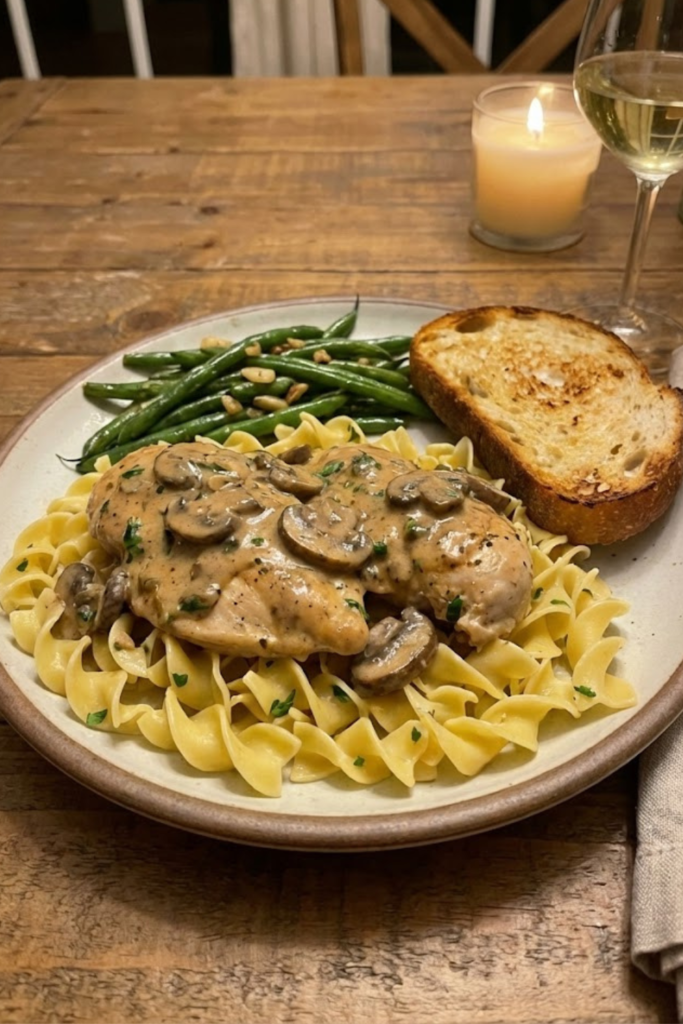
There you have it—a fancy-feeling dinner that is actually easy enough for a Tuesday night! Chicken Riesling really brings that perfect balance of tangy wine and rich cream that we all crave. I really hope you give this recipe a try; it might just become your new favorite French comfort food.
Honestly, the best part of cooking is sharing it. So, if you make this, don’t forget to snap a picture of your creation! I love seeing what you guys cook up in your own kitchens. If you loved this recipe, please share it on Pinterest so others can enjoy a taste of the good life, too.