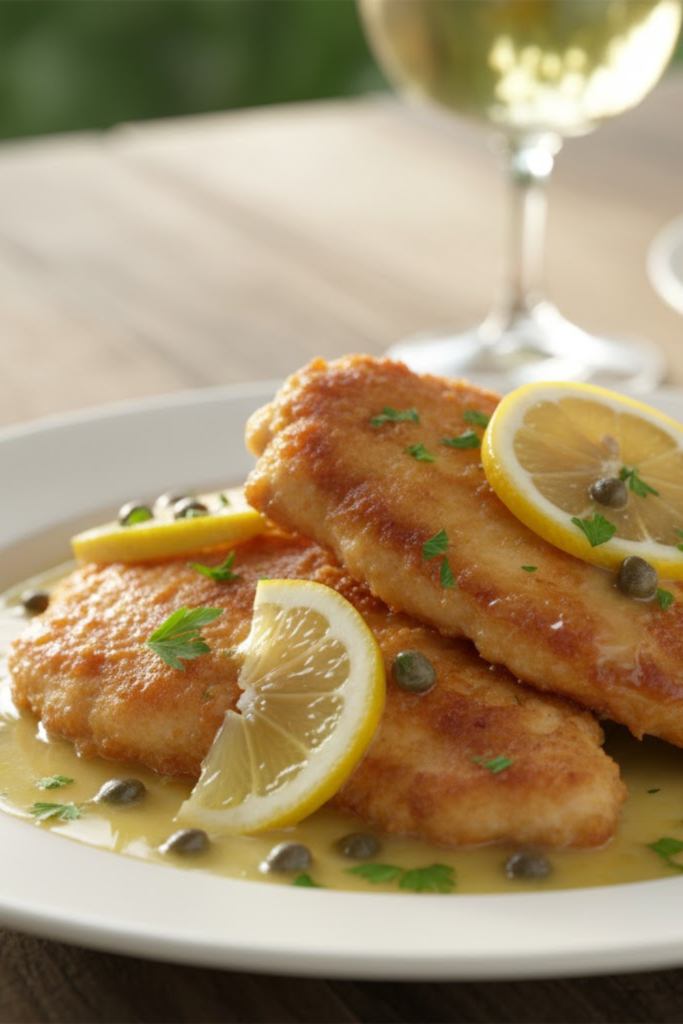
Did you know that nearly 40% of home cooks say they struggle with keeping chicken breast moist? I used to be exactly the same! There is nothing worse than chewing through dry, rubbery meat when you were expecting a succulent dinner. But let me tell you, once I discovered the magic of a proper chicken piccata with lemon sauce, everything changed. This isn’t just a recipe; it’s a ticket to becoming the hero of your kitchen! We are going to explore how to achieve that perfect golden crust and a sauce that is so bright and buttery, you’ll want to drink it with a spoon. Let’s dive right into this Italian classic!
Essential Ingredients for Authentic Chicken Piccata
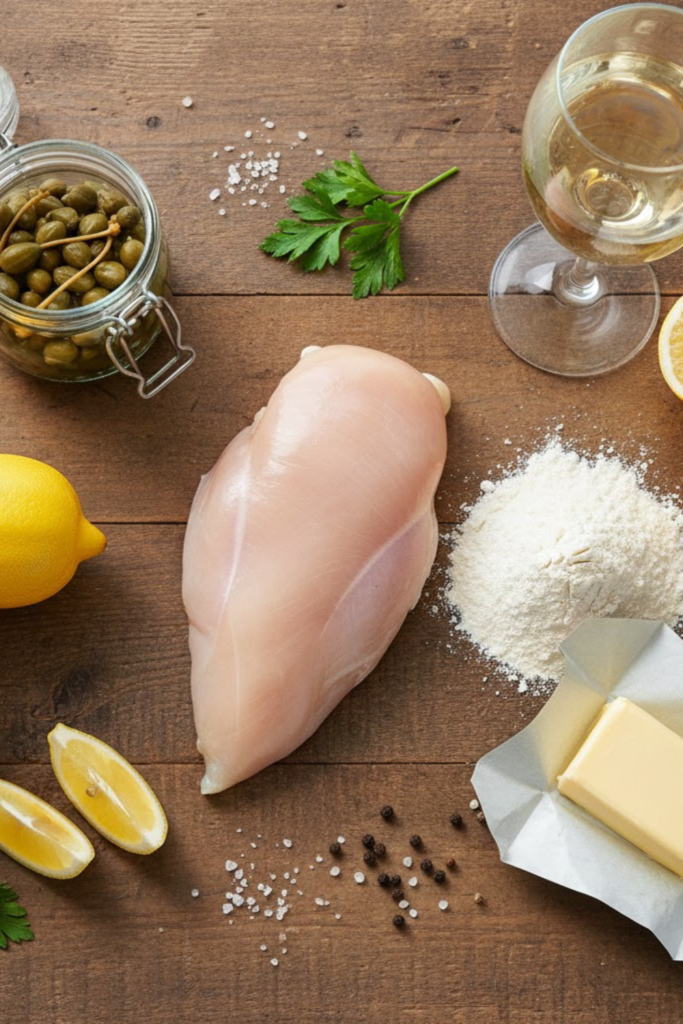
You know, when I first started cooking Italian food at home, I thought I could just swap out ingredients willy-nilly. I figured, “Hey, lemon juice is lemon juice, right?” Wrong. I made a batch of chicken piccata with lemon sauce using that stuff from the little plastic lemon bottle, and let me tell you, it tasted like furniture polish. It was a total disaster. So, let’s save you from that embarrassment and talk about what you actually need to make this dish sing.
Picking the Right Bird
Okay, first things first. We are dealing with chicken here. I used to buy those massive, thick chicken breasts that look like they came from a turkey on steroids. The problem? By the time the middle is cooked, the outside is dry as cardboard.
For this recipe, you really want chicken cutlets or thin-sliced boneless skinless chicken breast. If you can’t find them pre-sliced at the store, just buy regular breasts and butterfly them yourself. It’s actually kind of fun to whack them with a meat mallet (great stress relief after a long week of grading papers!). You want the meat to be uniform so it cooks evenly in the pan.
The Acid Trip: Fresh vs. Bottled
I cannot stress this enough: use real lemons. Fresh lemon juice is the brightness that cuts through the rich butter we are going to use later. When you use the bottled stuff, you lose all those floral, zesty notes that make the kitchen smell amazing. Plus, you can slice up the rest of the lemon for a pretty garnish. It makes you look like a pro chef with barely any effort.
Those Little Green Things
Let’s talk about capers in brine. I’ll be honest, I avoided these for years because I thought they looked like weird little peas. But you can’t skip them. They are basically unripened flower buds that have been pickled. They add this salty, briny punch that balances out the fat.
Just a heads up, though—they are super salty. I learned the hard way that if you don’t drain them well, your sauce might end up tasting like ocean water. Just give them a quick rinse or drain if you are watching your sodium.
The Pantry Staples
You probably have the rest of this stuff hiding in your cupboard. You need some basic all-purpose flour for dredging. This isn’t for making a thick breading like fried chicken; it’s just a light dusting to help the sauce cling to the meat. And don’t forget the kosher salt and fresh pepper.
The Liquid Gold
Finally, the sauce base. We are going to use a mix of fats here. Extra virgin olive oil is great for the initial fry because it adds flavor, but we finish with unsalted butter. Why unsalted? Because between the capers and the cheese you might add later, you want to control exactly how much salt goes in.
And for the liquid, grab a dry white wine. A Pinot Grigio or Sauvignon Blanc works wonders. I once used a sweet Riesling by mistake, and yikes, sugary chicken is not the vibe we are going for. If you don’t drink alcohol, chicken broth works too, but the wine really helps scrape up those tasty brown bits from the pan.
Prepping Your Chicken Cutlets for Pan-Frying
Listen, I used to be the person who would rip the package open and throw the cold chicken straight into the pan. I was always in a rush to get dinner on the table. And you know what? My chicken piccata with lemon sauce suffered for it. It cooked unevenly—burnt on the outside and raw in the middle. I learned the hard way that prep work isn’t just “busy work”; it is the difference between a sad dinner and a restaurant-quality meal.
The Stress Relief Technique
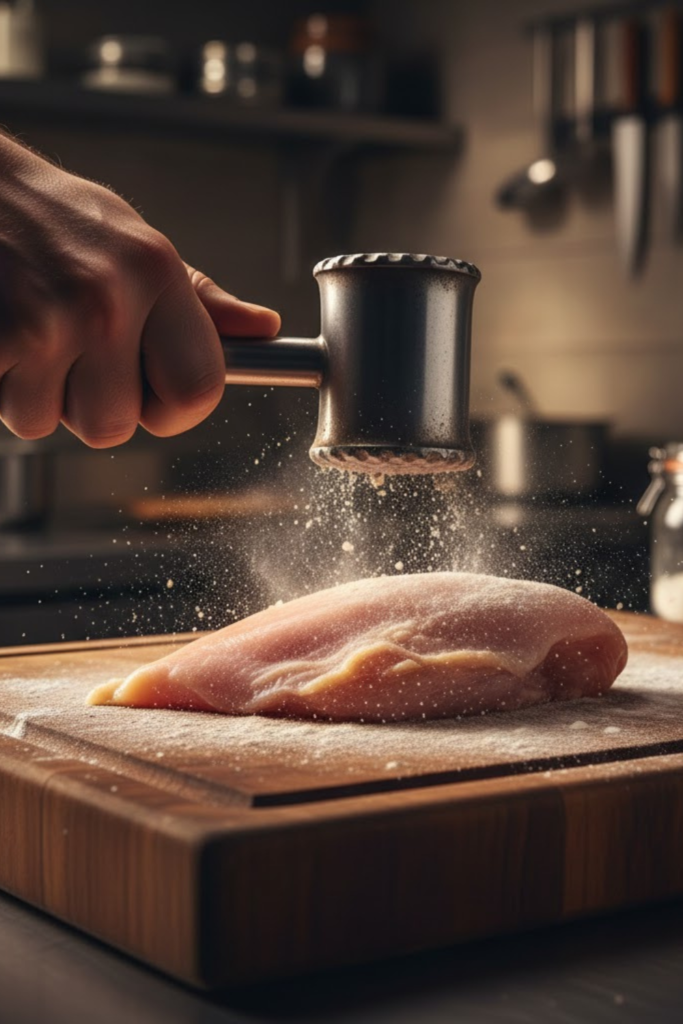
If you have had a long day, you are going to love this part. You need to pound the meat. Even if you bought thin chicken cutlets, they are rarely even. I take a meat mallet (the flat side, not the spiky one) and go to town.
Here is a trick I learned after getting raw chicken juice on my backsplash one too many times: put the meat between two pieces of plastic wrap or in a zip-top bag first. Then, gently pound it until it is about a quarter-inch thick. You don’t want to pulverize it into mush, just flatten it out. It helps the chicken cook super fast, which keeps it juicy.
The 10-Minute Rule
This might sound annoying, but do not cook the chicken straight from the fridge. I used to do this constantly. When cold meat hits a hot pan, the temperature drops too fast, and you lose that nice sear.
Take your flattened chicken out and let it sit on the counter for about 10 minutes. Just let it hang out. It helps the meat relax. While it’s sitting there, pat it dry with a paper towel. If the chicken is wet, it will steam instead of sear. Nobody likes steamy, gray chicken.
The Flour Dusting
Now for the dredging. I remember watching a cooking show where the chef practically buried the chicken in flour. I tried that, and I ended up with a gummy, doughy mess that slid right off the meat. Gross.
We want a light coating. Set up a shallow dish with your all-purpose flour. But here is the kicker: season the flour and the chicken. I sprinkle kosher salt and pepper directly on the meat first. Then I give the flour a little seasoning too.
Drop the chicken in the flour, flip it, and then shake it off. I mean really shake it. You only want a fine dusting left. This thin layer is going to grab onto our lemon sauce later and thicken it up just enough. It’s a small step, but it makes a huge impact on the final texture.
Mastering the Pan-Sear Technique
I can’t tell you how many times I have set off my smoke detector trying to cook chicken. My poor dog used to run under the bed every time I pulled out a skillet! I used to think “hotter is better,” but I learned that patience is actually the secret ingredient to great chicken piccata with lemon sauce. If you burn the outside before the inside is done, you’re just sad and hungry.
Getting the Pan Just Right
You want to grab a heavy bottom pan for this. A stainless steel pan or even a cast iron skillet works best because they hold heat evenly. Non-stick is okay, but you won’t get those tasty brown bits stuck to the bottom, and we need those for the sauce later!
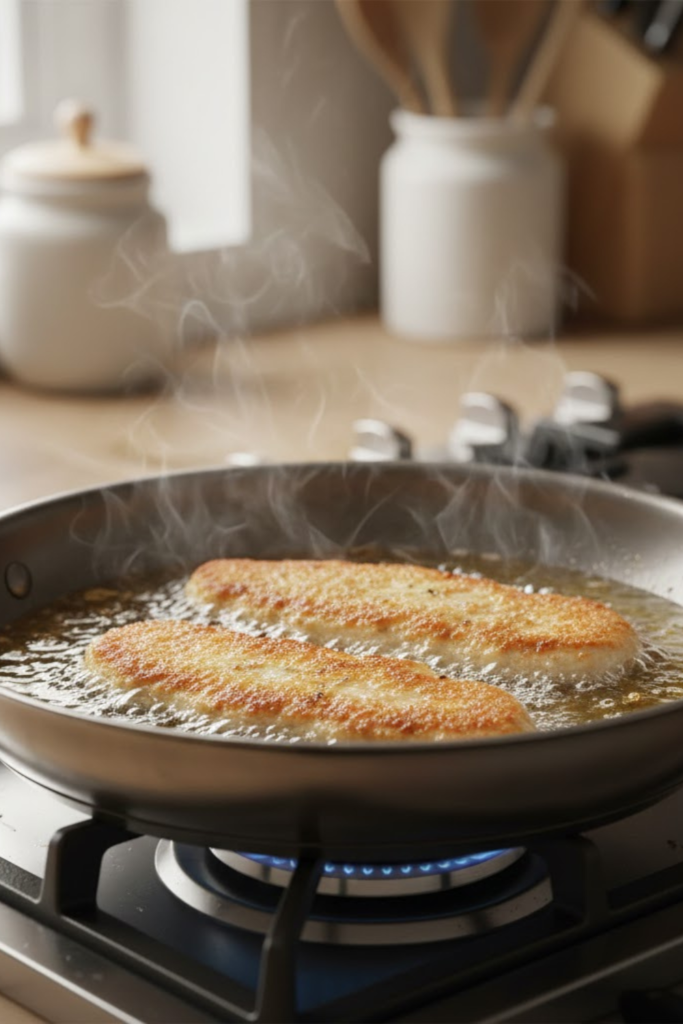
Heat your extra virgin olive oil and a little pad of butter over medium-high heat. You are looking for a specific visual cue here. The fat should be shimmering and rippling, but not smoking. If it starts smoking, take it off the heat immediately. Trust me, burnt butter tastes bitter and will ruin the whole dish.
Give It Some Space
Here is the biggest mistake I see people make, and I am guilty of it too. Do not crowd the pan! It is so tempting to shove all four pieces of chicken in there at once to save time.
But if the chicken pieces are touching, they generate steam. Instead of getting a golden brown crust, you end up with gray, soggy meat. It’s better to cook in batches. Give them room to breathe. I usually do two cutlets at a time. It takes a few extra minutes, but the texture difference is huge.
The Patience Game
Once you lay that chicken down into the sizzling oil, stop! Do not touch it. Do not wiggle it. And definitely do not flip it every thirty seconds.
Let it sear undisturbed for about 3 to 4 minutes. You want that flour dusting to caramelize and turn golden. If you try to lift it and it sticks to the pan, it’s not ready yet. The meat will naturally release from the metal when the crust is formed.
After you flip it, give it another 3 minutes on the other side. Since we pounded the meat thin earlier, it cooks fast. Once they are done, move them to a warm plate and tent it loosely with foil. Don’t skip this; the meat needs to rest while we make the magic sauce.
Creating the Zesty Lemon Butter Sauce
Okay, keep that dirty pan on the stove! I remember the first time I made this, I looked at the brown gunk stuck to the bottom of the skillet and thought, “Yuck, I burned it.” I took the pan to the sink and scrubbed it clean. Big mistake. Huge. That “gunk” is actually called fond, and it is literally solidified flavor.
If you wash that away, you are washing away the soul of your chicken piccata with lemon sauce. So, put the sponge down and grab your wine instead.
Scrape Up the Good Stuff
With the pan over medium heat, pour in about half a cup of dry white wine. I usually reach for a Pinot Grigio or Sauvignon Blanc because they are crisp and acidic. Don’t use that sweet dessert wine your aunt gave you for Christmas; it will make the sauce taste like candy, which is just weird with chicken.
As the wine hits the hot metal, it will hiss and steam. This is the fun part. Take a wooden spoon and scrape the bottom of the pan aggressively. You want to dissolve all those toasted bits into the liquid. It smells absolutely incredible at this stage—like a fancy bistro kitchen right in your own home.
The Reduction Game
Now, you need to let it bubble. We are looking to reduce the liquid by about half. I used to be impatient and skip this, but if you don’t let it simmer, the sauce will be too thin and watery. It usually takes about 2 to 3 minutes.
Once it has reduced, stir in your fresh lemon juice. I like it pretty tart, so I use plenty, but you can adjust this to your taste. Just don’t let the liquid boil away completely, or you’ll burn the fond, and we will have to order pizza.
Cold Butter Magic
Here is the secret that changed my cooking life. Turn the heat down to low—or even turn it off completely. We are going to whisk in the unsalted butter, but it needs to be cold.
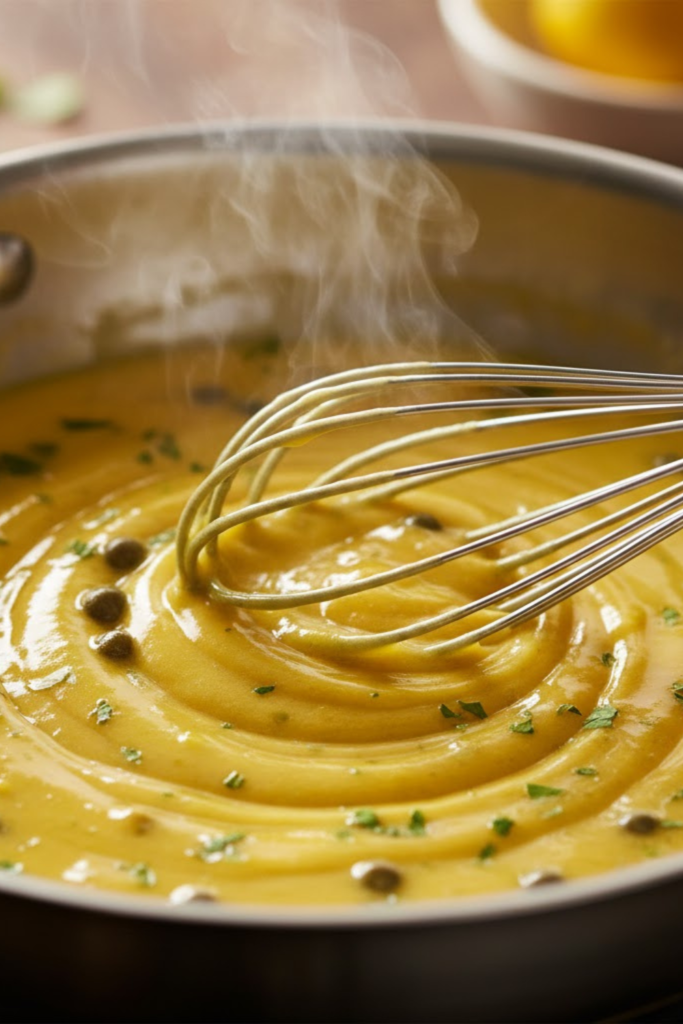
I used to melt the butter in the microwave first because I thought it would mix better. Nope. It just made the sauce greasy and separated. When you whisk in cold cubes of butter slowly, it creates an emulsion. This means the sauce gets glossy, thick, and velvety instead of just being a pool of oil. It coats the back of a spoon perfectly.
The Green Finish
Finally, stir in your drained capers and a handful of chopped fresh parsley. The capers add that salty pop, and the parsley makes everything look fresh and vibrant. Taste it now. Does it need more salt? Probably not, because of the capers, but give it a check.
Pour this liquid gold immediately over your resting chicken. Seeing that glossy yellow sauce hit the crispy golden crust is honestly the best part of the whole process.
Serving Suggestions and Pairings
I used to think the main dish was the only thing that mattered. I’d spend an hour making the perfect chicken and then just dump it onto a bare plate. It looked sad, and honestly, the meal felt incomplete. Over the years, I’ve learned that what you serve with your chicken piccata with lemon sauce is just as important as the bird itself. You need sides that complement that bright acidity, not fight against it.
The Pasta Debate
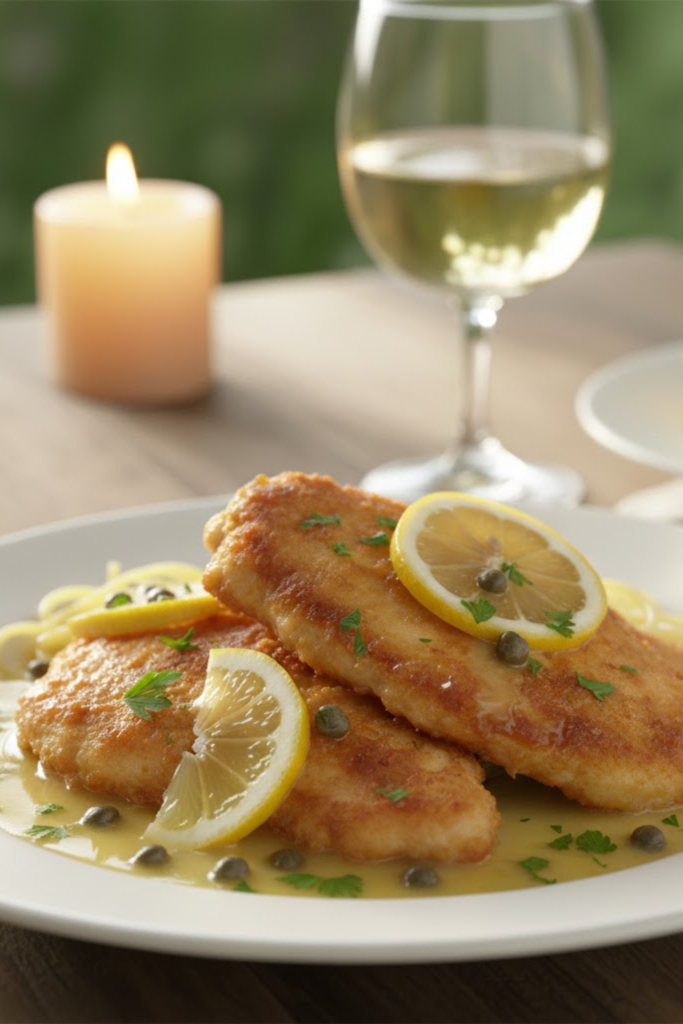
If you order this in a restaurant, it almost always comes with pasta. And for good reason! My absolute go-to is angel hair pasta. Because the noodles are so thin, they get coated in that delicate lemon butter sauce instantly.
I made the mistake of serving this with thick penne once. The sauce just slid right off the pasta and pooled at the bottom of the bowl. It was a tragedy. You want a noodle that acts like a sponge. Just remember to cook it al dente. Mushy pasta is a crime in my house. Toss the pasta in a little bit of the sauce before plating it so it doesn’t stick together.
Keeping it Light
Sometimes, though, you don’t want a heavy carb load. I get it. After the holidays, I usually try to cut back a bit. If you want a low carb option, this dish is fantastic over zucchini noodles (zoodles). The lemon juice actually brightens up the zucchini flavor.
Steamed or roasted asparagus is another killer side. The earthy taste of the asparagus pairs perfectly with the salty capers. Plus, it adds a nice pop of green to the plate so your dinner doesn’t look completely beige. I usually just roast them with a little olive oil and salt while the chicken is frying.
What to Drink?
Now, let’s talk wine. Since we used a dry white wine in the sauce, you should be drinking the same thing. I usually open a bottle of Pinot Grigio or a crisp Sauvignon Blanc to cook with, and then pour a glass for dinner.
The acidity in the wine cuts through the richness of the butter. It cleanses your palate between bites. I once tried to pair this with a heavy Cabernet, and it was a flavor clash disaster. The tannins in the red wine made the lemon taste metallic. Stick to the whites, folks.
The Final Flourish
We eat with our eyes first, right? I used to roll my eyes at garnishes, thinking they were a waste of time. But throwing a few fresh lemon slices and a sprinkle of chopped parsley on top makes you look like a culinary genius.
It takes two seconds, but it signals to your family (or just yourself!) that this is a special meal. It adds a fresh aroma that hits you right before you take that first bite. Trust me, don’t skip the garnish.
Wrapping up this chicken piccata with lemon sauce is honestly the best part because it means you’re finally about to eat! We have walked through everything from pounding those cutlets to whisking that cold butter into a glossy, velvety masterpiece. I really hope you feel like a pro now, because mastering that pan-sear is a total game-changer for any home cook.
I remember when I used to be terrified of making a mess with flour or burning the wine, but if I can do it, you definitely can too. This recipe isn’t just about the food; it’s about that feeling of triumph when everyone at the table asks for seconds. It’s funny how a few simple things like capers and fresh lemons can turn a boring Tuesday into a fancy Italian dinner.
Don’t be afraid to experiment a little with the sides, whether you’re a pasta lover or looking for something lighter like asparagus. The most important thing is that you enjoy the process and the bright, zesty flavors we worked so hard on. Now, get in that kitchen and show that chicken who is boss!
Did you love this zesty dinner? Pin this recipe to your favorite Pinterest board so you can whip it up whenever that lemon craving hits!