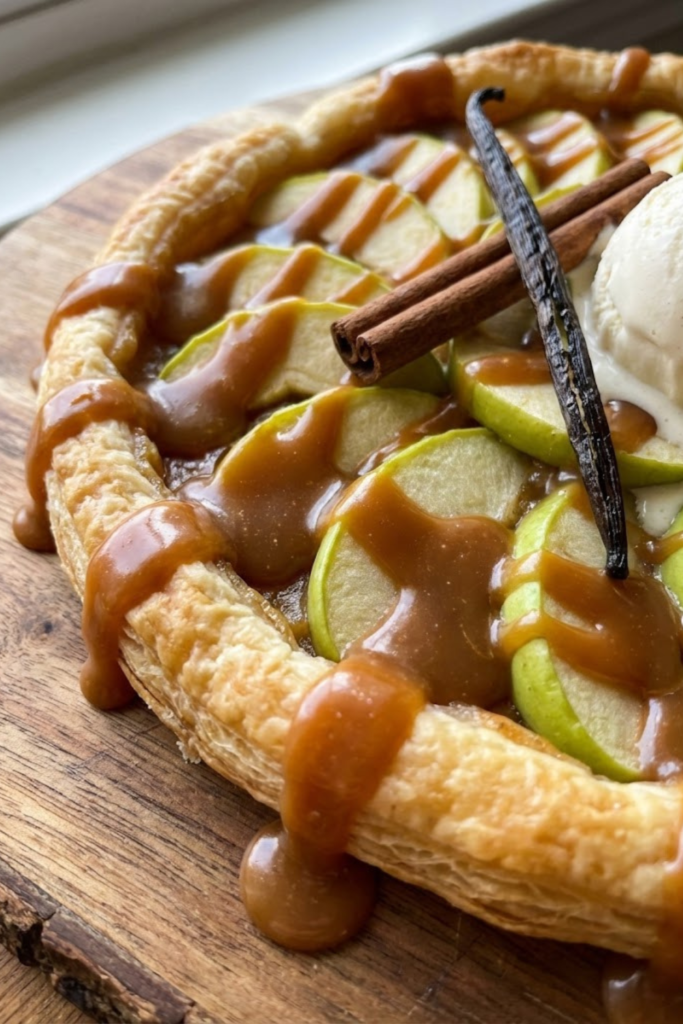
Have you ever bitten into a dessert that literally stopped you in your tracks? I have! It was a rustic, bubbling caramel apple tart that I tasted years ago in a tiny French bakery, and I’ve been chasing that flavor ever since. There is something truly magical about the combination of crisp, tart apples and rich, buttery caramel wrapped in a flaky pastry.
In this article, we aren’t just making a pie; we are crafting an experience! I’ll walk you through everything—from picking the right apples (no mushy fillings here!) to mastering that golden, gooey sauce. Whether you are a baking pro or just looking to impress at your next dinner party, this caramel apple tart is your ticket to dessert heaven. Let’s get baking!
Choosing the Best Apples for Baking Tarts
I’ve baked a lot of tarts in my day. Believe me, I learned the hard way that not every apple is a good apple for baking. One time, I used whatever I had in the fruit bowl—I think they were Red Delicious—and my tart turned into a watery mess. It looked like apple sauce on a crust. It was pretty bad. To make a great caramel apple tart, you need an apple that can stand up to the heat of the oven and all that bubbling sugar. If you pick the wrong one, you’ll end up with a soggy bottom and a sad dessert.
Why Granny Smith is the King
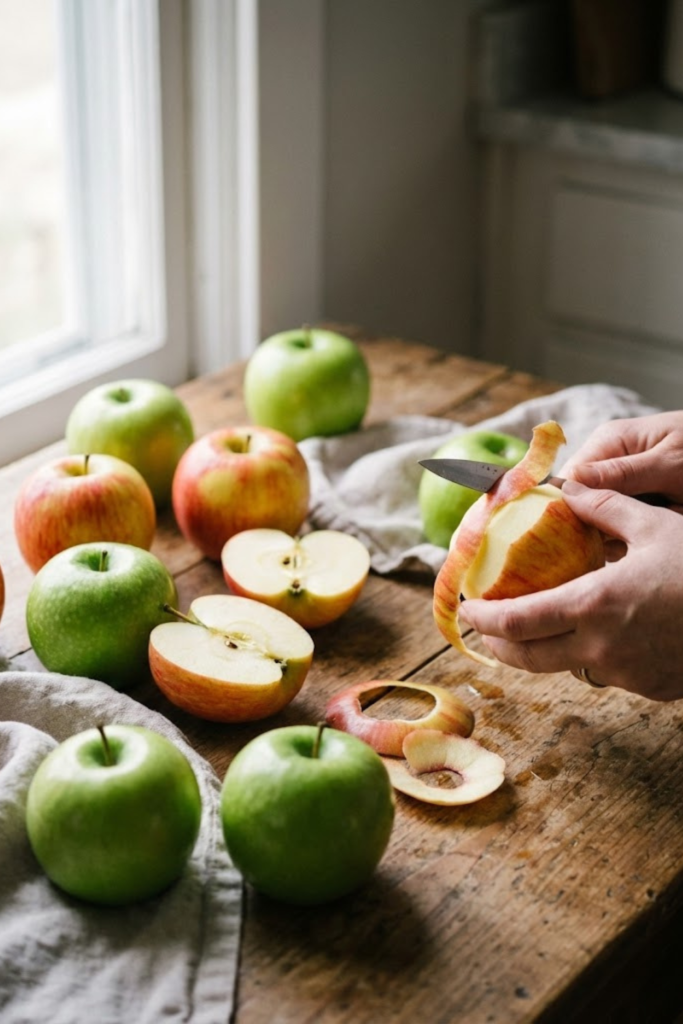
When you go to the grocery store, look for the bright green ones. Granny Smith apples are the gold standard for a reason. They are very firm, which means they won’t fall apart when things get hot. Plus, they are really sour. Since we are covering these in a rich, sweet caramel, that sour bite is exactly what you need so the dessert isn’t too sugary. I usually use these for about 80% of my tarts. They just work every single time. They stay crisp enough to give you a bit of a bite, which feels much better than mushy fruit.
Mixing Varieties for Better Flavor
Sometimes I like to mix things up a bit. If you want a more complex taste, try adding a few Honeycrisp or Braeburn apples into the mix. Honeycrisp apples are great because they stay crunchy even after baking, but they are a bit sweeter than the green ones. Mixing two kinds of apples gives your tart a better depth of flavor. Just stay away from McIntosh or Gala if you are doing a long bake. Those apples are great for eating raw or in a school lunch, but they turn to mush way too fast in a tart. You want slices that keep their shape so the tart looks pretty when you pull it out. My students always ask why their tarts look flat, and usually, it’s because they picked a “snacking” apple instead of a “baking” apple.
Quick Prep Tips
When you are getting your apples ready, make sure you peel them first. Nobody wants to chew on tough skin in a delicate tart. Slice them about a quarter-inch thick. If they are too thin, they disappear during the bake. If they are too thick, they won’t cook through and you’ll have crunchy bits in the middle of your soft tart. I also like to toss them in a little lemon juice while I’m cutting the rest. This keeps them from turning brown while you work on the pastry. It’s a simple step, but it makes a big difference in how the final dish looks.
Mastering the Flaky Pastry Crust
Let’s talk about the crust. For me, the crust is the part that scares people the most in my classes. They get worried it’s going to be tough or that it won’t hold all that heavy caramel. I’ve seen students get really stressed out over dough, but honestly, it’s just flour and fat. If you get that right, everything else is easy. A good caramel apple tart needs a base that can handle the juice from the fruit without getting all mushy and falling apart.
Homemade or Store-Bought?
Look, I’m a teacher, so I’m supposed to tell you to make everything from scratch. Honestly, a homemade Pâte Brisée—which is just a fancy French name for shortcrust—is usually the best. It’s buttery and crumbly in a way that’s hard to beat. But, if you are in a rush or just don’t feel like cleaning flour off your counters, a good quality puff pastry from the freezer works too. It makes the tart look more like a rustic galette. If you do go homemade, don’t overthink the fancy names. Just focus on getting a dough that feels like damp sand before you add your water.
Keep It Cold!
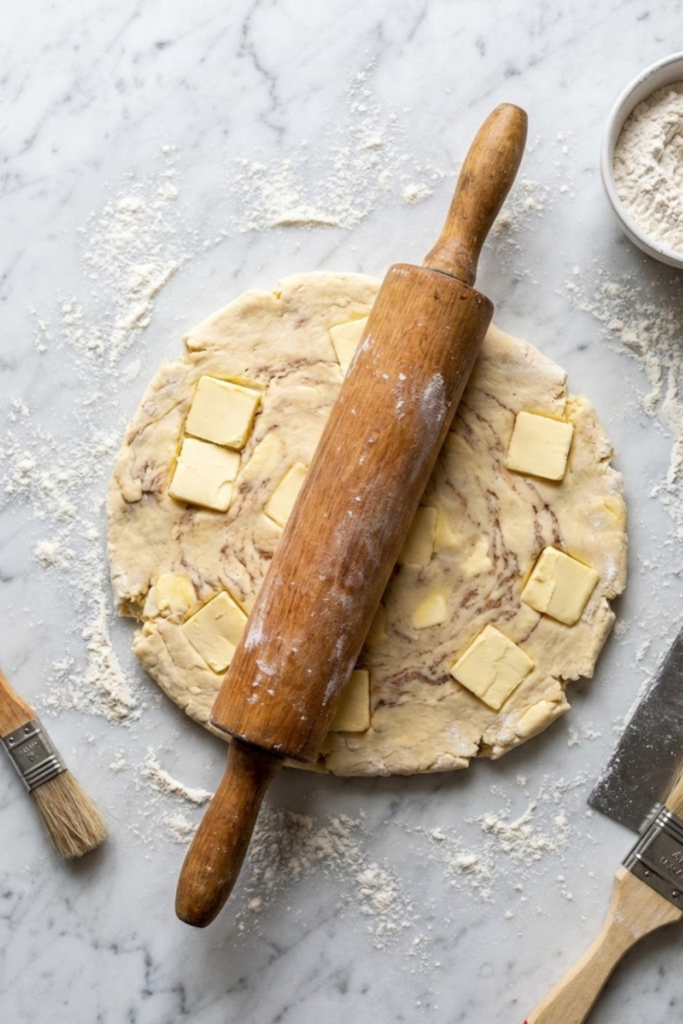
This is the most important rule. If you forget everything else I say, remember this: your butter must be cold. I mean straight-from-the-fridge cold. When you mix the butter into the flour, you want little chunks of butter left, maybe the size of peas. You don’t want a smooth paste. Those little bits of butter melt in the oven and create steam, which is what makes the crust flaky. If the butter melts before it hits the oven, you just get a greasy, hard cookie. I sometimes even put my flour in the freezer for ten minutes before I start. It might sound like extra work, but it makes sure the fat stays chilled.
Let the Dough Nap
Once you mix your dough, you can’t just roll it out right away. It needs to rest in the fridge for at least an hour. This lets the gluten relax. If you skip this, your crust will shrink down the sides of the pan while it bakes, and your tart will look tiny and weird. I usually make my dough the night before. It’s one less thing to worry about on baking day. Just wrap it tight in plastic so it doesn’t dry out. When you’re ready, roll it out on a cold surface. If the dough gets too warm while you’re rolling it, just pop it back in the fridge for a few minutes.
Should You Pre-Bake?
People ask me all the time about blind baking. That’s when you bake the crust a little bit before putting the fruit in. For this specific tart, I usually don’t do it if I’m using a thin tart pan. But if you want to be extra safe about that “soggy bottom” we all hate, you can bake it for about 10 minutes with some pie weights or dried beans. It helps the bottom stay crisp even with the heavy caramel sauce. Just don’t over-bake it at this stage, or the edges will burn later when the apples are cooking!
Making the Homemade Salted Caramel Sauce
Making caramel used to really freak me out. I remember my first time trying it, I burned the sugar so bad the whole kitchen smelled like smoke for three days. My kids wouldn’t even come in the room! But once you get the hang of it, you’ll never buy the jarred stuff from the store again. It is way better for your tart because you can control how thick it is. This is the part of the recipe that really brings everything together.
The Sugar Stage
There are two ways people usually do this. One is the “wet” method with a bit of water, and the other is the “dry” method where you just melt plain sugar. I like the dry method because it’s faster, but you have to watch it like a hawk. Just put your sugar in a heavy pan and let it melt over medium heat. Don’t stir it too much at first or it gets grainy and weird. Just swirl the pan around. You want it to turn a deep amber color. If it stays too light, it just tastes like plain sugar. If it gets too dark, it tastes bitter and burnt. Finding that middle ground is the trick. I tell my students to look for the color of an old copper penny.
The Scary Part
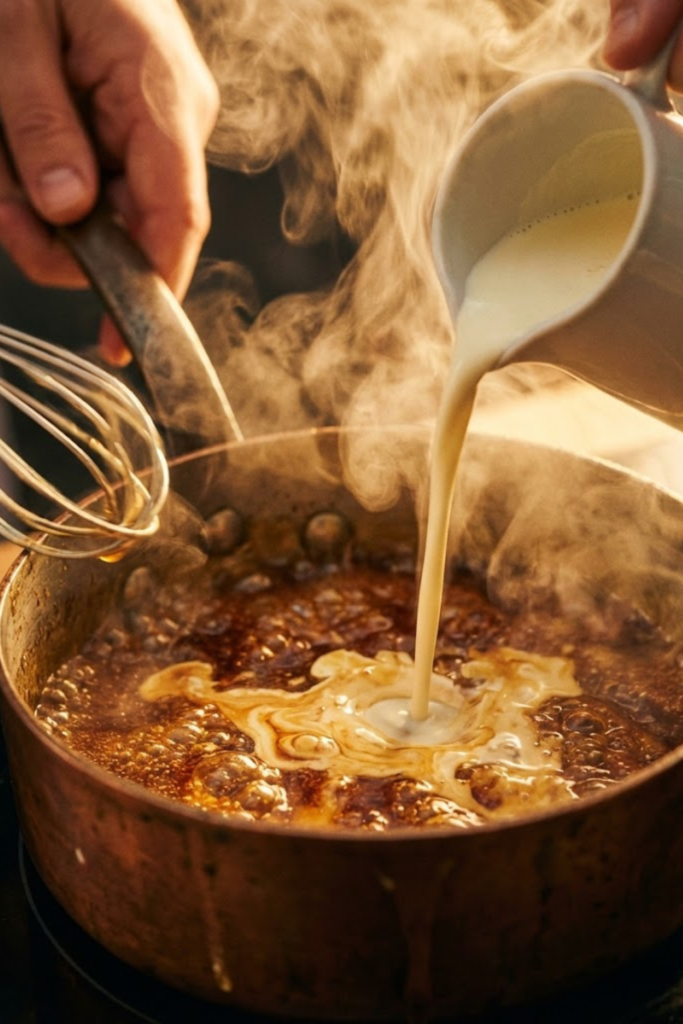
Once that sugar is melted, it is basically liquid lava. This is where you have to be careful. You are going to add your butter and then your heavy cream. It is going to bubble up like crazy and steam will go everywhere. Don’t panic! Just keep whisking it. I usually wear an oven mitt on the hand holding the whisk just so I don’t get splashed by any hot sugar. If the caramel seizes up and gets hard in chunks, don’t worry. Just keep it on low heat and keep whisking. It will melt back down eventually. I have had many tarts saved just by being patient with the heat and not giving up.
Salt and Flavor
The “salted” part of salted caramel is what makes this tart stand out. I like to use a big pinch of sea salt—the kind that is a bit crunchy. It cuts through the sweetness of the apples and the sugar perfectly. Also, add a splash of vanilla extract right at the end. It makes the whole house smell amazing. This sauce is what ties the whole apple tart together. If it is a bit runny when you finish, that’s okay, it will thicken up as it cools on the fruit. Just make sure you don’t eat it all with a spoon before it actually gets on the tart! I’ve been guilty of that more than once.
Assembling and Baking Your Apple Tart
Now we get to the part where your kitchen starts looking like a real bakery. This is usually when my kids come running in because they want to help “paint” the apples. Assembling the tart is like a little art project. You’ve got your chilled dough and your sliced apples, and now you just have to put them together. I used to just throw the apples in a pile, but then I realized that if I took two extra minutes to lay them out nice, people actually thought I knew what I was doing.
Designing the Pattern
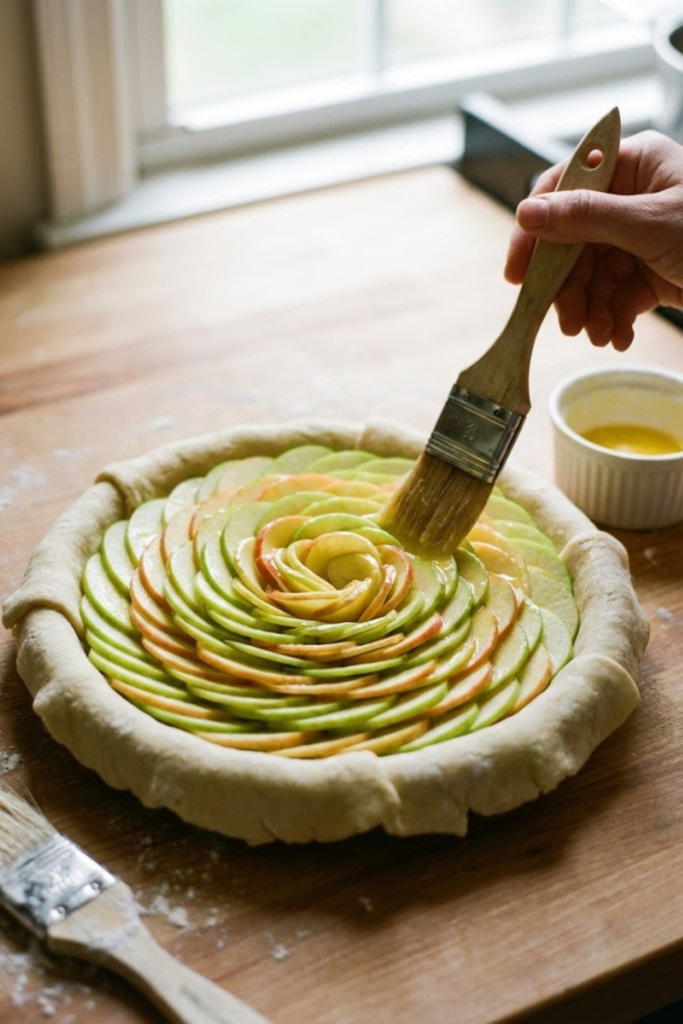
If you want that fancy look, start from the outside edge and work your way in. Lay the apple slices down so they overlap slightly, like scales on a fish. You can do big circles until you hit the middle. If you are doing a rustic galette style—which is my favorite because it’s way easier—you just pile the fruit in the middle of a big circle of dough and fold the edges over. It’s meant to look messy, so don’t worry if it isn’t perfect. I tell my students that a “rustic” look just means it has character. The main thing is to make sure the apples aren’t piled too high in one spot, or they won’t cook evenly.
Giving It a Glow
Before you put it in the oven, you need to give it a little boost. I like to melt a bit of butter and brush it over the apples. It helps them brown and keeps them from drying out too fast. Some people like to use apricot jam warmed up in the microwave. If you do that, wait until the tart is almost done, then brush it on. It gives the tart that shiny, glossy look you see in store windows. I usually stick with butter and a sprinkle of cinnamon-sugar. It’s simple and it tastes like home.
Heat and Timing
You want your oven hot, usually around 375 degrees. I always put my tart on the bottom rack. Since there is a lot of moisture in the apples and the caramel, the bottom of the crust needs all the heat it can get so it doesn’t stay soft. I bake mine for about 45 minutes. You are looking for the crust to be a deep golden brown and the juices from the apples to be thick and bubbling. If the edges of the crust start getting too dark but the middle isn’t done, just put a little piece of foil over the edges. I’ve had to do that many times when my oven was acting up. Once you see those bubbles, you know it’s time to take it out.
Serving Suggestions and Storage Tips
I always tell my students that the hardest part of baking isn’t the mixing or the rolling—it’s waiting for the tart to cool down enough so you don’t burn your tongue! Once that caramel apple tart comes out of the oven, your whole house is going to smell like a dream. But before you just dive in with a fork, there are a few things you can do to make it feel like a five-star dessert. How you serve this can really change the whole experience for your guests or your family.
The Perfect Toppings
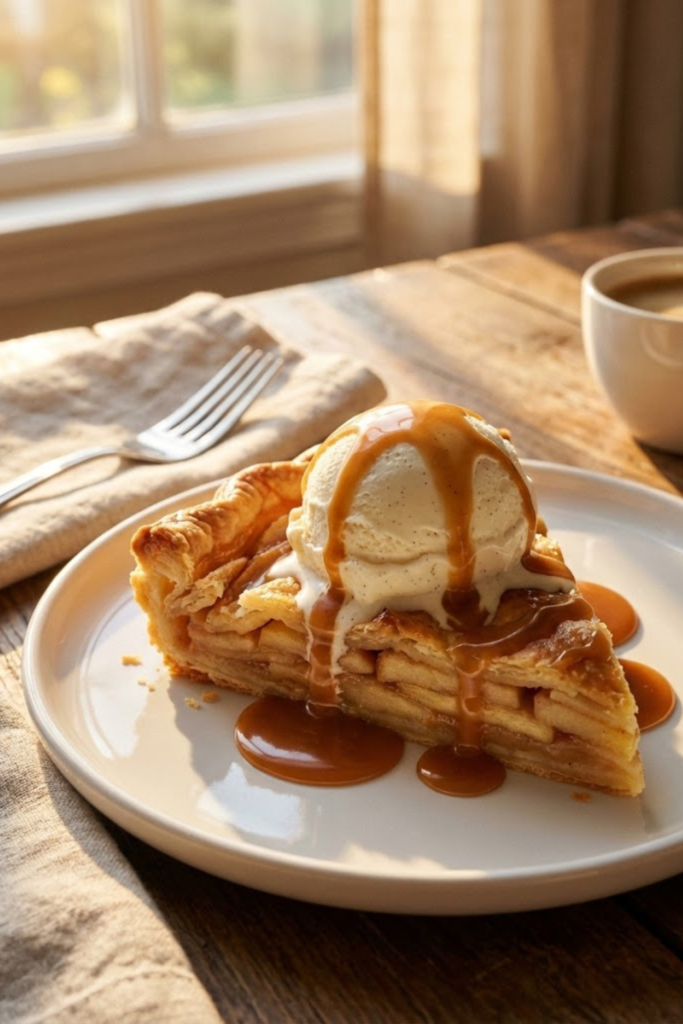
In my house, we have a rule: you can’t have warm apple tart without a big scoop of vanilla bean ice cream. There is something about that cold, melty cream hitting the warm, gooey caramel that just makes sense. If you want to feel a bit more fancy, you could try a dollop of crème fraîche or even just some unsweetened whipped cream. Since the tart is already quite sweet from the caramel, having something a little tart or plain on the side helps balance everything out. I’ve even seen people serve it with a sharp piece of cheddar cheese on the side—don’t knock it until you try it! It’s an old-school trick that really works with the apples.
Adding a Little Extra Flair
If you want the tart to look like it came from a professional bakery, you can add a few finishing touches right before you bring it to the table. I like to toast some crushed walnuts or pecans in a dry pan for a few minutes and sprinkle them over the top. It adds a nice crunch that goes great with the soft apples. A light dusting of powdered sugar also looks great, but wait until the tart is cool, or the sugar will just melt and disappear. If you have any of that homemade caramel sauce left over, go ahead and drizzle a bit more right over the top of each slice.
Keeping It Fresh
If you actually have leftovers—which doesn’t happen often at my place—you need to store them the right way. Don’t leave the tart out on the counter overnight. Because of the fruit and the sugar, it can get sticky and attract bugs, or the crust can get way too soft. I put mine in the fridge wrapped loosely in foil. When you want another piece the next day, please stay away from the microwave! The microwave is the enemy of a flaky crust. It will make your beautiful pastry feel like wet cardboard. Instead, put a slice in the oven or a toaster oven at 350 degrees for about five or ten minutes. This will make the crust crisp up again and get that caramel bubbling.
Freezing for Later
You can also freeze this tart if you want to get ahead of your holiday baking. I think it’s better to freeze the dough by itself, but you can freeze the whole baked tart too. Just make sure it is completely cold first. Wrap it really well in plastic wrap and then a layer of foil so it doesn’t get freezer burn. It will stay good for about a month. When you are ready for it, let it thaw in the fridge and then warm it up in the oven. It’s a great way to have a “homemade” dessert ready to go when you’re busy!
So, we have reached the end of our baking journey together! I really hope you feel ready to get into your kitchen and start slicing those apples. Making a caramel apple tart might seem like a big project when you first look at the recipe, but as we’ve talked about, it’s really just about taking it one step at a time. I’ve seen so many of my students go from being terrified of melting sugar to being absolute pros who bring these tarts to every single family potluck. If they can do it, you definitely can too.
Just remember the big things we covered today. You want those tart, firm apples like Granny Smiths so your filling doesn’t turn into a puddle. Keep your butter cold—seriously, put it back in the fridge if you think it’s getting soft—because that is the only way to get those flaky layers we all love. And when you are making that caramel, stay patient. It’s better to go a little slow than to have to start over because the sugar scorched. Even if your first tart doesn’t look like a photo from a magazine, I promise you it is still going to taste incredible. In my house, the “ugly” tarts usually get eaten the fastest anyway because nobody is afraid to cut into them!
Baking is a skill that gets better every single time you try. Don’t let a “soggy bottom” or a slightly burnt crust stop you from trying again. Every mistake is just a lesson for the next bake. I love making this specific dessert because it’s something that makes people feel cared for. There is something so warm and cozy about a homemade tart that you just can’t get from a store-bought pie. It shows you put in the work.
Before you go and start preheating your oven, I have one small favor to ask. If you found these tips helpful or if you’re planning on making this for a special occasion, please pin this article to your “Best Desserts” or “Fall Baking” board on Pinterest! It helps other home bakers find these tips, and I’d love to see how your creations turn out. Go grab your rolling pin and get started—your house is about to smell amazing!