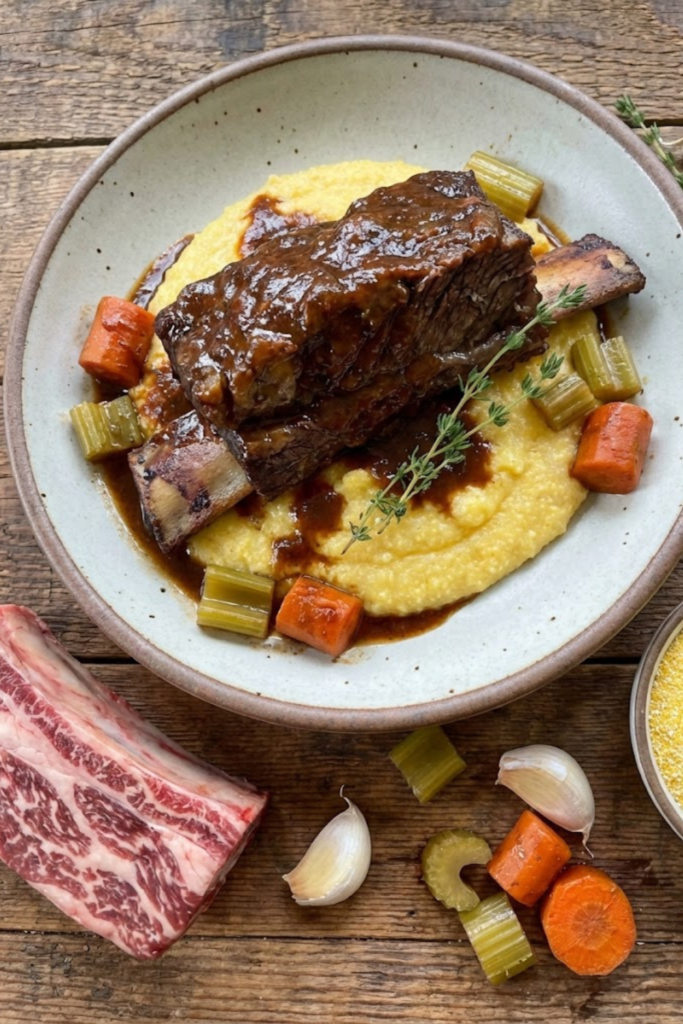
“You don’t have to cook fancy or complicated masterpieces—just good food from fresh ingredients,” the legendary Julia Child once said, and honestly, she hit the nail on the head! There is something absolutely magical about how Braised Beef Short Ribs with Creamy Polenta can turn a gloomy Sunday into a five-star dining experience right in your own kitchen. I remember the first time I tried browning these ribs; I was so worried about the “black stuff” on the bottom of the pot, not realizing that “fond” is actually liquid gold! You want that deep, savory crust because it builds the foundation for the entire sauce. It’s a slow process, sure, but the way the meat just falls away from the bone at the mere suggestion of a fork is worth every single minute of waiting. Let’s dive into how you can achieve that perfect, velvety texture and rich flavor profile in 2026!
Selecting the Best Beef Ribs for Braising
I’ve spent a lot of time in my kitchen over the years, and one thing I know for sure is that you can’t fix a bad piece of meat with a good recipe. Picking out your beef is the most important part of this whole process. When you walk up to the meat counter at the grocery store, you might see a few different things labeled as “short ribs.” Don’t just grab the first package you see! I’ve done that before and ended up with a mess that didn’t cook right at all. You want to be careful here so you don’t waste your money on the wrong cut.
Look for the English Cut
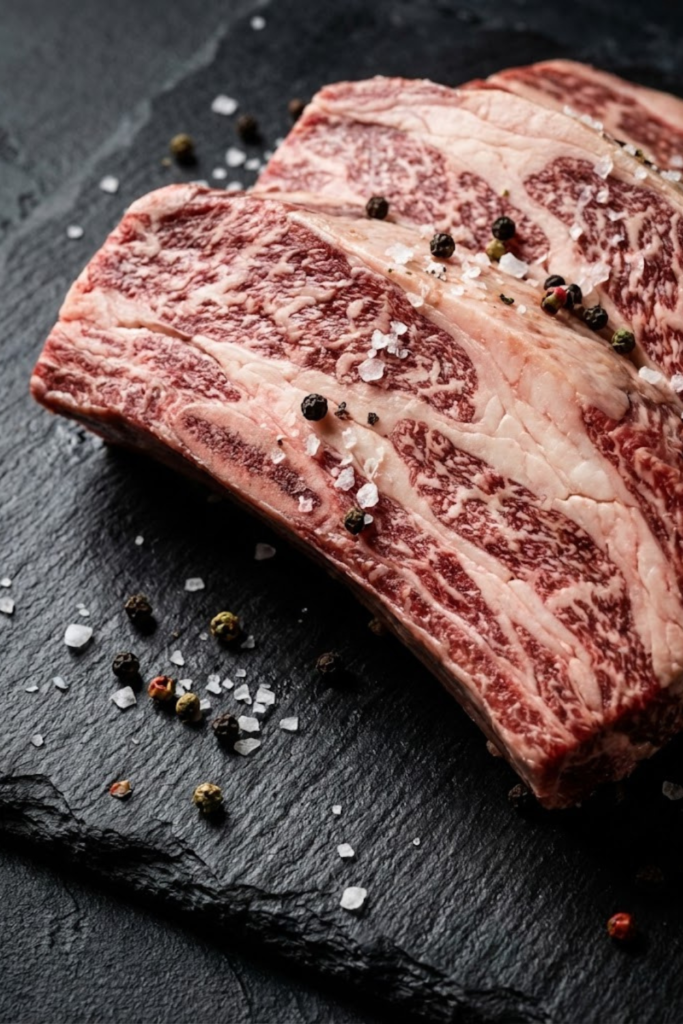
The first thing you need to check for is something called the “English cut.” This is where the butcher cuts the ribs between the bones. This gives you a nice, thick square of meat sitting on top of one single bone. These are the best for braising because they stay together during the long hours in the oven. Sometimes you will see “Flanken style” ribs. Those are sliced thin across several bones. Those are great for a quick grill, but they are a bad choice for our slow method. They will just fall apart and you’ll be left with a pot of bones and shredded meat, which is a bit of a letdown.
Why Marbling is Your Friend
Next, look closely at the red meat. You want to see plenty of those little white lines of fat running all through it. We call that marbling. I used to think fat was something to avoid, but for this recipe, fat is what makes it work. As the ribs cook, that fat melts away and makes the beef super tender and juicy. If the meat looks too lean and is just a solid red color, it will probably end up dry and chewy even after hours of cooking. You want that fat to keep things moist while it sits in the heat.
Bone-in and Proper Sizing
Try to pick out ribs that are mostly the same size. If you have one huge rib and one tiny one, they won’t be ready at the same time. I usually look for pieces that are about three inches long. Also, make sure the meat is a bright red color. If it looks a bit grey or dark, just leave it there. I also always tell my friends to get bone-in ribs. The bone adds a lot of flavor to the sauce that you just can’t get if you go boneless. It makes the gravy taste much richer in the end and it looks better on the plate!
Building a Complex Red Wine Braising Liquid
After you have browned your meat and pulled it out of the pot, you are left with all those dark, crusty bits stuck to the bottom. Whatever you do, do not wash that pot! I know it looks like a mess, but that stuff is called “fond,” and it is basically concentrated flavor. If you want a sauce that tastes like it came from a fancy restaurant, you have to treat that bottom-of-the-pan crust with a lot of respect. This liquid is the “bath” your ribs will sit in for hours, so we want to make it taste as good as possible.
Starting with the Aromatic Trio
Before we add any liquid, we need to get our vegetables going. I always use the classic mix of onions, carrots, and celery. Most chefs call this a “mirepoix,” but I just call it the flavor foundation. Toss your chopped veggies right into the same pot you used for the meat. There should be enough leftover beef fat in there to cook them down. You want to sauté them until the onions get soft and see-through and the carrots start to smell sweet. I like to add a big spoonful of tomato paste at the end of this step. Stir it around for a minute or two until it turns a dark brick-red color. This adds a layer of richness that makes the sauce taste much better later on.
The Magic of Deglazing
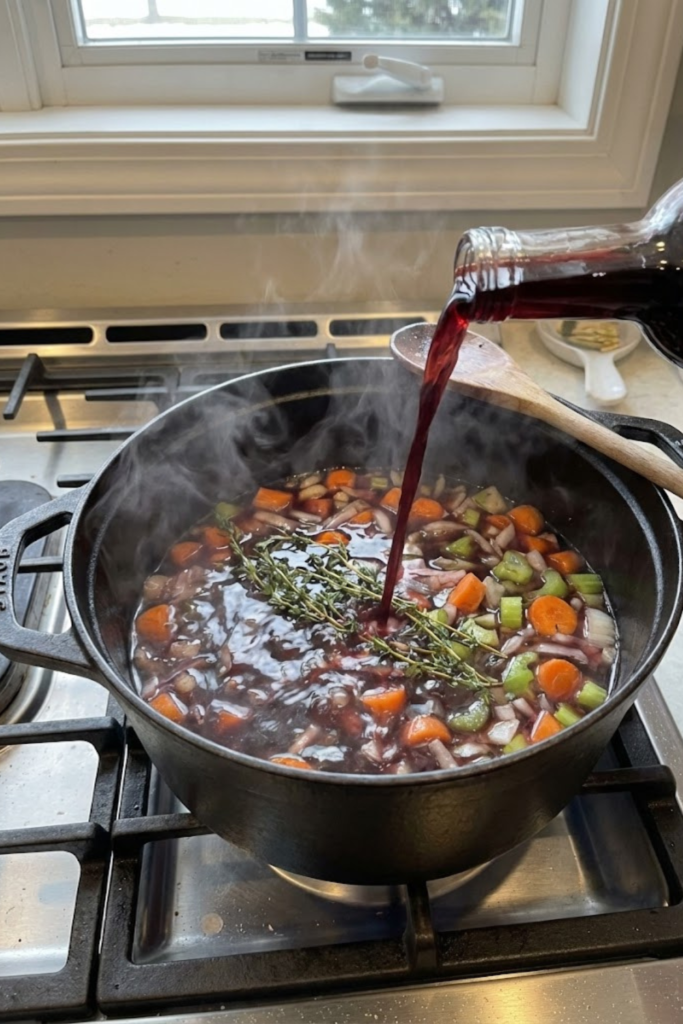
Now comes the part I love the most: pouring in the wine. I usually go for a Cabernet or a Merlot because they are dry and have a lot of body. When that cold wine hits the hot pan, it is going to hiss and steam like crazy. This is called deglazing. Use a wooden spoon to scrape up all those brown bits we talked about earlier. As the wine bubbles, it dissolves that fond and turns it into a dark, savory liquid. I usually let the wine simmer until it reduces by about half. This gets rid of the sharp alcohol taste and leaves behind a deep, fruity flavor that pairs perfectly with the beef.
Adding the Herbs and Stock
To finish the braising liquid, I throw in some high-quality beef stock and fresh herbs. Try to avoid using the dried stuff if you can find fresh bundles at the store. A few sprigs of fresh thyme, a couple of rosemary branches, and two bay leaves make a huge difference in the final smell. Just tie them together with some kitchen string so you can pull the sticks out easily before you serve. Once the pot is full of this dark, aromatic liquid, your ribs are ready for their long nap in the oven. It might look like a lot of liquid now, but it will turn into a thick, glossy gravy by the time the timer goes off.
Secrets to Perfectly Velvety Creamy Polenta
If you’ve never made polenta before, it can feel a little bit like a science experiment gone wrong. I remember my first try years ago—it turned out like a thick, grainy brick that I probably could have used to prop open a door! But when you get it right, it is the most comforting thing on the planet. It is the perfect bed for those short ribs to rest on because it soaks up all that extra gravy. People often ask me what the big secret is, and honestly, it’s mostly about being patient and having the right math in your head before you even turn on the stove.
Getting the Ratio Right
The biggest mistake I see folks make is not using enough liquid. You might see some boxes at the store say to use three cups of water for every cup of cornmeal, but in my experience, that makes it way too stiff. I always go with a four-to-one ratio. For every cup of cornmeal, I use four cups of liquid. Now, you can use plain water, but I like to mix things up to get more flavor. I usually use two cups of beef stock and two cups of whole milk. The milk makes it creamy, and the stock adds a savory punch that matches the ribs. Just bring your liquid to a boil and then turn the heat down low before you even think about touching that cornmeal.
The Slow Pour and Whisk
This is where the magic happens. You have to pour the cornmeal in a very thin stream. I mean really slow, like a tiny trickle. While you do this, you have to whisk like your life depends on it! If you dump it all in at once, you’ll get these little lumps of dry flour that never cook through. Nobody wants to bite into a ball of dry corn. Once it’s all in there, just keep stirring. You don’t have to stand there for forty minutes straight, but you should check on it every few minutes. It needs to simmer until it stops feeling gritty on your tongue. If it gets too thick before the grit is gone, just splash in a little more warm milk.
The Big Finish
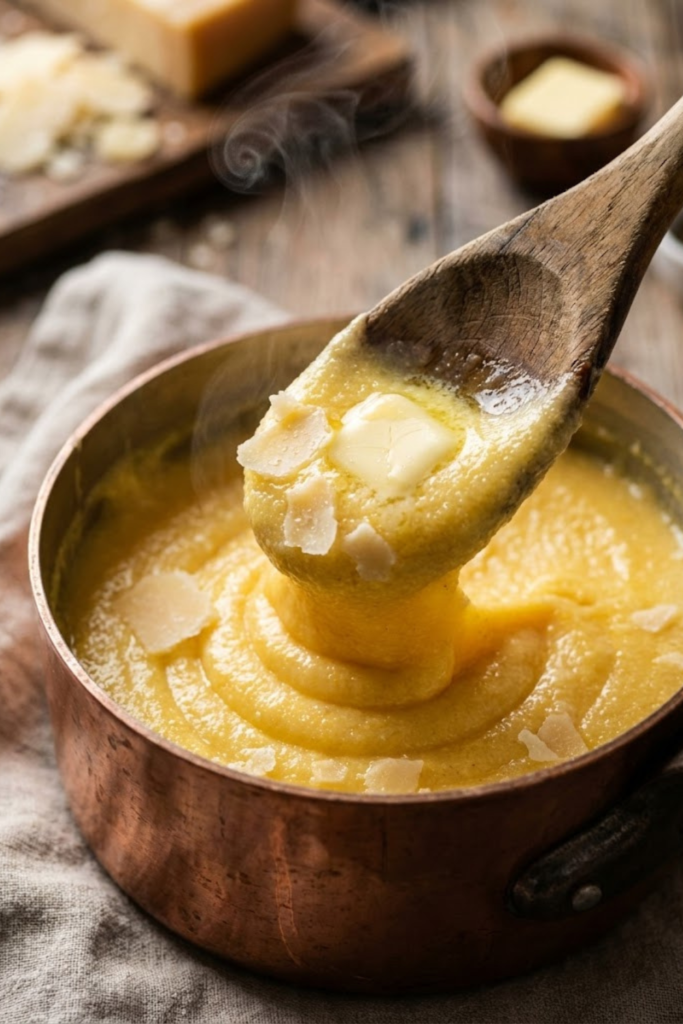
Once it’s smooth and soft, it’s time to make it indulgent. I turn off the heat and stir in a massive hunk of butter and a big handful of freshly grated Parmesan cheese. If I’m feeling extra fancy, I’ll add a splash of heavy cream too. This is what gives it that velvety finish. Don’t use the stuff from a green shaker can; get a real block of cheese and grate it yourself. It melts so much better and gives you that perfect, salty kick that cuts through the richness of the beef. It’s so good you might just want to eat a bowl of it by itself!
Temperature Control and Timing for Tender Results
I’m going to be honest with you—the hardest part of this whole recipe isn’t the chopping or the whisking. It’s the waiting. When your house starts smelling like a fancy French bistro, your stomach is going to start growling, and you’ll be tempted to crank up the heat to finish faster. Don’t do it! I made that mistake once when I was hosting a dinner party and running late. I turned the oven up to 400 degrees thinking it would save me an hour. Big mistake. The meat came out tasting like a rubber tire. Braising is all about a slow transformation, and you just can’t rush it.
The Low and Slow Rule
For the best results, you want to keep your oven at a steady 300°F (about 150°C). This is what I call the “sweet spot.” At this temperature, the tough connective tissues in the beef—the stuff that makes it chewy—slowly melt away and turn into gelatin. That’s what gives the meat that “melt-in-your-mouth” feeling we all love. If the heat is too high, the muscle fibers tighten up and squeeze out all the moisture before they have a chance to get soft. You want a gentle simmer in the pot, not a violent boil. If you see big bubbles popping like crazy, turn your oven down another twenty degrees.
Checking for Doneness
Most recipes will tell you to cook the ribs for three or four hours, but every oven is a little bit different. Instead of just looking at the clock, you should use the “fork test.” Around the three-hour mark, take the pot out and try to pull at a piece of the meat with a fork. It should slide right off the bone without any struggle. If the bone just slips out when you lift the meat, you know you’ve hit the jackpot. If there is still a little bit of “bounce” or resistance when you poke it, just put the lid back on and give it another thirty minutes. It’s better to wait a little longer than to serve beef that’s still tough.
Why You Must Let it Rest
Once you finally pull that pot out of the oven, don’t just dig in right away. I know it’s hard! But you need to let the ribs rest in their juices for about fifteen to twenty minutes. This lets the meat relax and soak back up some of that delicious braising liquid. If you cut into it immediately, all those juices will just run out onto the plate and the beef will end up feeling dry in your mouth. Just leave the lid on and let it sit on the counter while you finish up your polenta. Trust me, it makes a huge difference in how juicy the final bite is!
Bringing It All Together for the Perfect Meal
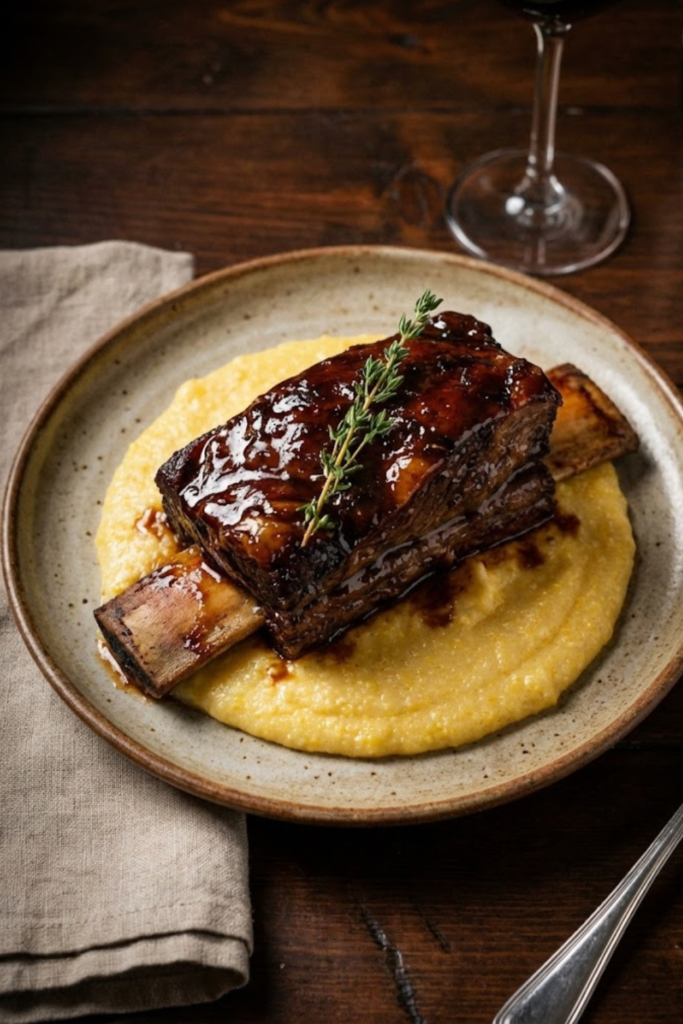
Well, we finally made it to the best part! After all that waiting and those amazing smells filling up every corner of your house, you finally have a plate of food that looks like a real masterpiece. I know it seems like a lot of steps when you first read through a recipe like this, but once you actually get that pot into the oven, most of the hard work is totally behind you. It’s really just about the prep and having the patience to let the heat do its thing. There is nothing quite like sitting down to a meal where the meat is so soft you don’t even need a sharp knife to eat it. I remember one time I made this for my parents, and my dad actually thought I had ordered it from the fancy steakhouse downtown! That’s the kind of win we are looking for here.
Let’s just look back at the big things we talked about today. You have to start with those English-cut ribs because that marbling is where all that juicy flavor lives. Don’t ever skip the step where you brown the meat—that dark crust on the bottom of the pot is what makes your sauce taste like a million bucks. And honestly, that red wine reduction is your secret weapon. It gives the whole dish a depth that water or just plain stock just can’t touch. Then you have that creamy polenta, which is basically the perfect soft pillow for the beef and gravy. If you keep your oven low and don’t try to rush the clock, you are going to have a perfect dinner every single time you make this.
One of my favorite things about this meal is actually the leftovers. If you happen to have any meat left the next day, you can shred it up and put it over some pasta or even make a really good sandwich. The flavors usually get even better after they sit in the fridge for a night. It’s like the wine and the beef juices finally finish their conversation and become best friends. I really hope this guide helps you feel more confident when you stand at your stove. Cooking should be fun, even if it takes all afternoon! If you ended up making this and loved it, please do me a huge favor and share this recipe on Pinterest. it helps other people find these tips and lets me keep sharing my kitchen adventures with you all. Now, go grab a fork and enjoy that meal—you definitely earned it!