Did you know that Americans consume roughly 300 million sandwiches every single day? Honestly, I think I’m responsible for about half of those, especially when I’m making my favorite beef steak sandwich. There is just something so primal and satisfying about biting into tender, seasoned beef tucked into a warm, crusty roll. It’s the ultimate comfort food for me!
I remember the first time I tried to make one of these at home. It was a total disaster because I used a cheap cut of meat that was tougher than a literal shoe. My family tried to be nice, but we all ended up with sore jaws. Since then, I’ve spent years perfecting the art of the beef steak sandwich, and I’m so stoked to share what I’ve learned with you today! We’re going to talk about the meat, the bread, and those little secrets that make a sandwich go from “okay” to “legendary.”
Picking the Best Cut of Meat
Getting the right meat is the most important part of making a beef steak sandwich. If you mess this up, you might as well just eat a piece of cardboard. Believe me, I’ve done it! When I first started cooking these for my family, I just grabbed whatever was cheap at the store. One time I bought “stew meat” thinking it would be fine since it was beef. It was not fine. It was like chewing on a giant rubber band.
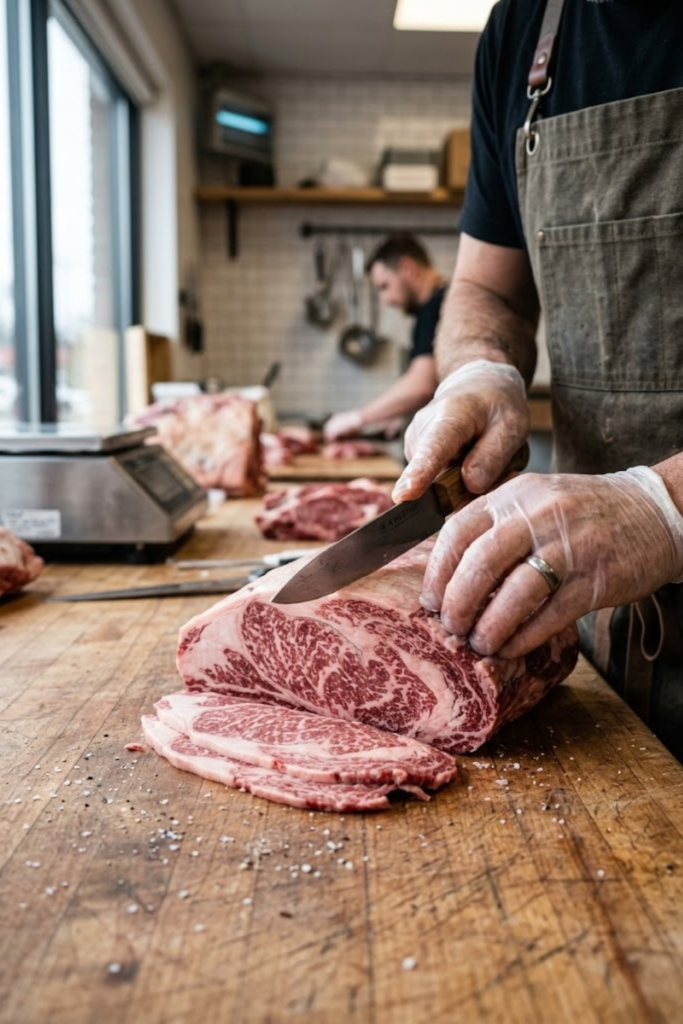
As a teacher, I tell my students that prep work is everything. The same rule applies to your steak. You want something that has some fat in it. Fat is where the flavor lives! If the meat is too lean, it gets dry and tough really fast. You want to look for “marbling,” which are those little white lines of fat running through the red meat. When that fat hits the hot pan and melts, it makes the sandwich so juicy.
The Ribeye King
If you have a few extra bucks, ribeye is the way to go. It’s the absolute best choice for a beef steak sandwich. It has the most fat, which means it stays tender even if you overcook it a tiny bit by mistake. I usually look for the ones on sale and then stock up my freezer. When you cook ribeye, the smell alone will bring all the neighbors to your kitchen. It’s just that good.
Lean and Mean Sirloin
If ribeye is too pricey, don’t worry. Top sirloin is a great second choice. It’s a bit leaner, so you have to be careful not to cook it until it is a literal brick. I like to use a little oil and salt to help keep it moist. It has a really strong beef flavor. My brother actually likes sirloin better because he thinks ribeye is too greasy, but I think he just likes to argue with me.
Slicing Like a Pro
The biggest secret is that you must slice the meat thin. If the slices are too thick, you will pull the whole piece of meat out of the sandwich with your first bite. I put the steak in the freezer for 45 minutes before I cut it. This makes it firm so it doesn’t slide around. Then, use a sharp knife to shave off thin pieces. Also, always cut against the grain. This breaks up the tough parts so the meat is easy to eat.
The Secret to the Perfect Sautéed Toppings
So, after you get your meat all sliced up and ready, you have to think about what goes on top of it. A beef steak sandwich with just meat is okay, but it’s not really great. To make it truly special, you need toppings that bring a lot of flavor to the party. I used to think I could just throw some raw onions on there and call it a day. Boy, was I wrong! My kids actually complained because the onions were too sharp and crunchy. Now, I spend almost more time on the veggies than I do on the steak itself.
The Magic of Caramelized Onions
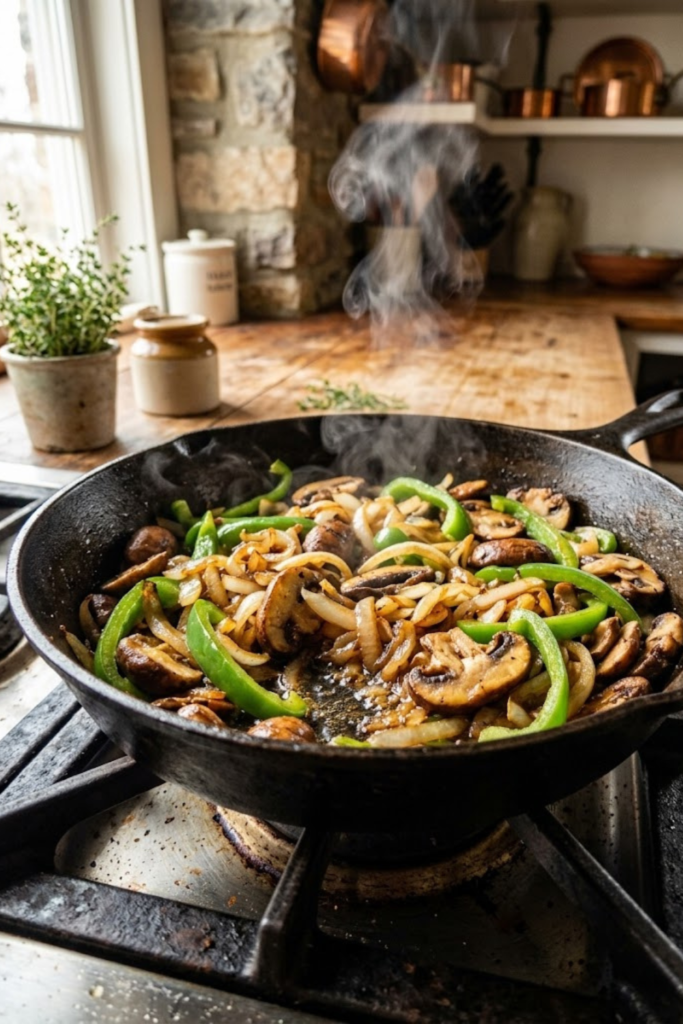
The biggest lesson you need to learn here is patience. I’m a teacher, so I know how hard it is to wait for things to happen. But with onions, you really have to go low and slow. I slice up two big yellow onions into thin rings and put them in a pan with a big glob of butter. I turn the heat down low and just let them sit there. Slowly, they start to turn brown and get really sweet. It usually takes me about 25 minutes. If you try to rush it by turning up the heat, they just burn and get bitter. I once tried to blast them on high heat because we were late for a soccer game, and I ruined the whole batch. It was a sad day for sandwiches in my house, and we ended up eating plain toast.
Peppers and Mushrooms
Besides onions, I really like using bell peppers. I usually go with green ones because they have a bit of a “zip” to them, but red ones are nice if you like things a little sweeter. I slice them into thin strips so they cook at the same speed as the meat. And don’t forget the mushrooms! I like those little white button mushrooms or baby bellas. They soak up all the beef juices like a little sponge. It’s important not to crowd the pan, though. If you put too many veggies in at once, they just steam and get soggy instead of getting that nice brown color. I learned that the hard way when I tried to cook for ten people during a backyard BBQ.
The Final Touch in the Pan
One little trick I use is adding a splash of Worcestershire sauce or even just a tiny bit of beef broth at the very end. This helps scrape up all the tasty brown bits that get stuck to the bottom of the pan. It creates a kind of “shortcut” sauce that coats everything and makes it taste like it came from a fancy restaurant. It’s so good you could almost eat the toppings by themselves with a spoon! Just make sure you don’t overcook the peppers until they turn into complete mush. You still want a tiny bit of “snap” when you bite into your sandwich so you know they are there.
Choosing Your Bread Wisely
Bread is the most overlooked part of a beef steak sandwich. Most people spend all their money on the steak and then grab a bag of cheap white bread. That is a big mistake! I always tell my students that a good building needs a strong foundation, and your sandwich is the same way. If you pick the wrong bread, your lunch is going to end up in a soggy pile on your plate. I’ve had many sandwiches fail because I didn’t think about the bread enough. One time, I tried to use a leftover hamburger bun because it was all I had. It was so thin that the meat juices just soaked right through. By the second bite, the whole thing fell apart in my hands. It was a mess, and I had to eat the rest with a fork.
The Classic Hoagie Roll
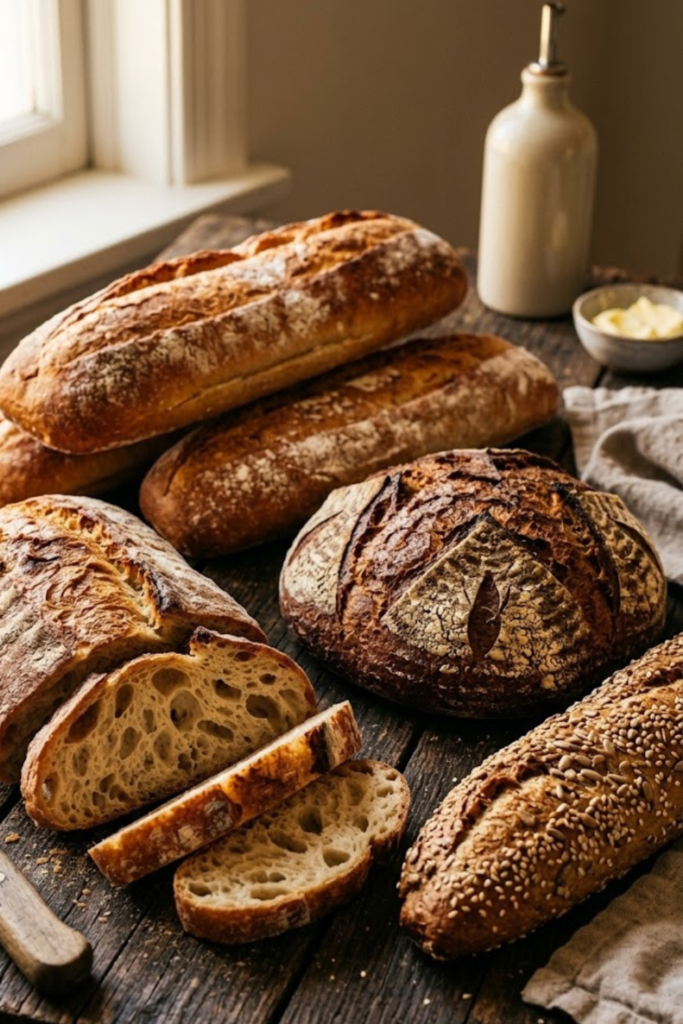
For a real beef steak sandwich, you usually want a hoagie roll. These are long and shaped like a football. In my house, we look for the soft Italian style. They are sturdy enough to hold all that heavy meat and cheese, but they aren’t so hard that they hurt your teeth. I like a roll that has a little bit of a crust on the outside but is fluffy on the inside. If you go to a local bakery, you can find them fresh. It makes a big difference compared to the stuff that sits in a plastic bag on the grocery store shelf for a week.
Going Fancy with Ciabatta
Sometimes I like to switch things up and use ciabatta. This is a flatter, wider bread that has a lot of holes in it. It’s great because it has a very crunchy crust. If you like a sandwich that has a lot of “chew” to it, this is for you. The only downside is that if you get a really crusty one, it can be hard to take a big bite. My wife likes this kind because she says it feels like we are eating at a fancy cafe.
The Secret Toasting Trick
No matter what bread you pick, you have to toast it. This is a rule in my house. I like to spread a little bit of garlic butter on the inside of the roll and put it on a hot pan for a minute. This does two things. First, it makes the bread taste amazing. Second, it creates a little shield. The toasted layer keeps the meat juices from soaking into the bread too fast. It keeps your sandwich together until the very last bite. I remember once I forgot to toast the bread for a picnic, and by the time we got to the park, the sandwiches were like wet sponges. I never made that mistake again!
The Best Cheese for a Perfect Melt
If the meat is the star of the show, then the cheese is definitely the best supporting actor in a beef steak sandwich. You can’t just skip it! I remember my first attempt at making these for a school potluck. I was so busy talking to other teachers that I forgot to buy the right cheese. I ended up using some old string cheese I found in the back of the fridge. It was a total disaster. It didn’t melt right, and it just looked like weird white worms on top of the beef. My coworkers were very polite, but I could tell they weren’t impressed. Now, I take my cheese choices very seriously.
The Great Provolone Debate
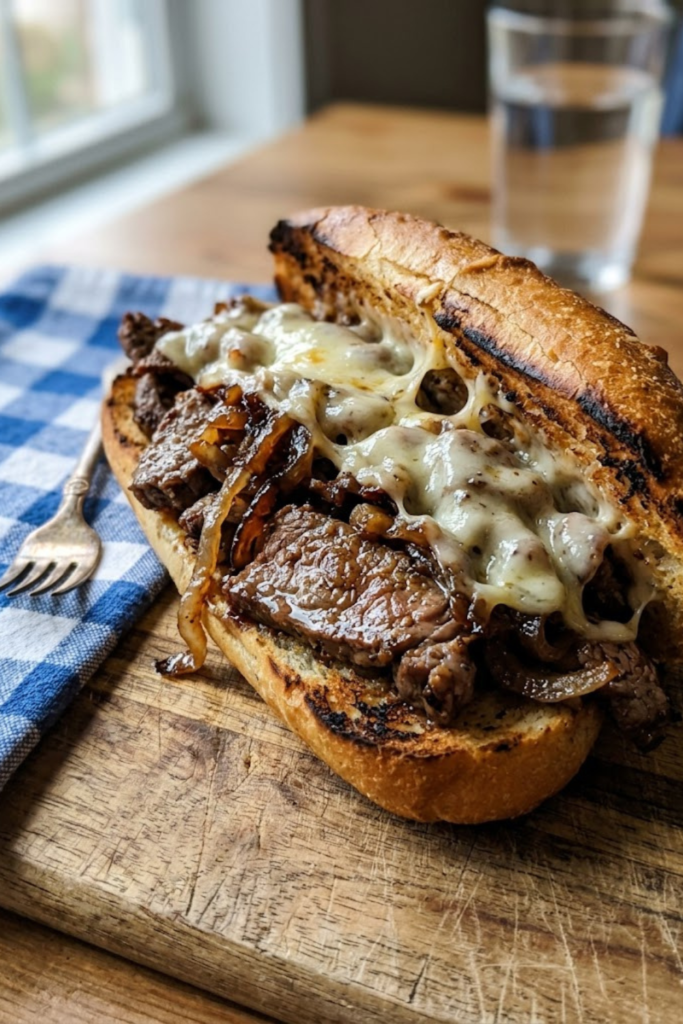
Most people think you have to use provolone for a beef steak sandwich. It’s the classic choice, and for a good reason. It has a nice, mild flavor that doesn’t hide the taste of the beef. I usually buy the “mild” kind because the “aged” version can be a bit too stinky for my kids. I like to get it sliced thin so it melts fast. One time, I bought a big block and tried to grate it myself, but it just clumped up. Slices are the way to go if you want that perfect blanket of cheese over your meat.
Why American Cheese is Actually Good
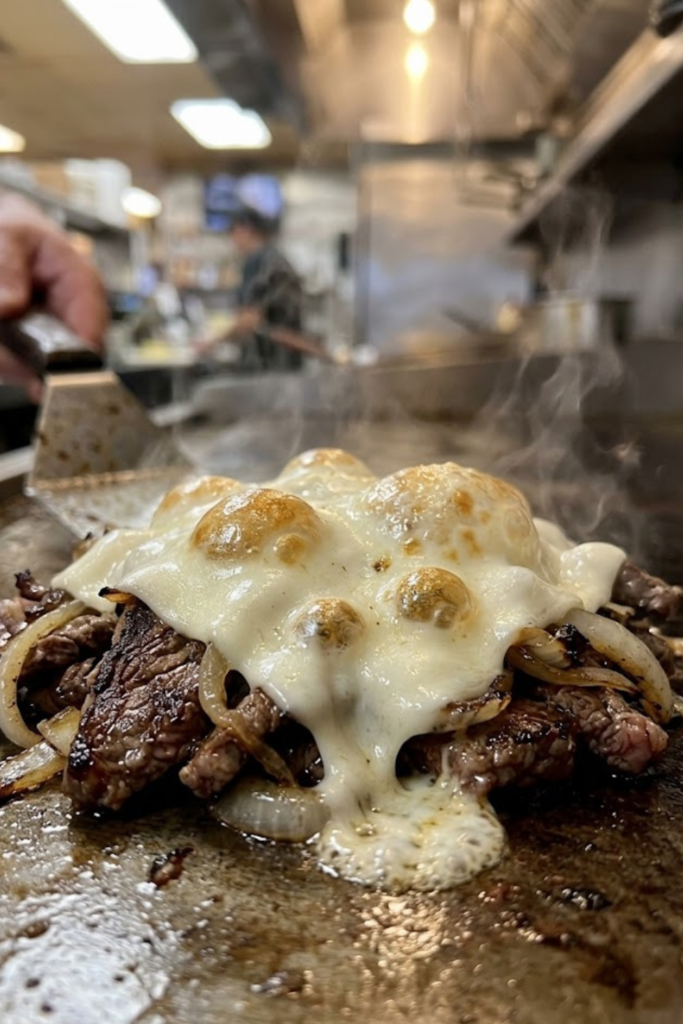
A lot of fancy cooks look down on American cheese, but I think they are wrong. When it comes to a beef steak sandwich, American cheese is a secret weapon. It melts better than almost any other cheese because of how it’s made. It gets all creamy and mixes with the steak juices to create a sort of sauce. My brother always uses white American cheese, and his sandwiches are always the most popular at our family reunions. It’s not “gourmet,” but it sure is delicious. Just make sure you get the stuff from the deli counter, not the plastic-wrapped singles that taste like nothing.
How to Get the Perfect Melt
The trick to getting the cheese just right is all about the timing. Don’t wait until the sandwich is put together to add the cheese. While the meat is still in the hot pan, I pull it into a long pile that is about the size of my bread. Then, I lay two or three slices of cheese right on top of the steaming meat. I turn off the heat and put a lid over the pan for about thirty seconds. This traps the steam and makes the cheese turn into liquid gold. If you don’t have a lid, even a piece of aluminum foil works. I learned this from a guy at a sandwich shop who saw me struggling one day. It’s such a simple move, but it makes the sandwich ten times better.
Mastering the Sizzle: How to Cook the Meat
Cooking the steak for your sandwich is the fastest part of the whole process, but it is also where most people get nervous. I’ve seen my friends try to cook steak for a big crowd and they get all frantic and start sweating over the stove. As a teacher, I always tell my students that if you are prepared, you don’t have to be scared of the test. The same thing is true for your kitchen! The biggest mistake I see is people putting cold meat into a cold pan. If you do that, the meat just sits there and leaks out all its juice. Instead of a beautiful brown crust, you end up with grey, boiled-looking beef that has no flavor. I did this once when I was trying to make a quick lunch before a parent-teacher meeting. It looked so gross I couldn’t even bring myself to eat it.
Get That Pan Screaming Hot
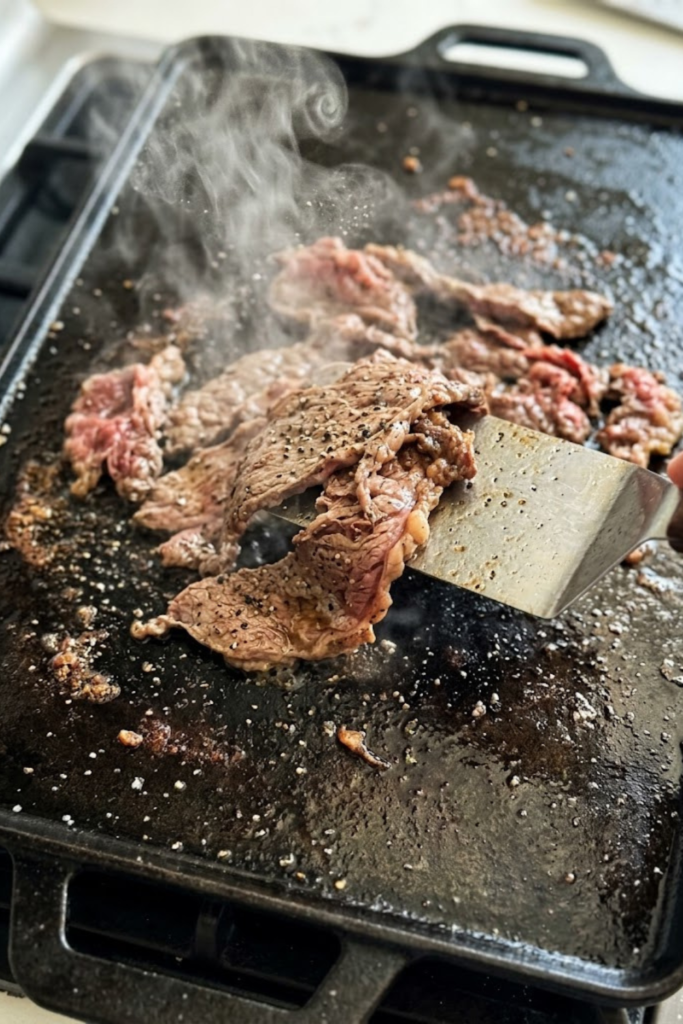
You want your pan to be very hot before the meat even touches the surface. I like to use a heavy cast iron skillet because it holds onto heat way better than those thin aluminum pans you see at the dollar store. I put a tiny bit of high-heat oil in there and wait until I see just a little bit of smoke rising up. That is the signal that it’s ready to go. When you drop the meat in, it should make a loud “hiss” sound that you can hear from the next room. If it doesn’t sizzle right away, take the meat out and wait another minute. You want to cook the steak fast so the middle stays tender while the outside gets that nice crispy flavor.
Seasoning for Success
Don’t get too fancy with the spices here. For a classic beef steak sandwich, you really just need a lot of salt and a good amount of black pepper. I like to season the meat right before it goes into the pan. If you put salt on it too early, it can draw the moisture out and make the steak dry as a bone. I once tried to use a “special” steak rub I bought at a craft fair that had a ton of sugar in it. The sugar burned instantly in the hot pan and made the whole house smell like a campfire. My wife had to open all the windows and we had the smoke alarm going off for ten minutes. It was embarrassing! Stick to the basics and let the beef be the star.
The Fast Flip Method
Since the meat is shaved so thin, it only takes about two or three minutes total to cook. I use a metal spatula to move it around constantly so it doesn’t clump together. You want every little piece of beef to touch the hot metal of the pan at some point. Don’t crowd the pan too much! If you have a lot of meat to cook for a big family, do it in two or three batches. This makes sure the temperature of the pan stays high. Once the red color is gone and you see those little brown edges, you are finished. It’s a very fast process, so make sure you have your bread and cheese sitting right next to you and ready to go!
Putting It All Together: Assembly and Final Sauces
Now we are at the most exciting part! All your hard work is about to pay off. You have the meat, the veggies, the bread, and the cheese all ready to go. But wait! Don’t just throw them together like a pile of laundry. There is an art to building a beef steak sandwich so that every bite has a little bit of everything. I’ve seen people just stack things up randomly, and then all the meat falls out one side while the onions fall out the other. It’s like a puzzle that you have to solve correctly. As a teacher, I always tell my kids that organization is the key to a good grade, and it’s the key to a good sandwich too.
The Sauce Situation
Before the meat hits the bread, you have to decide on your sauce. Some people like it plain, but I think a little extra moisture helps a lot. I’m a big fan of a simple garlic mayo or even a little bit of spicy mustard. One time, I tried to make a super fancy horseradish sauce because I saw it on a cooking show. I used way too much horseradish and my eyes wouldn’t stop watering for an hour! I couldn’t even taste the beef. Now, I stick to a light spread of mayo on both sides of the toasted roll. It adds a nice creamy texture that goes great with the savory meat. If you like a little heat, a dash of hot sauce right on the bread is a good move too.
How to Layer for Success
The order you put things in matters more than you think. I like to start with a thin layer of sauce on the toasted bread. Then, I take that big pile of cheesy meat and veggies we made in the pan and slide it right onto the roll. Try to keep the meat in the middle so it doesn’t spill over the edges. If you have extra juices in the pan, don’t throw them away! Use a spoon to drizzle that “liquid gold” over the top of the meat. This is what makes a beef steak sandwich go from “okay” to “wow.” I remember a lunch I had at a deli where they dipped the whole sandwich in juice. It was messy, but man, it was good.
Don’t Forget the Napkins
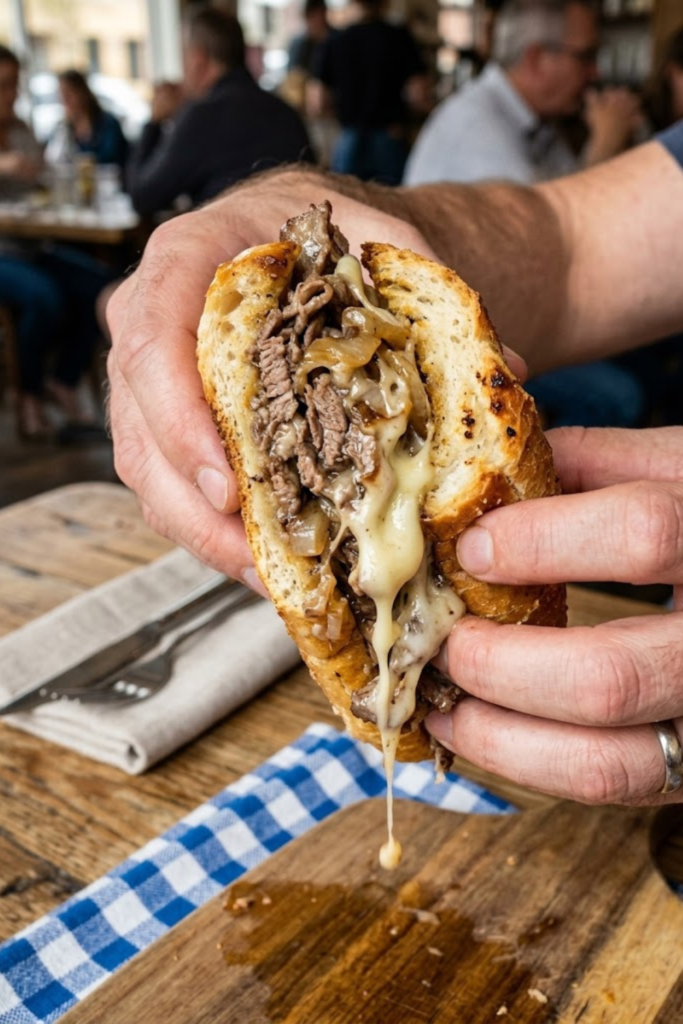
My final piece of advice is to have a big stack of napkins ready. A real beef steak sandwich should be a little bit messy. If your hands are clean at the end, you probably didn’t put enough juice or cheese on it! I always make sure my family has plenty of paper towels before we sit down. One time, I forgot to put napkins out and my youngest son wiped his greasy hands right on his clean school shirt. My wife wasn’t very happy about that, and I had to do an extra load of laundry. So, take it from me—be prepared for the mess. It’s part of the fun of eating something this delicious!
Final Thoughts and How to Serve Your Masterpiece
Well, we finally made it to the end of our sandwich journey together. I hope you are feeling hungry because I definitely am! Making a beef steak sandwich is one of those skills that you will use for the rest of your life. Whether you are making a quick lunch for yourself on a Saturday or feeding a whole group of noisy kids after a big game, this recipe always hits the spot. I have made this hundreds of times in my own kitchen, and every single time I take that first bite, I remember why I love cooking so much. It is not about being a perfect chef or having a fancy kitchen; it is about making something that tastes good and makes the people around you feel happy.
What to Serve on the Side
When you have a sandwich this big and juicy, you need the right sides to go with it. In my house, we almost always go with some crispy french fries or maybe some thick-cut potato chips. The crunch of the chips really goes well with the soft bread and tender meat. If you want to feel a little bit healthy, you can make a quick coleslaw or just put some pickles on the plate. I remember one time I tried to serve this with a fancy kale salad, and my son looked at me like I was crazy. He told me, “Dad, a steak sandwich needs a potato!” and honestly, he was right. Stick to the classics and you can’t go wrong.
Making Memories at the Table
As a teacher, I spend a lot of time thinking about how we learn things. I think some of the best lessons happen around the dinner table. When I put a big platter of these sandwiches down, everyone stops looking at their phones and starts talking. We talk about school, sports, and whatever else is going on. That is the real power of a good beef steak sandwich. It brings people together. I’ve had many long talks with my kids over a messy plate of steak and onions. Even if you mess up the meat a little bit or burn the bread, the fact that you made it yourself is what matters most.
Share the Love on Pinterest
I really hope you give this a try soon. If you do make it, please take a picture of your creation! I would love to see how your cheese melted or what kind of bread you chose to use. If you found these tips helpful, please share this article on Pinterest. It helps other home cooks find these secrets and it helps me keep sharing my favorite recipes with all of you. Cooking should be fun and not a chore, so don’t be afraid to get a little messy in the kitchen. Now, go grab your apron and get that pan hot!