I still remember the first time I stood in line at a window in South Philly, freezing my tail off just for a sandwich. Did you know that over 30 million cheesesteaks are eaten in Philadelphia alone every single year? That is a lot of meat and cheese! I used to think I could just throw some steak in a pan and call it a beef Philly cheesesteak sandwich, but man, was I wrong.
My first attempt at home was a total disaster—the meat was tough as a boot and the bread turned into a soggy mess. I felt so frustrated that I almost gave up on making them forever! But after years of practice and some helpful tips from a local cook, I finally figured out the trick. If you want that authentic taste without the plane ticket, you have come to the right place.
The Secret is the Steak: Choosing and Slicing Ribeye
I have spent many years trying to get my beef Philly cheesesteak sandwich to taste like the ones you get from those famous stands in Philadelphia. For a long time, I thought the secret was in the sauce or maybe the bread, but I was wrong. It is all about the meat. If you do not start with the right cut of beef, your sandwich is going to be a disappointment. I learned this the hard way after serving my family many “steak” sandwiches that were actually just chewy and dry. It was pretty embarrassing when my kids asked if I was cooking with old shoes!
Why I Only Use Ribeye Now
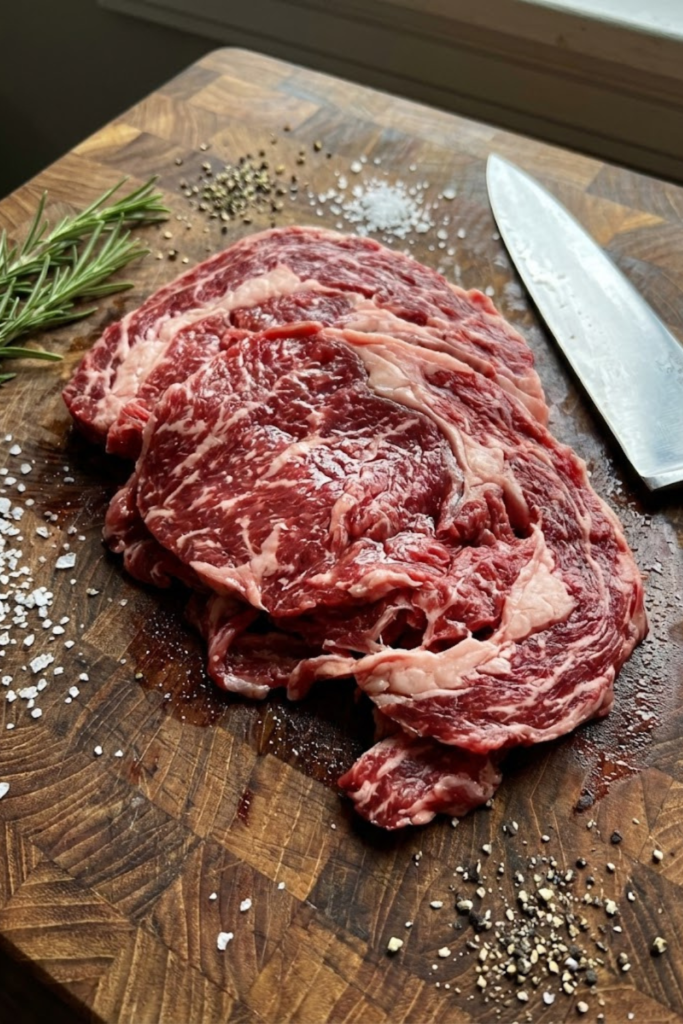
When you are looking for that perfect bite, you have to go with ribeye. I know it costs a bit more than other cuts like sirloin, but there is a big reason for that price tag. Ribeye has what we call “marbling,” which is just a way of saying it has fat mixed in with the meat. When that meat hits a hot pan, the fat melts and creates its own juice. I once tried to save some money by using a lean round steak. Let me tell you, it was a huge mistake! The meat became tough and my teeth actually hurt from trying to chew it. To get a juicy beef Philly cheesesteak sandwich, you need that fat content that only ribeye provides.
The Magic 45-Minute Freezer Rule
One of the biggest problems I had early on was trying to cut the meat thin enough. Even with a sharp knife, raw meat is squishy and slides all over the place. I used to get so frustrated that I would just chop it into big chunks, which is totally wrong. A friend who works in a deli told me a secret: put the meat in the freezer for about 45 to 60 minutes before you start. You do not want it frozen solid like a brick, just firm enough to hold its shape. This makes a huge difference. When the meat is firm, you can shave off slices that are paper-thin.
Slicing Thin for That Authentic Feel
Once your meat is chilled, you want to slice it across the grain. Look for the lines in the meat and cut across them. This makes the fibers short so the meat stays tender. You want these slices to be so thin they almost look like lace. When these thin bits hit the hot griddle, they cook in seconds and soak up all the flavor from the pan. This is how you get that soft, melt-in-your-mouth texture that makes a beef Philly cheesesteak sandwich so famous. Trust me, take your time with the prep and don’t rush the slicing part. Your sandwich will turn out amazing if you just follow these simple steps.
The Great Cheese Debate: Whiz, Provolone, or American?
If you want to start a real fight in Philadelphia, just ask three people what kind of cheese belongs on a beef Philly cheesesteak sandwich. You will get three different answers and maybe a few dirty looks! When I first started making these at home, I was a total cheese snob. I thought putting processed cheese on good steak was a crime. But after trying different things in my own kitchen, I realized that the “best” cheese is really just about what makes you happy when you take that first bite. I have tried them all, and they each bring something different to the table.
The Famous Cheez Whiz
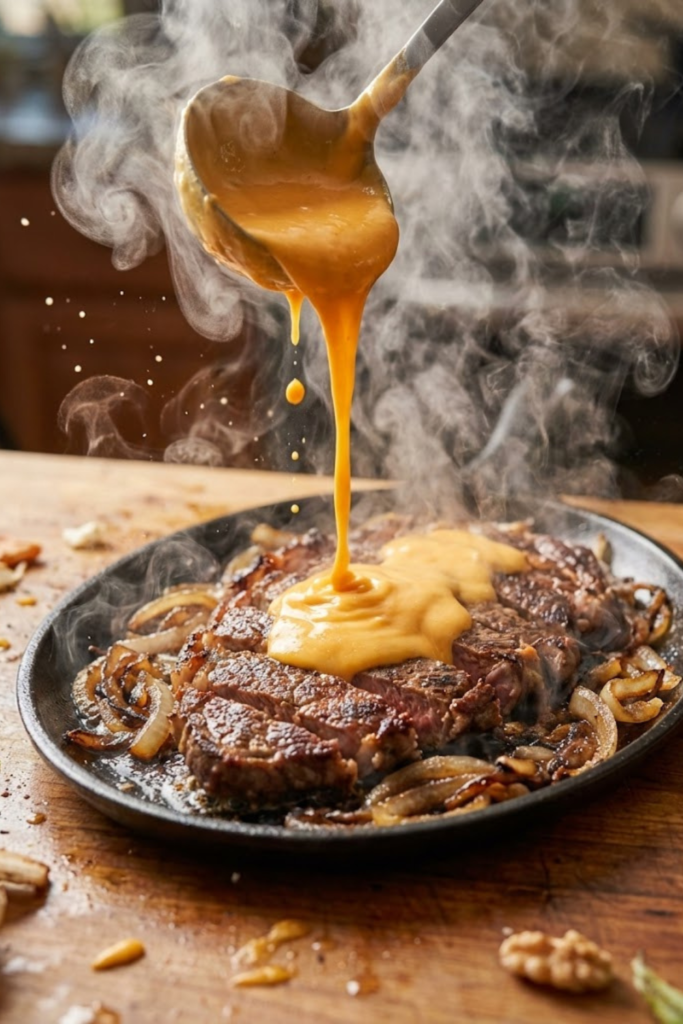
Let’s talk about the orange stuff in the jar. If you go to the famous spots in South Philly, they will ask if you want it “Whiz Wit” or “Whiz Witout.” This just means with or without onions. At first, I was pretty grossed out by the idea of cheese from a jar. But then I tried it on a hot sandwich. The thing about Whiz is that it stays liquid. It gets into all the little cracks of the meat and creates this creamy sauce that nothing else can really copy. It is very messy, but man, it is delicious. If you want that classic street-food feel, this is the way to go. Just don’t wear a white shirt while you eat it!
Provolone vs. White American
If you aren’t a fan of the jar cheese, your next best bets are Provolone or White American. I usually tell my friends to use a mild Provolone. Don’t get the “extra sharp” kind because it can taste a bit funky when it melts and it might overpower the beef. White American cheese is actually what many locals prefer because it melts really smoothly without getting oily. I used to use Swiss because I thought it was similar, but that was another big mistake I made. Swiss is too dry and doesn’t stretch right! Stick to American if you want that creamy, salty finish that balances the beef.
How to Melt it Right
The biggest trick I can give you as a teacher is what I call the “blanket” method. Don’t just throw cold cheese on a bun and hope for the best. While the meat is still in a pile on your pan, lay the cheese slices right on top of the beef. I like to splash a tiny bit of water next to the meat and then cover the whole thing with a metal lid for about twenty seconds. The steam melts the cheese instantly into every single piece of beef. Then, you slide your open roll right on top of the cheese pile and scoop the whole thing up with a big spatula. This way, the cheese is melted through the whole beef Philly cheesesteak sandwich, making every bite perfect.
The Perfect Roll: Why Bread Choice Can Make or Break Your Sandwich
I have seen so many people work hard on their beef Philly cheesesteak sandwich only to ruin it at the very last second. They spend all that money on ribeye and then they buy a pack of cheap, soft hot dog buns from the grocery store. It breaks my heart! As a teacher, I always tell my students that a house is only as strong as its foundation. In the sandwich world, that foundation is the bread. If your bread is too soft, the juice from the meat will turn it into mush. If it is too hard, you will lose all the meat out the back when you take a bite. It is a tricky balance to find, but once you get it right, everything clicks.
Finding the Right Crust
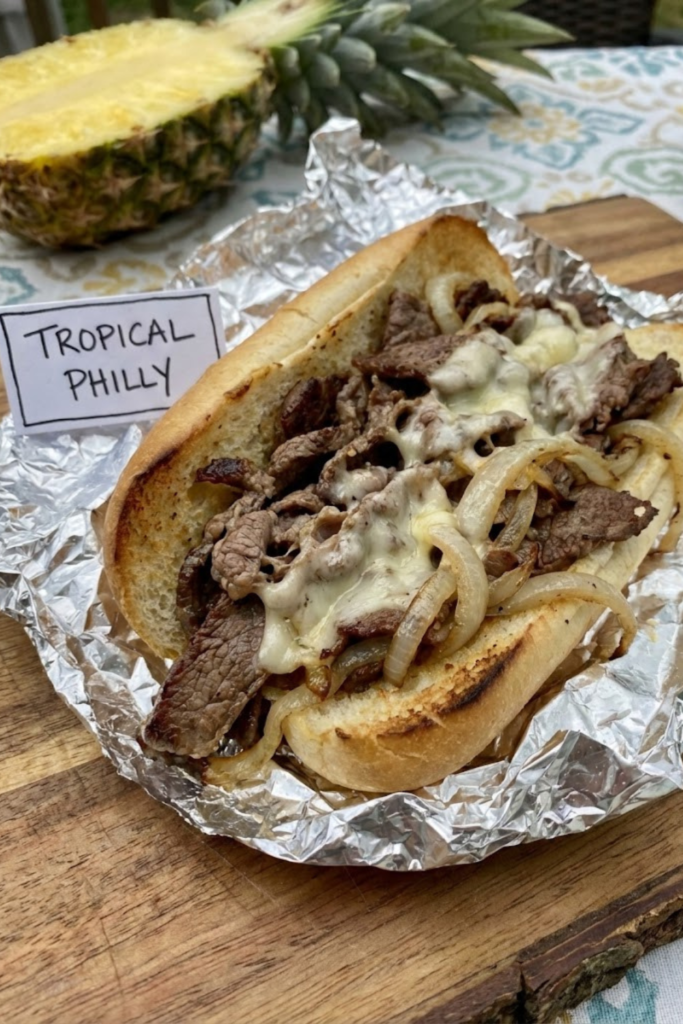
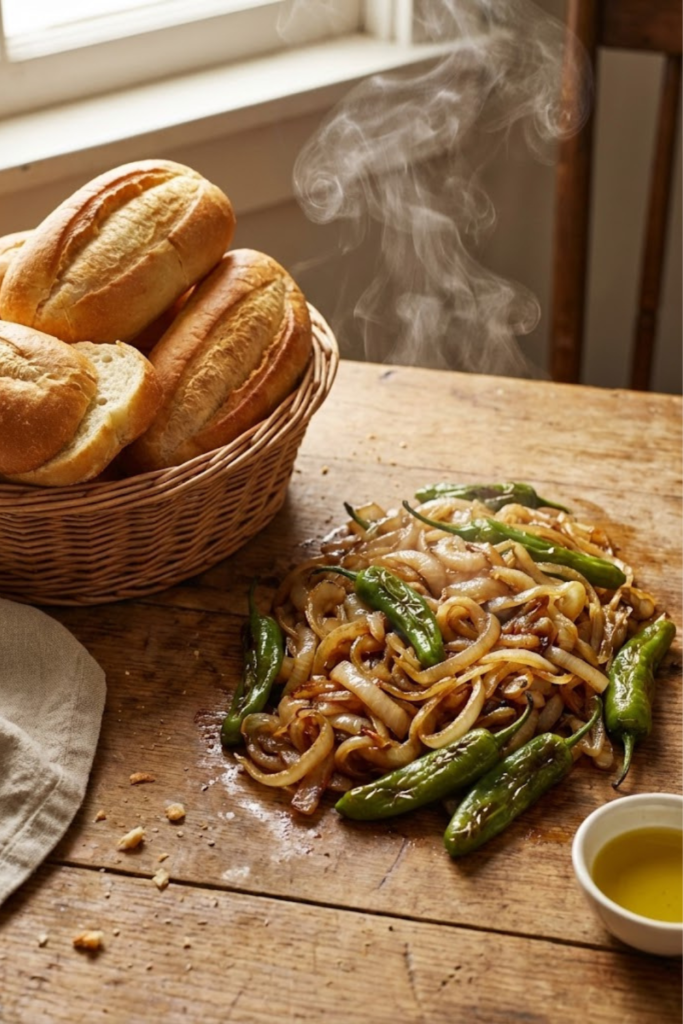
In Philadelphia, the gold standard is the Amoroso roll. These rolls are famous because they have a thin, slightly crunchy outside and a very soft inside. I used to think people were just being dramatic about a brand of bread, but then I tried to use a French baguette for my beef Philly cheesesteak sandwich. I almost broke a tooth! A baguette is way too tough for this. You want a “hoagie” roll that has some heart to it. If you can’t find the Philly brands, look for something labeled as a “long Italian roll” at your local bakery. Give it a gentle squeeze; it should bounce back like a sponge, not stay squished or feel like a rock.
Toppings—Wit or Witout?
Now, we have to talk about the veggies. Some people say a real beef Philly cheesesteak sandwich only has onions. Others like to add green peppers and mushrooms. I personally love onions and peppers because they add a little sweetness that cuts through all that heavy fat and cheese. I made the mistake once of putting raw onions on my sandwich because I was in a rush. Please, do not do that! You have to cook them down until they are brown and soft. I like to cook my onions and peppers on the side of the griddle while the meat is browning. That way, the flavors don’t just mix together too early; you want to taste each part of the sandwich.
Toasting for Success
The final step that most people skip is toasting the roll. I used to just pull the bread out of the bag and pile the meat on. But a cold roll makes the whole meal feel cheap. Instead, I like to open the roll and spread a tiny bit of butter or even some of the beef fat on the inside. Put it face down on the pan for just a minute until it gets golden brown. This creates a little shield that stops the bread from getting soggy from the meat juice. It also makes the bread smell amazing. Whenever I do this for my friends, they always ask what my secret is. It is just a little bit of heat and patience!
Mastering the Griddle: How to Cook it Like a Pro
I have to be honest with you—cooking a beef Philly cheesesteak sandwich at home can be a bit of a smoky mess if you aren’t ready for it. When I first started out, I tried to cook everything in a tiny little non-stick frying pan. I thought it would be easier to clean up, but I was so wrong. The meat just sat there and boiled in its own juices because the pan wasn’t hot enough. It looked grey and sad, and it definitely didn’t taste like the real thing. I learned that you really need some serious heat and a bit of space to move the food around. Now, I use a big cast-iron skillet or a flat-top griddle if I am cooking for the whole family.
Get the Heat Right
The biggest mistake I ever made was being afraid of a little smoke. You want your pan to be really hot before the meat even touches it. If the meat doesn’t sizzle the second it hits the metal, you should just take it out and wait a few more minutes. I like to use a tiny bit of oil with a high smoke point, like vegetable oil, because butter will just burn and taste bitter. Once that pan is screaming hot, spread your thinly sliced ribeye out in a flat layer. Don’t touch it for at least a minute! You want it to get those brown, crispy edges that give the beef Philly cheesesteak sandwich its amazing flavor.
The Chop and Toss
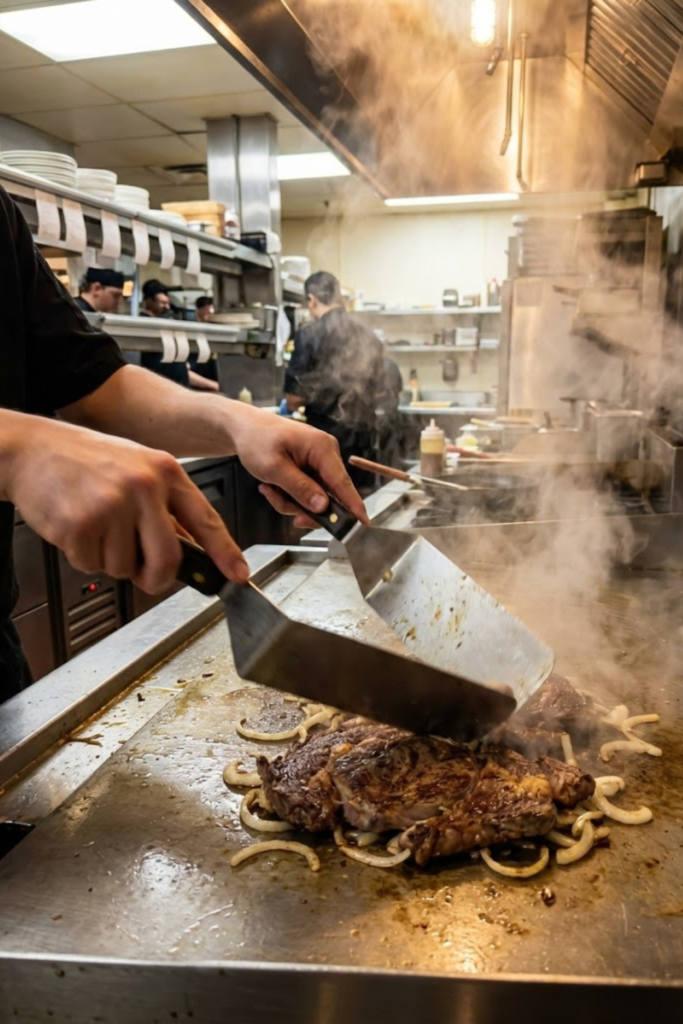
In Philly, you will see the cooks using two metal spatulas to “chop” the meat while it cooks. I used to think they were just doing it to look cool or be fast, but there is a reason for the madness. Chopping the meat helps it cook evenly and creates more surface area for the cheese to stick to later. I bought myself a couple of sturdy metal spatulas just for this. Anyway, as the meat browns, I toss in my pre-cooked onions and peppers. I like to mix them right into the beef so every single bite has a bit of everything. It’s a bit loud and messy, but it makes me feel like a professional chef in my own kitchen.
Making the Meat Pile
Once the meat is mostly cooked through—which only takes about three or four minutes if you sliced it thin enough—you want to move it into a long pile. Try to make the pile about the same length as your bread roll. This is the part where you add your cheese and let it melt down into the beef. I used to just throw the meat on the bread and then put cheese on top, but then the cheese just sits on the bread instead of coating the steak. By making a “meat pile” on the griddle, you make sure the cheese acts like a glue that holds the whole beef Philly cheesesteak sandwich together. It’s a total game-changer for the texture!
Common Mistakes to Avoid for the Perfect Sandwich
I have seen a lot of people get so excited about making a beef Philly cheesesteak sandwich that they start rushing. When you rush, you make mistakes that can ruin a perfectly good piece of ribeye. I always tell my students that cooking is about the journey, not just the destination! One of the biggest blunders I see is overcrowding the pan. If you try to cook four sandwiches worth of meat in one small skillet, the temperature drops too fast. Instead of searing, the meat just steams in its own grey juices. It’s better to cook in smaller batches so you get that nice brown crust on every single piece of beef.
Don’t Skimp on the Seasoning
Another thing I noticed is that people are sometimes afraid of salt. Since there are so few ingredients in a beef Philly cheesesteak sandwich, each one has to work really hard. If you don’t season the meat while it’s hitting the hot metal, the whole sandwich will taste flat. I used to just sprinkle a little salt at the very end, but that was wrong. You want to salt the meat as it’s browning so it really gets in there. I also like to add a bit of black pepper and maybe a tiny dash of garlic powder. Don’t go overboard with fancy spices, though. You want the taste of the beef and cheese to be the stars of the show!
The Soggy Bread Syndrome
I mentioned bread earlier, but the way you assemble the sandwich is just as important. A common mistake is letting the cooked meat sit in the pan for too long after you’ve added the cheese. If you let it sit, the grease starts to separate and it will soak right into your roll, making the bottom fall out. Nobody likes a sandwich that disintegrates in their hands! As soon as that cheese is melted, you need to get it onto the bread. I always have my rolls prepped and sitting right next to the stove so I can move fast. It takes a little practice to get the timing right, but your hands will learn the rhythm after a few tries.
Avoid Using Cold Meat
One last tip I give to everyone is to let your meat sit out for about ten or fifteen minutes after you slice it. If you take meat straight from the fridge and throw it onto the griddle, it’s going to shock the pan and lower the heat. I learned this the hard way when my steak came out tough even though I bought the expensive ribeye! By letting it come closer to room temperature, it cooks much faster and stays way more tender. It’s these little things that separate a “okay” sandwich from one that people will talk about for weeks. Just take a breath, stay organized, and watch the magic happen.
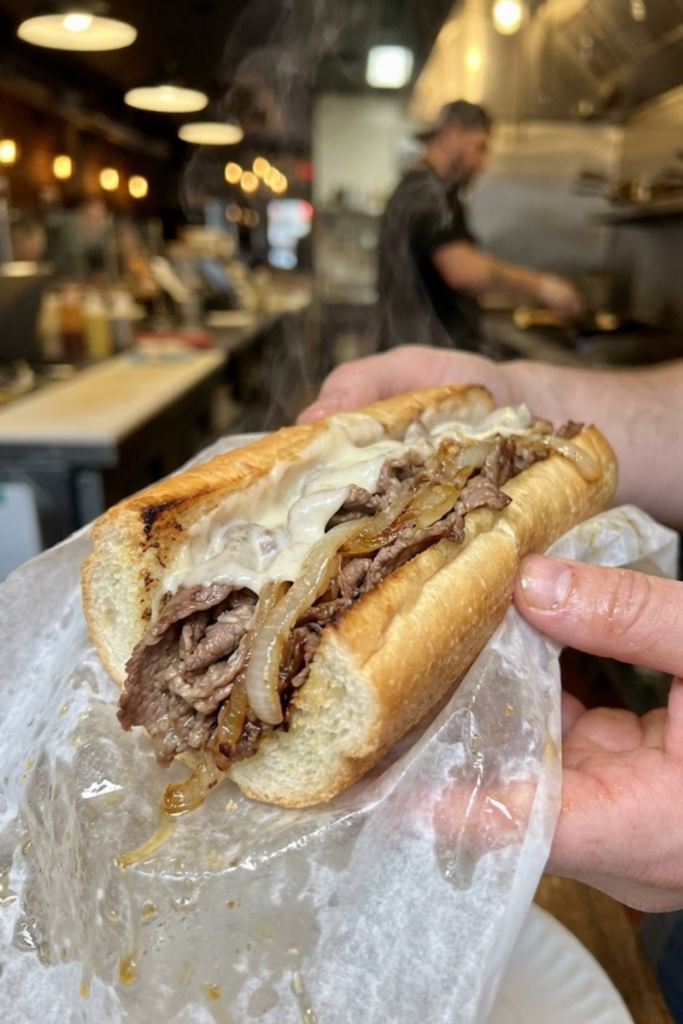
Bringing the Philly Experience to Your Table
There is just something about a beef Philly cheesesteak sandwich that makes everyone happy. I have been teaching for a long time, and I always tell my students that the best lessons are the ones you can actually use in real life. Cooking this sandwich is a skill that will make you the hero of any backyard party or game day. I remember the first time I made one that actually tasted like the real thing. I felt like I had won a trophy! It took a lot of trial and error—and a lot of burnt onions—to get here, but seeing my family smile while they eat is worth every bit of work.
Why the Effort is Worth It
When you are getting ready to serve your masterpiece, remember that presentation matters, even for street food. I like to wrap my sandwiches in a bit of parchment paper or aluminum foil for a few minutes before serving. This might seem strange, but it lets the heat from the meat soften the bread just a tiny bit more. It also keeps everything together so it doesn’t fall apart on the plate when you take that first huge bite. I usually serve mine with some simple potato chips or maybe some crispy french fries if I am feeling fancy. But honestly, the sandwich is so filling on its own that you don’t really need much else on the side.
Final Thoughts for Your Kitchen
I hope this guide helps you feel more confident in the kitchen. Don’t be afraid to make a mess or get a little grease on your apron. That is part of the fun of cooking! If you follow the steps about freezing the ribeye and choosing the right roll, you are already halfway to a perfect meal. Just keep practicing and don’t get discouraged if your first attempt isn’t perfect. Even the best chefs in Philadelphia had to start somewhere, and they probably made a few soggy sandwiches along the way too.
Share the Love
If you found these tips helpful and you are excited to try this at home, please share this article on Pinterest! It helps me out a lot and lets other people find these simple tricks for making a great meal. I would love to hear how your sandwich turned out or if you found a cheese combination that you like even better than the classics. It is always fun to see how different people put their own spin on a classic dish. Happy cooking, and I hope your next meal is the best one yet!