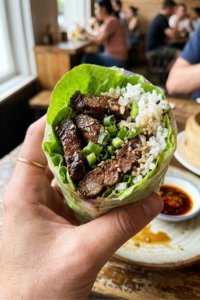
I’ve gotta tell ya, there’s nothing quite like the sound of steak hitting a hot pan! Did you know that “fajita” actually comes from the Spanish word “faja,” meaning a belt or girdle? It refers to the skirt steak, which was the original cut used for this classic dish. I used to struggle with making a beef fajita wrap that didn’t turn into a soggy mess, but after years of trial and error in my own kitchen, I’ve finally cracked the code! Whether you’re looking for a fast Tuesday night meal or a healthy lunch option, these wraps are a total game-changer for your weekly rotation. Let’s dive into how to get that restaurant-quality sizzle right at home!
Choosing the Best Steak for Your Beef Fajita Wrap
So, you are standing in the middle of the grocery store meat aisle and you feel totally lost. I have been there! It is honestly pretty confusing with all those labels and prices staring back at you. When you want to make a killer beef fajita wrap, the meat you pick is the most important part of the whole process. If you grab the wrong thing, you will end up with a wrap that feels like you are chewing on a piece of old luggage. Trust me, I made that mistake for my family years ago, and we ended up ordering pizza because the steak was just too tough to eat. As a teacher, I always tell my students that preparation is everything, and that is definitely true for your dinner tonight too!
The Classic Pick: Skirt Steak
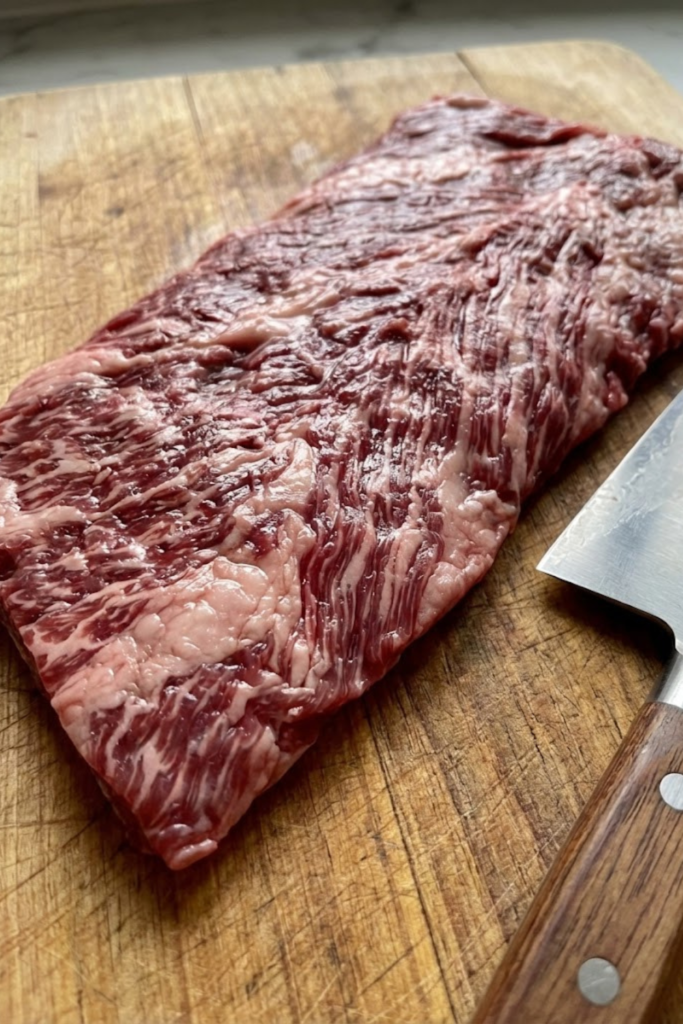
If you want that real, smoky flavor you get at those fancy Mexican restaurants, you really should look for skirt steak. This is the “O.G.” choice. It comes from the plate of the cow, and it has these long, beautiful fibers that soak up marinade like a sponge. It has a lot of fat mixed in, which we call marbling. That fat is your friend because it melts and makes everything juicy. Now, there is “inside” and “outside” skirt. If you can find the outside kind, grab it! It is usually more tender, though it might cost a few extra bucks. Just watch out because it is thin, so it cooks fast. Do not walk away from the stove to check your phone, or you will burn it!
The Leaner Buddy: Flank Steak
Maybe you want something a bit healthier or easier to find. That is where flank steak comes in. It is a much thicker, leaner cut of meat. I like using this when I am feeding a big group of people because the pieces are more uniform. Since it does not have as much fat, you have to be extra careful not to overcook it. If you go past medium heat, it gets dry fast. I usually aim for a nice pink middle. It is a great choice for a beef fajita wrap if you want a big, meaty bite without all the extra grease.
The Secret Trick: Slicing Against the Grain
This is the part where I put on my teacher hat and get serious. You see those lines running through the meat? Those are the muscle fibers. If you cut in the same direction as those lines, your steak will stay tough. You must cut across those lines! By doing this, you are shortening the fibers so your teeth do not have to do all the hard work. I always tell people to look at the meat before they cook it so they know which way the lines go. Use a sharp knife and tilt it a little bit to get those perfect, thin strips. It makes your beef fajita wrap feel so much more professional, and your jaw will thank you later!
The Ultimate Zesty Fajita Marinade
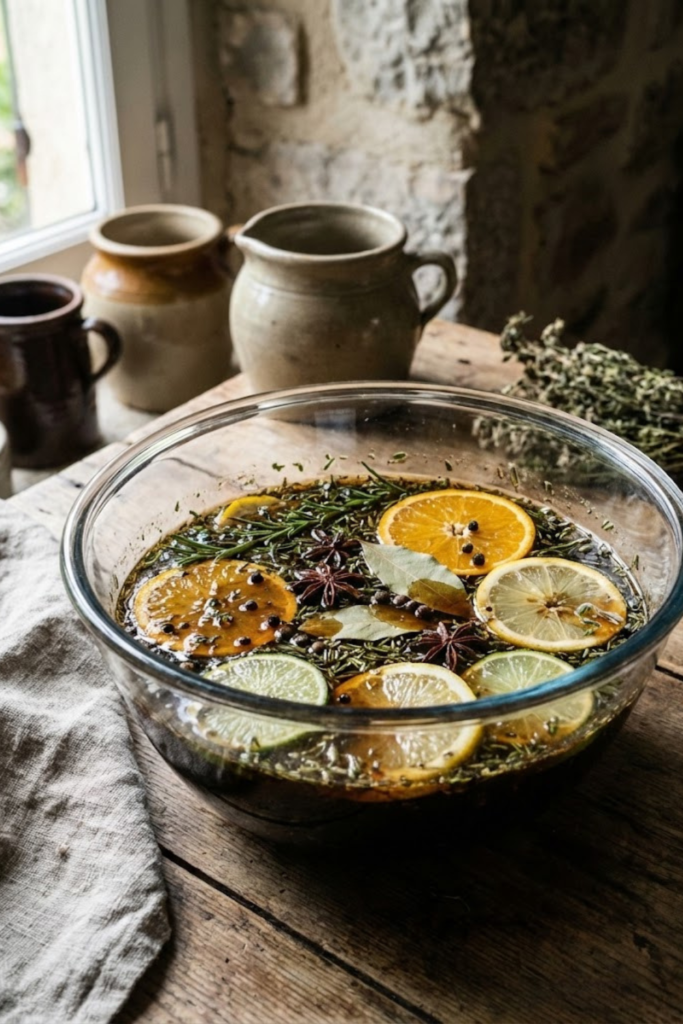
Let’s talk about the flavor because a plain steak is just… well, plain. I remember making a beef fajita wrap for a potluck once and I totally forgot to season the meat. It was so embarrassing! Everyone was drowning their wraps in extra salsa just to taste something. Since then, I’ve learned that the marinade is the soul of the dish. It is like the lesson plan for your meat; it tells the beef exactly how to behave and what to taste like. If you get this right, your kitchen will smell like a five-star restaurant, and you won’t even need much sauce at the end.
The Acid and Oil Duo
You need a balance here to make things work. Think of it like a see-saw in the school yard. On one side, you have your lime juice. The acid in the lime juice helps break down those tough fibers we talked about in the last part. It makes the meat tender and gives it a bright, fresh zip. On the other side, you have your oil—I usually go with olive oil or even vegetable oil if that is what I have in the pantry. The oil helps the spices stick to the beef and keeps the meat from sticking to the pan later on. I usually use about two parts oil to one part lime juice. If you use too much lime and leave it too long, the meat gets a weird, mushy texture. Trust me, “meat mush” is not a term you want to hear at the dinner table!
Mixing Your Spices
Now, for the fun part. You want a big bowl and some measuring spoons. I always throw in a good amount of cumin because that gives it that classic “fajita” smell that fills the house. Then I add chili powder, smoked paprika for a nice red color, and a little bit of garlic powder. If you like a bit of heat, toss in some cayenne pepper too. I usually tell my kids to help with this part because you really can’t mess it up too bad as long as you don’t spill the whole jar of salt. Just stir it all together until it looks like a thick, dark paste. This is what gives your beef fajita wrap that beautiful charred look when it hits the high heat of the pan.
Don’t Wait Too Long
I used to think that marinating meat overnight was always better, but for these steak strips, that is actually a mistake. Because the meat is cut thin, it only needs about 30 minutes to an hour to soak up all that goodness. If I am in a big rush after a long day of teaching, even 20 minutes is better than nothing. Just put the meat and the sauce in a plastic bag, squeeze the air out, and let it hang out in the fridge. While that is happening, you can go ahead and start chopping your peppers and onions! This saves time and makes sure the flavor is just right without being overwhelming.
Mastering the Sizzle: Cooking Peppers and Onions
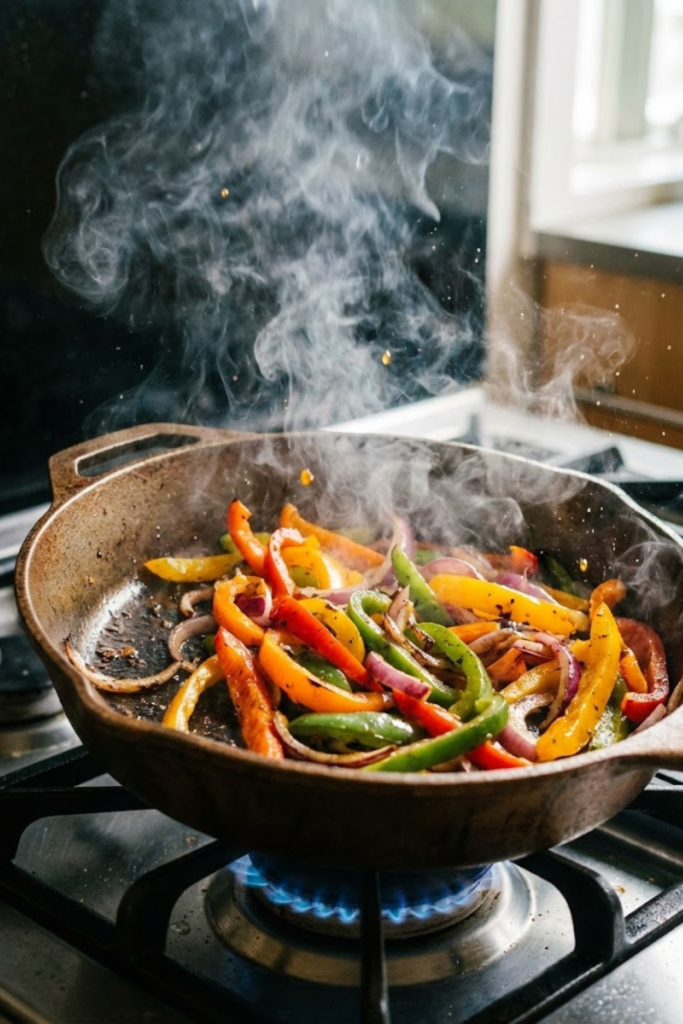
There is something so satisfying about the sound of veggies hitting a hot pan. In my house, that sound means dinner is almost ready and everyone starts hovering around the stove like hungry seagulls. When you are making a beef fajita wrap, the peppers and onions are just as important as the steak. They give the wrap its crunch and that sweet, smoky taste that balances out the savory meat. I used to just throw everything in at once when I was younger, but that was a huge mistake. It turned into a big pile of mushy gray stuff that didn’t look appetizing at all. Now, I treat the veggies with a bit more respect, and it makes a world of difference in the final result.
Crank Up the Heat
You really need to get your pan screaming hot before you even think about adding the oil. I prefer using a heavy cast iron skillet because it holds onto the heat so well. If you use a thin pan, the temperature drops the second the cold veggies touch it. You want to hear that loud “tshhh” sound immediately. If it’s quiet, take the veggies back out and wait! I tell my students all the time that patience is a virtue, and that is very true in the kitchen. Wait for that pan to get just a tiny wisp of smoke before you start. This is the secret to getting those restaurant-style charred bits without overcooking the inside of the vegetable.
Give the Veggies Some Space
One of the biggest errors people make is crowding the pan. If you put too many sliced onions and peppers in at once, they won’t brown. Instead, they will steam and get soft because the moisture has nowhere to go. I usually cook mine in two batches if I’m making a big meal for the family. You want every piece to have a chance to touch the hot metal. This way, you get those beautiful dark char marks on the edges while the middle stays nice and crisp. It’s all about that texture contrast inside your beef fajita wrap. Nobody likes a limp, soggy pepper!
The Best Colors and Shapes
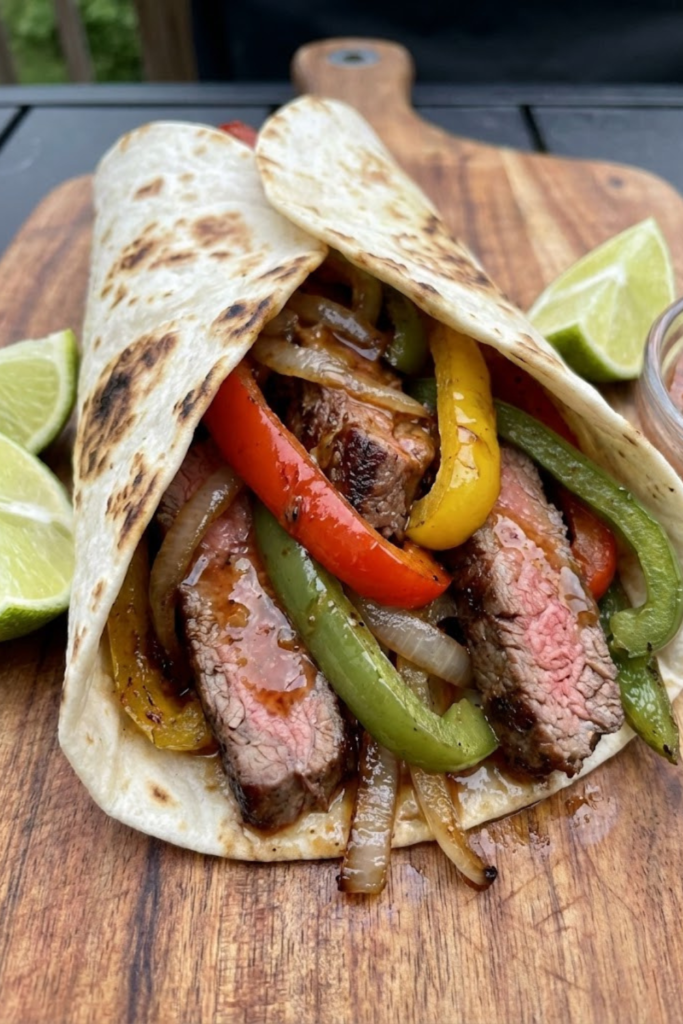
I always try to use a mix of red, yellow, and green bell peppers. It just looks prettier on the plate! My kids are way more likely to eat their vegetables if they look bright and colorful. I slice them into thin strips, about the same size as the beef, so everything fits perfectly inside the tortilla. Right at the very end, I like to toss the steak back in with the peppers for just a second so all the juices mix together. It’s a beautiful mess that tastes like heaven. Just make sure you don’t cook them so long that they lose their bright color; you want them to stay vibrant and snappy!
How to Assemble and Fold Your Wrap Like a Pro
Now that you have your juicy steak and charred veggies ready to go, we are at the most stressful part of the whole process: putting it all together. I cannot tell you how many times I have watched my students—and my own kids at home—try to stuff a beef fajita wrap so full that it just explodes like a confetti popper. It is a total mess! You end up with sour cream on your shirt and steak on the floor, and that is just a waste of good food. I have learned over the years that there is a real science to the fold. It is kind of like a geometry lesson, but it tastes way better. If you follow these simple steps, you can eat your lunch with one hand and not lose a single drop of salsa.
Warm Those Tortillas First
First things first, you absolutely cannot use a cold tortilla straight from the fridge. If you take it straight from the plastic bag, the flour will be stiff and it will crack the moment you try to bend it. I usually just throw mine on a microwave-safe plate with a damp paper towel on top for about twenty seconds. Or, if I am feeling a bit fancy and have the time, I put them right on the gas burner for five seconds per side to get a little char. This makes the flour soft and stretchy, which is exactly what you need for a tight beef fajita wrap. A warm tortilla is happy and flexible, which makes your job a lot easier!
The Logic of Layering
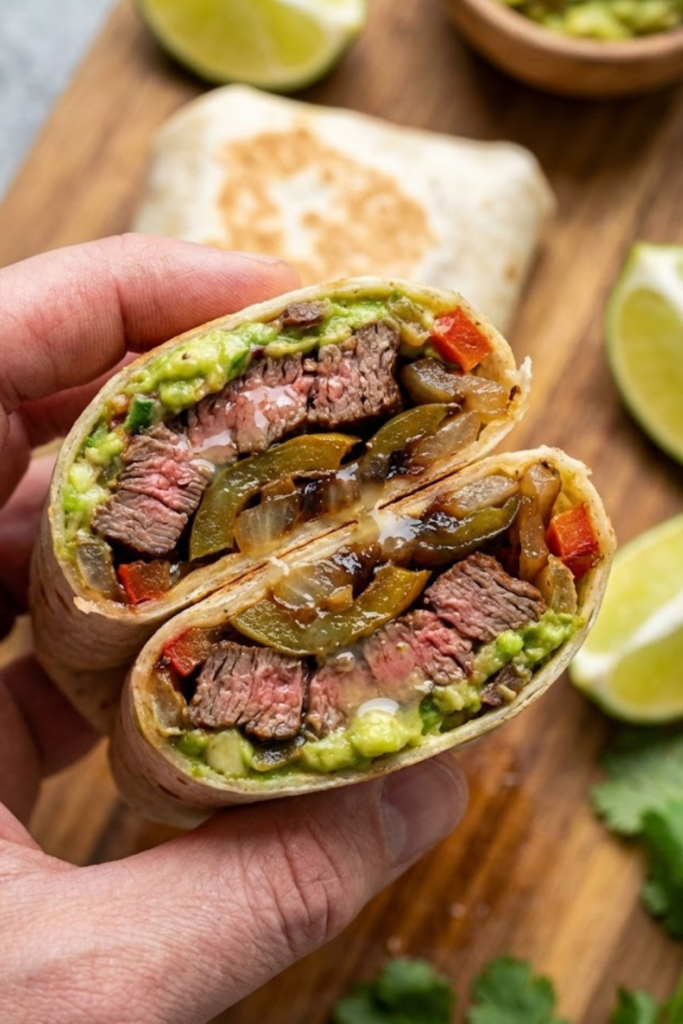
Do not go overboard with the fillings, even though everything smells amazing. If you put too much in, the “wrap” part of the beef fajita wrap just will not happen. I start with a thin layer of beans or guacamole on the bottom because this acts like glue to hold things in place. Then, I place the steak and peppers in a neat line right down the center. You want to leave about two inches of space on the sides and at the bottom. If you pile it all in the middle like a mountain, you are going to have a hard time. Add your cheese and a little sour cream right on top of the hot meat so it starts to melt a bit.
The Final Burrito Fold
Okay, here is the big move. Fold the sides in first—just a little bit toward the center. Then, take the bottom edge and tuck it over the fillings. Pull it back toward you slightly to get the roll nice and tight. Now, just roll it the rest of the way up to the top. It is just like rolling up a sleeping bag for a camping trip! If you did it right, the bottom is sealed up so nothing leaks out onto your plate. I usually wrap mine in a bit of foil for a minute to let it set. This keeps the heat in and helps everything stay in place while you take that first huge bite. Trust me, once you master this, you will never go back to those messy wraps that fall apart!
Bringing the Sizzle Home
Alright, class, we have finally reached the end of our deep dive into the perfect beef fajita wrap. We have covered a lot of ground today! We started by looking at how to pick the right cut of meat, choosing between the juicy skirt steak and the leaner flank steak. We talked about why cutting across the grain is the most important rule in the kitchen if you want meat that is actually easy to chew. Then, we moved on to that zesty marinade, where we learned that a little bit of lime and the right spices can turn a boring piece of beef into something truly special. We even mastered the high-heat sizzle for our peppers and onions, and we finished up with the “burrito fold” to keep all that goodness inside the tortilla.
I think the best part about making a beef fajita wrap is how it brings everyone together at the table. In my house, as soon as that smoky smell starts drifting through the hallway, everyone forgets about their phones and their homework for a little while. We sit down, pass around the bowls of homemade guacamole and shredded cheese, and just talk about our day. It is a simple meal, but it feels like a big event. You do not need a fancy kitchen or expensive tools to make something your family will really love. You just need a little bit of patience and the right steps to follow.
If you are feeling a bit nervous about trying this for the first time, please do not be! Cooking is a skill that takes practice, just like learning a new language or playing an instrument. Your first wrap might be a little messy, or you might overcook the steak a tiny bit, but that is totally okay. It will still taste great because you made it yourself. The more often you make this, the better you will get at timing the steak and the veggies so they are both ready at the exact same time. I still make mistakes in the kitchen sometimes, and I have been doing this for over twenty years!
I really hope this guide helps you create a dinner that makes your house smell like your favorite restaurant. It is one of those recipes you can keep in your back pocket for a busy Tuesday night or a fun weekend lunch with friends. Once you get the hang of the basics, you can start adding your own touches, like extra spicy peppers or a different kind of cheese.
If you enjoyed this recipe and found my teacher tips helpful, please do me a huge favor. Go ahead and share this post on Pinterest! It helps other home cooks find these simple tips and helps me keep sharing my kitchen lessons with all of you. Now, go get that skillet hot and enjoy your delicious meal!