Let’s be real for a second: chicken breast has a bad reputation. It’s often dry, flavorless, and about as exciting as doing your taxes on a Friday night. I used to avoid it like the plague! But this baked honey garlic chicken breast? It changes the whole game. We are talking juicy, tender meat coated in a sticky, sweet-and-savory glaze that you’ll want to lick off the spoon. Trust me, I’ve made this mistake enough times to know that the sauce is the secret weapon here. Whether you are meal prepping for the week or just trying to survive a busy Tuesday, this recipe is your new best friend. It hits that perfect sweet spot—literally!

Essential Ingredients for the Perfect Glaze
I’ve learned the hard way that you can’t just throw random things in a bowl and expect a dinner miracle. One time, I tried making a similar sauce with that cheap, watery syrup and some garlic powder that had been sitting in my cabinet for way too long. It was a total disaster. If you want that sticky, finger-licking glaze that actually stays on the meat, you have to pick the right stuff. This glaze is what turns a boring piece of chicken into something your family will actually ask for seconds of. It’s all about getting the right balance of sweet, salty, and a little bit of zing.
The Role of Real Honey
Honey is the star of the show here, so don’t be shy with it. I usually grab a jar of raw honey from the local farmer’s market, but any good quality honey from the grocery store works fine. You want it to be thick. If your honey is too thin or processed, it just runs off the chicken and burns at the bottom of the baking dish. Thick honey helps the sauce caramelize as it heats up. This gives the chicken that beautiful golden-brown color we all love. It’s the glue that holds all the other flavors together, providing a deep sweetness that isn’t just like eating plain sugar.
Why Fresh Garlic is a Must
Please, for the love of good food, use fresh garlic cloves. I know those jars of pre-minced garlic are easy to grab, but they often taste a bit sour or like chemicals to me. Get a fresh bulb, smash the cloves with the side of your knife, and mince them up yourself. I use about four or five big cloves because my house loves garlic. Fresh garlic has oils that release when it hits the heat of the oven. It creates a smell that will bring everyone into the kitchen before the timer even goes off. It adds a sharp, savory bite that cuts right through the sweetness of the honey.
Balancing Salt and Acid
You need some salt to make the other flavors pop, which is why we use soy sauce. I prefer the low-sodium kind so the dish doesn’t end up being way too salty. Then, you need a little acid to keep it from being too sugary. A splash of apple cider vinegar or even a squeeze of fresh lemon juice does the trick. I also like to add a bit of olive oil to the mix. The oil helps the glaze stay smooth and keeps the honey from burning too fast in the hot oven. If you like a little heat, toss in some red pepper flakes too. It won’t make it “hot,” but it adds a nice warmth to every bite.

How to Prep Chicken to Avoid Dryness
I can’t tell you how many times I’ve served chicken that felt more like a piece of wood than a meal. It’s embarrassing! You spend all that time on the sauce, and then the meat is just… sad. After years of teaching people how to cook simple meals, I’ve realized that the prep work is actually more important than the oven time. If you just toss a cold, wet chicken breast into a pan, you’re going to have a bad time. I’ve learned these simple steps the hard way, so you don’t have to. Here is what I do to keep things juicy every single time.
The Power of Pounding
One of the biggest mistakes I see—and I did this for years—is cooking chicken breasts that are uneven. Usually, one end is really thick and the other end is skinny. By the time that thick part is actually cooked through, the skinny part is basically a piece of leather. I started using a heavy rolling pin or a meat mallet to gently tap the chicken until it’s the same thickness all the way across. You don’t have to go crazy and flatten it into a pancake, but getting it even makes a huge difference. This helps the whole piece cook at the same speed so no part gets left behind.
Let the Chill Wear Off
I used to take the chicken straight from the fridge and throw it in the pan. Big mistake! Cold meat doesn’t cook evenly. The outside gets way too hot while the inside is still freezing. I’ve found that letting the chicken sit on the counter for about 15 or 20 minutes before cooking makes the meat much more tender. It’s like stretching before a workout; it just preps the meat for the heat. Just don’t leave it out all day, obviously. Just enough time so it’s not ice-cold when it hits the pan.
Pat it Dry and Season Early
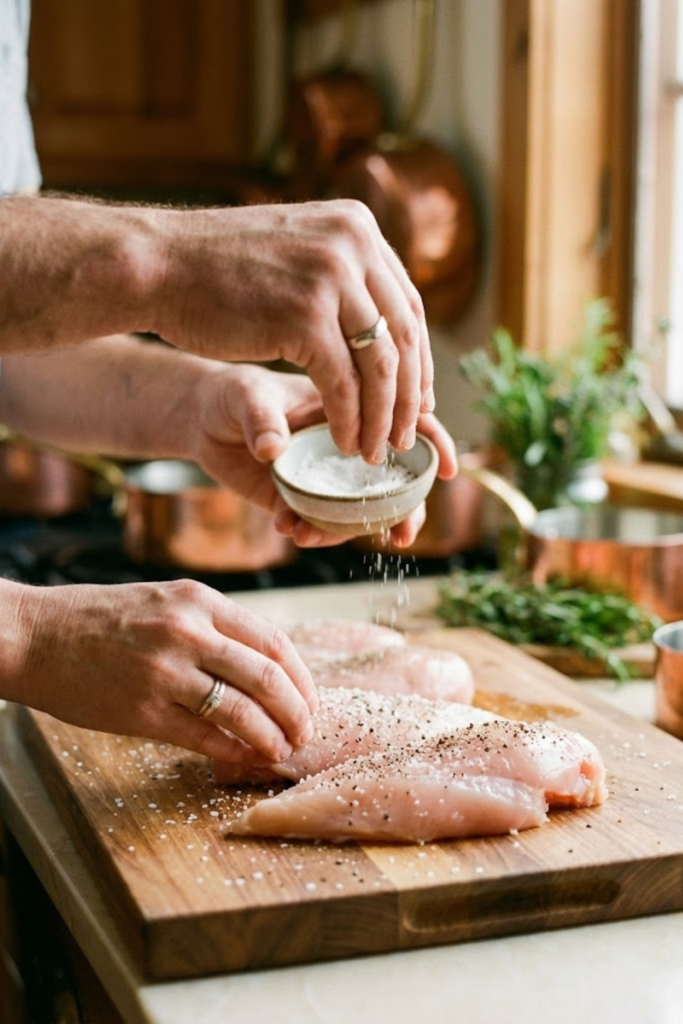
This might sound weird, but you need to dry your chicken with paper towels. If the meat is wet, it’s going to steam in the oven instead of roasting. Steamed chicken is often rubbery, and the sauce won’t stick to it. I always pat mine down until it’s really dry. After that, I hit it with plenty of salt and pepper before the honey garlic sauce goes on. The salt helps break down the proteins, which makes the chicken way juicier. I’ve noticed that seasoning the meat directly, instead of just putting salt in the sauce, makes every bite taste better.
The Secret to the Sticky Honey Garlic Sauce
I’ve had my fair share of sauce disasters over the years. One time, I followed a recipe that promised a “thick glaze,” but what I ended up with was more like a salty soup at the bottom of my baking dish. It was so disappointing! I realized then that a great sauce isn’t just about the ingredients you buy; it’s about how you treat them. If you want that iconic, glossy, sticky finish that actually clings to the chicken breast like a blanket, you have to follow a few simple rules. I tell my students all the time: the sauce is the soul of the dish, so don’t rush it.
Getting the Mix Right First
A mistake I see a lot of beginners make is dumping the honey and soy sauce directly onto the chicken in the pan. Please don’t do that! You need to whisk everything together in a small bowl first. I like to get my honey, minced garlic, soy sauce, and vinegar all happy and blended before they ever touch the meat. This makes sure that every single inch of the chicken gets the same amount of flavor. If you just pour things in separately, you’ll end up with one side of the chicken that is way too sweet and another side that is just salty. Mixing it beforehand gives you a smooth, consistent base that starts working its magic the second it hits the oven.
The Cornstarch Thickening Hack
Sometimes, even with the best honey, the sauce can stay a bit too thin for my liking. If you want that restaurant-style “gloopy” texture that looks amazing in photos, here is my secret weapon: a cornstarch slurry. I take about a teaspoon of cornstarch and mix it with a tiny bit of cold water until it’s smooth. I whisk that right into the honey garlic mixture. As it bakes, the heat activates the starch and turns the liquid into a thick, beautiful glaze. It creates this shiny coating that doesn’t just run off into the corners of the pan. It’s a simple trick, but it totally changes the texture of the meal.
Always Taste and Reserve
Before you pour your sauce over the raw chicken, take a tiny sip of it. Seriously! This is your chance to fix things. If it’s too sweet, add a drop more vinegar. If it’s too salty, a little more honey will balance it out. Once it touches the raw meat, you can’t taste it anymore for safety reasons. Also, here is a pro tip I live by: always save about a quarter cup of the sauce in a separate container. Don’t put it on the raw chicken. Instead, keep it on the counter and drizzle it over the cooked chicken right before you serve it. This adds a fresh layer of flavor and makes the dish look incredibly appetizing. It’s like the finishing touch on a painting!

Baking Time and Temperature Guide
I get it. The oven can be a scary place. You put all your hard work inside, close that heavy door, and then you just… wait. It is like a mystery movie where you don’t know if the ending is going to be happy or if you’re going to be ordering a pizza because you burnt the main course. I’ve spent way too many nights hovering by the oven light, trying to see if the chicken is done just by looking at the color of the skin. Spoiler alert: that almost never works. To get the best results with this baked honey garlic chicken breast, you need to be smart about your heat and your timing.
The 400 Degree Rule
A lot of old recipes tell you to bake chicken at 350 degrees, but I’m telling you, that’s a trap for dryness. When you cook it low and slow, the chicken sits in there forever and all the juices just leak out. I always set my oven to 400°F (which is about 200°C for my friends overseas). This higher heat is the sweet spot. It cooks the meat fast enough that the middle stays moist, but it’s hot enough to make that honey glaze bubble and get all sticky and delicious. If your oven runs a bit hot, you might want to check it a few minutes early, but 400 is usually the magic number for a perfect sear.
Trust the Thermometer, Not Your Eyes
I tell my students this every single week: stop cutting into your chicken to see if it’s pink! Every time you poke a hole in that meat, the juice runs out, and you lose the best part of the meal. Instead, go buy a cheap digital meat thermometer. It will be the best ten bucks you ever spend in the kitchen. You are looking for exactly 165°F (74°C). I usually pull mine out when it hits 162°F because the heat stays inside and keeps cooking it for a few minutes while it sits on the counter. This is how you make sure you never serve “chicken jerky” ever again.
The Mid-Way Baste
About halfway through the baking time—usually around the 10 or 12 minute mark—I like to open the oven and do what I call a “flavor bath.” I take a big spoon and scoop up all that bubbly honey garlic sauce from the bottom of the pan and pour it right back over the top of the chicken. This adds another layer of glaze and keeps the top of the meat from drying out under the heat. It only takes thirty seconds, but it makes a huge difference in how the final dish looks and tastes. Just be quick so you don’t let all the heat out of the oven!

Serving Suggestions and Side Dishes
You’ve done all the hard work. The chicken is out of the oven, it looks gorgeous, and the smell is literally making your mouth water. But now you’re standing in your kitchen wondering what on earth to put on the plate next to it. I’ve made the mistake of serving this with just a piece of plain bread before, and let me tell you, that was a wasted opportunity. When you have a sauce this good, you need a side dish that acts like a sponge. You want something that is going to soak up every last drop of that honey garlic goodness so none of it goes to waste.
The Best Grains for the Sauce
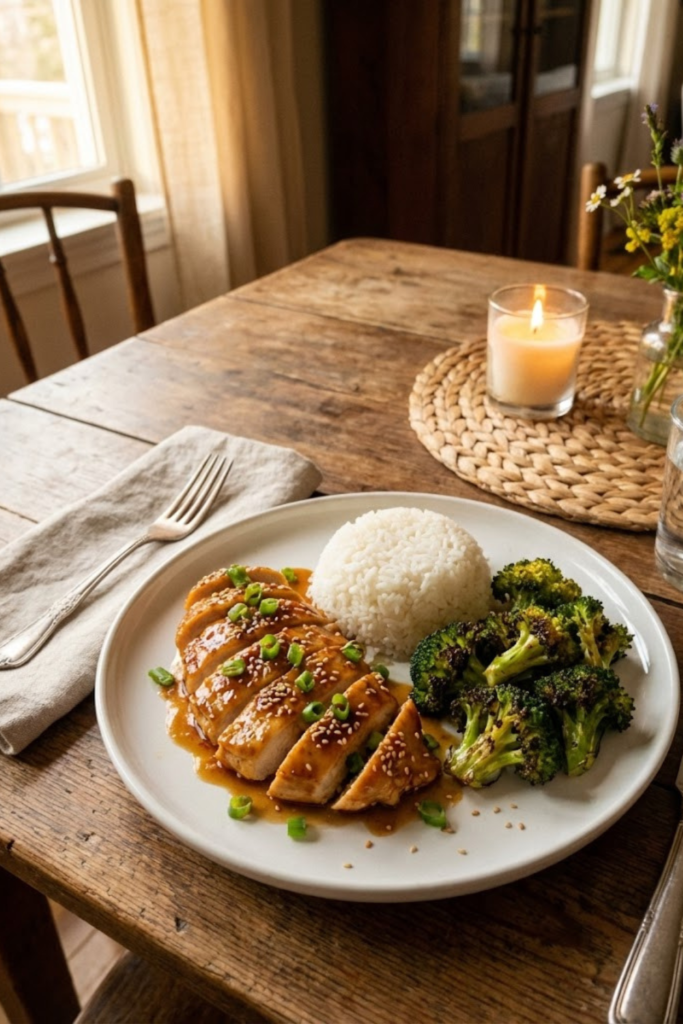
In my house, we are big fans of jasmine rice. It has this slightly floral scent that just works so well with the garlic. I usually make a big pot of it while the chicken is baking. The trick is to fluff the rice up and then put the chicken right on top of it. That way, the sticky glaze drips down into the rice and turns it into something special. If you’re trying to keep things a bit lighter or watching your carbs, cauliflower rice is a great pick too. I’ve found that if you sauté the cauliflower rice with a little bit of butter first, it holds up really well against the heavy sauce. Quinoa is another solid choice if you want more protein, but for me, white rice is the king of this meal.
Adding Some Green to the Plate
Since the honey garlic sauce is quite sweet and rich, I always try to balance it out with something green and a little bit crunchy. My go-to is roasted broccoli. I usually just toss the florets in a little oil and salt and throw them on a separate tray in the oven at the same time the chicken is cooking. By the time the chicken is ready, the broccoli has those nice crispy burnt edges that taste amazing when dipped in the extra sauce. If I’m in a rush, I’ll just steam some green beans or some snap peas. The freshness of the veggies cuts through the sugar in the honey and makes the whole meal feel much more balanced.
The Final Touches and Garnishes
I used to think garnishes were just for fancy restaurants, but I’ve changed my mind. A little bit of green on top makes a huge difference in how the food looks, and it adds a fresh bite too. I always keep a bunch of green onions in my fridge just for this. Slice them thin and sprinkle them over the chicken right before you bring it to the table. I also love to add a pinch of toasted sesame seeds. They give the dish a tiny bit of crunch and make it look like you spent way more time on it than you actually did. It’s these small things that turn a regular Tuesday night dinner into a meal that feels like a real treat.
Final Thoughts on Mastering this Dish
So, that is how I finally mastered the baked honey garlic chicken breast. It took me a long time to get it right. I used to be so scared of undercooked meat that I turned everything into rubber. Honestly, it was pretty bad. My family used to joke that they needed a saw to get through my dinner.
But once you get that 400-degree oven going, everything changes. The way the honey and garlic start to bubble and turn dark is just beautiful. It smells like a fancy restaurant in my kitchen now. And I don’t even have to do much work. It’s the perfect easy chicken dinner for those nights when you just want to sit on the couch.
I remember one Tuesday when I was just exhausted. I didn’t want to cook at all. But I had these chicken breasts in the fridge and some honey in the cupboard. I threw it all together in ten minutes. My kids actually cleared their plates without me having to beg them. That was a big win for me!
Don’t forget what I said about the meat thermometer. It is seriously a game changer for any weeknight meal. I used to think I could just tell by looking at the color. I was wrong almost every single time. Now, I pull it out at 162 degrees and let it rest. This makes the chicken so juicy and tender.
This recipe is also great for meal prep. I usually make a double batch on Sundays. The honey garlic glaze stays good in the fridge for a few days. I just chop up the leftovers and put them in a salad for lunch. It tastes just as good cold as it does hot. Maybe even better because the sauce gets thicker!
I really think this will become a staple in your house. It is simple, cheap, and tastes like you spent hours on it. You don’t need fancy skills to make a great meal. You just need good ingredients and a little bit of patience. Your family is going to love it, I promise.
If you found this helpful, please let me know. I love hearing about how these recipes turn out in your own kitchens. Cooking should be fun, not a chore. Enjoy your juicy chicken!
Save this for later! If you love this recipe, don’t forget to pin it to your favorite Pinterest boards. It really helps me out and makes sure you can find it next time you’re stuck on what to make for dinner. Just hover over the image and hit save!