Did you know that nearly 70% of home cooks struggle with chicken turning out dry and rubbery? It’s honestly a tragedy! I can’t tell you how many times I’ve pulled a tray out of the oven only for it to look like a piece of cardboard. But after years of trial and error in my own kitchen, I finally cracked the code with this baked Dijon chicken breast. It is tangy. It is moist. It’s basically a hug on a plate! In this guide, I’m sharing everything I’ve learned so you can stop stressing about dinner and start enjoying the flavor.
Choosing the Best Chicken for Baking
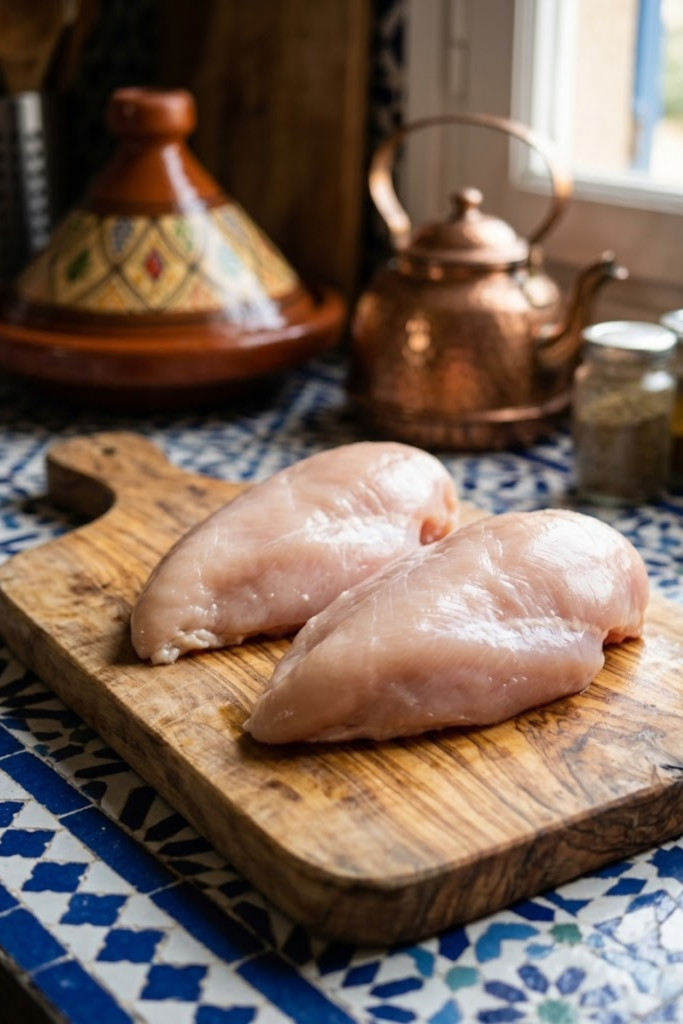
So, when I first started making baked Dijon chicken breast for my family, I just grabbed whatever was on sale at the supermarket. I didn’t think much about it. But after a few rubbery dinners that nobody wanted to eat, I realized that the meat you start with is just as important as the mustard you put on top. If the chicken is bad, no amount of honey or Dijon is going to save it. It’s a lot like trying to paint a house that is falling down—the paint might look nice for a second, but it is still a mess underneath! I’ve spent a lot of time testing different brands, and here is what I found out.
Why Air-Chilled is the Way to Go
You might see labels at the store that say “air-chilled” and wonder if it is just a way for them to charge you more money. I used to think so too! But here is the secret: most chicken is cooled down in big tubs of cold water. The meat soaks up that water like a sponge. When you go to bake your baked Dijon chicken breast, all that extra water leaks out into your pan. It makes the sauce watery and the meat soggy. Air-chilled chicken is cooled with cold air, so you get just the meat and none of that extra liquid. It tastes way more like actual chicken and it holds the marinade much better.
Dealing with Giant Breasts
Have you noticed how chicken breasts are getting huge lately? Sometimes they are almost as big as my head! This is a big problem for baking because the skinny end cooks way faster than the thick part. By the time the middle is safe to eat, the tip is basically a piece of dry wood. I always tell my students that balance is key in everything. I take a heavy glass or a rolling pin and give the thick part a few good whacks. You want it to be the same thickness all the way across. This helps every bite of your baked Dijon chicken breast cook perfectly at the same time.
Look for the Right Color and Texture
When you are standing in the meat aisle, look at the color. You want a nice pinkish hue. If it looks gray or a bit dull, just put it back. Also, look at the bottom of the plastic tray. If there is a ton of pink liquid sitting there, that chicken has been sitting out for a while. It is going to be dry no matter how much sauce you use. Finding a fresh, plump piece of meat is the first step to a great meal that everyone will actually enjoy!
The Secret Dijon Marinade Ingredients
Look, I’m going to be real with you. I used to think all mustard was basically the same thing. Boy, was I wrong! One time, I tried making this baked Dijon chicken breast using that bright yellow stuff you put on hot dogs because it was all I had in the fridge. It was a total disaster. The flavor was way too sharp and it looked… well, it didn’t look like something you’d want to put in your mouth. My kids actually asked if the chicken was sick. After that night, I did some digging to find out what actually makes a good sauce.
The Mustard Debate: Smooth vs. Grainy
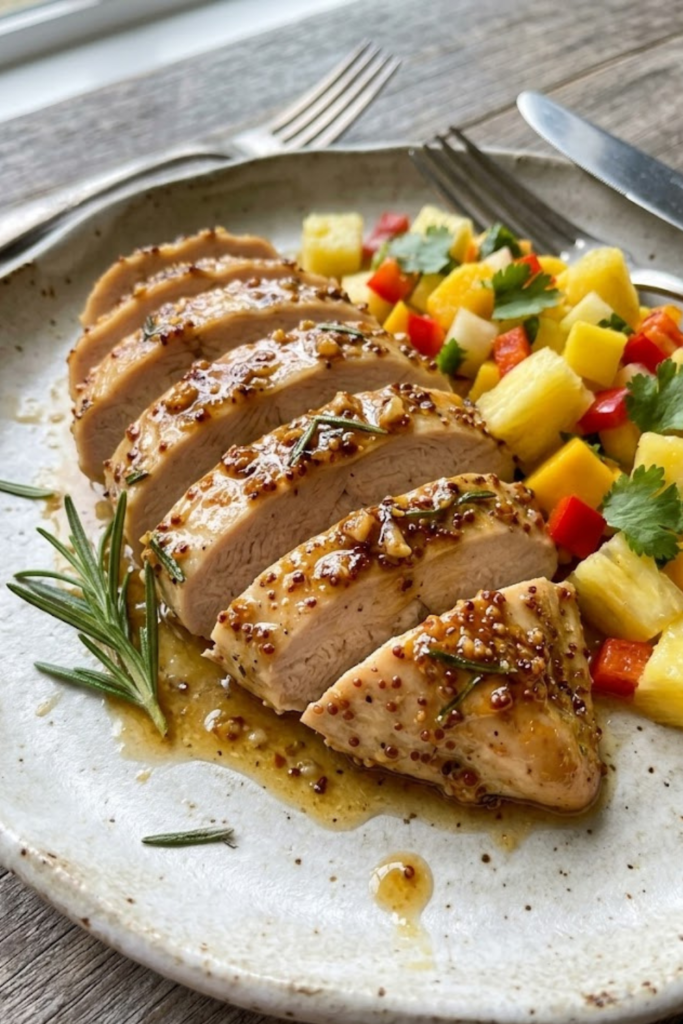
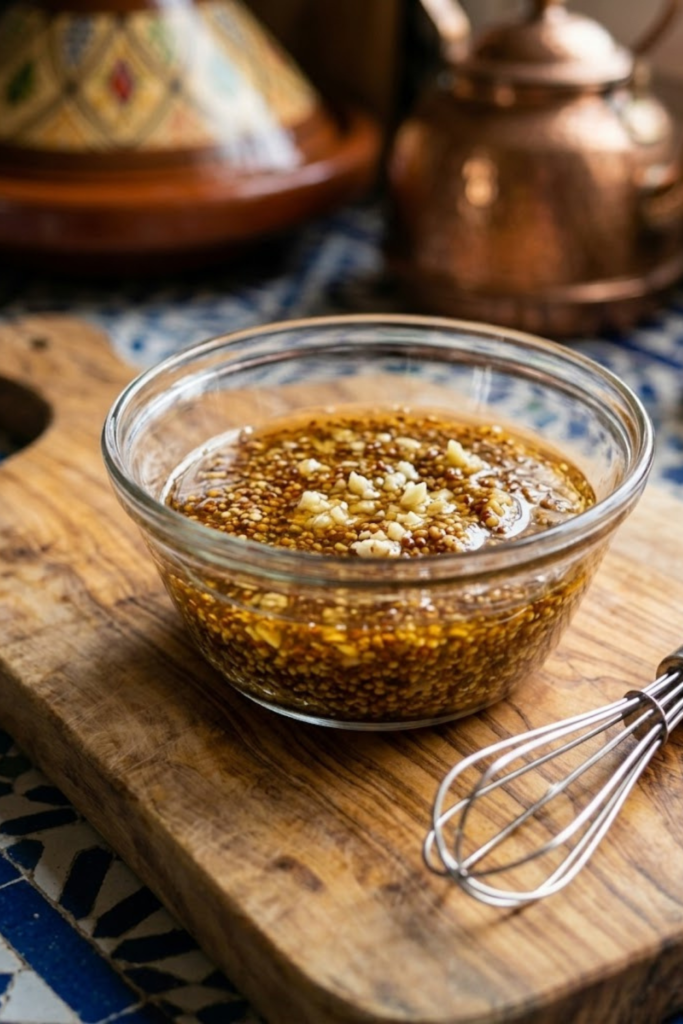
When you’re picking your mustard at the store, go for the grainy, stone-ground kind if you can find it. It has these little mustard seeds that pop in your mouth and give the baked Dijon chicken breast a texture that’s just out of this world. I’ve found that using about three tablespoons for four breasts is the sweet spot. If you use the really smooth Dijon, the sauce sometimes slides right off the meat while it’s in the oven, which is super annoying when you want every single bite to be flavorful! The seeds help the sauce “grip” the meat better.
Finding the Perfect Sweetness
Now, here is a mistake I made for years: I didn’t add enough sugar. Dijon is naturally very salty and vinegary. To balance that out, you really need honey. I once tried using pancake syrup because I ran out of honey—don’t do that. It was way too thin and just made a sticky mess. Stick to real honey or even a splash of maple syrup if you’re feeling a bit fancy. It creates this thick, sticky glaze that helps the baked Dijon chicken breast stay moist while it’s in the hot oven. It’s like a little protective blanket for the meat.
The Garlic Situation
I’m a teacher, so I usually don’t have hours to prep fancy meals. But please, for the love of good food, use fresh garlic. I know the jarred stuff in oil is easy. I’ve used it too when I’m tired after a long day of grading papers. But fresh garlic has these oils that react with the mustard in a way that’s just magical. I usually smash two big cloves and mix them right in. Sometimes a bit of the garlic burns on the edge of the pan, and honestly, those crispy bits are my favorite part to snack on!
Adding a Bit of Fat
A little trick I learned from a neighbor is to add a tiny bit of olive oil to the mix. It helps the flavors soak into the meat better than just mustard alone. Just a tablespoon will do the trick. It’s not a lot of extra calories, but it makes a big difference in how tender the poultry ends up being. Trust me on this one, your family will think you spent way more time on this than you actually did. It turns a boring dinner into something special without much work at all.
Step-by-Step Baking Instructions for 2026
Alright, now we are finally getting to the actual cooking part! I’ve noticed over the years that some people get really nervous about using the oven. They think it’s this big scary box that just dries things out if you look at it wrong. But if you follow these steps for your baked Dijon chicken breast, you’ll see it’s actually pretty simple. I remember the first time I tried to bake chicken without a timer—I got distracted grading some history papers and it turned into a dry hockey puck. It was a total bummer. Don’t be like me! Use your phone or a kitchen timer so you don’t forget it’s in there.
Getting the Oven Ready
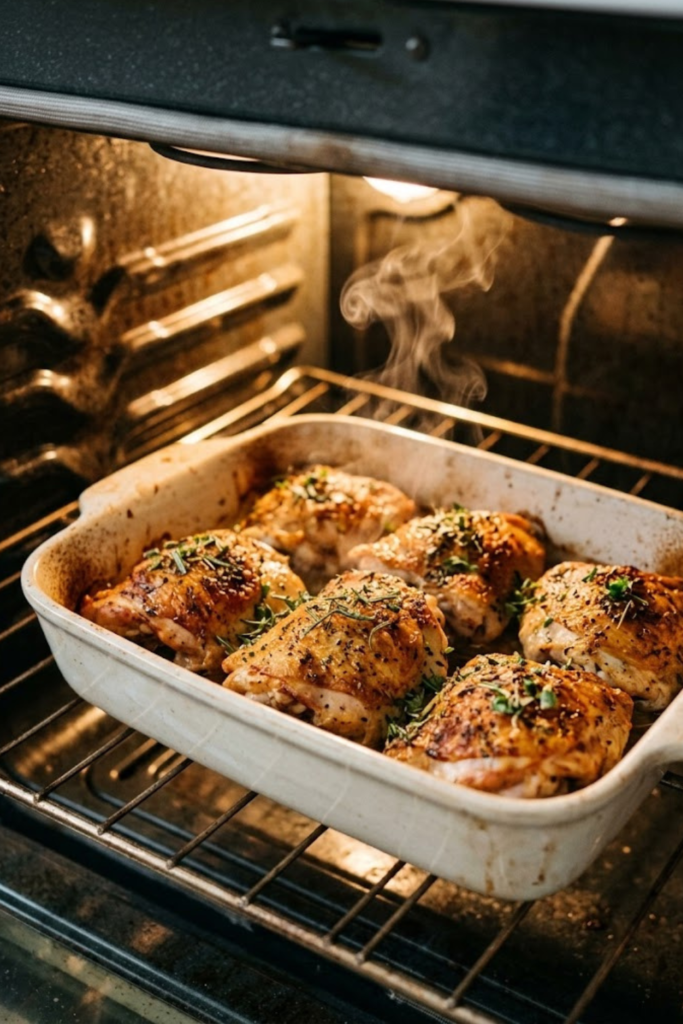
First, you want to preheat your oven to 400°F. I know some old recipes say 350, but I think that’s just too low for poultry. If the oven isn’t hot enough, the chicken just sits there and the juices leak out before the outside can even get that nice golden color. While the oven is heating up, I like to take a glass baking dish and give it a quick spray with some oil. You don’t want your baked Dijon chicken breast sticking to the bottom, because then all that delicious mustard crust stays in the pan instead of on your plate where it belongs!
Smearing on the Good Stuff
Now, take your chicken—hopefully you pounded it flat like we talked about earlier—and put it in the dish. I usually use a spoon or even just my hands to smear that marinade all over. You want a thick layer. One mistake I see people make is being too stingy with the sauce. Be generous! If you have extra marinade left in the bowl, just pour it right over the top. It’ll bubble up and turn into a tiny bit of gravy while it cooks, which is great for pouring over rice or potatoes later.
The Timing and the Rest
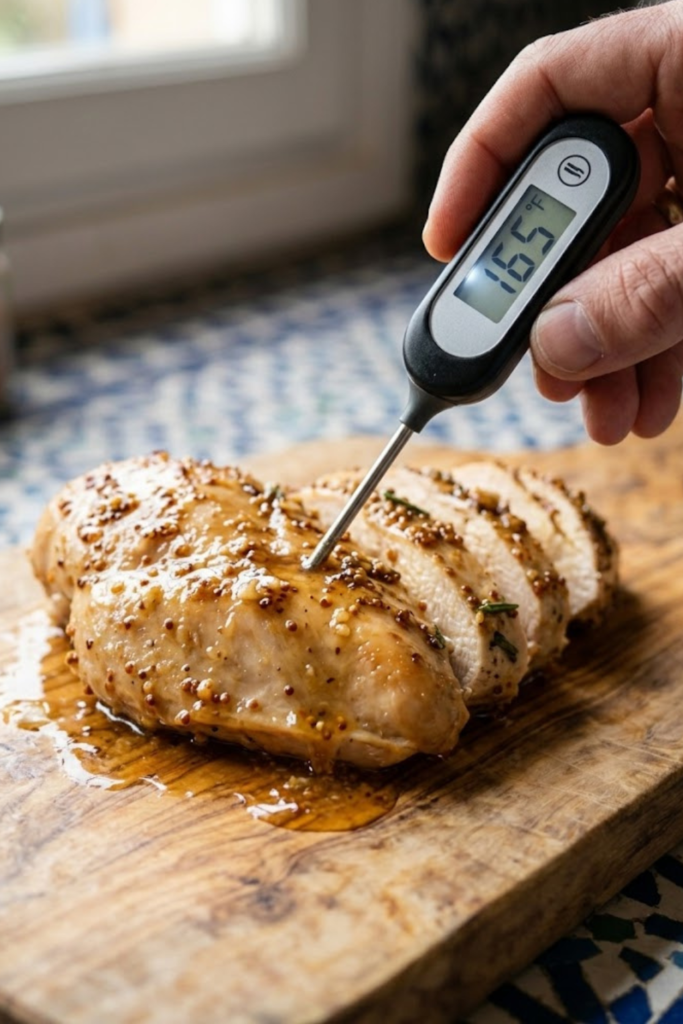
Put the dish in the middle rack. Usually, for a normal-sized baked Dijon chicken breast, it takes about 18 to 22 minutes. This is where I check it with my thermometer. You are looking for 165°F. Once it hits that, pull it out immediately! Then—and this is the most important part—let it sit on the counter for at least 5 minutes. If you cut it right away, all the juice runs out and it gets dry. I call this “patience practice” for my kids, and it really makes the meal better. It lets the meat relax and soak those flavors back in.
Pro Tips for Avoiding Dry Chicken
I’ve had my fair share of dinner disasters where the chicken tasted more like a shingle from my roof than a meal. It’s frustrating when you put in all that work and the baked Dijon chicken breast just doesn’t turn out right. Over the years, I’ve picked up a few little tricks that really changed the game for me. These aren’t fancy chef moves—just simple things I do in my own kitchen while I’m trying to get food on the table before my kids start complaining they’re starving!
The Magic of the Meat Thermometer
If you don’t have a digital meat thermometer, please go get one. It’s the only way to be 100% sure your baked Dijon chicken breast is actually done without cutting into it and letting all the juices escape. I used to just “eyeball it” or poke it with a fork, but that’s how you end up with dry meat. You want to pull the chicken out of the oven when it hits 160°F or 162°F. I know the official rule is 165°F, but the temperature keeps rising a few degrees while it sits on the counter. This little trick keeps it perfectly juicy every single time.
Try a Quick Brine
If I have an extra fifteen minutes, I’ll do a quick salt water soak. I just fill a bowl with lukewarm water and a big handful of salt, then let the chicken sit in there while I’m getting the mustard and honey ready. This helps the meat hold onto its moisture even in a hot oven. It’s like giving the chicken a little drink before it goes into the heat! Just make sure you pat it dry with a paper towel before you put the Dijon mix on, or the sauce will just slide right off and make a mess in the pan.
The Tinfoil Tent Trick
Sometimes my oven runs a little hot on the top, and I notice the mustard starts to get too dark before the middle of the baked Dijon chicken breast is cooked. If that happens, I just grab a piece of aluminum foil and lightly lay it over the top of the dish. I don’t wrap it tight; I just make a little “tent.” This protects the top from burning while the heat keeps cooking the inside. It’s a lifesaver if you have thicker pieces of meat that need a few extra minutes but you don’t want to lose that beautiful golden crust you worked so hard on.
So, that is basically my whole routine for making a killer baked Dijon chicken breast. I’ve spent a lot of my Sunday afternoons trying out different things in the kitchen, and this recipe is the one that stays on the rotation every single week. When you are a teacher like me, you don’t have much brain power left by 5 PM. Having a meal like this that you can just “set and forget” for twenty minutes is a real blessing. Plus, it makes the house smell like a fancy bistro, which is a nice change from the smell of gym socks and old lunch boxes that usually follows me home!
If you are still a bit worried about it, just remember the big three things we talked about: pound the chicken flat, use the grainy mustard, and please use that thermometer. I used to be so stubborn about using a thermometer, thinking I was some kind of kitchen wizard who could just feel when the meat was ready. I was wrong about half the time. Now, I just stick the probe in and wait for the beep. It is so much easier and it takes all the stress out of the evening. There is nothing worse than cutting into a piece of chicken and seeing it is still raw, or worse, so dry you need a gallon of water to swallow it.
You can serve this with almost anything. My kids love it with some buttered noodles, but I usually go for some roasted broccoli that I can just throw on the same tray. It saves on washing dishes, which is another win in my book. If you have some leftover sauce in the pan, make sure you scrape it up! That is where all the flavor is hiding. I sometimes mix it with a little bit of Greek yogurt to make a creamy dipping sauce for the next day’s lunch. Cold baked Dijon chicken breast on a salad is actually really good too.
I really hope this guide helps you feel more confident at the stove. Cooking shouldn’t be a chore that makes you want to pull your hair out. It should be a way to slow down and enjoy something good. If you found these tips helpful, please do me a huge favor and pin this recipe to your favorite Pinterest board! It helps more people find my tips, and I love seeing when other home cooks have success with my favorite meals. Happy cooking!