Did you know that artichokes are actually unblown flower buds? Honestly, I used to find these prickly green globes totally intimidating until I realized they are just vessels for butter and crunch!
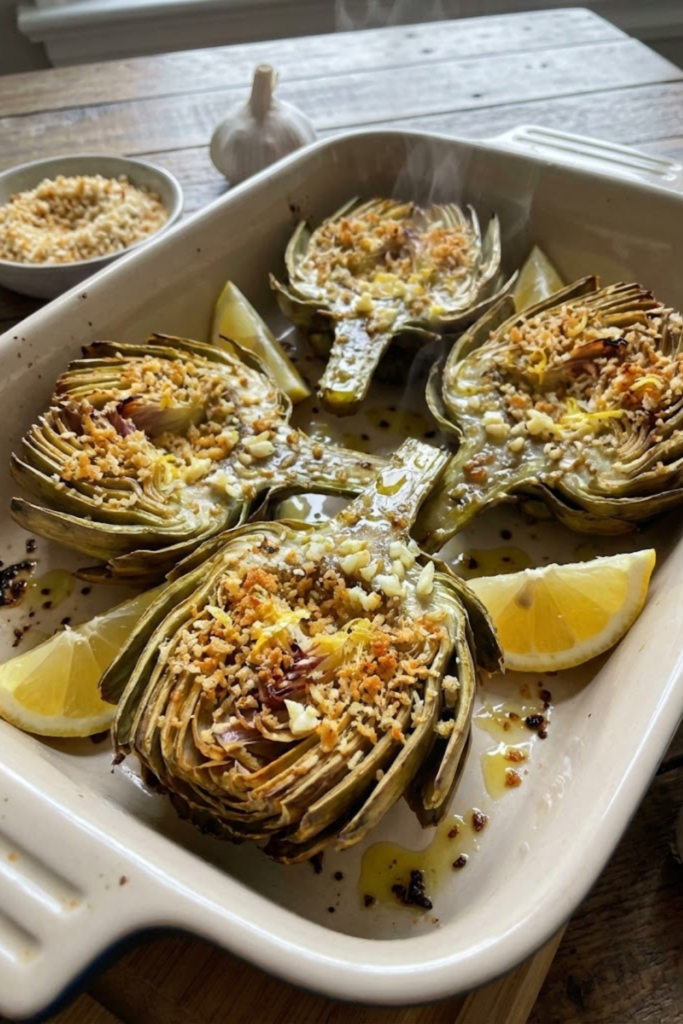
In this guide, we’re diving into the ultimate Baked Artichokes with Garlic Lemon Breadcrumbs—a dish that’s bursty with flavor and surprisingly simple to master. Whether you’re a seasoned chef or a kitchen newbie, you’re going to love this vibrant, mouthwatering recipe.
Selecting the Perfect Fresh Artichokes
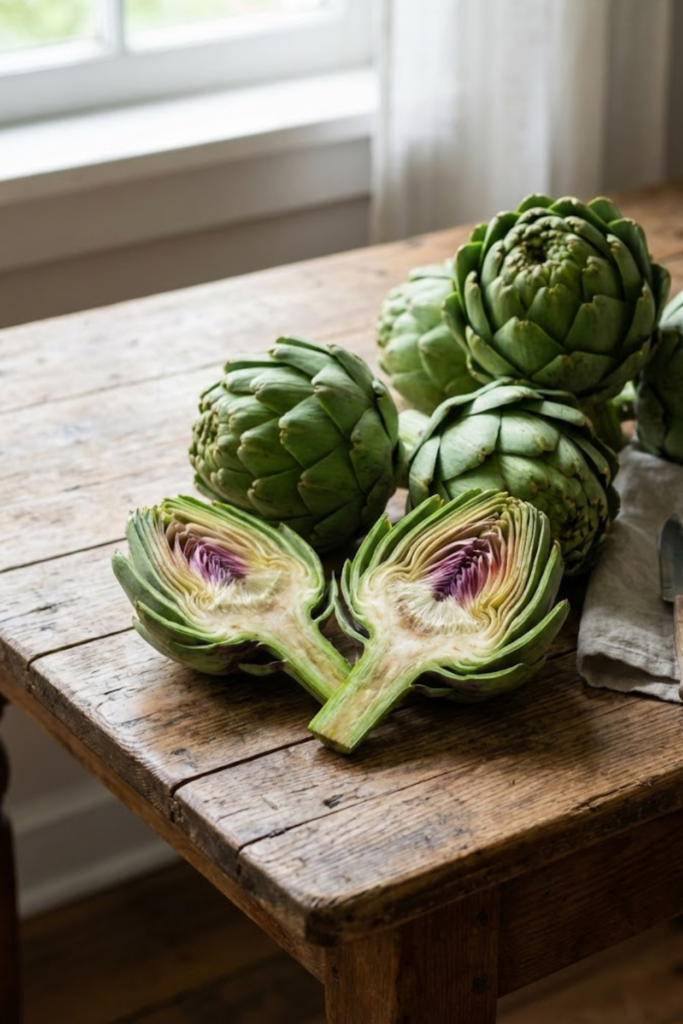
When you’re at the store looking for produce for your Baked Artichokes with Garlic Lemon Breadcrumbs, it can be a little confusing. I remember the first time I went to pick one out. I just grabbed the biggest one because I thought bigger was better. Man, was I wrong! It was tough and woody. Now, I know better. You want to look for specific things so you don’t end up with a dud. It’s really about getting the freshest bud possible since an artichoke is actually a flower that hasn’t opened yet. If you pick a good one, the rest of the recipe is a breeze.
Look for Tight Leaves
First thing you gotta do is look at the leaves. They should be closed up tight, like a little bud that hasn’t bloomed yet. If the leaves are spreading out and look like they are opening up, that means the artichoke is getting old. An old artichoke won’t be as tender when you bake it. You want those leaves to be hugging the center tightly. A few brown spots are actually okay—sometimes that’s just a little bit of “frost bite.” Some folks say that actually makes them taste sweeter! So, don’t let a tiny bit of brown on the tips scare you off as long as the leaf itself feels firm and snappy.
The Squeeze Test
This is my favorite part because it makes me feel like a pro in the produce aisle. Pick up the artichoke and give it a tiny squeeze near the top. You want to hear it squeak! If it makes a squeaking sound, that’s a sign that the leaves are fresh and full of moisture. If it feels soft or squishy, just put it back. A squishy artichoke is a sad artichoke. It’s likely drying out on the inside, and that’s going to make your Garlic Lemon Breadcrumbs feel like they are sitting on a piece of dry cardboard. We want juicy results, not dry ones.
Weight and Stem Health
Another thing I always tell people is to feel the weight. You want an artichoke that feels heavy for its size. If it’s heavy, it means the heart is full of moisture and flavor. If it feels light, it’s likely dried out. Also, check the stem. It should look fresh and green. If the stem is black or shriveled, the whole thing is probably past its prime. Taking an extra minute to pick the right one really changes how the whole meal turns out. A fresh artichoke will soak up all those lemon and garlic flavors much better than an old one will.
Mastering the Prep: Trimming and Cleaning
I used to think that prepping an artichoke was a bit like trying to do surgery on a pinecone. It looks so tough and armored with all those pointy tips that I honestly didn’t know where to start. I’d just stare at them on my counter for a while, wondering if I should just boil them whole and hope for the best. But I learned the hard way that if you don’t prep them right, you end up with a mouth full of thorns or a bitter stem. Now, I actually find the process kind of relaxing. It’s like a little art project before the actual cooking starts. Just take your time and don’t rush it, and you’ll be fine.
Getting Rid of the Spiky Bits
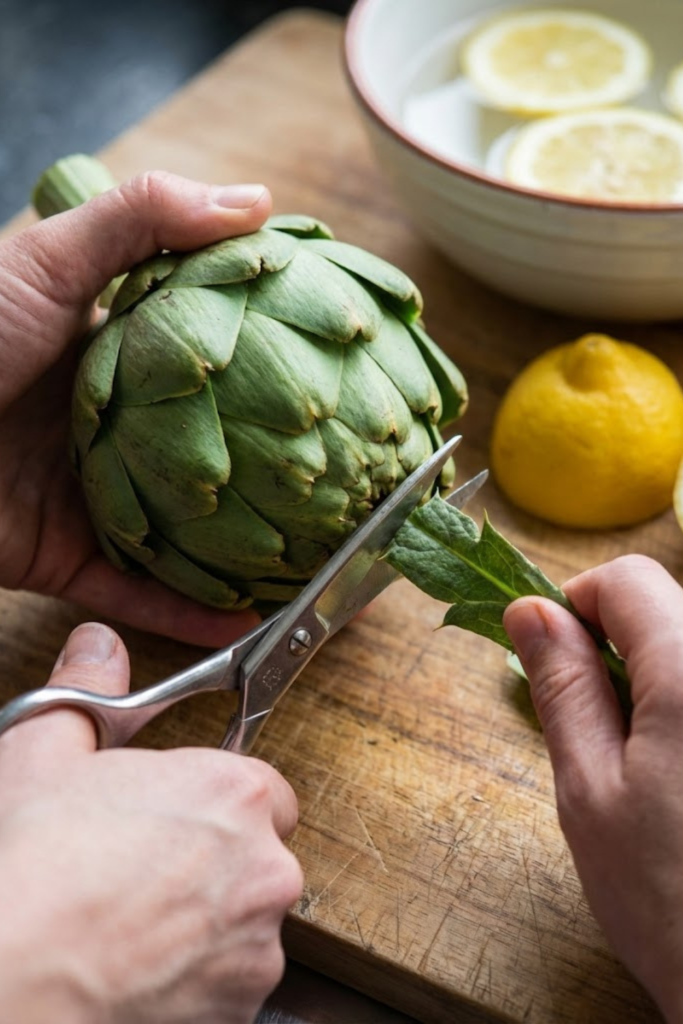
The most important tool you need for this isn’t actually a knife—it’s a pair of kitchen scissors. Every single leaf on a globe artichoke has a little thorn at the very tip. If you leave those on, someone is going to get poked while they are trying to eat your delicious Baked Artichokes with Garlic Lemon Breadcrumbs. I just go around the vegetable and snip off the top quarter-inch of every leaf. It takes a few minutes, but it makes the whole experience much better for your guests. I usually do this while I’m listening to a podcast or talking to my kids. It’s a simple task that makes a big difference in how the final dish looks and feels.
Cutting the Top and Stem
Once the thorns are gone, you need a good serrated knife—like a bread knife. I usually cut off about an inch from the very top of the artichoke. This opens up the leaves so you can stuff all that garlic and breadcrumb goodness inside later. For the stem, I like to leave about an inch or two attached. A lot of people cut the stem off completely, but the inside of the stem is actually just an extension of the heart! It’s super tasty. You just have to peel the tough outer skin off the stem with a vegetable peeler so you get to the soft, pale green part inside. Make sure you don’t cut too deep, or you’ll lose the good stuff.
The Secret Lemon Water Soak
One thing that used to drive me crazy was how fast artichokes turn brown. As soon as you cut them, they start to change color because of the air. It doesn’t mean they are bad, but they just don’t look very pretty. To stop this, I always keep a big bowl of cold water with a couple of lemon halves squeezed into it right on my workspace. As soon as I finish trimming one, I dunk it right into that lemon water. This keeps them looking bright and green. I also rub a cut lemon directly onto the parts I’ve just sliced. This little trick keeps everything looking fresh until you’re ready to get them into the oven. It really helps the final presentation!
The Secret to Golden Garlic Lemon Breadcrumbs
I’ve gotta be honest with you—the first time I tried making these breadcrumbs, I totally scorched the garlic. It was a bitter, blackened mess that smelled like a campfire in my kitchen. I was so frustrated I almost ordered pizza, but I realized I just had the heat way too high for the olive oil. Now, I start the garlic in cold oil so the flavor seeps in slowly without burning the bits to a crisp. Getting the topping right is the most important part of making Baked Artichokes with Garlic Lemon Breadcrumbs because that’s where all the crunch and zing come from. If the crumbs are bland or soggy, the whole dish feels unfinished.
Choosing the Right Type of Breadcrumb
Regarding the actual crumbs, you have a few choices, but I always reach for Panko. Regular breadcrumbs are too fine; they turn into a paste once they soak up the oil and the moisture from the artichoke leaves. Panko is different. It has these big, flaky shards that stay crispy even after a long stay in the oven. I like to toast them in a pan with a little bit of butter or oil before I even put them on the vegetable. This gives them a head start on getting that golden color. If you only have regular breadcrumbs, maybe add some crushed crackers to give it more body. The goal is to have a texture that contrasts with the soft, buttery heart of the artichoke.
Infusing the Garlic Flavor
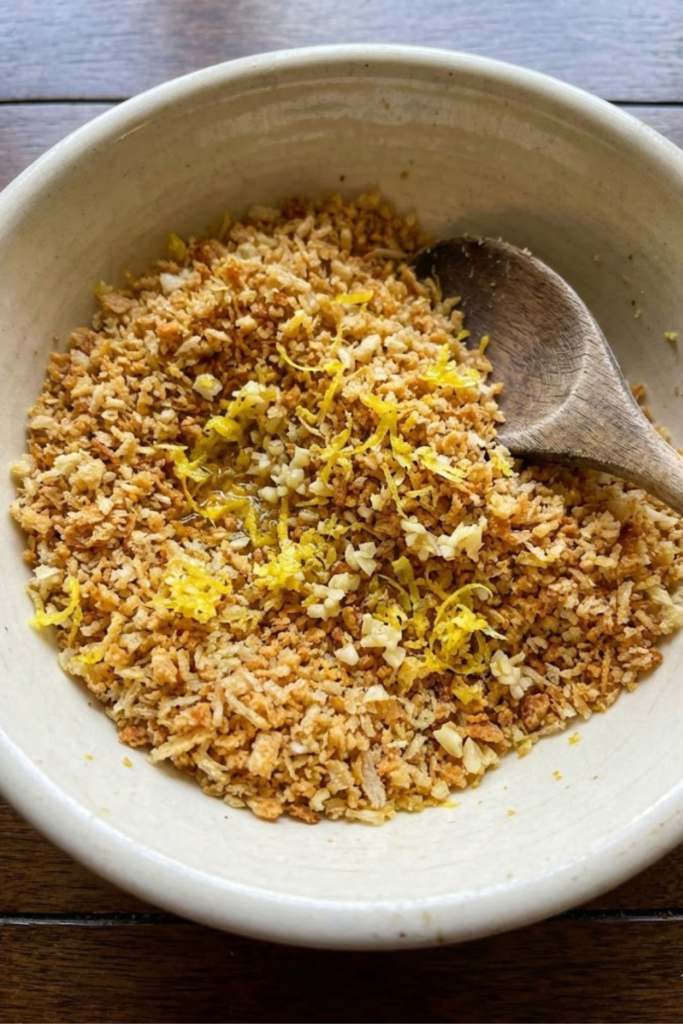
Instead of just tossing raw garlic into the mix, I like to infuse my olive oil first. I’ll put a few tablespoons of oil in a small skillet and add a lot of minced garlic. I mean a lot! You want that savory punch. I heat it on low just until I can smell it, which usually takes about two minutes. Then, I pour that garlic-heavy oil right over my bowl of breadcrumbs. This makes sure every single crumb is coated in garlic flavor. Besides making it taste better, it helps the crumbs brown evenly. If you just sprinkle garlic on top, it might burn before the artichokes are actually done cooking.
Adding the Zest and Herbs
One mistake I kept making was adding the lemon juice directly to the breadcrumbs. Don’t do that! It makes them soggy and sad, and nobody wants a soggy artichoke. Instead, use a microplane to get just the yellow zest into the mix. It gives you all that bright, citrusy punch without the liquid. If you want it extra zingy, you can squeeze the juice over the whole dish after it comes out of the oven. I also throw in a handful of fresh parsley. It adds a bit of green and makes the whole thing look like it came from a fancy restaurant. I also like to add a pinch of red pepper flakes for a little heat, but that’s up to you. Just make sure the mix feels like wet sand before you start stuffing it into those leaves. This helps the topping stay put and get perfectly crunchy.
Baking to Perfection: Temperature and Timing
Now that you’ve got your beautiful artichokes all stuffed with those Garlic Lemon Breadcrumbs, it’s time for the part that used to make me really nervous—the actual baking. I remember the first time I tried this, I just stuck them in the oven uncovered and hoped for the best. Big mistake! The crumbs turned into charcoal while the artichoke heart was still as hard as a rock. It was a total disaster and I felt so bad wasting all that work. I’ve since learned that baking these is a two-step dance. You need to get the inside tender without ruining that crispy top you worked so hard on. It’s not hard once you know the trick, but you do have to be patient.
The Magic of the Foil Wrap
I usually set my oven to about 375 degrees Fahrenheit. Some people like it hotter, but I think 375 is the sweet spot for getting things cooked through. The big secret here is using aluminum foil. You want to wrap your baking dish or each individual artichoke really tightly before they go in. This traps the moisture inside so the artichoke steams in its own juices. Since these vegetables are pretty dense, they need that steam to soften up. Without the foil, the dry heat of the oven just sucks the life out of them and leaves you with something chewy. I usually let them steam like this for about 45 to 60 minutes. It feels like a long time, but trust me, you can’t rush a good artichoke heart.
How to Tell When They Are Ready
How do you know if they are actually ready to eat? I used to just guess, but now I use the knife test. Take a small, sharp knife and poke it into the base of the artichoke through the foil. If the knife slides in like it’s going into soft butter, you are in good shape. If you feel any resistance or it feels “crunchy” inside, they definitely need more time. Another trick is to try and pull one of the outer leaves. If it pops off easily without you having to yank on it, the artichoke is cooked through. If you have to fight with it, put them back in for another ten minutes.
The Final Crispy Finish
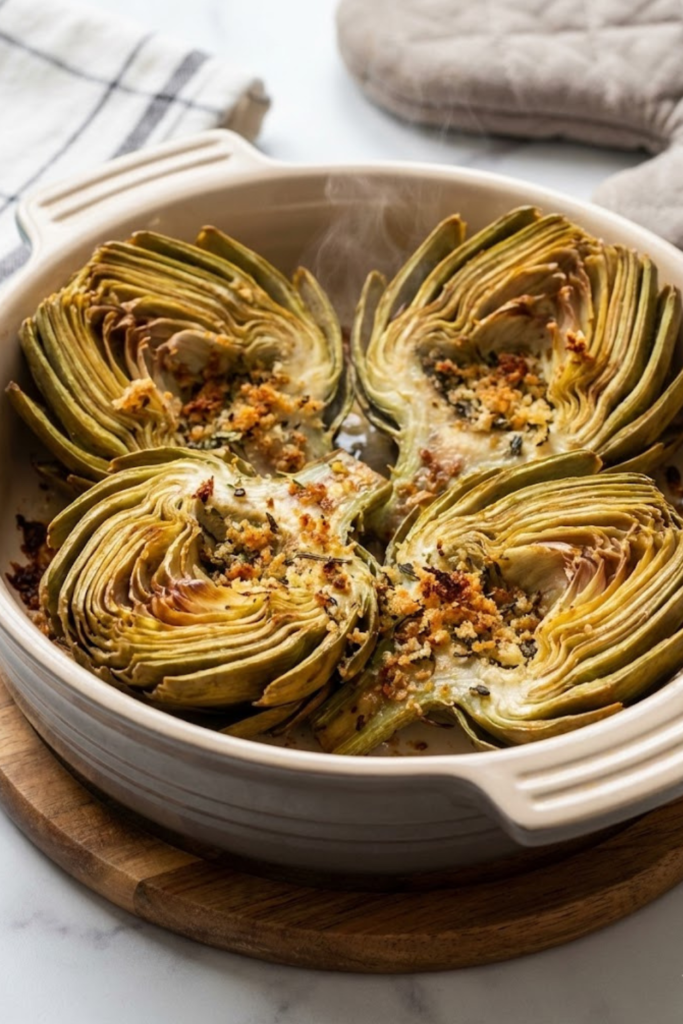
Once the hearts are tender, it’s time for the most exciting part. Take the foil off! Now, those breadcrumbs might look a little pale because they’ve been steaming under that foil. You want to leave them in the oven for another 5 to 10 minutes uncovered. You can even hit the broiler for just a minute or two if you’re feeling brave. Keep a very close eye on them during this stage! I’ve definitely walked away to check an email and come back to burnt tips. You want the Panko to be a deep, golden brown and extra crunchy. This final blast of heat makes the lemon flavor really pop and gives you that perfect texture. Let them rest for a minute before serving so the juices settle.
I really hope you enjoy making these Baked Artichokes with Garlic Lemon Breadcrumbs as much as I do! Looking back at my very first attempt, it’s actually kind of funny how much I’ve learned about these weird little vegetables. It really is a journey from being totally intimidated by a prickly green plant to serving a gourmet side dish that everyone at the table loves. Like I said earlier, just remember to pick those fresh, squeaky artichokes when you are at the store. If they feel heavy and the leaves are tight, you are already halfway to a great meal. It’s the foundation of the whole thing, and you can’t skip it.
Don’t forget the prep work either. I know snipping all those leaves with scissors feels like a bit of a chore, but it’s totally worth it to keep your fingers and your mouth safe from those thorns. And that lemon water trick? It’s a total life saver. It keeps the artichokes looking bright and beautiful instead of turning gray and sad before they even hit the heat. For the breadcrumbs, definitely stick with the Panko and don’t be shy with the garlic. The smell in your kitchen when those garlic-infused crumbs start to toast in the oven is honestly one of the best parts of the whole process. It makes the whole house feel so warm and inviting.
When it’s time for the baking, just be patient with that foil. I know it’s really tempting to keep peeking, but keep that steam locked in so the hearts get nice and soft. That contrast between the buttery, tender heart and the crunchy, zesty topping is what makes this dish so special. I usually serve these right out of the oven, but if you happen to have leftovers, they actually taste pretty good cold the next day. You can even chop them up and toss them into a salad! It’s a very versatile dish that fits into a healthy lifestyle without making you feel like you are missing out on any flavor.
I really think this is the perfect recipe to master for your 2026 dinner parties. It’s fancy but still very approachable, which is my favorite kind of cooking to share. If you found these tips helpful and want to help me out, please share this on Pinterest! Sharing helps more people discover how easy it is to cook fresh vegetables at home without any stress. I can’t wait to hear how yours turned out. Happy cooking, and I hope your kitchen smells amazing!