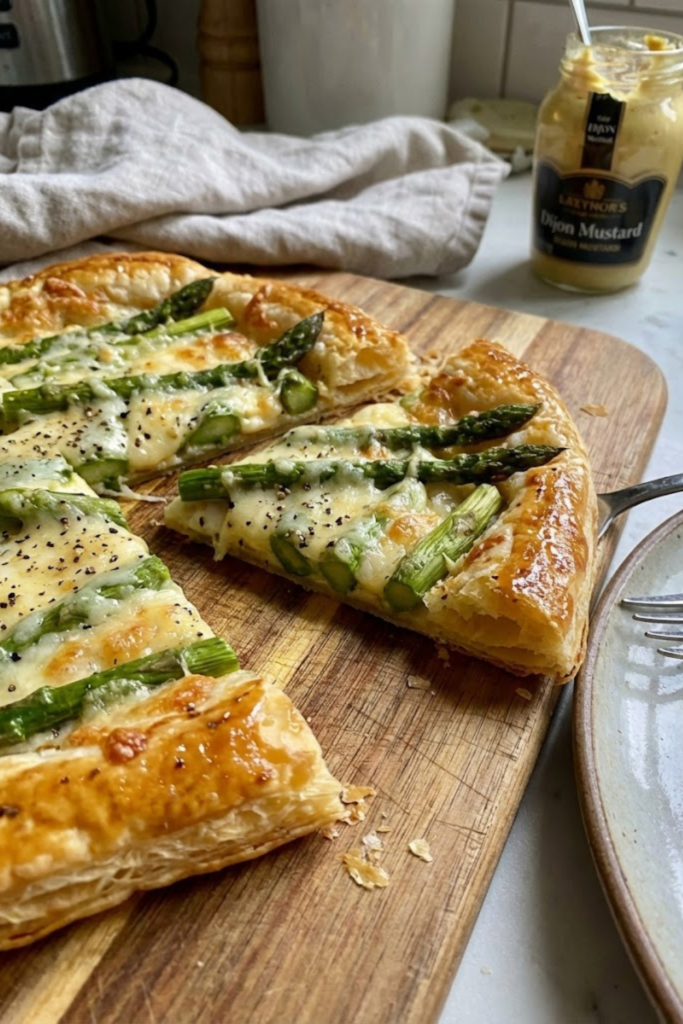
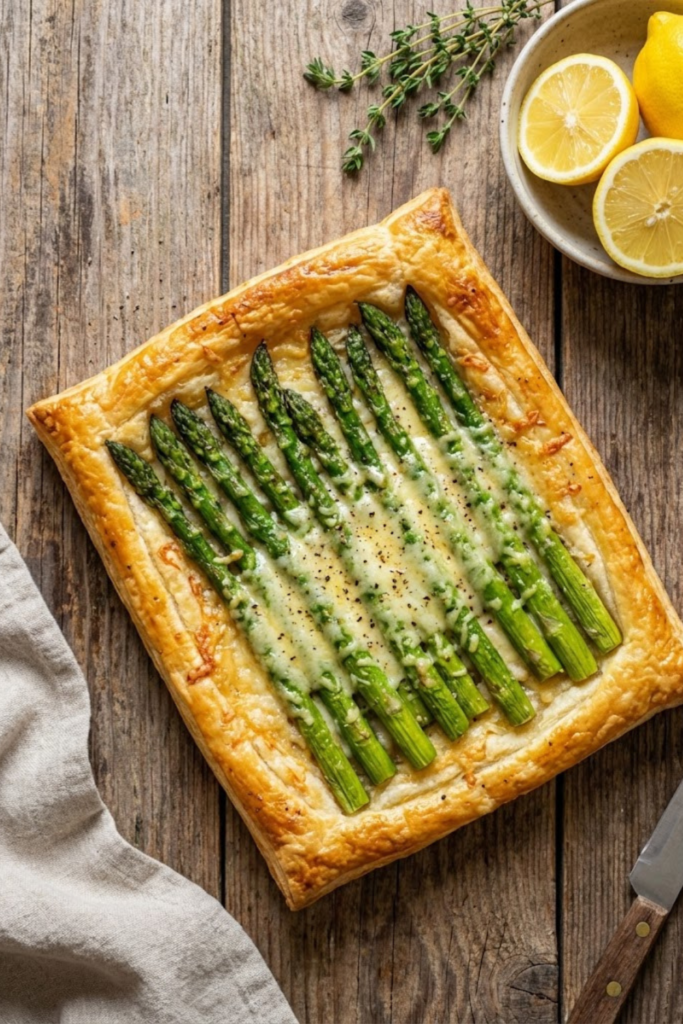
I’ve spent years in my kitchen, and let me tell you, I’ve had some real disasters. I once tried to make my own puff pastry from scratch on a humid July day, and it was a literal puddle! But then I found the magic of this Asparagus and Gruyere Tart with Puff Pastry. Did you know that over 70% of professional chefs actually use high-quality store-bought puff pastry for their savory tarts? It’s a total life-saver!
This recipe is like a warm hug from spring. I love the way the nutty Gruyere cheese melts into the flaky layers. It’s crispy. It’s salty. It’s everything you want for a quick lunch or a fancy appetizer! You don’t need to be a pro to nail this. Just grab some fresh stalks and some good cheese, and you’re halfway there!
Why You’ll Love This Savory Spring Vegetable Tart
I have taught many cooking classes over the years, and the one thing I see my students struggle with most is making a fancy-looking meal that doesn’t take five hours to prep. That is exactly why I am so obsessed with this Asparagus and Gruyere Tart with Puff Pastry. It looks like it came straight out of a high-end French cafe window, but honestly, it’s one of the easiest things I’ve ever put in my oven. If you can use a rolling pin and a knife, you can handle this recipe. The first time I made it for my family, my kids actually finished all their green vegetables without a single complaint. That felt like a total win in my house, and I bet it will feel like one in yours too!
The Texture is Absolutely Incredible
The puff pastry is the real hero here. It creates these hundreds of thin, buttery layers that just shatter in your mouth when you take a bite. It provides a light base that doesn’t feel heavy like a thick bread or a doughy pizza crust might. Because the pastry is so light, the flavors of the toppings really get a chance to shine. I love how the bottom stays relatively crisp while the edges rise up and turn a deep golden brown. It is the perfect crunch that pairs so well with the tender, roasted asparagus stalks.
A Flavor Profile That Hits Every Note
The combination of the nutty Gruyere cheese and the earthy asparagus is a classic for a reason. Gruyere is a bit saltier and much creamier than regular Swiss cheese. It melts beautifully without getting too greasy or oily on top of the dough. When you add a little bit of Dijon mustard underneath the cheese or a sprinkle of cracked black pepper, the whole flavor profile just pops. It has that savory taste that makes you want to go back for a second slice immediately. I often find myself sneaking a piece of the leftovers cold right out of the fridge the next morning!
It Saves You So Much Time in the Kitchen
We are all busy people, and I don’t always have the energy to spend all day prepping a meal. Using a good store-bought frozen dough is a total game changer for home cooks. You can have this entire tart ready for the oven in about ten or fifteen minutes. It is great for those last-minute guests or when you want a nice weekend brunch but also want to stay in your pajamas for as long as possible. Plus, it looks so beautiful on a wooden serving board that people will think you spent way more effort on it than you actually did. It really is the best way to celebrate the start of the spring season without stressing out.
Choosing the Best Ingredients for a Flaky Crust
When I first started baking, I thought I could just grab the cheapest thing on the shelf and it would all turn out fine. I learned the hard way that when you have a recipe with only a few parts, every single one of them has to be good. I remember one time I bought some off-brand puff pastry that was made with oil instead of butter, and my whole kitchen smelled like a fast-food fryer! It was pretty bad. If you want that bakery-style finish that makes your neighbors jealous, you gotta be picky at the grocery store. It makes a huge difference in how the tart feels in your mouth and how it smells while it’s in the oven.
Look for the All-Butter Label on Your Pastry
Trust me on this one, you want the box that says “all-butter” on the front. Some brands use vegetable shortening or oils to save money, but those won’t give you that shatter-factor we talked about. Butter is what creates the steam that pushes the layers of dough apart. If you use the oil-based ones, the crust usually ends up a bit greasy and flat. I always check the ingredient list to make sure butter is near the top. Also, keep it in the freezer until the night before you need it. Let it thaw out in the fridge slowly. If you try to microwave it to speed things up, you’ll end up with a sticky mess that is impossible to roll out!
Gruyere vs. Regular Swiss Cheese
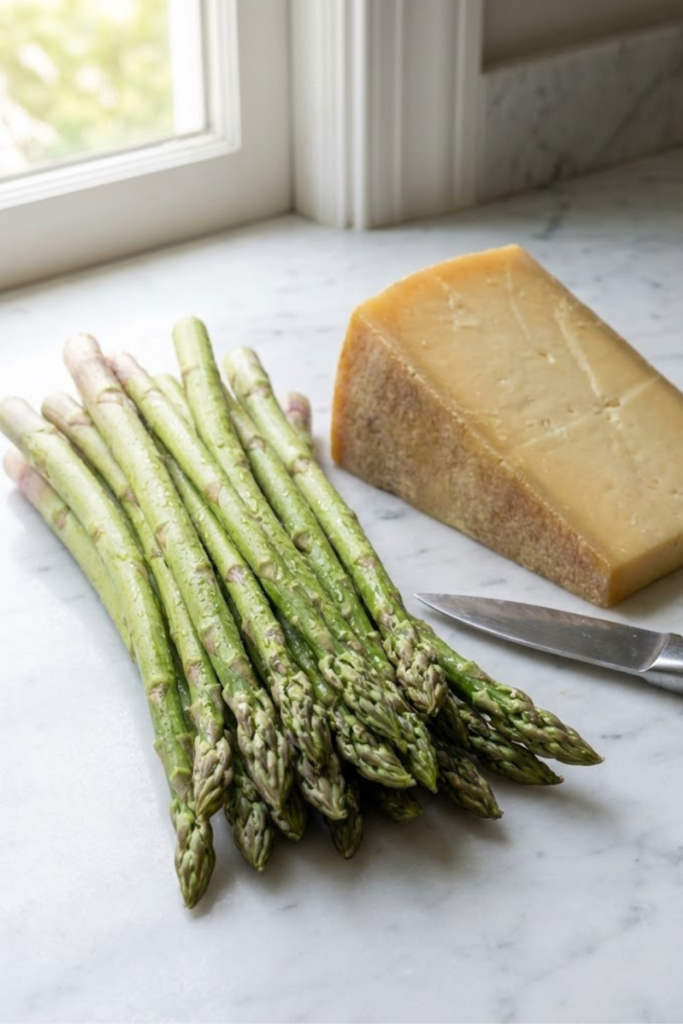
A lot of people ask me if they can just use a bag of shredded Swiss cheese from the grocery store. You can, but you shouldn’t if you want the best flavor. Gruyere is like the fancy cousin of Swiss. It has this slightly salty, nutty taste that just belongs with green veggies. It also melts much smoother. Regular Swiss can sometimes get a little “stringy” or tough when it cools down, but Gruyere stays nice and creamy. I like to buy a block and shred it myself because the pre-shredded stuff in bags has a dusty coating to keep it from sticking, and that coating can stop the cheese from melting together perfectly.
Getting the Right Size Asparagus
Don’t just grab the first bunch of asparagus you see. For a tart, size really does matter. If the spears are too thin—like the size of a pencil lead—they will shrivel up and burn before the pastry is even cooked. But if they are giant, thick stalks, they might stay too crunchy or tough to bite through. I look for ones that are about the thickness of my pinky finger. They cook at the exact same speed as the dough. Also, make sure the tips are tight and not mushy. If the tops look like they are starting to flower or get wet, put them back and find a fresher bunch!
Step-by-Step Guide to Assembling Your Cheese Tart
Putting this tart together is actually the most fun part of the whole process for me. It is like a little art project that you get to eat later! I have had days where I was in a huge rush and just threw things on the dough, and honestly, it still tasted okay, but taking an extra minute to do it right makes it look so much better. I remember showing my neighbor how to do this last spring, and she was surprised at how simple the “scoring” trick was. It’s one of those things that looks hard but is actually super easy once someone shows you. Let’s walk through how to get that perfect look without making a giant mess of your kitchen counter.
Scoring Your “Picture Frame” Border
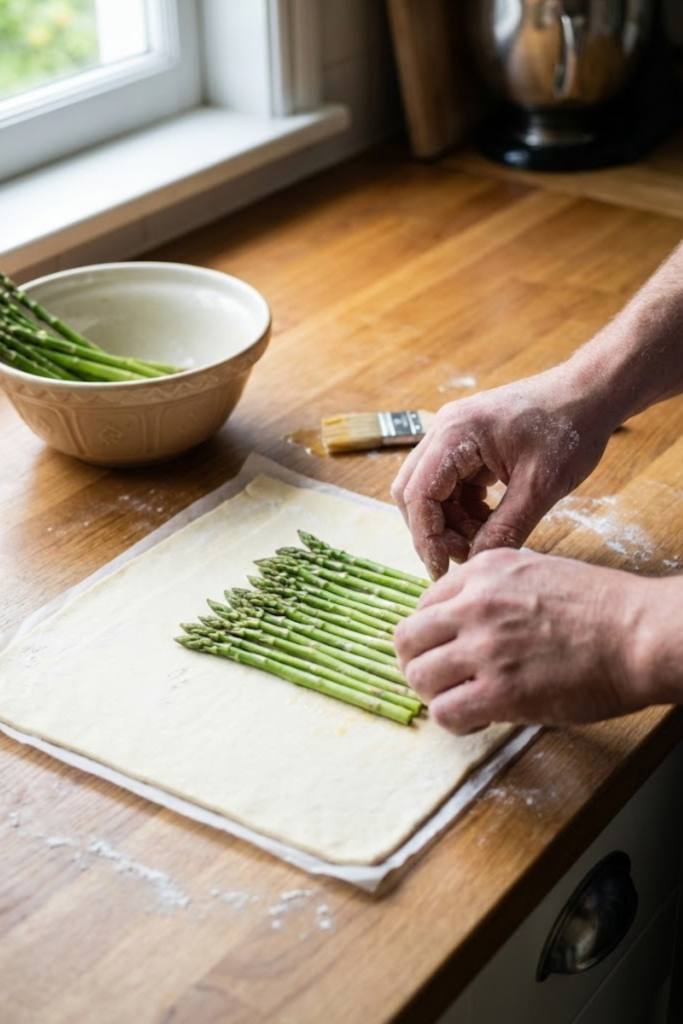
The first thing you want to do after you roll out your dough on a piece of parchment paper is to give it a border. Take a sharp knife and lightly cut a line about an inch from the edge all the way around. You aren’t trying to cut all the way through the dough! Just make a little mark. This tells the edges they can puff up high while the middle stays flat. I once forgot to do this and the whole thing turned into a giant, lumpy pillow. After you score it, take a fork and poke holes all over the center area. This is called “docking.” It lets the air out so your cheese doesn’t slide off a mountain of rising dough. It’s a small step, but it really helps keep things where they belong.
Adding the Base Layer of Flavor
Before the veggies go on, you need a little something to act as a glue and add a kick. I love using a thin layer of Dijon mustard. Just spread it around that center part you poked with the fork. Don’t go too heavy or you will get a soggy bottom, and nobody likes that! If you don’t like mustard, you can use a little bit of herb cream cheese or even some heavy cream. Then, sprinkle about half of your shredded Gruyere over the mustard. I like to put cheese down first because it acts like a blanket for the asparagus. It keeps the moisture from the veggies from soaking into the pastry too much. It’s a trick I learned after making a few soggy tarts in my early cooking days.
The Final Touches for a Golden Finish
Now, just lay your asparagus spears down. I like to alternate them—one tip facing left, the next tip facing right—because it looks fancy and fits better on the square. Sprinkle the rest of your cheese on top and a little bit of salt and pepper. The final secret is the egg wash. Beat one egg with a splash of water and brush it only on those outer edges we scored earlier. This is what gives the tart that shiny, deep brown color. If you skip this, the pastry will look a bit pale and sad. It takes about thirty seconds but makes the whole thing look like it came from a professional bakery!
Pro Tips for Working with Store-Bought Puff Pastry
Over the years, I have probably gone through dozens of boxes of frozen puff pastry. I’ve had some great successes and some pretty messy failures where the dough just turned into a pile of oil on the tray. One thing I tell my students all the time is that you have to respect the dough. It’s a bit like a science experiment in your kitchen. If you treat it right, it rewards you with those tall, flaky layers that look like they belong in a magazine. If you rush it or get sloppy, it can be a bit frustrating. Here are some of the biggest lessons I’ve learned so you don’t have to make the same mistakes I did when I was first starting out.
The Gold Rule: Keep the Dough Cold
The most important thing to remember is that temperature is everything. Inside that dough, there are tiny layers of cold butter. When that cold butter hits a hot oven, it turns into steam, and that’s what makes the pastry “puff.” If the dough gets too warm while you are working with it, the butter melts into the flour before it even gets to the oven. Then you just end up with a flat, greasy cracker. I always keep my dough in the fridge until the very second I am ready to roll it out. If you feel like it’s getting sticky or soft while you are putting the asparagus on, just slide the whole tray back into the fridge for ten minutes. It’s a small trick that makes a huge difference in the final result.
Don’t Forget to Poke the Middle
I mentioned this before, but it’s worth saying again because it is so easy to forget. Use a fork to prick holes all across the center of your tart where the toppings go. If you don’t do this, the middle of the tart will rise up just as much as the edges, and your asparagus and cheese will slide right off onto the baking sheet. By poking those holes, you are letting the steam escape from the middle so it stays flat and holds all that yummy Gruyere. I like to make sure I poke plenty of holes—probably more than you think you need—just to be safe. It helps make sure the bottom gets cooked through and stays nice and crunchy.
High Heat is a Requirement
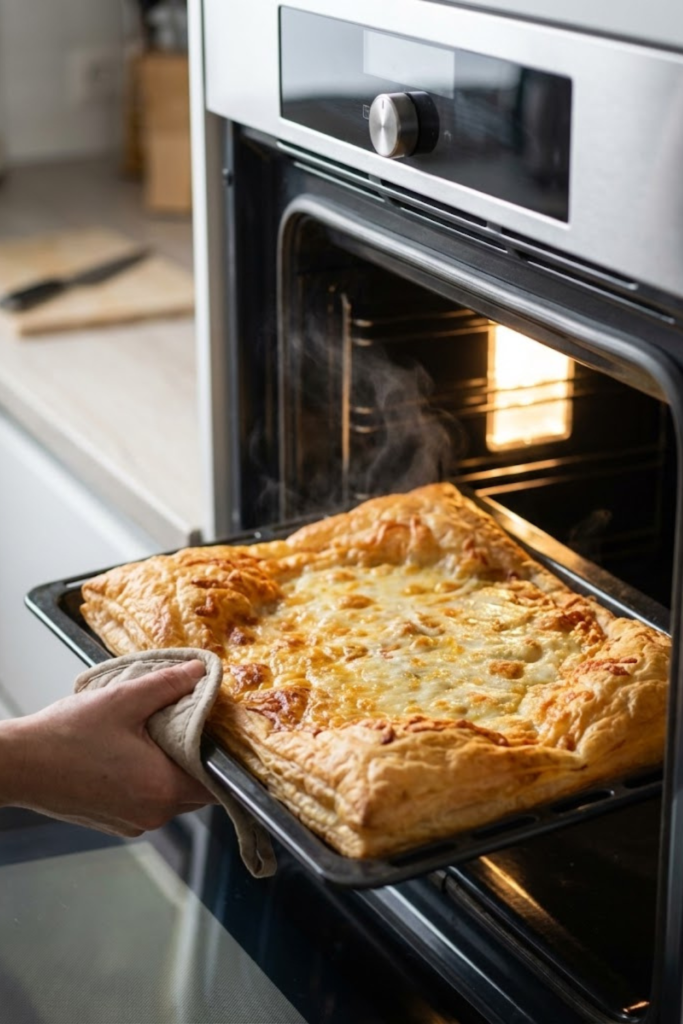
You might be tempted to cook this at 350 degrees like a batch of cookies, but that is a big mistake. Puff pastry needs high heat to do its job. I usually set my oven to at least 400 degrees. That big blast of heat is what causes the dough to spring up quickly. If the oven is too cool, the butter will just leak out of the pastry instead of turning into steam. Make sure you let your oven preheat for at least twenty minutes so it’s actually hot when the tart goes in. Also, try to use a dark metal baking sheet if you have one, because it helps the bottom of the pastry get that beautiful brown color much faster.
Final Thoughts on Your Asparagus and Gruyere Masterpiece
I really hope you give this Asparagus and Gruyere Tart with Puff Pastry a try. Its funny how some of the simplest things in life end up being the ones we remember the most. I think back to all those fancy dinner parties where I tried to make five-course meals and ended up too tired to even talk to my guests. Now, I just pull out a sheet of pastry and some fresh stalks from the garden, and everyone is happy. It really proves that you don’t need to be a master chef to put something amazing on the table. If you follow those tips about keeping the dough cold and getting the right cheese, you are going to be just fine. Honestly, I think the mistakes are what make us better cooks anyway!
Variations to Try Next Time
Once you get the hang of the basic recipe, you can start to play around with it. Sometimes, if I have some leftover ham from a holiday dinner, I’ll chop that up and sprinkle it under the cheese. It adds a nice smoky flavor that goes great with the asparagus. My sister actually likes to add a little bit of lemon zest on top right after it comes out of the oven. The brightness of the lemon really cuts through the richness of the butter and cheese. You could even swap the Gruyere for a sharp white cheddar if that’s all you have in the fridge. The goal is to make it your own and have fun with it. Don’t worry if it isn’t perfect the first time; it’ll still taste great!
How to Serve and Store Your Leftovers
If you actually have any tart left over—which doesn’t happen often in my house—you can save it for the next day. I actually think it tastes pretty good cold, but if you want that crunch back, don’t use the microwave. The microwave is the enemy of puff pastry! It will turn your beautiful flaky crust into a soggy piece of cardboard in thirty seconds. Instead, put it back in the toaster oven or a regular oven at 350 degrees for about five minutes. It’ll crisp right back up. I love serving a slice of this with a simple side salad made of arugula and a light balsamic dressing. It makes the perfect Monday lunch when you’re stuck at your desk and want a little taste of the weekend.
Wrapping It All Up
I’m so glad I got to share this with you today. Cooking should be something that brings us joy, not something that makes us feel stressed out. This tart is a great reminder that fresh ingredients and a little bit of patience go a long way. If you enjoyed making this or if you have a trick of your own for working with pastry, I would love to hear about it. Please make sure to share this on Pinterest so your friends can see how easy it is to make a savory spring treat! It helps me out a lot, and I love seeing your creations. Happy baking, and I’ll see you in the next recipe!