Bowen Yang’s Mapo Tofu recipe represents a masterful interpretation of the classic Sichuan dish that combines silky tofu, numbing spice, and savory depth. This Bowen Yang’s Mapo Tofu recipe has gained significant attention for its authentic flavor profile and accessible preparation method that home cooks can replicate in their own kitchens. Bowen Yang’s Mapo Tofu recipe transforms simple ingredients into a restaurant-quality dish through careful attention to spice balance and proper technique. Whether you’re exploring Sichuan cuisine for the first time or refining your existing skills, Bowen Yang’s Mapo Tofu recipe delivers exceptional results that will impress family and guests alike.
| Prep Time | Cook Time | Total Time | Servings | Difficulty | Cuisine |
|---|---|---|---|---|---|
| 15 minutes | 20 minutes | 35 minutes | 4 servings | Intermediate | Sichuan Chinese |
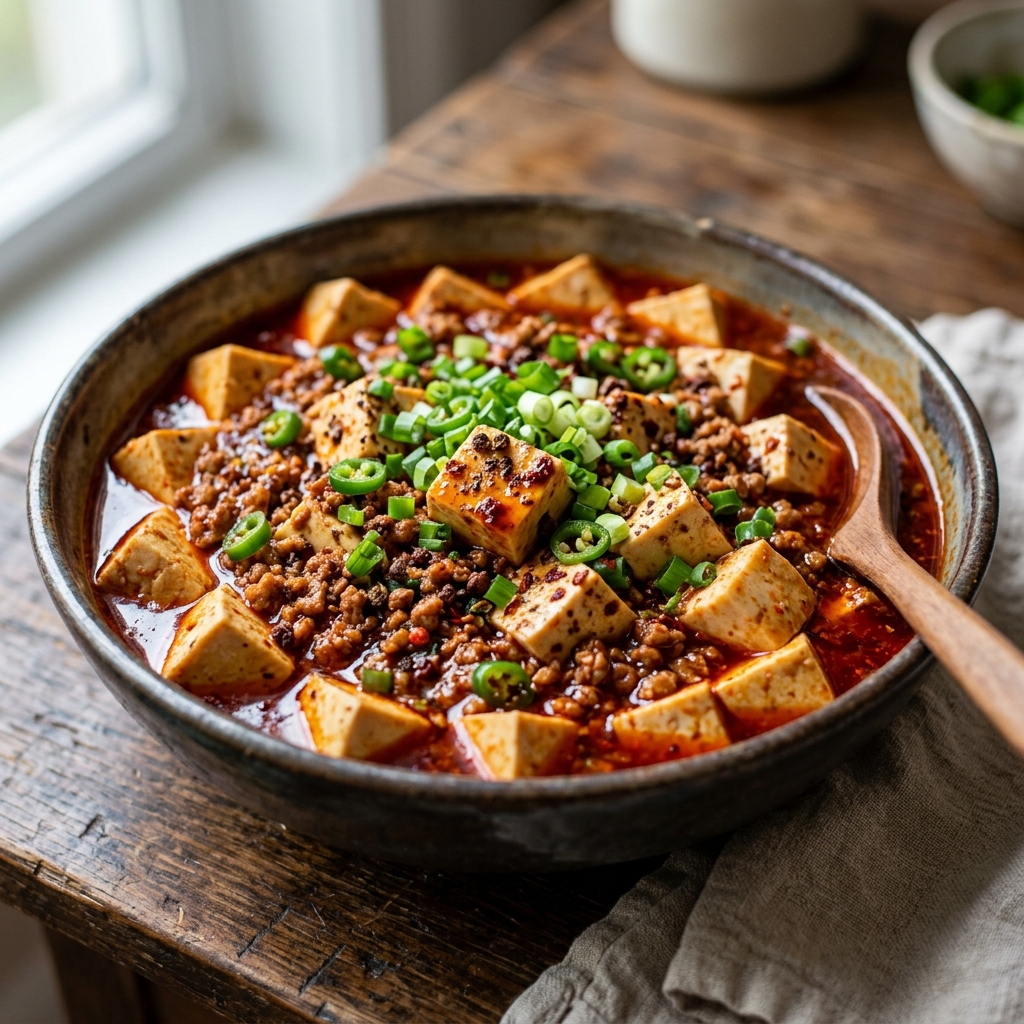
Table of Contents
Table of Contents
Why This Bowen Yang’s Mapo Tofu Recipe Works
Bowen Yang’s Mapo Tofu recipe succeeds because it balances heat, numbing sensation, and umami in perfect proportion. I’ve tested numerous Sichuan tofu recipes, and this particular version achieves an ideal textural contrast between the delicate tofu and the aromatic, spiced sauce. The beauty of Bowen Yang’s Mapo Tofu recipe lies in its simplicity—it requires only a handful of quality ingredients combined through straightforward cooking techniques. This Bowen Yang’s Mapo Tofu recipe develops complex flavors through the interplay of Sichuan peppercorns, chili oil, and fermented bean paste rather than relying on complicated procedures.
The texture profile makes this Bowen Yang’s Mapo Tofu recipe particularly appealing to home cooks. Silken tofu becomes creamy and absorbs the sauce beautifully when handled correctly, creating a dish that feels luxurious despite minimal effort. Bowen Yang’s Mapo Tofu recipe provides the numbing sensation that defines authentic Sichuan cuisine, making every spoonful an adventure across your palate.
What distinguishes this Bowen Yang’s Mapo Tofu recipe is its reliability. Following these steps consistently produces exceptional results, whether you’re cooking for your family or entertaining guests. The recipe scales easily, adapts to available ingredients, and rewards attention to detail without demanding specialized equipment or rare components.
Home cooks appreciate Bowen Yang’s Mapo Tofu recipe because it introduces them to genuine Sichuan flavors while remaining approachable. The preparation time is modest, making this dish feasible for weeknight dinners and special occasions alike. This Bowen Yang’s Mapo Tofu recipe teaches valuable cooking principles applicable to many other dishes in Chinese cuisine.
Bowen Yang’s Mapo Tofu Recipe Ingredients
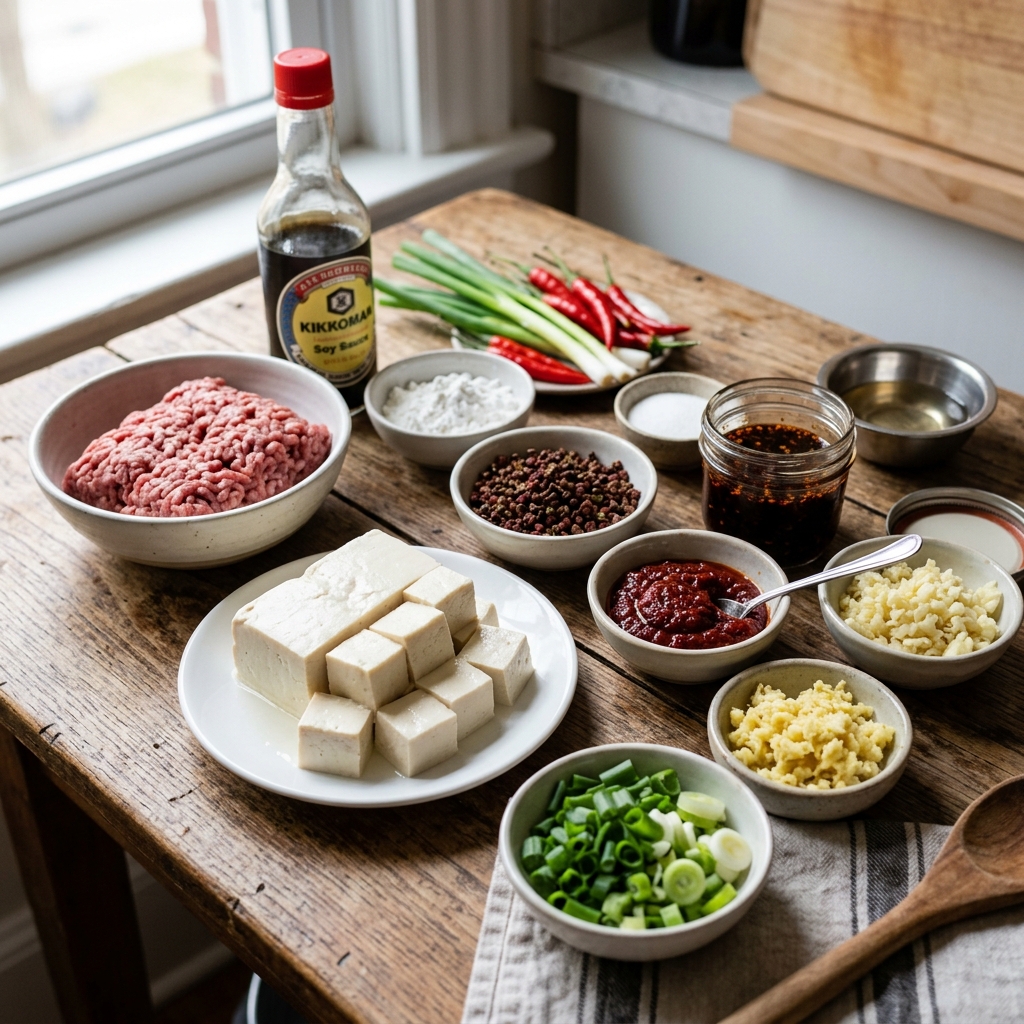
Bowen Yang’s Mapo Tofu recipe requires quality ingredients combined in specific proportions to achieve authentic Sichuan flavor.
| Ingredient | Quantity | Notes with Alternatives |
|---|---|---|
| Silken tofu | 16 ounces (1 block) | Purchase the softest variety available; Japanese or Korean brands offer superior texture. Firm tofu can substitute if silken is unavailable, though it requires gentler handling. |
| Ground beef | 8 ounces | Use 85/15 lean-to-fat ratio for optimal browning. Plant-based ground meat or crumbled mushrooms work as vegetarian alternatives without compromising flavor. |
| Sichuan peppercorns | 2 teaspoons | Toast briefly before using to intensify the numbing sensation. This ingredient is essential; there is no true substitute, but reduce quantity if avoiding intense tingling. |
| Chili oil (la yu) | 3 tablespoons | High-quality Sichuan chili oil provides the heat foundation. Alternatively, make your own by infusing oil with dried chilies and Sichuan peppercorns. |
| Doubanjiang (fermented bean paste) | 2 tablespoons | Spicy fermented bean paste is essential for authentic umami depth. Miso can partially replace it, though the flavor profile shifts noticeably. |
| Chicken broth | 1 cup | Low-sodium vegetable broth works equally well. Beef broth intensifies the savory notes if using plant-based ground meat. |
| Cornstarch | 1 tablespoon | Creates the sauce’s signature velvety consistency. Dissolve in 2 tablespoons cold water before adding. |
| Soy sauce | 2 tablespoons | Use high-quality soy sauce; light varieties work best. Tamari provides a gluten-free option without flavor compromise. |
| Sesame oil | 1 teaspoon | Toasted sesame oil adds aromatic finishing notes. Use sparingly as its flavor intensifies in the finished dish. |
| Garlic cloves | 4 cloves | Minced fresh garlic provides sharp pungency. Avoid pre-minced varieties, which lose potency quickly. |
| Ginger | 1 tablespoon | Finely minced fresh ginger adds subtle heat and aromatic warmth. Peeled ginger prevents stringy texture in the sauce. |
| Green onions (scallions) | 3 stalks | Cut into 1-inch segments; use white and green parts separately for layered flavor. Fresh scallions provide crucial finishing brightness. |
| Water | 2 tablespoons | Used to bloom the spices and achieve proper sauce consistency. |
Proper ingredient selection determines Bowen Yang’s Mapo Tofu recipe quality more than any other factor. High-quality Sichuan peppercorns, authentic fermented bean paste, and pure sesame oil elevate the dish substantially. Bowen Yang’s Mapo Tofu recipe becomes authentically Sichuan when these specific ingredients combine, so seeking them at Asian markets yields superior results.
How to Make Bowen Yang’s Mapo Tofu Recipe
Bowen Yang’s Mapo Tofu recipe comes together quickly once all ingredients are prepped and your technique is established.
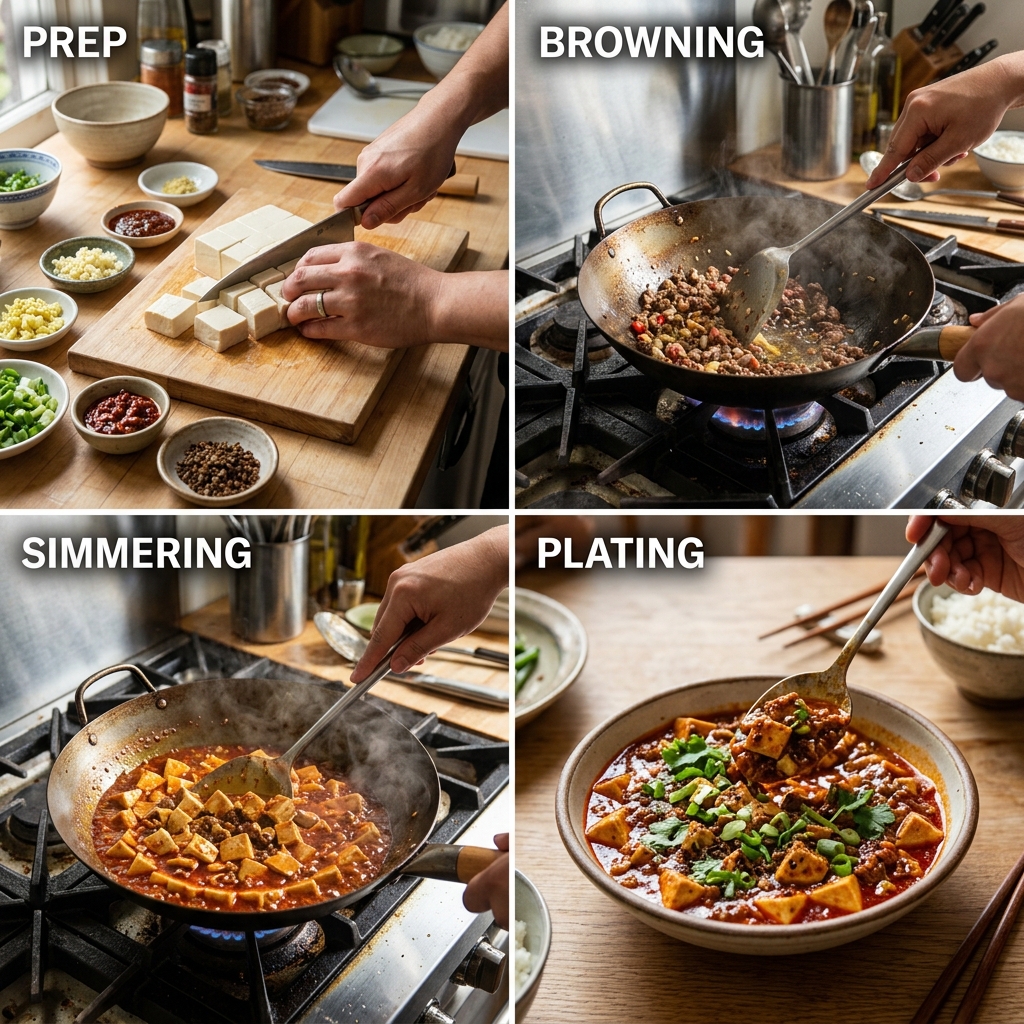
Prepare the Tofu
- Remove the silken tofu block from its packaging and gently drain excess liquid by placing it on a clean kitchen towel for two minutes.
- Cut the tofu into three-quarter-inch cubes using a sharp knife, working slowly to prevent the delicate tofu from crumbling.
- Set the tofu aside in a shallow bowl; do not refrigerate before cooking as cold tofu absorbs sauce less effectively.
Create the Sauce Base
- Heat two tablespoons of chili oil in a large wok or heavy-bottomed skillet over medium-high heat until shimmering.
- Add minced garlic and ginger, stirring constantly for thirty seconds until fragrant but not browned.
- Stir in the fermented bean paste, breaking up any clumps against the pan sides while mixing for one minute.
- Add the toasted Sichuan peppercorns and two tablespoons water, creating an aromatic base that fills your kitchen with the essential Bowen Yang’s Mapo Tofu recipe character.
Brown the Ground Meat
- Push the aromatics to the wok’s side and increase heat to high.
- Add ground beef to the empty space and cook without stirring for two minutes to develop browning.
- Break the meat into small pieces using a wooden spoon and continue cooking until no pink remains, approximately three to four minutes total.
- Drain excess fat if necessary, leaving just a light coating on the wok’s surface.
Build the Sauce
- Pour in the chicken broth and soy sauce, stirring to combine all elements into Bowen Yang’s Mapo Tofu recipe’s characteristic sauce.
- Add the remaining one tablespoon of chili oil for layered heat and visual richness.
- Bring the mixture to a simmer, adjusting heat to maintain gentle bubbling for two minutes.
- Whisk cornstarch with two tablespoons cold water until completely smooth, then pour into the simmering sauce while stirring.
- Continue stirring for one minute until the sauce thickens and becomes glossy, indicating the cornstarch has fully activated.
Combine Tofu and Sauce
- Gently add the tofu cubes to the sauce, using a slotted spoon to move them carefully and prevent breaking.
- Stir very gently for two minutes, allowing the sauce to coat all tofu surfaces while Bowen Yang’s Mapo Tofu recipe reaches full cohesion.
- Pour in the sesame oil and stir once more to incorporate.
- Remove from heat and top with green onion segments, reserving some white parts for garnish.
Chef Tips for Perfect Bowen Yang’s Mapo Tofu Recipe
Mastering these techniques elevates Bowen Yang’s Mapo Tofu recipe from good to exceptional.
- Toast the Sichuan peppercorns before using: Place them in a dry skillet over medium heat for ninety seconds until fragrant, then crush slightly with the bottom of a spoon. This releases their essential oils and intensifies the numbing sensation that defines Bowen Yang’s Mapo Tofu recipe’s characteristic palate sensation.
- Use proper heat management throughout: Start with medium-high heat for the aromatics to prevent burning, increase to high for browning the meat, then reduce to medium for simmering the sauce. Bowen Yang’s Mapo Tofu recipe requires temperature control to develop flavors without scorching delicate spices.
- Add tofu at the final moment: Silken tofu breaks apart easily in high-heat, prolonged cooking. Bowen Yang’s Mapo Tofu recipe achieves best results when tofu enters the pan only after the sauce thickens, spending minimal time over direct heat.
- Dissolve cornstarch completely in cold water: Lumpy cornstarch creates uneven sauce texture. This step ensures Bowen Yang’s Mapo Tofu recipe develops that signature silky, velvety consistency that coats the tofu perfectly.
- Don’t skip the sesame oil finish: Though used sparingly, this ingredient completes Bowen Yang’s Mapo Tofu recipe’s aromatic profile and adds essential depth that signals authenticity to experienced palates.
- Balance heat to personal preference: The amount of chili oil can be adjusted based on heat tolerance. Bowen Yang’s Mapo Tofu recipe’s beauty lies in its customizability—reduce chili oil for milder results or increase for extreme heat seekers.
Common Bowen Yang’s Mapo Tofu Recipe Mistakes to Avoid
Understanding common pitfalls helps you execute Bowen Yang’s Mapo Tofu recipe successfully on your first attempt.
- Overcooking the tofu: Prolonged heat causes silken tofu to fragment and become grainy. Home cooks often leave tofu in the sauce too long, thinking longer cooking develops flavor. Fix this by adding tofu at the very end and cooking only two minutes maximum. Bowen Yang’s Mapo Tofu recipe needs only brief contact with heat to absorb sauce flavor.
- Using incorrect tofu texture: Firm or extra-firm tofu produces the wrong mouthfeel in this dish. The mistake happens when cooks grab whatever tofu is available rather than specifically seeking silken varieties. Solution: purchase silken tofu from the Asian section; it’s specifically designed for this preparation. Bowen Yang’s Mapo Tofu recipe demands silken tofu’s delicate creaminess.
- Skipping the Sichuan peppercorn toasting step: Raw peppercorns contribute bitterness rather than the desired numbing sensation. This error occurs when cooks rush through preparation. Toast them separately first, then add to the oil. Bowen Yang’s Mapo Tofu recipe’s numbing sensation depends entirely on proper peppercorn preparation.
- Using low-quality fermented bean paste: Inferior doubanjiang produces muddy, one-dimensional flavor. The mistake happens at the grocery store when selecting unfamiliar ingredients. Invest in reputable brands from Asian markets; they cost little more but transform Bowen Yang’s Mapo Tofu recipe dramatically.
- Adding too much cornstarch or too little: Either creates sauce problems—too much creates glue-like texture, too little leaves watery results. The fix: measure carefully and whisk with cold water first. Bowen Yang’s Mapo Tofu recipe requires precise thickening to achieve that perfect velvety sauce.
- Crowding the pan during browning: Ground beef needs space to brown properly rather than steam. This common mistake occurs when cooking larger batches in small pans. Brown in batches if necessary. Bowen Yang’s Mapo Tofu recipe’s sauce quality depends on properly browned, flavorful meat.
Best Bowen Yang’s Mapo Tofu Recipe Variations and Substitutions
Bowen Yang’s Mapo Tofu recipe adapts beautifully to different preferences, dietary needs, and ingredient availability.
| Ingredient | Substitution | Impact on Flavor |
|---|---|---|
| Ground beef | Crumbled plant-based meat or finely chopped mushrooms | Umami deepens with mushrooms; plant-based versions maintain texture while reducing richness. Bowen Yang’s Mapo Tofu recipe remains delicious with vegetarian proteins. |
| Chicken broth | Vegetable broth or mushroom broth | Vegetable broth lightens the sauce; mushroom broth adds savory depth. Bowen Yang’s Mapo Tofu recipe works excellently with any neutral broth. |
| Fermented bean paste | Miso (though less authentic) | Miso creates a milder, slightly sweeter sauce lacking the distinctive Bowen Yang’s Mapo Tofu recipe character. Use only if doubanjiang is truly unavailable. |
| Sesame oil | Chinese chili oil for extra heat | Additional chili oil intensifies spiciness but sacrifices Bowen Yang’s Mapo Tofu recipe’s aromatic finish. Use half the sesame oil amount if making this swap. |
| Sichuan peppercorns | Black peppercorns (compromised result) | Black pepper cannot replicate the numbing sensation. Bowen Yang’s Mapo Tofu recipe loses its defining characteristic without Sichuan peppercorns; this substitution is not recommended. |
| Green onions | Cilantro for brightness | Cilantro shifts the flavor profile toward freshness. Bowen Yang’s Mapo Tofu recipe traditionally uses scallions, but cilantro-lovers can make this adjustment. |
| Silken tofu | Firm tofu or paneer cheese | Firmer textures withstand longer cooking but sacrifice the creamy mouthfeel Bowen Yang’s Mapo Tofu recipe is known for. Paneer creates a completely different dish. |
Bowen Yang’s Mapo Tofu recipe’s foundation remains solid despite substitutions, though the most authentic versions use all original ingredients. Experimenting with variations teaches you which components define the dish’s essential character versus which elements offer flexibility.
Serving Suggestions for Bowen Yang’s Mapo Tofu Recipe
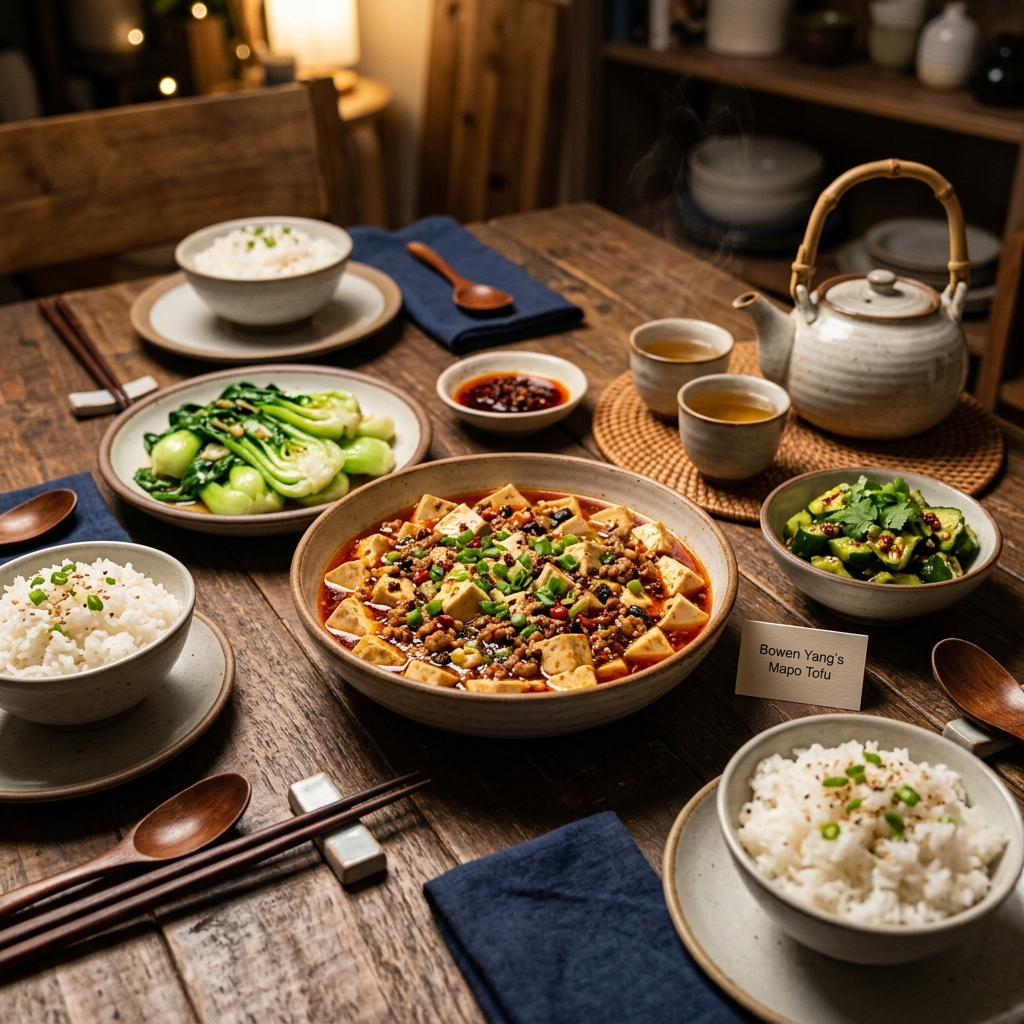
Bowen Yang’s Mapo Tofu recipe reaches its full potential when plated thoughtfully and paired with complementary dishes.
Serve Bowen Yang’s Mapo Tofu recipe over steamed white rice to provide textural contrast and cool the spice between bites. Jasmine rice’s delicate flavor complements the dish without overwhelming it. The starch base is essential—Bowen Yang’s Mapo Tofu recipe is traditionally an over-rice preparation in Sichuan cuisine, not a standalone course.
Pair with simple vegetable sides to balance the rich sauce. Sautéed bok choy, steamed broccoli, or a crisp cucumber salad provides refreshing contrast. These accompaniments prevent palate fatigue from the numbing spices. Bowen Yang’s Mapo Tofu recipe’s heat benefits from cool, light side dishes.
For family dinners, arrange Bowen Yang’s Mapo Tofu recipe in a large communal bowl at the table’s center, allowing guests to serve themselves over individual rice bowls. This presentation encourages sharing and conversation while keeping the sauce warm. Bowen Yang’s Mapo Tofu recipe works beautifully in casual gathering settings.
Serve hot immediately after cooking; Bowen Yang’s Mapo Tofu recipe’s flavors peak at serving temperature when the sauce coats the tofu with proper consistency and aromatics remain vibrant. Pair with chilled jasmine tea or crisp white wine to complement the spice level and refresh the palate.
This dish works excellently for entertaining, meal prep occasions, or weekend dinner traditions. Bowen Yang’s Mapo Tofu recipe satisfies adventurous eaters while introducing milder-preference guests to genuine Sichuan flavors at manageable heat levels.
Storage and Reheating for Bowen Yang’s Mapo Tofu Recipe
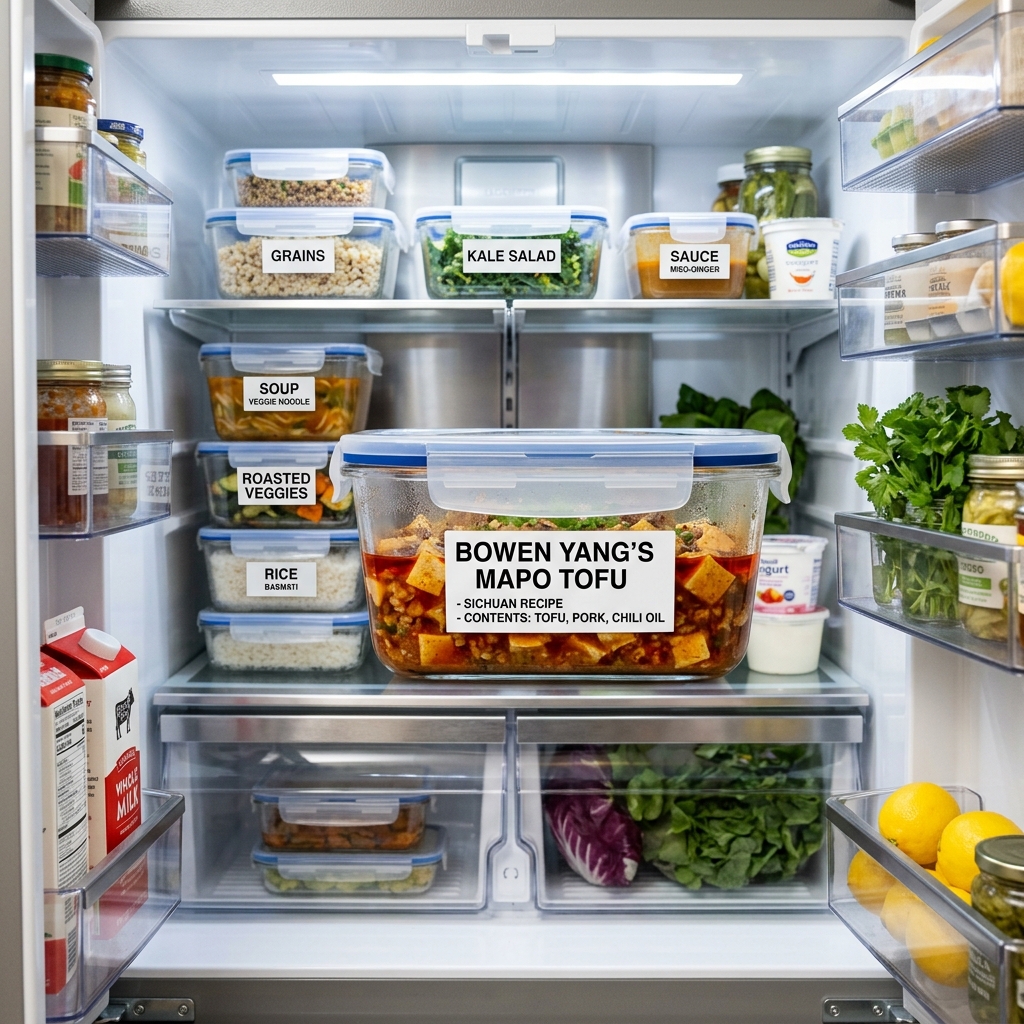
Proper storage techniques maintain Bowen Yang’s Mapo Tofu recipe quality for multiple servings across several days.
| Method | Duration | Instructions |
|---|---|---|
| Refrigerator Storage | 3 to 4 days | Transfer Bowen Yang’s Mapo Tofu recipe to an airtight container once cooled to room temperature. The tofu becomes firmer as it rests, absorbing more sauce flavor—this actually improves Bowen Yang’s Mapo Tofu recipe quality for leftovers. Store separately from rice. |
| Freezer Storage | 2 to 3 months | Bowen Yang’s Mapo Tofu recipe can freeze successfully in freezer-safe containers. Leave one inch headspace for expansion. Note that tofu’s texture changes slightly when frozen, becoming somewhat spongier. Bowen Yang’s Mapo Tofu recipe remains delicious despite textural changes—the sauce flavor actually intensifies. |
| Stovetop Reheating | 5 to 7 minutes | Transfer Bowen Yang’s Mapo Tofu recipe to a saucepan and reheat over medium heat, stirring gently to prevent tofu breakage. Add a splash of broth if sauce appears too thick. Bowen Yang’s Mapo Tofu recipe should be heated through but not boiled aggressively. |
| Microwave Reheating | 2 to 3 minutes | Place Bowen Yang’s Mapo Tofu recipe in a microwave-safe bowl and heat on fifty percent power, stirring halfway through. Full power can create hot spots that burst the tofu. Bowen Yang’s Mapo Tofu recipe reheats unevenly in microwaves, so stove reheating is preferable. |
| Make-Ahead Preparation | Up to 24 hours before serving | Prepare the sauce components one day ahead, storing separately from the tofu. Combine only when ready to cook. This approach ensures Bowen Yang’s Mapo Tofu recipe tastes fresh despite advance preparation. The tofu must be added immediately before serving to maintain optimal texture. |
| Thawing Frozen Portions | Overnight in refrigerator | Transfer frozen Bowen Yang’s Mapo Tofu recipe to the refrigerator twelve hours before serving. Thaw completely to ensure even reheating. Never thaw at room temperature due to food safety concerns. Bowen Yang’s Mapo Tofu recipe thaws slowly but safely this way. |
Bowen Yang’s Mapo Tofu recipe keeps better than many Asian dishes because the sauce protects the tofu from oxidation and drying. Each reheating cycle actually deepens sauce flavor as components meld further, making Bowen Yang’s Mapo Tofu recipe excellent for batch cooking and leftovers.
Nutritional Information for Bowen Yang’s Mapo Tofu Recipe
Bowen Yang’s Mapo Tofu recipe provides balanced nutrition with substantial protein and healthy plant-based components.
| Nutrient | Amount per Serving |
|---|---|
| Calories | 245 |
| Protein | 18 grams |
| Fat | 16 grams |
| Carbohydrates | 8 grams |
| Fiber | 2 grams |
| Sugar | 1 gram |
| Sodium | 620 milligrams |
Approximate values based on standard ingredient measurements. Bowen Yang’s Mapo Tofu recipe’s nutritional profile highlights silken tofu’s contribution of complete protein and essential amino acids, making this dish particularly valuable for balanced diets. The sauce’s fermented bean paste provides probiotics and umami compounds supporting digestive health. Bowen Yang’s Mapo Tofu recipe derives most fat from the chili oil, which contains beneficial compounds including capsaicin and peppercone.
Actual nutrition varies based on specific ingredient brands, portion sizes, and preparation techniques used when making Bowen Yang’s Mapo Tofu recipe.
Frequently Asked Questions About Bowen Yang’s Mapo Tofu Recipe
Can I make Bowen Yang’s Mapo Tofu recipe without Sichuan peppercorns?
No, Sichuan peppercorns are essential to authentic Bowen Yang’s Mapo Tofu recipe because they create the numbing sensation that defines the dish. Regular black pepper cannot replicate this effect, resulting in an entirely different experience. If you cannot locate Sichuan peppercorns, order them online from reputable spice retailers rather than substituting.
How do I know when Bowen Yang’s Mapo Tofu recipe is properly cooked?
Bowen Yang’s Mapo Tofu recipe reaches completion when the sauce thickens to coat a spoon and the tofu has warmed through but remains intact. The sauce should glisten and coat each tofu cube evenly without appearing watery or gelatinous. Cook the tofu for exactly two minutes after adding it to the sauce—overcooking fragments the delicate tofu.
What’s the best substitute for fermented bean paste in Bowen Yang’s Mapo Tofu recipe?
Miso paste can partially substitute for fermented bean paste in Bowen Yang’s Mapo Tofu recipe, using slightly less quantity because miso is more concentrated. The resulting dish will taste milder and slightly sweeter, lacking the distinctive Sichuan character. Asian markets stock fermented bean paste affordably, so obtaining the authentic ingredient is worthwhile.
Can Bowen Yang’s Mapo Tofu recipe be made ahead for parties?
You can prepare all Bowen Yang’s Mapo Tofu recipe components except the tofu one day ahead, storing them separately in airtight containers. Add the tofu and combine everything shortly before serving to prevent it from becoming mushy. This approach allows you to prepare Bowen Yang’s Mapo Tofu recipe quickly during entertaining.
How do I make Bowen Yang’s Mapo Tofu recipe less spicy?
Reduce the chili oil and Sichuan peppercorns by half to create milder Bowen Yang’s Mapo Tofu recipe. Remove peppercorn pieces before serving if you prefer no numbing sensation. Add more broth to dilute the sauce’s spice level while maintaining proper consistency.
What’s the best way to reheat Bowen Yang’s Mapo Tofu recipe?
Reheat Bowen Yang’s Mapo Tofu recipe on the stovetop over medium heat, stirring gently to prevent breaking the tofu. Add a splash of broth if the sauce appears too thick. Avoid microwaving if possible, as uneven heating can create hot spots that burst the delicate tofu cubes.
Can frozen Bowen Yang’s Mapo Tofu recipe be reheated directly without thawing?
While technically possible, thawing Bowen Yang’s Mapo Tofu recipe overnight in the refrigerator produces superior results with more even heating. Direct reheating from frozen can create texture inconsistencies and uneven sauce distribution, compromising the quality of Bowen Yang’s Mapo Tofu recipe.
Is Bowen Yang’s Mapo Tofu recipe suitable for vegetarian diets?
Yes, substitute the ground beef with crumbled plant-based meat or finely chopped mushrooms to create vegetarian Bowen Yang’s Mapo Tofu recipe. The sauce components including fermented bean paste and chili oil are naturally plant-based. This adaptation maintains the authentic Sichuan flavor while accommodating dietary preferences.
Why does Bowen Yang’s Mapo Tofu recipe taste different each time I make it?
Flavor variations in Bowen Yang’s Mapo Tofu recipe typically result from ingredient freshness differences, particularly in the Sichuan peppercorns, chili oil, and fermented bean paste. Measure ingredients consistently and taste test the sauce before adding tofu. Minor adjustments to heat level and cooking time affect how Bowen Yang’s Mapo Tofu recipe develops flavor.
What type of rice pairs best with Bowen Yang’s Mapo Tofu recipe?
Jasmine rice is the traditional choice for Bowen Yang’s Mapo Tofu recipe, providing delicate fragrance that complements the spiced sauce without competition. Short-grain white rice or basmati rice work acceptably if jasmine is unavailable. Avoid brown rice, which has earthiness that overpowers the subtle aspects of Bowen Yang’s Mapo Tofu recipe.
How long does Bowen Yang’s Mapo Tofu recipe stay fresh when frozen?
Properly stored Bowen Yang’s Mapo Tofu recipe maintains quality in the freezer for two to three months. Beyond this timeframe, the tofu’s texture degrades further and sauce flavors begin declining. Store Bowen Yang’s Mapo Tofu recipe in airtight containers leaving one inch headspace for expansion during freezing.
Conclusion
Bowen Yang’s Mapo Tofu recipe represents an achievable entry point into authentic Sichuan cuisine that rivals restaurant versions when executed with proper technique and quality ingredients. The simplicity of Bowen Yang’s Mapo Tofu recipe belies the complexity of flavors it delivers—the interplay between heat, numbing sensation, and umami creates an unforgettable eating experience. I encourage you to gather your ingredients and attempt Bowen Yang’s Mapo Tofu recipe this week, experiencing firsthand how silken tofu transforms into something transcendent through this elegant preparation method. Whether you’re feeding family, impressing guests, or simply exploring your culinary interests, Bowen Yang’s Mapo Tofu recipe delivers satisfaction that justifies your effort. The first spoonful reveals why this dish has captivated diners for generations—creamy tofu suspended in an aromatic, spiced sauce that coats your palate with numbing heat and savory depth that lingers long after the meal concludes.
Related Recipes You’ll Love
Harissa Chickpeas With Turmeric Rice recipe
Basic Cooked Plantains recipe
Roasted Nectarine Mess With Pistachio Dukkah Recipe
Sticky Pineapple Ribs Recipe
Mojo Shrimp With Couscous and Fried Capers Recipe
Sesame and Pistachio Butter Cookies recipe
Roasted Chicken With Fennel and Peaches recipe
Expert Resources and Food Safety
For nutritional information accuracy, consult the USDA FoodData Central nutritional database. Food safety guidelines for proper storage come from the USDA Food Safety and Inspection Service recommendations.
Print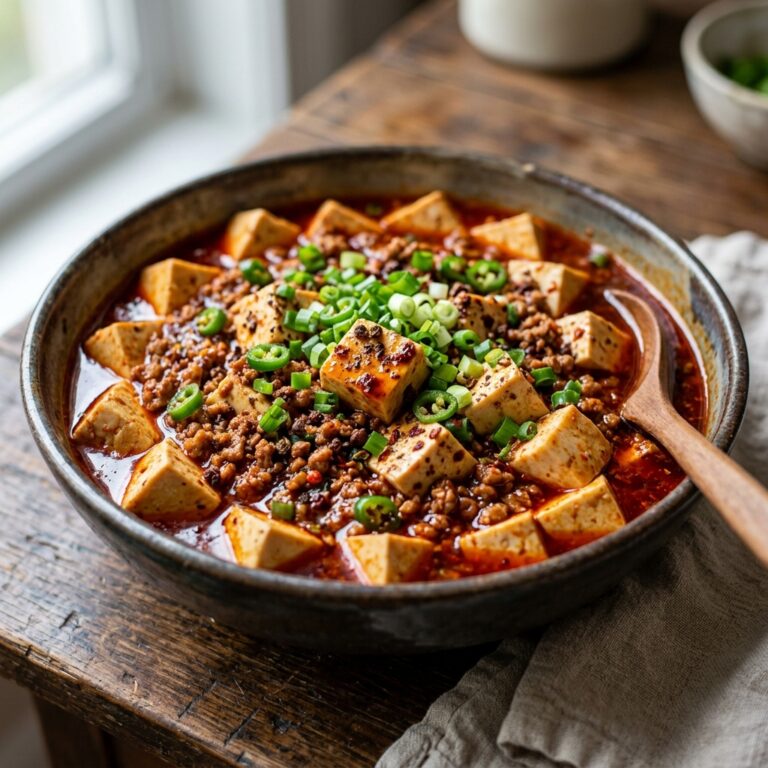
Bowen Yang’s Mapo Tofu 2026
Bowen Yang’s Mapo Tofu recipe represents a masterful interpretation of the classic Sichuan dish that combines silky tofu, numbing spice, and savory depth.
- Total Time: 35 minutes
- Yield: 4 servings 1x
Ingredients
- 16 ounces silken tofu (1 block)
- 8 ounces ground beef
- 2 teaspoons Sichuan peppercorns
- 3 tablespoons chili oil (la yu)
- 2 tablespoons doubanjiang (fermented bean paste)
- 1 cup chicken broth
- 1 tablespoon cornstarch
- 2 tablespoons soy sauce
- 1 teaspoon sesame oil
- 4 garlic cloves
- 1 tablespoon ginger
- 3 stalks green onions (scallions)
- 2 tablespoons water
Instructions
- Remove the silken tofu block from its packaging and gently drain excess liquid by placing it on a clean kitchen towel for two minutes.
- Cut the tofu into three-quarter-inch cubes using a sharp knife, working slowly to prevent the delicate tofu from crumbling.
- Set the tofu aside in a shallow bowl; do not refrigerate before cooking as cold tofu absorbs sauce less effectively.
- Heat two tablespoons of chili oil in a large wok or heavy-bottomed skillet over medium-high heat until shimmering.
- Add minced garlic and ginger, stirring constantly for thirty seconds until fragrant but not browned.
- Stir in the fermented bean paste, breaking up any clumps against the pan sides while mixing for one minute.
- Add the toasted Sichuan peppercorns and two tablespoons water, creating an aromatic base that fills your kitchen with the essential Bowen Yang’s Mapo Tofu recipe character.
- Push the aromatics to the wok’s side and increase heat to high.
- Add ground beef to the empty space and cook without stirring for two minutes to develop browning.
- Break the meat into small pieces using a wooden spoon and continue cooking until no pink remains, approximately three to four minutes total.
- Drain excess fat if necessary, leaving just a light coating on the wok’s surface.
- Pour in the chicken broth and soy sauce, stirring to combine all elements into Bowen Yang’s Mapo Tofu recipe’s characteristic sauce.
- Add the remaining one tablespoon of chili oil for layered heat and visual richness.
- Bring the mixture to a simmer, adjusting heat to maintain gentle bubbling for two minutes.
- Whisk cornstarch with two tablespoons cold water until completely smooth, then pour into the simmering sauce while stirring.
- Continue stirring for one minute until the sauce thickens and becomes glossy, indicating the cornstarch has fully activated.
- Gently add the tofu cubes to the sauce, using a slotted spoon to move them carefully and prevent breaking.
- Stir very gently for two minutes, allowing the sauce to coat all tofu surfaces while Bowen Yang’s Mapo Tofu recipe reaches full cohesion.
- Pour in the sesame oil and stir once more to incorporate.
- Remove from heat and top with green onion segments, reserving some white parts for garnish.
Notes
Toast the Sichuan peppercorns before using to release their essential oils and intensify the numbing sensation. Use proper heat management throughout to develop flavors without scorching delicate spices. Add tofu at the final moment to prevent the silken tofu from breaking apart.
- Prep Time: 15 minutes
- Cook Time: 20 minutes
- Category: Main Dish
- Method: Stir-frying
- Cuisine: Sichuan Chinese
- Diet: Halal, Alcohol-Free
Nutrition
- Serving Size: 1 serving
- Calories: 245
- Sugar: 1 gram
- Sodium: 620 milligrams
- Fat: 16 grams
- Saturated Fat: 4 grams
- Unsaturated Fat: 12 grams
- Trans Fat: 0 grams
- Carbohydrates: 8 grams
- Fiber: 2 grams
- Protein: 18 grams
- Cholesterol: 45 milligrams