Banh beo recipe creates delicate, round Vietnamese steamed dumplings that deliver soft, chewy textures with savory toppings in every bite. These tiny, boat-shaped cakes are traditional Vietnamese street food made from a simple tapioca starch batter that steams to perfection in minutes. Banh beo recipe requires minimal ingredients but produces impressive results with its delicate exterior and flavorful garnishes of crispy fried shallots, fresh herbs, and savory sauce. This banh beo recipe guides you through creating these authentic Vietnamese dumplings at home with clear instructions that even beginners can follow successfully.
| Prep Time | Cook Time | Total Time | Servings | Difficulty | Cuisine |
|---|---|---|---|---|---|
| 20 minutes | 30 minutes | 50 minutes | 4 servings (16-20 pieces) | Intermediate | Vietnamese |
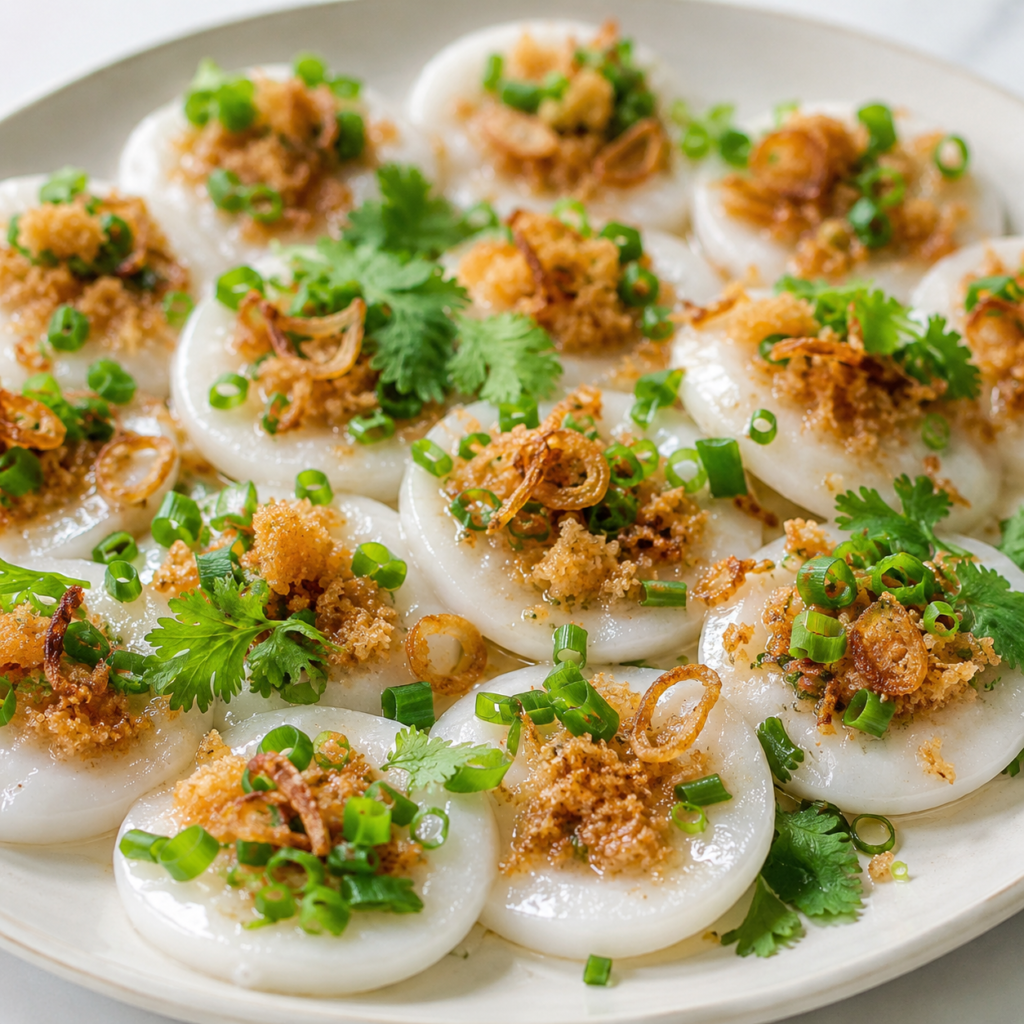
Table of Contents
Table of Contents
Why This Banh Beo Recipe Works
This banh beo recipe works beautifully because it combines simplicity with authentic Vietnamese flavors that restaurant kitchens have perfected for generations. The tapioca starch base creates a tender, slightly chewy texture that absorbs the savory sauce without becoming mushy or dense like heavier dumplings. Making banh beo recipe at home delivers superior freshness compared to store-bought versions, and the steaming process means no oil or complicated techniques are required.
I discovered the magic of banh beo recipe during my first visit to Vietnam, where street vendors served these delicate dumplings warm with incredible topping combinations. The beauty of this banh beo recipe lies in its versatility—you can customize the toppings and sauce to match your preferences while maintaining the authentic character of the dish. Home cooks appreciate this banh beo recipe because the actual cooking time is surprisingly short, making it perfect for weeknight dinners or entertaining guests with impressive Vietnamese cuisine.
The texture contrast in banh beo recipe is what truly makes it special; the soft, pillowy dumpling exterior contrasts wonderfully with crispy fried shallots and fresh herbs. This banh beo recipe also stores beautifully, which means you can prepare components in advance and assemble everything just before serving for maximum freshness and flavor.
Banh Beo Recipe Ingredients
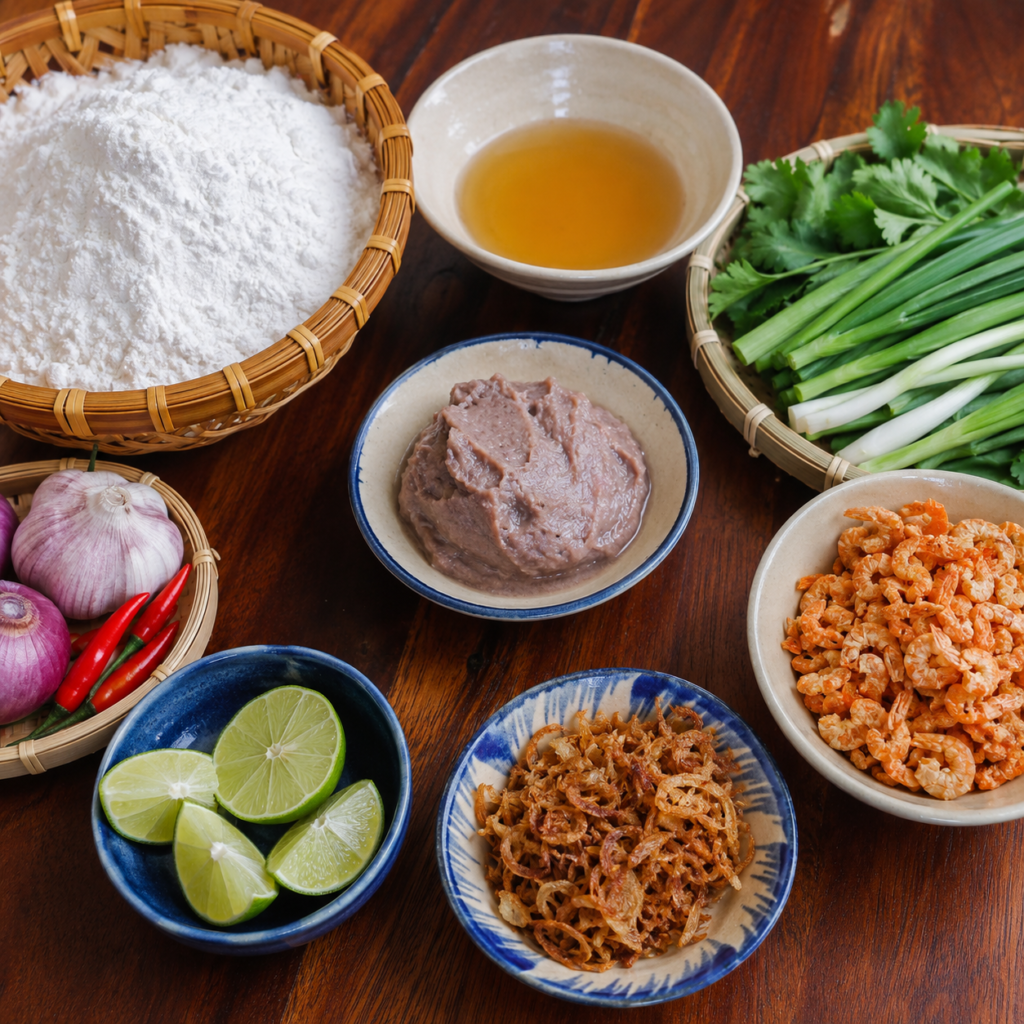
Gathering the right ingredients ensures your banh beo recipe turns out perfectly tender with authentic Vietnamese flavors that rival restaurant versions.
| Ingredient | Quantity | Notes with Alternatives |
|---|---|---|
| Tapioca starch | 1 cup | Essential for the chewy texture; rice flour creates a different texture and is not recommended for authentic banh beo recipe |
| Water | 1.5 cups | Warm water helps dissolve the starch evenly; use filtered water for best results |
| Salt | 1 teaspoon | Adjust to taste preference; sea salt enhances flavor better than table salt |
| Shrimp paste (Mam tom) | 2 tablespoons | Traditional Vietnamese condiment; use a high-quality brand for authentic banh beo recipe flavor |
| Fish sauce | 3 tablespoons | Provides umami depth; essential for authentic Vietnamese taste in banh beo recipe |
| Lime juice | 2 tablespoons | Fresh lime works better than bottled juice for banh beo recipe |
| Sugar | 1 tablespoon | Balances salty and sour flavors in the sauce for banh beo recipe |
| Water (for sauce) | 1/4 cup | Dilutes the sauce to proper consistency for drizzling on banh beo recipe |
| Fried shallots | 1/2 cup | Adds crucial crispy texture; buy pre-fried or make your own for banh beo recipe |
| Green onions (scallions) | 3 stalks | Provides fresh onion flavor and vibrant color to banh beo recipe |
| Fresh cilantro | 1/4 cup | Adds herbaceous brightness; optional but recommended for authentic banh beo recipe |
| Dried shrimp (optional) | 3 tablespoons | Adds umami and authentic seafood depth to banh beo recipe |
Quality ingredients make a significant difference in your banh beo recipe’s final taste and texture, so source Vietnamese condiments from Asian markets when possible for authentic results.
How to Make Banh Beo Recipe
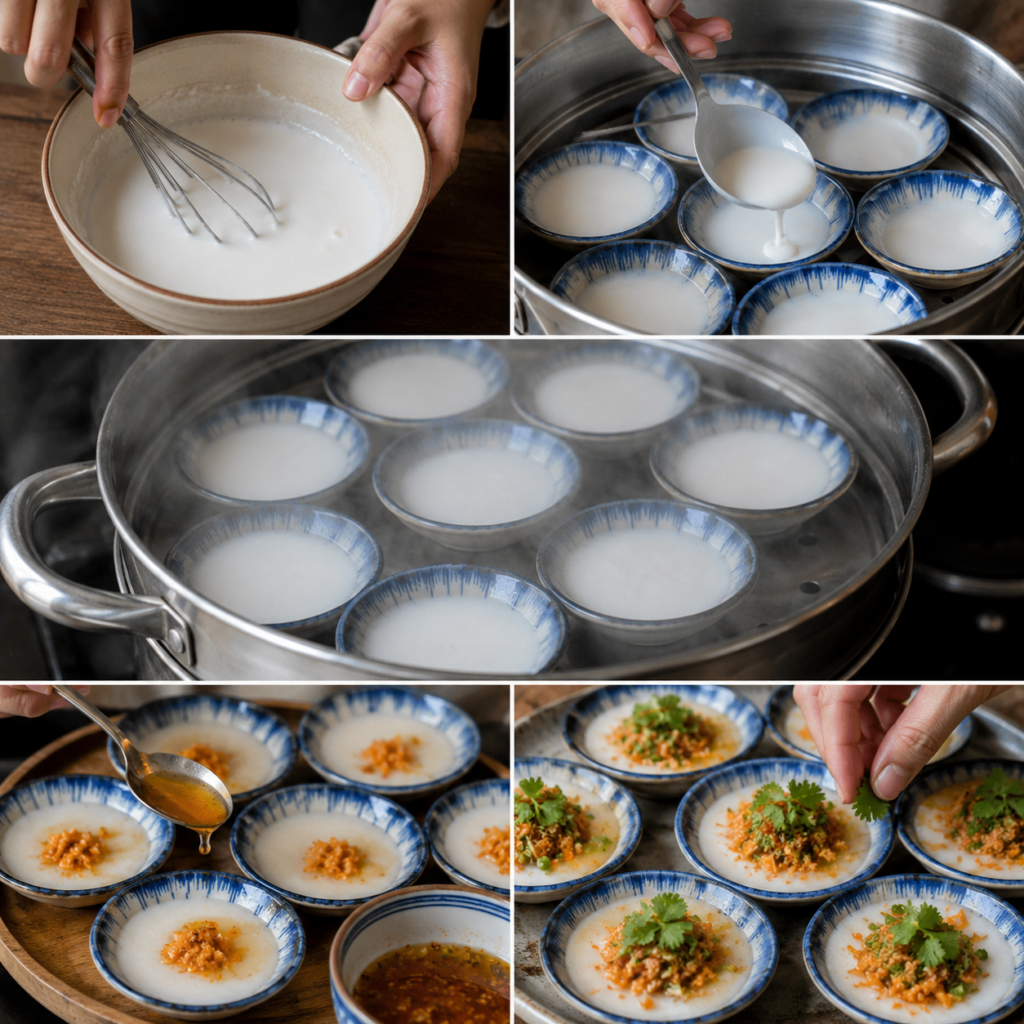
Making banh beo recipe requires attention to detail during the batter preparation and steaming stages, but the actual hands-on time is minimal and straightforward for home cooks.
Prepare the Batter for Banh Beo Recipe
- Combine one cup of tapioca starch and one teaspoon of salt in a large mixing bowl to create the base for your banh beo recipe.
- Gradually pour warm water into the tapioca mixture while stirring constantly to prevent lumps from forming in your banh beo recipe batter.
- Continue stirring for two minutes until the mixture reaches a smooth, thin consistency similar to crepe batter for proper banh beo recipe results.
- Let the batter rest for five minutes at room temperature, which allows the starch to fully hydrate for your banh beo recipe.
Steam Your Banh Beo Recipe
- Fill a steamer with water and bring it to a rolling boil before starting to cook your banh beo recipe.
- Lightly oil small round molds or banh beo molds to prevent sticking when making banh beo recipe.
- Pour approximately two tablespoons of batter into each mold, filling them about three-quarters full for your banh beo recipe.
- Carefully place filled molds into the steamer basket, working in batches if necessary when preparing banh beo recipe.
- Steam for five to seven minutes until the banh beo recipe dumplings turn translucent and firm to the touch but still tender.
- Remove steamed banh beo recipe from molds by running a thin knife around the edges and gently pushing from the bottom.
- Arrange finished banh beo recipe on a serving plate while still warm for best texture and presentation.
Prepare the Sauce for Banh Beo Recipe
- Combine three tablespoons of fish sauce, two tablespoons of lime juice, one tablespoon of sugar, and one-quarter cup of water in a small bowl.
- Stir the mixture for one minute until the sugar dissolves completely in your banh beo recipe sauce.
- Add two tablespoons of shrimp paste to the sauce, stirring well to distribute evenly throughout when making banh beo recipe.
- Taste the banh beo recipe sauce and adjust seasoning by adding more lime juice if too salty, or more salt if too bland.
Top Your Banh Beo Recipe
- Drizzle the prepared sauce generously over each warm banh beo recipe dumpling, using about one tablespoon per piece.
- Sprinkle crispy fried shallots on top of the banh beo recipe to add essential crunch and flavor.
- Scatter chopped green onions across your banh beo recipe for fresh onion bite and vibrant color.
- Add fresh cilantro leaves to the banh beo recipe, then optionally sprinkle rehydrated dried shrimp for extra umami.
- Serve the banh beo recipe immediately while still warm, allowing guests to enjoy the contrast between soft dumplings and crispy toppings.
Chef Tips for Perfect Banh Beo Recipe
These professional techniques ensure your banh beo recipe turns out with ideal texture, flavor, and presentation every time you prepare this Vietnamese classic.
- Use a kitchen thermometer to verify your steaming water reaches 212°F before adding your banh beo recipe molds, as this ensures consistent cooking and prevents undercooked dumplings that remain doughy inside.
- Prepare your banh beo recipe batter immediately before steaming; if the batter sits longer than thirty minutes, restir it gently before use since tapioca starch tends to settle at the bottom.
- Oil your banh beo recipe molds generously with neutral oil like vegetable or coconut oil, then wipe away excess with a clean cloth so the finished dumplings release cleanly without sticking.
- Steam your banh beo recipe in a single layer rather than stacking molds, which ensures even heat distribution and prevents the bottom dumplings from overcooking.
- Test doneness on your banh beo recipe by inserting a toothpick into the center; it should come out clean with no wet batter clinging to it, indicating the dumpling is fully cooked.
- Prepare all banh beo recipe toppings and sauce before the dumplings finish steaming so you can serve everything while the dumplings remain warm and at their best texture.
Common Banh Beo Recipe Mistakes to Avoid
Understanding frequent banh beo recipe errors helps you troubleshoot and create consistently successful results in your home kitchen.
Mistake 1: Using the Wrong Starch
Many home cooks substitute cornstarch or regular flour in their banh beo recipe, which produces a different texture altogether. Rice flour or wheat flour creates a crumbly texture rather than the characteristic chewy consistency that defines authentic banh beo recipe. Always use pure tapioca starch for your banh beo recipe to achieve the proper texture and authentic Vietnamese result.
Mistake 2: Batter Consistency Problems
Banh beo recipe batter that is too thick produces rubbery, dense dumplings, while batter that is too thin results in dumplings that are mushy and fragile. The ideal consistency for your banh beo recipe resembles thin crepe batter that pours easily but isn’t watery. If your banh beo recipe batter seems wrong, add water by the tablespoon to thin it or tapioca starch by the teaspoon to thicken it.
Mistake 3: Insufficient Steaming Time
Undercooked banh beo recipe remains translucent throughout with a gummy texture in the center, indicating the starch hasn’t fully gelatinized. Always steam your banh beo recipe for at least five to seven minutes until the dumpling becomes opaque and turns from translucent to a milky white color throughout.
Mistake 4: Poor Mold Selection
Using molds that are too deep or irregular shapes makes removing banh beo recipe difficult and damages the delicate dumplings. Purchase proper banh beo recipe molds from Asian markets, or use small silicone molds that release the cooked dumplings easily.
Mistake 5: Sauce Imbalance
Banh beo recipe sauce that is too salty overshadows other flavors, while sauce that is too acidic creates an unpleasant sharp taste. Taste your banh beo recipe sauce as you prepare it and balance the components gradually, adjusting fish sauce and lime juice to achieve harmonious flavor.
Best Banh Beo Recipe Variations and Substitutions
Creative variations on banh beo recipe allow you to customize this Vietnamese dumpling to match dietary preferences while maintaining authentic character.
| Ingredient | Substitution | Impact on Banh Beo Recipe Flavor |
|---|---|---|
| Fish sauce | Soy sauce or coconut aminos | Creates milder, less pungent flavor in banh beo recipe; good for beginners or those sensitive to fermented fish taste |
| Shrimp paste | Miso paste or additional fish sauce | Miso provides earthiness to banh beo recipe while maintaining umami depth; use one tablespoon miso per banh beo recipe |
| Fried shallots | Crispy garlic chips or toasted breadcrumbs | Adds texture to banh beo recipe but changes traditional flavor profile; garlic maintains Vietnamese authenticity in banh beo recipe |
| Dried shrimp | Crispy mushrooms or walnut pieces | Vegetarian substitution for banh beo recipe that adds texture but changes seafood umami character significantly |
| Lime juice | Rice vinegar or white vinegar | Creates sharper, less bright acidity in banh beo recipe; use slightly less vinegar since it is stronger than fresh lime |
| Green onions | Fresh chives or garlic chives | Garlic chives provide more intense onion-garlic flavor in banh beo recipe while maintaining herbaceous quality |
Experimenting with banh beo recipe variations helps you discover your preferred flavor combinations while respecting the Vietnamese tradition of this beloved street food.
Serving Suggestions for Banh Beo Recipe
Present your banh beo recipe as part of a complete Vietnamese meal or as an elegant appetizer that impresses dinner guests with authentic flavors.
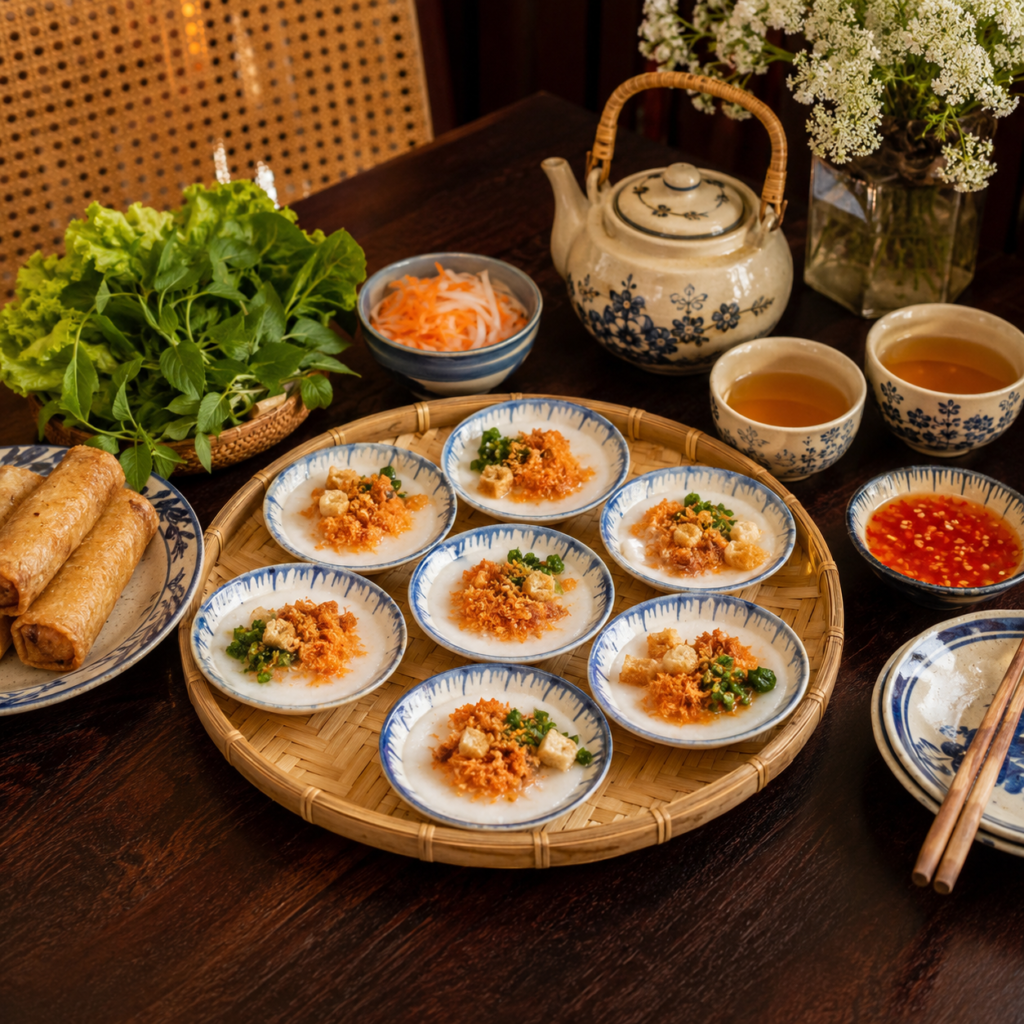
Serve your banh beo recipe warm as the centerpiece of a Vietnamese-inspired lunch, accompanied by fresh spring rolls and crispy fried tofu for a balanced meal. Pair banh beo recipe with a cool glass of jasmine tea or lemongrass iced tea to complement the savory, umami-rich dumpling flavors beautifully. For entertaining, arrange banh beo recipe on a large platter with extra sauce and toppings set nearby, allowing guests to customize their servings according to personal preferences.
Banh beo recipe works wonderfully as part of a Vietnamese street food tasting menu, served alongside other specialties like pho, banh mi, or nem ran spring rolls. This banh beo recipe makes an impressive appetizer course at formal dinners, offering guests an authentic taste of Vietnamese cuisine prepared in your home kitchen. Consider serving banh beo recipe at family gatherings during holidays when you want to introduce relatives to traditional Vietnamese dishes, or prepare banh beo recipe for weeknight dinner when you crave something unique yet relatively quick to prepare.
Storage and Reheating for Banh Beo Recipe
Proper storage techniques preserve the quality of your banh beo recipe while maintaining the best possible texture and flavor for future enjoyment.
| Method | Duration | Instructions for Banh Beo Recipe |
|---|---|---|
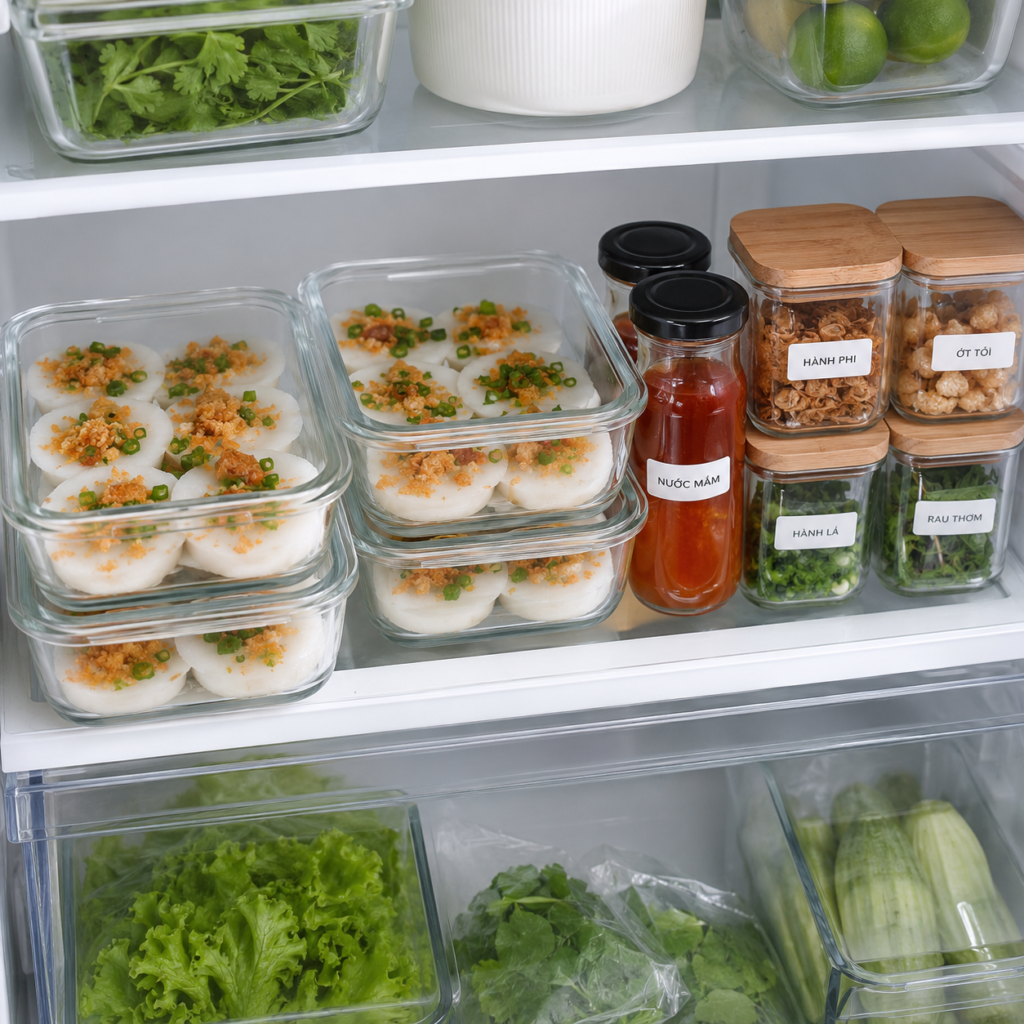
| Refrigerator Storage | Up to 3 days | Cool banh beo recipe to room temperature completely before transferring to an airtight container; store toppings and sauce separately to maintain crispness of fried shallots and prevent soggy banh beo recipe |
| Freezer Storage | Up to 2 months | Freeze cooked banh beo recipe in a single layer on a baking sheet before transferring to freezer bags; this prevents sticking and allows you to thaw individual dumplings as needed for your banh beo recipe |
| Reheating (Refrigerated) | 5-7 minutes | Steam chilled banh beo recipe in a steamer basket over boiling water for five to seven minutes until warmed through; add toppings and sauce after reheating for best banh beo recipe texture |
| Reheating (Frozen) | 10-12 minutes | Steam frozen banh beo recipe without thawing for ten to twelve minutes until completely heated through; do not microwave banh beo recipe as this produces rubbery texture and uneven heating |
| Make-Ahead Preparation | 24 hours | Prepare banh beo recipe batter and sauce one day ahead, storing both in separate airtight containers in the refrigerator; prepare fried shallots and fresh toppings the day of serving to maintain banh beo recipe quality |
Store sauce and toppings separately from your banh beo recipe to prevent sogginess and maintain the crispness that makes this Vietnamese dumpling so enjoyable, then combine everything just before serving.
Nutritional Information for Banh Beo Recipe
Understanding the nutritional content of banh beo recipe helps you incorporate this Vietnamese dish into your balanced meal plan.
| Nutrient | Amount per Serving |
|---|---|
| Calories | 85-95 |
| Protein | 2-3 grams |
| Fat | 2-3 grams |
| Carbohydrates | 14-16 grams |
| Fiber | 0.5-1 gram |
| Sugar | 1-2 grams |
| Sodium | 480-520 milligrams |
Approximate values based on standard banh beo recipe ingredients without additional oils or modifications. Nutritional content of your banh beo recipe may vary depending on portion size, toppings used, and specific brands of ingredients selected for preparation.
Frequently Asked Questions About Banh Beo Recipe
What is the best tapioca starch to use when making banh beo recipe?
Pure tapioca starch from reputable brands available at Asian markets or online specialty food retailers produces the best banh beo recipe results. Look for tapioca starch labeled as “tapioca flour” or “tapioca starch” rather than quick-cook tapioca, which contains additives that affect banh beo recipe texture. Vietnamese or Thai brands typically work excellently for authentic banh beo recipe preparation.
Can I use frozen shrimp in my banh beo recipe toppings?
Yes, frozen dried shrimp works wonderfully in banh beo recipe when properly rehydrated in warm water for five minutes before chopping and adding to the finished dumpling. Fresh small shrimp can be chopped and placed inside the mold before steaming for a banh beo recipe variation that includes shrimp throughout the dumpling itself. Thaw frozen shrimp completely and pat dry to remove excess moisture before adding to your banh beo recipe.
How do I prevent my banh beo recipe dumplings from sticking in the molds?
Generously oil your banh beo recipe molds with neutral vegetable oil before each use, then wipe away excess oil with a paper towel to leave only a thin coating. Avoid using cooking spray for banh beo recipe as it creates an uneven, sometimes gummy layer that causes sticking. Run a thin knife around the edges of each cooked dumpling while still warm to help release your banh beo recipe easily.
Can I make banh beo recipe without fish sauce?
Soy sauce or coconut aminos serve as acceptable substitutes in banh beo recipe sauce for those who cannot eat or dislike fermented fish condiments. Use equal amounts of soy sauce as replacement for fish sauce in banh beo recipe, adjusting lime juice upward to maintain flavor balance. The banh beo recipe will taste different from the traditional version but remains delicious with these substitutions.
What thickness should my banh beo recipe batter be before steaming?
Your banh beo recipe batter should reach a consistency similar to thin crepe batter that flows easily from a spoon but isn’t watery or overly thin. If banh beo recipe batter clings thickly to a spoon and doesn’t pour smoothly, add water by the tablespoon until proper consistency develops. Test your banh beo recipe batter consistency by pouring a small amount into a mold; it should spread evenly without clumping.
How long do I steam banh beo recipe to achieve perfect doneness?
Steam banh beo recipe for five to seven minutes until the dumplings transform from translucent to opaque white throughout and become firm when gently pressed. Understeamed banh beo recipe remains translucent with gummy centers, while oversteamed banh beo recipe becomes tough and rubbery. Use a toothpick to test doneness; it should come out clean without raw batter clinging to it when your banh beo recipe is finished.
Can I prepare banh beo recipe batter in advance?
Yes, prepare your banh beo recipe batter up to twenty-four hours ahead of cooking, storing it in an airtight container in the refrigerator. Stir banh beo recipe batter gently before using to redistribute the tapioca starch that settles during storage. Allow refrigerated banh beo recipe batter to return to room temperature for about ten minutes before steaming for best results.
What is the best way to freeze cooked banh beo recipe?
Freeze banh beo recipe in a single layer on a baking sheet for several hours before transferring to freezer bags to prevent dumplings from sticking together. Label your banh beo recipe freezer containers with the date and contents for easy identification. Frozen banh beo recipe maintains quality for up to two months and can be steamed directly from the freezer without thawing.
Can I add different proteins to my banh beo recipe?
Chopped cooked chicken, steamed fish, or minced shrimp can be added inside banh beo recipe molds before steaming to create a protein-enriched version. Layer the protein at the bottom of your banh beo recipe mold, then pour batter on top to encase the filling. Some traditional banh beo recipe variations include these proteins mixed throughout the batter itself for added texture and nutrition.
How can I achieve extra crispiness on the fried shallots topping my banh beo recipe?
Purchase high-quality pre-fried shallots from Asian markets, or make your own fresh-fried shallots at home by slicing shallots thinly and frying in oil until deeply golden brown. Store fried shallots in an airtight container and add them to banh beo recipe immediately before serving to maintain maximum crispness. Avoid adding fried shallots to banh beo recipe more than a few minutes before serving, as they absorb moisture and lose their crunch.
Conclusion
Banh beo recipe delivers authentic Vietnamese flavors and textures that impress family and friends with impressive results from your home kitchen. This banh beo recipe combines simplicity with the sophisticated taste that defines street food excellence throughout Vietnam, making it accessible to home cooks while maintaining complete authenticity. The steaming process ensures banh beo recipe remains healthy and light, the tender tapioca dumplings provide delicate flavor foundations, and the toppings deliver exciting texture contrasts that keep every bite interesting. Whether you serve banh beo recipe as an appetizer for entertaining or as the centerpiece of a Vietnamese dinner, you will appreciate how the delicate, soft dumpling gives way to crispy fried shallots, aromatic herbs, and savory sauce that define this beloved Vietnamese classic.
Related Recipes You’ll Love
Pink Bariatric Gelatin Recipe
Cucumber-Apple Cooler Recipe
Yuzu Cheesecake Recipe
Rhubarb Apple And Ginger Crumble Recipe
Morning Glory Vegetable Recipe
Blue Salt Trick Recipe
Bariatric Seed Recipe For Weight Loss
Expert Resources and Food Safety
For food safety information, consult FoodSafety.gov for proper food handling guidelines, and Academy of Nutrition and Dietetics for nutritional information standards.
Print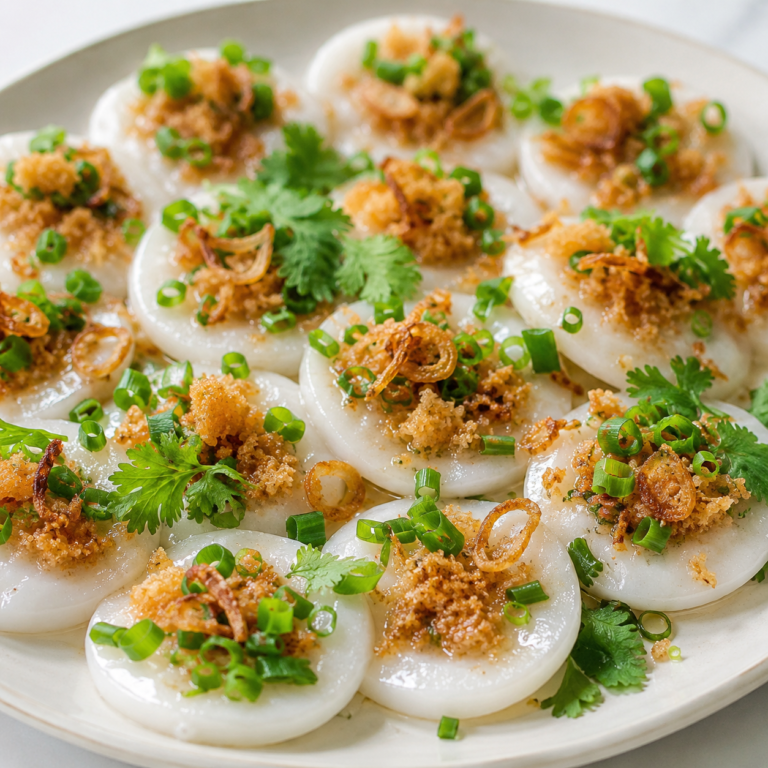
Banh Beo Recipe 2026
Banh beo recipe creates delicate, round Vietnamese steamed dumplings that deliver soft, chewy textures with savory toppings in every bite. These tiny, boat-shaped cakes are traditional Vietnamese street food made from a simple tapioca starch batter that steams to perfection in minutes.
- Total Time: 50 minutes
- Yield: 4 servings (16-20 pieces) 1x
Ingredients
- 1 cup Tapioca starch
- 1.5 cups Water
- 1 teaspoon Salt
- 2 tablespoons Shrimp paste (Mam tom)
- 3 tablespoons Fish sauce
- 2 tablespoons Lime juice
- 1 tablespoon Sugar
- 1/4 cup Water (for sauce)
- 1/2 cup Fried shallots
- 3 stalks Green onions (scallions)
- 1/4 cup Fresh cilantro
- 3 tablespoons Dried shrimp (optional)
Instructions
- Combine one cup of tapioca starch and one teaspoon of salt in a large mixing bowl to create the base for your banh beo recipe.
- Gradually pour warm water into the tapioca mixture while stirring constantly to prevent lumps from forming in your banh beo recipe batter.
- Continue stirring for two minutes until the mixture reaches a smooth, thin consistency similar to crepe batter for proper banh beo recipe results.
- Let the batter rest for five minutes at room temperature, which allows the starch to fully hydrate for your banh beo recipe.
- Fill a a steamer with water and bring it to a rolling boil before starting to cook your banh beo recipe.
- Lightly oil small round molds or banh beo molds to prevent sticking when making banh beo recipe.
- Pour approximately two tablespoons of batter into each mold, filling them about three-quarters full for your banh beo recipe.
- Carefully place filled molds into the steamer basket, working in batches if necessary when preparing banh beo recipe.
- Steam for five to seven minutes until the banh beo recipe dumplings turn translucent and firm to the touch but still tender.
- Remove steamed banh beo recipe from molds by running a thin knife around the edges and gently pushing from the bottom.
- Arrange finished banh beo recipe on a serving plate while still warm for best texture and presentation.
- Combine three tablespoons of fish sauce, two tablespoons of lime juice, one tablespoon of sugar, and one-quarter cup of water in a small bowl.
- Stir the mixture for one minute until the sugar dissolves completely in your banh beo recipe sauce.
- Add two tablespoons of shrimp paste to the sauce, stirring well to distribute evenly throughout when making banh beo recipe.
- Taste the banh beo recipe sauce and adjust seasoning by adding more lime juice if too salty, or more salt if too bland.
- Drizzle the prepared sauce generously over each warm banh beo recipe dumpling, using about one tablespoon per piece.
- Sprinkle crispy fried shallots on top of the banh beo recipe to add essential crunch and flavor.
- Scatter chopped green onions across your banh beo recipe for fresh onion bite and vibrant color.
- Add fresh cilantro leaves to the banh beo recipe, then optionally sprinkle rehydrated dried shrimp for extra umami.
- Serve the banh beo recipe immediately while still warm, allowing guests to enjoy the contrast between soft dumplings and crispy toppings.
Notes
Use a kitchen thermometer to verify your steaming water reaches 212°F before adding your banh beo recipe molds. Prepare your banh beo recipe batter immediately before steaming; if it sits longer than thirty minutes, restir it gently. Oil your molds generously with neutral oil. Steam in a single layer rather than stacking molds. Test doneness by inserting a toothpick into the center. Prepare all toppings and sauce before the dumplings finish steaming.
- Prep Time: 20 minutes
- Cook Time: 30 minutes
- Category: Appetizer
- Method: Steaming
- Cuisine: Vietnamese
- Diet: None
Nutrition
- Serving Size: 1 serving
- Calories: 90
- Sugar: 1.5g
- Sodium: 500mg
- Fat: 2.5g
- Saturated Fat: 0.5g
- Unsaturated Fat: 2g
- Trans Fat: 0g
- Carbohydrates: 15g
- Fiber: 0.5g
- Protein: 2.5g
- Cholesterol: 15mg